The Best Premium Compact Cameras in 2026: The Camera You Actually Carry
Gavler ranks the enthusiast fixed-lens primes and pocket full-frames worth carrying instead of a phone — from the Fujifilm X100VI to the Sony RX1R III.
Updated July 2026 — the compact camera comeback shows no sign of cooling. The Fujifilm X100VI is still frequently backordered more than two years after launch, the newly shipping Ricoh GR IV is selling out as fast as it arrives, and Sony's $5,099 RX1R III has reignited the pocket-full-frame conversation. Below is the field Gavler's community actually ranks — the enthusiast compacts worth carrying instead of a phone.
Five years ago, the compact camera looked dead. The phone had eaten it. Then something strange happened: a generation that grew up with a camera in every pocket decided it wanted a real one — and the compact camera became the hardest thing in photography to buy.
The Fujifilm X100VI went viral and stayed viral. The Ricoh GR series developed a cult. Demand massively outstripped supply on both, and it still does. What's driving it isn't nostalgia — it's that a dedicated camera makes you shoot differently. A fixed lens forces you to move your feet. A dial you can feel changes how you think about exposure. And the files, especially Fujifilm's film-simulation JPEGs, have a look that no computational-photography phone quite replicates.
Gavler doesn't rank phones, and it doesn't rank the mass-market point-and-shoots where "just use your iPhone" is the real answer. This list is the other thing entirely: premium compacts built for people who want to carry a camera. Here's how the community ranks them, and how to pick the right one.
The Two That Started the Resurgence
The top of this list is a two-horse race, and which one wins depends entirely on how you shoot.
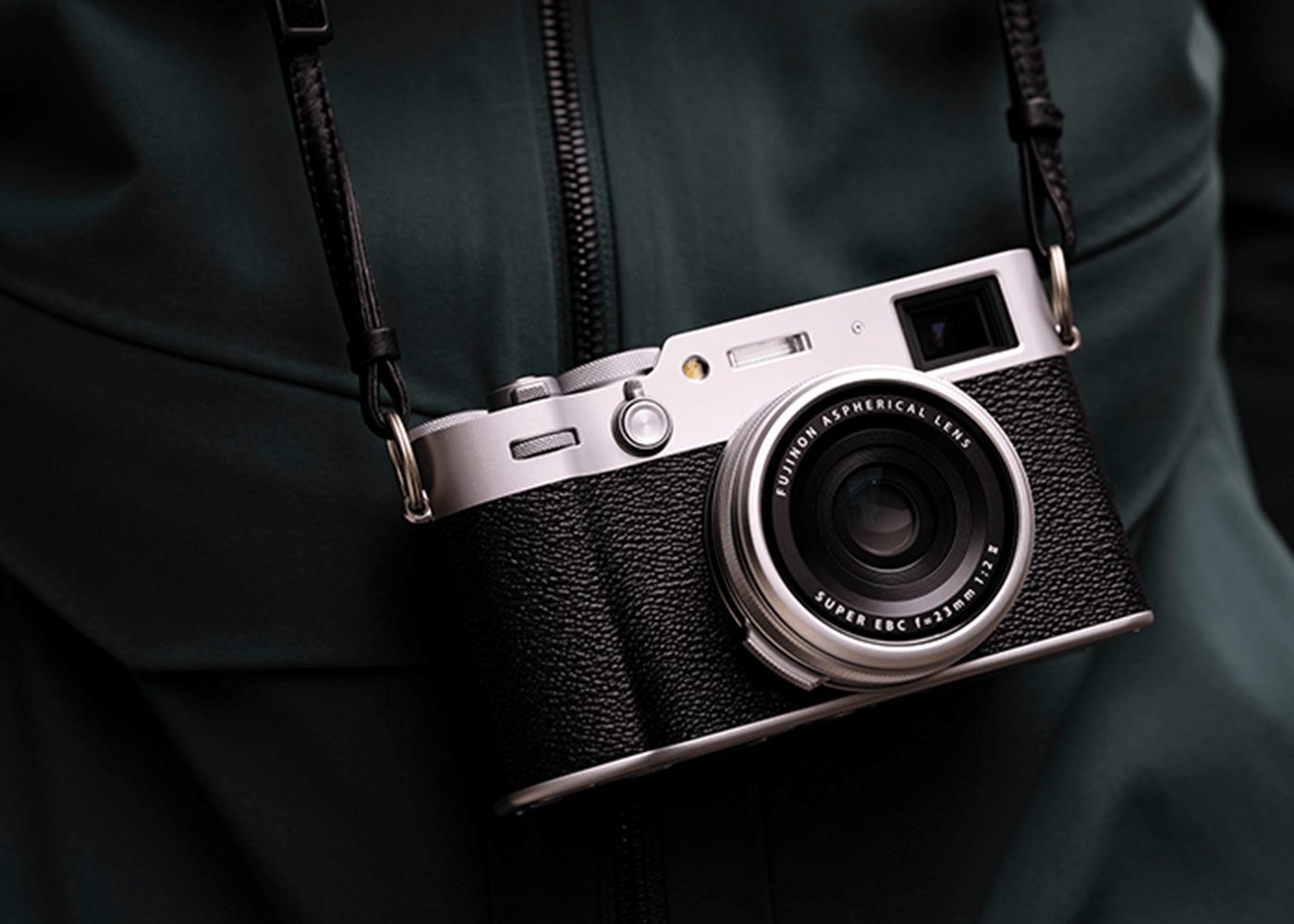
Fujifilm X100VI
A 40MP APS-C sensor, fixed 35mm-equivalent f/2 lens, and film simulations that make editing optional. The default answer for anyone who wants one beautiful camera.
Amazon affiliate · price subject to change
The Fujifilm X100VI (rank 1, score 9.6, around $1,599) is the camera that reignited the whole category, and it earns the top spot by being the most complete camera here. A 40MP APS-C sensor, a fixed 35mm-equivalent f/2 lens, in-body stabilization, and a clever hybrid optical/electronic viewfinder add up to one camera that genuinely handles street, travel, portraits, and low light. The film simulations produce keeper JPEGs straight out of camera, which is a huge part of why it went viral. The only real problem is buying one: it remains one of the most successful — and most backordered — camera launches in years, still hard to find more than two years on.
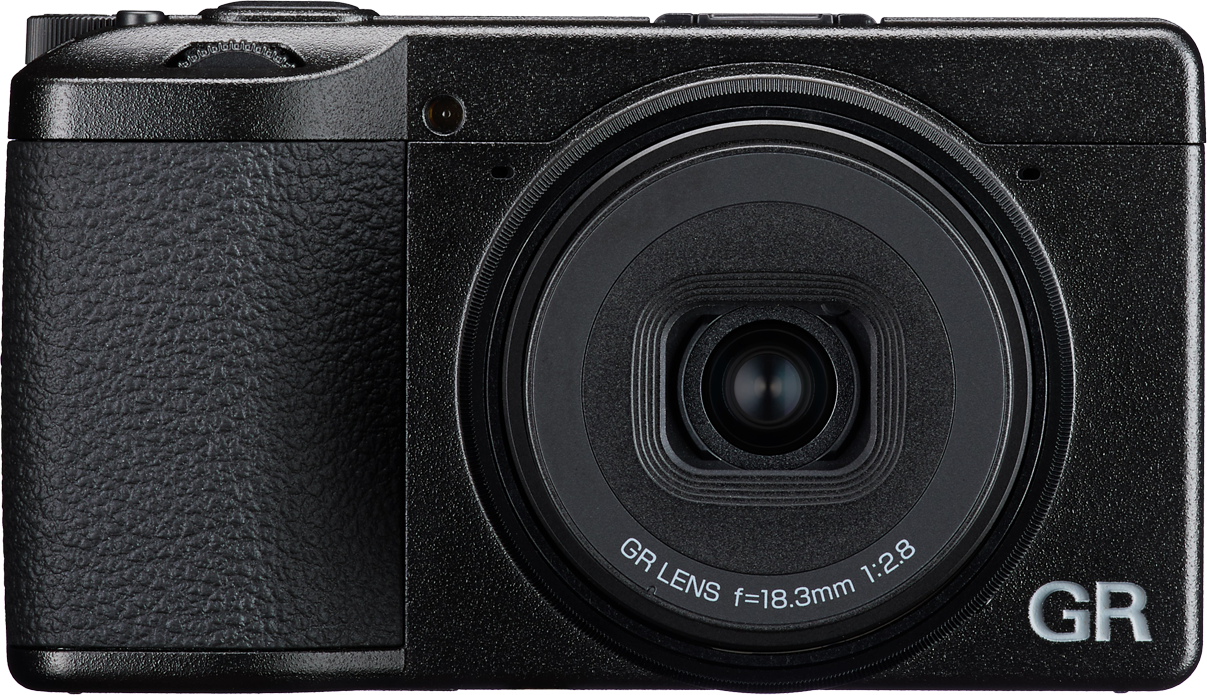
Ricoh GR IV
A new 26MP BSI APS-C sensor, five-axis stabilization, and a 28mm f/2.8 lens in a body that genuinely disappears into a pocket.
Amazon affiliate · price subject to change
The Ricoh GR IV (rank 2, score 9.3, $1,499) is the purist's answer, and the newly shipping 2026 model is the biggest upgrade the cult series has ever had. DPReview's verdict was that its "little improvements add up," and they do: a new 26MP backside-illuminated APS-C sensor, five-axis stabilization (up from three), and a startling 53GB of internal storage (the GR III had about 2GB). Digital Camera World called it "the cult compact gets its biggest upgrade yet." What hasn't changed is the point of it — a 28mm-equivalent lens in a body so slim it vanishes in a jeans pocket, ready to shoot the instant you pull it out. There's no viewfinder and no tilting screen, because this is a camera built to do one thing supremely well: catch the decisive moment. If the X100VI is the one camera to own, the GR IV is the one you'll actually have on you.
The Full-Frame Flexes
Two cameras here chase the absolute image-quality ceiling, and both ask you to pay dearly for it.
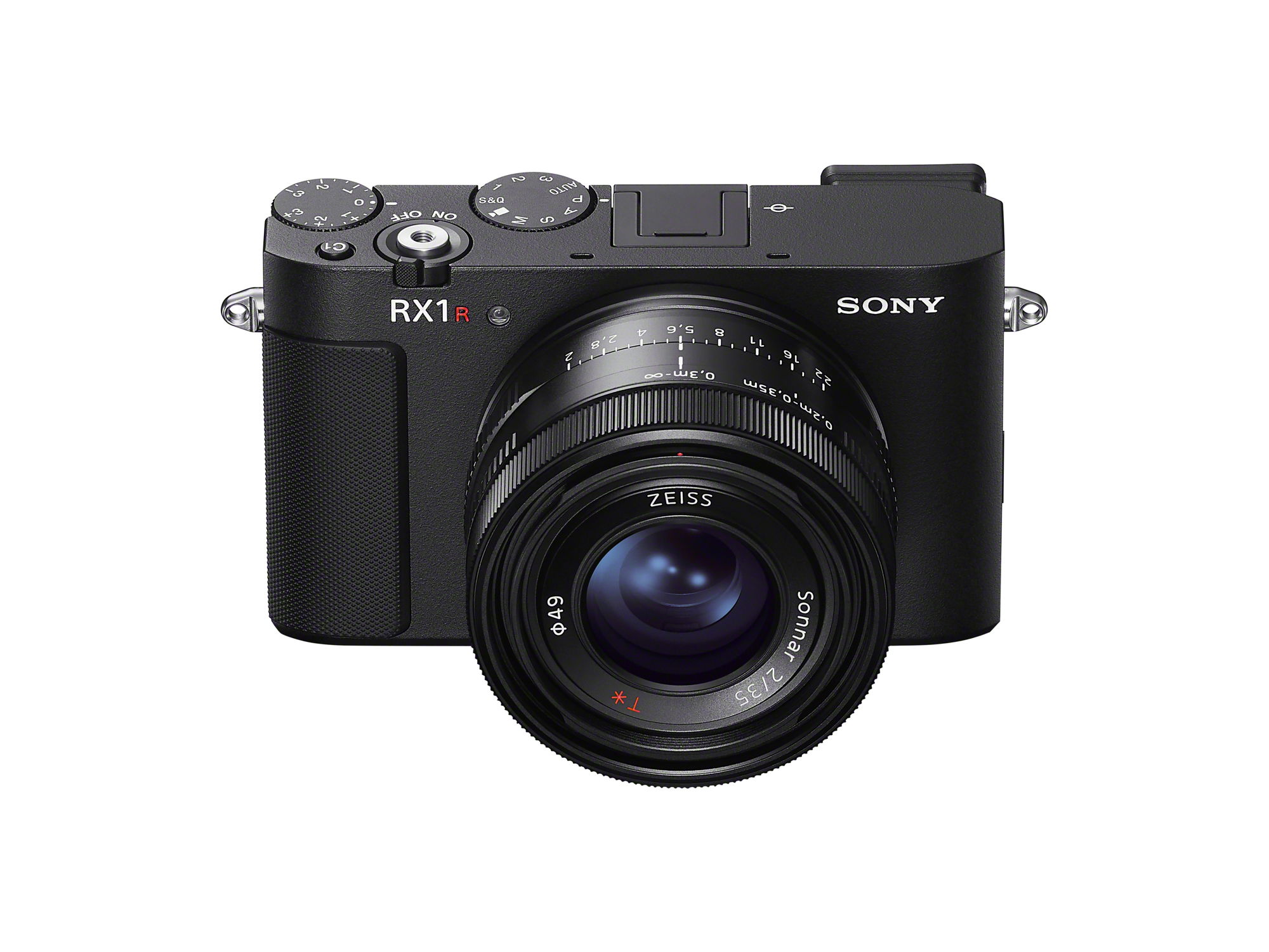
Sony RX1R III
A 61MP full-frame sensor and a fixed 35mm f/2 Zeiss lens with AI autofocus — the highest image quality in any compact, at a flagship price.
Amazon affiliate · price subject to change
The Sony RX1R III (rank 3, score 9.0, $5,099) is an engineering flex: the smallest full-frame fixed-lens camera on the market, built around the same 61MP sensor family as Sony's flagship A7R bodies, behind a fixed ZEISS 35mm f/2 lens, with Sony's latest AI subject-recognition autofocus. Digital Camera World called it the "pound-for-pound champ." But the price split reviewers down the middle — Tom's Guide concluded it "isn't worth the hype (or $5,099)," citing the omissions that sting at this cost: no in-body stabilization, a modest viewfinder, and a fixed rear screen. It's a specialist's tool for the photographer who refuses to carry a full-frame body plus lens and will pay a fortune to avoid it.
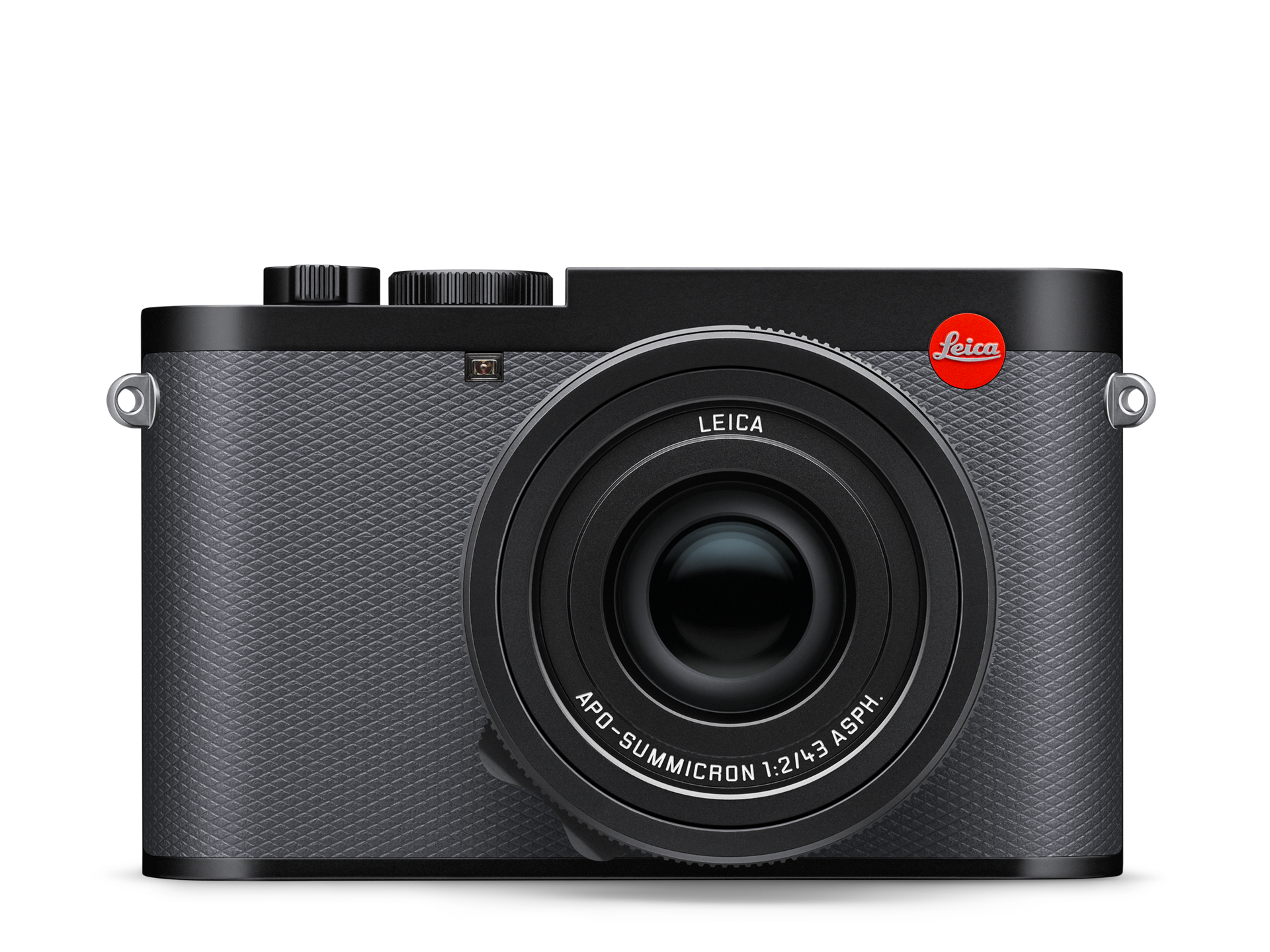
Leica Q3 43
A 60MP full-frame sensor, a fixed 43mm APO-Summicron lens, and Leica build quality. The natural-perspective sibling to the classic Q3.
Amazon affiliate · price subject to change
The Leica Q3 43 (rank 5, score 8.7, $6,895) is the RX1R III's philosophical rival and the most expensive camera on the list. It pairs a 60MP full-frame sensor with a fixed 43mm APO-Summicron lens — a slightly longer, more "normal" field of view that many find more natural than 35mm — plus the Leica ownership experience and a genuinely usable macro mode. It's less about spec-sheet value than about the tactile, deliberate way a Leica makes you work. If you have to ask whether it's worth it, it probably isn't for you; if you already know, nothing else scratches the itch.
The Value and Specialist Picks
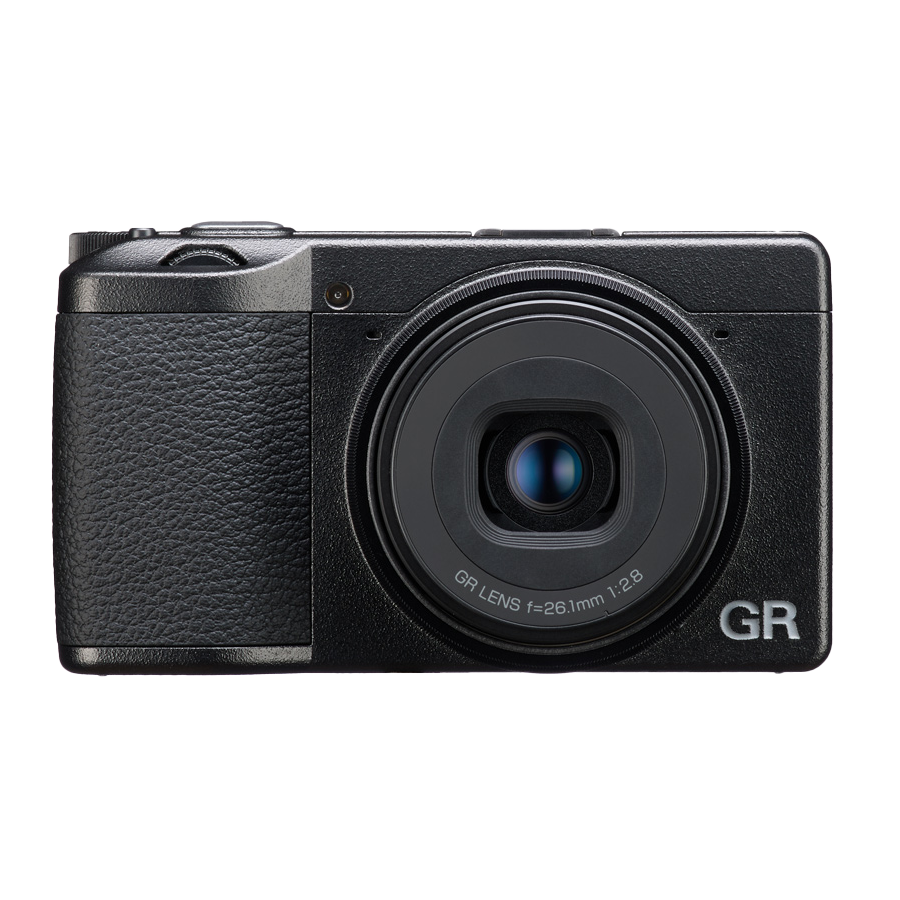
Ricoh GR IIIx
The same pocketable APS-C formula as the classic GR, but with a tighter, more natural 40mm-equivalent lens for portraits and details.
Amazon affiliate · price subject to change
The Ricoh GR IIIx (rank 4, score 8.9, around $1,047) is the GR IV's more affordable sibling, sold alongside it, with a 40mm-equivalent lens instead of 28mm — a tighter, more flattering framing for people and details. It's the pick for someone who loves the GR philosophy but prefers a slightly longer view, or who simply wants in for less.
Below them, the list rounds out with the versatile pocket zooms and creator cameras. The Sony RX100 VII (rank 6, $1,498) crams a long 24-200mm-equivalent zoom into a jacket pocket. The Leica D-Lux 8 (rank 7, $1,795) delivers Leica styling on a more accessible Micro Four Thirds sensor. The Panasonic Lumix LX100 II (rank 8, around $997) is the enthusiast zoom-compact value play. And for creators, the Sony ZV-1 II (rank 9, around $898) and the Canon PowerShot G7 X Mark III (rank 10, around $749) are built for vlogging, with articulating screens and streaming features. Rounding out the list, the rugged OM System Tough TG-7 (rank 11) is the waterproof, freezeproof outlier for anyone who wants a real camera that survives the pool, the trail, or the ski slope.
How to Choose
Start with how you'll carry it. If the honest answer is "only if it fits in a pocket," buy the Ricoh GR IV — it's the most likely to actually be with you when the shot happens. If you want one camera that does nearly everything and you can live with the hunt to find one, the Fujifilm X100VI is the best all-rounder in the category. If image quality is the entire point and money is not the constraint, the full-frame Sony RX1R III and Leica Q3 43 sit at the ceiling, each with a distinct personality. And if you're buying primarily to make videos, look at the creator-focused Sony ZV-1 II or Canon G7 X Mark III first. For most people, though, the smart money is on APS-C: the two cameras at the top of this list outshoot phones by a mile and cost a fraction of the full-frame flexes.
Where They Rank
The full community order, vote counts, and filters for street, travel, creators, and value live on the Best Premium Compact Cameras list, where you can cast your own vote and watch the ranking move. Pocket prime vs hybrid finder vs travel zoom is the premium-compact buying guide. If you're weighing a compact against an interchangeable-lens setup, architecture first in the mirrorless camera buying guide, then the ranking story in The Best Mirrorless Cameras in 2026. If the job is a helmet, a chest plate, or a swim — not a jacket-pocket stills camera — architecture first in the action-camera buying guide, then the ranking story in The Best Action Cameras in 2026.
See all 11 products ranked by the community
Best Premium Compact Cameras
See Full Rankings →272 community votes cast
Common Questions
On Gavler's community-ranked list, the Fujifilm X100VI sits at number one with a 9.6 score, and it's the right default for most people who want one camera to do everything. Its 40MP APS-C sensor, fixed 35mm-equivalent f/2 lens, in-body stabilization, and hybrid optical/electronic viewfinder make it the most versatile camera in the category — good for street, travel, portraits, and low light in a body you'll actually carry. The catch is availability: more than two years after launch it's still frequently backordered. If you want something genuinely pocketable instead, the Ricoh GR IV (rank 2) is smaller, faster to deploy, and built for one thing — decisive-moment street shooting — extremely well.
A category most people had written off five years ago is now the most supply-constrained corner of the camera market, and the reason is social media. The Fujifilm X100VI and the Ricoh GR series went viral — younger photographers rediscovered that a dedicated camera produces a look, a feel, and a deliberateness that a phone can't fake, and the film-simulation JPEGs from Fujifilm in particular are made for sharing. Demand has massively outstripped supply on the two headline models, and both are expected to stay hard to find well into 2026. What was a dying category is now a genuine cultural moment, which is exactly why it's worth a ranked list.
It depends on how you shoot. The Ricoh GR IV is the purer street tool — noticeably smaller (it truly disappears in a jeans pocket), it starts up almost instantly, its 28mm-equivalent field of view and snap-focus make it lethal for grab shots, and its minimalist rear-LCD-only design keeps you from fiddling. The Fujifilm X100VI is the more versatile camera and the better single camera to own: it has a viewfinder, physical dials, a 40MP sensor with more room to crop, and a slightly longer 35mm-equivalent lens that flatters people. Pick the GR IV if you want the most invisible everyday carry; pick the X100VI if you want one camera that also handles portraits, low light, and travel.
Only for a specific buyer. The RX1R III is the smallest full-frame fixed-lens camera you can buy, wrapping a 61MP sensor and a ZEISS 35mm f/2 lens into a pocketable body with Sony's latest AI autofocus — Digital Camera World called it the pound-for-pound champ of compacts. But reviewers were split on the price: Tom's Guide flatly concluded it 'isn't worth the hype (or $5,099),' pointing to the lack of in-body stabilization, a modest viewfinder, and a fixed screen. If you're committed to the smallest possible full-frame kit and image quality is non-negotiable, nothing else does what it does. For everyone else, an APS-C compact at a third of the price gets you most of the way there.
Gavler deliberately stays out of categories where Apple sells a leading product, and for mass-market point-and-shoots the honest competitor is 'just use your iPhone.' This list threads that needle by ranking premium compacts — enthusiast fixed-lens primes and pocket full-frames aimed squarely at a buyer who deliberately does not want a phone as their camera. Every camera here exists because it does something a phone can't: a real sensor, a real lens, real dials, and a shooting experience that changes how you take pictures. That's the whole point of the category, and the reason it's having a resurgence.
For almost everyone, APS-C is more than enough. The two cameras at the top of Gavler's list — the Fujifilm X100VI and the Ricoh GR IV — are both APS-C, and they deliver image quality that prints beautifully, handles low light well, and leaves phones far behind. Full-frame compacts like the Sony RX1R III and the Leica Q3 43 buy you more resolution, shallower depth of field, and better high-ISO performance, but they cost three to seven times as much and are aimed at professionals and serious enthusiasts who need the absolute ceiling. Unless you're printing large, shooting professionally, or specifically want that full-frame rendering, an APS-C compact is the smarter buy.
Most of this list is built for stills first, but two picks lean toward creators. The Sony ZV-1 II (rank 9, around $898) is purpose-built for vlogging — a wide 18-50mm-equivalent zoom, a fully articulating screen, and vlog-focused features like background defocus and product showcase. The Canon PowerShot G7 X Mark III (rank 10, around $749) remains a creator favorite for its flip-up screen, 4K video, and live-streaming support. If you want one camera that does stills seriously and video capably, the Fujifilm X100VI shoots strong 6.2K footage, but its fixed 35mm lens and non-articulating screen make it a compromise for talking-to-camera vlogging.
Products Mentioned
Jump to the full ranking and community verdict for each pick named above.
- Fujifilm X100VIPhotography · Best Premium Compact Cameras
- Sony RX1R IIIPhotography · Best Premium Compact Cameras
- Ricoh GR IVPhotography · Best Premium Compact Cameras
- Leica Q3 43Photography · Best Premium Compact Cameras
- Ricoh GR IIIxPhotography · Best Premium Compact Cameras
- Sony RX100 VIIPhotography · Best Premium Compact Cameras
- Leica D-Lux 8Photography · Best Premium Compact Cameras
- Panasonic Lumix LX100 IIPhotography · Best Premium Compact Cameras
- Sony ZV-1 IIPhotography · Best Premium Compact Cameras
- Canon PowerShot G7 X Mark IIIPhotography · Best Premium Compact Cameras
- OM System Tough TG-7Photography · Best Premium Compact Cameras