Sony ZV-1 II.
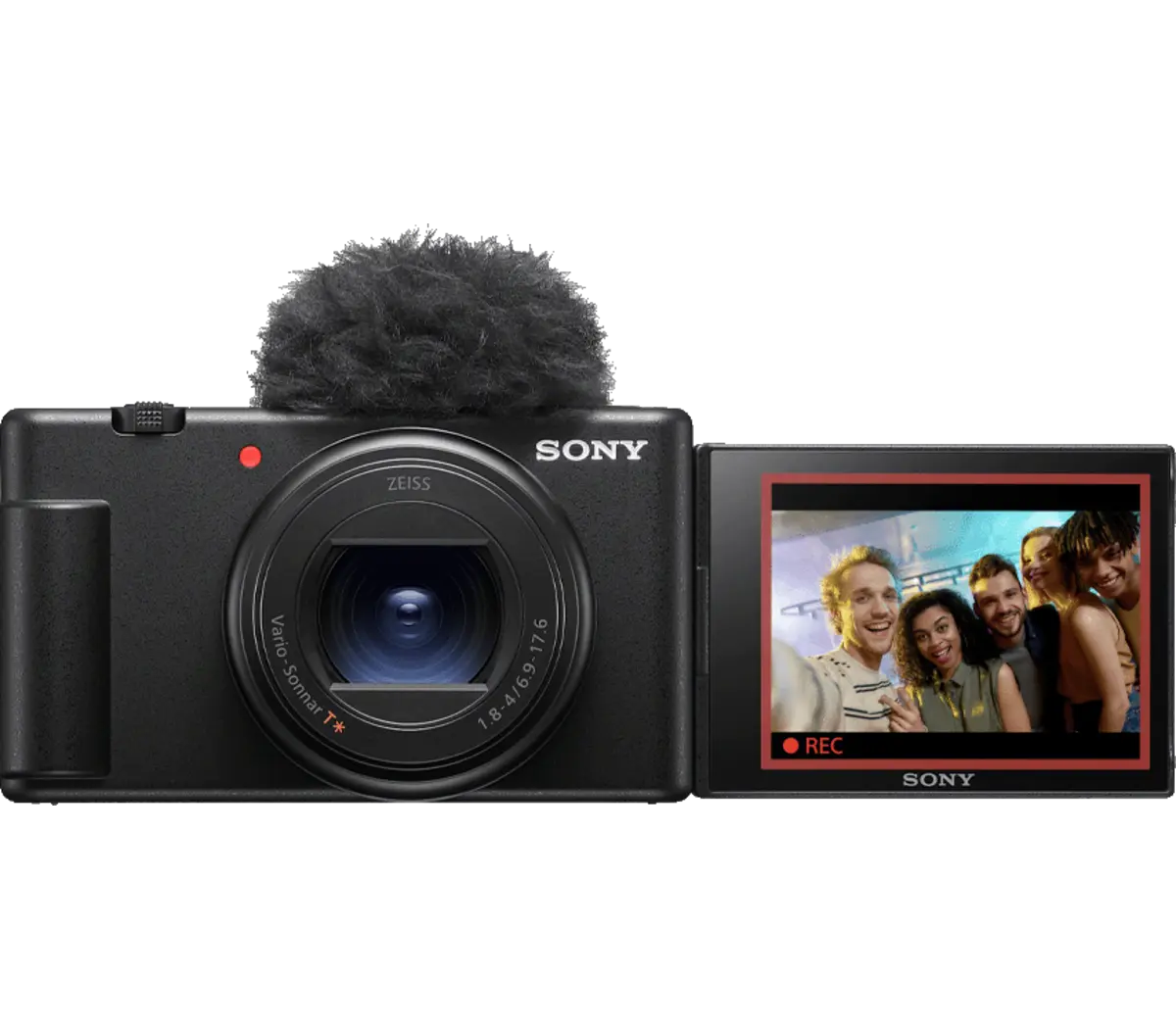
A wide 18-50mm equivalent zoom, a flip-forward screen, and vlogging tools on a 1-inch sensor. Made for talking to a camera, not just shooting with one.
The Verdict.
Gavler Meta-Score
“The ZV-1 II is the compact to buy if you make videos. The wider lens fixes the original's biggest flaw, and the creator-focused tools — flip screen, showcase mode, good onboard audio — are genuinely useful, not gimmicks. Stills shooters have better options here, but for talking to a camera, this is the pocket tool designed for exactly that.”
The Gavler Verdict
The Gavler Review.
Sony ZV-1 II Review: The Wider Lens Vloggers Asked For, Not Much Else
The Sony ZV-1 II ranks number 9 on Gavler's Best Premium Compact Cameras list with a 7.9, and it exists to fix one specific complaint about its predecessor: the original ZV-1's 24-70mm-equivalent lens was too tight for handheld selfie vlogging. DPReview found the new camera has "excellent rolling shutter, industry-leading autofocus and a very nice selfie-friendly zoom lens," but PetaPixel's own verdict on whether to buy it is refreshingly unhyped: "Maybe." This is a wider lens bolted onto a camera that is otherwise, in PetaPixel's words, "a slight evolution at best."
What it is
The ZV-1 II pairs a 20.1MP, 1-inch stacked Exmor RS CMOS sensor with an 18-50mm-equivalent f/1.8-4.0 zoom — the defining change from the original ZV-1's 24-70mm design. At 292 grams, it's built around the same body as its predecessor: a fully articulating screen that flips forward for framing yourself, the same three-microphone directional array with AI-assisted direction sensing, and a tally lamp that DPReview and PetaPixel both single out as a genuinely useful touch for anyone presenting to camera. There's still no electronic viewfinder, and the on/off switch remains, as PetaPixel puts it, "notoriously difficult to access with the microphone wind muff in place."
Video tops out at 4K/30p — PetaPixel notes Sony was "hoping to see 4Kp60 added to this model" but it didn't happen, and there's still no 10-bit recording despite the addition of S-Log3. The camera does gain improved webcam functionality, plugging directly into conferencing apps like Zoom without Sony's older proprietary software, and Product Showcase mode — which racks focus from a presenter's face to whatever product they hold up — carries over from the original and remains one of the camera's most genuinely useful creator-specific features.
In use
The wider lens is the whole story here, and reviewers are split on how much it actually solves. DPReview's assessment is straightforwardly positive: the wider lens is "the upgrade vloggers asked for, and it transforms the camera for handheld use." PetaPixel agrees the direction is right — "I feel like the new 18-50mm lens is a good move in the right direction" — but flags the real catch: "there is no optical image stabilization to speak of, which means if you want steadier-looking shots you'll have to engage Active Stabilization." That digital stabilization "works effectively but crops the lens down to roughly a 23mm full-frame equivalent," which PetaPixel points out is "hardly a significant wide-angle improvement over the old lens" once you actually need steady footage.
There's a second catch on the telephoto end. The new lens tops out at a slower f/4 at 50mm, and PetaPixel found themselves "wanting the 70mm field of view from the older lens" — the wider zoom comes at the cost of reach that mattered for some framing. Combined, PetaPixel's verdict is that "the new focal range will be a major deciding factor in whether you should get the old ZV-1 or the new ZV-1 Mark II. For vlogging, I'd get the new Mark II, but for anything else, I'd take a hard look at the older" model.
Where the ZV-1 II is unambiguously strong is autofocus and everyday usability. DPReview calls out "industry-leading autofocus," and the returning Product Showcase mode remains, per PetaPixel, one of the camera's best features for creators who demonstrate products on camera. Audio quality is respectable rather than excellent — DPReview flags "flat out-of-camera audio" as a real limitation for anyone expecting broadcast-ready sound straight from the built-in mics.
Strengths
- A lens genuinely built for handheld vlogging. The 18-50mm range, even with its trade-offs, is a meaningful ergonomic fix for the framing problem that limited the original ZV-1.
- Best-in-class autofocus for the price. DPReview's "industry-leading" praise reflects Sony's continued advantage in subject tracking, a real asset for solo creators who can't manually pull focus on themselves.
- Creator tools that solve real problems. Product Showcase mode and the tally lamp aren't gimmicks — they're specifically useful for anyone who talks to a camera rather than just photographs with one.
The trade-offs — who should skip it
- No meaningful optical stabilization. PetaPixel's "no optical image stabilization to speak of" is a real limitation, and the digital workaround eats back much of the new lens's wide-angle advantage.
- Video specs that didn't move much. Still capped at 4K/30p with no 10-bit recording — PetaPixel calls the camera "basically rehashing the video capabilities of the original ZV-1."
- A worse stills camera than the original in some ways. The slower f/4 telephoto end and shorter effective reach mean PetaPixel explicitly prefers the older ZV-1 "as a photo-based camera."
How it compares
On the same Best Premium Compact Cameras list, the Canon PowerShot G7 X Mark III at rank 10 is the more flexible stills-and-video hybrid, with a brighter, longer 24-100mm f/1.8-2.8 zoom and Canon's more flattering out-of-camera color — a stronger choice for creators who split time between photography and video rather than living almost entirely in front of the lens. The Panasonic Lumix LX100 II at rank 8 takes the opposite approach entirely: a larger Four Thirds sensor and real manual dials for photographers who value control and image quality over vlogging-specific features, at the cost of dated 2018-era autofocus.
Against its own predecessor, the choice PetaPixel lays out is the clearest way to decide: buy the ZV-1 II specifically for the wider lens if handheld vlogging is your primary use, or look at the original ZV-1 if stills and longer reach matter more than the wider field of view.
The Gavler verdict
A 7.9 for a camera that solves exactly one problem — the original ZV-1's cramped handheld framing — without meaningfully advancing anything else. DPReview's praise for autofocus and the wider lens is earned, but PetaPixel's own "Maybe" verdict is the honest summary: this is a narrow, well-executed upgrade for a specific use case, not a leap forward. Buy it if you talk to the camera more than you shoot with it and the wider lens solves a real framing problem you've had; stills-focused shooters and anyone chasing better video specs should look elsewhere on this list.
Common Questions
For vloggers specifically, yes — DPReview found 'excellent rolling shutter, industry-leading autofocus and a very nice selfie-friendly zoom lens.' It ranks number 9 on Gavler's Best Premium Compact Cameras list with a 7.9 at $898. PetaPixel's verdict on whether to buy was more measured: 'Maybe' — it depends on whether the wider lens matters to you.
Not meaningfully in the optical sense. PetaPixel notes 'there is no optical image stabilization to speak of,' so steadier handheld shots require Active Stabilization, which crops the image down to roughly a 23mm full-frame equivalent — undercutting some of the wider lens's benefit.
Not the priority. PetaPixel writes that it prefers the original ZV-1 'as a photo-based camera,' citing the slower f/4 aperture at the ZV-1 II's 50mm end and a shorter zoom range overall. DPReview's stills-focused piece reaches a similar conclusion — this is a video-first tool that happens to take decent photos.
Where to Buy.
Prices checked regularly
90-day price history
Price History
Steady at $898 for the entire 90-day tracking window — no increases, no discounts, across 91 tracked days.
Tracked daily across retailers. Vote Want itabove and we’ll alert you the moment the price drops.
Some links are affiliate links — Gavler may earn a commission. This never affects rankings or scores. Learn more.
Precision Engineering
18-50mm Wide Zoom
Goes wide enough for handheld selfie video with room for you and your background in frame.
Vari-Angle Screen
Flips fully forward for framing yourself, paired with Product Showcase and Background Defocus modes.
Directional Mic
A built-in three-capsule microphone with bundled windscreen for clean on-camera audio.
Technical Specifications
The Scoreboard
The wider lens and creator tools make it a standout for vloggers. Lack of a viewfinder, limited stabilization, and short zoom keep it from being a great all-round stills camera.
Cast Your Vote
Do you think Sony ZV-1 II deserves the #9 spot in Best Premium Compact Cameras?
Global Critique
“The wider lens is the upgrade vloggers asked for, and it transforms the camera for handheld use.”
“Purpose-built for creators — the showcase mode and audio tools just work.”
“Not a stills camera first, but the best pocket vlogging tool Sony makes.”
More from Best Premium Compact Cameras.
See how other top picks compare in this category.
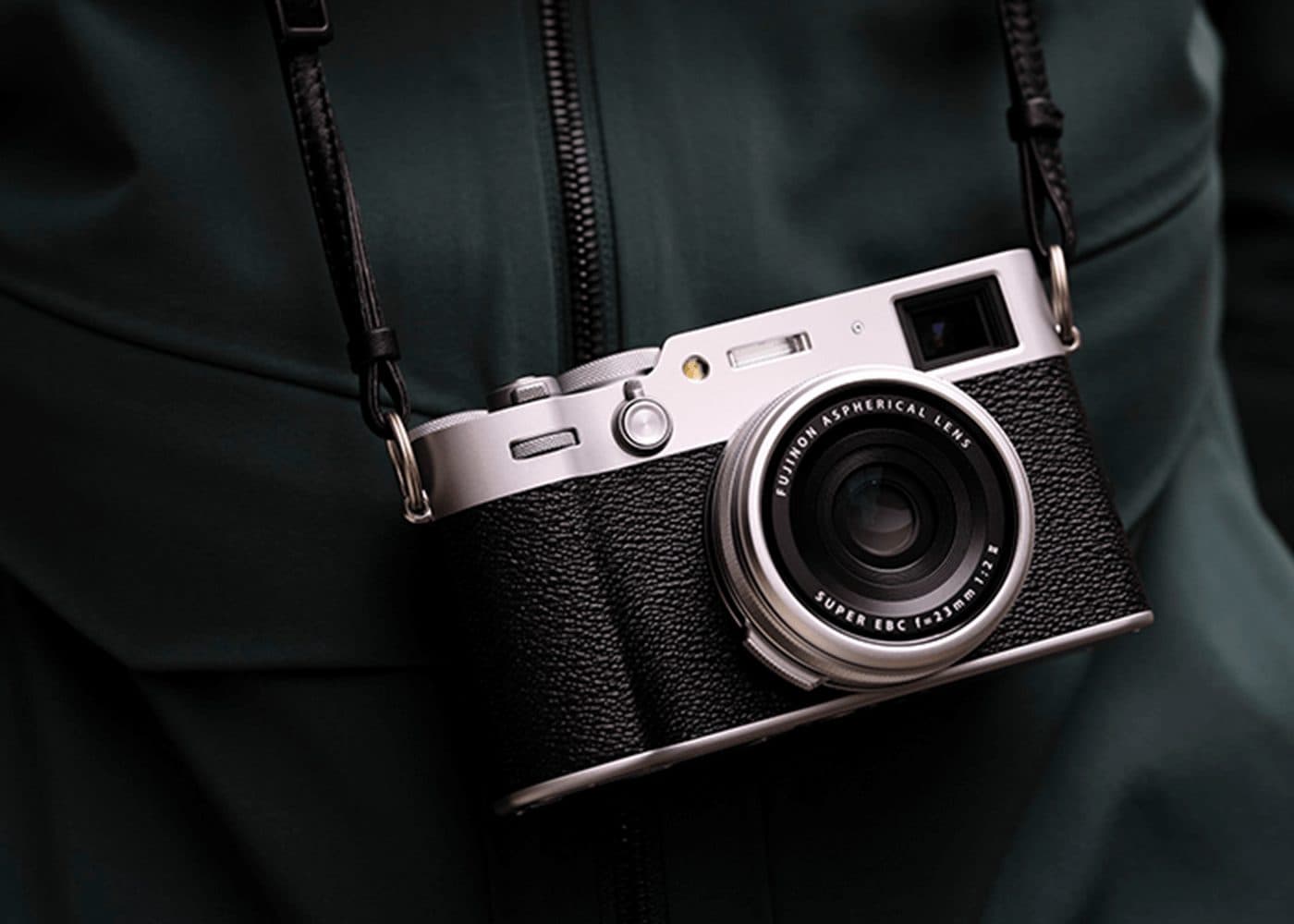
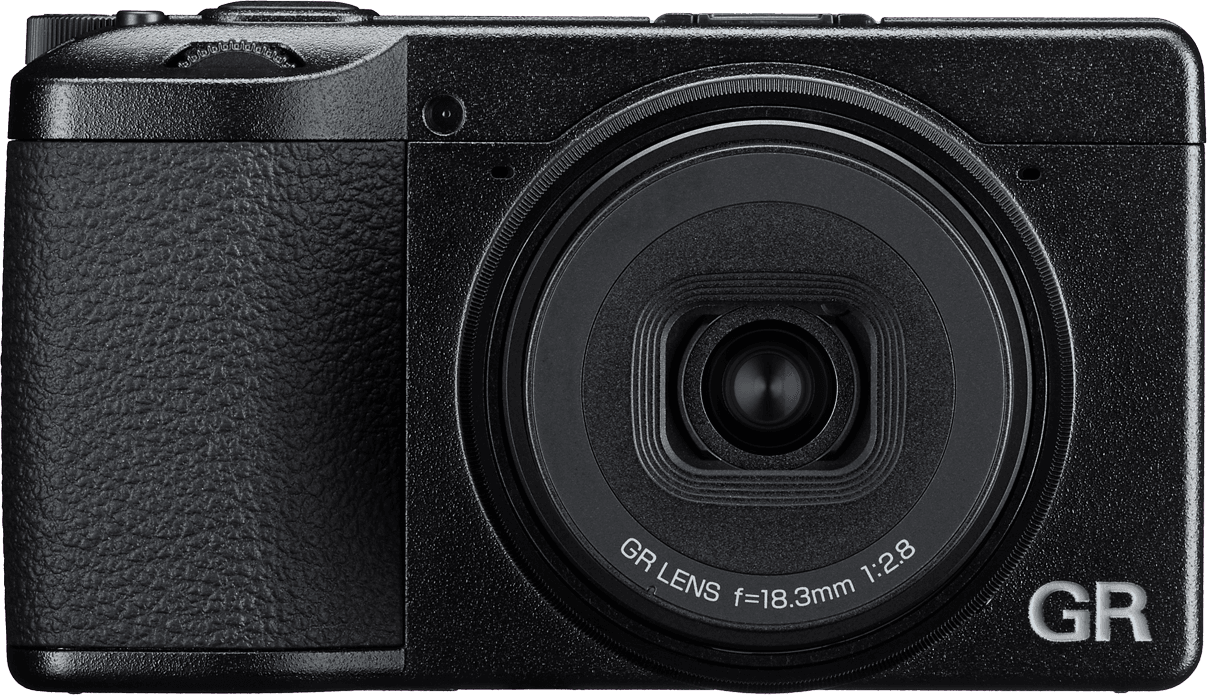
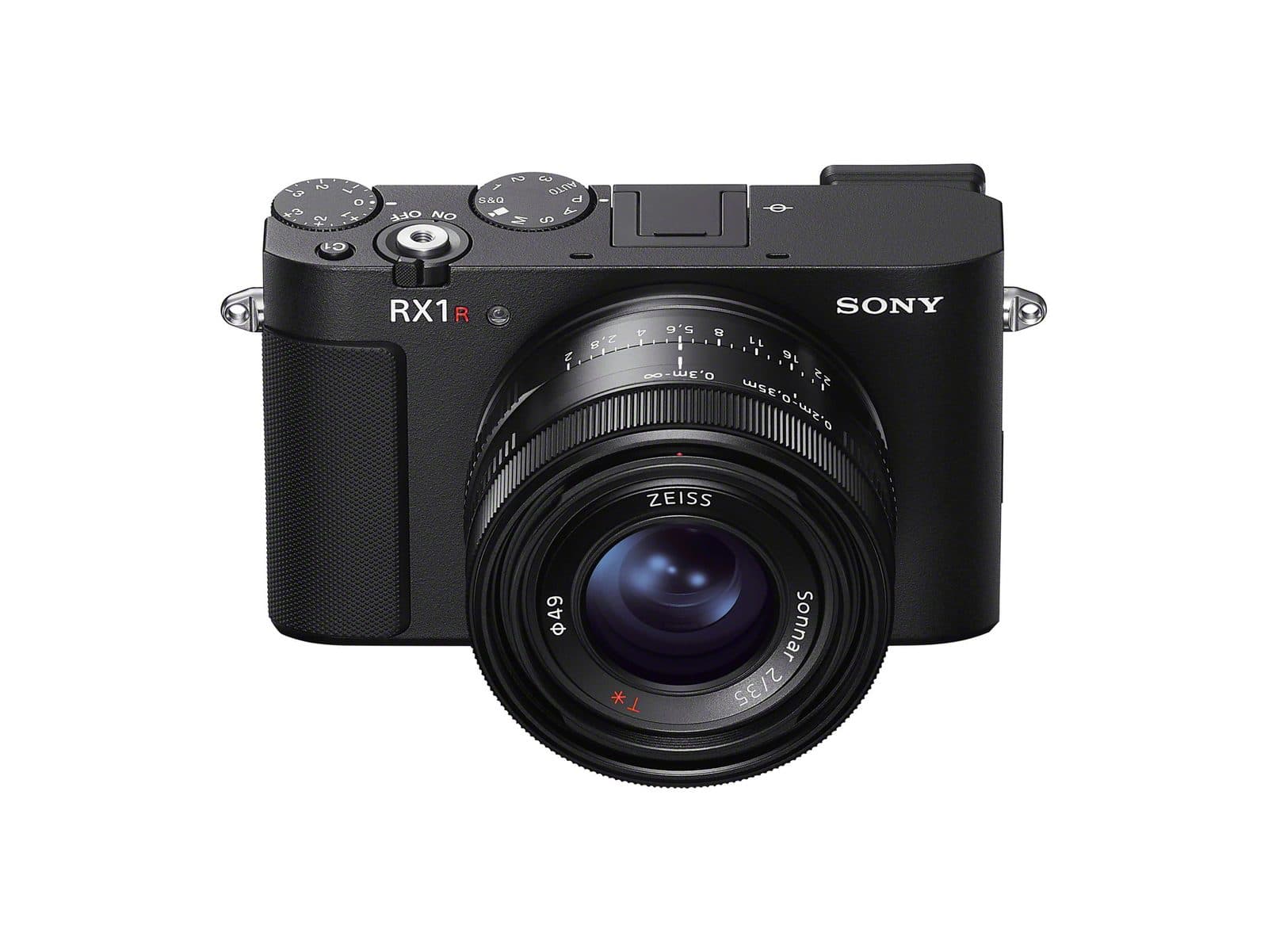
A Pocket Prime, a Hybrid Finder, or a Travel Zoom?
A 40MP hangtag is the wrong first question. Pocket prime, hybrid finder, or travel zoom is the camera. Then shop Gavler's live ranking.
The Best Premium Compact Cameras in 2026: The Camera You Actually Carry
Gavler ranks the enthusiast fixed-lens primes and pocket full-frames worth carrying instead of a phone — from the Fujifilm X100VI to the Sony RX1R III.