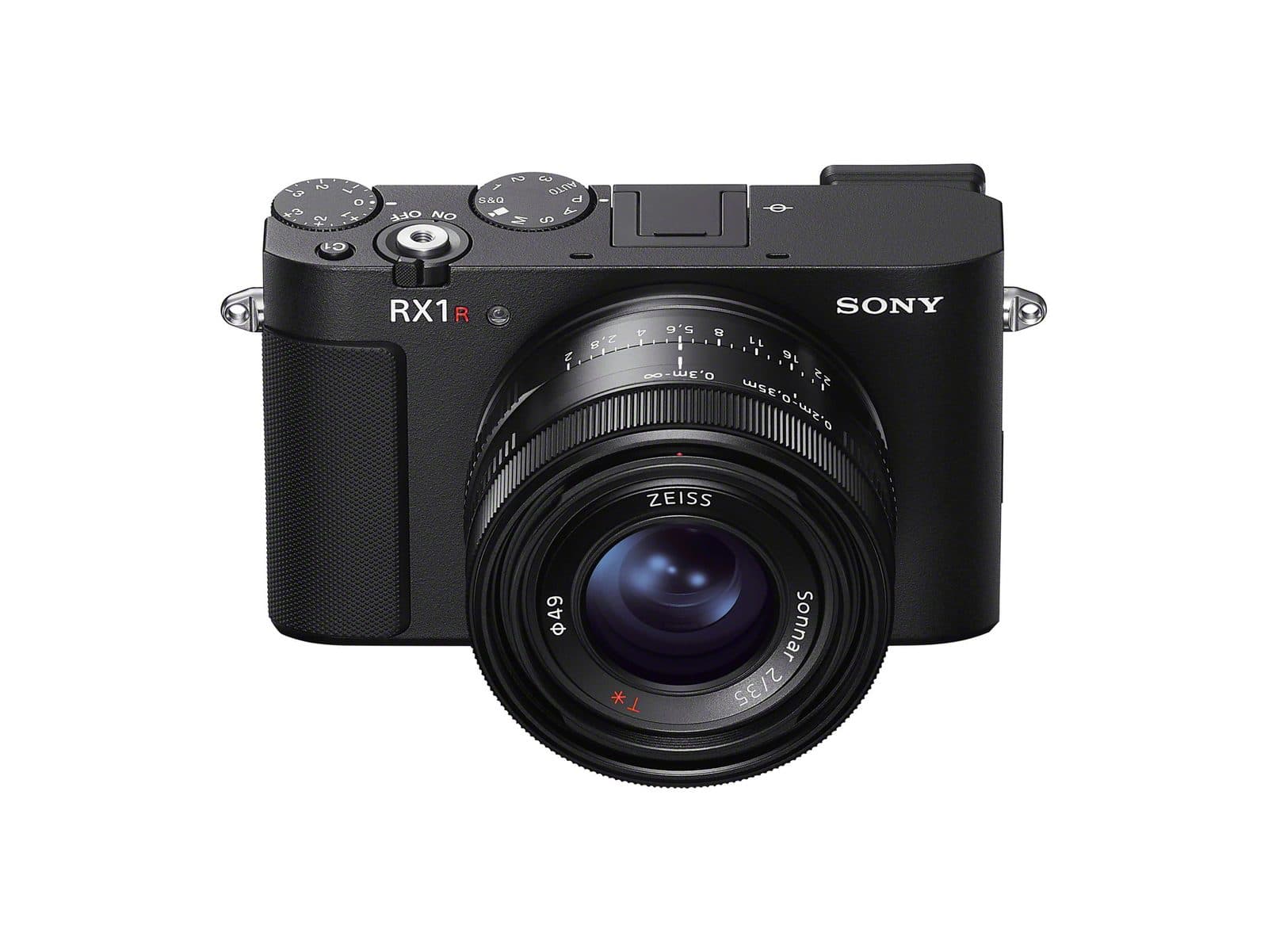
Sony RX1R III.
A 61MP full-frame sensor and a fixed 35mm f/2 Zeiss lens with AI autofocus — the highest image quality in any compact, at a flagship price.
The Verdict.
Gavler Meta-Score
“The RX1R III is the image-quality champion of the compact world, full stop. Nothing else this small resolves like it. The trade-offs are real — no IBIS, short battery life, and a price that rivals a full mirrorless kit — so it's a want, not a need. But for the shooter who values ultimate files in a jacket pocket above all else, it's the object of desire.”
The Gavler Verdict
The Gavler Review.
Sony RX1R III Review: Full-Frame Flagship Image Quality in Your Palm
The Sony RX1R III sits at rank three on Gavler's Best Premium Compact Cameras list with a 9.0, and it earns that spot on the strength of a single, uncompromising idea: put a genuine full-frame flagship sensor into a body you can close a hand around. Buy it if uncompromised image quality in the smallest possible package is worth $5,099 to you. Skip it if you want stabilization, longer battery life, or simply don't need resolution this far beyond what you'll ever print or crop.
What it actually is
The Sony RX1R III revives a rarefied idea: a genuinely pocketable body wrapped around a full-frame sensor, and not a modest one. This is the same 61-megapixel Exmor R sensor family found in Sony's flagship A7R mirrorless bodies, sitting behind a fixed Zeiss Sonnar T* 35mm f/2 lens with no optical low-pass filter for maximum resolving power. The result is image quality that simply has no peer in this size class — there is no other compact camera on the market putting this much resolution behind glass this good in a body this small.
Sony brought its modern autofocus to the platform as well. The RX1R III adds the AI-processing unit from its latest Alpha cameras, with real-time subject recognition covering people, animals, and vehicles across 693 phase-detection points — the same intelligent tracking system found on Sony's current full-frame mirrorless flagships, not a scaled-down compact-camera substitute. It shoots 4K video, claims fifteen stops of dynamic range, and packs a pop-up electronic viewfinder into a body you can wrap a single hand around. At $5,099, it buys medium-format-adjacent resolution and Leica-rivaling compactness — a genuinely specialist combination.
In use
DPReview's assessment gets straight to what makes this camera unusual: "a 61MP full-frame photographers' compact with image quality nothing else this size can touch." That's the entire pitch in one sentence, and it's an accurate one — there's no meaningful competitor putting a sensor this large and this high-resolution behind a lens this compact. CineD's framing captures the trade-off just as directly: "the RX1R III delivers flagship Alpha resolution in a body you can palm — for a suitably flagship price." The word "suitably" is doing real work there; nobody reviewing this camera treats the price as an accident or an oversight.
That tension between capability and cost runs through every review. Newsshooter's summary is the most concise version of the honest verdict: "uncompromising files, compromised battery and price. A luxury for those who can justify it." That's not a knock on the camera's execution — it's an accurate description of what kind of product this is. The RX1R III isn't trying to be a value proposition; it's trying to be the single best image-quality-per-cubic-inch camera money can buy, and by most accounts, it succeeds at that specific goal.
The AI autofocus deserves attention on its own, because it's a genuine departure from how fixed-lens compacts have historically handled focus. Real-time subject recognition across 693 phase-detect points, borrowed directly from Sony's current full-frame flagships, means the RX1R III tracks a moving subject with a sophistication that fixed-lens compacts simply haven't offered before. Combined with the lack of an optical low-pass filter, every frame that's properly focused resolves detail that few other cameras in any category can match.
Where it shines
- Full-frame, 61MP resolution in a genuinely pocketable body. This is the entire reason the camera exists, and it delivers — nothing else this size resolves like it.
- Modern, flagship-grade autofocus. The same AI subject-recognition system found on Sony's current Alpha bodies, not a watered-down compact-camera version.
- A lens matched precisely to the sensor. The fixed Zeiss Sonnar T* 35mm f/2 is built specifically around this sensor's resolving power, rather than adapted from an unrelated design.
The trade-offs — who should skip it
The RX1R III is a want, not a need, and the honest reasons to look elsewhere are specific:
- No image stabilization. There's no in-body or lens-based stabilization at all, which is a real limitation for handheld low-light work compared to rivals that have added IBIS to their latest generation.
- Battery life is genuinely short. Reviewers consistently flag this as a real day-to-day inconvenience, not a minor footnote — plan around carrying spares.
- The price rivals a full mirrorless kit. At $5,099, this costs more than many complete full-frame camera-and-lens combinations, for the specific trade of extreme portability.
How it compares
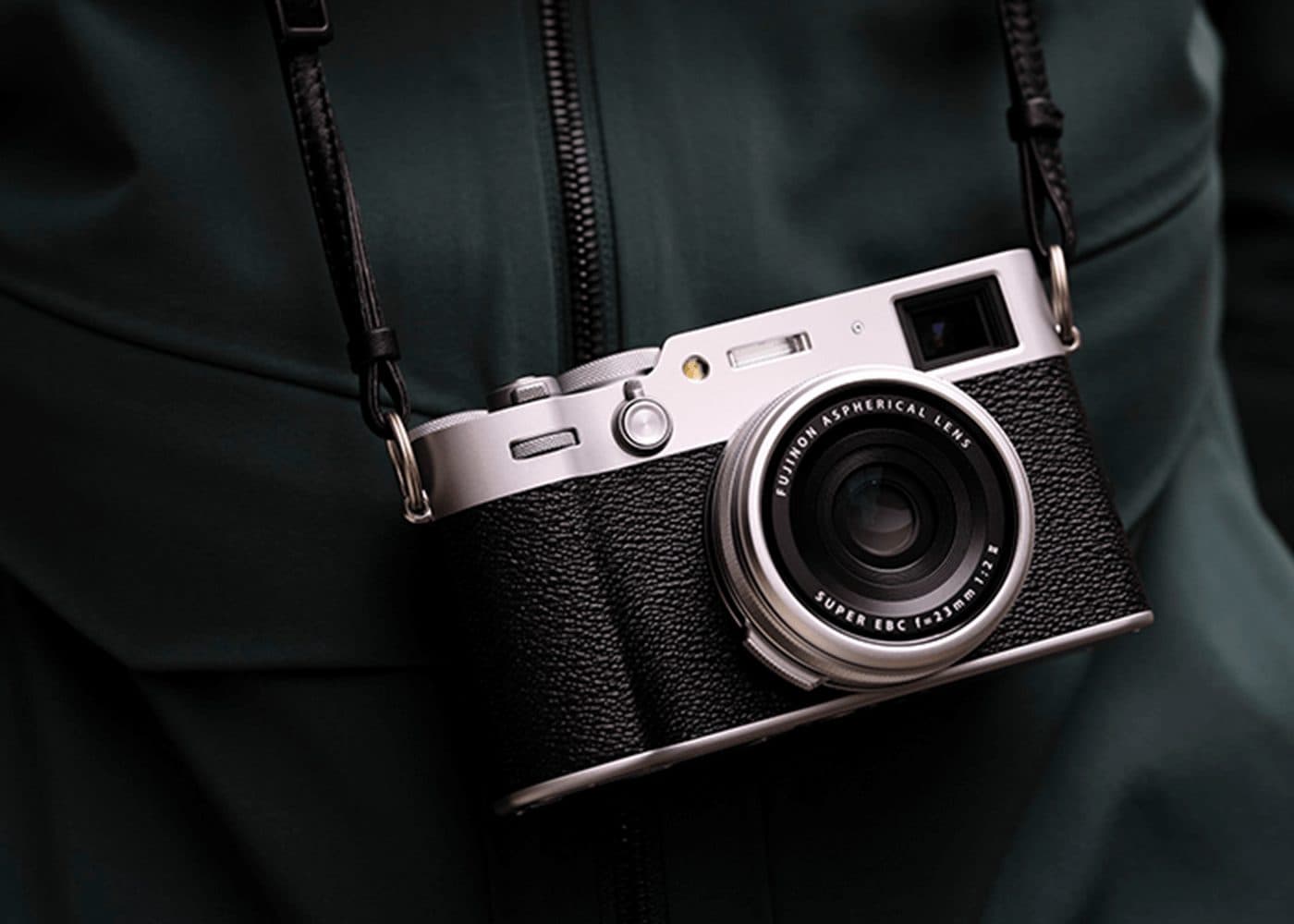
At rank one on the same list, the Fujifilm X100VI is the far more accessible alternative — DPReview called it "the best-handling, most enjoyable compact camera you can buy," and it adds in-body stabilization (a first for the X100 line) and Fujifilm's celebrated film simulations, all at $1,599, less than a third of the RX1R III's price. Its 40.2MP APS-C sensor doesn't match the Sony's full-frame resolution, but for the vast majority of photographers, the X100VI's combination of stabilization, tactile controls, and price makes it the more sensible everyday choice.
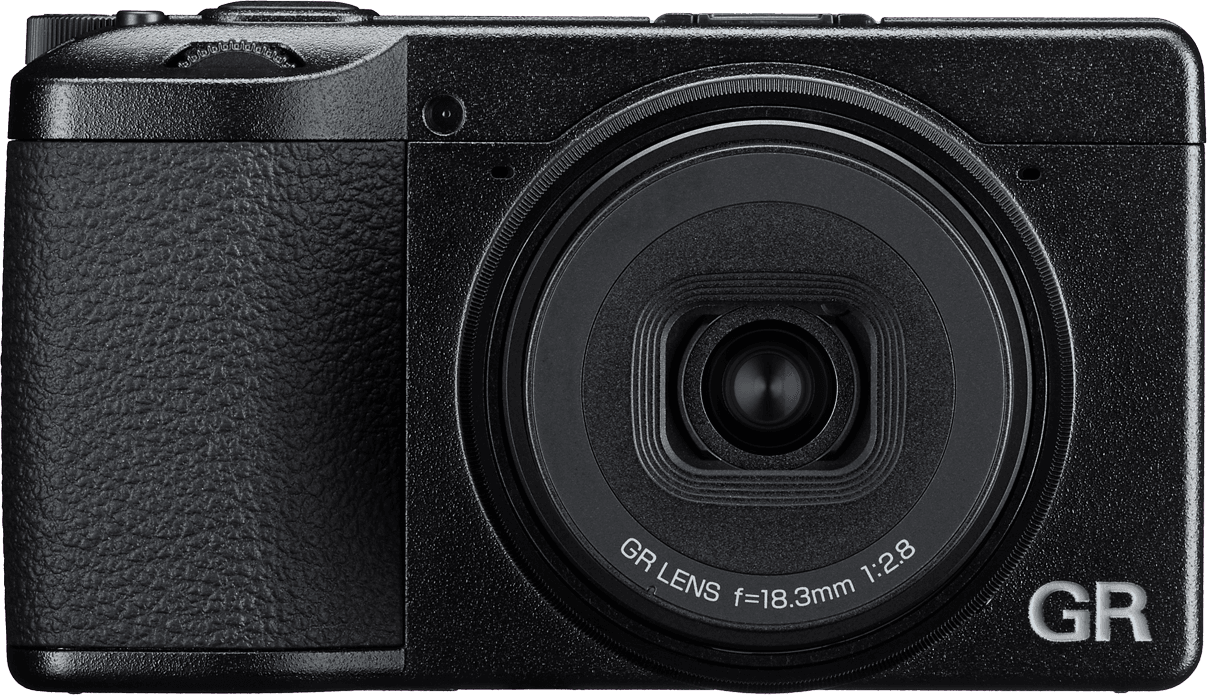
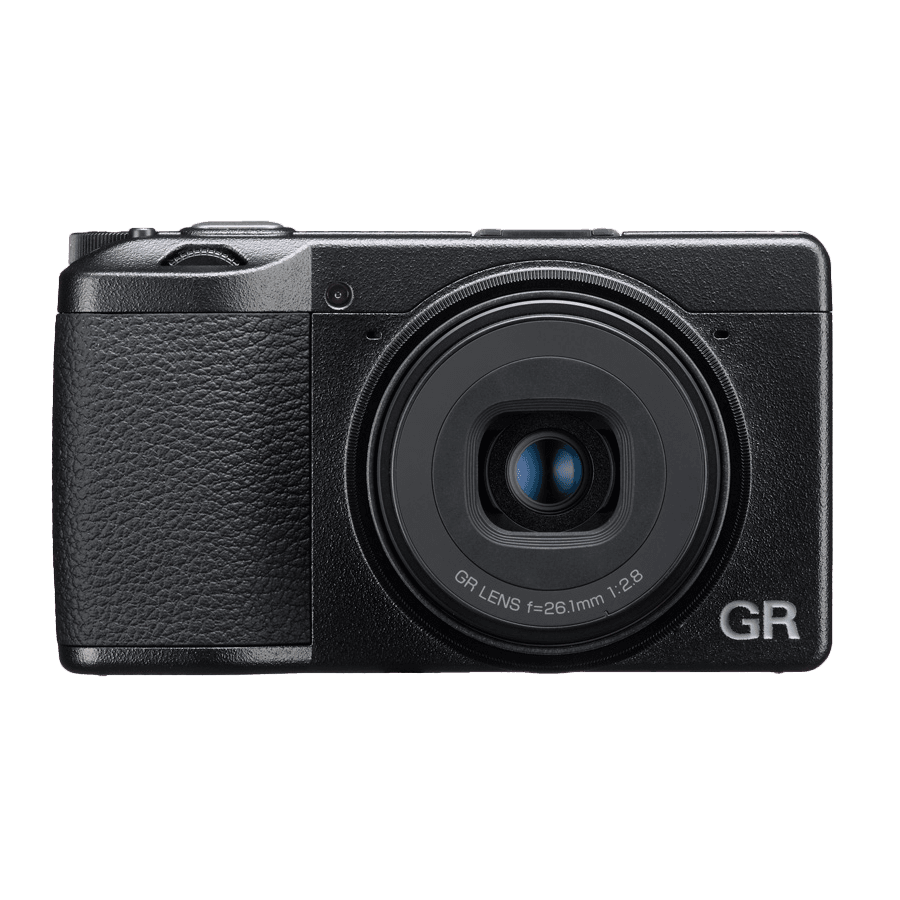
At rank two, the Ricoh GR IV takes portability even further, disappearing into a pocket in a way neither full-frame nor APS-C rivals with viewfinders can match, at $1,499. It trades the RX1R III's full-frame sensor and viewfinder for genuine everyday carryability — the two cameras represent opposite answers to the same underlying question about what a "premium compact" should prioritize.
The Gavler verdict
A 9.0, with experts (90) noticeably ahead of the community rating (85) — a gap that tells its own story. Reviewers marvel at the full-frame image quality Sony has packed into a pocketable body; everyday owners weigh in more critically on the $5,099 price, the missing stabilization, and the short battery life. The Sony RX1R III is the image-quality champion of the compact world, full stop — nothing else this small resolves like it. See how it stacks up against the rest of the field on Gavler's Best Premium Compact Cameras list. For the shooter who values ultimate files in a jacket pocket above all else, it's the object of desire; for everyone else, the X100VI or GR IV will likely serve better.
Common Questions
If ultimate image quality in the smallest possible body is your priority and you can justify a $5,099 compact camera, yes — it ranks third on Gavler's Best Premium Compact Cameras list with a 9.0, and nothing else this size resolves like it. If you want stabilization, longer battery life, or a lower price, other compacts on the list will serve most photographers better.
It uses the same 61-megapixel Exmor R sensor family found in Sony's flagship A7R full-frame mirrorless cameras, with no optical low-pass filter for maximum resolving power. That's the same resolution tier as Sony's dedicated high-resolution mirrorless bodies, packed into a fixed-lens compact camera.
No — this is one of the camera's clearest trade-offs. There's no in-body or lens stabilization, which means handheld shooting in low light requires either a faster shutter speed, a higher ISO, or a steady hand, unlike rivals such as the Fujifilm X100VI that added in-body stabilization to their latest generation.
They're built for different priorities and very different budgets. The RX1R III delivers full-frame, 61MP image quality with no rival at this size, but costs over three times as much, has no stabilization, and shows shorter battery life. The X100VI, at $1,599, adds in-body stabilization, a hybrid viewfinder, and Fujifilm's film simulations at a fraction of the price, with a 40.2MP APS-C sensor. Most photographers will get more day-to-day value from the X100VI; the RX1R III is for shooters who specifically need full-frame resolution and are willing to pay flagship money for it in a compact body.
Where to Buy.
Prices checked regularly
90-day price history
Price History
Steady at $5,100 for the entire 90-day tracking window — no increases, no discounts, across 91 tracked days.
Tracked daily across retailers. Vote Want itabove and we’ll alert you the moment the price drops.
Some links are affiliate links — Gavler may earn a commission. This never affects rankings or scores. Learn more.
Precision Engineering
61MP Full-Frame
The highest-resolution sensor in any compact camera, with the optical low-pass filter omitted for maximum sharpness.
35mm f/2 Zeiss Lens
A fixed ZEISS Sonnar T* lens matched precisely to the sensor for corner-to-corner detail.
AI Autofocus
Real-time subject recognition for humans, animals, and vehicles across 693 phase-detect points.
Technical Specifications
The Scoreboard
Experts marvel at the full-frame image quality in a pocketable body; the community docks it for the $5,099 price, missing stabilization, and short battery life. A specialist's compact, not an everyday one.
Cast Your Vote
Do you think Sony RX1R III deserves the #3 spot in Best Premium Compact Cameras?
Global Critique
“A 61MP full-frame photographers' compact with image quality nothing else this size can touch.”
“The RX1R III delivers flagship Alpha resolution in a body you can palm — for a suitably flagship price.”
“Uncompromising files, compromised battery and price. A luxury for those who can justify it.”
More from Best Premium Compact Cameras.
See how other top picks compare in this category.
A Pocket Prime, a Hybrid Finder, or a Travel Zoom?
A 40MP hangtag is the wrong first question. Pocket prime, hybrid finder, or travel zoom is the camera. Then shop Gavler's live ranking.
The Best Premium Compact Cameras in 2026: The Camera You Actually Carry
Gavler ranks the enthusiast fixed-lens primes and pocket full-frames worth carrying instead of a phone — from the Fujifilm X100VI to the Sony RX1R III.