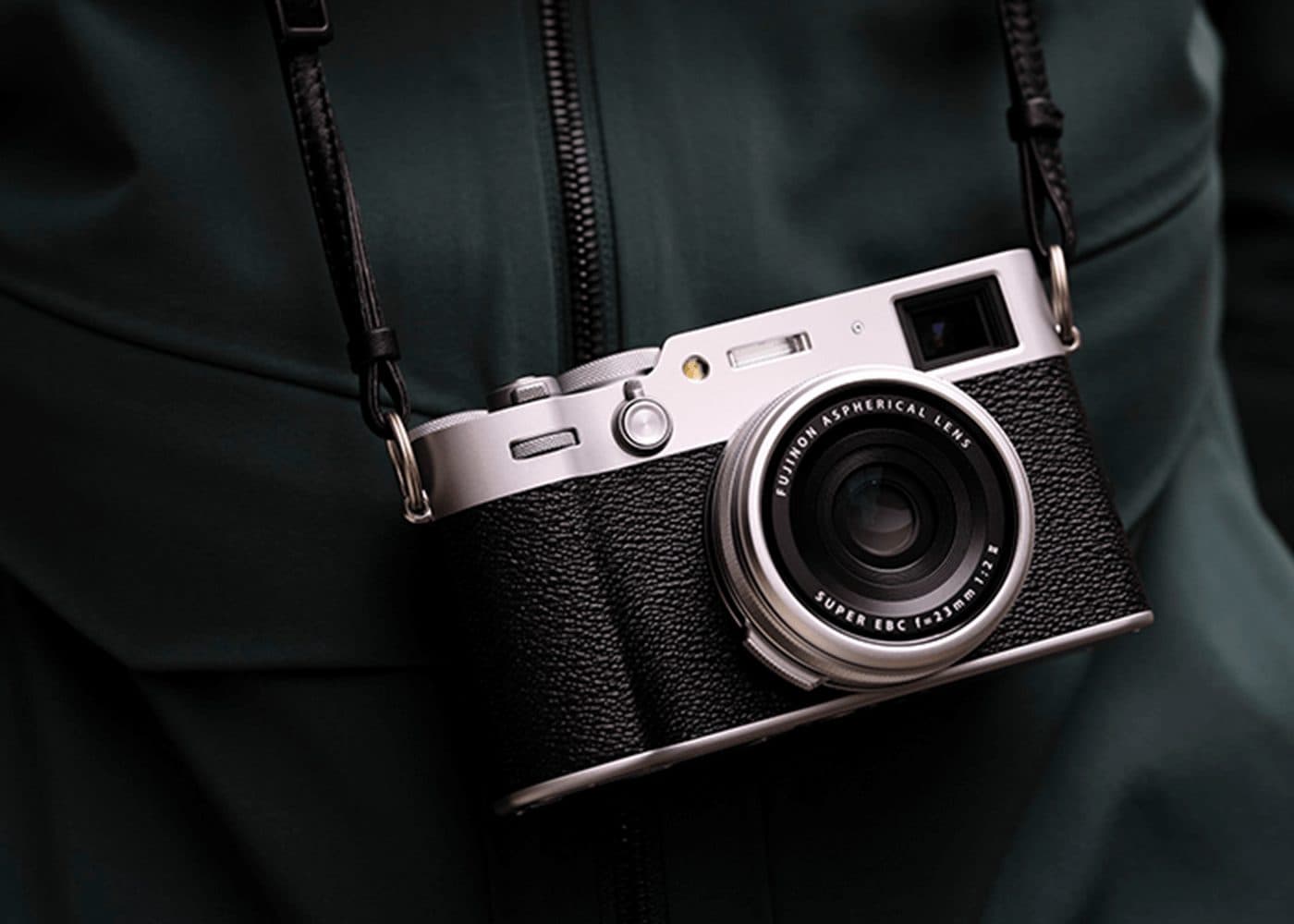
Fujifilm X100VI.
A 40MP APS-C sensor, fixed 35mm-equivalent f/2 lens, and film simulations that make editing optional. The default answer for anyone who wants one beautiful camera.
The Verdict.
Gavler Meta-Score
“The X100VI is the camera that convinced a generation to put the phone down. It's not the highest-resolution or the most pocketable compact here, but it's the most complete: a superb sensor, a lovely lens, real controls, and JPEGs you'll actually want to post. If you can find one at list price, buy it — this is the one everyone else is measured against.”
The Gavler Verdict
The Gavler Review.
Fujifilm X100VI Review: The Compact That Started a Revival
The Fujifilm X100VI sits at number one on our Best Premium Compact Cameras list with a 9.6, and it's the camera most responsible for reviving the entire category. Buy it if you want one exceptional everyday camera with real controls and JPEGs good enough to skip editing entirely — and if you're prepared to wait, because more than two years after launch it's still routinely backordered. If availability is a dealbreaker, the Ricoh GR IV is the pocketable alternative that's actually easier to buy.
What it actually is
The X100VI pairs the 40.2MP X-Trans CMOS 5 HR sensor from Fujifilm's flagship X-H2 with a fixed 23mm f/2 lens — a 35mm-equivalent field of view — and, for the first time in the X100 line, in-body image stabilization rated at up to six stops. That last addition matters more than a spec-sheet line suggests: it means genuinely sharp handheld frames in light where a phone camera would smear detail into noise, closing one of the series' longest-standing gaps.
What actually defines the camera, though, isn't the spec sheet — it's the experience of using it. A hybrid viewfinder lets you flick a lever to switch between a bright optical finder and a detailed electronic one. Dedicated shutter-speed and exposure-compensation dials make shooting deliberate rather than menu-driven. And Fujifilm's film simulations — Classic Chrome, Nostalgic Neg, Acros among them — produce JPEGs polished enough that most owners never process a raw file. At $1,599 list, it isn't cheap for a fixed-lens compact, but the persistent backorders and grey-market markups tell you the market has decided it's worth more than that anyway.
In use
The reviews converge on a single theme: this is a camera people describe as fun to use, not just capable. DPReview called it "the best-handling, most enjoyable compact camera you can buy — if you can buy one at all," which doubles as the honest summary of the whole ownership experience — exceptional camera, difficult acquisition. PetaPixel framed the generational jump in more specific terms: "Fuji took an already-great formula and fixed its biggest weakness with in-body stabilization" — a direct acknowledgment that the lack of IBIS was the previous X100 generation's clearest shortcoming, now resolved.
Digital Camera World zeroed in on what keeps people shooting JPEG-only: "the film simulations alone make this the camera you leave on JPEG and never look back." That's a meaningful claim for a camera aimed partly at photographers who don't want to spend hours in editing software — the color science is doing real creative work straight out of camera, not just applying a filter.
Where it shines
- A sensor and lens combination with no real weakness. The 40.2MP X-Trans sensor from Fuji's flagship body, paired with a genuinely sharp 35mm-equivalent f/2 lens, produces image quality that would be class-leading even without the rest of the package.
- In-body stabilization that closes the series' last gap. Six stops of IBIS is a first for the X100 line, and it's the difference between a camera that's occasionally frustrating in dim light and one that's reliably sharp handheld.
- Controls and film simulations that make shooting a pleasure. The hybrid viewfinder and dedicated dials aren't nostalgia — they make the camera fast and intuitive to operate, and the film simulations mean the JPEGs coming straight off the sensor are frequently the final image.
The trade-offs — who should skip it
This is the best all-around premium compact on the list, not the easiest one to actually own, and the honest reasons to look elsewhere are specific:
- Availability is a genuine problem. More than two years post-launch, stock shortages persist, and grey-market prices routinely exceed the $1,599 list. If you need a camera now, not eventually, that's a real constraint.
- One fixed focal length, no exceptions. The 35mm-equivalent perspective is versatile but not universal — there's no zooming and no lens swapping. Photographers who need to vary their field of view within a single session will find this limiting by design.
- It's not the smallest option. For photographers whose priority is maximum pocketability over an optical viewfinder and dial-based controls, the Ricoh GR IV is smaller and starts up faster.
How it compares
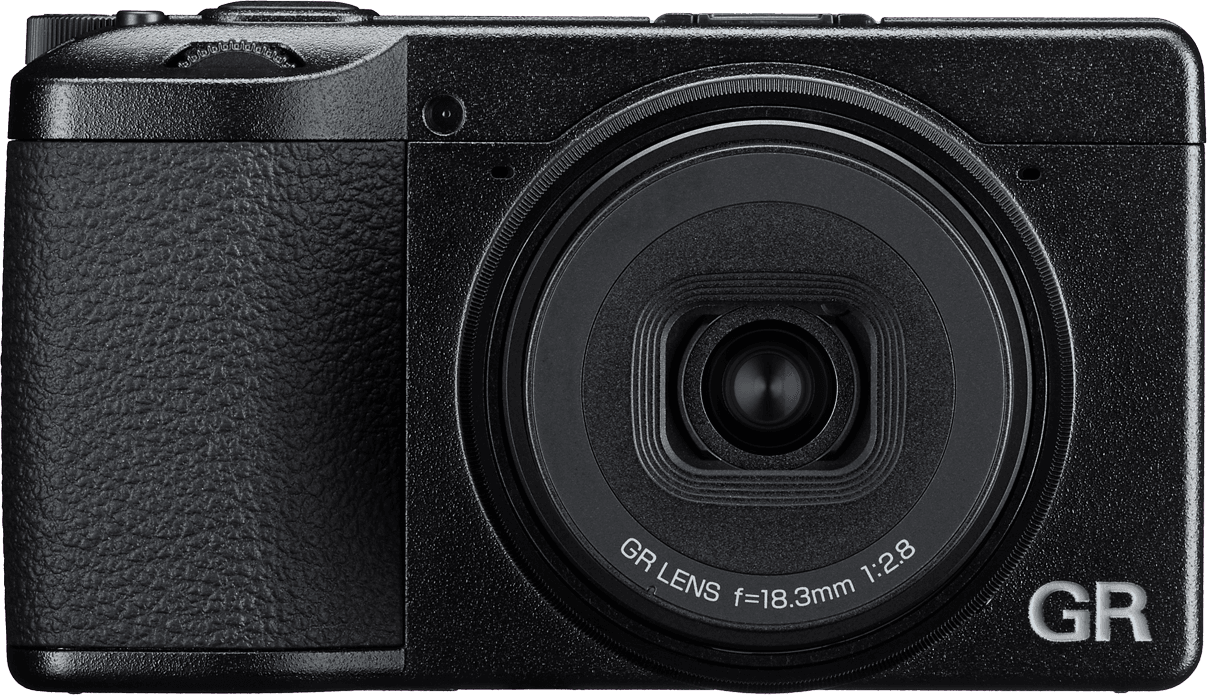
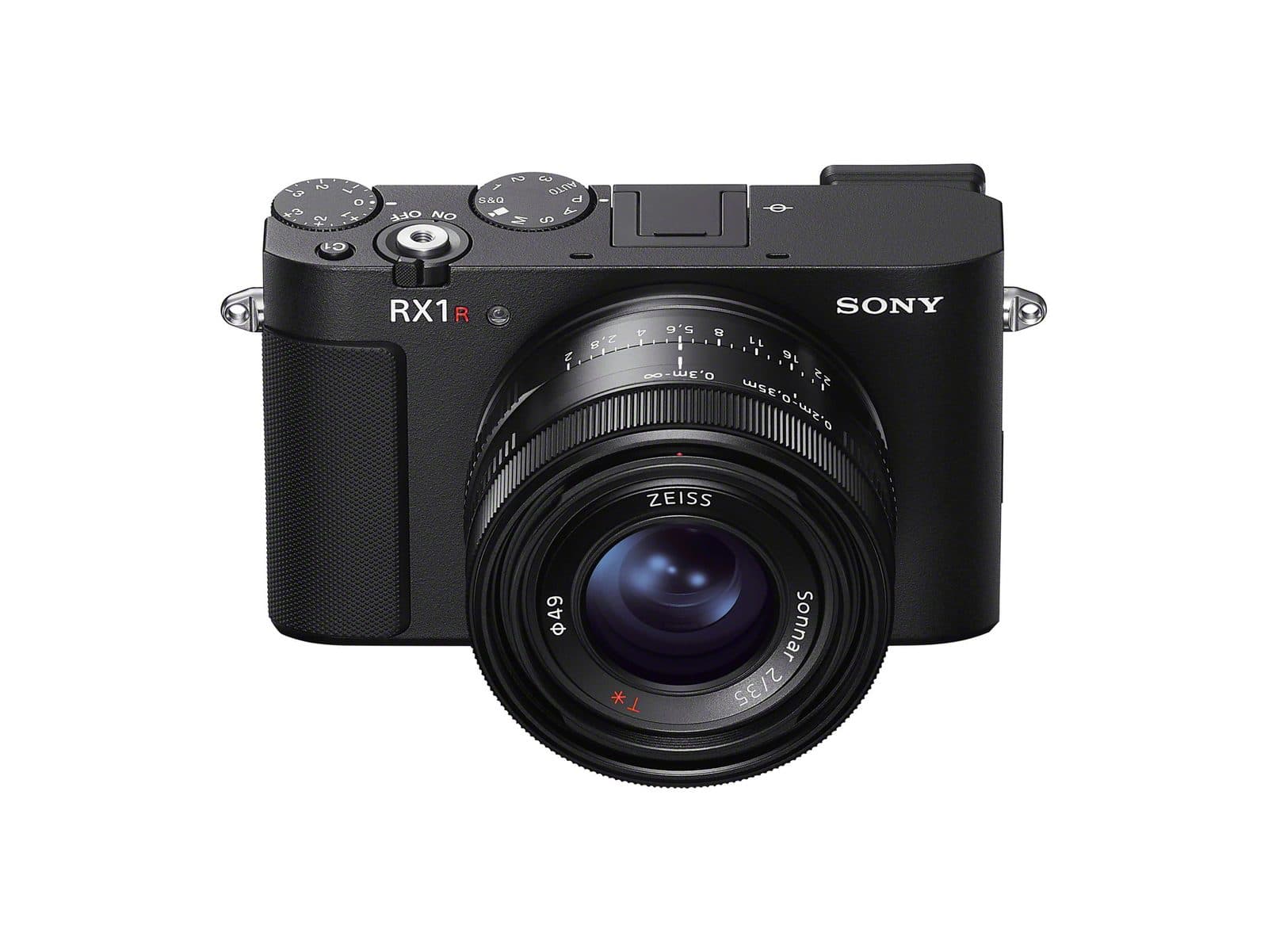
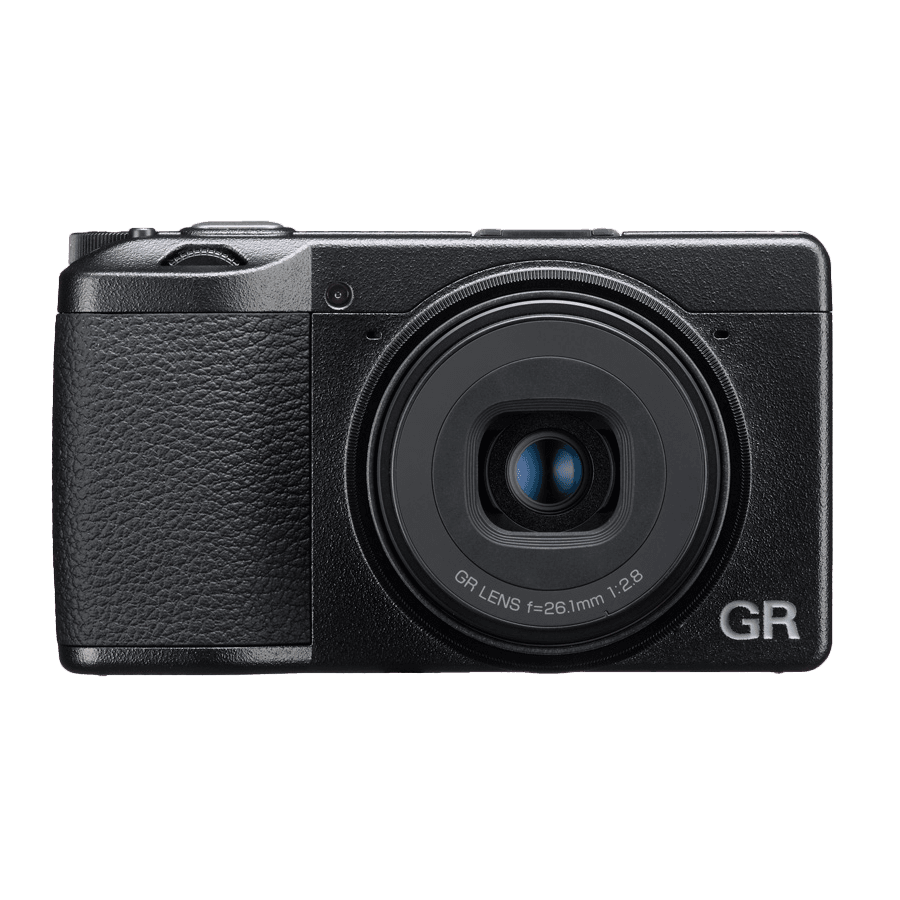
On its own list, the X100VI's closest rivals sit directly beneath it. The Ricoh GR IV at rank two trades the hybrid viewfinder and 35mm field of view for genuine jeans-pocket portability and a wider 28mm-equivalent lens better suited to tight street scenes — the pick for photographers who prioritize carrying a camera everywhere over viewfinder shooting. The Sony RX1R III, further down the list, goes the opposite direction entirely: a full-frame 61MP sensor in a compact body, at roughly triple the price, for photographers who want full-frame image quality without carrying a full-frame system.
The X100VI's case isn't that it wins on any single spec against these rivals — the GR IV is smaller, the RX1R III has a bigger sensor — it's that it's the most complete package: sensor, lens, stabilization, controls, and color science all working together without a clear weak point.
The Gavler verdict
A 9.6, with community scores (96) running slightly ahead of expert scores (95) — an unusual pattern that reflects just how much owners love actually shooting this camera, chronic stock shortages notwithstanding. The X100VI is the camera that convinced a generation of photographers to put the phone down: not the highest-resolution or the most pocketable compact on the list, but the most complete. If you can find one at list price, buy it — this is the camera every other premium compact gets measured against.
Common Questions
For most photographers who want one exceptional everyday camera, yes. It ranks first on Gavler's Best Premium Compact Cameras list with a 9.6, pairing a 40.2MP sensor with a fixed 35mm-equivalent lens, in-body stabilization, and film simulations good enough that most owners never touch a raw file. The catch isn't the camera — it's finding one. Stock has been backordered for more than two years, and grey-market listings routinely run above the 1,599 dollar list price.
Demand has outpaced Fujifilm's production capacity since launch, and more than two years later that hasn't fully resolved. Buyers who want one at list price should expect a wait through official retailers rather than paying a grey-market premium — the camera's popularity is a direct result of how good it is, which is cold comfort while you're on a waitlist.
Buy the X100VI if you want a hybrid viewfinder, a slightly longer 35mm-equivalent field of view, and Fuji's film simulations. Buy the GR IV if pure pocketability is the priority — it's smaller, has a wider 28mm-equivalent lens suited to street and documentary work, and starts shooting almost instantly. Both are excellent; the choice comes down to focal length preference and how much you value an optical viewfinder.
It limits versatility by design — there's no zooming and no lens swapping, just one 35mm-equivalent f/2 perspective. For street, travel, and documentary photography, that constraint is generally considered a feature: it forces compositional discipline and keeps the camera small. If you regularly need a longer reach or a wider field of view in the same session, this isn't the right tool.
Where to Buy.
Prices checked regularly
90-day price history
Price History
Steady at $1,599 for the entire 90-day tracking window — no increases, no discounts, across 91 tracked days.
Tracked daily across retailers. Vote Want itabove and we’ll alert you the moment the price drops.
Some links are affiliate links — Gavler may earn a commission. This never affects rankings or scores. Learn more.
Precision Engineering
40MP APS-C
X-Trans CMOS 5 HR sensor delivers flagship-level detail and dynamic range in a fixed-lens body.
35mm f/2 Fixed Lens
A versatile everyday focal length with a fast aperture for low light and subject separation.
In-Body Stabilization
Up to six stops of IBIS — a first for the X100 line — enables sharp handheld shots in dim light.
Technical Specifications
The Scoreboard
Near-universal critical acclaim and the strongest community demand in the category. The only knocks are chronic stock shortages and the single fixed focal length.
Cast Your Vote
Do you think Fujifilm X100VI deserves the #1 spot in Best Premium Compact Cameras?
Global Critique
“The best-handling, most enjoyable compact camera you can buy — if you can buy one at all.”
“Fuji took an already-great formula and fixed its biggest weakness with in-body stabilization.”
“The film simulations alone make this the camera you leave on JPEG and never look back.”
More from Best Premium Compact Cameras.
See how other top picks compare in this category.
A Pocket Prime, a Hybrid Finder, or a Travel Zoom?
A 40MP hangtag is the wrong first question. Pocket prime, hybrid finder, or travel zoom is the camera. Then shop Gavler's live ranking.
The Best Premium Compact Cameras in 2026: The Camera You Actually Carry
Gavler ranks the enthusiast fixed-lens primes and pocket full-frames worth carrying instead of a phone — from the Fujifilm X100VI to the Sony RX1R III.