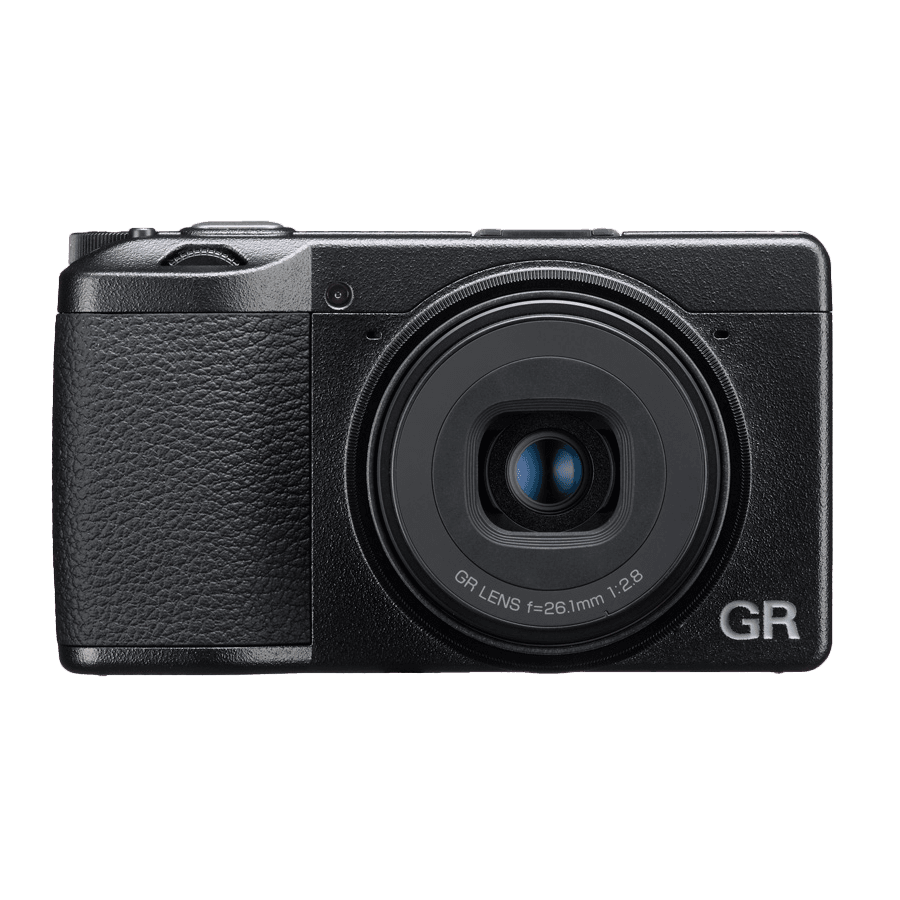
Ricoh GR IIIx.
The same pocketable APS-C formula as the classic GR, but with a tighter, more natural 40mm-equivalent lens for portraits and details.
The Verdict.
Gavler Meta-Score
“The GR IIIx is for photographers who already know 40mm is their focal length. It's the same brilliant pocket camera as the rest of the GR line, just seeing the world a little tighter — better for people and details, less suited to sweeping scenes. If the classic 28mm GR feels too wide for how you shoot, this is your camera.”
The Gavler Verdict
The Gavler Review.
Ricoh GR IIIx Review: The Pocket Camera That Sees Like You Do
The Ricoh GR IIIx ranks number 4 on Gavler's Best Premium Compact Cameras list with a 8.9, and it exists for one specific type of buyer: someone who already owns or has tried a 28mm GR and decided the view was too wide. Amateur Photographer's extended review called it "a well positioned niche alternative to smartphones and big cameras," and after months of daily carry, concluded it's "a camera that I can and want to have in my pocket all the time." The trade-offs are real — modest battery life and occasionally hesitant autofocus — but they don't undercut the core appeal.
What it is
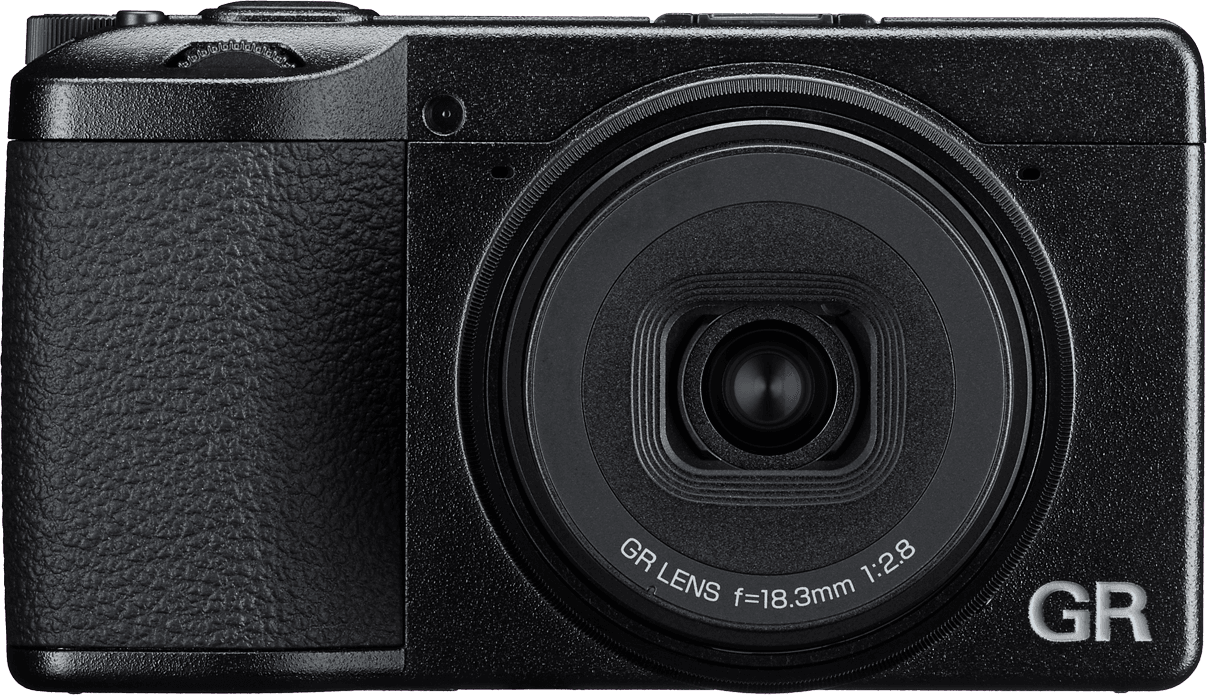
The GR IIIx is mechanically almost identical to the Ricoh GR III, differing in exactly one meaningful way: a 26.1mm f/2.8 lens that produces a 40mm-equivalent field of view instead of the classic GR's 28mm. That shift moves the camera from "capture the whole scene" territory into "frame your point of attention" territory — a natural focal length for portraits, food, still life, and detail-oriented street photography that the wider GR handles less gracefully.
Everything else is pure GR: a 24.2MP APS-C sensor stuffed into a 262-gram body, a lightning-fast startup, and the brand's signature snap-focus system that lets experienced users pre-set a focus distance and shoot without waiting on autofocus at all. With the GR IV now shipping in the traditional 28mm flavor, Ricoh sells the two side by side, and the GR IIIx holds down the longer-lens option — typically a few hundred dollars cheaper than the newer body, without GR IV's updated sensor or five-axis stabilization.
In use
Amateur Photographer's reviewer, shooting the GR IIIx for months, found the size advantage impossible to overstate: "no other current APS-C camera fits in the pocket in quite the same way," with a "rapid sub-one-second start up time" and shutter response quick enough to catch decisive moments the way the format promises. Image quality at the pixel level held up well too — ISO 100 to 1,600 came back "essentially free of noise," with usable results up to ISO 6,400, and the 40mm f/2.8 lens delivered "excellent sharpness across the entire frame," including into the corners.
The learning curve is real, though. Snap Focus — Ricoh's system of preset focus distances from 1m to infinity — takes practice to use well, and standard autofocus modes drew the review's most pointed criticism: "there's certainly an AF performance improvement from previous generation Ricoh GR models, but those that are used to the best performing autofocus systems will become somewhat impatient with the GR IIIx's focus hunting, especially in low contrast light. Tracking AF can struggle to stick to your subject." Face and eye detection fared no better, described as "not the most responsive I've used."
Strengths
- Genuinely pocketable APS-C image quality. At 262 grams and 35mm deep when retracted, nothing else with a sensor this size disappears into a pocket the same way.
- The 40mm perspective flatters more subjects than 28mm. Amateur Photographer specifically praised the improved "focus fall-off" at 40mm, calling it "a more compelling all-round optic than a 28mm one" for portraits and macro work — the minimum focus distance drops to 0.12m in macro mode.
- In-camera raw development and film-style profiles. The reviewer described converting images to black-and-white in-camera as one of the camera's real pleasures, aided by the Hard Monotone picture style and easy phone offloading via Ricoh's Image Sync app.
The trade-offs — who should skip it
- Battery life is a genuine limitation. Amateur Photographer's real-world testing found the rated 200-shot battery life drains quickly, especially with Bluetooth active and screen brightness up — carrying a spare DB-110 is close to mandatory for a full day out.
- No tilt screen and no EVF option. The reviewer said they "cried to the heavens above for a tilt screen" on repeated occasions, and while an optional optical viewfinder exists, there's no electronic viewfinder path at all — a real limitation shooting in bright daylight or at awkward angles.
- Autofocus hunts in low-contrast light. If you shoot primarily in dim interiors or need reliable subject tracking, the GR IIIx's AF system will frustrate you more than a modern mirrorless body would.
- Pronounced vignetting wide open, though this is correctable in-camera via Peripheral Illumination Correction and improves noticeably by f/3.5.
How it compares
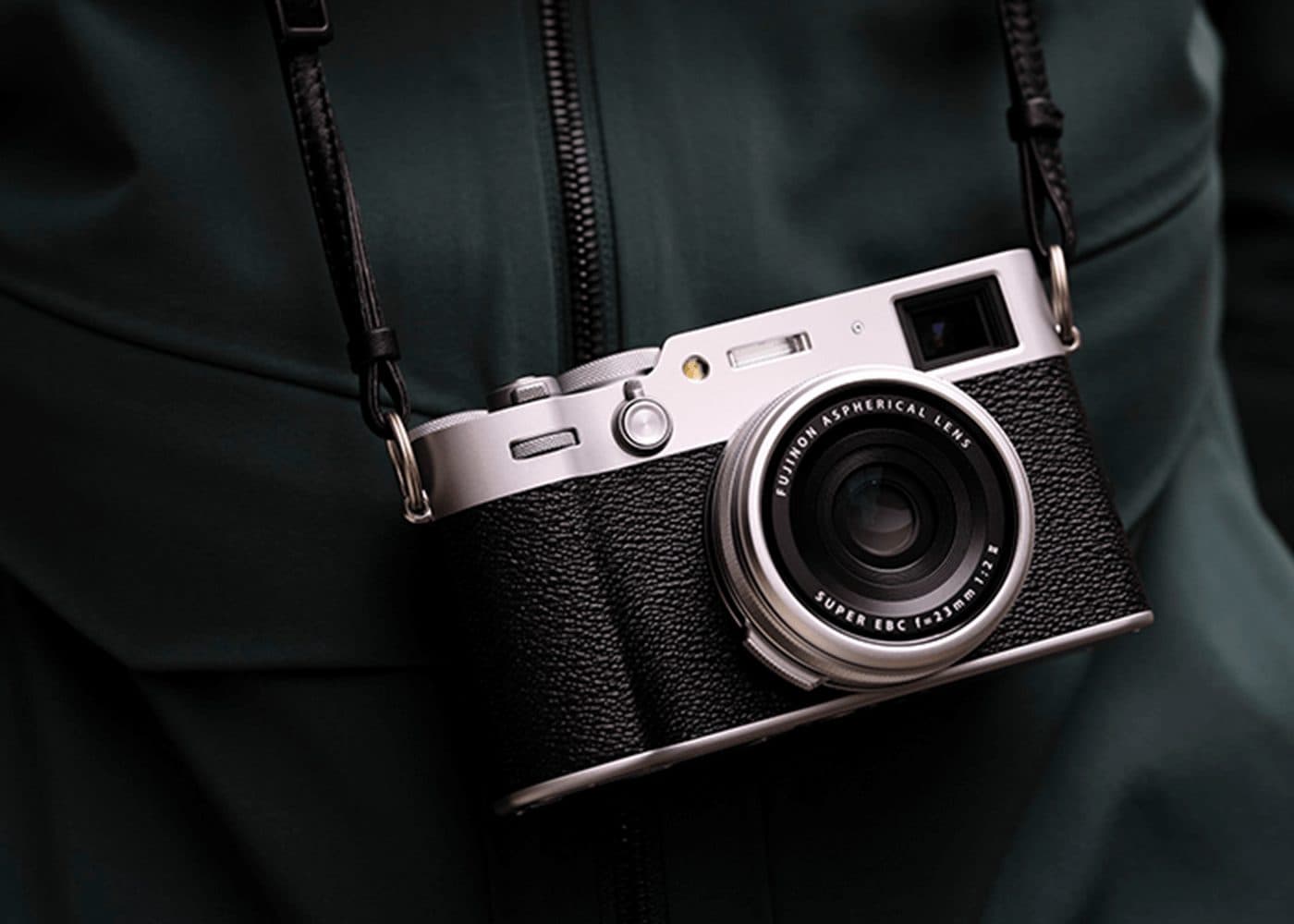
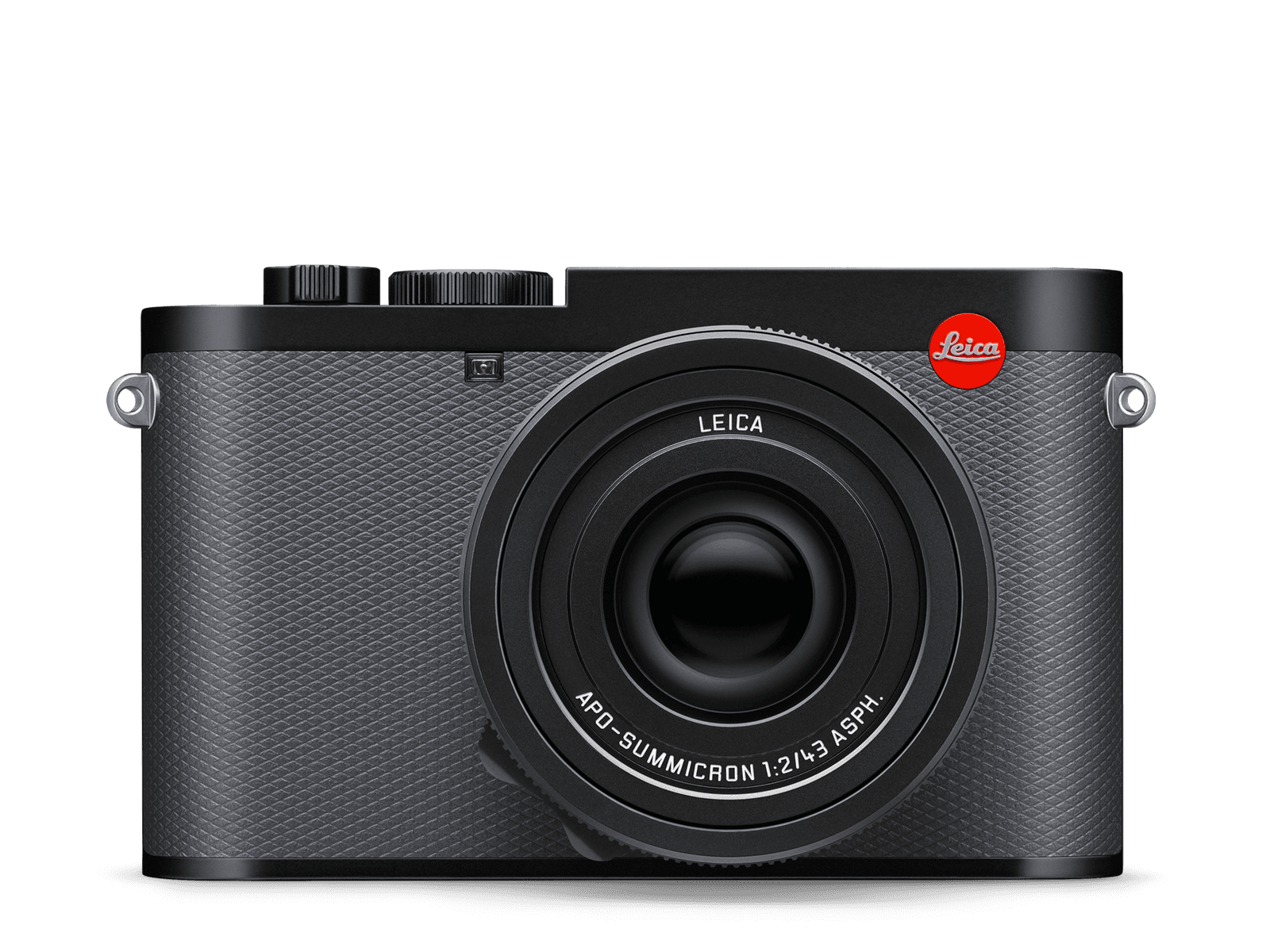
On the same list, the Fujifilm X100VI sits at rank 1 with near-universal critical acclaim, offering a 28mm-equivalent lens, a hybrid optical/electronic viewfinder, and Fuji's film simulations — a meaningfully different, more full-featured shooting experience for buyers willing to accept a larger body and, per its own scorenote, chronic stock shortages. The Leica Q3 43 at rank 5 goes the opposite direction from the GR IIIx: a full-frame 60MP sensor and a fixed 43mm APO-Summicron lens at roughly $6,900, aimed at buyers for whom rendering quality and object craftsmanship matter more than pocketability or price.
Against both, the GR IIIx's case is about what it gives up to be this small: no viewfinder, no tilt screen, modest battery life — in exchange for a camera that genuinely lives in a pocket rather than a bag.
The Gavler verdict
An 8.9 for a camera that does one job — grab-and-go APS-C image quality in a pocketable body — better than almost anything else on the market, provided the 40mm perspective is the one you actually want. Amateur Photographer's verdict after extended use captures it best: it "doesn't necessarily top the scores in a review format, but ultimately it is a camera than I can and want to have in my pocket all the time." Buy it if you already know 40mm suits how you shoot and can live with modest battery life and occasionally hesitant autofocus. If you're not sure, or you shoot scenes wider than a single subject regularly, the classic 28mm GR remains the safer default.
Common Questions
Yes, specifically for photographers who find 28mm too wide for everyday shooting. Amateur Photographer called it 'a well positioned niche alternative to smartphones and big cameras,' praising its sub-one-second startup and pocketability, though it docked points for battery life and the lack of a tilt screen.
It depends entirely on how you shoot. Gavler's own verdict is blunt: 'If the classic 28mm GR feels too wide for how you shoot, this is your camera.' Amateur Photographer's reviewer, after months with the GR IIIx, said they'd 'happily have the 28mm GR III in my other pocket too' — the two focal lengths solve different problems rather than one beating the other.
Both are the camera's honest weak points. Amateur Photographer measured roughly 200 shots per charge that 'sure go by fast,' and found autofocus 'a bit hit and miss' in low-contrast light, with tracking AF that 'can struggle to stick to your subject.' Carrying a spare DB-110 battery is close to essential.
Where to Buy.
Prices checked regularly
90-day price history
Price History
Steady at $1,047 for the entire 90-day tracking window — no increases, no discounts, across 91 tracked days.
Tracked daily across retailers. Vote Want itabove and we’ll alert you the moment the price drops.
Some links are affiliate links — Gavler may earn a commission. This never affects rankings or scores. Learn more.
Precision Engineering
40mm f/2.8 Lens
A tighter, more natural field of view than the classic 28mm GR — ideal for portraits and details.
24MP APS-C
The same large APS-C sensor as the GR III, delivering detail far beyond the camera's size.
Pocketable Body
Fits in a jeans pocket, powers on in about a second, and features snap-focus for instant capture.
Technical Specifications
The Scoreboard
Beloved for the same reasons as the whole GR line, with the 40mm lens winning over portrait and detail shooters. Older sensor and three-axis stabilization keep it just behind the GR IV.
Cast Your Vote
Do you think Ricoh GR IIIx deserves the #4 spot in Best Premium Compact Cameras?
Global Critique
“The 40mm GR is the one to buy if you find 28mm too wide for everyday shooting.”
“Still one of the best pocketable cameras money can buy, now with a more versatile lens.”
“A focused tool that does one thing — grab-and-go image quality — better than almost anything.”
More from Best Premium Compact Cameras.
See how other top picks compare in this category.
A Pocket Prime, a Hybrid Finder, or a Travel Zoom?
A 40MP hangtag is the wrong first question. Pocket prime, hybrid finder, or travel zoom is the camera. Then shop Gavler's live ranking.
The Best Premium Compact Cameras in 2026: The Camera You Actually Carry
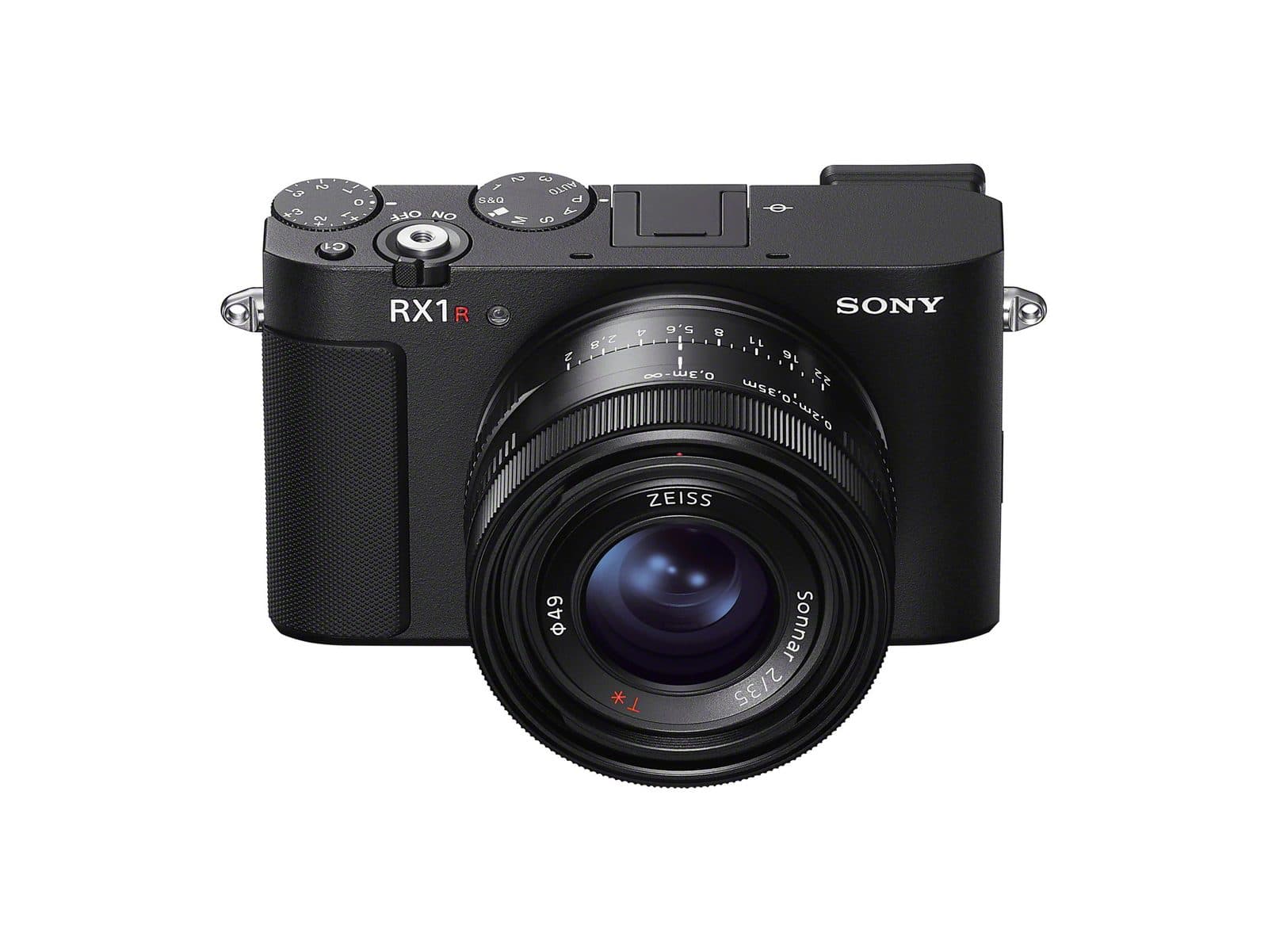
Gavler ranks the enthusiast fixed-lens primes and pocket full-frames worth carrying instead of a phone — from the Fujifilm X100VI to the Sony RX1R III.