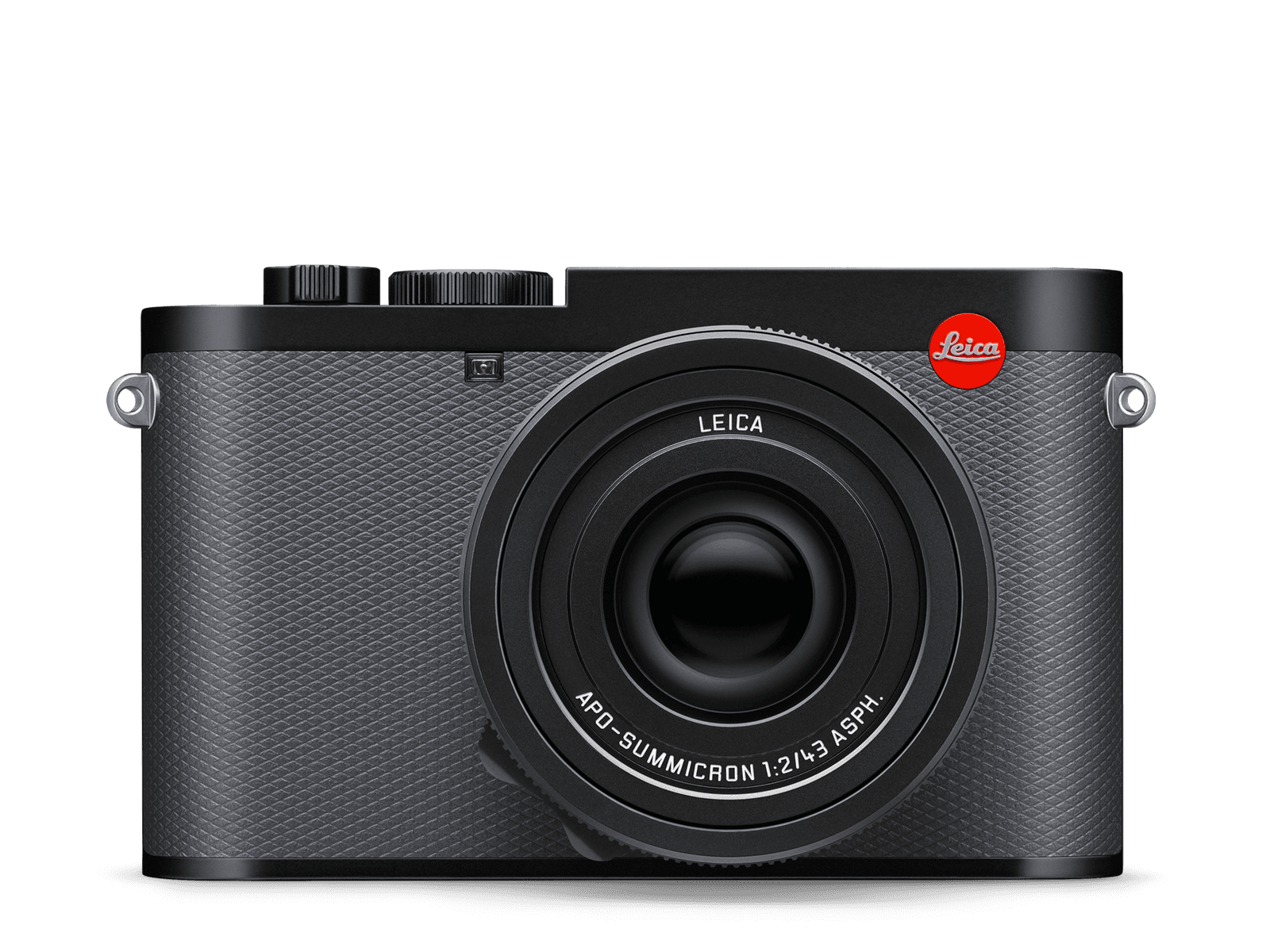
Leica Q3 43.
A 60MP full-frame sensor, a fixed 43mm APO-Summicron lens, and Leica build quality. The natural-perspective sibling to the classic Q3.
The Verdict.
Gavler Meta-Score
“The Q3 43 is the compact you buy when money is not the deciding factor and rendering is everything. The 43mm APO lens produces images with a natural, almost effortless quality, and the full-frame sensor backs it with resolution to spare. It's an indulgence — but a genuinely special one for the photographer who wants the most refined fixed-lens experience available.”
The Gavler Verdict
The Gavler Review.
Leica Q3 43 Review: A Luxury Rendering, Bought at a Luxury Price
The Leica Q3 43 ranks fifth on Gavler's Best Premium Compact Cameras list with an 8.7, and it earns that spot the way every Leica does — not through spec-sheet dominance, but through rendering. PetaPixel's verdict, after extended real-world testing across California, was unambiguous: "this is my favorite Q3 to date because of the new 43mm focal length." Buy it if you want the closest thing to natural human vision in a fixed-lens full-frame body and money genuinely isn't the deciding factor. Skip it if continuous autofocus tracking or video specs matter to your work — both are real, acknowledged weak points even from reviewers who love the camera.
What it is
The Q3 43 takes Leica's acclaimed full-frame Q platform and fits it with a fixed 43mm f/2 APO-Summicron-M ASPH lens — a focal length chosen specifically because it's the closest match to natural human visual perspective, rendering scenes without the mild wide-angle exaggeration of the standard Q3's 28mm or the compression of something longer. Behind that lens sits a 60MP full-frame sensor with strong dynamic range, phase-detect autofocus, and video up to 8K, plus a 5.76-million-dot EVF and a tilting touchscreen.
PetaPixel's hands-on found the APO lens genuinely earns its reputation: "Even at f/2, the center detail is as good as you could want, and very little changes as you stop the lens down." Flare handling drew specific praise too — "even bright light sources cause minimal loss of contrast and there is no ghosting to be seen, even at tight apertures" — which matters for a lens likely to see plenty of backlit street and travel work. The one recurring optical criticism is longitudinal chromatic aberration at f/2, visible as distinct orange and blue fringing in areas just out of focus, which stopping down helps but doesn't fully eliminate.
In use
Everything Leica owners love and tolerate about the standard Q3 carries over unchanged here, for better and worse. PetaPixel's reviewer, who has extensive time with the original Q3, put it plainly: "everything that people loved about the original is intact and maybe that was the plan all along. However, everything that was annoying about the original is here, too." The most consequential of those carryover issues is autofocus tracking. Single-point focus is excellent, but continuous AF "tends to track subjects poorly and with lots of pulsing on the display" — a real limitation for anyone shooting kids, pets, or unpredictable street moments, and one PetaPixel's reviewer ran into directly while trying to photograph a pigeon: "I probably terrorized this pigeon because tracking AF isn't reliable enough so I had to shoot that many more images to get one in focus."
Video is even more clearly a secondary function. The 60-megapixel sensor's slow readout produces visible rolling shutter, both 8K and 4K/60p modes carry heavy crops, and — per PetaPixel — "the most egregious downside" is the complete absence of a headphone or microphone jack, which limits the camera to casual clips or silent B-roll rather than anything with usable synced audio.
Strengths
- The 43mm rendering itself. DPReview called it "sublime — the closest thing to seeing with your own eyes," and it's the entire reason to choose this over the standard Q3.
- Excellent center sharpness at every aperture. PetaPixel's testing found virtually no change in center detail from f/2 through smaller apertures.
- Strong flare and ghosting resistance. Minimal contrast loss and no visible ghosting even shooting directly into bright light sources.
- Leica handling and build. A tactile aperture ring, depth-of-field scale on the lens barrel, and a customizable, photography-focused control layout.
The trade-offs — who should skip it
- Continuous autofocus tracking is unreliable. PetaPixel's direct testing found real pulsing and poor subject tracking — a genuine limitation for anyone shooting movement, not a minor nitpick.
- Longitudinal chromatic aberration at f/2. Visible orange and blue fringing in out-of-focus areas that's "hard to get rid of in editing," per PetaPixel, unless you shoot black and white.
- Video is a weak secondary feature. Rolling shutter, heavy crops, and no headphone or microphone jack rule it out for anything beyond casual B-roll.
- A single SD card slot with no backup storage. PetaPixel specifically wished for built-in memory as an emergency backup, a feature other Leica designs include that this one doesn't.
- $6,895 for a fixed 43mm lens. This is unapologetically the luxury end of the compact category — you're paying for the object and the rendering, not versatility.
How it compares
On the same Best Premium Compact Cameras list, the Sony RX100 VII sits one rank below at number six and represents the philosophical opposite: a 24-200mm equivalent zoom with mirrorless-grade tracking autofocus, all in a body that costs a fraction of the Leica's price. It won't match the Q3 43's full-frame files or APO rendering, but for photographers who need a versatile, reliable autofocus system in a pocketable body, it solves exactly the problem the Leica struggles with. The Q3 43's real competition isn't spec-for-spec — as PetaPixel put it, "people who normally buy Leica will get Leica" regardless of what else is on the list.
The Gavler verdict
An 8.7 that reflects a wide gap between expert and community sentiment: critics rate the 43mm rendering and full-frame files highly, while the community score sits meaningfully lower, driven almost entirely by the roughly $6,900 price. That split is the whole story of this camera. It's a genuinely special, if expensive, way to shoot — an indulgence bought for rendering and tactile experience rather than practicality, with real and acknowledged weaknesses in autofocus tracking and video. Buy it if the natural 43mm perspective and Leica object appeal to you and price isn't the deciding factor; buy almost anything else on this list if it is.
Common Questions
For photographers who prioritize rendering over the spec sheet and can afford it without a second thought, yes. It ranks fifth on Gavler's Best Premium Compact Cameras list with an 8.7, and PetaPixel called it 'my favorite Q3 so far,' concluding it's the version they'd recommend over the original 28mm Q3. At $6,895, it's an indulgence Gavler's own scoring notes describe as 'a luxury object first, a value proposition never.'
Buy the Q3 43 if you prefer a natural, roughly human-eye perspective for portraits, street, and travel work — PetaPixel found they had 'more fun with the 43mm lens' than the original. Buy the standard Q3 if you want the wider field of view for landscapes, interiors, and environmental scenes, or if the lower launch price of the original matters to you.
It's the camera's clearest weak point. PetaPixel found that while 'single focusing with a center point is excellent,' continuous autofocus 'tends to track subjects poorly and with lots of pulsing on the display,' even after the move to phase detection. Photographers shooting kids, pets, or street action should expect to work around this rather than rely on it.
Where to Buy.
Prices checked regularly
90-day price history
Price History
Steady at $6,895 for the entire 90-day tracking window — no increases, no discounts, across 91 tracked days.
Tracked daily across retailers. Vote Want itabove and we’ll alert you the moment the price drops.
Some links are affiliate links — Gavler may earn a commission. This never affects rankings or scores. Learn more.
Precision Engineering
60MP Full-Frame
A high-resolution full-frame sensor with wide dynamic range and phase-detect autofocus.
43mm APO-Summicron
A fixed lens at the focal length closest to human vision, with exceptional aberration control.
8K Video & Macro
Records up to 8K and includes a built-in macro mode for detailed close-up work.
Technical Specifications
The Scoreboard
Critics love the natural 43mm rendering and full-frame files; the community rates it lower purely on the ~$6,900 price. A luxury object first, a value proposition never.
Cast Your Vote
Do you think Leica Q3 43 deserves the #5 spot in Best Premium Compact Cameras?
Global Critique
“The 43mm rendering is sublime — the closest thing to seeing with your own eyes.”
“A luxury compact that justifies its existence through sheer rendering quality, if not price.”
“Leica at its most focused: one lens, one sensor, one very expensive but very special result.”
More from Best Premium Compact Cameras.
See how other top picks compare in this category.
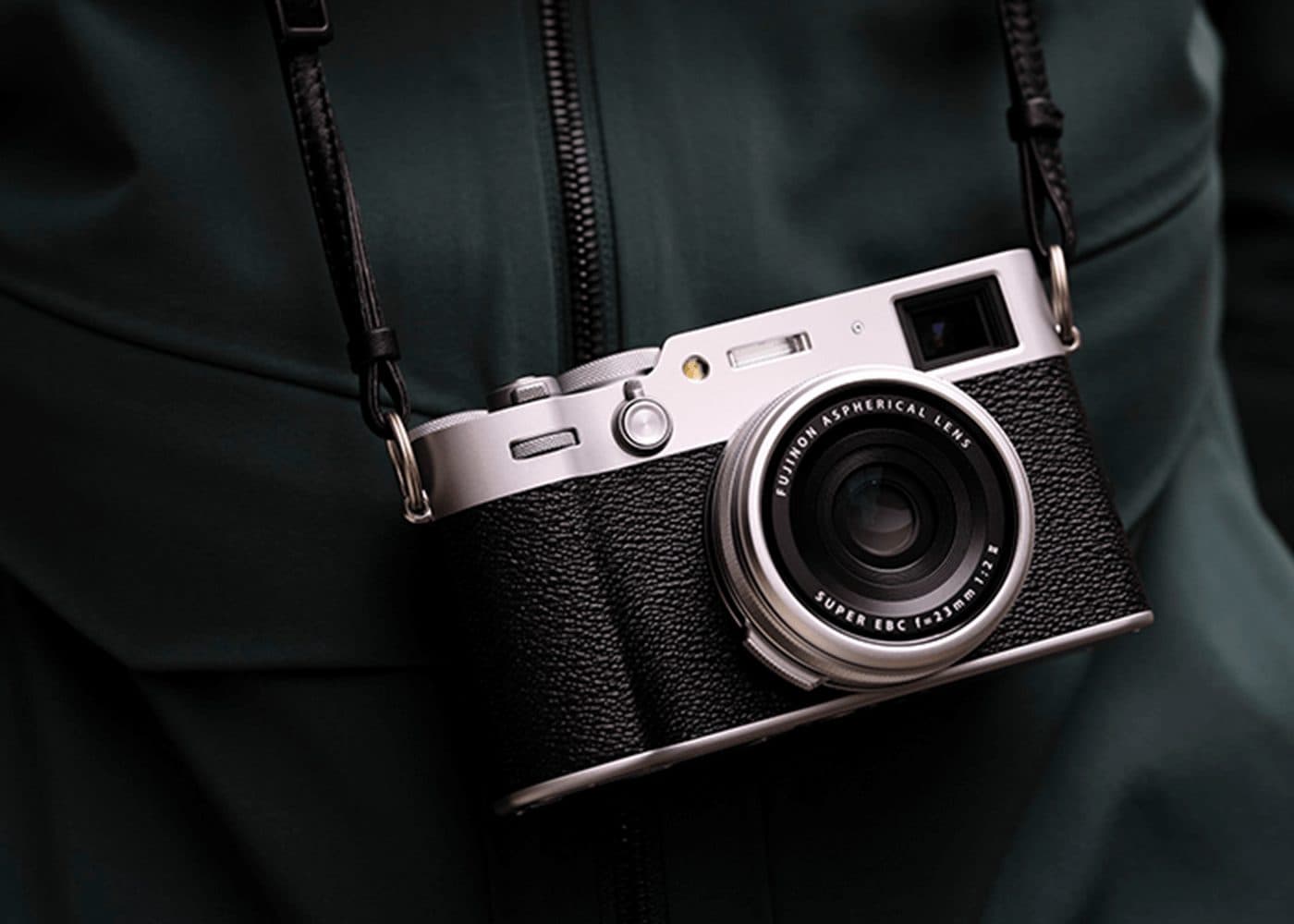
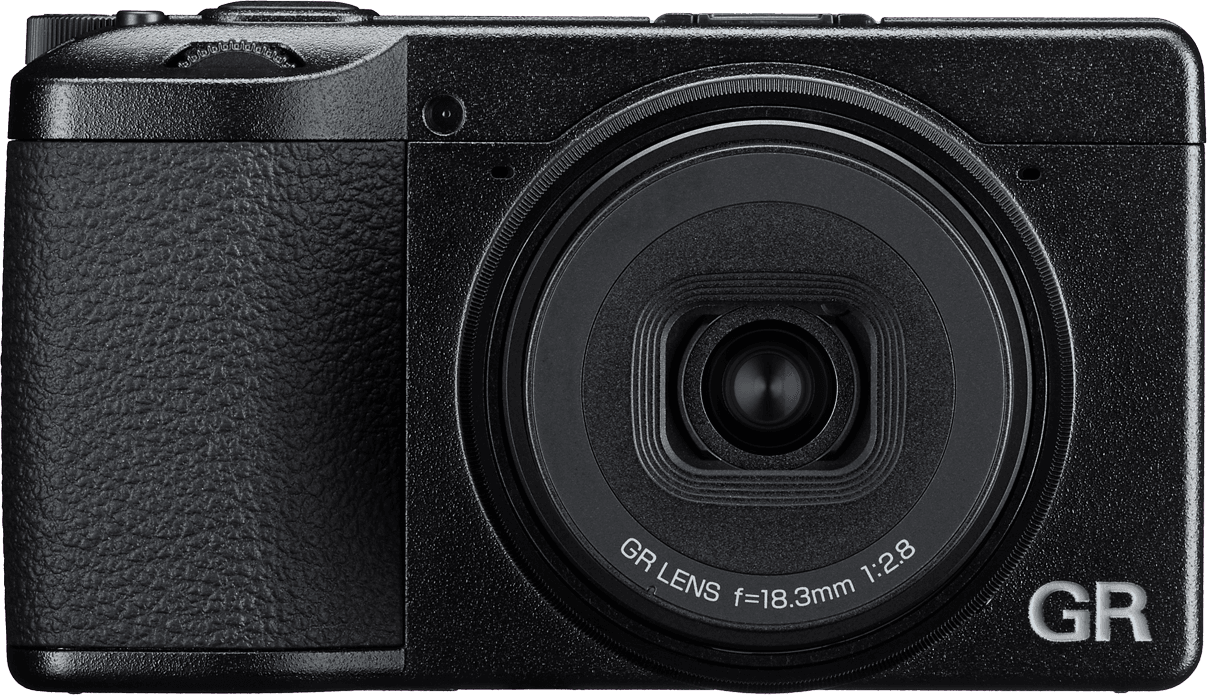
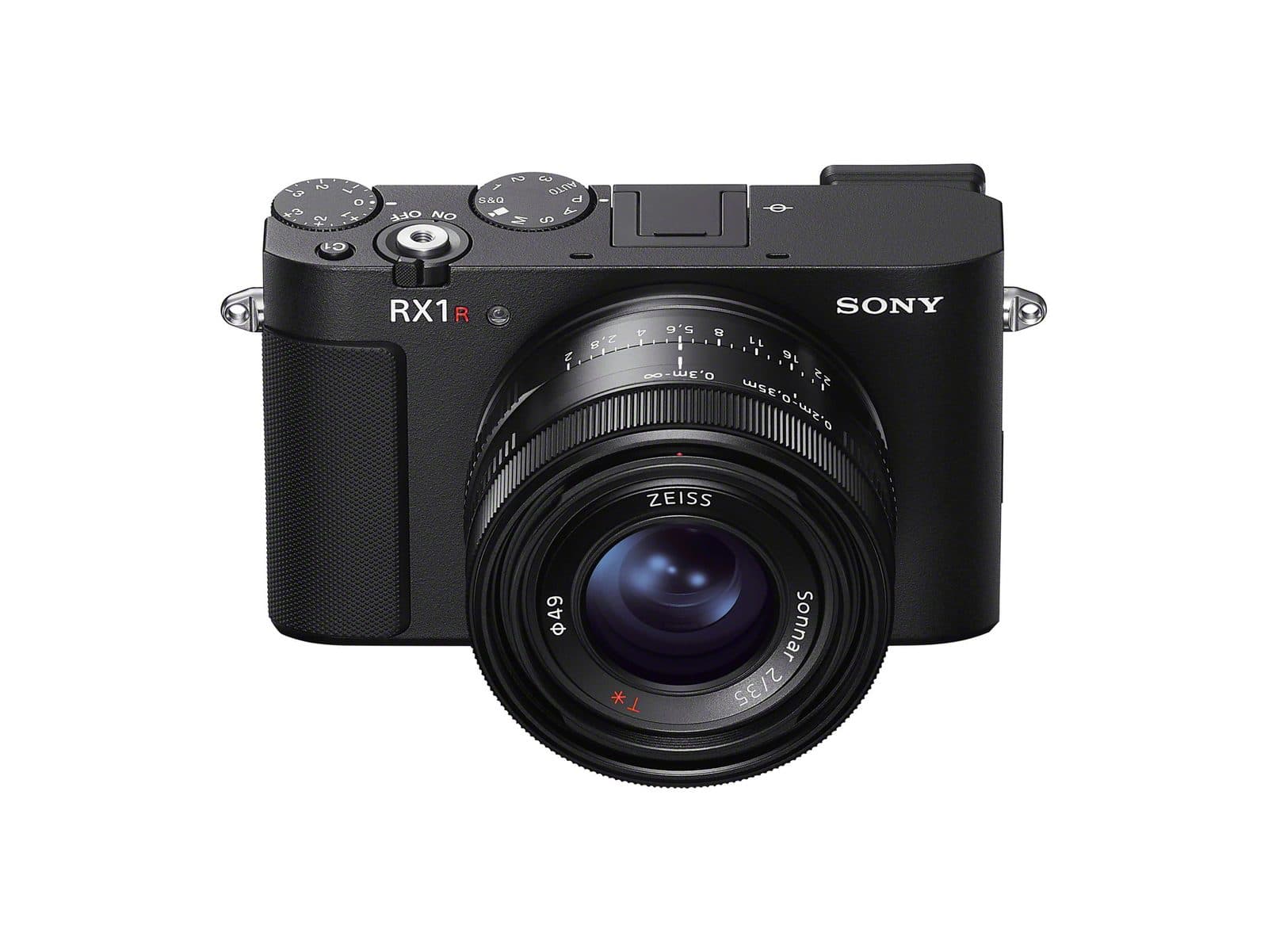
A Pocket Prime, a Hybrid Finder, or a Travel Zoom?
A 40MP hangtag is the wrong first question. Pocket prime, hybrid finder, or travel zoom is the camera. Then shop Gavler's live ranking.
The Best Premium Compact Cameras in 2026: The Camera You Actually Carry
Gavler ranks the enthusiast fixed-lens primes and pocket full-frames worth carrying instead of a phone — from the Fujifilm X100VI to the Sony RX1R III.