Sony RX100 VII.
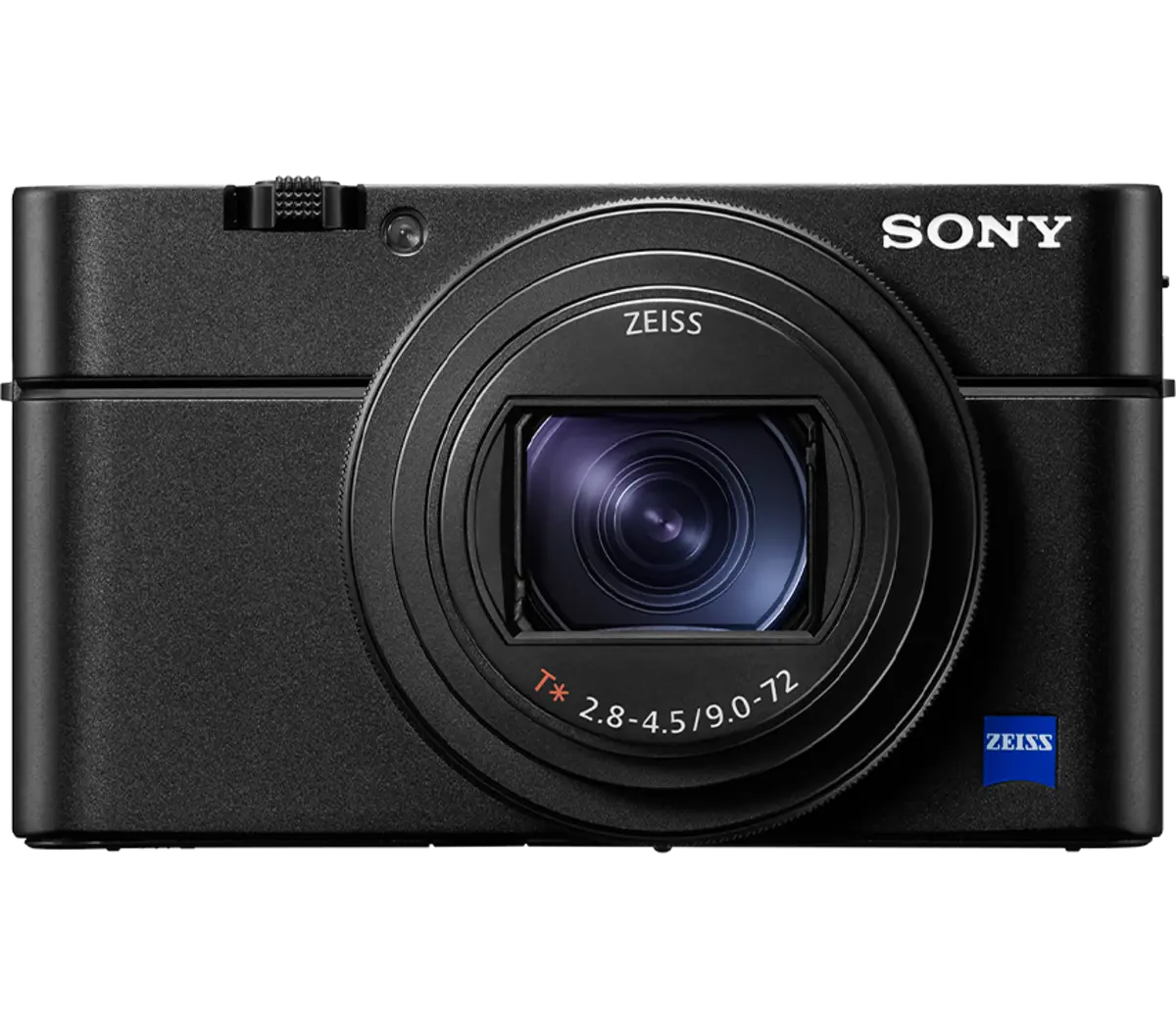
A 1-inch sensor and a 24-200mm equivalent zoom with fast mirrorless-grade autofocus. The most versatile true point-and-shoot on the list.
The Verdict.
Gavler Meta-Score
“The RX100 VII is the Swiss Army knife of compacts. It won't out-resolve the APS-C and full-frame cameras above it, but it's the only one that zooms from wide to telephoto and tracks a moving subject like a proper sports camera. For travel and family shooting where versatility beats ultimate image quality, it's the smart pick.”
The Gavler Verdict
The Gavler Review.
Sony RX100 VII Review: The Zoom Compact That Does Everything, Awkwardly
The Sony RX100 VII ranks sixth on Gavler's Best Premium Compact Cameras list with an 8.5 — the only camera in the category that pairs a genuine 24-200mm-equivalent zoom with autofocus borrowed from Sony's professional A9 line. It's built for travel photographers, parents chasing kids across a soccer field, and anyone who wants one small camera that covers every situation without swapping lenses. The catch: DPReview still calls it "the most capable pocket camera currently on the market," while Digital Camera World, testing the same camera, found it "a cramped and awkward little camera with an average sort of sensor" that's "distinctly unimpressive" as a stills tool at this price. Both are right, depending on what you're buying it for.
What it is
The RX100 VII is the last and most capable entry in Sony's long-running 1-inch compact line, and its defining trait is flexibility rather than raw image quality. Where most premium compacts — the Fujifilm X100VI, the Ricoh GR IV, the Leica Q3 43 — commit to a single fixed focal length, the RX100 VII carries a 24-200mm-equivalent f/2.8-4.5 Zeiss zoom in a body that still fits a shirt pocket. Behind that lens sits a 20.1MP stacked 1-inch Exmor RS sensor, the same pixel count as its predecessor but with a faster readout that enables 20fps blackout-free burst shooting and 357-point phase-detection autofocus covering 68% of the frame.
Sony built the RX100 VII around the idea that a compact camera shouldn't have to choose between portability and capability. Real-Time Tracking and Eye AF — for both humans and animals — trace their lineage directly to the flagship A9, and 4K video recording benefits from the same tracking system. A pop-up electronic viewfinder and a flip-up touchscreen round out a spec sheet that reads like a much larger camera compressed into 302 grams. At $1,498, it sits at the upper end of the compact category, competing directly with fixed-lens rivals that cost the same or less.
In use
The autofocus is the camera's strongest asset, and every reviewer agrees on this point. DPReview's testing found "very good image quality whether shooting Raw or JPEG, on par with the RX100 VI," with JPEGs that "retain fine detail, even in low light thanks to well-judged noise reduction." TechRadar praised the "mirrorless-grade autofocus" for making the RX100 VII "the best travel compact for moving subjects," and Imaging Resource called it "a jack-of-all-trades that stays in a pocket and never misses the shot." For anyone photographing kids, pets, or unpredictable street scenes, that tracking reliability is difficult to find anywhere else this small.
Handling is where the reviews diverge sharply. Digital Camera World's Rod Lawton, testing the camera extensively, wrote that "the body has a semi matt black finish which is a little slippery, and there's no grip on the front to help you keep a secure hold," and singled out the pop-up EVF mechanism as feeling "like an unnecessary complication." His listed cons were blunt: fiddly EVF, slippery finish, small controls. The Phoblographer's Chris Gampat went further, writing that the camera "felt so incredibly awkward" in his hands that there was "a point during this review" he "really wanted to throw it in the ocean," adding that the body seems "designed for people with the smallest hands possible." If you have average-to-large hands, budget time with a demo unit before buying.
Image quality itself is competent rather than exceptional. Digital Camera World found that "at short to medium zoom settings the image quality is pretty good, but at full zoom detail is disappointingly soft" — a real trade-off for carrying that much reach in a pocketable lens. There's also a documented buffer issue: filling the burst buffer locks you out of playback zoom and settings changes for close to a minute, even on a fast card, because the RX100 VII only accepts UHS-I media despite its high-speed capture.
Strengths
- A genuinely useful zoom range. 24-200mm-equivalent covers landscapes, groups, and distant subjects without a lens change — no other camera this size does this.
- Autofocus that punches above the category. Real-Time Tracking and Eye AF, inherited from Sony's professional bodies, make it the strongest choice here for photographing motion.
- 20fps blackout-free burst shooting. Genuinely rare in a compact, useful for kids' sports, pets, and fast street moments.
- 4K video with strong continuous autofocus, plus a microphone input Sony added specifically for this generation.
The trade-offs — who should skip it
- Handling won't suit every hand size. Multiple reviewers independently flagged cramped controls, a slippery finish, and a fiddly pop-up EVF — this is a real, recurring criticism, not an outlier opinion.
- The 1-inch sensor and slow telephoto aperture limit low light and background blur compared to the APS-C and full-frame compacts ranked above it on this list.
- Telephoto sharpness softens noticeably at the long end of the zoom — don't expect prime-lens detail at 200mm-equivalent.
- The price is steep for what Digital Camera World calls "an average sort of sensor." If you only shoot one focal length, a fixed-lens rival likely beats it on image quality for the same money.
If you photograph moving subjects across a range of distances and need one camera that goes everywhere, the trade-offs are worth it. If you mostly shoot static scenes at one working distance and care more about ultimate image quality than reach, look elsewhere on this list.
How it compares
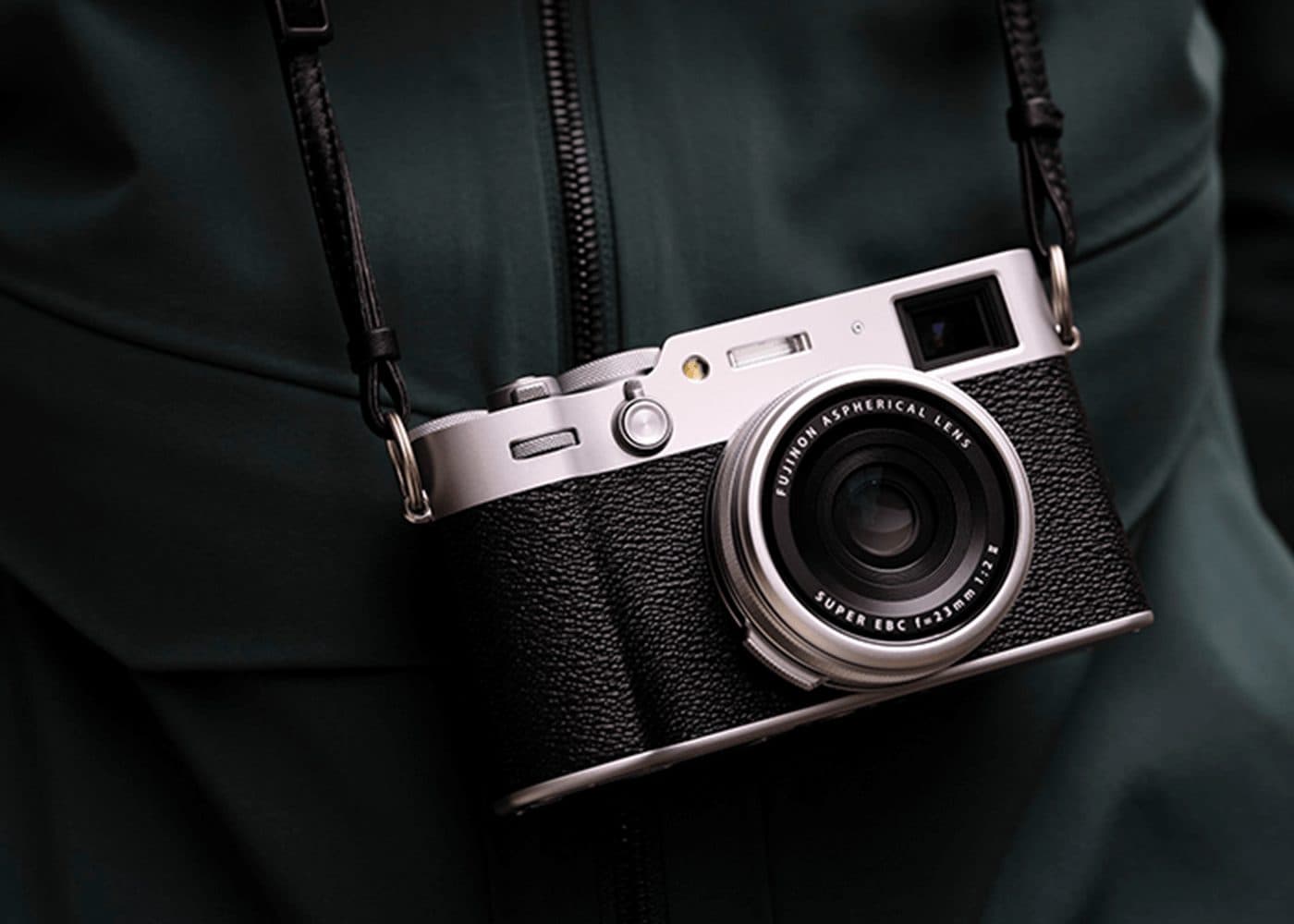
The Fujifilm X100VI tops the same Best Premium Compact Cameras list at rank one with a 9.6 — a 40.2MP APS-C sensor and in-body stabilization deliver noticeably better image quality, but only through a single fixed 35mm-equivalent lens, and DPReview notes the camera is still routinely backordered well above its $1,599 list price. Choose the X100VI if you want the best files at one focal length and don't mind a rigid perspective; choose the RX100 VII if you need to zoom.
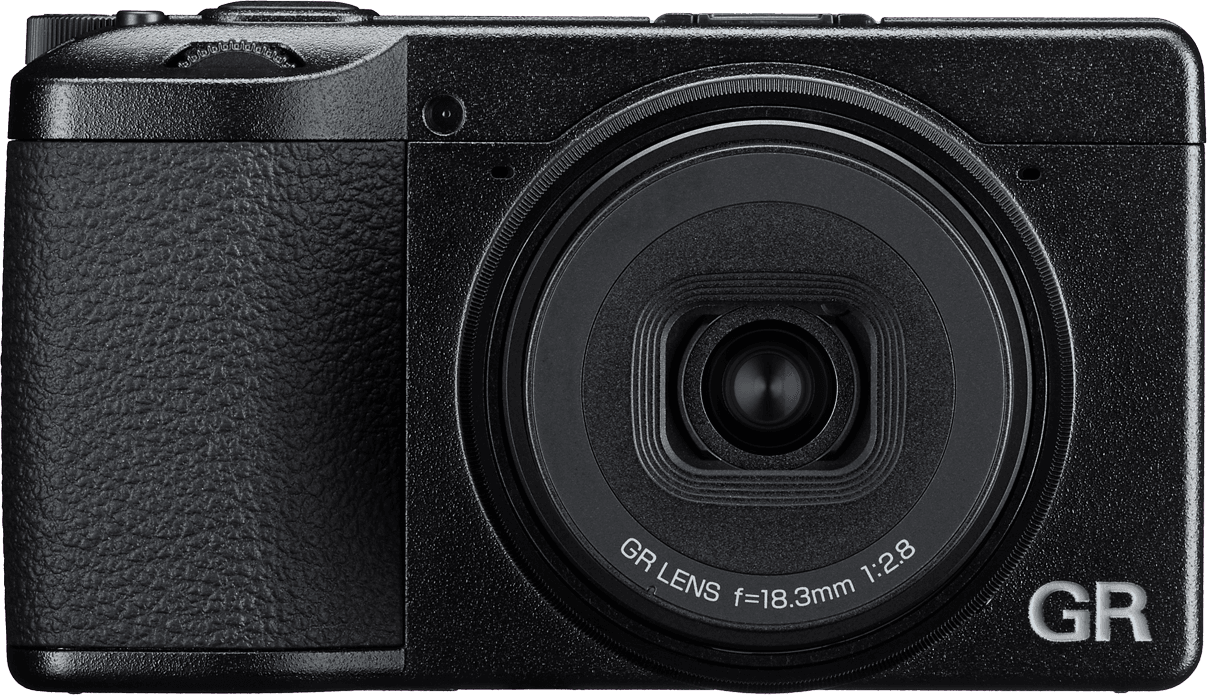
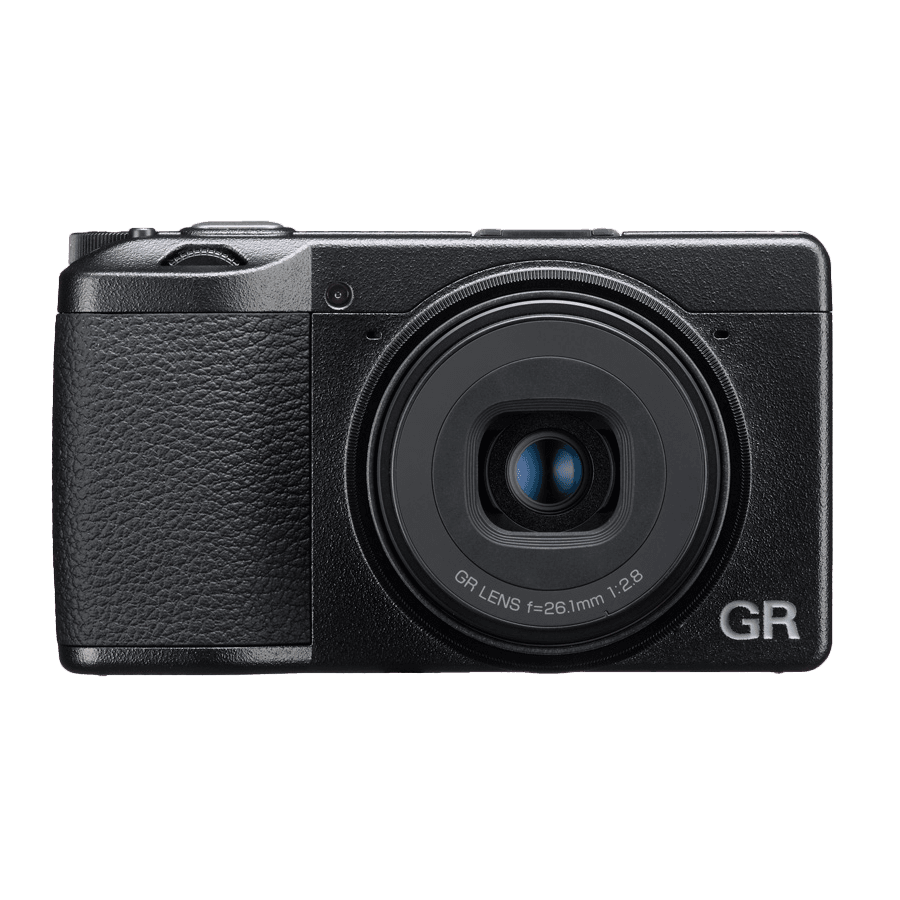
The Ricoh GR IV sits at rank two with a 9.3, built around an entirely different philosophy: a fixed 28mm-equivalent lens, a new 26MP BSI APS-C sensor, and a body so small it disappears into a pocket, with 53GB of internal storage. It's the sharper, more discreet street-photography tool; the RX100 VII is the more versatile all-rounder for subjects that move and distances that vary.
The Gavler verdict
The RX100 VII earns its 8.5 by being the only camera in this category that actually zooms — 24-200mm-equivalent reach with autofocus tracking that outclasses everything else this size, backed by DPReview's assessment that it remains "the most capable pocket camera currently on the market." But it isn't a camera to buy on spec sheet alone. Digital Camera World's core critique stands: "for each of the things it's good at, we'd choose a different camera" unless you specifically need all of them at once — the zoom, the speed, the video, and the pocketable size, together. For travel shooters and parents on the sideline who need that exact combination, nothing else on this list comes close. For anyone chasing outright image quality or comfortable handling, the fixed-lens options above it are the smarter buy.
Common Questions
It depends on what you need. DPReview still calls it 'the most capable pocket camera currently on the market' thanks to its 24-200mm zoom and 'industry-leading autofocus implementation,' and it holds an 8.5 on Gavler's Best Premium Compact Cameras list. But Digital Camera World was blunt that 'as a stills camera, the RX100 VII is distinctly unimpressive, considering you can get cameras just as good, or better, at half the price.' It's worth it specifically for the zoom range and tracking autofocus — not as a general-purpose image-quality play.
Not especially. Its 1-inch sensor and a lens that slows to f/4.5 at the telephoto end limit how much light it can gather compared to APS-C or full-frame compacts on the same list. DPReview's testing noted 'well-judged noise reduction' keeps JPEGs usable, but also flagged that the 'slow maximum aperture limits low light capability.'
They solve different problems. The X100VI, ranked first on Gavler's Best Premium Compact Cameras list with a 9.6, has a larger APS-C sensor, in-body stabilization, and Fuji's film simulations, but only one fixed 35mm-equivalent lens. The RX100 VII trades sensor size and simplicity for a 24-200mm zoom and faster subject-tracking autofocus. If you want the best image quality in one focal length, buy the X100VI; if you need one camera that zooms from wide to telephoto for travel or sports on the sideline, buy the RX100 VII.
Where to Buy.
Prices checked regularly
90-day price history
Price History
Steady at $1,498 for the entire 90-day tracking window — no increases, no discounts, across 91 tracked days.
Tracked daily across retailers. Vote Want itabove and we’ll alert you the moment the price drops.
Some links are affiliate links — Gavler may earn a commission. This never affects rankings or scores. Learn more.
Precision Engineering
24-200mm Zoom
A single lens covers wide-angle to telephoto — no swapping, no compromise on portability.
Real-Time Tracking AF
Mirrorless-grade autofocus with Eye AF and 20fps blackout-free burst shooting.
Pop-Up EVF
A built-in electronic viewfinder and flip-up screen in a true shirt-pocket body.
Technical Specifications
The Scoreboard
Praised for unmatched versatility and autofocus in a pocketable body. The 1-inch sensor and slow telephoto aperture are the trade-offs for that zoom range.
Cast Your Vote
Do you think Sony RX100 VII deserves the #6 spot in Best Premium Compact Cameras?
Global Critique
“The most versatile pocket camera ever made — that zoom range in this size is remarkable.”
“Autofocus borrowed from Sony's pro bodies makes this the best travel compact for moving subjects.”
“A jack-of-all-trades that stays in a pocket and never misses the shot.”
More from Best Premium Compact Cameras.
See how other top picks compare in this category.
A Pocket Prime, a Hybrid Finder, or a Travel Zoom?
A 40MP hangtag is the wrong first question. Pocket prime, hybrid finder, or travel zoom is the camera. Then shop Gavler's live ranking.
The Best Premium Compact Cameras in 2026: The Camera You Actually Carry
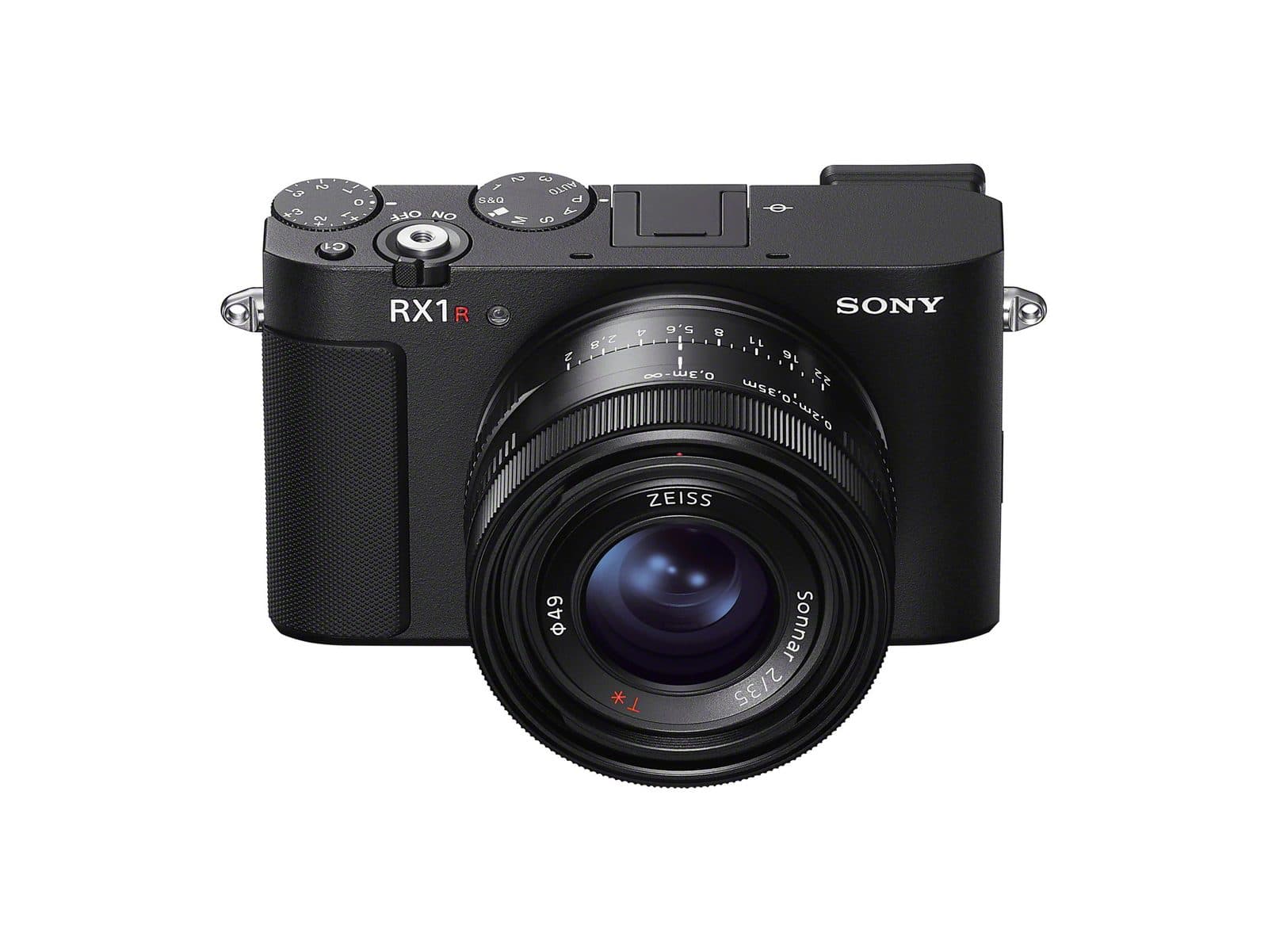
Gavler ranks the enthusiast fixed-lens primes and pocket full-frames worth carrying instead of a phone — from the Fujifilm X100VI to the Sony RX1R III.