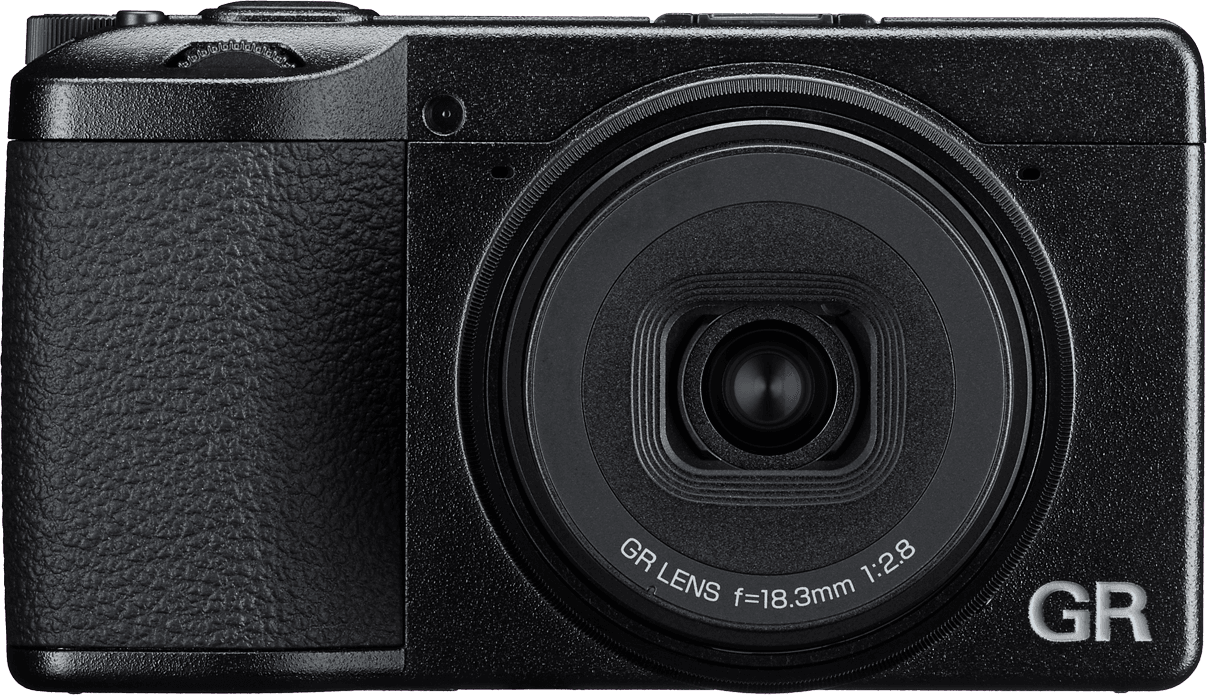
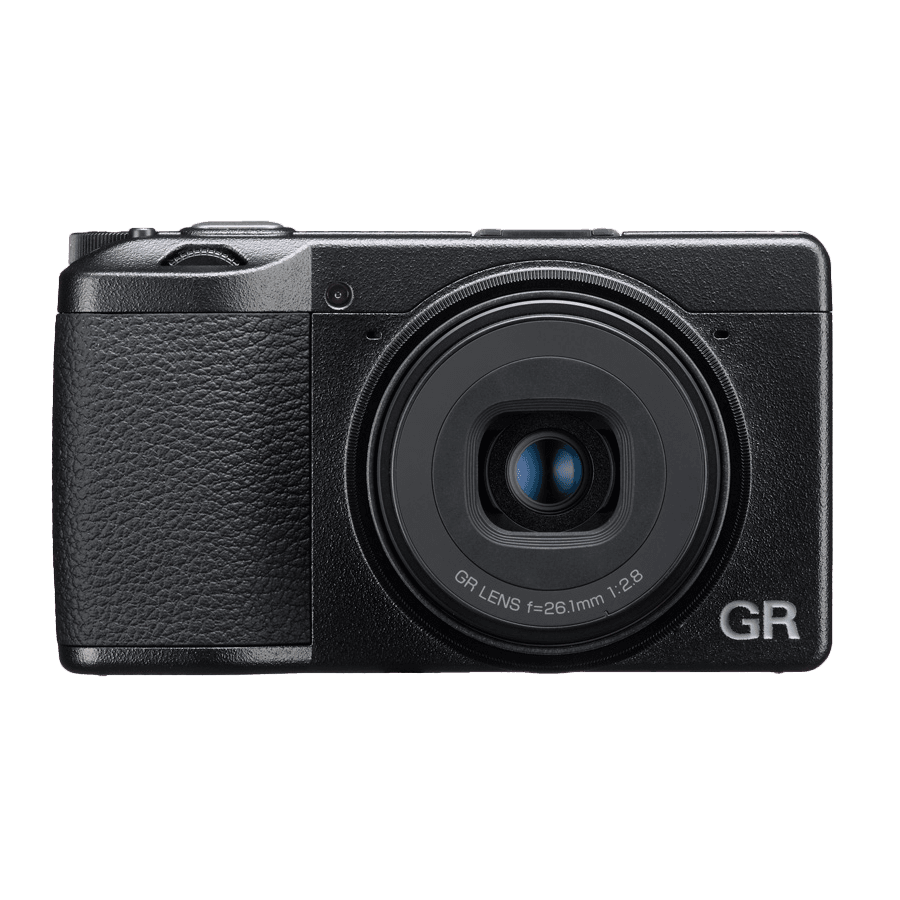
Ricoh GR IV.
A new 26MP BSI APS-C sensor, five-axis stabilization, and a 28mm f/2.8 lens in a body that genuinely disappears into a pocket.
The Verdict.
Gavler Meta-Score
“The GR IV is the thinking street photographer's compact. It won't wow anyone across a room, but it goes everywhere, starts instantly, and produces APS-C files that punch far above the camera's tiny footprint. The new sensor and stabilization finally modernize a beloved formula. If your priority is having a real camera on you at all times, this is the one.”
The Gavler Verdict
The Gavler Review.
Ricoh GR IV Review: The Street Photographer's Compact, Finally Modernized
The Ricoh GR IV holds rank two on Gavler's Best Premium Compact Cameras list with a 9.3, and it earns that spot the same way every GR before it has: by being the camera you actually have with you. Buy it if your priority is a real APS-C sensor that disappears into a jeans pocket and starts shooting in about a second. Skip it if you want a viewfinder, a zoom, or a camera built for anything other than one very specific, very well-executed job.
What it actually is
The Ricoh GR series has been the quiet cult favorite of street photographers for two decades, and the GR IV is its biggest update in years. It moves to a new 25.74-megapixel backside-illuminated APS-C sensor, replacing the GR III's front-illuminated 24MP chip, and upgrades stabilization from a three-axis system to a five-axis design rated at six stops of correction. Internal storage jumps to a genuinely useful 53GB — enough that a memory card becomes optional rather than mandatory.
None of that changes the fundamental formula. The fixed 18.3mm f/2.8 lens (28mm-equivalent) is the same famously sharp optic the series has built its reputation on, snap-focus still lets you preset a zone distance for instant, viewfinder-free shooting, and the whole camera powers on and captures a frame in roughly a second. At $1,499, it's priced for photographers who already know exactly why they want a GR.
In use
What separates the GR IV from a phone or a bigger mirrorless camera isn't any single spec — it's how consistently reviewers describe it disappearing into daily use. DPReview called it "the most refined pocket camera Ricoh has made," noting that "little improvements add up." That's the right way to read this update: no single feature is revolutionary, but the sensor swap, the stabilization jump, and the storage increase compound into a camera that finally addresses the GR III's real limitations without touching what made the series beloved in the first place.
Digital Camera World framed the appeal in market terms, calling it "the cult compact['s] biggest upgrade yet" while noting it's "still the most pocketable APS-C camera around" — which is the tension every GR has to resolve. A larger sensor in a genuinely pocketable body is a hard engineering problem, and Ricoh has spent two decades solving it incrementally rather than chasing a bigger, more capable but less carryable design. MPB's take zeroes in on the practical payoff for the camera's core audience: "snap focus and a tack-sharp 28mm lens make this the definitive street-photography tool" — the two features that actually matter when you're working fast and unobtrusively on a sidewalk.
The five-axis, six-stop stabilization is the most consequential single upgrade. Street and documentary shooting often happens in mixed, unpredictable light — doorways, evening streets, interiors — and the previous three-axis system meant real limits on how slow a shutter speed you could hand-hold. Six stops changes that math meaningfully, especially paired with a sensor that already handles noise well at moderate ISOs.
Where it shines
- Genuine pocketability with a real sensor. Nothing else with an APS-C sensor and this level of image quality disappears into a pocket the way the GR IV does — that's the entire value proposition, and it's still unmatched.
- Five-axis, six-stop stabilization. A real upgrade over the GR III's three-axis system, opening up handheld low-light shooting that used to require bracing against something.
- 53GB of internal storage. Enough to shoot all day without a card, which sounds like a minor convenience until you're the photographer who left theirs at home.
The trade-offs — who should skip it
The GR IV is excellent at what it does and deliberately narrow in what it attempts:
- No viewfinder. You compose on the rear screen only, which is a real limitation in bright sunlight and for photographers who prefer eye-level framing.
- One focal length, full stop. The fixed 28mm-equivalent view takes practice to shoot well and simply won't suit photographers who need to zoom or frequently want a different perspective.
- It's a specialist's tool, not a do-everything camera. If you want video capability, a longer reach, or interchangeable lenses, this isn't the camera — and Ricoh isn't pretending otherwise.
How it compares
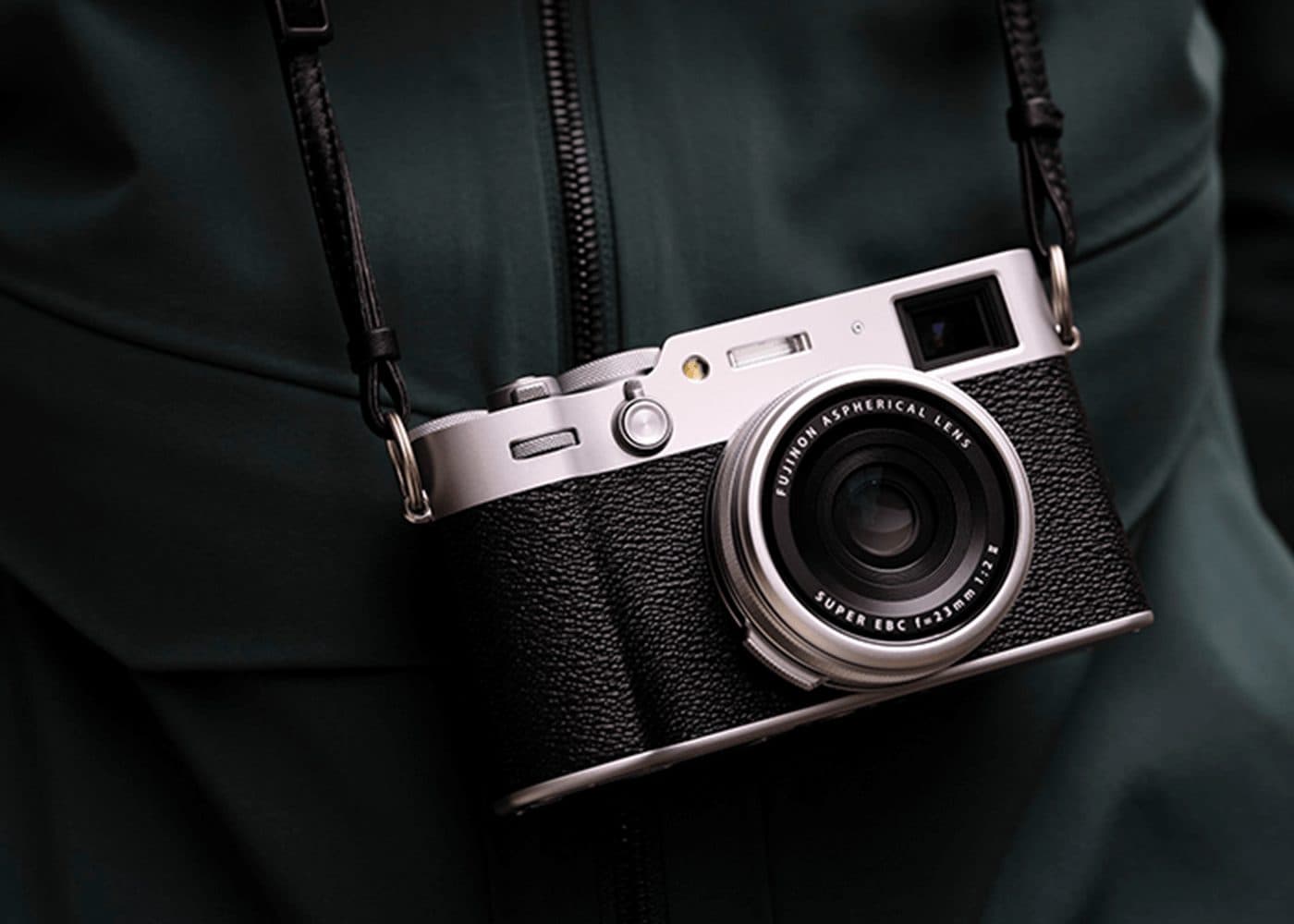
On its own list, the GR IV sits directly behind the Fujifilm X100VI at rank one — Gavler's top-rated compact and, per DPReview, "the best-handling, most enjoyable compact camera you can buy." The X100VI trades pocketability for a hybrid optical/electronic viewfinder, in-body stabilization, and Fujifilm's celebrated film simulations, in a body you still carry deliberately rather than forget about in a pocket. It's the pick for photographers who want a more complete shooting experience; the GR IV is the pick for photographers who want the smallest possible barrier between themselves and a shot.
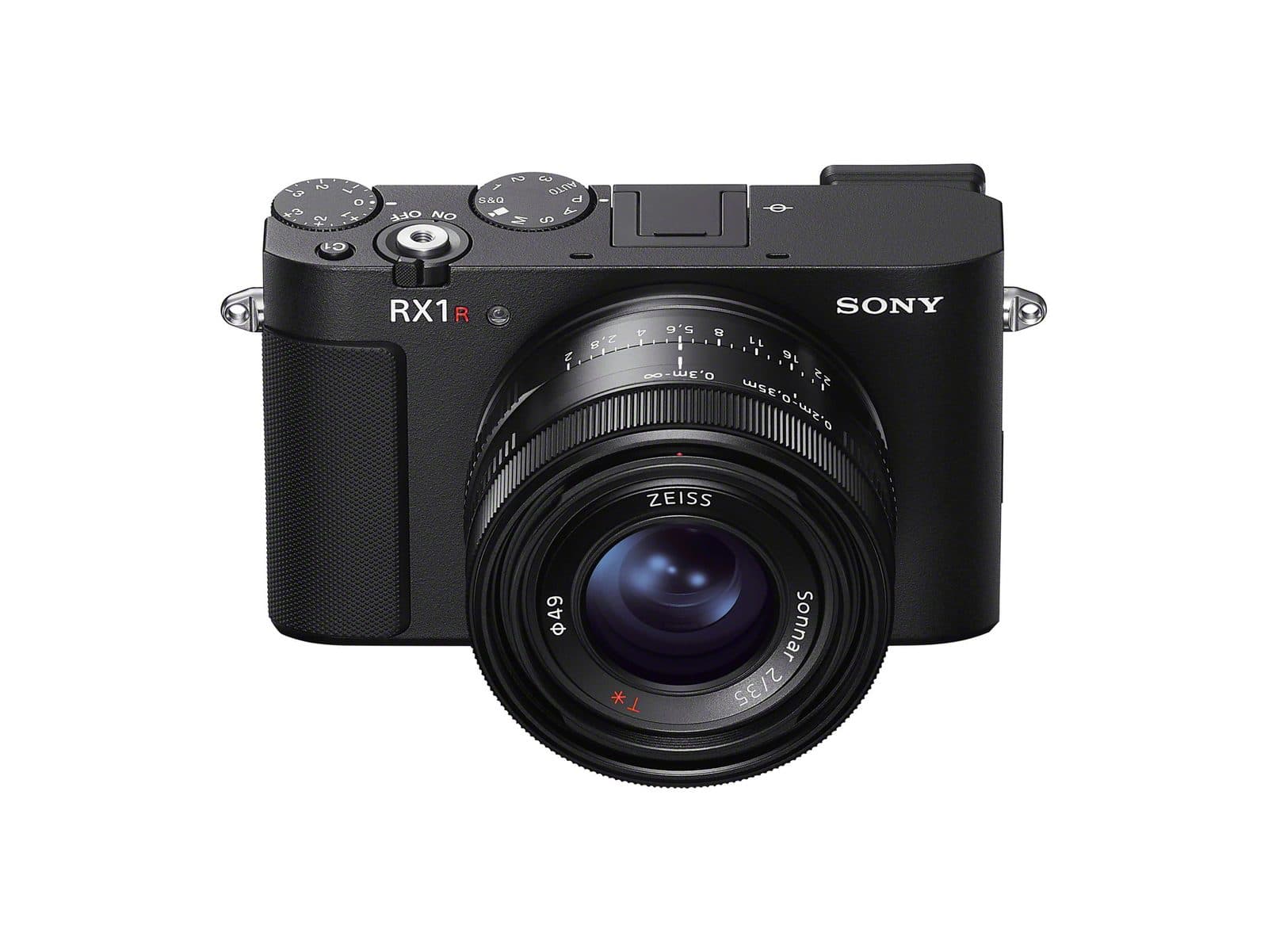
At rank three, the Sony RX1R III sits at the opposite extreme of the same list — a full-frame 61MP sensor behind a fixed Zeiss 35mm f/2 lens, at more than triple the GR IV's price. It's the choice for photographers who want uncompromised image quality above all else and are willing to pay flagship money for it in a compact body; the GR IV is the choice for photographers who prioritize actually carrying the camera every day.
The Gavler verdict
A 9.3, with the community rating (94) running ahead of the expert consensus (92) — a telling gap that reflects just how devoted the GR fanbase is once they've bought in, even as reviewers note the lack of a viewfinder and the single 28mm view keep it from truly universal appeal. The Ricoh GR IV is a camera built around one clear idea, executed better than anyone else manages: a real APS-C sensor, genuinely improved stabilization, and a body that goes everywhere. If having a serious camera on you at all times is the priority, this is still the one to buy — see how it stacks up against the rest of the field on our Best Premium Compact Cameras list.
Common Questions
If pocketability and always-having-a-real-camera-on-you is the priority, yes — it ranks second on Gavler's Best Premium Compact Cameras list with a 9.3, and the new BSI sensor and five-axis stabilization finally modernize a formula that was starting to show its age. If you want a viewfinder or more than one focal length, this isn't the camera — it's a single-purpose tool that does one thing better than almost anything else.
The GR IV moves to a new 25.74MP backside-illuminated APS-C sensor, up from the GR III's 24MP front-illuminated chip, and upgrades stabilization from three-axis to a five-axis system rated at six stops. Internal storage also jumps dramatically to 53GB, enough that you can shoot a full day without inserting a memory card.
No — there's no built-in or add-on viewfinder on the GR IV, and no zoom. You compose on the rear screen with a fixed 28mm-equivalent view. That single-focal-length, screen-only design is exactly what keeps the body small enough to disappear into a pocket, but it's a real limitation for photographers who want an eye-level finder or focal-length flexibility.
They solve different problems. The X100VI adds a hybrid optical/electronic viewfinder, in-body stabilization, and Fujifilm's film simulations in a body you still carry deliberately. The GR IV is smaller, lighter, and built to disappear into a pocket you'd otherwise leave a camera out of — the trade being no viewfinder and a single fixed 28mm view. Street photographers who prioritize being under-the-radar and always-carrying tend to pick the GR IV; photographers who want a more complete, deliberate shooting experience tend to pick the X100VI.
Where to Buy.
Prices checked regularly
90-day price history
Price History
Steady at $1,499 for the entire 90-day tracking window — no increases, no discounts, across 91 tracked days.
Tracked daily across retailers. Vote Want itabove and we’ll alert you the moment the price drops.
Some links are affiliate links — Gavler may earn a commission. This never affects rankings or scores. Learn more.
Precision Engineering
26MP BSI APS-C
A new backside-illuminated sensor improves noise and color over the GR III in the same tiny body.
5-Axis Stabilization
Upgraded from three-axis to five-axis, rated at six stops for sharp handheld low-light frames.
53GB Internal Storage
Massive built-in storage means you can shoot all day without a memory card.
Technical Specifications
The Scoreboard
Reviewers call it the biggest GR upgrade in years; the devoted GR community rates handling and pocketability at the top of the class. No viewfinder and a single 28mm view keep it from universal appeal.
Cast Your Vote
Do you think Ricoh GR IV deserves the #2 spot in Best Premium Compact Cameras?
Global Critique
“Little improvements add up — the GR IV is the most refined pocket camera Ricoh has made.”
“The cult compact gets its biggest upgrade yet, and it's still the most pocketable APS-C camera around.”
“Snap focus and a tack-sharp 28mm lens make this the definitive street-photography tool.”
More from Best Premium Compact Cameras.
See how other top picks compare in this category.
A Pocket Prime, a Hybrid Finder, or a Travel Zoom?
A 40MP hangtag is the wrong first question. Pocket prime, hybrid finder, or travel zoom is the camera. Then shop Gavler's live ranking.
The Best Premium Compact Cameras in 2026: The Camera You Actually Carry
Gavler ranks the enthusiast fixed-lens primes and pocket full-frames worth carrying instead of a phone — from the Fujifilm X100VI to the Sony RX1R III.