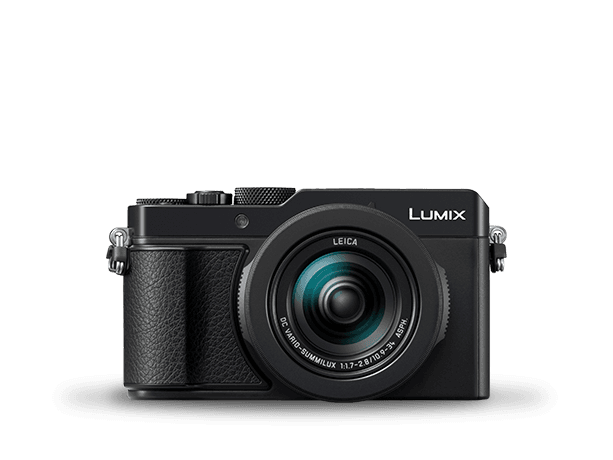
Panasonic Lumix LX100 II.
A Four Thirds sensor and a fast 24-75mm f/1.7-2.8 zoom with dedicated manual controls — the enthusiast value pick, aging internals and all.
The Verdict.
Gavler Meta-Score
“The LX100 II is the value connoisseur's compact. It gives you a real sensor, a fast zoom, and proper physical dials for around a grand — a combination nothing newer quite matches at the price. The 2018 internals mean dated autofocus and no tilting screen, so it's for the deliberate shooter, not the action photographer. But dollar for dollar, the hardware is hard to beat.”
The Gavler Verdict
The Gavler Review.
Panasonic Lumix LX100 II Review: The Value Play Everyone Compares to Leica
The Panasonic Lumix LX100 II ranks number 8 on Gavler's Best Premium Compact Cameras list with a 8.0. It's the enthusiast's value pick in a category dominated by pricier badges — Cameralabs gave it a "Highly Recommended" award for offering a larger sensor and a genuinely fast lens without the Leica premium. The trade-off is age: this camera's core design dates to 2018, and it shows in a few specific, predictable places.
What it is
The LX100 II pairs a Four Thirds sensor — the same 20-megapixel chip used in the Lumix GX9, cropped to roughly 17 effective megapixels by the lens's imaging circle — with a bright Leica-branded 24-75mm f/1.7-2.8 zoom. That's essentially identical core hardware to the much more expensive Leica D-Lux 8. What sets the LX100 II apart, and what Cameralabs' Ken McMahon singled out in his review, is control: dedicated aperture, shutter-speed, and exposure-compensation dials, plus an aspect-ratio switch right on the lens barrel, give it "the tactile, deliberate handling of a much larger enthusiast camera." A 2.76-million-dot electronic viewfinder and 4K video round out the spec sheet.
In use
Cameralabs' review, shot alongside the Canon PowerShot G1X Mark III and Sony RX100 VA for direct comparison, found real strengths in the optics. The reviewer preferred the LX100's macro and portrait rendering to both rivals: "Based on these comparisons, I know which model I'd prefer to have to for shooting macro: the Lumix LX100 beats the Sony RX100 III, IV and VA not just on reproduction at wide angle, but on quality at both ends of the lens range." The lens focuses down to 3cm, closer than either competitor, and Cameralabs found the bokeh rendering "cleaner" with "smoother transitions" than the Sony's.
The honest weak point is the screen. "The screen annoyingly remains fixed which will frustrate vloggers or anyone shooting at high or low angles, but it is now at least touch-sensitive," Cameralabs noted — a real limitation next to rivals with articulating displays. The reviewer also flagged a longer-running concern: "there are reports of the original LX100 proving to be susceptible to dust over time, and unlike an interchangeable lens camera, it's not straightforward to open the body for a clean." Panasonic told Cameralabs it had made unspecified improvements for the Mark II, but the review couldn't confirm whether the fix actually worked over the long term — "only time will tell."
Strengths
The 4K video held up well in Cameralabs' testing relative to its price bracket: it can record clips three times longer than the Sony RX100 VA's five-minute cap and proved "much less susceptible to overheating." The physical dial layout is the camera's signature feature and remains genuinely useful for deliberate, manual-first shooting — something touchscreen-only compacts can't replicate. Wireless performance is also strong, with Bluetooth remote triggering and GPS tagging that Cameralabs called "one of the best wireless experiences around." And the core optical formula — the same lens and sensor combination found on the Leica D-Lux 8 — remains a genuinely rare pairing at this price point in 2026.
The trade-offs — who should skip it
This is 2018-era hardware, and it shows in autofocus responsiveness and the absence of a tilting screen — a real handicap for vlogging or shooting at awkward angles. Buyers who prioritize video-first workflows, articulating displays, or the latest autofocus tracking should look at newer creator-focused compacts instead. The unresolved dust-ingress question is also worth flagging for anyone planning to keep the camera for years of heavy use rather than a shorter ownership cycle.
How it compares
The obvious comparison, and the one every review of this camera makes, is the Leica D-Lux 8, ranked 7 on the same Best Premium Compact Cameras list. The two cameras share their sensor and lens; the D-Lux 8 adds a Leica Q3-style interface, a new command dial, and a modestly sharper OLED viewfinder for a substantial price premium. PetaPixel's review of the D-Lux 8 put it plainly when discussing the shared lineage: the D-Lux 7 (the LX100 II's direct Leica-branded cousin) was "an almost carbon copy of the Panasonic LX100 II" — the LX100 II simply delivers that same core experience without the badge tax.
For buyers who want more reach and don't mind a smaller sensor, the Sony RX100 VII, also on this list, offers a 24-200mm zoom and far more advanced tracking autofocus at a higher price point.
The Gavler verdict
The LX100 II earns its spot as the value connoisseur's compact. A real Four Thirds sensor, a genuinely fast lens, and proper physical dials for around a thousand dollars is a combination nothing newer quite matches at the price — Cameralabs' "Highly Recommended" verdict reflects exactly that. The fixed screen and dated autofocus mean it's best suited to deliberate photographers rather than vloggers or action shooters, and the unresolved dust question is worth keeping in mind for long-term ownership. But dollar for dollar, against the Leica D-Lux 8's near-identical hardware at nearly double the price, the LX100 II remains the smarter buy for anyone who doesn't need the red dot.
Common Questions
Yes, if you value the sensor-and-lens combination over the newest processing. Gavler scores it 8.0, and Cameralabs called it "Highly Recommended," praising the same 24-75mm f1.7-2.8 lens and Four Thirds sensor found on the far pricier Leica D-Lux 8 for roughly half the money.
They share the same core hardware — a Four Thirds sensor and Leica DC Vario-Summilux 24-75mm f/1.7-2.8 lens. PetaPixel's review of the D-Lux 8 noted the D-Lux 7 (which shares the LX100 II's internals) is "an almost carbon copy of the Panasonic LX100 II," though it also cautioned that both older cameras are "over-inflated in pricing" on the used market.
Its fixed, non-tilting screen and its age. Cameralabs' review noted "the screen annoyingly remains fixed which will frustrate vloggers or anyone shooting at high or low angles," and flagged unresolved questions about long-term dust ingress carried over from the original LX100.
Where to Buy.
Prices checked regularly
90-day price history
Price History
Steady at $998 for the entire 90-day tracking window — no increases, no discounts, across 91 tracked days.
Tracked daily across retailers. Vote Want itabove and we’ll alert you the moment the price drops.
Some links are affiliate links — Gavler may earn a commission. This never affects rankings or scores. Learn more.
Precision Engineering
24-75mm f/1.7-2.8
A bright Leica-branded zoom covering the everyday range with a fast aperture throughout.
Four Thirds Sensor
A large 17MP effective sensor at a price where most compacts use smaller 1-inch chips.
Dedicated Dials
Physical aperture, shutter-speed, and aspect-ratio controls for tactile, deliberate shooting.
Technical Specifications
The Scoreboard
Valued for offering the D-Lux's sensor-and-lens combo at nearly half the price, with excellent manual controls. Held back by 2018-era autofocus and a fixed rear screen.
Cast Your Vote
Do you think Panasonic Lumix LX100 II deserves the #8 spot in Best Premium Compact Cameras?
Global Critique
“Offers the same sensor and lens as the Leica D-Lux for far less — the enthusiast value pick.”
“Those manual dials give it the handling of a camera twice its size.”
“Showing its age in autofocus, but the hardware bargain still stands.”
More from Best Premium Compact Cameras.
See how other top picks compare in this category.
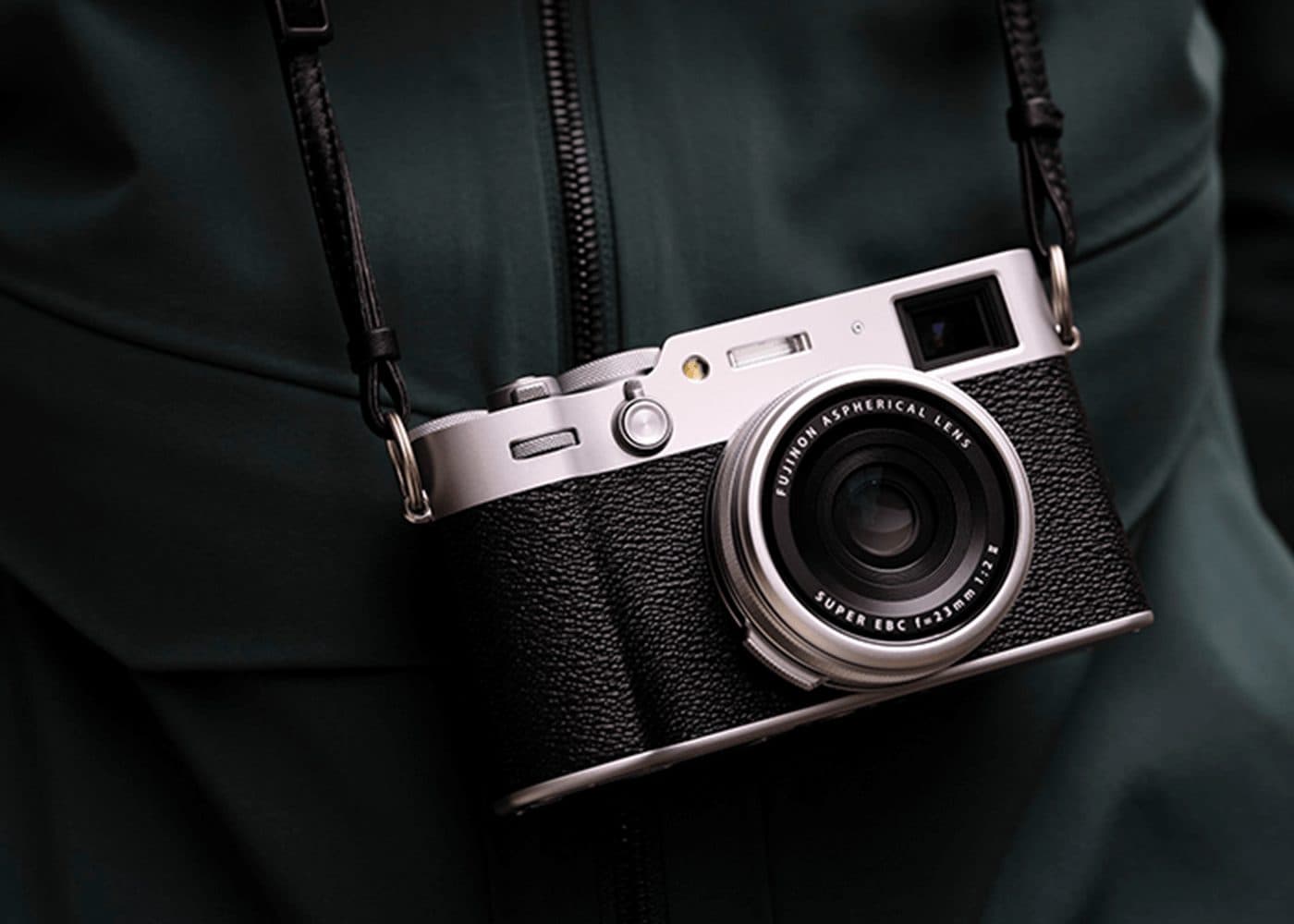
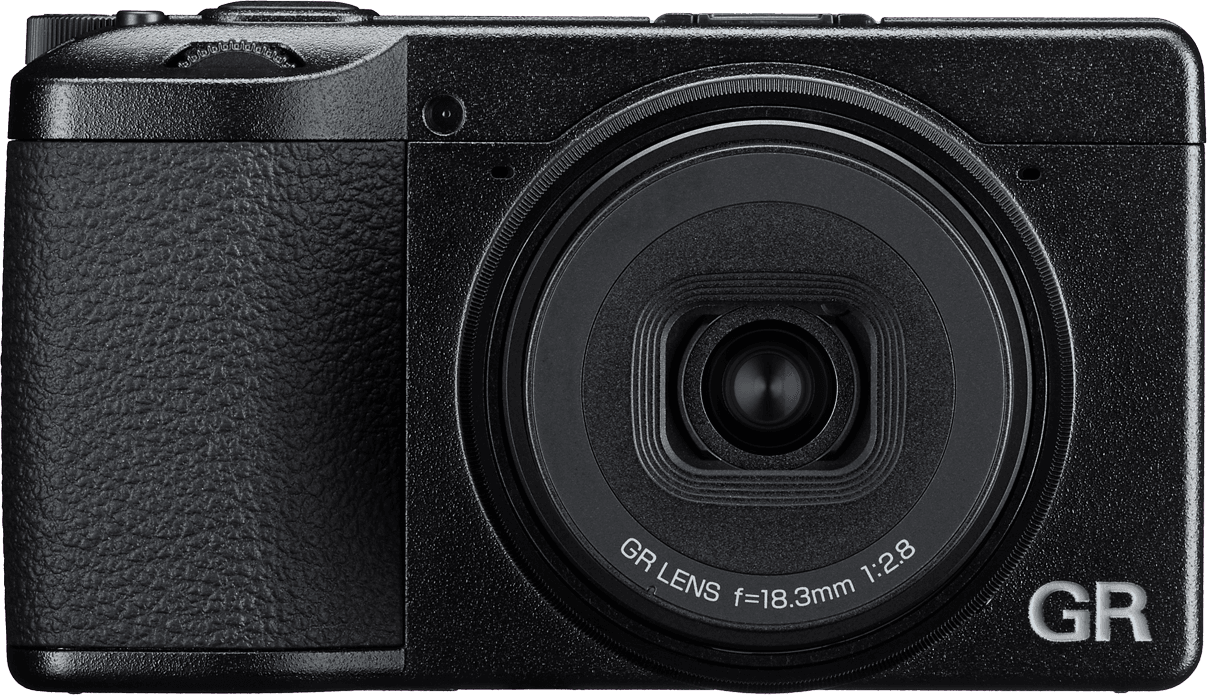
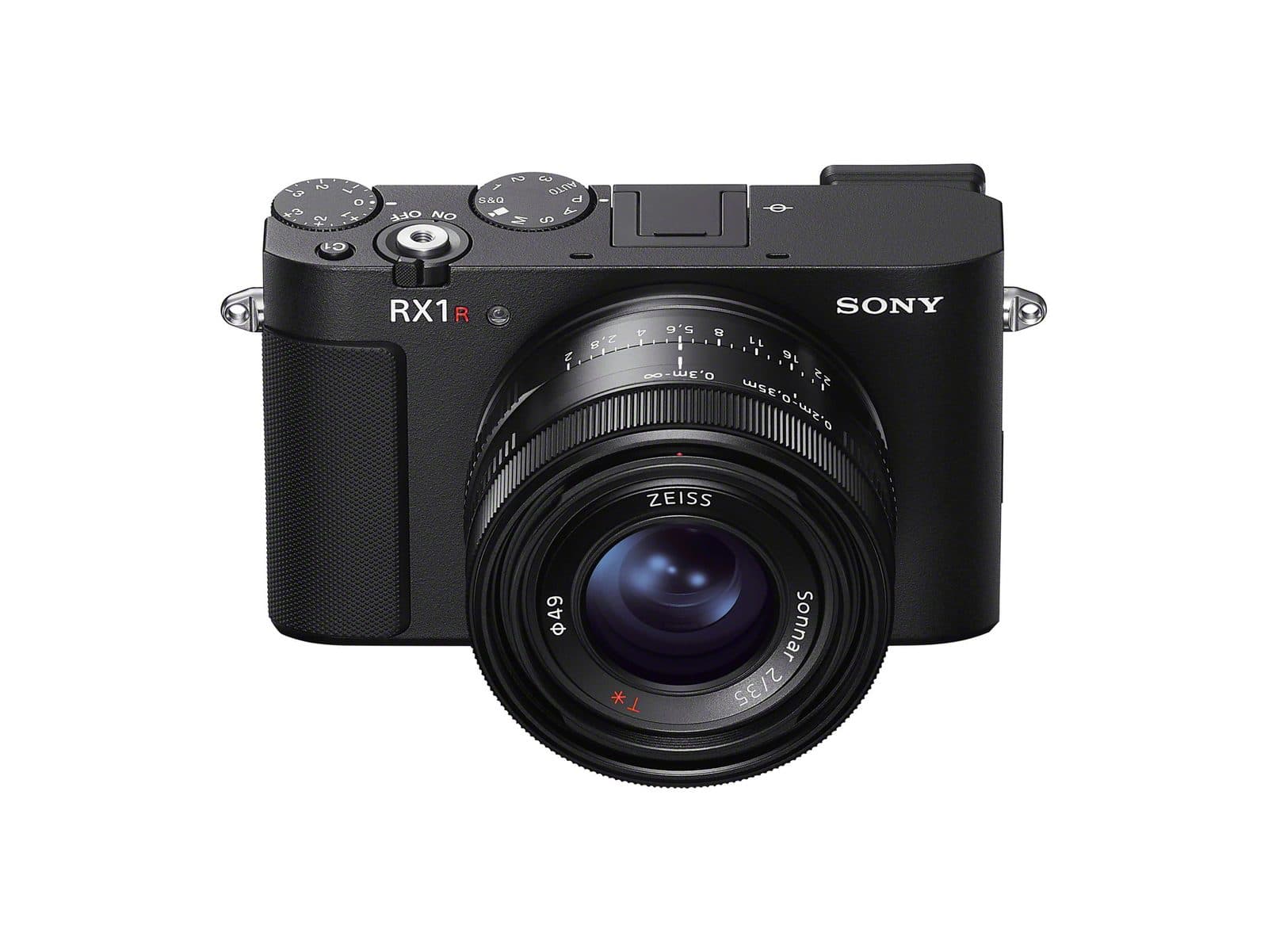
A Pocket Prime, a Hybrid Finder, or a Travel Zoom?
A 40MP hangtag is the wrong first question. Pocket prime, hybrid finder, or travel zoom is the camera. Then shop Gavler's live ranking.
The Best Premium Compact Cameras in 2026: The Camera You Actually Carry
Gavler ranks the enthusiast fixed-lens primes and pocket full-frames worth carrying instead of a phone — from the Fujifilm X100VI to the Sony RX1R III.