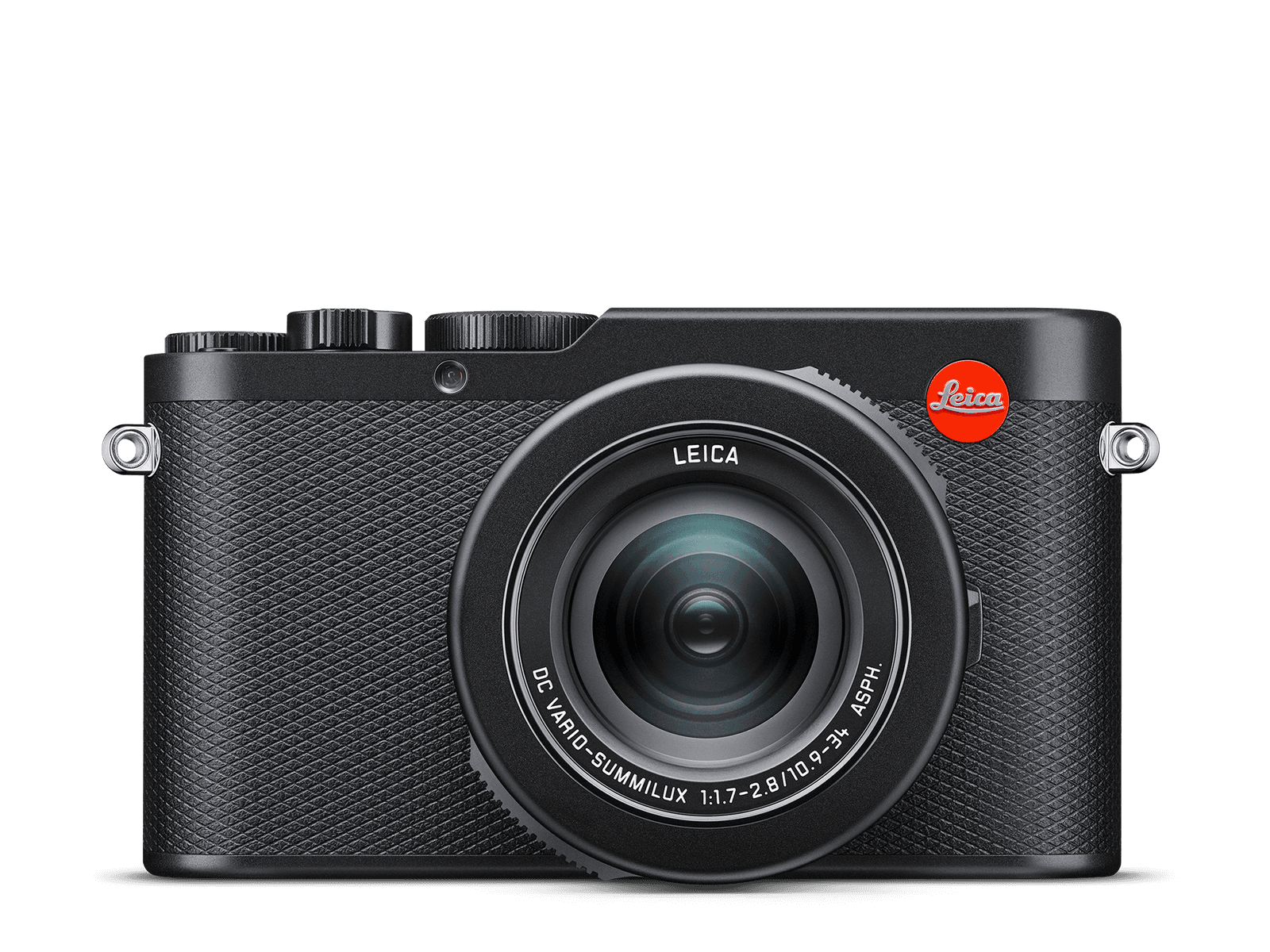
Leica D-Lux 8.
A Four Thirds sensor and a bright 24-75mm f/1.7-2.8 zoom in a beautifully simple Leica body. You pay for the handling and the rendering, not the spec sheet.
The Verdict.
Gavler Meta-Score
“The D-Lux 8 is a camera you buy with your heart. On paper a Four Thirds sensor at this price looks hard to justify, and objectively it is. But the handling, the JPEG look, and the pleasure of shooting a well-made Leica are real, and for the right buyer they're worth every dollar. Just go in knowing you're paying for the experience, not the specs.”
The Gavler Verdict
The Gavler Review.
Leica D-Lux 8 Review: You're Paying for the Handling, Not the Spec Sheet
The Leica D-Lux 8 ranks number 7 on Gavler's Best Premium Compact Cameras list with a 8.2. It's for photographers who want the tactile, deliberate feel of a Leica without spending Q3 money — as long as they accept that the sensor inside is shared with cameras costing far less. DPReview's own headline sums up the tension: "tempting new zoom compact? Not so fast." This is a heart purchase, and Gavler's baseline data is upfront about it.
What it is
Inside the D-Lux 8 is a Four Thirds sensor delivering roughly 17 effective megapixels, paired with a fast Leica DC Vario-Summilux 24-75mm f/1.7-2.8 zoom — a genuinely useful everyday range with an aperture bright enough for low light and real subject separation. The redesigned body borrows its clean, minimalist interface and 2.4-million-dot OLED viewfinder from the flagship Leica Q line. It shoots raw in the universal DNG format, charges over USB-C, and captures 4K video at 30fps.
Crucially, the D-Lux 8 doesn't use its entire sensor. The lens casts an image circle that covers only the central portion of the chip — the same approach Panasonic pioneered on the original LX100 a decade ago — which costs some resolution but lets the camera offer multiple aspect ratios (4:3, 3:2, 16:9, and 1:1) without cropping, and keeps the lens assembly compact.
In use
PetaPixel's full review, published shortly after launch, found the biggest upgrade over the outgoing D-Lux 7 wasn't the sensor or lens — both carry over unchanged — but the interface. "Its menus are now very similar to the Leica Q3 with a wonderful quick menu popping up with the first menu button press," the review noted, calling it "one of the nicer upgrades to the D-Lux 8 camera." A new customizable command dial replaces the D-Lux 7's fixed exposure-compensation dial, and at 397 grams the camera remains genuinely pocketable.
The honest complaints are about speed and video. PetaPixel found the camera "can only shoot two frames per second while autofocusing," and that while single-point focus-and-recompose is fine, "the continuous autofocus is slow and jittery" — this is a deliberate, casual shooter's camera, not a street-action machine. The rear LCD "lacks the brightness needed for sunny day use and does not tilt," and video "still looks somewhat over-sharpened," capped at 4K/30p with a heavy sensor crop and no log mode, headphone jack, or mic input. None of that will surprise anyone shopping in this category, but it's worth knowing before you spend Leica money.
Strengths
The rendering is the whole pitch, and it delivers. PetaPixel described the lens output as "quite sharp" with "some interesting character," and Amateur Photographer's Andy Westlake similarly credited the handling and JPEG output for making the camera feel special despite its familiar internals. Leica's switch to universal DNG raw (instead of Panasonic's proprietary format used on the old D-Lux 7) is a real practical upgrade — it opens natively in any raw editor and matches the format Leica uses across its other cameras. The bright f/1.7-2.8 aperture holds up across the whole zoom range, close-focus performance is good enough for casual macro shots, and the Q-style quick menu genuinely speeds up shooting compared to the previous generation.
The trade-offs — who should skip it
If you're chasing image quality per dollar, this is not your camera. The D-Lux 8 shares its core sensor-and-lens hardware with the far cheaper Panasonic Lumix LX100 II, and the sluggish 2fps continuous-AF burst rate, non-tilting screen, and dated video specs will frustrate anyone shooting fast-moving subjects or serious video. Buyers who want the Leica look but need snappier autofocus or a proper articulating screen should look elsewhere in the compact category — the D-Lux 8's target buyer prioritizes the shooting experience and the finished image over spec-sheet competitiveness.
How it compares
The closest comparison on Gavler's own list is the Panasonic Lumix LX100 II, ranked 8 on Best Premium Compact Cameras. It runs essentially the same Four Thirds sensor and 24-75mm f/1.7-2.8 Leica-designed lens for roughly half the price, with dedicated physical dials of its own. PetaPixel's assessment of that pairing is nuanced rather than a simple "just buy the cheaper one" — the review notes that both "the D-Lux 7 and LX100 II are over-inflated in pricing and not as much of a bargain as you might think," and credits the D-Lux 8 specifically for doing the shared experience "a little better" thanks to its updated interface and current-generation viewfinder.
For a wider-reaching alternative on the same list, the Sony RX100 VII trades the D-Lux 8's larger sensor for a 24-200mm zoom and mirrorless-grade tracking autofocus in a smaller body — a better fit for travelers who need reach and speed over sensor size and rendering character.
The Gavler verdict
The D-Lux 8 is a camera you buy with your heart, and Gavler's editorial team stands by that framing. On paper, a Four Thirds sensor and a modest 2fps continuous burst rate are hard to justify against the competition at this price. But the handling upgrades over the D-Lux 7 are real, the DNG raw switch is a meaningful practical improvement, and the rendering — as PetaPixel and Amateur Photographer both found — genuinely earns its reputation. If you're shopping on value alone, buy the Panasonic and save the difference. If the badge, the interface, and the shooting experience are the point, the D-Lux 8 delivers exactly what it promises.
Common Questions
Only if the handling and rendering matter more to you than value math. Gavler scores it 8.2 and PetaPixel's verdict was blunt: "Should You Buy It? Yes. Pocket cameras are fun to use and the demand is clear." But that same review calls it a "relatively minor upgrade" over the D-Lux 7, so go in for the experience, not the spec sheet.
Optically, barely. PetaPixel notes the D-Lux 8's predecessor, the D-Lux 7, was "an almost carbon copy of the Panasonic LX100 II," sharing the same Four Thirds sensor and 24-75mm f/1.7-2.8 lens. The D-Lux 8 gets a Leica Q3-style menu and a new command dial that the LX100 II lacks — you're paying the difference for handling and badge, not optics.
Autofocus speed and video. PetaPixel found it "can only shoot two frames per second while autofocusing" and that "the continuous autofocus is slow and jittery." There's also no mic or headphone jack, and the rear screen "lacks the brightness needed for sunny day use and does not tilt."
Where to Buy.
Prices checked regularly
90-day price history
Price History
Steady at $1,795 for the entire 90-day tracking window — no increases, no discounts, across 91 tracked days.
Tracked daily across retailers. Vote Want itabove and we’ll alert you the moment the price drops.
Some links are affiliate links — Gavler may earn a commission. This never affects rankings or scores. Learn more.
Precision Engineering
24-75mm f/1.7-2.8
A bright, versatile Leica-designed zoom covering wide to short-telephoto with a fast aperture.
Four Thirds Sensor
A 17MP effective sensor larger than the 1-inch chips in most zoom compacts.
Q-Style Interface
Clean, minimalist controls and a 2.4M-dot OLED viewfinder inherited from the Leica Q line.
Technical Specifications
The Scoreboard
Reviewers love the handling and rendering while flagging the value — the hardware overlaps with cheaper Panasonic compacts. A heart-over-head purchase.
Cast Your Vote
Do you think Leica D-Lux 8 deserves the #7 spot in Best Premium Compact Cameras?
Global Critique
“A tempting compact with lovely handling — just don't expect its sensor to match its price.”
“The most accessible Leica is about the experience, and on that measure it delivers.”
“You pay for the red dot and the rendering. If that's your thing, it's a joy.”
More from Best Premium Compact Cameras.
See how other top picks compare in this category.
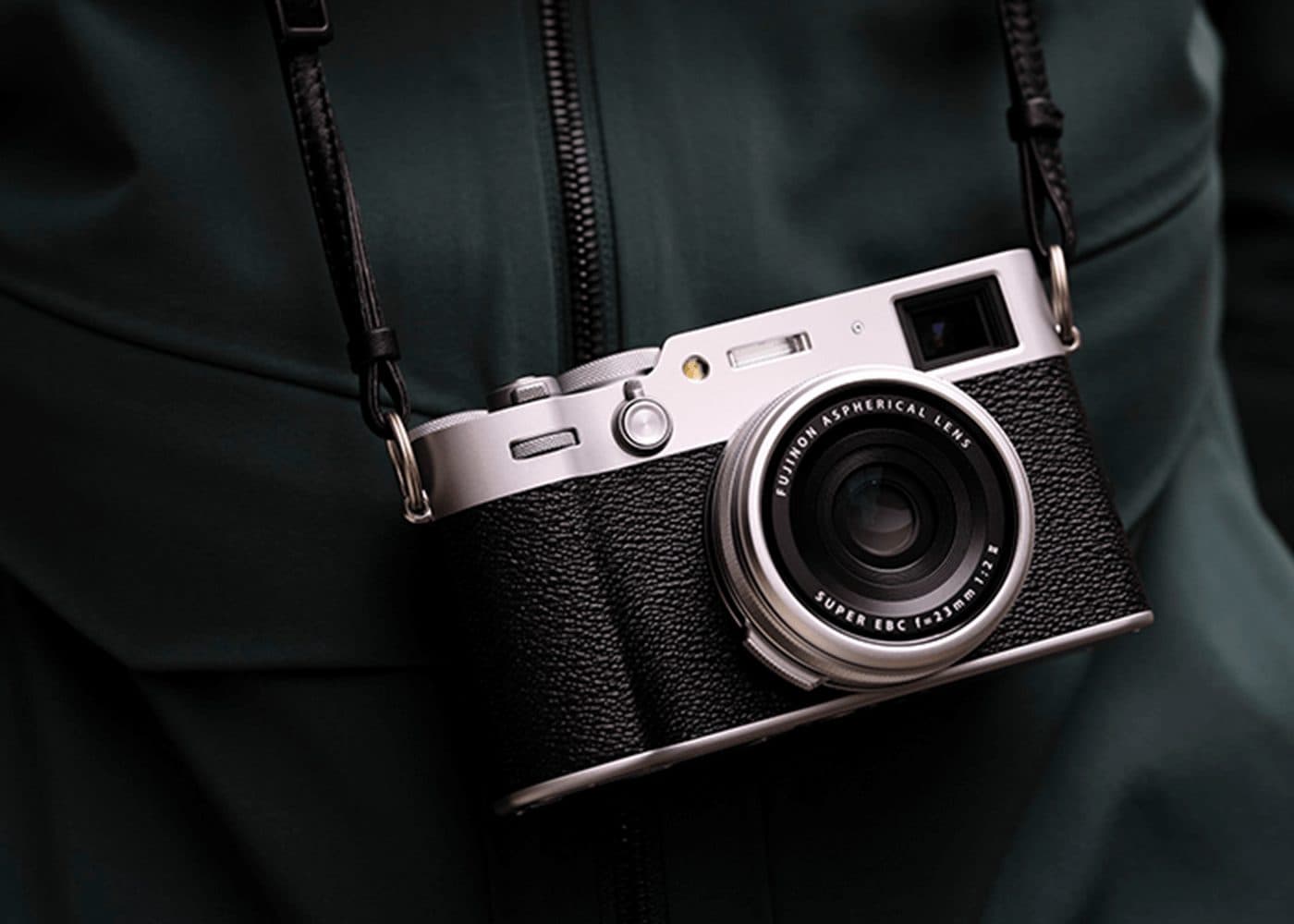
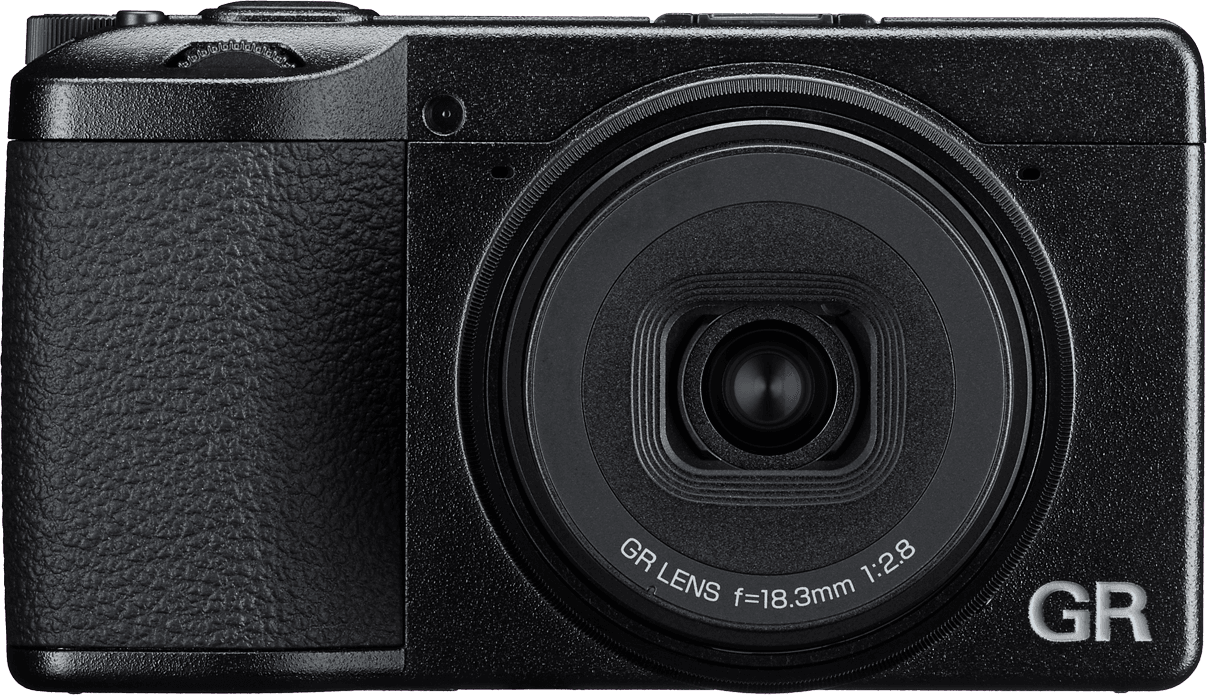
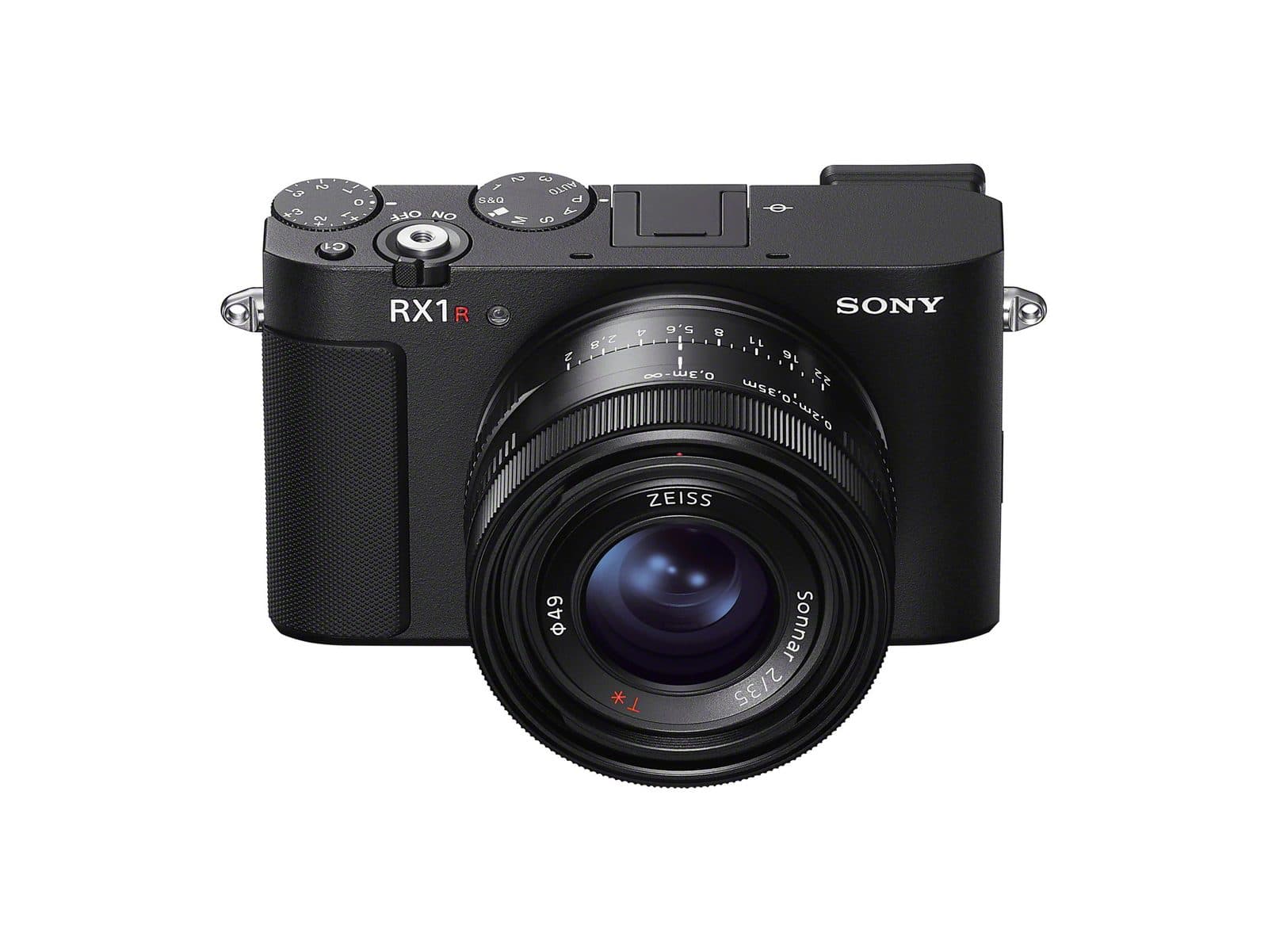
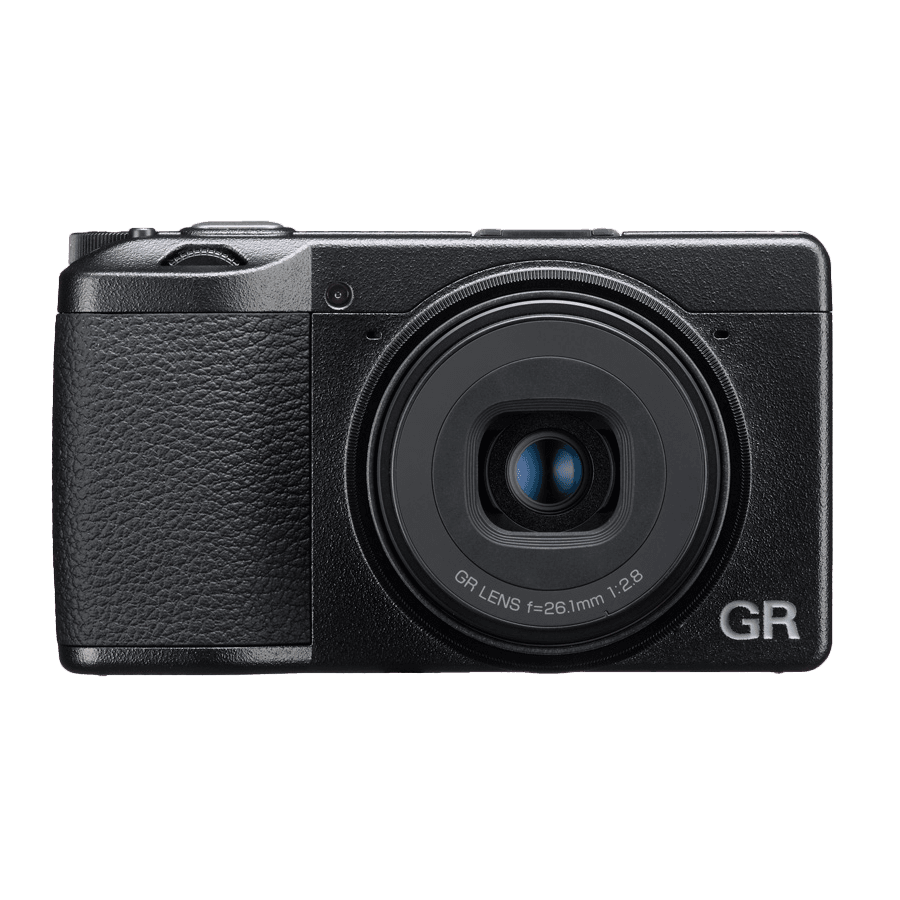
A Pocket Prime, a Hybrid Finder, or a Travel Zoom?
A 40MP hangtag is the wrong first question. Pocket prime, hybrid finder, or travel zoom is the camera. Then shop Gavler's live ranking.
The Best Premium Compact Cameras in 2026: The Camera You Actually Carry
Gavler ranks the enthusiast fixed-lens primes and pocket full-frames worth carrying instead of a phone — from the Fujifilm X100VI to the Sony RX1R III.