The Verdict
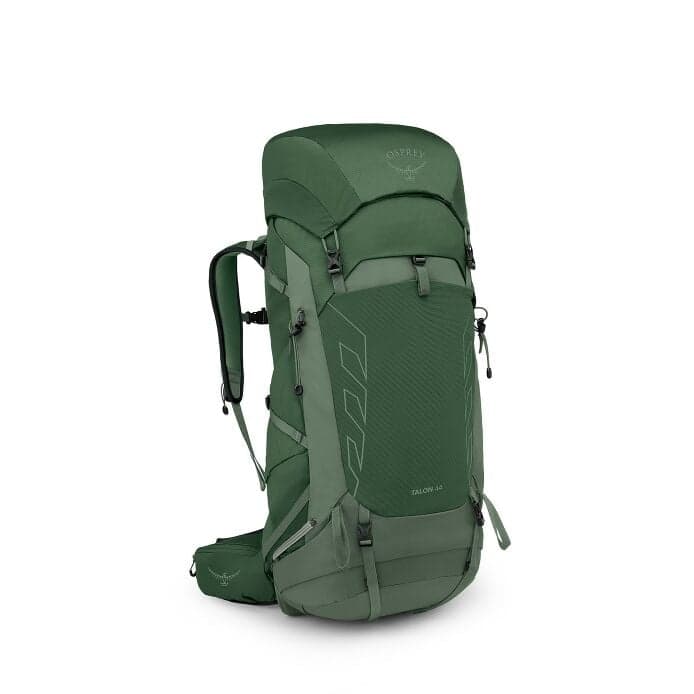
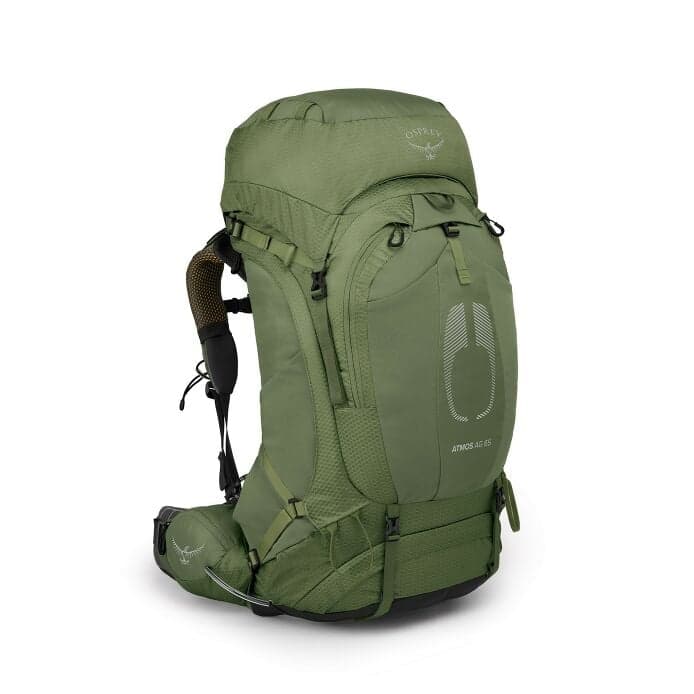
“Anti-Gravity suspension system distributes weight like no other. The gold standard for multi-day treks.”
10% STABLE
Expert-tested and community-ranked packs for day hikes, thru-hikes, and everything between.
“Anti-Gravity suspension system distributes weight like no other. The gold standard for multi-day treks.”
10% STABLE
“Fully adjustable FreeFloat suspension with Response A3 harness. Built for heavy loads on long trails.”

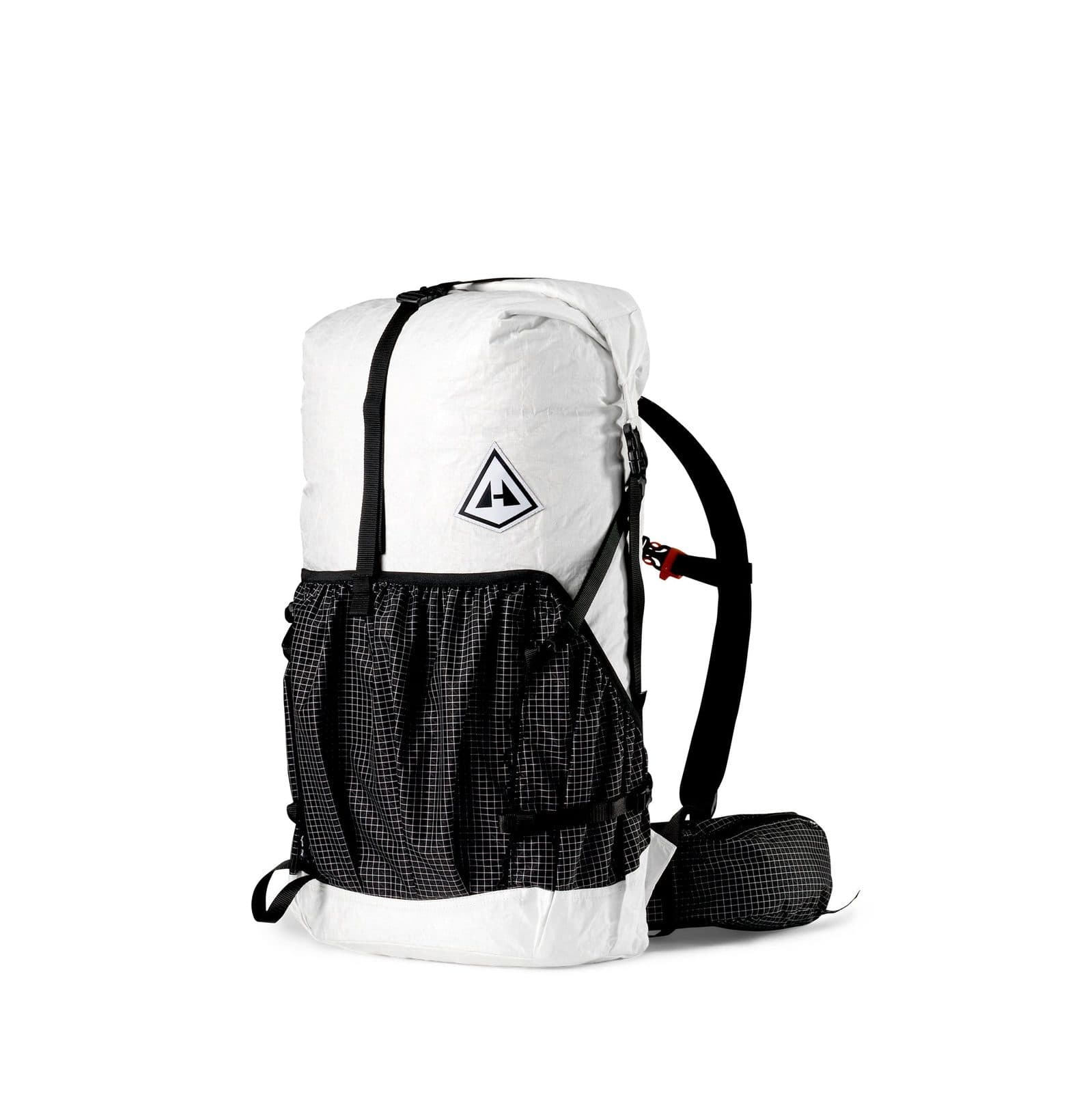
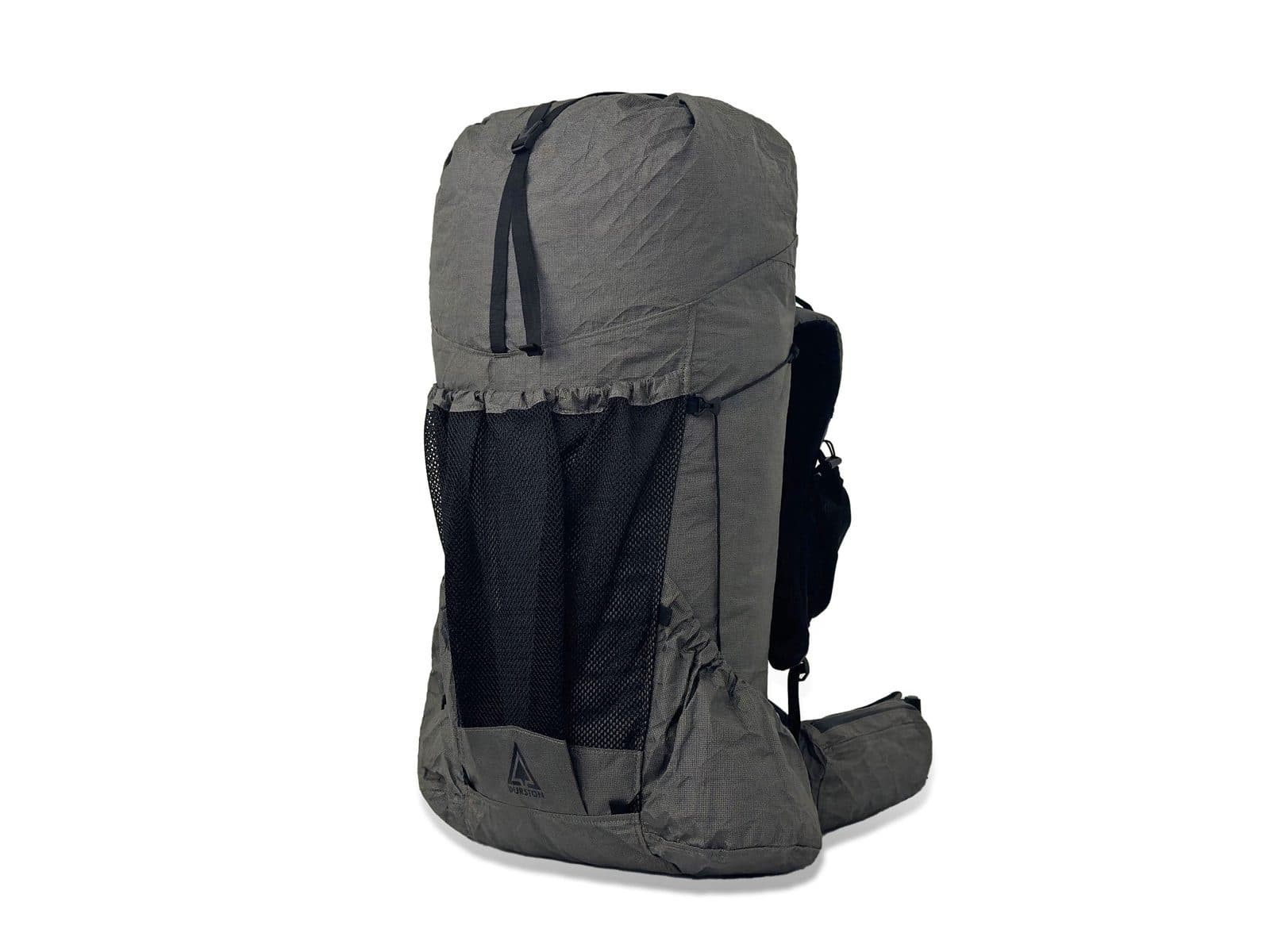
“Ultralight DCF construction at just 1.9 lbs. For the minimalist who refuses to compromise on durability.”
“Ultralight backpacking for normal people — AirScape suspension delivers ventilation and responsive weight transfer at just 2 lbs 15 oz. Equally at home on technical scrambles or weekend overnights.”

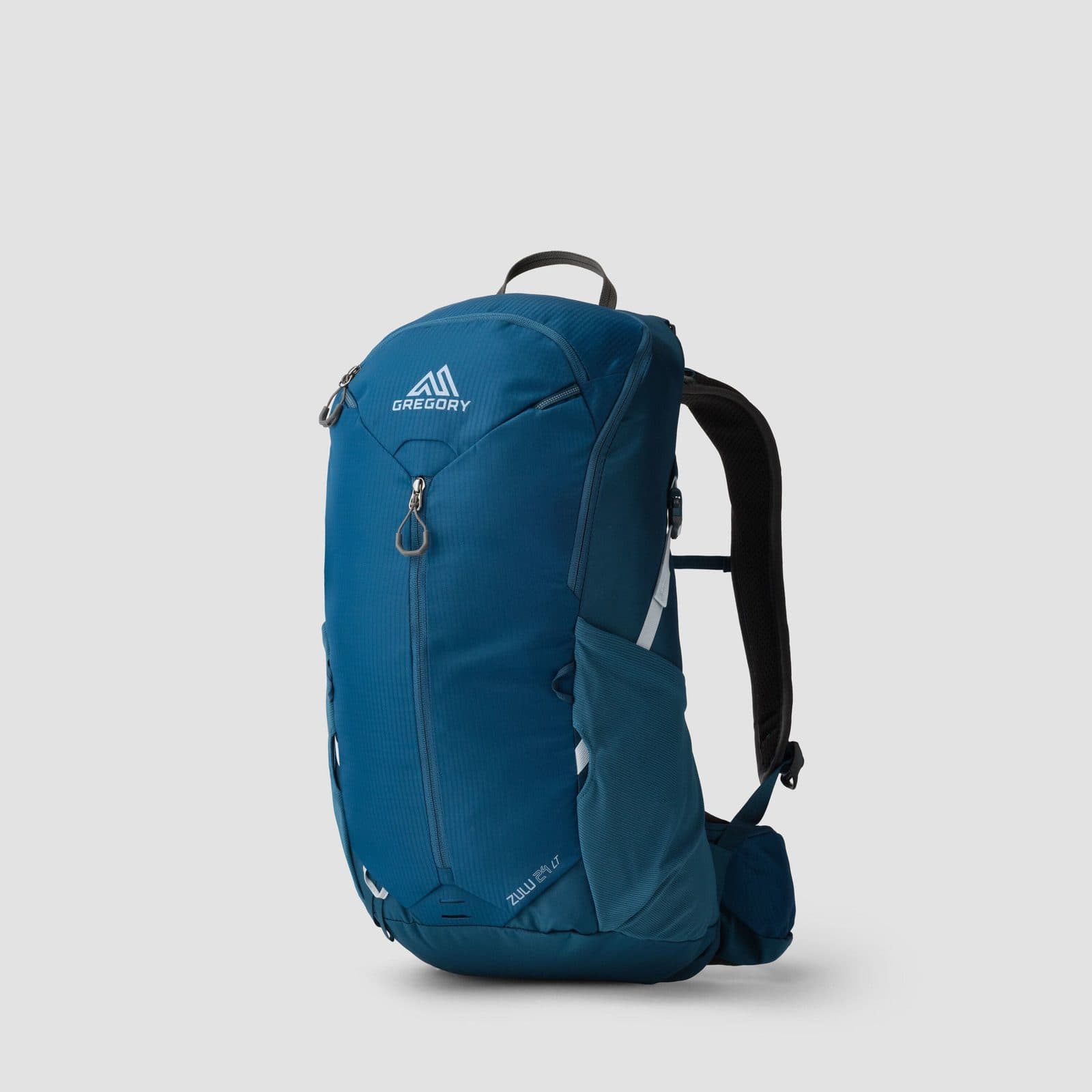
“The goldilocks daypack: light enough for casual hikers, capable enough for technical scrambles. VaporSpan backpanel transfers weight like packs costing twice as much, at just 36 oz.”

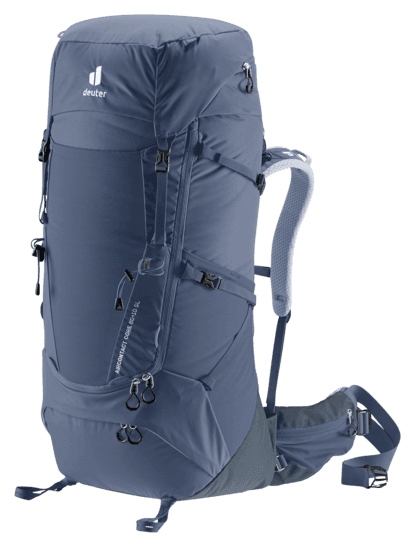
“A 48-ounce workhorse that punches above its weight — the Re-Fit hip belt and A.C. frame deliver serious comfort for multi-day loads up to 50 pounds. Exceptional value for weight-conscious backpackers.”

“German engineering in a women's-specific design — conical hip belt and narrower shoulder straps fit female frames properly, not as an afterthought. Built for serious loads on long treks.”

“The unbeatable budget pick — REI's 2026 refresh delivers front-panel U-zip access, improved airflow, and smart organization for under $200. Proves price doesn't equal compromise.”

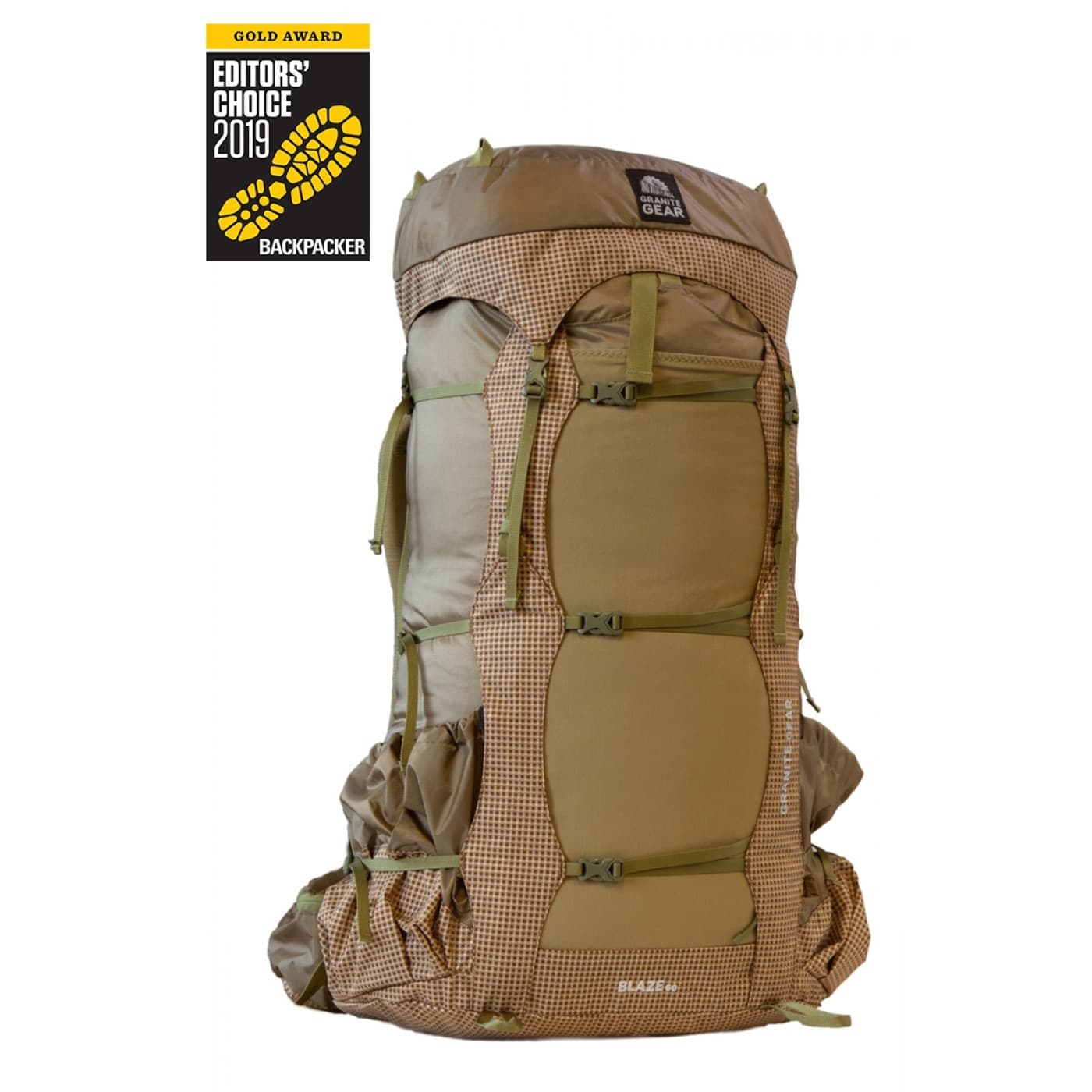
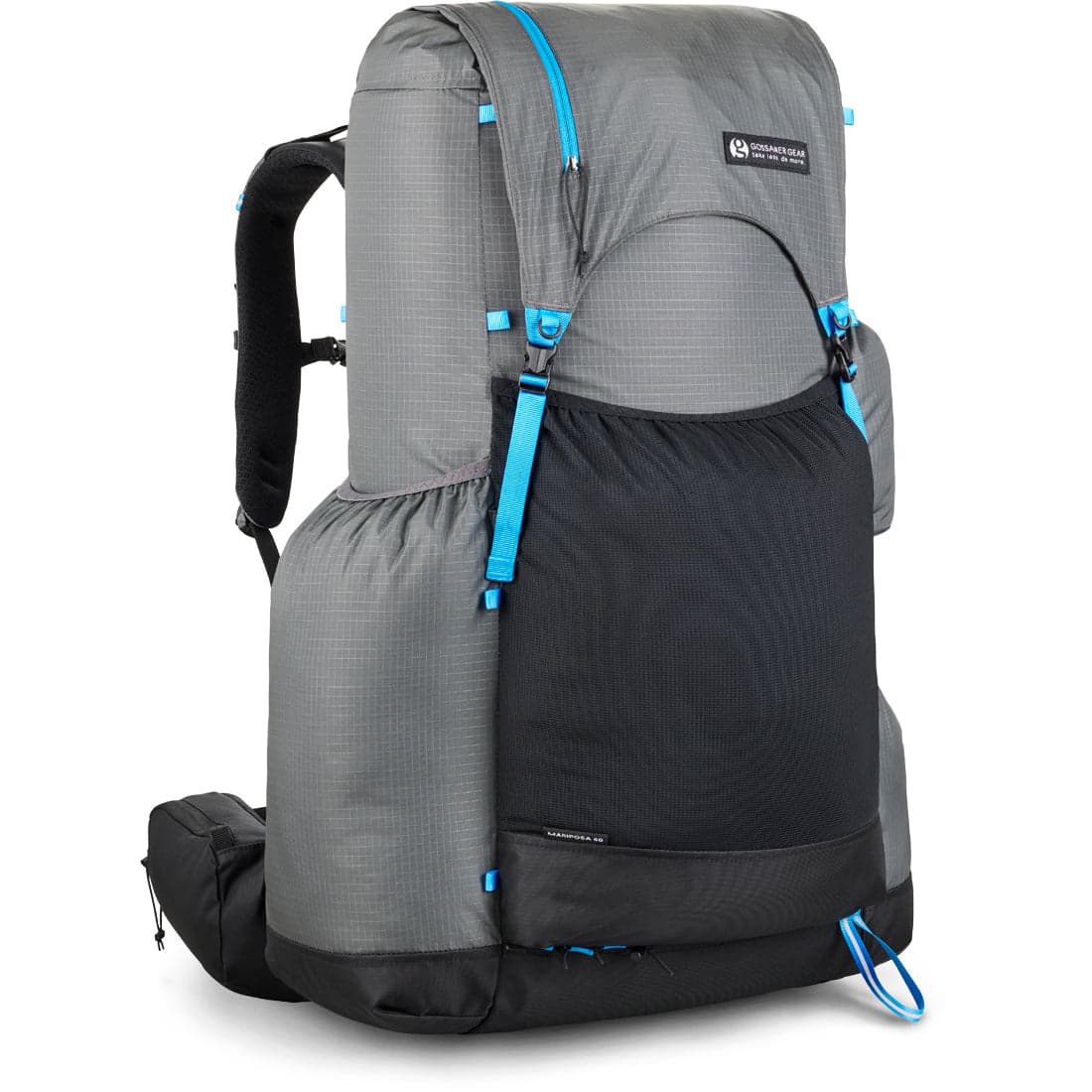
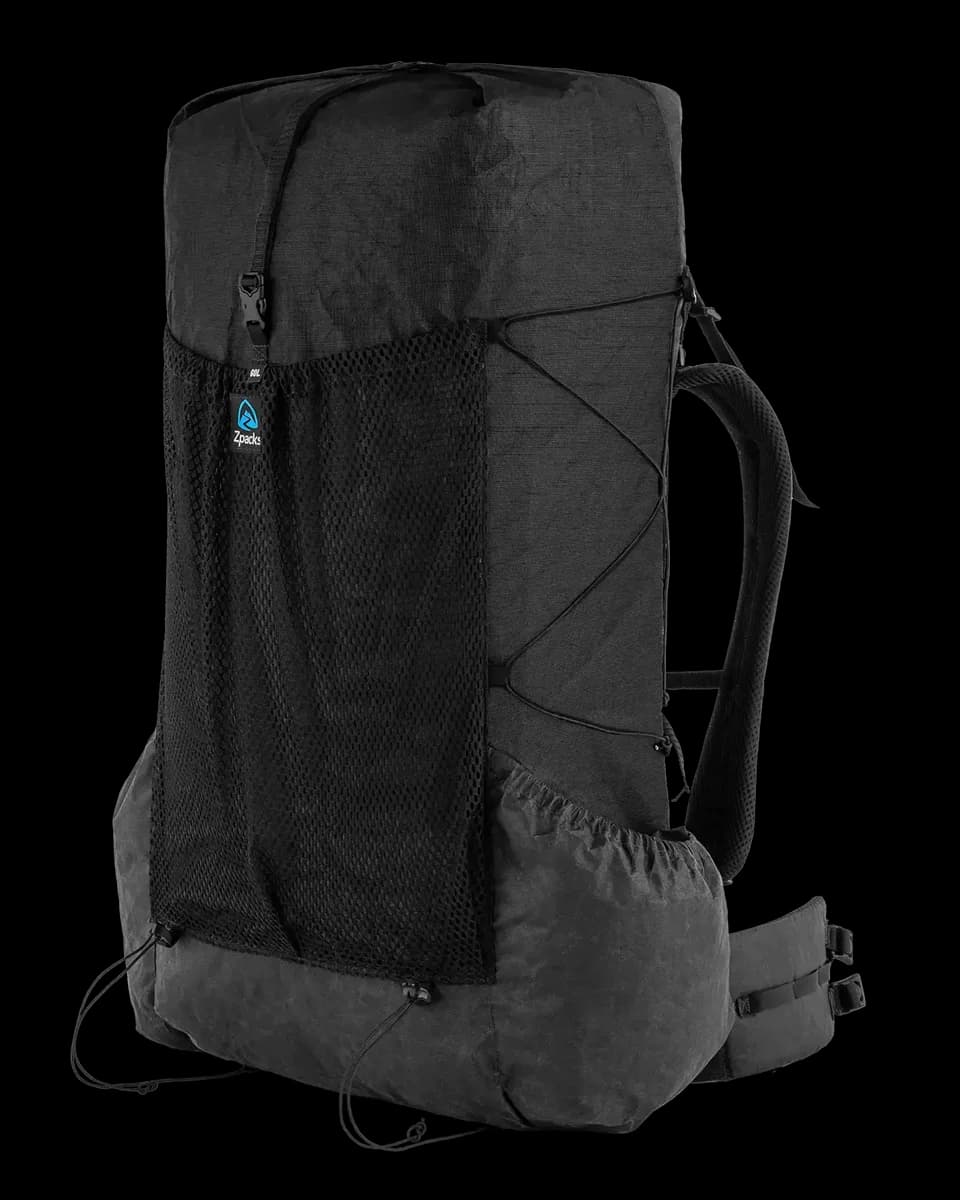
“Cottage ultralight icon — 39oz with 68L capacity and a J-curve frame that transfers weight like packs weighing twice as much. Built by passionate ultralight backpackers.”

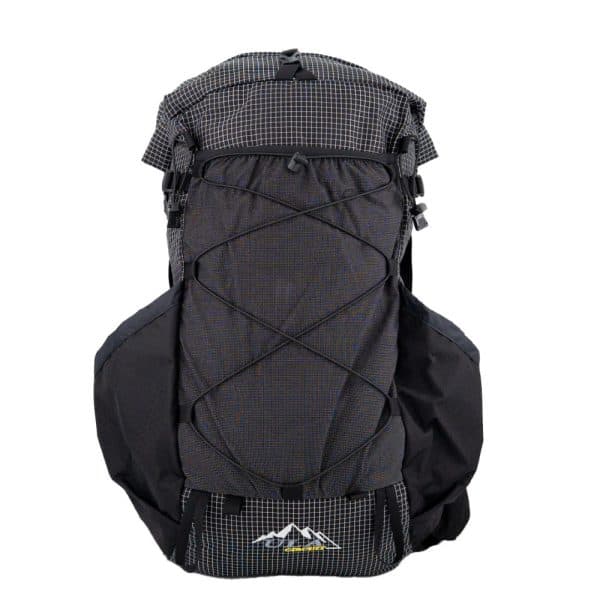
“Thru-hiker's favorite — 24oz frameless pack that proves you don't need a frame for comfort under 25 lbs. Minimalist design for the experienced backpacker.”
For day hikes, 20-30 liters is sufficient. Weekend trips need 30-50 liters. Multi-day treks require 50-70 liters. Extended thru-hikes may need 60-80 liters, though ultralight setups can use smaller packs. The right size depends on your gear, season, and whether you carry a tent, sleeping bag, and cooking equipment.
A properly fitted pack rests most weight on your hips, not shoulders. Measure your torso length (from C7 vertebra to iliac crest) to determine your size. The hip belt should sit on top of your hip bones, shoulder straps should curve over your shoulders without gaps, and the load lifter straps should angle up at 45 degrees.
Ultralight packs (under 2 lbs) use thinner fabrics and minimal frames, trading durability and comfort features for weight savings. Traditional packs (4-6 lbs) offer robust suspension systems, padded hip belts, and more organizational features. Ultralight works best when your total pack weight is under 20 lbs; heavier loads benefit from traditional frames.
Rankings combine expert review aggregation with community voting. Each pack receives a Gavler Score (out of 10) based on professional reviews evaluating comfort, weight, durability, organization, and ventilation. Community members vote for their top pick with one vote per list.
Think a product deserves a spot on this list? Submit a formal proposal with documented specs and the community will review it.
7% STABLE
7% STABLE
11% STABLE
7% STABLE
10% STABLE
16% STABLE
10% STABLE
13% STABLE
9% STABLE