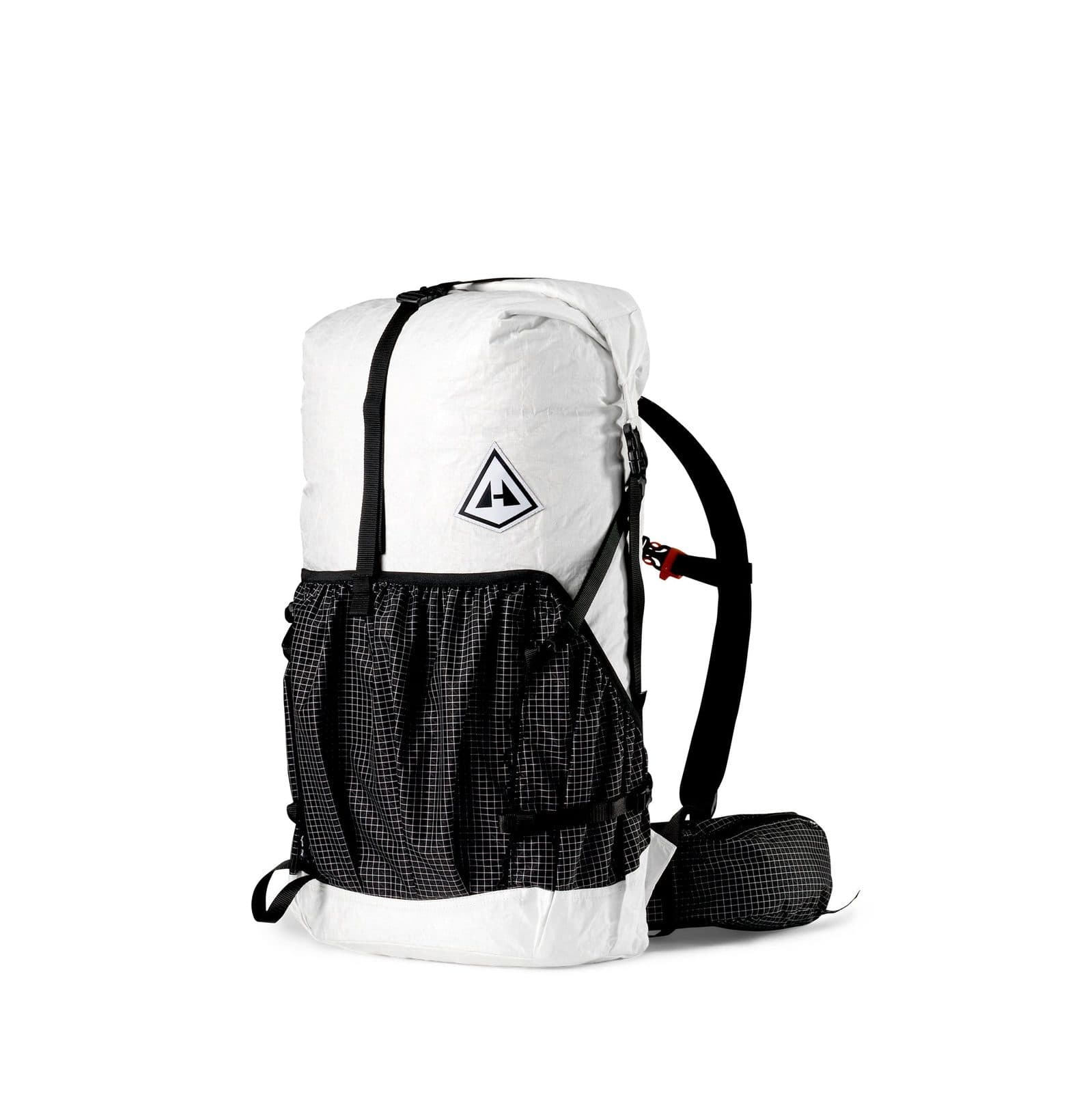
Hyperlite Mountain Gear 3400.
Dyneema Composite Fabric construction delivers ultralight durability that refuses to compromise.
The Verdict.
Gavler Meta-Score
“The HMG 3400 is the pack that ultralight thru-hikers dream about and traditional backpackers scoff at — until they pick one up. 1.9 pounds for a 55-liter pack is not a typo, and DCF is not a fragile fabric. It's waterproof, abrasion-resistant, and dimensionally stable in ways that nylon can only aspire to. The tradeoff is real: no frame, minimal padding, and a price that makes you wince. But for the hiker who measures pack weight in grams, nothing else exists.”
The Gavler Verdict
The Gavler Review.
Hyperlite Mountain Gear 3400 Review: The Ultralight Pack That Ends the Search
The Hyperlite Mountain Gear 3400 Windrider sits at number three on our Best Hiking Backpacks list with a 9.0, and it holds that spot as the reference point for an entire subculture of hikers: the ones who've stopped shopping for packs because this one just works. Buy it if you're an ultralight or thru-hiker who counts grams, wants a genuinely waterproof pack, and is willing to pay a premium for Dyneema Composite Fabric's durability. Skip it if you're not chasing minimal pack weight, or if your loads regularly exceed 30 pounds — this is a frameless pack, and it shows once you push past its design envelope.
What it actually is
The HMG 3400 is a 55-liter frameless backpack built from Dyneema Composite Fabric (DCF), the non-woven laminate originally developed for competitive racing sails. DCF's strength-to-weight ratio is roughly 15 times that of steel, and it's around 10 times more abrasion-resistant than equivalent-weight nylon — which is the engineering reason Hyperlite Mountain Gear can build a multi-day pack that weighs just 1 lb 15.2 oz without sacrificing the durability needed for a full thru-hiking season.
The roll-top main compartment is genuinely waterproof, eliminating the need for a pack cover or internal dry bags for sleeping gear — a real simplification for anyone who's dealt with sustained rain on trail. A removable aluminum stay and internal foam backpanel add just enough structure to make 25-30 pound loads workable; beyond that weight range, the pack is doing something it wasn't designed to do. Mesh side pockets and external compression straps handle on-trail water access and tent-carry strategies well, and hip belt pockets — a frequent community request — are now standard.
In use
Switchback Travel's assessment gets at exactly why DCF matters in practice, not just on a spec sheet: "Dyneema Composite Fabric is roughly 10x more abrasion-resistant than equivalent-weight nylon, and the 3400 Windrider is the pack that made that practical for backpackers. It's as close to a waterproof pack as you can buy off the rack." That combination — durability and genuine waterproofing in one material — is the pack's entire value proposition distilled into one sentence.
Adventure Alan's framing captures the specific audience this pack serves: "For thru-hikers who've worn out two nylon packs, the HMG 3400 is the obvious next purchase. It's not the most comfortable pack at 30 pounds, but it's the lightest pack that survives 2,000-mile seasons intact." That's an important honesty check — this isn't the most comfortable pack in its weight class at the upper end of its load range, but its durability under sustained trail abuse is what makes it the default recommendation for serious long-distance hikers. Halfway Anywhere zeroes in on the practical rain benefit: "The roll-top closure means you stop thinking about rain. For PCT and AT hikers who see weeks of weather, that alone justifies the premium over a conventional pack with a cover." The Trek sums up the value calculation directly: "If you're counting grams, the 3400 is the endgame frameless pack — and DCF's long-term durability makes the $395 sting a little less after 800 miles."
Where it shines
- 1.9 lbs for a 55-liter pack. That's not a typo, and DCF's strength-to-weight ratio means it's not achieved by sacrificing durability the way a similarly light nylon pack would have to.
- Genuinely waterproof roll-top construction. No pack cover, no internal dry bags needed for most conditions — a real weight and complexity savings on rainy, multi-week trips.
- Durability that outlasts multiple nylon packs. Reviewers consistently report the pack surviving 2,000-mile thru-hiking seasons where conventional packs would need replacing.
The trade-offs — who should skip it
The honest reasons to look elsewhere are philosophical as much as practical:
- It's a frameless pack. The removable aluminum stay helps, but comfort meaningfully declines past 25-30 pounds — this is not the pack for heavy, gear-intensive trips.
- Minimal padding and no lid. There's no hydration sleeve, no lid, and padding is sparse by traditional backpack standards — features that weekend backpackers used to an Osprey-style pack often miss.
- The price is steep for what's included. At $395 for a pack without a frame, lid, or plush padding, it's a real investment that only pays off if you're logging serious mileage.
How it compares
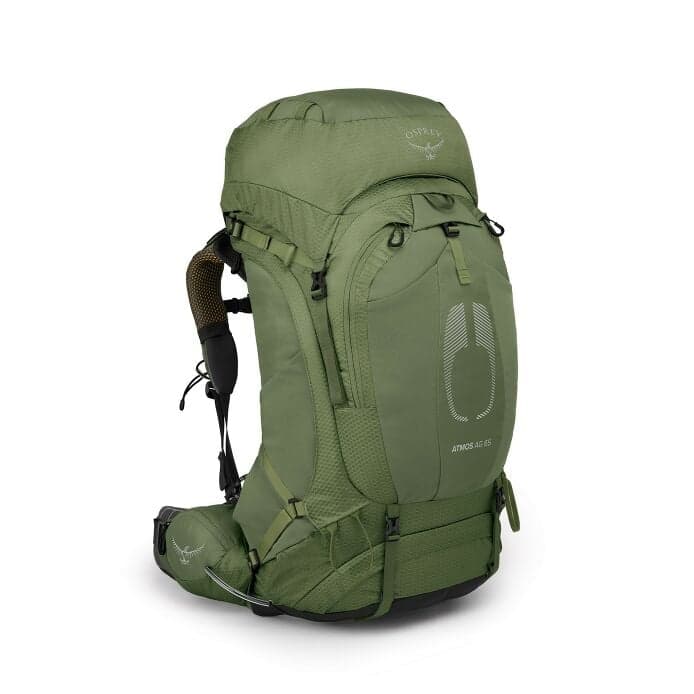
Two ranks up on the same list, the Osprey Atmos AG 65 is the far more conventional, far more padded choice — a proper Anti-Gravity suspension system built for the 20-35 pound loads most backpackers actually carry, at a lower price and with none of DCF's durability premium. One rank up, the Gregory Baltoro 75 sits at the opposite end of the philosophy spectrum entirely — a framed, 5-lb-plus pack engineered specifically for 40-50 pound loads that the HMG 3400 was never designed to carry. Together the three make the trade-off spectrum on this list explicit: HMG for the ultralight minimalist, Osprey for the mainstream middle, Gregory for the heavy hauler.
The Gavler verdict
A 9.0, with community rating (92) actually edging out expert consensus (90) — a sign that the people who own and use this pack over thousands of trail miles rate it even more highly than the initial reviews suggest, which is a strong signal for long-term satisfaction. The HMG 3400 isn't for every hiker, but for the one who's tired of replacing packs and is ready to pay for a pack built to actually finish the trail with them, nothing else in this category comes close.
Common Questions
For thru-hikers and ultralight backpackers who measure pack weight in grams, yes. It ranks third on Gavler's Best Hiking Backpacks list with a 9.0, and Dyneema Composite Fabric's roughly 10x abrasion resistance over equivalent-weight nylon means the pack survives multi-thousand-mile seasons that would wear out two conventional packs. If you're not counting ounces or you carry loads above 30 pounds regularly, the price and lack of a frame make less sense for you.
The roll-top main compartment genuinely is — Switchback Travel calls it "as close to a waterproof pack as you can buy off the rack." That means no pack cover and no internal dry bags for sleeping gear on most trips, which is a real weight and hassle savings on rainy thru-hikes, though seams and zippers elsewhere on the pack are not sealed to the same standard as the roll-top body.
Not really — a removable aluminum stay and internal foam backpanel provide just enough structure for 25-30 pound loads. Beyond that, it's operating outside its design envelope, since it's fundamentally a frameless pack. If you regularly carry 40-plus pounds, a framed pack like the Gregory Baltoro 75 will be far more comfortable.
Buy the HMG 3400 if you're an ultralight or thru-hiker prioritizing weight and durability above all else — 1 lb 15.2 oz for a 55-liter pack is a genuine engineering feat. Buy the Atmos AG 65, our rank-one pick, if you want a more conventional, more padded, more affordable pack with a proper suspension system for loads in the 20-35 pound range most backpackers actually carry.
Where to Buy.
Prices checked regularly
90-day price history
Price History
Steady at $395 for the entire 90-day tracking window — no increases, no discounts, across 91 tracked days.
Tracked daily across retailers. Vote Want itabove and we’ll alert you the moment the price drops.
Some links are affiliate links — Gavler may earn a commission. This never affects rankings or scores. Learn more.
Precision Engineering
Dyneema Composite Fabric
DCF is a non-woven laminate with ~10x the abrasion resistance of equivalent-weight nylon. Waterproof, tear-resistant, and dimensionally stable without coatings that wear off.
Waterproof Roll-Top
Fully waterproof roll-top closure eliminates the need for a pack cover or internal dry bags — a weight and complexity saving that compounds on rainy thru-hikes.
Frameless with Aluminum Stay
A removable aluminum stay and foam backpanel give just enough support for 25-30 lb loads; beyond that, it's pushing the design envelope.
Technical Specifications
The Scoreboard
Ultralight community treats it as gospel. Traditional backpackers note the lack of frame support limits comfort above 25 lbs, and the price is steep for a pack without bells and whistles.
Cast Your Vote
Do you think Hyperlite Mountain Gear 3400 deserves the #3 spot in Best Hiking Backpacks?
Global Critique
“Dyneema Composite Fabric is roughly 10x more abrasion-resistant than equivalent-weight nylon, and the 3400 Windrider is the pack that made that practical for backpackers. It's as close to a waterproof pack as you can buy off the rack.”
“For thru-hikers who've worn out two nylon packs, the HMG 3400 is the obvious next purchase. It's not the most comfortable pack at 30 pounds, but it's the lightest pack that survives 2,000-mile seasons intact.”
“The roll-top closure means you stop thinking about rain. For PCT and AT hikers who see weeks of weather, that alone justifies the premium over a conventional pack with a cover.”
“If you're counting grams, the 3400 is the endgame frameless pack — and DCF's long-term durability makes the $395 sting a little less after 800 miles.”
More from Best Hiking Backpacks.
See how other top picks compare in this category.
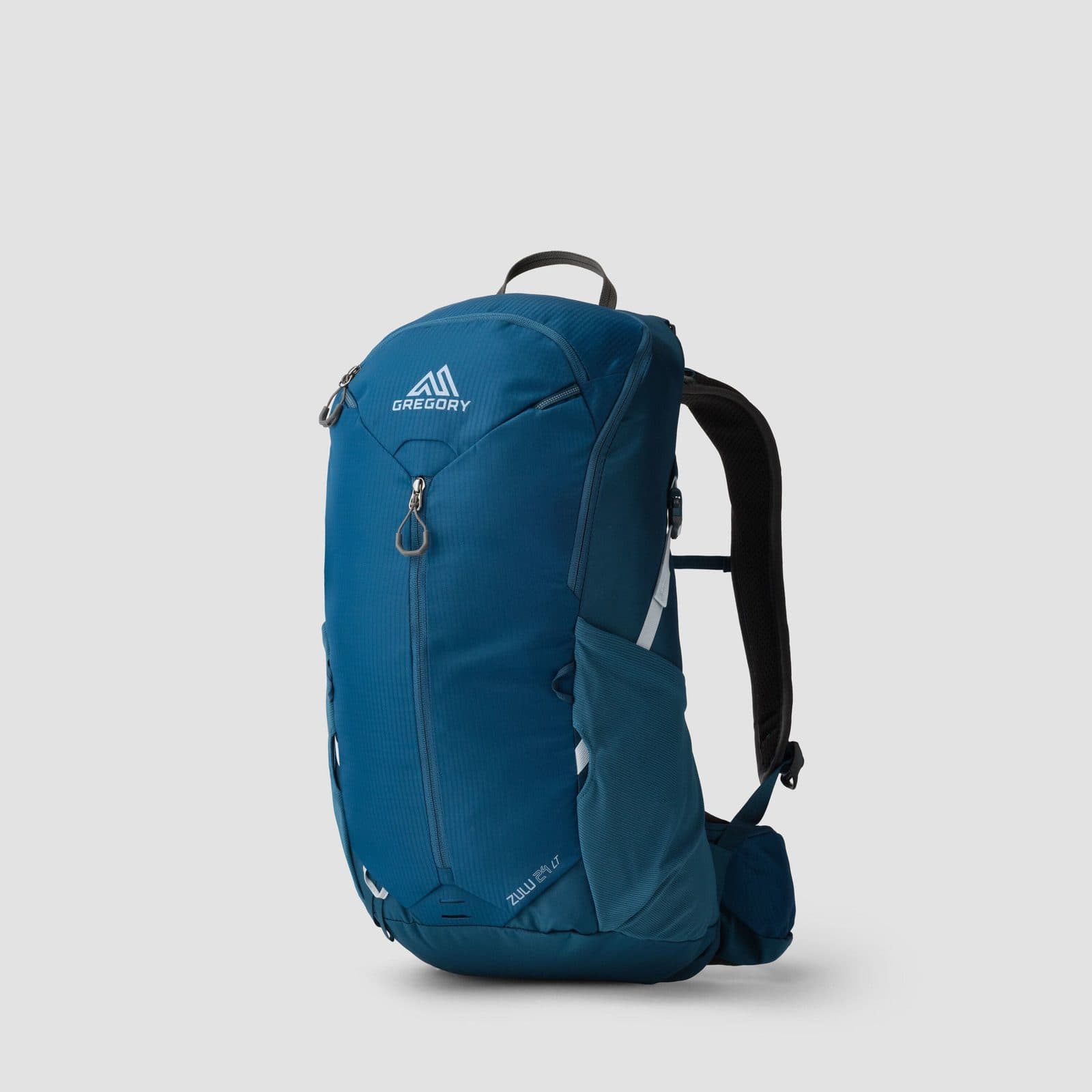
Overnight, Ultralight, or Daypack Hiking Packs
Liter stickers and ultralight hangtags are the wrong first question. Ventilated overnight vs ultralight vs day/fastpack vs women's-specific fit is the load. Shop Gavler's live ranking.
The Best Hiking Backpacks in 2026, Ranked by People Who Actually Carry Them
Osprey, Gregory, Hyperlite, Granite Gear. Gavler's backpackers rank the packs worth carrying — day hikes through 7-day thru-hikes.