The Best Hiking Backpacks in 2026, Ranked by People Who Actually Carry Them
Osprey, Gregory, Hyperlite, Granite Gear. Gavler's backpackers rank the packs worth carrying — day hikes through 7-day thru-hikes.
Updated June 26, 2026 — Peak backpacking season is here, and the picks have held. The Osprey Atmos AG 65 stays the comfort benchmark, with the lighter Atmos AG LT trimming weight off the same Anti-Gravity suspension; Osprey's sub-2.5-lb Exos remains the thru-hiker darling on the PCT and AT, and Gregory's ventilated Paragon 60 keeps winning fast-and-light votes against the heavier-hauling Baltoro 65. With Amazon Prime Day in its final hours and the July 4 outdoor sales now live at REI, Backcountry, and Moosejaw, this is one of the better pack-buying windows of the summer.
A backpack is the most personal piece of gear you'll carry into the backcountry. Get it wrong, and every mile reminds you. Get it right, and the pack disappears — it's just part of your body, hauling weight where it should go, staying ventilated when you're climbing, and giving you access to what you need without stopping.
The problem is that every pack company claims superior comfort and revolutionary suspension. So Gavler's community settles it the only way that matters: votes from hikers who've actually carried these packs up real mountains, through real rain, over real miles. Here's what they chose.
How the Rankings Work
One vote per person on the Best Hiking Backpacks list. Pick the pack you'd recommend to a friend heading out on their first multi-day trip — just one. Switched packs? Move your vote. The result is a ranking that reflects what real hikers stand behind right now.
The Top Picks: What the Community Stands Behind
Osprey Atmos AG 65 — The Pack That Fits Everyone
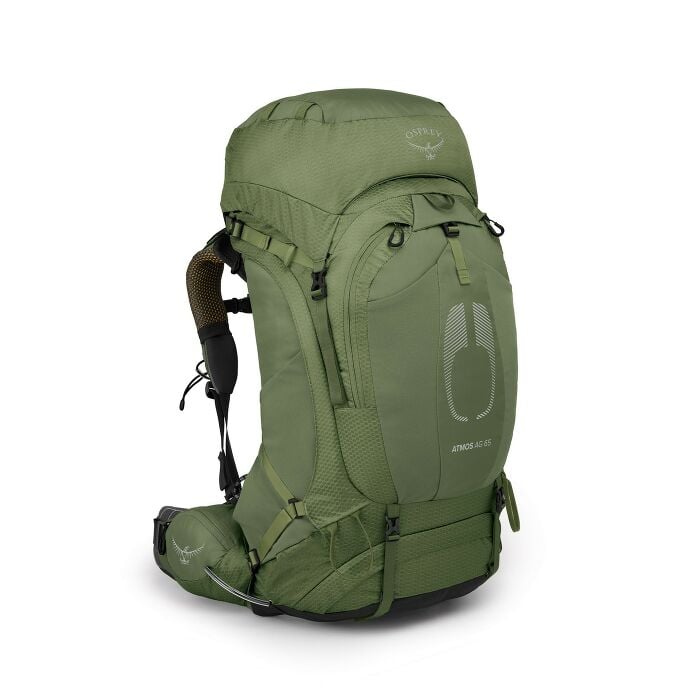
Osprey Atmos AG 65
The gold standard for multi-day treks — distributes weight like no other pack in its class.
Amazon affiliate · price subject to change
The Atmos AG 65 has dominated backpack recommendations for years, and the 2026 version shows why Osprey doesn't mess with a winning formula. The Anti-Gravity suspended mesh back panel wraps around your torso, distributing load across your entire back and hips rather than concentrating it on pressure points. The ventilation is exceptional — your back actually stays dry on climbs.
At a 9.5 score, the community is making a clear statement: this is the default recommendation. The fit system adjusts to virtually any torso length and hip size, the organization is intuitive, and the pack carries 40 pounds like it weighs 30. Osprey's All Mighty Guarantee seals it — they'll repair or replace the pack for any reason, for life.
Gregory Baltoro 75 — The Heavy Hauler
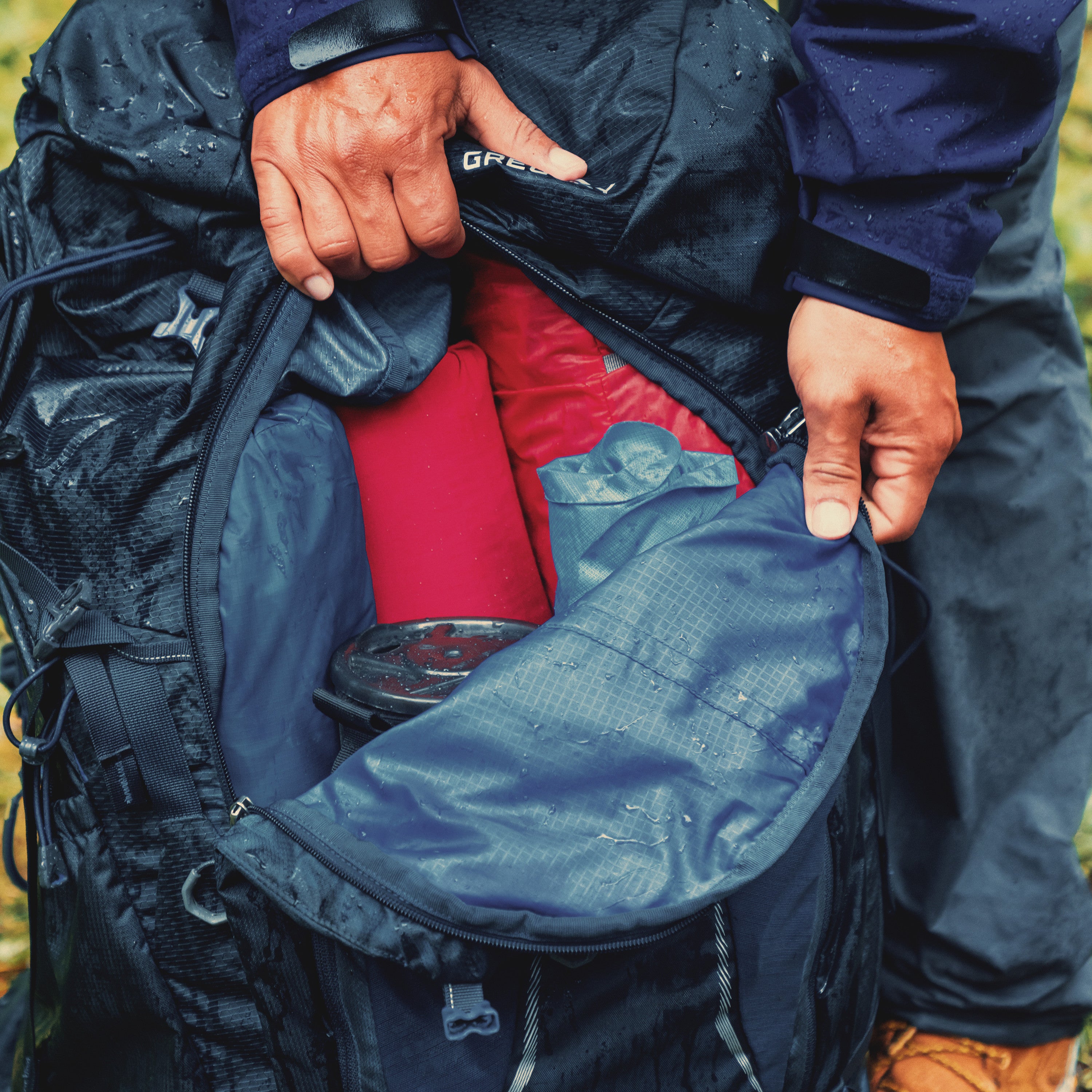
Gregory Baltoro 75
FreeFloat A3 suspension with Response A3 harness — the pack that carries 50+ pounds comfortably.
Amazon affiliate · price subject to change
The Baltoro 75 is what you want when comfort under heavy loads is non-negotiable. Gregory's FreeFloat suspension system with the pivoting hip belt tracks your movement naturally, eliminating the rigid feeling of lesser packs on uneven terrain. If you carry camera gear, winter equipment, or simply refuse to go ultralight, this is your pack.
It scores 9.2 because the community recognizes its specific excellence. The Baltoro doesn't pretend to be light — it weighs over 4.5 pounds empty. What it does is carry 50+ pounds more comfortably than anything else on the market. For the hikers who need that, nothing else comes close.
Hyperlite Mountain Gear 3400 — The Ultralight Standard
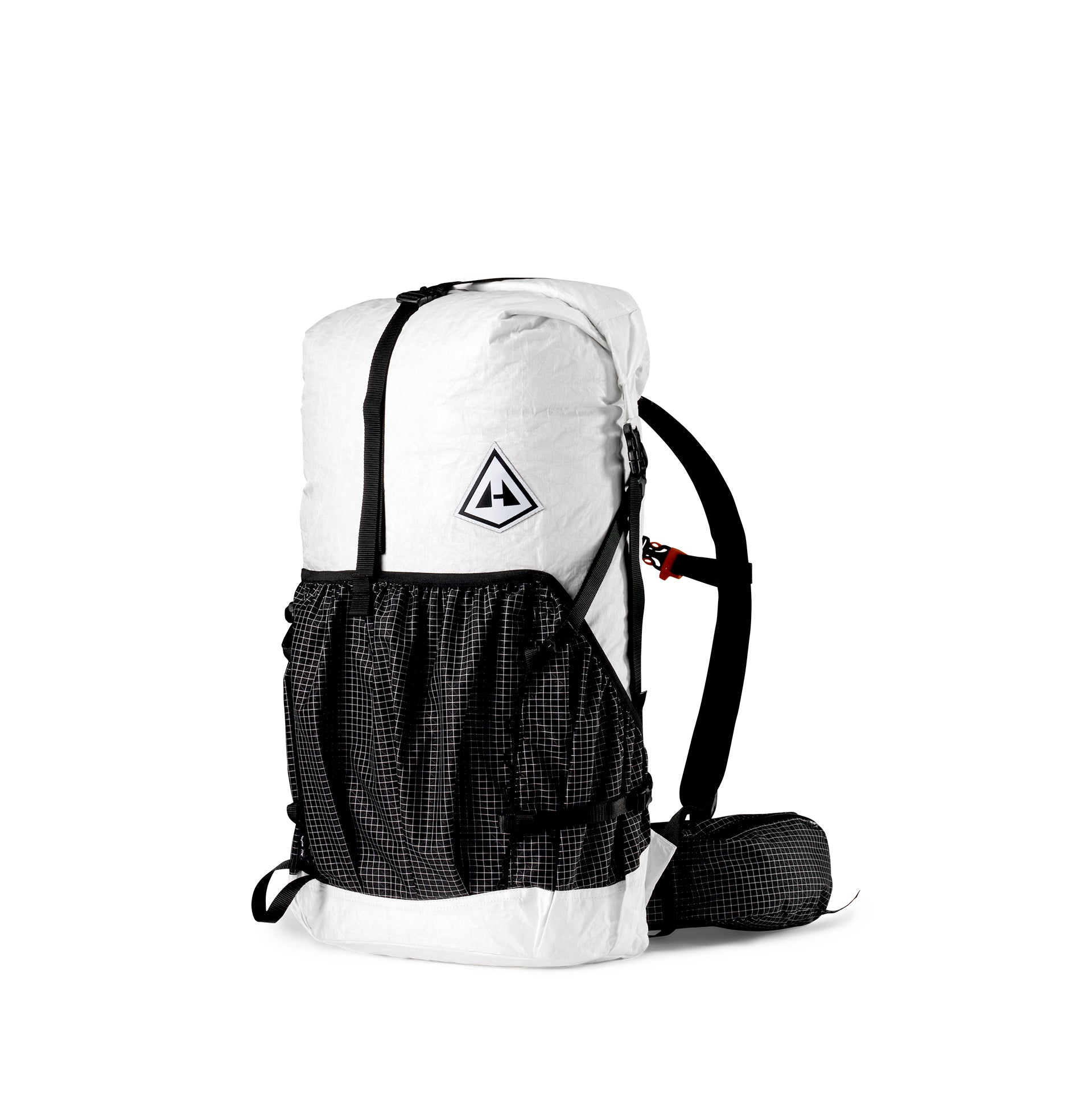
Hyperlite Mountain Gear 3400
Dyneema Composite Fabric construction delivers ultralight durability that refuses to compromise.
Amazon affiliate · price subject to change
The 3400 is the pack that converts people to ultralight backpacking. At roughly 2 pounds with a Dyneema Composite Fabric body, it's waterproof without a rain cover, abrasion-resistant, and surprisingly comfortable for a frameless-style pack. The roll-top closure and simple organization force you to think about what you actually need — and most hikers discover the answer is less than they thought.
It scores 9.0 because the community respects the philosophy. The 3400 isn't for everyone — it demands a lighter base weight to carry comfortably. But for thru-hikers and experienced backpackers who've trimmed their gear lists, it's a revelation. Two pounds on your back instead of five changes how far and how fast you can move.
The Weight Debate
The community is split on ultralight versus traditional, and that's healthy. What the rankings show is that both approaches earn strong votes — the Atmos AG 65 bridges the gap by being relatively light for its carrying capacity. The real lesson: a 4-pound pack carrying 25 pounds of gear and a 2-pound pack carrying 15 pounds of gear both deliver great experiences. The pack matters less than the total weight on your back.
Buying Guide: What to Consider
Fit trumps everything. The best backpack in the world is the wrong backpack if it doesn't fit your torso length and hip shape. Measure your torso, try packs on with weight in them, and walk around the store. The Osprey Atmos and Gregory Baltoro both offer extensive adjustability, which is partly why they rank so highly — they fit more people well.
Suspension quality separates good packs from great ones. A suspended mesh back panel (like the Atmos AG) keeps the pack frame off your back, improving ventilation and comfort dramatically. A hip belt that actually wraps your iliac crest transfers load properly. Test this by loading the pack with 30 pounds and walking for 15 minutes — you'll feel the difference instantly.
Don't buy for your dream trip — buy for your real trips. A 75-liter pack is overkill if you mostly do summer weekends. An ultralight pack is miserable if you haven't invested in lighter shelter and sleep systems. Buy the pack that matches the trips you take most often, not the expedition you're planning someday.
See all 12 products ranked by the community
Best Hiking Backpacks
See Full Rankings →278 community votes cast
Common Questions
According to Gavler's community, the Osprey Atmos AG 65 is the top-rated hiking backpack in 2026 with a 9.5 score. Its Anti-Gravity suspension system distributes weight so effectively that heavy loads feel manageable, and the fit adjustability works for virtually every body type.
It depends on your hiking style. The Hyperlite Mountain Gear 3400 at 2 pounds saves you roughly 3 pounds over a traditional pack like the Gregory Baltoro. That matters enormously over 20-mile days. But ultralight packs sacrifice some comfort and organization. If you've dialed in your gear list and know how to pack light, ultralight is transformative. If you carry 35+ pounds regularly, a traditional suspension system will treat your body better.
For weekend trips (2-3 nights), 40-50 liters is sufficient. For week-long trips, 55-65 liters handles most gear lists. For extended expeditions or winter trips with bulky gear, 70-80 liters gives you room. The community consensus: most people buy bigger than they need. A 65-liter pack forces discipline that makes your trip better.
It's the single most important feature. A great suspension system — like the Osprey Anti-Gravity or Gregory FreeFloat — transfers weight to your hips efficiently and allows airflow against your back. No amount of pocket design or material quality compensates for a suspension system that puts weight on your shoulders instead of your hips.
Rankings are determined entirely by community votes. Each user gets one vote on the Best Hiking Backpacks list — pick the one pack you'd recommend above all others. No affiliate commissions or sponsorships influence the rankings.
Products Mentioned
Jump to the full ranking and community verdict for each pick named above.