The Best Cycling Helmets in 2026, Ranked by the Riders Who Actually Wear Them Every Day
POC, Specialized, Giro, Smith, Kask. Road and mountain helmets ranked by ventilation, fit, and real safety-test data — by riders, not press releases.
A helmet is the one piece of cycling equipment every rider needs, regardless of whether they race gravel, bomb downhill trails, or commute across town. It's also the piece of gear where the gap between marketing and reality is widest. Brands compete on vent counts, gram counts, and proprietary acronyms, but the things that actually matter — does it fit your head, will it protect you in a real crash, and is it comfortable enough that you'll wear it every ride — rarely fit on a spec sheet. The 2026 helmet lineup is the safest and best-ventilated it has ever been, and the best helmets now back their claims with independent crash-test data rather than wind-tunnel press releases.
Late May is a natural buying window. Memorial Day weekend anchors some of the deepest cycling sales of the year, and it lands right as summer riding season opens across the northern hemisphere — the moment most riders realize their old helmet is sun-faded, sweat-worn, or simply past the replacement window. Today's brief opens the third slot of Gavler's Cycling category cluster, following the recent Best Mountain Bikes and Best Gravel Bikes launches. The picks below are pulled from the live Best Cycling Helmets list, ranked by riders who own these helmets and trust them on their own heads.
How the Rankings Work
One vote per person on the Best Cycling Helmets list. Pick the helmet you actually reach for — the one that fits without hot spots, ventilates the way you need for your climate, and gives you confidence on the road or trail. Crashed in one and walked away? Replaced one because it ran too warm or never fit quite right? Move your vote. The result is a community-curated ranking grounded in lived experience, not press-release hype. No affiliate commissions or manufacturer sponsorships affect the order.
The Top Picks
POC Ventral Tempus MIPS — The All-Weather Protector
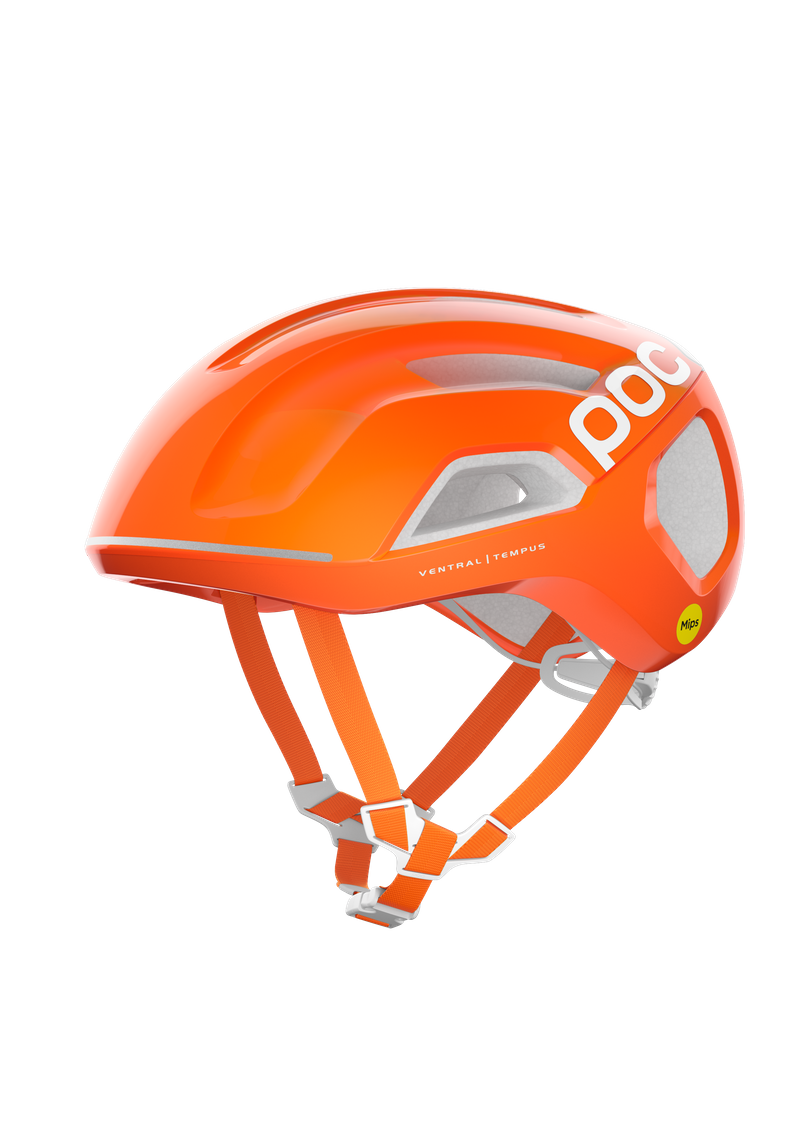
POC Ventral Tempus MIPS
An all-weather road helmet built on POC's race-proven Ventral shell — a sealed top and front for wind and rain protection, rear exhaust venting, MIPS rotational protection, and a recyclable EPS liner.
Amazon affiliate · price subject to change
The POC Ventral Tempus MIPS is the helmet for riders who don't stop when the weather turns. It shares the race-proven shell shape of POC's vented Ventral Air, but bonds a smooth, fully covered section over the top and front vents, trading warm-weather airflow for genuine protection against wind and rain. Cyclingnews described it as taking the Ventral Air platform and adding a covered shell to make a lightweight helmet with solid weather protection that stays comfortable and unobtrusive on the road.
Ventilation isn't gone, just retargeted. Eight exhaust vents at the rear pull hot air out, and three large intakes under the front brim keep air moving across the head before it exits at the back. A 22-degree aero trailing edge smooths airflow at speed. Underneath sits POC's MIPS rotational protection, a dense EPS liner, and the brand's recyclable EPS construction — a rare nod to sustainability in a category built on disposable safety gear.
Be clear about what this helmet is: a foul-weather and shoulder-season specialist, not a high-summer climbing lid. On the hottest days the sealed shell runs warmer than a fully vented helmet, which is exactly why POC sells the open Ventral Air alongside it. But for year-round riders, wet-climate commuters, and anyone who logs miles in low light, the Tempus is the safest, most polished all-weather option on the list — and that's why the community votes it to the top.
Specialized S-Works Prevail 3 — The Ventilation Champion
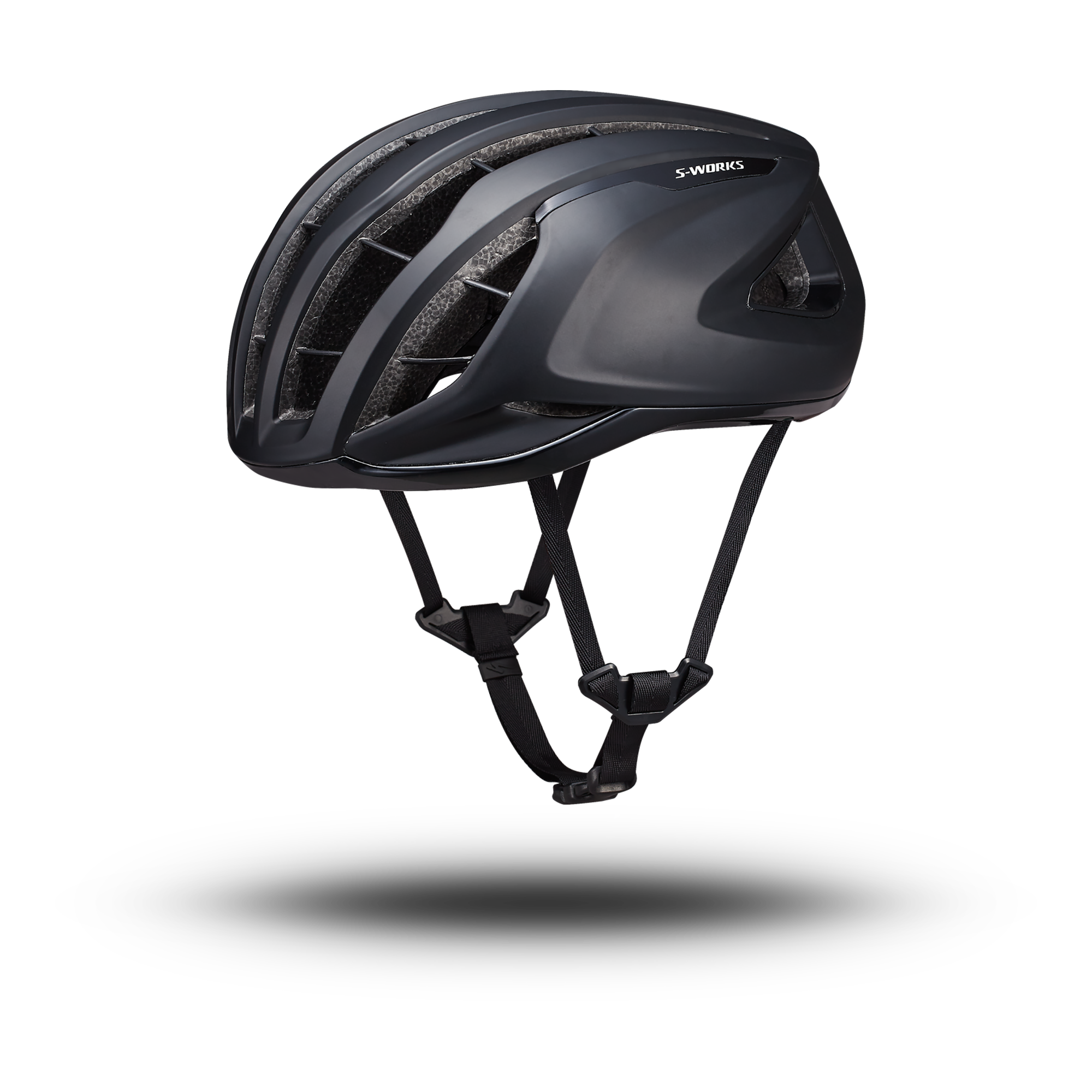
Specialized S-Works Prevail 3
Twenty-five vents and removed center foam bridges create true through-air channels — the airiest helmet Specialized has built, with a 5-star Virginia Tech safety rating.
Amazon affiliate · price subject to change
If airflow is your priority, the Specialized S-Works Prevail 3 is the road helmet to beat. Specialized stripped the foam bridges from the center of the shell to create true through-air channels, claiming roughly a quarter more ventilation surface area than the helmet it replaced. Cyclingnews titled its review "Ventilation to blow you away," and BikeRadar called it better ventilated than any of the top-rated road helmets it has tested. On a hot climb, you feel the difference immediately.
That cooling doesn't come at the cost of safety. The Prevail 3 earned a 5-star rating in Virginia Tech's independent helmet testing — among the highest scores in the road category — and pairs a unibody in-mold shell with a MIPS rotational-protection layer. The tri-fix web splitter distributes strap tension across three anchor points instead of two, eliminating the ear-pressure hot spots that plague many road helmets.
There are two honest caveats. The Prevail 3 is heavier than the featherweight Prevail 2 it replaces — around 300 grams rather than the sub-260-gram weights riders may remember — a deliberate trade for airflow and a higher safety margin. And ANGi crash detection, the sensor that alerts a contact after an impact, is sold separately rather than included. For hot-weather riders who prize cooling above grams, none of that changes the verdict: this is the benchmark.
Giro Aether MIPS II — The Elegant All-Rounder
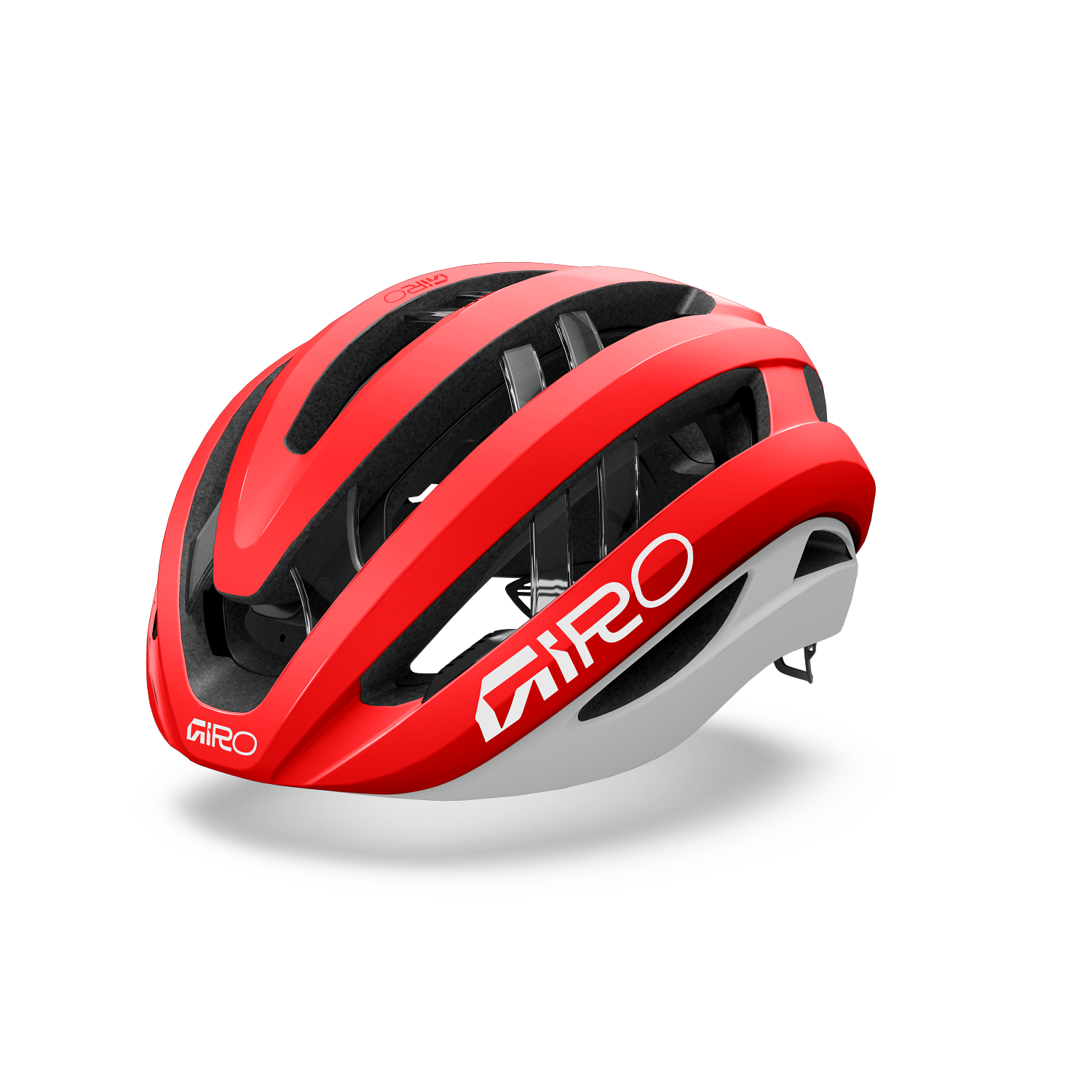
Giro Aries Spherical
Spherical MIPS protection, 24 wind-tunnel vents, and ~270g weight in Giro's top-of-the-line road helmet. The highest-rated lid Virginia Tech has scored.
Amazon affiliate · price subject to change
The Giro Aether MIPS II is the helmet that made Spherical MIPS famous. Instead of a thin plastic cage against your head, Giro sandwiches the rotational-protection layer between two separate EPS foam shells that rotate independently during an angled impact. As road.cc put it, the advantage over a traditional MIPS liner is that there's no obstruction to ventilation — the internal air channels run uninterrupted.
That pays off in cooling. Cyclingnews rated the Aether one of the best-ventilated helmets in Giro's lineup, with some of the largest vents of any model and an intricate internal channel system that testing showed runs cooler than the older Synthe. The Roc Loc 5+ Air fit system wraps the back of the head and adjusts tension and vertical position with a single dial, and Giro molds size-specific shells rather than padding out one shell for every head.
The trade-offs are weight and price. OutdoorGearLab praised the Aether as elegant, well-ventilated, and easily adjustable, but noted its high-end features are offset by a slightly higher weight and a much higher price than most rivals. For riders who want refined fit, excellent airflow, and the most comfortable rotational protection available — and who don't flinch at a premium — the Aether MIPS II is the complete package.
Smith Forefront 2 MIPS — The Trail and Enduro Leader
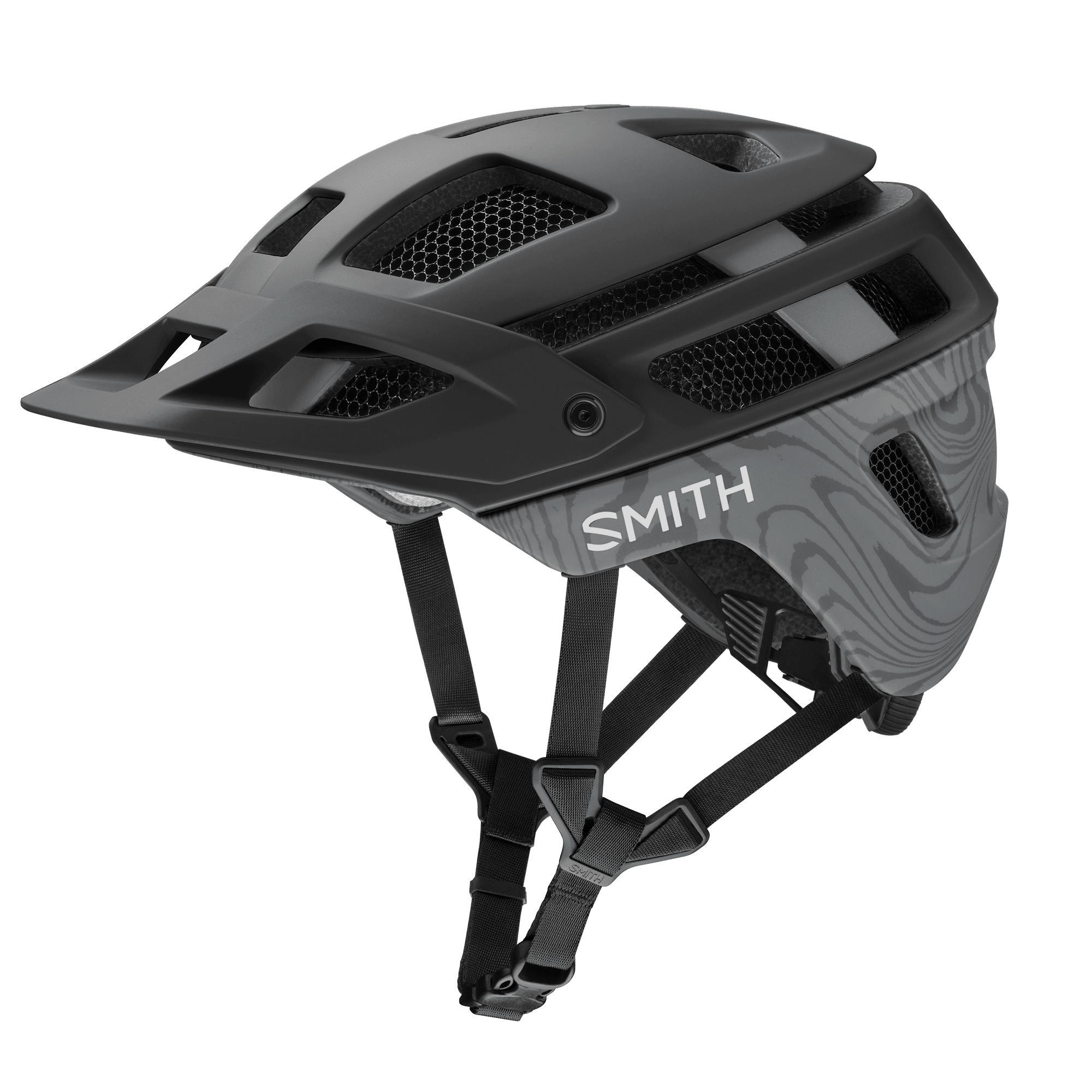
Smith Forefront 2 MIPS
Koroyd honeycomb crushes on impact for more efficient energy absorption than EPS, with extended rear coverage and goggle integration.
Amazon affiliate · price subject to change
The Smith Forefront 2 MIPS is the mountain biker's pick. Its Koroyd liner — thousands of co-polymer tubes welded into a honeycomb — crushes progressively on impact, absorbing energy in a thinner package than traditional EPS foam. The second-generation version split the Koroyd into two channels with a large central air vent down the middle, and reviewers noticed the difference immediately: Bike Perfect called out the vastly increased airflow and an outstanding fit with no compression points or hot spots.
Protection is the Forefront 2's real strength. BikeRadar noted CPSC and EN 1078 certification plus a MIPS liner and the Koroyd layer all coming in under 380 grams, with coverage extending down the temples and around the back of the head — exactly the area trail riders are most likely to hit. The integrated goggle garage secures goggles to the rear on climbs, and Smith's VaporFit dial locks the fit in place.
The honest trade-off, flagged by Bike Perfect: despite 20 vents, most are still backed by Koroyd, so the helmet runs warmer than an open-vent road lid on long uphill slogs. For aggressive trail and enduro riders who value coverage and crash protection over climbing airflow, that's a fair price — and it's why the Forefront 2 leads the off-road tier.
Kask Protone Icon — The Pro Peloton Standard
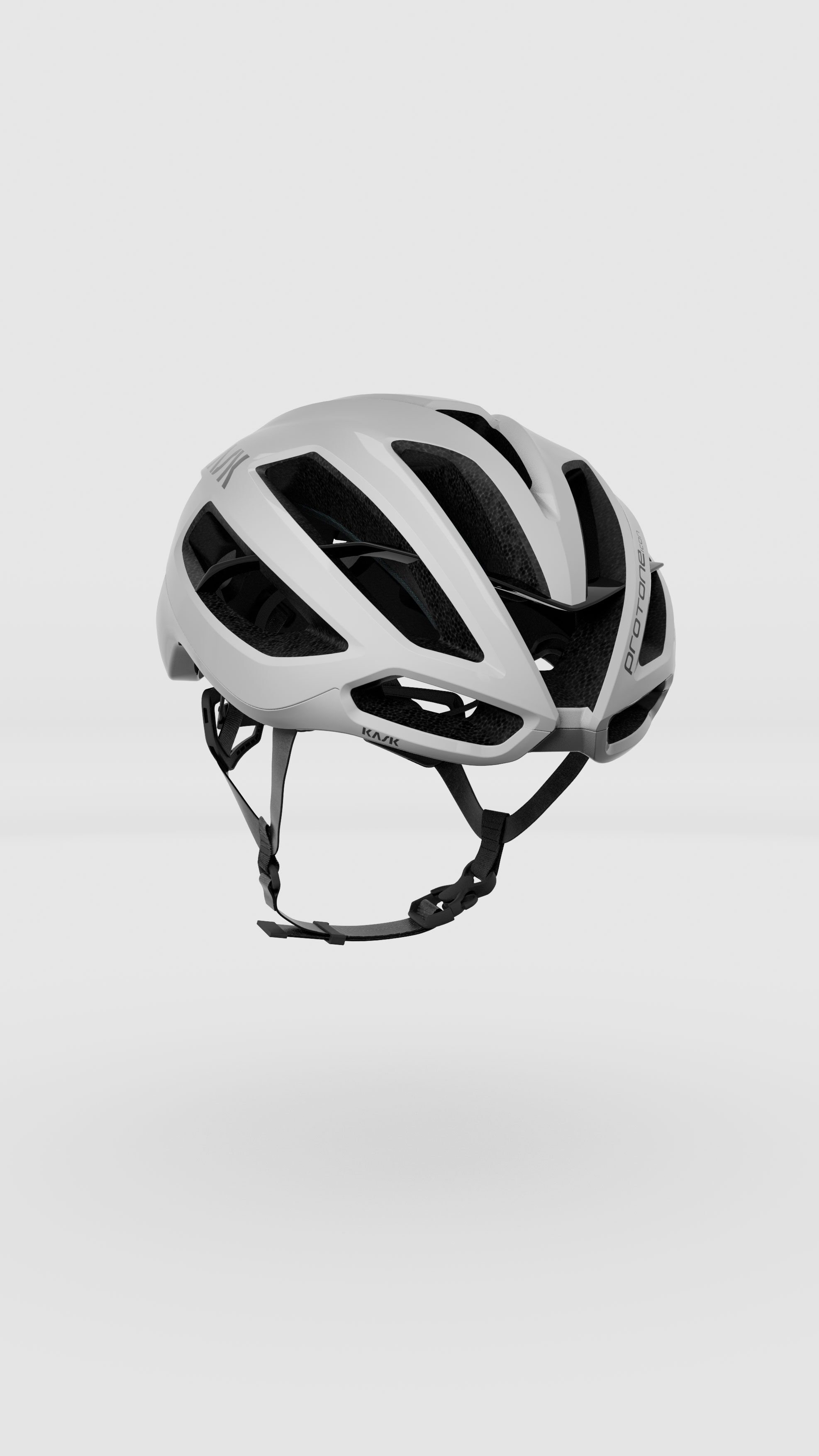
Kask Protone Icon
Polycarbonate in-mold shell wraps around the back with Octo Fit micro-adjustment in both vertical and circumferential axes.
Amazon affiliate · price subject to change
The Kask Protone Icon has graced more Tour de France podiums than any other helmet of the last decade, and the latest version refines a proven design rather than reinventing it. Cycling Weekly still calls it one of the most reliable helmets out there, crediting the Octofit+ harness for nearly infinite adjustability and a neck stabiliser that cradles the lower skull — a fit advantage for riders who have struggled to get other premium helmets to sit securely.
Ventilation and comfort are strong points. BikeRadar described it as a great fit and a comfortable option for all weathers, with 20 vents and Coolmax padding keeping airflow optimized and the helmet running noticeably cooler than some premium rivals. The polycarbonate in-mold shell wraps the rear for reinforced protection, and Italian manufacturing means consistent finish quality.
Two things to know. Kask doesn't use a MIPS liner; instead it validates the Protone with its own WG11 rotational-impact test protocol, as Rouleur noted in its review of the updated model. And warm-running riders report that the thick front pad can gather sweat on the hottest days. For riders who want pro-peloton pedigree, all-weather comfort, and the most adjustable fit on the list, the Protone Icon remains the aspirational road helmet.
The Mountain and Trail Tier
Bell Super Air R MIPS — The Convertible
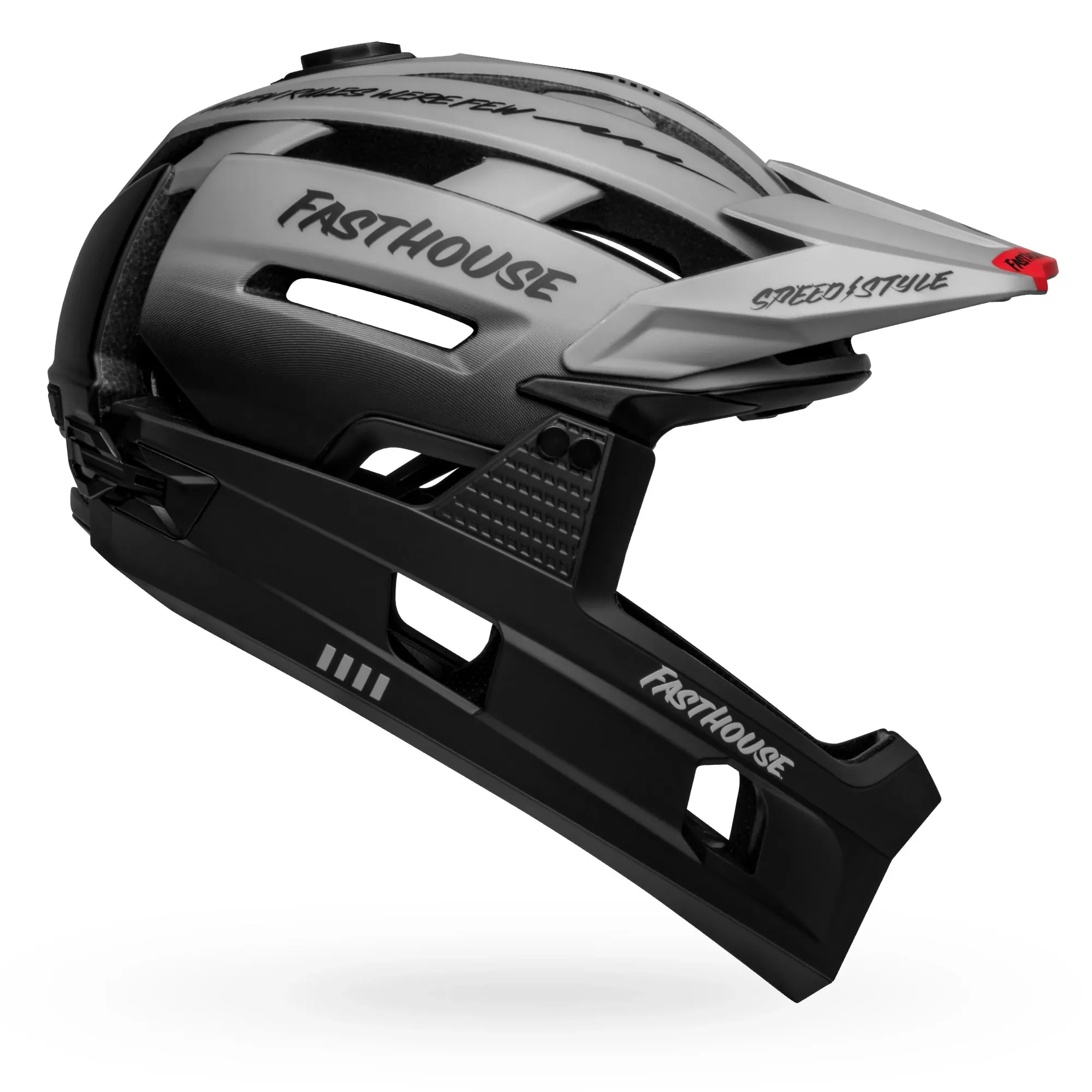
Bell Super Air R MIPS
Removable chin bar snaps off for climbs and back on for descents, bridging XC and trail riding without carrying full-face weight.
Amazon affiliate · price subject to change
The Bell Super Air R MIPS solves the mountain biker's two-helmet problem. A removable chin bar snaps on for descents — providing certified full-face protection — and detaches in seconds for climbs, without taking the helmet off. The MIPS layer protects in both configurations, and the open-face mode ventilates like a premium trail helmet. For riders who climb to descend and want one helmet that does both jobs, the Super Air R is the most practical answer on the list.
Troy Lee Designs A3 MIPS — The Enduro Specialist
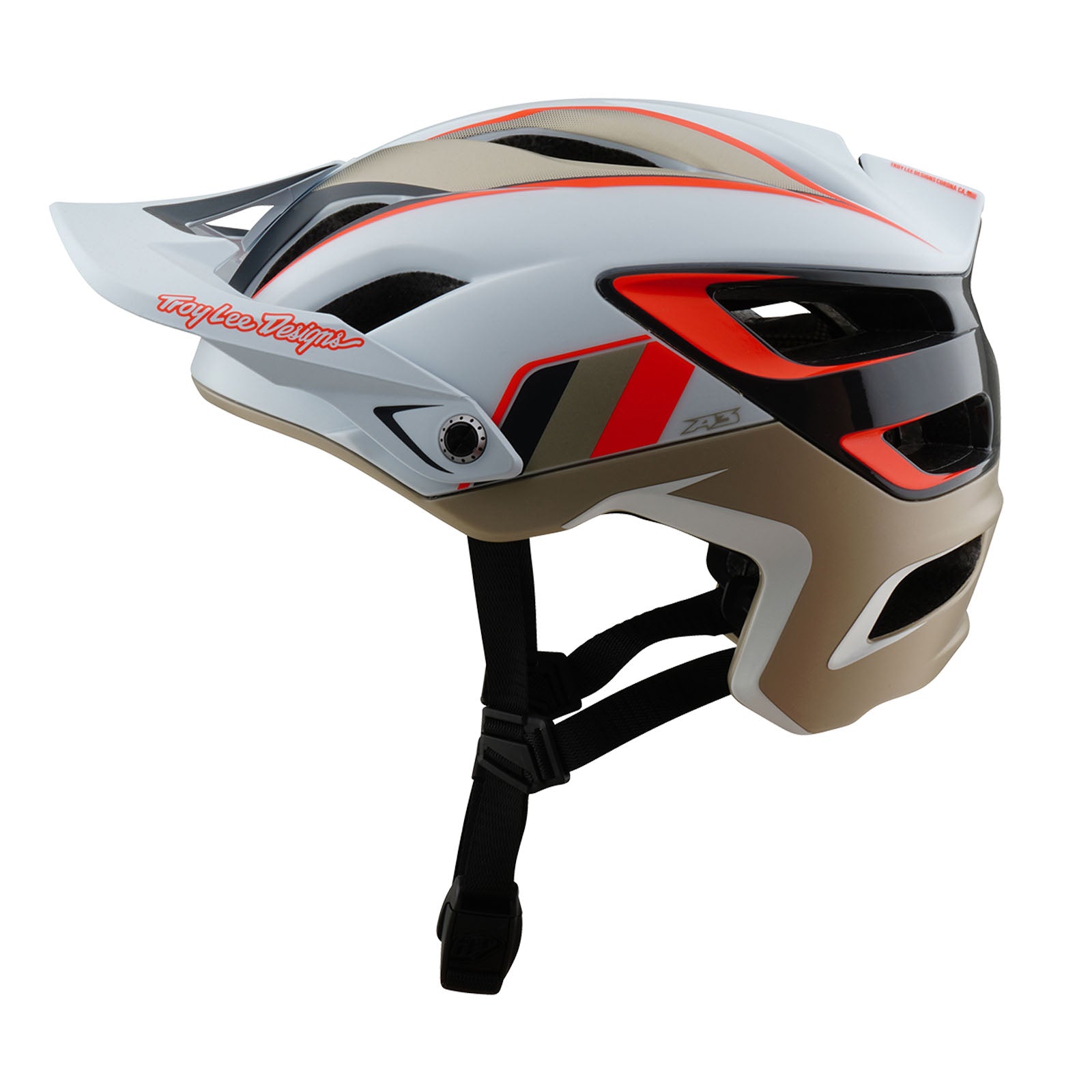
Troy Lee Designs A3 MIPS
Co-moulded EPP and EPS plus a MIPS liner handle both low-speed trail crashes and repeated high-speed impacts, with fixed visor and deep rear coverage.
Amazon affiliate · price subject to change
Troy Lee Designs built the A3 MIPS for aggressive trail and enduro riding. A multi-density EPS liner paired with MIPS handles both low-speed trail spills and higher-speed impacts, while deep rear coverage and a fixed, adjustable visor reflect its gravity-racing DNA. The A3's fit and finish carry the premium feel TLD is known for, and its coverage sits a notch above lighter cross-country lids. For riders who push descents hard and want enduro-grade protection without a full-face, it's the specialist's choice.
The Value and Lightweight Tier
Lazer Z1 KinetiCore — The Featherweight
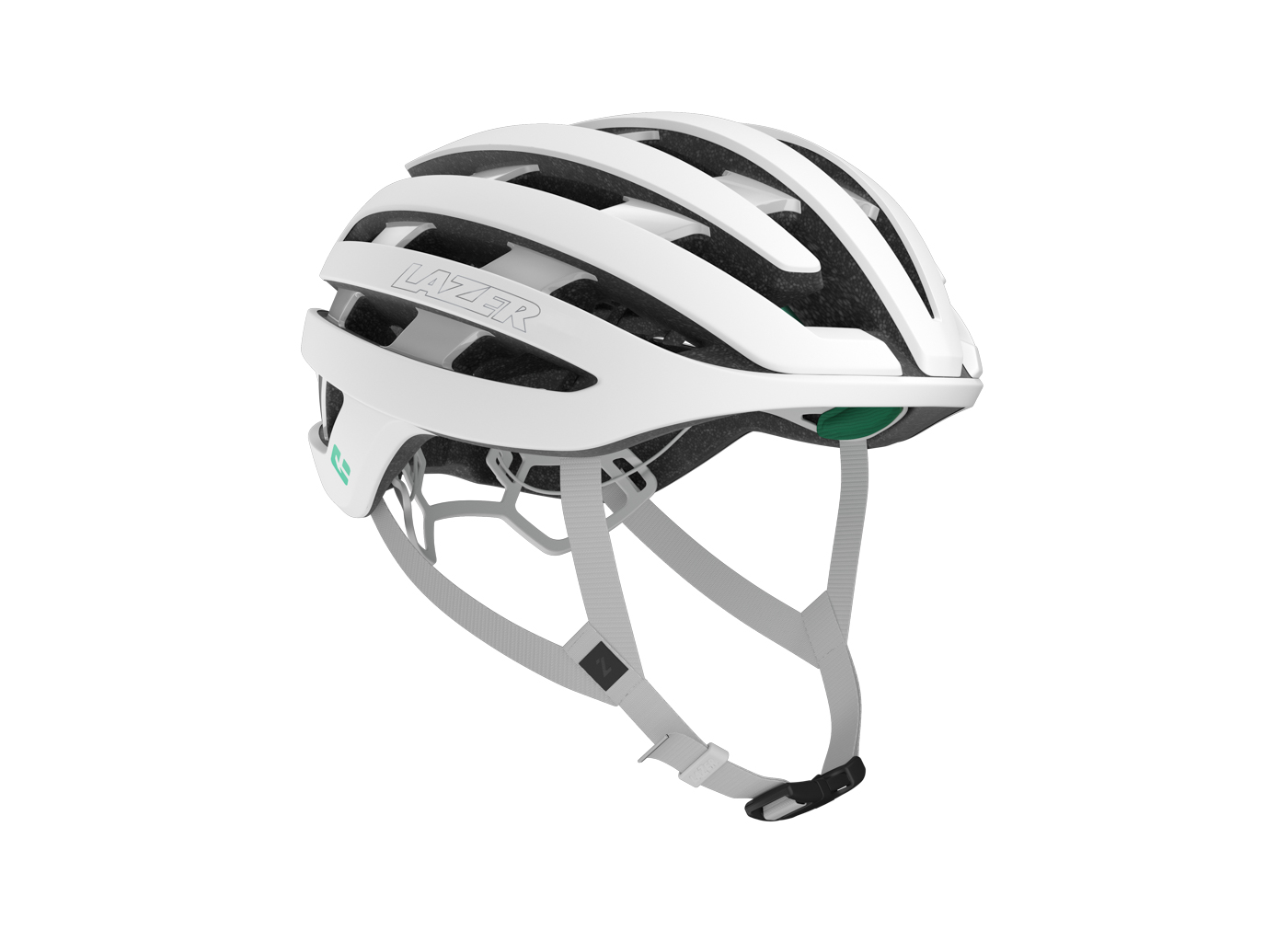
Lazer Z1 KinetiCore
KinetiCore crumple zones molded into EPS replace traditional MIPS for rotational protection without added weight or fit complexity.
Amazon affiliate · price subject to change
The Lazer Z1 KinetiCore is the lightweight road option for riders who count grams. Rather than adding a separate rotational-protection liner, Lazer's KinetiCore builds controlled-crumple blocks directly into the EPS foam, integrating rotational protection into the structure itself — an approach that has earned Lazer helmets strong independent safety ratings. The result is one of the lightest and best-ventilated helmets in this group, with Lazer's signature Advanced Rollsys fit dial on top. For weight-conscious road and gravel riders, the Z1 is the climber's helmet.
Bontrager Rally WaveCel — The Affordable Safety Tech
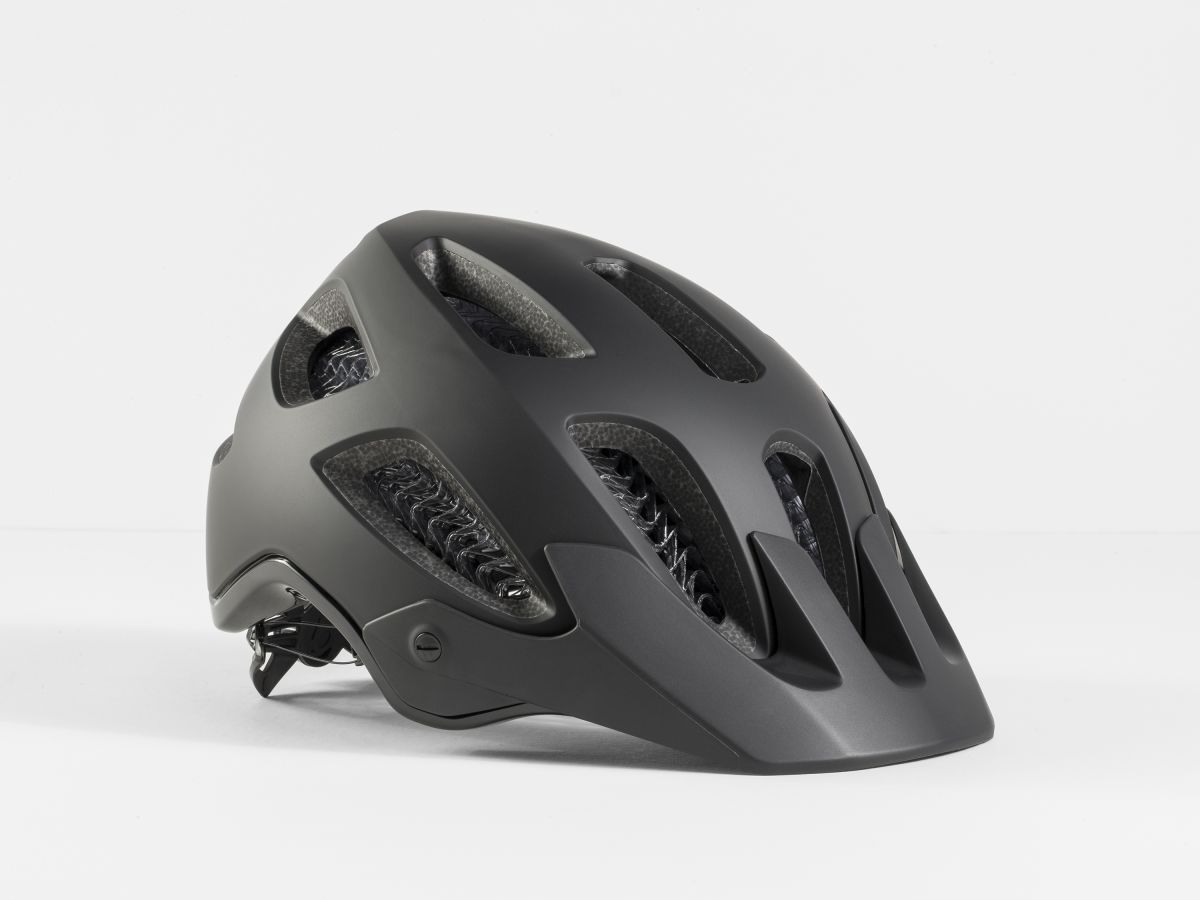
Bontrager Rally WaveCel
WaveCel liner collapses in wave pattern during impact to redirect rotational forces, with mountain-specific shape and extended coverage.
Amazon affiliate · price subject to change
The Bontrager Rally WaveCel brings Trek's WaveCel technology to a mid-priced trail helmet. The collapsible cellular liner flexes, crumples, and glides during a crash to manage rotational forces, and the Rally pairs it with a mountain-specific shape, extended coverage, and an adjustable visor. It's the affordable entry point to advanced rotational-protection technology for trail riders who want WaveCel without a flagship price.
Giro Syntax MIPS — The Value Champion
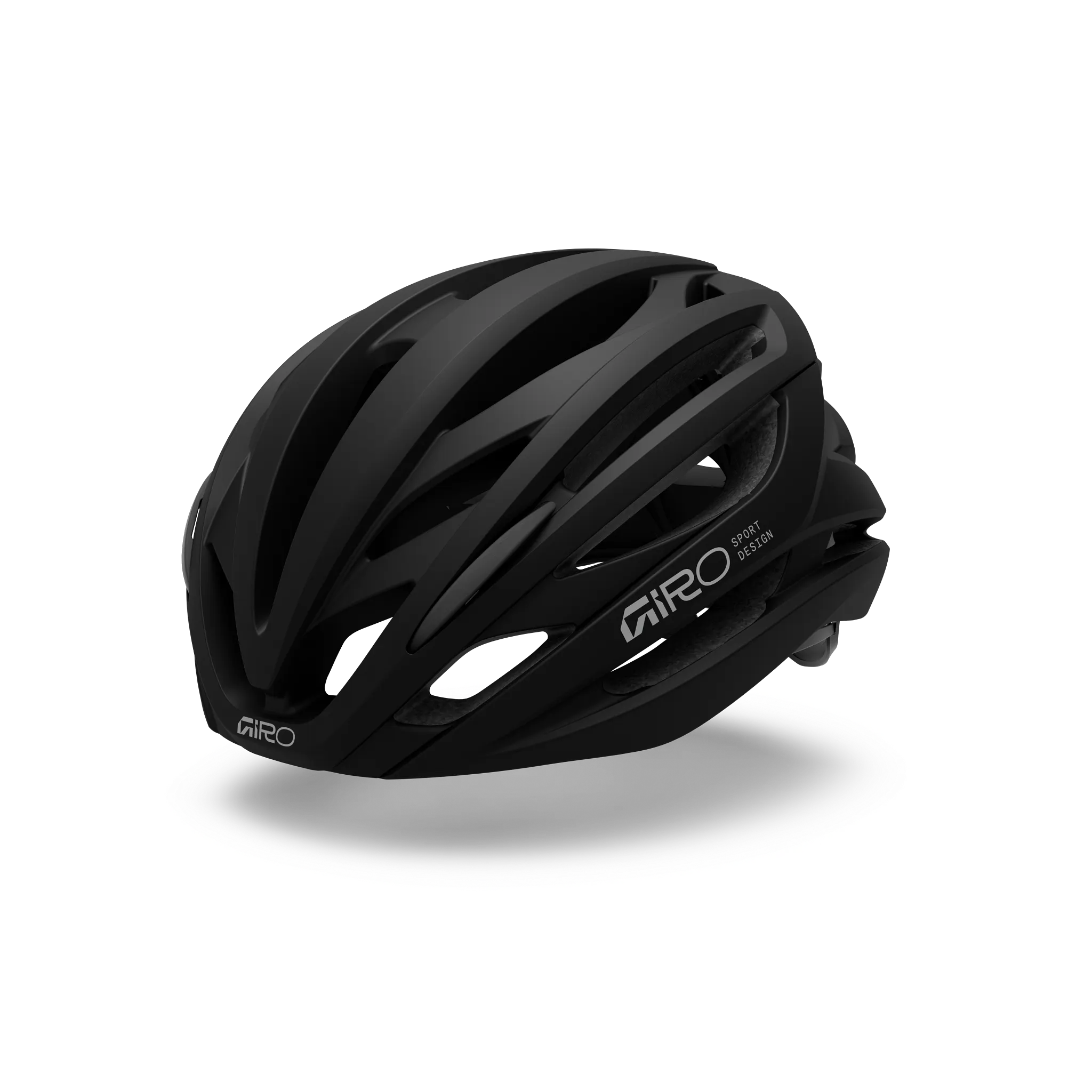
Giro Syntax MIPS
Giro's MIPS liner and in-mold construction with the same Roc Loc 5 Air fit system found in helmets costing three times as much.
Amazon affiliate · price subject to change
The Giro Syntax MIPS is the proof that safety doesn't require a premium price. At around $100 it delivers Giro's proven MIPS liner, in-mold construction, and the same Roc Loc 5.5 fit mechanism found in helmets costing three times as much. Ventilation and finish aren't flagship-level, but the fundamentals — fit and certified rotational protection — are all here. For new riders, commuters, and anyone who refuses to overpay for safety, the Syntax is the smartest buy on the list.
Architecture first — open-road airflow vs a covered weather shell vs a trail visor — is the cycling-helmet buying guide. This page is the ranking story.
How to Decide: Three Questions That Narrow the Field
Road or trail? This is the first fork. Road helmets (Tempus, Prevail 3, Aries, Protone, Syntax, Z1) prioritize ventilation, low weight, and aerodynamics. Mountain helmets (Forefront 2, Super Air R, A3, Rally) add rear coverage, visors, goggle compatibility, and — in the Super Air R's case — a convertible chin bar. Buy for the riding you actually do most.
Hot climate or cold and wet? Ventilation is the cleanest proxy. For high-summer riding and hard climbing, the Prevail 3 and Aries Spherical move the most air. For cold, wet, and shoulder-season conditions, the POC Ventral Tempus seals out the weather. If you ride year-round in a variable climate, owning one vented helmet and one all-weather helmet is more sensible than compromising with a single lid.
How much does the safety rating matter to you? If independent crash-test performance is your priority, look up the Virginia Tech Helmet Lab star rating before you buy — it evaluates the whole helmet, not one component, and several picks here earn the full 5 stars. If budget is the constraint, the Giro Syntax MIPS proves you can get correct fit and a MIPS liner for around $100. Spend more for ventilation, weight, and fit refinement — not for safety you can get cheaper.
What Comes Next
This is the third installment of Gavler's Cycling cluster build. Architecture first — open road vs covered weather vs a trail visor — is the cycling-helmet buying guide. The cockpit GPS split — Garmin maps vs Wahoo setup vs an Android head unit — is the bike-computer buying guide, then the Best Bike Computers ranking. For full Gavler Cycling coverage, the Cycling category page collects every list in the category. Riders building out a complete setup will also find the Best Gravel Bikes brief and Best Mountain Bikes brief useful for matching a helmet to the kind of riding they do most.
The vote on Best Cycling Helmets is open. Pick the helmet you actually trust on your own head — and if a hot summer, a wet winter, or a crash changes your mind, move your vote. That's how the rankings stay honest.
See all 10 products ranked by the community
Best Cycling Helmets
See Full Rankings →250 community votes cast
Common Questions
The POC Ventral Tempus MIPS tops Gavler's community ranking, but the right answer depends on what you ride. The Tempus is POC's all-weather road helmet — a sealed shell that keeps wind and rain out, with rear exhaust venting so it doesn't overheat, plus POC's MIPS rotational protection and recyclable EPS liner. If you ride year-round and in poor conditions, it's the lid you reach for. For pure hot-weather road riding the Specialized S-Works Prevail 3 is the ventilation champion, and for trail and enduro the Smith Forefront 2 MIPS leads. There is no single best helmet for every rider — there's the best helmet for your discipline, your climate, and your head shape, which is exactly why Gavler ranks them by the riders who own them rather than by spec-sheet marketing.
Rotational-impact protection is worth it, and MIPS is the most common system that provides it — a low-friction layer that lets the helmet shell rotate slightly during an angled crash, redirecting twisting forces away from the brain. But MIPS isn't the only good answer. Giro's Spherical MIPS uses two EPS shells that rotate against each other with no internal cage, Smith uses a Koroyd honeycomb liner, Bontrager uses WaveCel, and Kask uses its own WG11 rotational testing. The most useful independent benchmark is the Virginia Tech Helmet Lab star rating, which crash-tests helmets and scores them 1 to 5 stars. The Specialized S-Works Prevail 3 and several others on this list earn the full 5 stars. The safest helmet is one that fits correctly, is rated highly by independent testing, and includes a rotational-protection system — in that order.
These two solve opposite problems. The POC Ventral Tempus MIPS is a foul-weather and shoulder-season helmet: its covered shell blocks wind and rain, and the high-visibility finishes help you be seen on dark, wet rides. It runs warmer than a fully vented lid by design. The Specialized S-Works Prevail 3 is the opposite — the most ventilated helmet Specialized has ever built, with the foam bridges stripped from the center to create true through-air channels. Reviewers from BikeRadar to Cyclingnews rate it the airiest road helmet they've tested, and it earns a 5-star Virginia Tech rating. The trade-off is weight (around 300 grams, heavier than the old Prevail 2) and the fact that ANGi crash detection is a paid add-on. Buy the Tempus if you ride in cold and wet weather; buy the Prevail 3 if you ride hot and want maximum airflow. Many serious riders own both.
For aggressive trail and enduro riding, the Smith Forefront 2 MIPS leads Gavler's ranking. Its Koroyd honeycomb liner crushes progressively on impact, and a new central air channel meaningfully improved airflow over the previous version — reviewers consistently call out the cooler, no-hot-spots fit and the extended rear coverage that protects the back of the head. The honest trade-off: most of its 20 vents are still backed by Koroyd, so it runs warmer than open-vent road helmets on long climbs. If you split time between climbs and descents, the Bell Super Air R MIPS converts from open-face to a certified full-face in under 10 seconds via a removable chin bar. For enduro racers, the Troy Lee Designs A3 MIPS pairs a multi-density liner with deep coverage and a fixed visor. Match the helmet to your terrain: trail crossover, convertible, or dedicated enduro.
You do not need to spend $300 to get a safe helmet. The single most important factors — correct fit and a rotational-protection system — are available at every price tier. The Giro Syntax MIPS at around $100 delivers a proven MIPS liner, in-mold construction, and the same Roc Loc fit mechanism found in helmets costing three times as much, and it is the value pick on this list for exactly that reason. Spending more buys better ventilation, lower weight, more refined fit systems, and premium finishes — real improvements for riders who spend long hours in the saddle, but not safety you can't get cheaper. A reasonable approach: buy the best-fitting certified helmet you can comfortably afford, replace it after any significant impact, and don't assume a higher price tag means a higher safety rating. Check the Virginia Tech star rating instead.
They are four different approaches to the same goal: managing impact energy, especially the rotational forces that cause concussions. MIPS adds a thin low-friction layer that lets the shell rotate slightly during an angled impact. Spherical MIPS (used by Giro) replaces that layer with two nested EPS shells that rotate against each other, removing the internal cage and improving ventilation. Koroyd (Smith) is a honeycomb of co-polymer tubes that crush progressively, absorbing energy in a thinner shell. WaveCel (Bontrager) is a collapsible cellular material that flexes, crumples, and glides during a crash. Kask skips a named rotational liner and validates its helmets with its own WG11 rotational test protocol. All four are legitimate. Rather than fixate on the technology name, look at independent crash-test results like Virginia Tech's star ratings, which evaluate the whole helmet rather than one component.
Rankings come from community votes by riders who actually own and wear these helmets — not from marketing copy or sponsored reviews. Each user gets one vote on the Best Cycling Helmets list: pick the helmet you trust on your own head, on your own roads and trails. Crashed in one and it did its job? Switched after a hot-weather ride proved a helmet ran too warm, or after a fit problem revealed itself over a long day? Move your vote. Vote totals and community scores appear next to each pick on the live list, and the rankings update in real time. No affiliate commissions or manufacturer sponsorships influence the order.
Products Mentioned
Jump to the full ranking and community verdict for each pick named above.
- POC Ventral Tempus MIPSCycling · Best Cycling Helmets
- Specialized S-Works Prevail 3Cycling · Best Cycling Helmets
- Smith Forefront 2 MIPSCycling · Best Cycling Helmets
- Kask Protone IconCycling · Best Cycling Helmets
- Bell Super Air R MIPSCycling · Best Cycling Helmets
- Troy Lee Designs A3 MIPSCycling · Best Cycling Helmets
- Lazer Z1 KinetiCoreCycling · Best Cycling Helmets
- Bontrager Rally WaveCelCycling · Best Cycling Helmets
- Giro Syntax MIPSCycling · Best Cycling Helmets