Giro Aries Spherical.
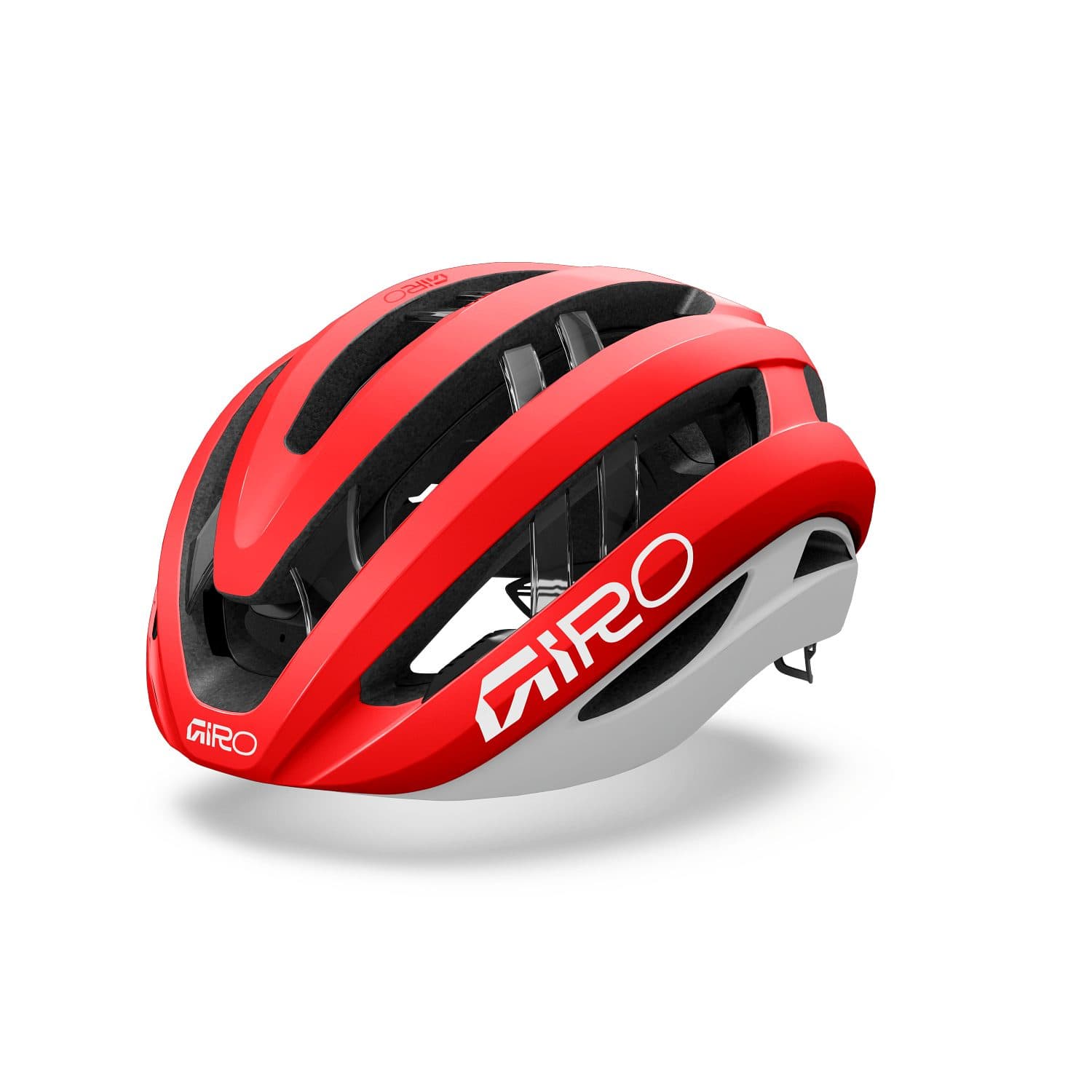
Spherical MIPS protection, 24 wind-tunnel vents, and ~270g weight in Giro's top-of-the-line road helmet. The highest-rated lid Virginia Tech has scored.
Lowest price in 90 days
The Verdict.
Gavler Meta-Score
“The Aries is the complete flagship: top-rated protection in independent testing, exceptional ventilation, and Giro's lightest Spherical construction yet. The only real knock is the $350 price — but if you want the best road helmet Giro builds, this is it. Riders chasing value should look at the Synthe or Syntax MIPS, which deliver Giro's core safety tech for far less.”
The Gavler Verdict
The Gavler Review.
Giro Aries Spherical Review: The Highest-Scoring Helmet Virginia Tech Has Tested
The Giro Aries Spherical sits at number three on our Best Cycling Helmets list with a 9.3, and it earns that ranking as Giro's complete flagship: the top score in Virginia Tech's independent helmet ratings, exceptional ventilation, and the lightest Spherical construction Giro has ever built. Buy it if you want the best road helmet Giro makes and are willing to pay flagship price for it — at $350, this is the top of the market, not a value play. The one honest knock reviewers keep repeating is that the gains over Giro's mid-tier helmets are real but incremental; riders chasing value over the last few percentage points of protection and airflow should look at the Giro Syntax MIPS instead.
What it actually is
The Aries Spherical is Giro's range-topping road helmet and the successor to the long-running Aether. It carries forward Giro's Spherical Technology — a ball-and-socket design powered by MIPS, where two EPS shells nest inside one another and rotate independently during an angled impact to redirect rotational energy away from the head. Unlike a conventional MIPS slip-plane liner, there's no internal plastic cage to obstruct airflow or create hot spots against the scalp. Progressive Layering, using dual densities of Nanobead EPS foam, adds more comprehensive energy management across both linear and rotational impacts, and the helmet earned the top score in Virginia Tech's independent helmet ratings — a meaningful, third-party validation rather than a manufacturer claim.
Where the Aries pulls ahead of its predecessor is ventilation and weight. The AURA reinforcing arch lets Giro run 24 large wind-tunnel vents without sacrificing structural strength, and a network of deep internal channels moves air across the scalp even at the low speeds of a long climb, when cooling matters most and airflow is hardest to generate. At roughly 270 grams in a size medium, Giro claims it as the lightest MIPS Spherical helmet it has ever built — a meaningful step down from the Aether despite the added protection layering.
In use
Cyclingnews's review put the safety performance in the plainest possible terms, calling it "the best-performing helmet Virginia Tech has tested — top marks for managing both rotational and linear impacts." That's the headline claim of this helmet, and it's backed by an independent lab rather than Giro's own marketing copy, which is exactly the kind of verification that separates a genuinely class-leading helmet from one that merely claims to be.
The weight reduction gets equal attention from testers. BikeRadar noted "Giro claims the new Aries is the lightest MIPS Spherical helmet it has ever made — and the numbers back it up," confirming Giro's own claim held up under independent scrutiny. Ventilation is the third pillar reviewers consistently praise: GearJunkie described "unmatched airflow: the AURA reinforcement arch lets Giro run 24 large wind-tunnel vents without compromising the shell." Put together, these three factors — safety, weight, and airflow — are the reason the Aries scores as well as it does; it isn't winning on any single spec in isolation so much as combining all three at a level few competitors match simultaneously.
Where it shines
- A verified top score in Virginia Tech's independent testing. This isn't a manufacturer claim — it's third-party lab validation that the Aries manages both rotational and linear impacts better than the field it was tested against.
- 24 wind-tunnel vents without a strength trade-off. The AURA arch is the engineering solution that lets Giro run genuinely large vents on a helmet that still passes structural certification, rather than forcing a choice between airflow and integrity.
- Giro's lightest Spherical helmet yet. At roughly 270g, the Aries proves that adding Progressive Layering protection doesn't have to mean adding weight — a real advance over the outgoing Aether.
The trade-offs — who should skip it
This is the best-protecting, best-ventilated helmet in Giro's lineup, not the best value, and the honest reasons to consider something else are specific:
- The price is the price. At $350, the Aries sits at the very top of the market, and the improvement over Giro's mid-tier MIPS helmets is incremental rather than transformative for most recreational riders.
- You need genuine foul-weather protection. The Aries is optimized for ventilation, which means it's a warm-weather, dry-conditions helmet first. Riders who ride through wind and rain regularly should look at a covered-shell design instead.
- Budget matters more than the last percentage point of safety score. The Giro Syntax MIPS delivers the same core MIPS rotational protection technology at a fraction of the Aries's price — the safety gap between certified MIPS helmets at different price points is smaller than the price gap suggests.
How it compares
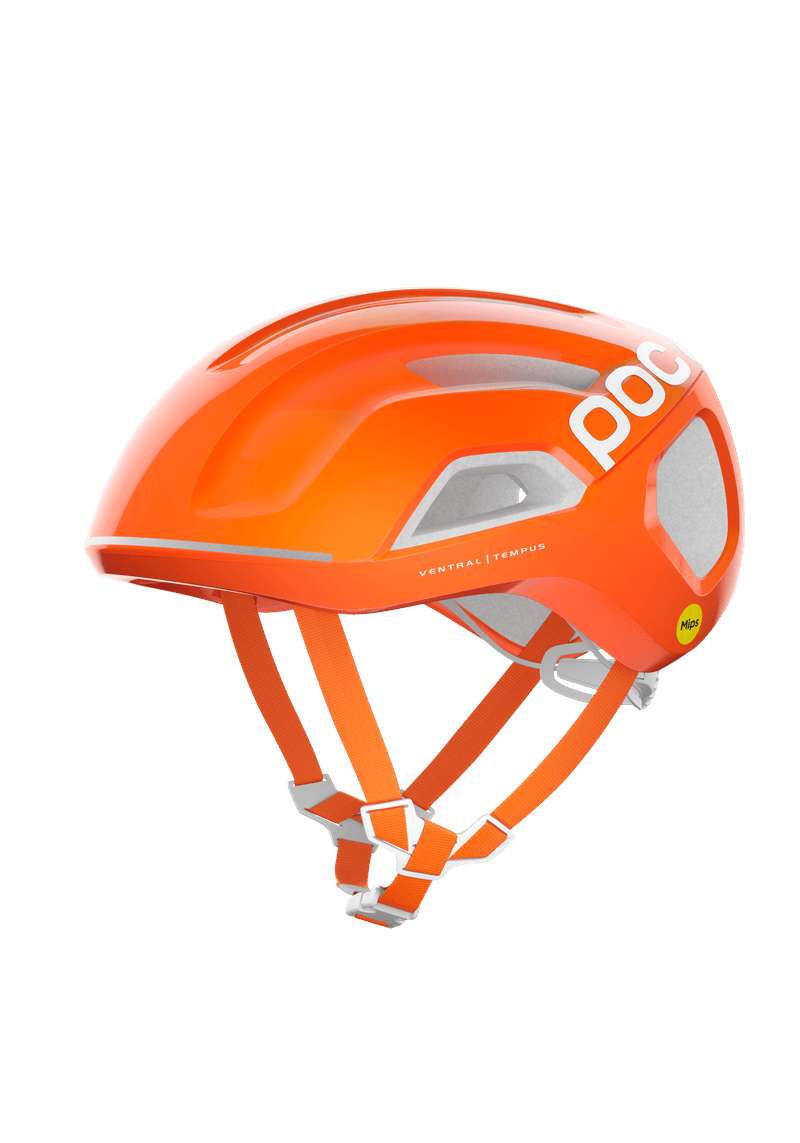
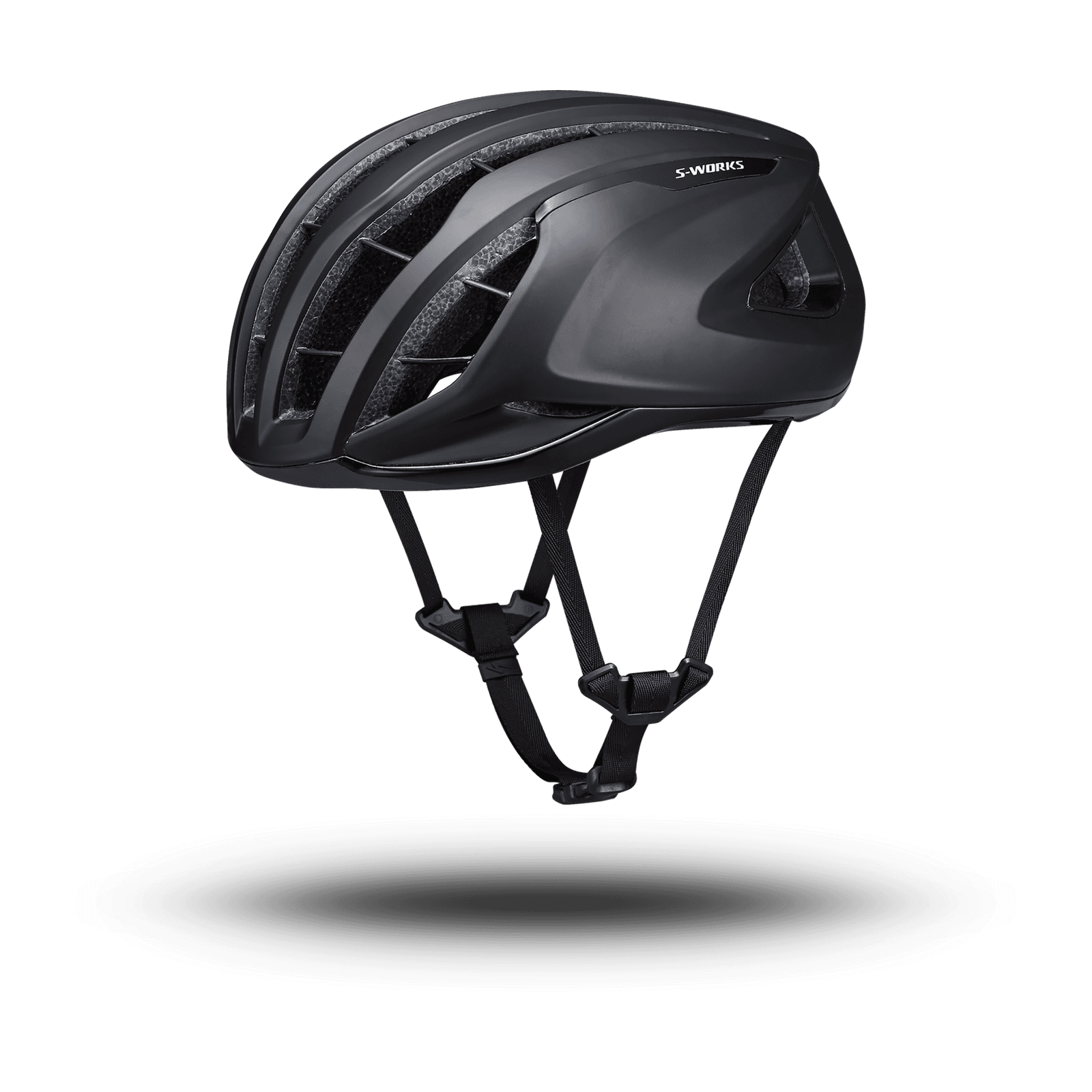
At the top of this list, the POC Ventral Tempus MIPS at rank one ($300) takes a different design philosophy — a covered shell that seals out wind and rain while still exhausting heat through eight rear vents, making it the pick for riders who ride through foul weather rather than chase maximum ventilation. The Specialized S-Works Prevail 3 at rank two ($275) is the closest direct rival on pure ventilation terms — Specialized removed its center foam bridges to create true through-air channels and also earned a 5-star Virginia Tech rating, at $75 less than the Aries but roughly 30 grams heavier. Riders choosing among these three are weighing foul-weather versatility (Ventral Tempus), maximum airflow at a lower price (Prevail 3), and the single highest independent safety score paired with the lightest weight (Aries Spherical).
The Gavler verdict
A 9.3, reflecting Giro's success in combining a verified top Virginia Tech safety score, class-leading ventilation, and the lightest Spherical construction the company has built — with the premium price as the recurring, honest caveat across every review. The Aries doesn't win by being the cheapest or the most weather-versatile helmet on this list; it wins by being the most complete flagship execution of Giro's core safety technology. Buy it if you want the best protection-to-ventilation-to-weight balance Giro makes and can stomach the $350 price. If value matters more than the last increment of performance, the Giro Syntax MIPS delivers the same core MIPS protection for a fraction of the cost.
Common Questions
If you want the best-protecting road helmet Giro makes and independent lab testing to back that up, yes. It ranks third on Gavler's Best Cycling Helmets list with a 9.3, and it holds the top score in Virginia Tech's independent helmet ratings — the highest-rated lid Virginia Tech has scored. The honest caveat is price: at $350 it sits at the very top of the market, and the gains over Giro's mid-tier helmets are incremental rather than transformative.
Buy the Ventral Tempus if you ride year-round and want a covered shell that shrugs off wind and rain while still venting heat through its rear exhaust ports. Buy the Aries Spherical if you want the single best-ventilated, best-protected, lightest option for dry-weather riding and value a top Virginia Tech safety score above all else. Both are excellent; the choice comes down to whether foul-weather protection or maximum ventilation and lab-tested safety matters more to your riding.
Roughly 270 grams in a size medium. Giro claims it as the lightest MIPS Spherical helmet the company has built — a meaningful reduction from the outgoing Aether despite adding more comprehensive protection through dual-density Nanobead EPS foam.
It depends on what you're optimizing for. The Aries is Giro's flagship, and the gains over mid-tier options are real but incremental — better ventilation, a lighter shell, and the marginal safety benefit of the newer Spherical construction over a traditional slip-plane MIPS liner. Riders on a budget who still want certified MIPS rotational protection should look at the Giro Syntax MIPS, which delivers the core safety technology at a fraction of the price.
Where to Buy.
Prices checked regularly
90-day price history
Price History
Lowest price in 90 days90-Day Low
$260
90-Day High
$350
Current
$260
Tracked daily across retailers. Vote Want it above and we’ll alert you the moment the price drops.
Some links are affiliate links — Gavler may earn a commission. This never affects rankings or scores. Learn more.
Precision Engineering
Spherical MIPS
Ball-and-socket dual-shell design rotates independently on impact — rotational protection without an internal MIPS cage.
24 Wind-Tunnel Vents
The AURA reinforcing arch allows large vents without losing strength; deep channels move air even at climbing speeds.
Lightest Spherical Yet
~270g in size M — Giro's claim for the lightest MIPS Spherical helmet it has made, with a top Virginia Tech safety score.
Technical Specifications
The Scoreboard
Top score in Virginia Tech's independent helmet ratings; ventilation and low weight receive consistent praise. The premium price is the recurring caveat.
Cast Your Vote
Do you think Giro Aries Spherical deserves the #3 spot in Best Cycling Helmets?
Global Critique
“The best-performing helmet Virginia Tech has tested — top marks for managing both rotational and linear impacts.”
“Giro claims the new Aries is the lightest MIPS Spherical helmet it has ever made — and the numbers back it up.”
“Unmatched airflow: the AURA reinforcement arch lets Giro run 24 large wind-tunnel vents without compromising the shell.”
More from Best Cycling Helmets.
See how other top picks compare in this category.
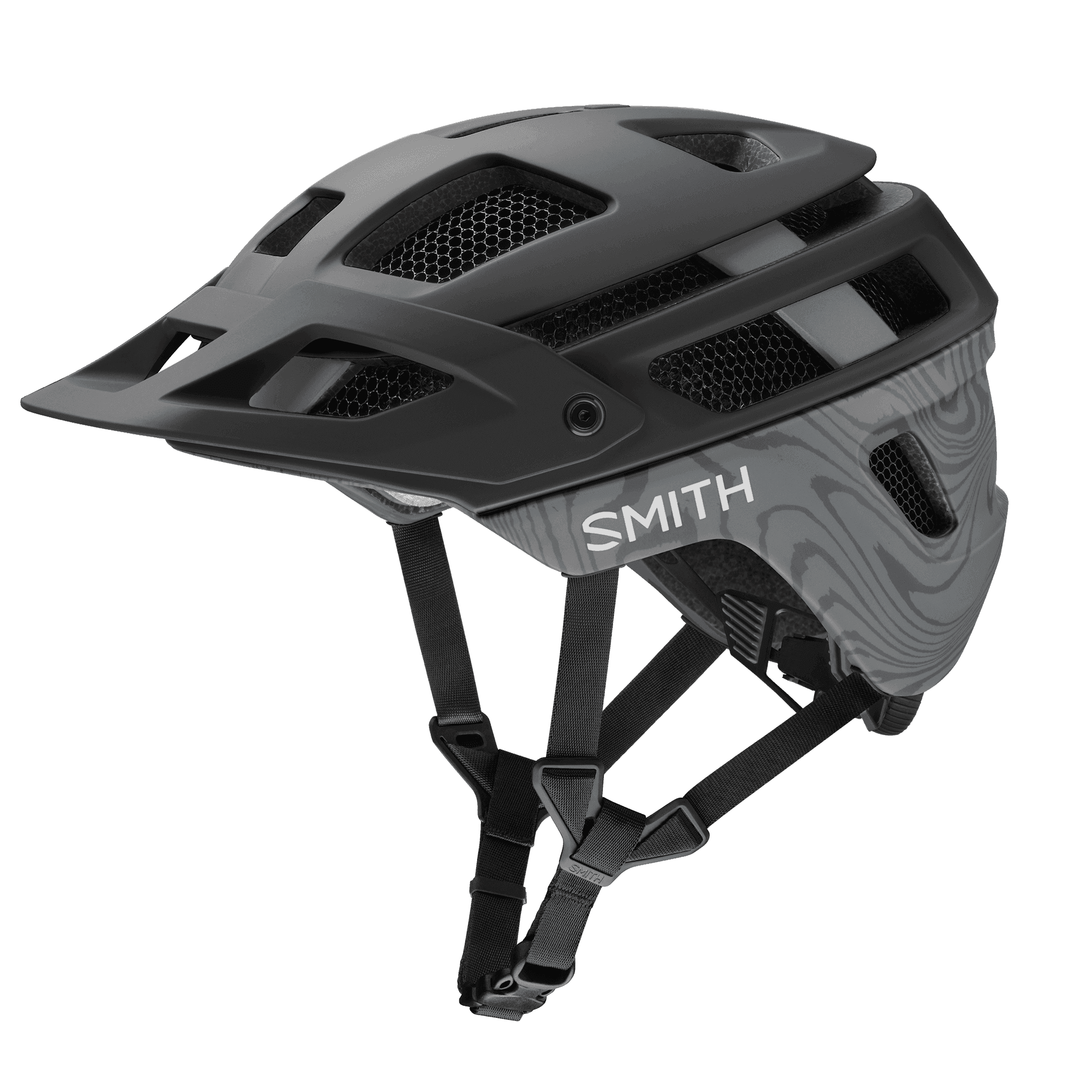

Open Road, Covered Weather, or a Trail Visor?
Vent-count hangtags are the wrong first question. Open-road airflow, a covered weather shell, or a trail visor is the lid. Then shop Gavler's live ranking.
The Best Cycling Helmets in 2026, Ranked by the Riders Who Actually Wear Them Every Day
POC, Specialized, Giro, Smith, Kask. Road and mountain helmets ranked by ventilation, fit, and real safety-test data — by riders, not press releases.