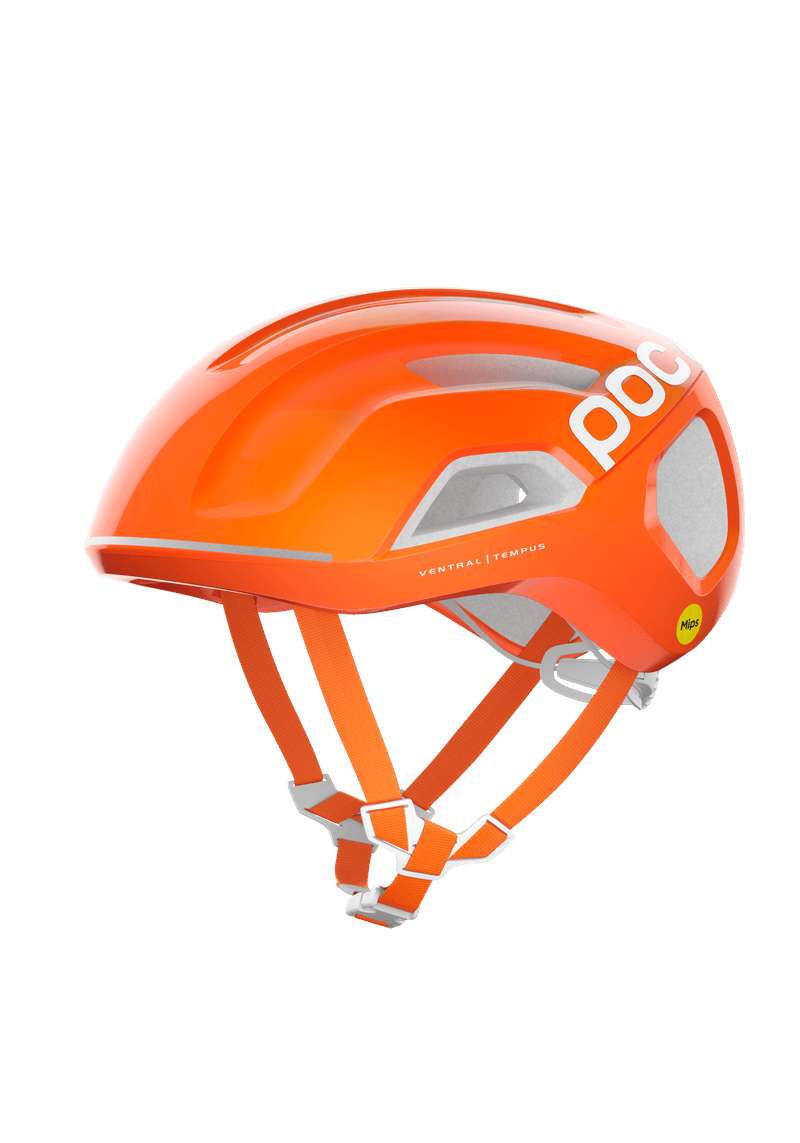
POC Ventral Tempus MIPS.
An all-weather road helmet built on POC's race-proven Ventral shell — a sealed top and front for wind and rain protection, rear exhaust venting, MIPS rotational protection, and a recyclable EPS liner.
The Verdict.
Gavler Meta-Score
“The Ventral Tempus is the helmet for riders who don't stop when the weather turns. The covered shell keeps wind and rain at bay while the rear exhaust vents prevent the sauna effect that ruins lesser winter lids, and POC's safety pedigree is never in question. Just know what you're buying: this is a foul-weather and shoulder-season specialist, not your hottest-day climbing helmet — for that, POC sells the vented Ventral Air.”
The Gavler Verdict
The Gavler Review.
POC Ventral Tempus MIPS Review: The Helmet for Riders Who Don't Stop When It Rains
The POC Ventral Tempus MIPS sits at number one on our Best Cycling Helmets list with a 9.6, and it earns that ranking by solving a problem most road helmets ignore: what happens to your ride when the weather turns. Buy it if you don't stop riding when it's windy, wet, or cold — the sealed shell and rear exhaust venting are the best-executed combination of weather protection and heat management in this category. Know what you're buying, though: this is a foul-weather and shoulder-season specialist, not your hottest-day climbing helmet. For that, POC sells the vented Ventral Air, and on this list, the Specialized S-Works Prevail 3 is the ventilation champion.
What it actually is
The Ventral Tempus takes the same race-proven shell shape as the vented Ventral Air and bonds a smooth, fully covered top and front section over the vents, trading warm-weather airflow for genuine protection against wind and rain. The result is the helmet POC riders reach for when the forecast turns — comfortable, compact, and noticeably less bulky than older POC helmets, with high-visibility finishes that help riders be seen in low light.
Ventilation isn't gone, just retargeted. Eight exhaust vents clustered at the rear pull hot air out, while three large front intakes under the brim keep air moving across the head before it exits at the back. A 22-degree aero trailing edge smooths airflow at speed, and the lightly dimpled shell behaves better in the wind than a conventionally vented helmet. Underneath, the Tempus carries POC's core safety credentials: a MIPS rotational-protection layer, a dense EPS liner, and certification to CPSC, CE, and AS/NZS standards. A 360-degree retention system dials in fit across a wide range of head shapes, and POC's recyclable EPS liner addresses the environmental cost of helmet replacement. Weight is around 260 grams in a size medium, and it retails for $300.
In use
Cyclingnews' Spin review captured the core design logic precisely: "It takes the same platform as the race-tested Ventral Air and adds a fully covered shell to make a lightweight helmet with solid weather protection — on the road it's comfortable and unobtrusive." That's the key detail — this isn't a bulky winter helmet bolted onto a summer shape. It's the same proven Ventral platform with the venting philosophy reversed.
Yahoo Lifestyle's review framed the practical benefit in a single line: "A helmet for riding in the rain, and being seen — the sealed shell shrugs off wind and water without cooking your head, thanks to the rear exhaust venting." That "without cooking your head" qualifier matters — a lot of sealed helmets solve the wind-and-rain problem by creating a new heat-trapping problem, and the Tempus's rear-exhaust design is specifically engineered to avoid that. On the safety side, OutdoorGearLab's impact testing on the related Ventral Air MIPS found "POC's impact protection is reliably among the best we test, and the MIPS system adds rotational defense without hot spots or pressure points" — protection credentials that carry over to the Tempus given the shared platform and MIPS integration.
Where it shines
- A sealed shell that doesn't sacrifice all ventilation. Eight rear exhaust vents and three front intakes keep air moving even with the top and front sealed against wind and rain — a genuinely well-balanced solution rather than an all-or-nothing trade-off.
- Reliable, tested impact protection. POC's reputation for class-leading safety testing carries through here, with a MIPS rotational-protection layer that reviewers consistently rate among the best in class.
- The recyclable EPS liner. A standout, genuinely differentiated detail among premium helmets — POC directly addresses the environmental cost of the replace-after-any-impact helmet lifecycle.
The trade-offs — who should skip it
This is the best all-weather road helmet on the list, not a year-round do-everything helmet, and the honest reasons to buy something else are specific:
- You mostly ride in hot weather. The sealed shell runs warmer than a fully vented helmet on hot summer climbs — that's a deliberate design trade-off, not a flaw, but it means this isn't the right primary helmet for a rider based somewhere with long, hot summers and few genuinely foul-weather days.
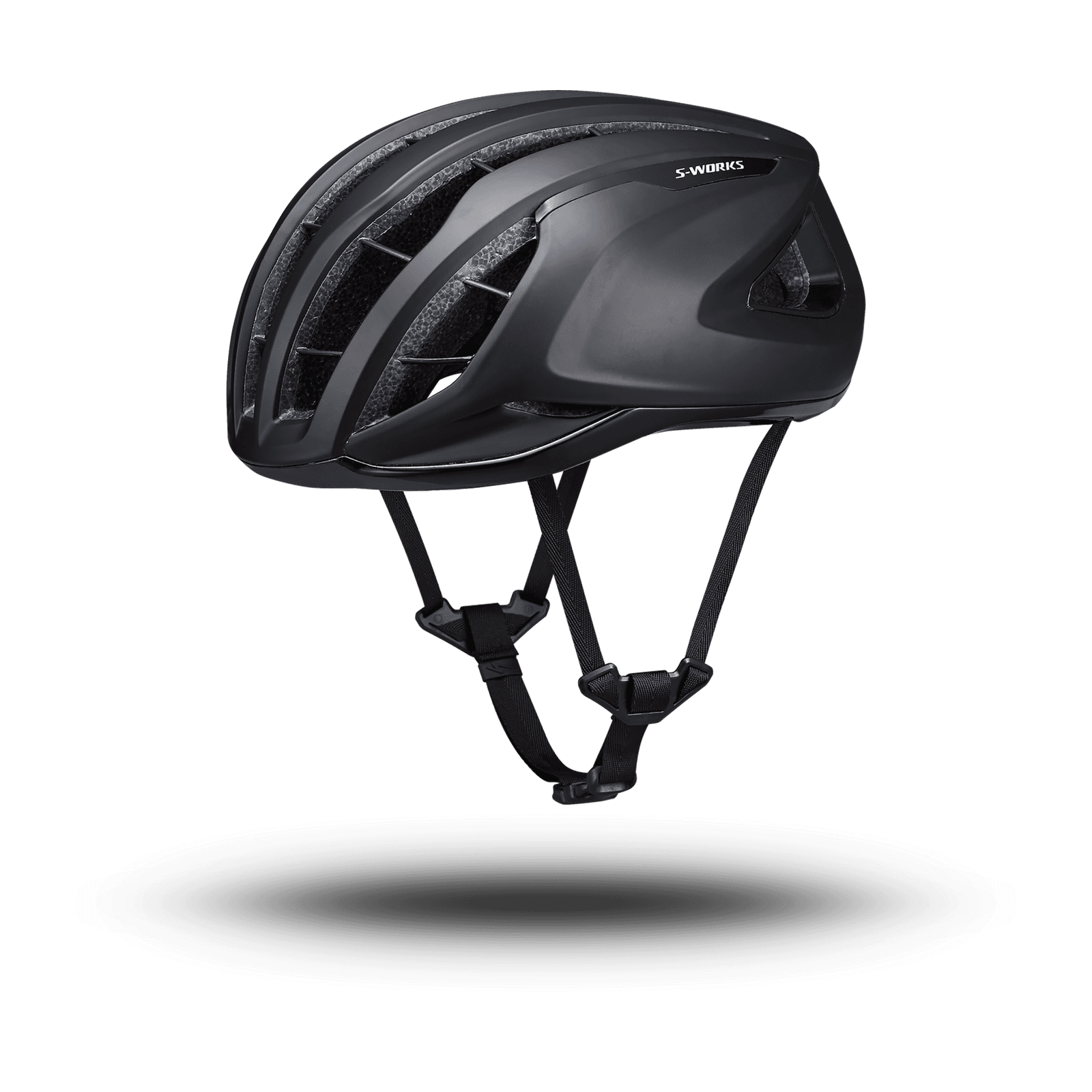
- You want the single airiest helmet available. The Specialized S-Works Prevail 3 at rank two on this list is purpose-built for maximum ventilation, with 25 vents and true through-air channels that outperform the Tempus in pure hot-weather cooling.
- You want one helmet for every season. POC's own product line acknowledges this helmet is a specialist — the company sells the vented Ventral Air specifically for riders who want the same platform tuned for heat instead of weather protection.
How it compares
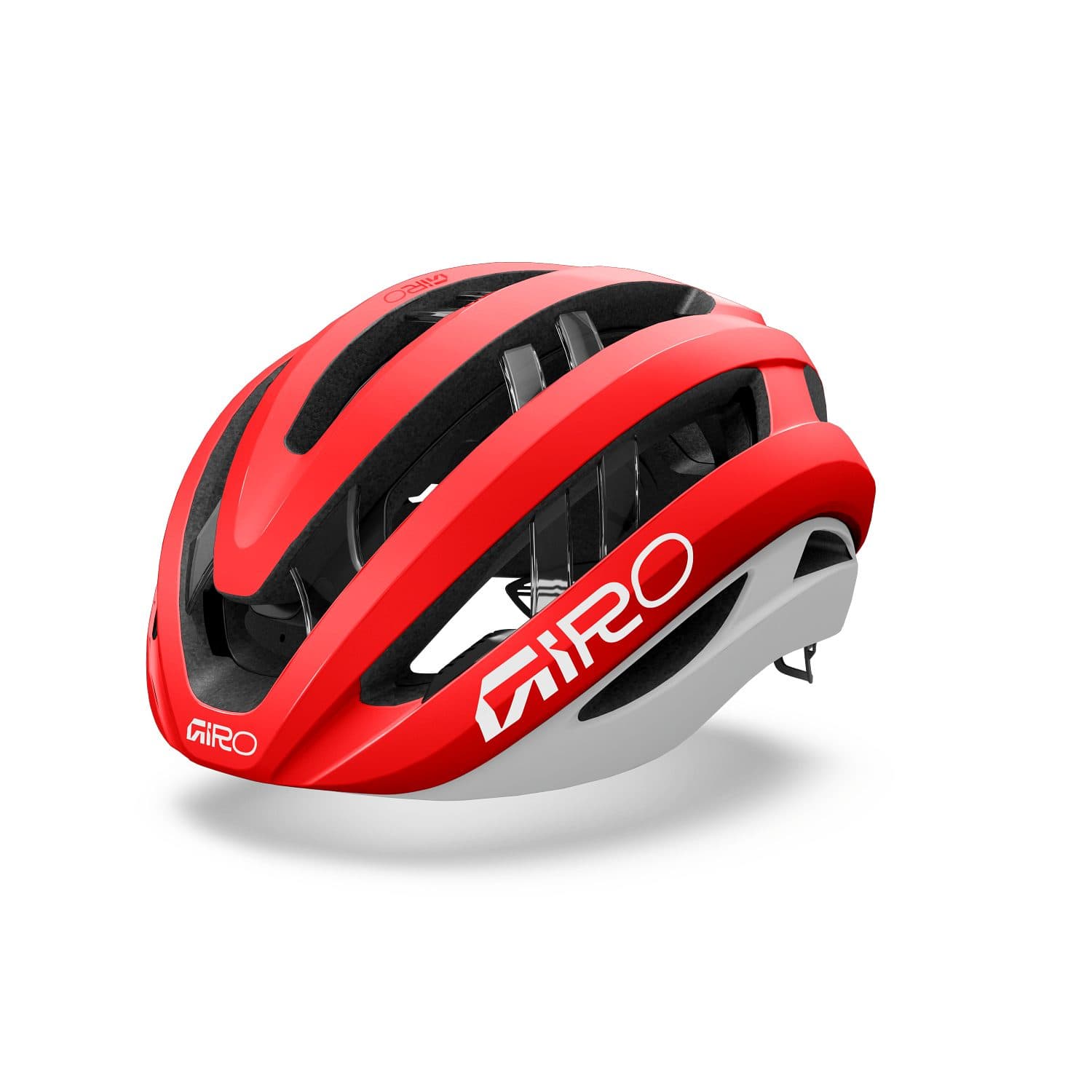
The direct rival on this list is the Specialized S-Works Prevail 3 at rank two, and the two helmets solve opposite problems on largely comparable safety credentials. The Prevail 3 removes foam bridges to create genuine through-air channels and earns a 5-star Virginia Tech safety rating, making it the ventilation leader in the category — but it offers no meaningful weather sealing. The Giro Aries Spherical at rank three ($350) splits the difference with 24 wind-tunnel vents and Giro's Spherical Technology, prioritizing outright protection score alongside strong ventilation, without the Tempus's dedicated weather sealing.
The Gavler verdict
A 9.6, reflecting strong consensus that the Ventral Tempus is the best-executed all-weather road helmet available — a sealed shell that manages heat well enough to avoid the sauna effect that ruins lesser winter and foul-weather lids. Buy it if you ride through wind, rain, and cold and want a helmet that doesn't ask you to compromise on POC's safety pedigree to get there. If your riding skews toward hot-weather climbing instead, the S-Works Prevail 3 below it on this list is the more honest fit — and plenty of serious riders in variable climates end up owning both.
Common Questions
For riders who ride through wind, rain, and shoulder-season cold, yes. It ranks first on Gavler's Best Cycling Helmets list with a 9.6, built on the race-proven Ventral shell with a sealed top and front section for weather protection and eight rear exhaust vents to prevent overheating. At $300, the honest caveat is that it runs warmer than a fully vented race helmet on hot summer climbs — by design — so it's best paired with a separate vented helmet like the Ventral Air for peak summer heat.
Buy the Ventral Tempus if your riding regularly happens in wind, rain, or cold — its sealed shell and rear exhaust venting are unmatched for foul-weather comfort. Buy the S-Works Prevail 3 if hot-weather ventilation is your top priority; its 25 vents and open through-air channels make it the airiest helmet on this list, at the cost of weather protection. Many serious riders in variable climates end up owning both and choosing by forecast.
Yes, relative to a fully vented race helmet — that's the honest trade-off reviewers consistently flag. The sealed top and front section that block wind and rain also reduce airflow compared to an open-vent design. POC addresses this with eight rear exhaust vents and three front intakes to keep some air moving, but on hot summer climbs it runs warmer than the vented Ventral Air, which is exactly why POC sells both versions of the same platform.
Yes, this is precisely the helmet's strongest use case. The sealed shell blocks wind and rain that would otherwise chill the head on cold-weather rides, while the rear exhaust venting prevents the sauna effect that ruins lesser winter helmets by trapping heat and moisture. Reviewers specifically recommend it for wet and cold-weather riding rather than as a general year-round helmet.
Where to Buy.
Prices checked regularly
90-day price history
Price History
Steady at $300 for the entire 90-day tracking window — no increases, no discounts, across 91 tracked days.
Tracked daily across retailers. Vote Want itabove and we’ll alert you the moment the price drops.
Some links are affiliate links — Gavler may earn a commission. This never affects rankings or scores. Learn more.
Precision Engineering
MIPS Rotational Protection
POC's MIPS layer redirects rotational energy in an angled impact without the hot spots of older liner designs.
All-Weather Covered Shell
Smooth bonded shell seals the top and front vents against wind and rain, with eight rear exhaust vents to shed heat on climbs.
Recyclable EPS Liner
POC's recyclable liner addresses the environmental impact of helmet replacement cycles — a standout among premium lids.
Technical Specifications
The Scoreboard
Weather protection, fit, and POC's safety pedigree earn top marks. Reviewers note it runs warmer than fully vented race helmets — by design — so it pairs best with a separate summer lid for hot-weather climbing.
Cast Your Vote
Do you think POC Ventral Tempus MIPS deserves the #1 spot in Best Cycling Helmets?
Global Critique
“It takes the same platform as the race-tested Ventral Air and adds a fully covered shell to make a lightweight helmet with solid weather protection — on the road it's comfortable and unobtrusive.”
“A helmet for riding in the rain, and being seen — the sealed shell shrugs off wind and water without cooking your head, thanks to the rear exhaust venting.”
“POC's impact protection is reliably among the best we test, and the MIPS system adds rotational defense without hot spots or pressure points.”
More from Best Cycling Helmets.
See how other top picks compare in this category.
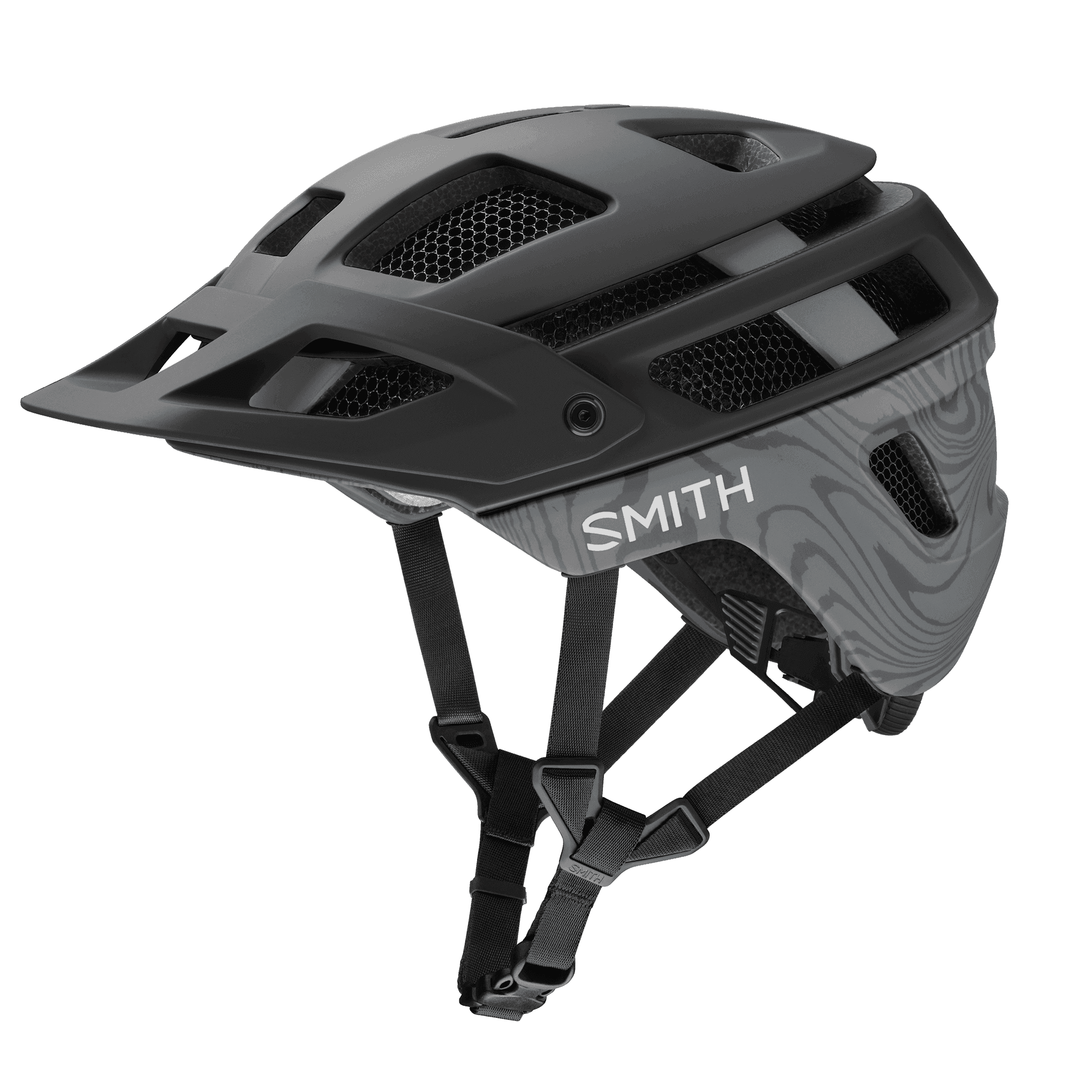

Open Road, Covered Weather, or a Trail Visor?
Vent-count hangtags are the wrong first question. Open-road airflow, a covered weather shell, or a trail visor is the lid. Then shop Gavler's live ranking.
The Best Cycling Helmets in 2026, Ranked by the Riders Who Actually Wear Them Every Day
POC, Specialized, Giro, Smith, Kask. Road and mountain helmets ranked by ventilation, fit, and real safety-test data — by riders, not press releases.