Kask Protone Icon.
Polycarbonate in-mold shell wraps around the back with Octo Fit micro-adjustment in both vertical and circumferential axes.

The Verdict.
Gavler Meta-Score
“The Protone Icon's Tour de France heritage is earned through thousands of professional race hours, not marketing. The Octo Fit system provides the most customizable fit available, and the wrap-around polycarbonate shell adds protection where competitors cut corners. It's the helmet that professionals choose when they can ride anything — and that endorsement speaks volumes.”
The Gavler Verdict
The Gavler Review.
Kask Protone Icon Review: Tour de France Pedigree, Earned Not Bought
The Kask Protone Icon ranks number 5 on Gavler's Best Cycling Helmets list with a 9.1. It's the helmet worn by more Tour de France podium finishers than any other in the last decade, and Cycling Weekly's review backs up the reputation with specifics: "Still one of the most reliable helmets out there — the Octofit+ harness offers nearly infinite adjustability, anchoring the helmet with a neck stabiliser that cradles the lower skull." The one detail buyers should know going in: Kask uses its own WG11 rotational-impact testing rather than a MIPS liner, a deliberate design choice that some riders will want to weigh against category convention.
What it is
The Protone Icon is built around Kask's polycarbonate in-mold shell, which wraps around the rear of the helmet for structural reinforcement in an area many competitors leave exposed with a simple EPS edge. That wrap-around construction improves impact protection at the back of the head while preserving the clean, seamless silhouette that made the original Protone one of the most recognizable helmet shapes in the professional peloton.
The standout functional feature is Kask's Octo Fit retention system — the most adjustable fit mechanism available in a road helmet. Where most retention systems only tighten or loosen around the circumference, Octo Fit adjusts in both vertical and circumferential axes, letting riders fine-tune exactly how the helmet sits on their specific head shape. That two-axis adjustment is a real advantage for riders who've struggled to find a comfortable, secure fit in other premium helmets. Ventilation is managed through 20 vents and Coolmax padding, refined through wind tunnel testing at Kask's facility in Chiusaforte, Italy, where the helmet is also manufactured — a detail that shows up in consistent finish quality and fit precision across sizes.
In use
BikeRadar's review found the Protone Icon delivers on comfort across conditions: "A great fit and a comfortable option for all weathers; 20 vents and Coolmax padding keep airflow optimized, making it noticeably cooler than some premium rivals." That's a meaningful claim in a helmet category where aerodynamic shells often trade cooling for slipperiness — Kask's ventilation channeling appears to manage that trade-off better than most.
Rouleur's review of the Icon update framed the helmet's evolution precisely: "The same but better — Kask kept the Protone's pro-peloton silhouette and added WG11 rotational-impact testing in place of a traditional MIPS liner." That's the detail that separates the Protone Icon from most of its competitors on this list — rather than adding a MIPS liner as most brands have done, Kask developed and certifies its own rotational-impact protocol. Gavler's scoring notes are direct about the trade-offs riders should weigh: professional pedigree, all-weather comfort, and the Octofit+ retention system are consistently praised, but warm-running riders note the thick front pad can gather sweat on the hottest days, and the absence of a MIPS-branded liner is a real consideration for riders who specifically shop by that certification.
Strengths
- Octo Fit's two-axis adjustment is unmatched in the category. Vertical and circumferential micro-adjustment together let the Protone Icon accommodate head shapes that other premium helmets struggle to fit securely.
- Wrap-around polycarbonate shell adds real protection. Reinforcing the rear of the helmet where many competitors leave EPS exposed is a genuine engineering advantage, not just an aesthetic choice.
- All-weather comfort that BikeRadar rated above premium rivals. The ventilation and Coolmax padding combination performs consistently rather than only in ideal conditions.
- Italian manufacturing and WorldTour pedigree. Made in Chiusaforte with wind-tunnel-refined aerodynamics, backed by more Tour de France podium hours than any competing helmet.
The trade-offs — who should skip it
- No MIPS liner. Kask's WG11 rotational-impact testing is a legitimate alternative standard, but riders who specifically want a MIPS-branded liner for peace of mind should look at a competitor.
- The front pad can gather sweat on the hottest days. This is a minor but real complaint from warm-running riders — worth testing in person if you sweat heavily on climbs.
- $280 is a premium price for a helmet whose core innovation — Octo Fit retention — matters most to riders who've struggled with fit elsewhere. Riders with an average head shape may not need to pay for that level of adjustability.
How it compares
The Bell Super Air R MIPS sits one rank below the Protone Icon at $220 and serves an entirely different use case — a convertible trail helmet with a removable chin bar, built for mountain biking rather than road racing. It's not a direct substitute so much as a reminder that "best helmet" depends heavily on discipline. The Smith Forefront 2 MIPS, ranked just above the Protone Icon on this list, is the more direct road-and-trail comparison: it uses a Koroyd honeycomb liner with MIPS, and Bike Perfect praised its increased airflow and central air channel, though the same review noted 17 of its 20 vents remain obstructed by the Koroyd structure — a trade-off in the opposite direction from the Protone Icon's WG11-over-MIPS choice. Riders picking between the two are really choosing between Kask's Octo Fit adjustability and pro pedigree versus Smith's MIPS-plus-Koroyd protection layering.
The Gavler verdict
A 9.1 that reflects thousands of hours of professional race validation rather than marketing claims. The Octo Fit retention system genuinely solves a fit problem other helmets don't address as well, and the wrap-around shell adds protection where competitors cut corners. The absence of a MIPS liner is a real point of differentiation, not a flaw — Kask backs WG11 with its own rotational-impact certification, and the professionals who wear this helmet for five to six hours a day across the hardest stages in cycling aren't compromising on protection to do it. Buy the Protone Icon if fit precision and proven pedigree matter more to you than a MIPS label. If MIPS certification is a non-negotiable for you, the Smith Forefront 2 MIPS above it on this list is the better fit.
Common Questions
For riders who want a helmet with genuine professional-race pedigree, yes. It ranks fifth on Gavler's Best Cycling Helmets list with a 9.1, and Cycling Weekly called it 'still one of the most reliable helmets out there,' praising the Octofit+ harness for its nearly infinite adjustability. The trade-off is Kask's use of its own WG11 rotational-impact testing rather than a MIPS liner, and warm-running riders noting the thick front pad can gather sweat on the hottest days.
No. Kask uses its own WG11 rotational-impact testing standard instead of a MIPS liner — a deliberate engineering choice, not an oversight, but one that means riders who specifically want a MIPS-branded liner should look elsewhere on this list. Rouleur's review of the Icon update noted Kask 'kept the Protone's pro-peloton silhouette and added WG11 rotational-impact testing in place of a traditional MIPS liner.'
Buy the Protone Icon for its Octo Fit two-axis retention system and proven WorldTour pedigree — it's the helmet more Tour de France podiums have worn than any other in the last decade. Buy the Forefront 2 if you specifically want a MIPS liner and Smith's Koroyd honeycomb structure, though Bike Perfect noted 17 of its 20 vents are still obstructed by the Koroyd layer, which is noticeable on long climbs.
Where to Buy.
Prices checked regularly
90-day price history
Price History
Steady at $280 for the entire 90-day tracking window — no increases, no discounts, across 91 tracked days.
Tracked daily across retailers. Vote Want itabove and we’ll alert you the moment the price drops.
Some links are affiliate links — Gavler may earn a commission. This never affects rankings or scores. Learn more.
Precision Engineering
Octo Fit Retention
Two-axis micro-adjustment in vertical and circumferential planes for the most customizable fit available.
Wrap-Around Shell
Polycarbonate in-mold shell extends around the rear for reinforced protection where many competitors leave EPS exposed.
Italian Manufacture
Made in Chiusaforte, Italy with wind-tunnel-tested aerodynamics and meticulous quality control.
Technical Specifications
The Scoreboard
Professional pedigree, all-weather comfort, and the Octofit+ retention system are consistently praised. Kask uses its own WG11 rotational-impact testing rather than a MIPS liner; warm-running riders note the thick front pad can gather sweat on the hottest days.
Cast Your Vote
Do you think Kask Protone Icon deserves the #5 spot in Best Cycling Helmets?
Global Critique
“Still one of the most reliable helmets out there — the Octofit+ harness offers nearly infinite adjustability, anchoring the helmet with a neck stabiliser that cradles the lower skull.”
“A great fit and a comfortable option for all weathers; 20 vents and Coolmax padding keep airflow optimized, making it noticeably cooler than some premium rivals.”
“The same but better — Kask kept the Protone's pro-peloton silhouette and added WG11 rotational-impact testing in place of a traditional MIPS liner.”
More from Best Cycling Helmets.
See how other top picks compare in this category.
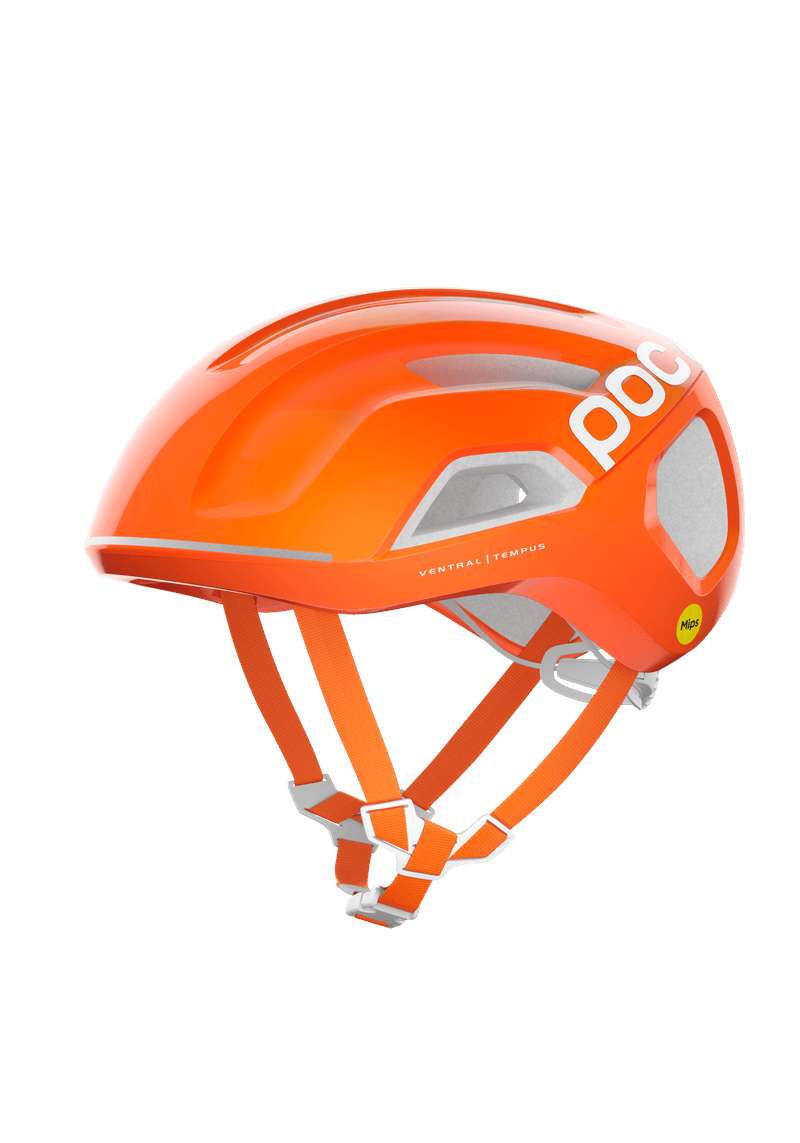
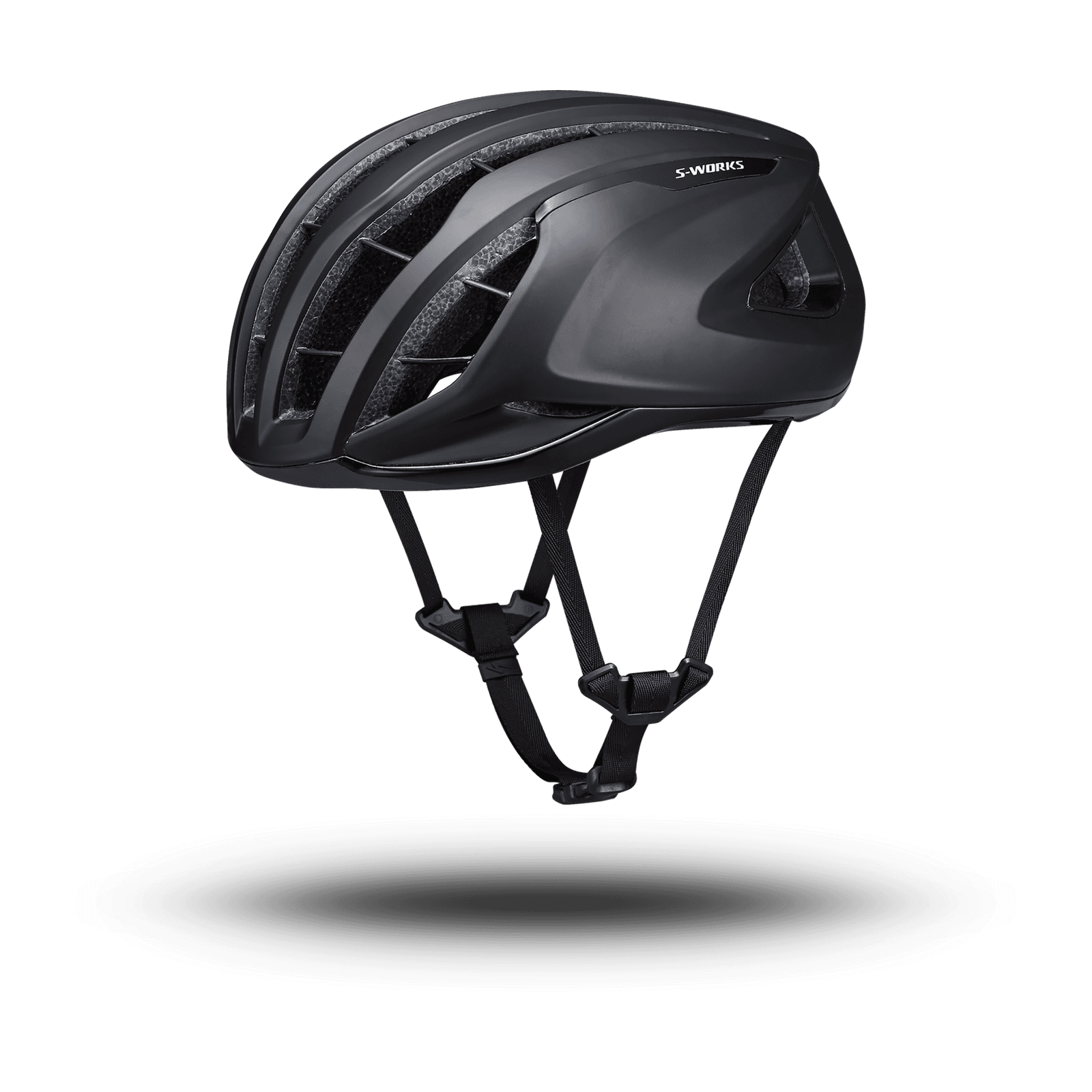
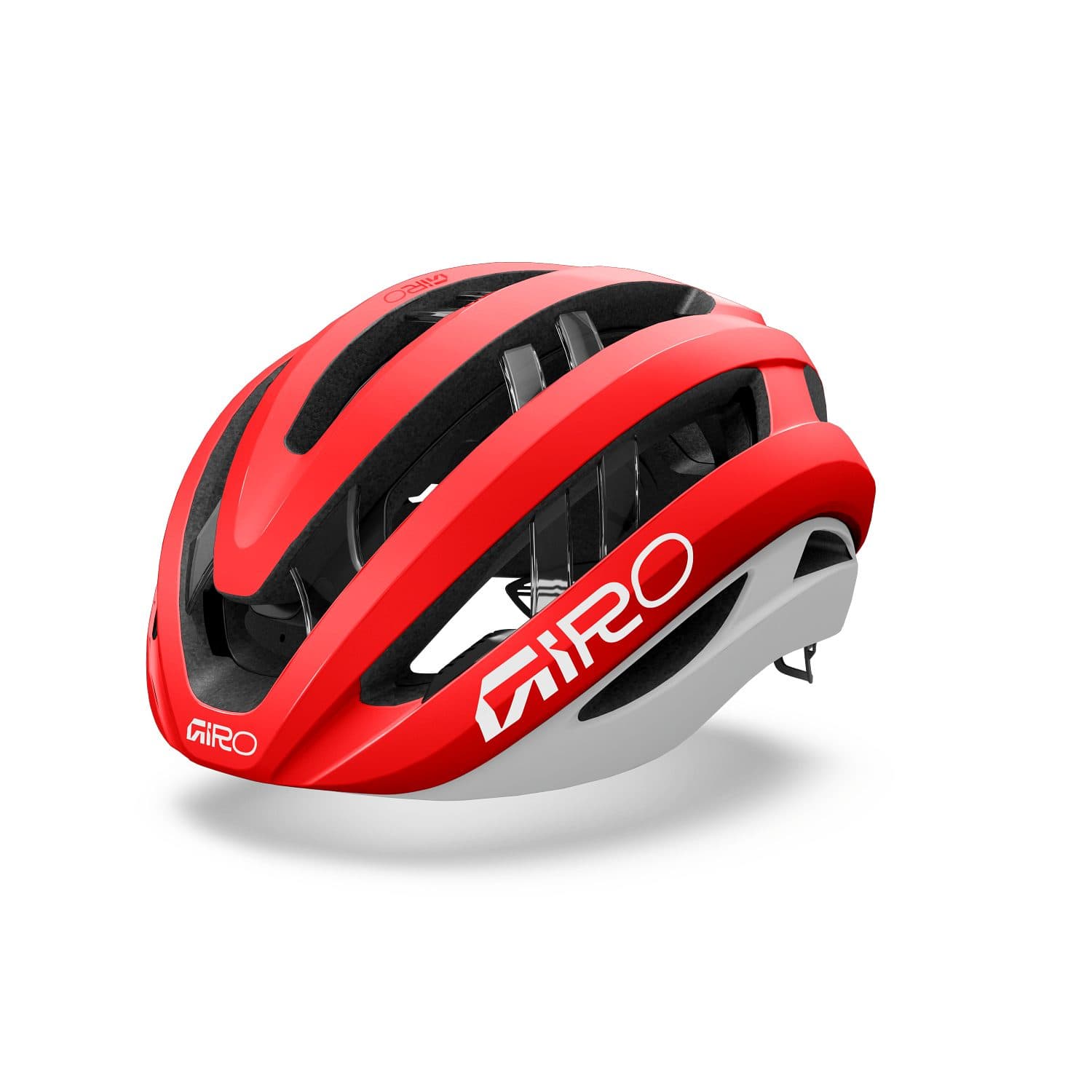
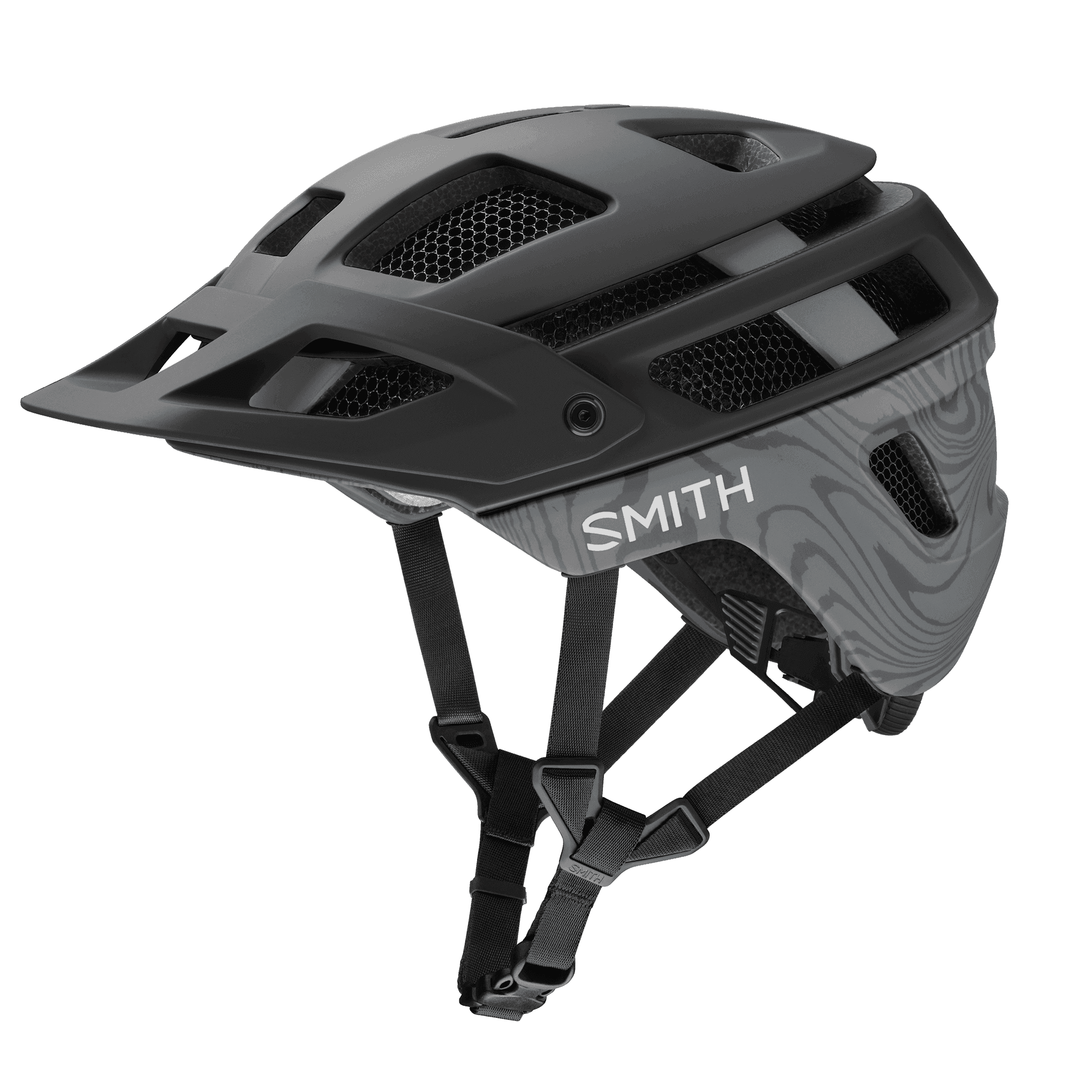
Open Road, Covered Weather, or a Trail Visor?
Vent-count hangtags are the wrong first question. Open-road airflow, a covered weather shell, or a trail visor is the lid. Then shop Gavler's live ranking.
The Best Cycling Helmets in 2026, Ranked by the Riders Who Actually Wear Them Every Day
POC, Specialized, Giro, Smith, Kask. Road and mountain helmets ranked by ventilation, fit, and real safety-test data — by riders, not press releases.