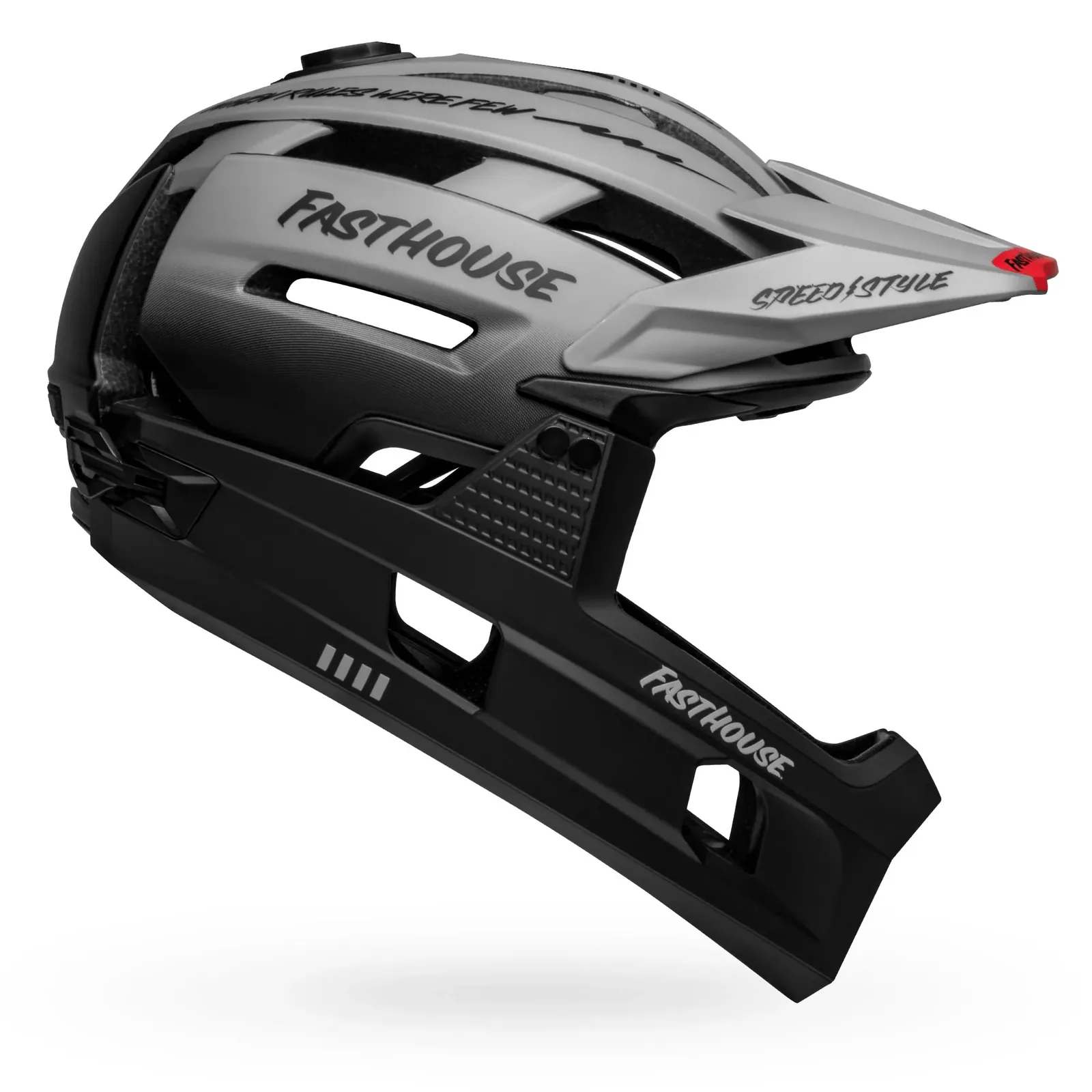
Bell Super Air R MIPS.
Removable chin bar snaps off for climbs and back on for descents, bridging XC and trail riding without carrying full-face weight.
The Verdict.
Gavler Meta-Score
“The Super Air R is the convertible trail lid for riders who climb to their descents. The chin bar adds coverage and breathes well enough that you can leave it on for fire-road climbs, and the spherical MIPS protection is comprehensive. Just know what it isn't: unlike Bell's Super DH, it's not certified to downhill standards, so it's a trail helmet with extra cover — not a bike-park full-face.”
The Gavler Verdict
The Gavler Review.
Bell Super Air R MIPS Review: The Convertible Lid for Riders Who Climb to Descend
The Bell Super Air R MIPS ranks number 6 on Gavler's Best Cycling Helmets list with a 9.0. It solves a problem mountain bikers have lived with for years — choosing between a light open-face helmet for climbing and a heavy full-face for descending — by making the chin bar removable. BikeRadar's testing found it light enough to leave the chin bar on for fire-road climbs: "Weighing just 679g in a size Medium and being so easy to breathe in that I often wouldn't bother removing the chin-bar for climbs." The trade-off matters just as much as the praise: this is a trail helmet with extra coverage, not a certified downhill helmet, and off-road.cc was direct that "it's not suited to bike park use."
What it is
The Super Air R's defining feature is a chin bar that snaps securely into place for descents and detaches in seconds for climbs, where full-face helmets typically cause overheating and restricted breathing. It's not a cosmetic accessory — the chin bar adds real face and jaw coverage when attached — but it's also not a substitute for a dedicated downhill helmet. Unlike Bell's gravity-focused Super DH, the Super Air R is certified to CPSC and CE EN 1078 standards rather than ASTM downhill, which is a meaningful distinction: it isn't legal for some bike-park and race environments, and testers have noted the chin bar's fit around the jaw varies by face shape.
Protection comes from a spherical MIPS layer sandwiched between two EPS liners of different densities, designed to isolate the head from rotational forces and manage both low- and high-speed impacts across both open-face and full-face configurations. Ventilation uses Bell's Float Fit technology with an adjustable visor — 18 vents in open-face mode, plus 8 chin-bar vents and 4 brow ports when the chin bar is attached. The Overbrow Ventilation system pulls cool air in through the brow, targeting the most heat-sensitive area of the head, and a magnetic Fidlock buckle allows one-handed closure without fumbling.
In use
The chin bar's breathability is the feature reviewers keep coming back to, because it's what makes the convertible concept actually work rather than just sound good on paper. BikeRadar's assessment that testers "often wouldn't bother removing the chin-bar for climbs" is the strongest possible endorsement of the ventilation engineering — a chin bar that doesn't get removed for climbs is a chin bar that's doing its job without the usual overheating penalty full-face helmets impose.
But off-road.cc's review draws a hard line that any prospective buyer needs to internalize: "It carries CPSC and CE EN 1078 certification, but the thin chin bar doesn't comply with ASTM downhill standards — so it's not suited to bike park use." That's not a minor footnote — it's the single most important fact about this helmet's limits. The Super Air R is engineered and certified as a trail helmet with an add-on face guard, not as gravity protection. Riders who spend meaningful time at lift-served bike parks or racing enduro at speed need a dedicated full-face, and no amount of chin-bar coverage changes that certification gap.
OutdoorGearLab's take positions the helmet accurately within its intended niche: "A pedal-friendly convertible that's light enough to wear all day, with the added safety of an attachable chin bar when the trails turn rowdy." That's the honest use case — all-day trail riding where the terrain occasionally gets rowdier than expected, not dedicated gravity riding where a full-face is mandatory from the first descent.
Strengths
- Genuinely breathable in full-face mode. BikeRadar's testers left the chin bar on for climbs — the clearest sign the convertible concept actually works rather than being a compromise nobody uses.
- Comprehensive spherical MIPS protection. The dual-density EPS and spherical MIPS layer manage rotational impacts in both open- and full-face configurations, not just one.
- Genuine versatility for mixed trail riding. One helmet covering both climbing comfort and added descending coverage removes the need to own and swap between two separate lids.
- Overbrow Ventilation targets heat where it matters most, and the magnetic Fidlock buckle is a small but appreciated convenience detail.
The trade-offs — who should skip it
- Not certified for downhill or bike-park use. Off-road.cc's review is explicit that the CPSC/CE EN 1078 certification doesn't meet ASTM downhill standards — riders focused on gravity racing need Bell's Super DH or another dedicated full-face instead.
- Chin bar fit varies by face shape. Gavler's scoring notes flag this directly — try it on before committing if possible, since the coverage and comfort aren't universal.
- At 679 grams in full-face mode, it's heavier than a pure open-face trail helmet — a fair trade for the added coverage, but worth knowing if minimal weight is the priority.
How it compares
The Kask Protone Icon sits one rank above the Super Air R on this list, though it serves an entirely different discipline — a road racing helmet with Octo Fit two-axis retention and WorldTour pedigree rather than a mountain bike helmet. It's less a head-to-head comparison and more a reminder that "best helmet" depends on what you're riding. The Troy Lee Designs A3 MIPS, ranked one spot below the Super Air R, is the more direct mountain bike comparison — an enduro-racing-derived helmet with co-molded EPP/EPS construction and MIPS, built for riders who want maximum trail coverage without the convertible chin bar's added complexity and weight. Riders choosing between the Super Air R and the A3 are deciding whether the flexibility of a removable chin bar is worth the extra grams and moving parts.
The Gavler verdict
A 9.0 that reflects a genuinely clever solution to a real problem, executed well enough that testers stopped thinking of the chin bar as optional gear and started leaving it on. The Super Air R earns its spot by being honest about its limits rather than overselling them — Bell built a trail helmet with excellent convertible engineering, not a bike-park full-face wearing a marketing costume. Buy it if you climb to your descents and want flexible coverage without carrying two helmets. If bike-park laps or gravity racing are the plan, spend the money on a dedicated full-face instead.
Common Questions
For trail riders who climb to their descents and want one helmet instead of two, yes. It ranks sixth on Gavler's Best Cycling Helmets list with a 9.0. BikeRadar noted it weighs 'just 679g in a size Medium' and is 'so easy to breathe in that I often wouldn't bother removing the chin-bar for climbs.' The key caveat: it carries CPSC and CE EN 1078 certification, not ASTM downhill certification, so it isn't a substitute for a dedicated full-face at the bike park.
Not as a primary bike-park helmet. Off-road.cc's review is explicit: 'It carries CPSC and CE EN 1078 certification, but the thin chin bar doesn't comply with ASTM downhill standards — so it's not suited to bike park use.' Riders focused on gravity racing or lift-served bike parks should choose a dedicated full-face like Bell's own Super DH instead.
These serve different disciplines rather than competing directly — the Super Air R is a mountain bike helmet with a removable chin bar, while the Protone Icon is a road racing helmet. Buy the Super Air R if you ride trail or all-mountain terrain and want the option of extra face coverage on descents. Buy the Protone Icon if you're road riding and want Kask's Octo Fit retention and WorldTour pedigree instead.
Where to Buy.
Prices checked regularly
90-day price history
Price History
Steady at $220 for the entire 90-day tracking window — no increases, no discounts, across 91 tracked days.
Tracked daily across retailers. Vote Want itabove and we’ll alert you the moment the price drops.
Some links are affiliate links — Gavler may earn a commission. This never affects rankings or scores. Learn more.
Precision Engineering
Removable Chin Bar
Light, breathable chin guard snaps on for descents and off for climbs in seconds without removing the helmet (CPSC/CE EN 1078, not DH-certified).
Spherical MIPS
A spherical MIPS layer between two different-density EPS liners manages rotational impacts in both open-face and full-face modes.
Overbrow Ventilation
Directed airflow across the brow area manages heat at the most temperature-sensitive zone of the head.
Technical Specifications
The Scoreboard
Convertible design earns praise for all-day trail practicality. Note it carries CPSC/CE EN 1078 rather than ASTM downhill certification, and some testers find the chin-bar fit varies by face shape — riders focused on bike-park or gravity racing should choose a dedicated full-face.
Cast Your Vote
Do you think Bell Super Air R MIPS deserves the #6 spot in Best Cycling Helmets?
Global Critique
“Weighing just 679g in a size Medium and being so easy to breathe in that I often wouldn't bother removing the chin-bar for climbs.”
“It carries CPSC and CE EN 1078 certification, but the thin chin bar doesn't comply with ASTM downhill standards — so it's not suited to bike park use.”
“A pedal-friendly convertible that's light enough to wear all day, with the added safety of an attachable chin bar when the trails turn rowdy.”
More from Best Cycling Helmets.
See how other top picks compare in this category.
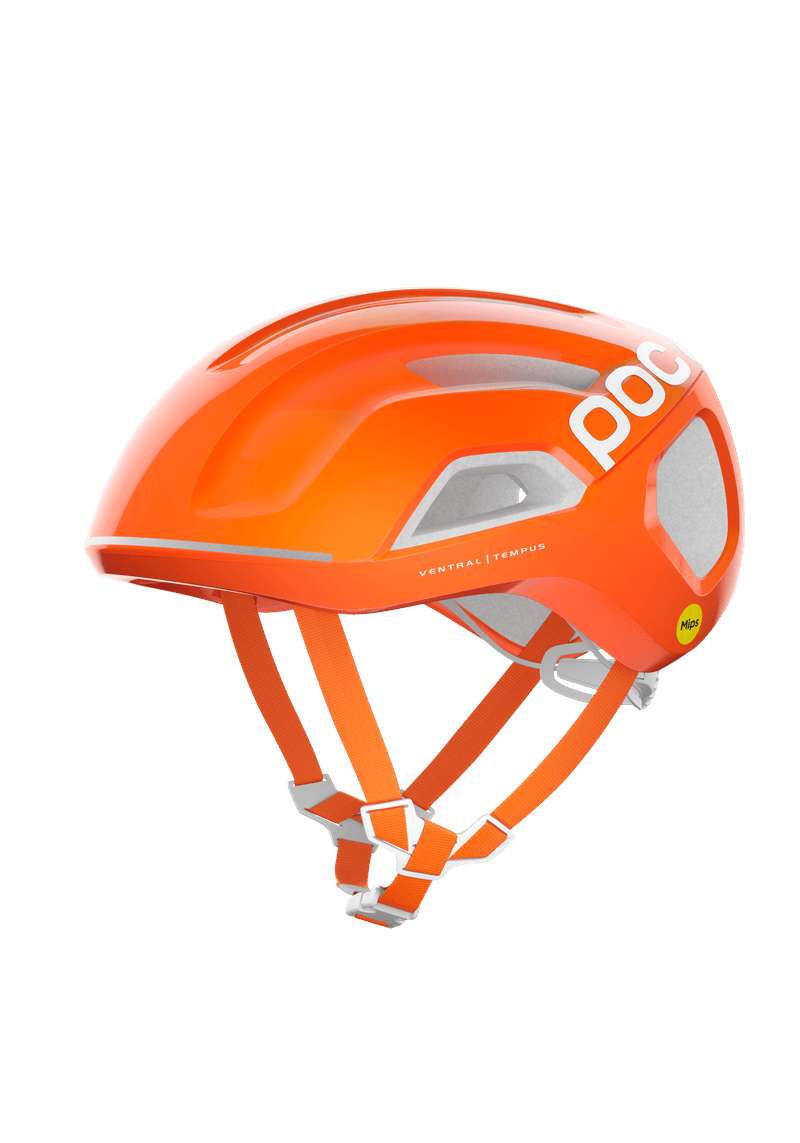
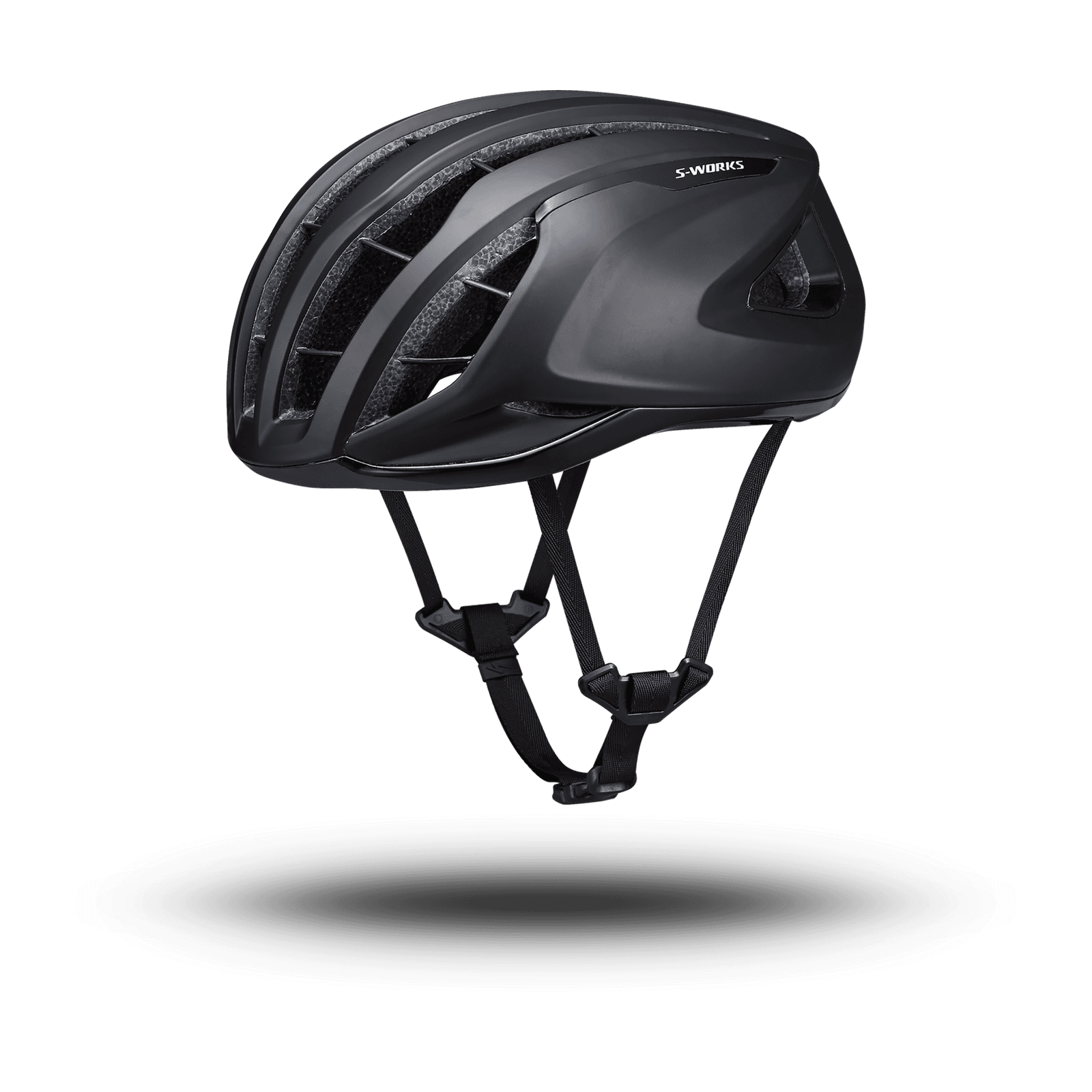
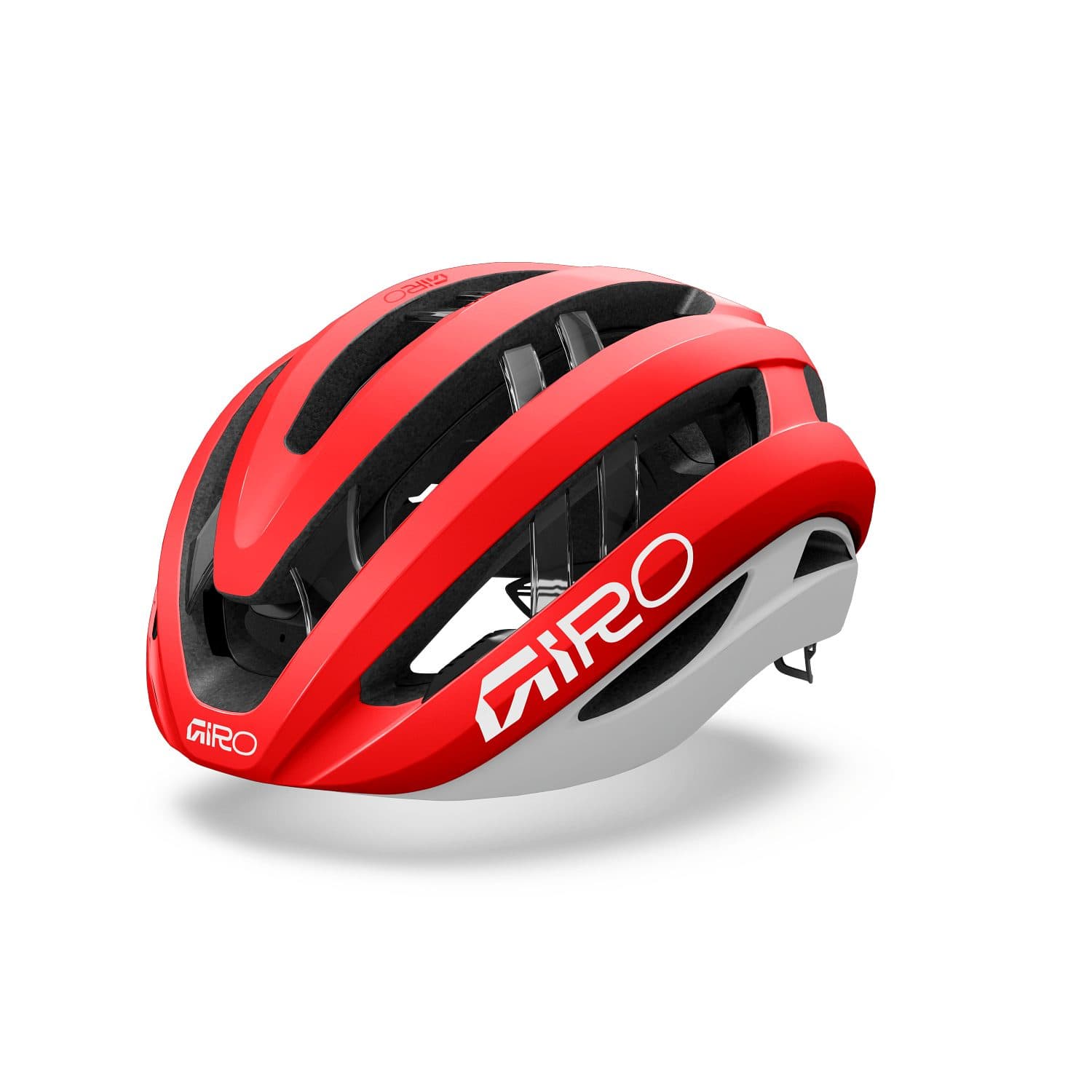
Open Road, Covered Weather, or a Trail Visor?
Vent-count hangtags are the wrong first question. Open-road airflow, a covered weather shell, or a trail visor is the lid. Then shop Gavler's live ranking.
The Best Cycling Helmets in 2026, Ranked by the Riders Who Actually Wear Them Every Day
POC, Specialized, Giro, Smith, Kask. Road and mountain helmets ranked by ventilation, fit, and real safety-test data — by riders, not press releases.