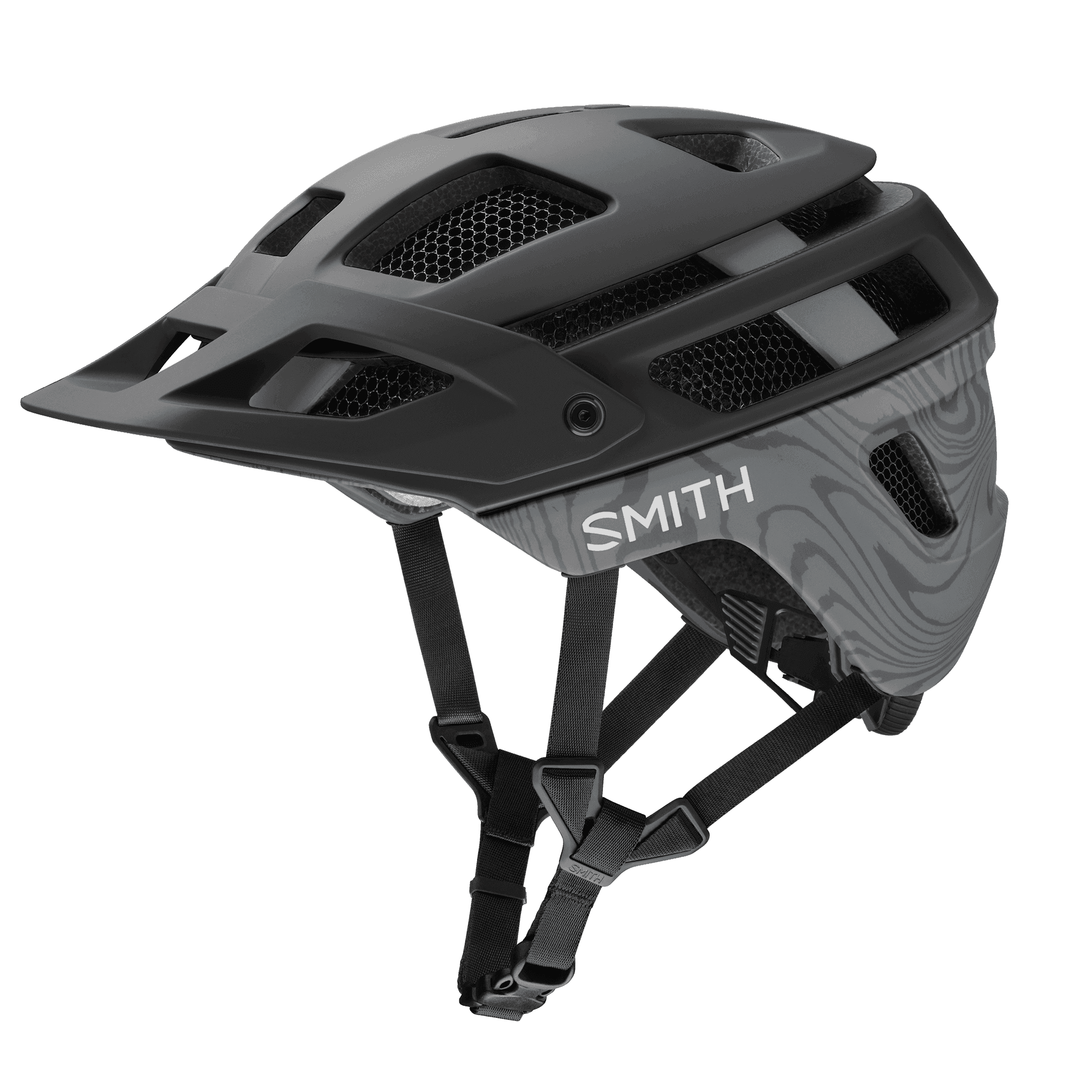
Smith Forefront 2 MIPS.
Koroyd honeycomb crushes on impact for more efficient energy absorption than EPS, with extended rear coverage and goggle integration.
The Verdict.
Gavler Meta-Score
“Smith's Koroyd technology is genuinely different — the honeycomb liner absorbs energy more efficiently than foam, which translates to a thinner, cooler, better-ventilated helmet. The extended rear coverage and goggle garage make the Forefront 2 the ideal crossover helmet for riders who split time between XC trails and bike park laps.”
The Gavler Verdict
The Gavler Review.
Smith Forefront 2 MIPS Review: Koroyd's Honeycomb Trade-off
Ranked #4 on Gavler's Best Cycling Helmets list with a 9.2 score, the Smith Forefront 2 MIPS makes its case with a genuinely different approach to impact protection: a honeycomb of co-polymer tubes called Koroyd, in place of the expanded polystyrene foam nearly every other helmet uses. The Loam Wolf's Nic Hall, who'd worn the original Forefront and found it "hot" with "a few pressure points," came away from the Forefront 2 impressed — "one of the best and most comfortable fits of any helmet I have tried this year." The catch, echoed across multiple independent tests, is ventilation: with most of the shell's 20 vents still backed by Koroyd tubing rather than left open, the helmet runs warmer than open-vent rivals on long, hot climbs.
What it is
Koroyd is Smith's signature material — thousands of small plastic tubes welded together into a honeycomb structure that crushes progressively on impact, similar in concept to a car's crumple zone. Smith's pitch is that Koroyd absorbs energy more efficiently than EPS foam per unit of thickness, letting the Forefront 2 provide comparable or better protection in a thinner, more ventilated shell. The honeycomb's open-tube structure is also supposed to funnel air across the scalp more effectively than the blind vents cut into a foam helmet.
The Forefront 2 extends that Koroyd coverage down the temples and around the back of the skull — the occipital region mountain bikers are statistically more likely to hit than road cyclists, given the dynamic, off-balance nature of trail riding. An integrated goggle garage at the rear holds goggles when they're not in use, useful for riders who alternate between goggled descents and un-goggled climbs. Smith's VaporFit fit system and an optional MIPS liner (a roughly $30 upcharge, per The Loam Wolf) round out the package, positioning the Forefront 2 as a crossover between XC-weight helmets and heavier enduro lids.
In use
Testers are largely aligned on where the Forefront 2 succeeds. Bike Perfect's review noted "the vastly increased airflow — with the new central air channel, the lid stayed much cooler, and fit was outstanding with no compression points or hot-spots." The Loam Wolf's independent test corroborates the fit claim in near-identical terms, praising the VaporFit retention system: "Once the rear adjuster was compressed, the helmet stayed where it was supposed to without being too tight." BikeRadar was satisfied with the protection package on paper: "CPSC and EN 1078 certification with a MIPS liner and the Koroyd layer all under 380 grams is a solid protection package, with coverage extending down the temple and around the back of the head."
Where reviews diverge is heat management on sustained efforts. Bike Perfect's own testing found the honeycomb structure doesn't ventilate as freely as the marketing suggests once you're grinding up a fire road: "Despite its generous 20 vents, 17 are still obstructed by the Koroyd — particularly noticeable on long uphill slogs." The Loam Wolf flagged a related, more specific complaint: riders who wear glasses may lose some of that airflow entirely, because "we found some airflow to be blocked by having glasses in front of the forehead air intake." Neither reviewer considered this a dealbreaker, but both treated it as the honest asterisk on an otherwise well-regarded helmet — consistent with Gavler's own scoreNote on the pick.
Strengths
- Koroyd honeycomb liner. Crushes progressively on impact, distributing force differently than EPS foam and enabling a thinner overall shell — a genuinely distinct approach rather than an incremental foam tweak.
- Extended rear and temple coverage. Protection wraps further down and around the head than many competitors, addressing impact zones specific to mountain biking's unpredictable falls.
- Fit and retention. Two independent testers, working from opposite coasts and years apart, both rated the VaporFit system among the best they'd tried — no hot spots, no compression points, secure once dialed in.
- Integrated goggle garage. A small but genuinely useful detail for riders who move between goggled descents and bare-eyed climbs without wanting to stuff goggles in a pack.
- Sub-380g weight (size M, with MIPS). Competitive for a helmet with this much coverage and a rotational-impact liner included.
The trade-offs — who should skip it
Ventilation is the recurring knock, and it's specific: it's not that the Forefront 2 is a hot helmet across the board, it's that the Koroyd tubes behind most of its 20 vents restrict airflow more than an open-cavity EPS design would at the same vent count. Riders who do most of their climbing in hot, humid conditions — and who prioritize a cool head over impact-absorption technology — may be better served by a more traditionally ventilated trail helmet. Glasses wearers should also be aware that eyewear can partially block the forehead air intake, per The Loam Wolf's testing. And at $250 (or $280 with MIPS), it's priced at the top of the half-shell trail category — The Loam Wolf's own pros-and-cons summary flagged it as simply "little spendy."
How it compares
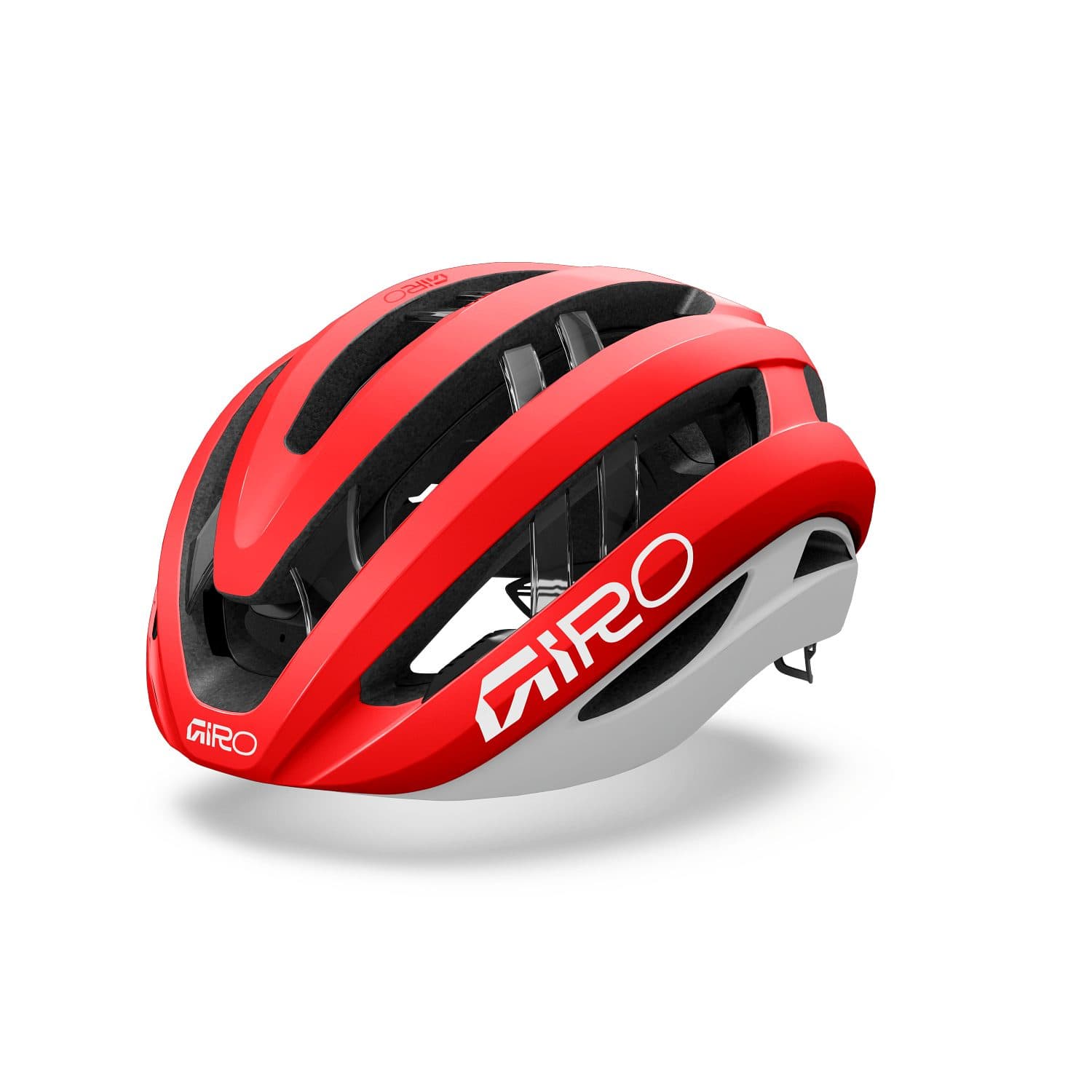
Smith's Forefront 2 sits in Gavler's Best Cycling Helmets list alongside two very different flagships. The Giro Aries Spherical, ranked #3, is a road helmet built around Giro's ball-and-socket Spherical MIPS design and holds the top score in Virginia Tech's independent helmet ratings — it's the pick for road and gravel riders chasing pure ventilation and low weight, not mountain-specific impact zones. The Kask Protone Icon, ranked #5, is the Tour de France peloton's helmet of choice, using Kask's own WG11 rotational-impact testing instead of a MIPS liner and offering the most adjustable fit system in the category via Octo Fit. Neither directly substitutes for the Forefront 2's trail-specific coverage and goggle compatibility — they're road helmets, and the Forefront 2 is built for dirt.
The Gavler verdict
The Forefront 2 MIPS earns its #4 ranking and 9.2 score on the strength of a genuinely different protection technology, extended rear coverage that matters for how mountain bikers actually crash, and a fit that multiple independent reviewers — years and outlets apart — rated among the best they'd tested. The honest trade-off is heat: Koroyd's tube structure doesn't ventilate as freely as open-cavity foam once you're climbing hard in warm weather, and glasses wearers will notice it more than most. For riders who split time between XC trails and bike park laps and want technology that's actually different from the EPS foam everyone else uses, the Forefront 2 remains one of the smarter buys in the category.
Common Questions
At $250, it's a premium price for a half-shell trail helmet, but The Loam Wolf called it one of 'the best and most comfortable fits of any helmet' they tested, and it holds a 9.2 score at #4 on Gavler's Best Cycling Helmets list. The Koroyd honeycomb liner and extended rear coverage justify the price for riders who split time between XC trails and bike park laps.
Yes — this is the helmet's most consistent criticism. Gavler's own scoreNote flags that most of the 20 vents are still backed by Koroyd, and Bike Perfect specifically called out that '17 are still obstructed by the Koroyd — particularly noticeable on long uphill slogs.' Riders who do a lot of sustained climbing in hot weather should expect it to run warmer than open-vent helmets.
The Forefront 2 is a mountain bike helmet built for impact protection and goggle compatibility on descents; the Giro Aries Spherical is a road-focused flagship that scored highest in Virginia Tech's independent ratings. They serve different disciplines — pick the Forefront 2 for trail and enduro riding, the Aries for road and gravel.
Where to Buy.
Prices checked regularly
90-day price history
Price History
Steady at $250 for the entire 90-day tracking window — no increases, no discounts, across 91 tracked days.
Tracked daily across retailers. Vote Want itabove and we’ll alert you the moment the price drops.
Some links are affiliate links — Gavler may earn a commission. This never affects rankings or scores. Learn more.
Precision Engineering
Koroyd Honeycomb Liner
Co-polymer tubes crush progressively on impact, absorbing energy more efficiently than traditional EPS foam.
Extended Rear Coverage
Protects the occipital area at the base of the skull — critical for mountain bike crash protection.
Integrated Goggle Garage
Secure goggle storage at the rear for riders transitioning between goggled descents and un-goggled climbs.
Technical Specifications
The Scoreboard
Koroyd protection, fit, and the new central air channel receive strong praise. The honest trade-off reviewers flag: most of the 20 vents are still backed by Koroyd, so it runs warmer than open-vent helmets on long climbs.
Cast Your Vote
Do you think Smith Forefront 2 MIPS deserves the #4 spot in Best Cycling Helmets?
Global Critique
“The first thing we noticed was the vastly increased airflow — with the new central air channel, the lid stayed much cooler, and fit was outstanding with no compression points or hot-spots.”
“CPSC and EN 1078 certification with a MIPS liner and the Koroyd layer all under 380 grams is a solid protection package, with coverage extending down the temple and around the back of the head.”
“Despite its generous 20 vents, 17 are still obstructed by the Koroyd — particularly noticeable on long uphill slogs — but the new central channel is a real improvement.”
More from Best Cycling Helmets.
See how other top picks compare in this category.
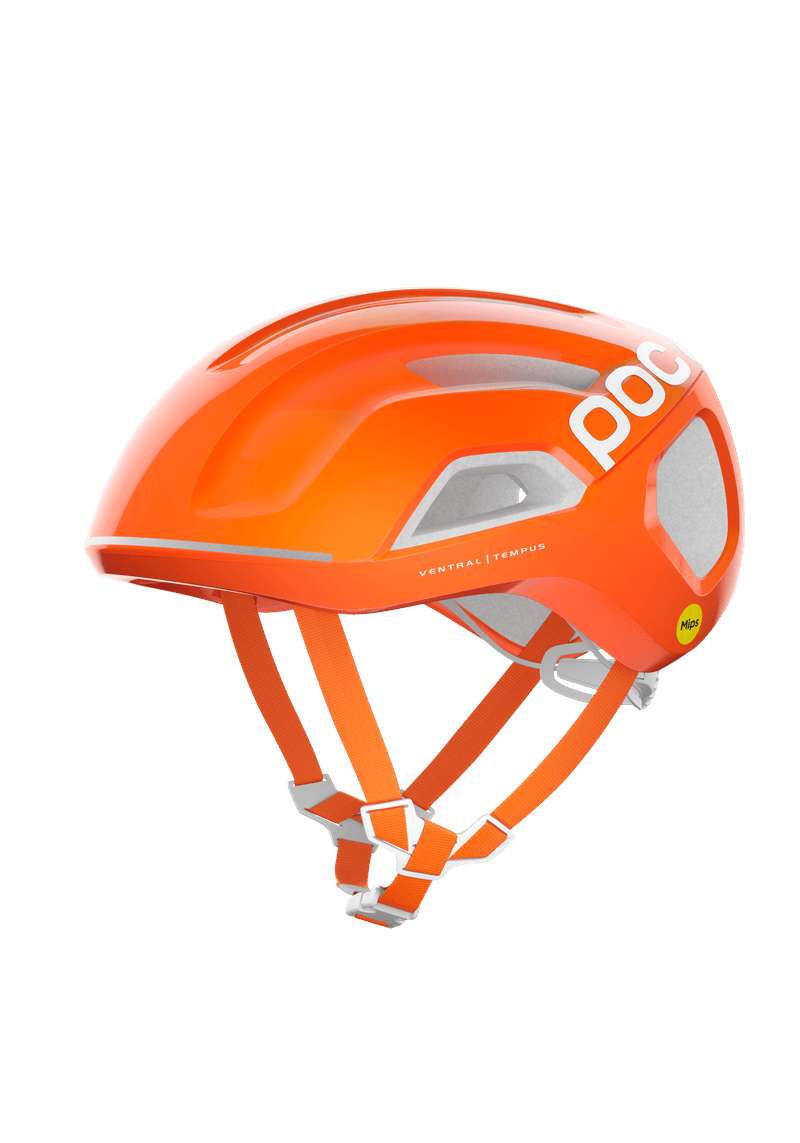
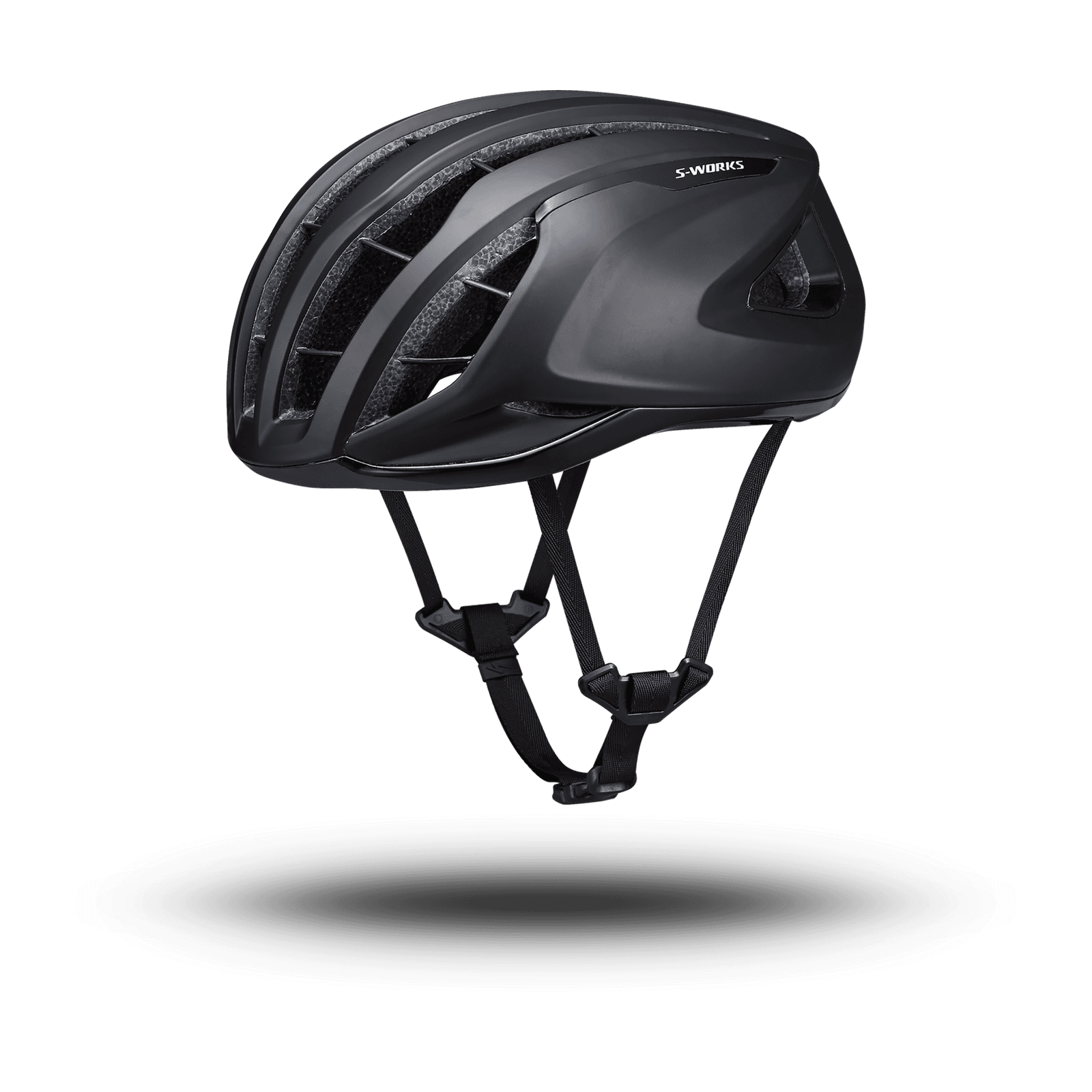

Open Road, Covered Weather, or a Trail Visor?
Vent-count hangtags are the wrong first question. Open-road airflow, a covered weather shell, or a trail visor is the lid. Then shop Gavler's live ranking.
The Best Cycling Helmets in 2026, Ranked by the Riders Who Actually Wear Them Every Day
POC, Specialized, Giro, Smith, Kask. Road and mountain helmets ranked by ventilation, fit, and real safety-test data — by riders, not press releases.