Troy Lee Designs A3 MIPS.
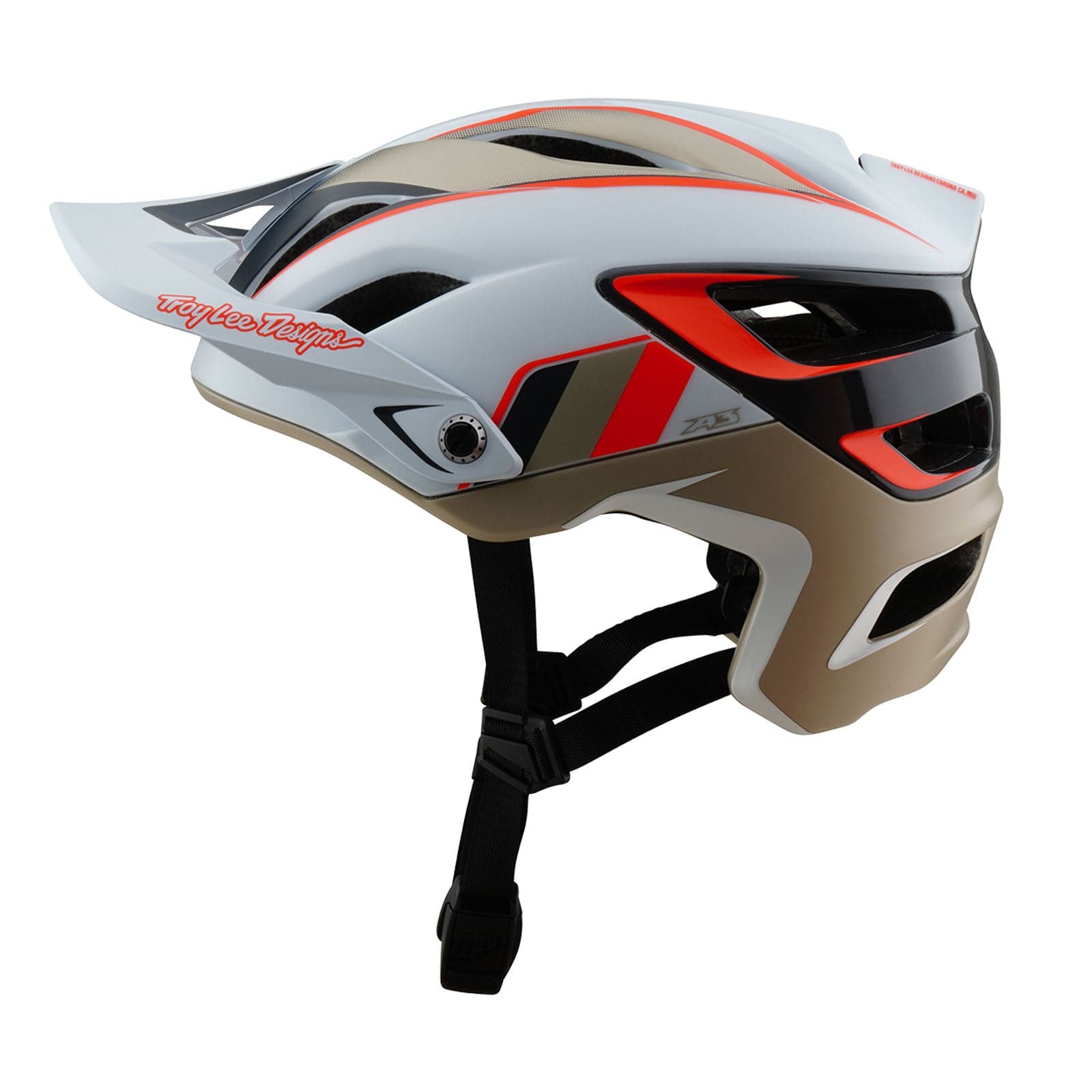
Co-moulded EPP and EPS plus a MIPS liner handle both low-speed trail crashes and repeated high-speed impacts, with fixed visor and deep rear coverage.
The Verdict.
Gavler Meta-Score
“The A3 is TLD's best trail helmet — a co-moulded EPP/EPS shell and MIPS liner in a gravity-inspired form with the extended coverage and goggle integration enduro riders demand. It's pricey for an open-face helmet and runs a touch warm, but the comfort, build, and protection are why it keeps topping fit-and-comfort tests.”
The Gavler Verdict
The Gavler Review.
Troy Lee Designs A3 MIPS Review: Trail Comfort With a Gravity Pedigree
The Troy Lee Designs A3 MIPS ranks seventh on Gavler's Best Cycling Helmets list with an 8.8, and it's the pick for enduro and aggressive trail riders who want gravity-racing DNA in an open-face helmet. Bikerumor's review didn't equivocate: "Troy Lee Designs' A3 MIPS tops them all for fit and comfort." The trade-off is one MBR flagged directly — at $200, this is a premium helmet that, by MBR's own account, doesn't buy meaningfully more protection than far cheaper lids. What it buys is fit, coverage, and goggle integration that TLD has spent decades refining in motocross and downhill racing.
What it is
The A3's shell is co-moulded from two foams — EPS (expanded polystyrene) for absorbing major impacts, and EPP (expanded polypropylene) for its ability to rebound from the repeated, lower-energy knocks of a high-speed roll rather than compressing once and losing effectiveness. Look into one of the vents and you can actually see the two foam layers stacked. A standard MIPS liner — discreet and low-profile, though not the frictionless ball-and-socket Spherical system Giro uses in some of its helmets — adds rotational-impact protection beneath a durable polycarbonate outer shell.
TLD's motocross and gravity-racing heritage shows up in the shape: a fixed visor sculpted to deflect roost without catching wind on fast descents, and deep rear coverage that extends well below the occipital bone for protection during over-the-bars crashes. The shell profile leaves enough forehead clearance for full-frame goggles and a smooth interior surface that keeps goggles from pushing the helmet upward mid-ride — a fit detail that only shows up as a problem on helmets that weren't designed goggle-first. A Fidlock magnetic buckle allows one-handed closure with gloved hands, and a 360-degree height-adjustable retention dial anchors the fit.
In use
MBR's review framed the A3 against its own predecessors rather than the wider market, and the comparison was lopsided: "In almost every department it kicks the ass of both its predecessors – the A1 and A2 – with better looks, improved comfort, increased ventilation and more features." That's a meaningful data point for TLD loyalists deciding whether an upgrade is worth it, and it's a strong signal for anyone comparing across TLD's own lineup.
Fit is where the A3 draws its most consistent praise across independent testers. Bikerumor's blunt "tops them all for fit and comfort" verdict was echoed by OutdoorGearLab, which found the A3 "among the most comfortable helmets we tested — every tester found it fit like a glove," a notable claim given that head shapes vary enough between testers that unanimous fit agreement is rare. The honest weakness, and the one Gavler's own scoring reflects, is ventilation: the A3 uses 16 vents with internal channels, and while most reviewers agree it's a clear step up from the A1, it still runs warmer than an airier road or XC helmet — a direct consequence of the deeper coverage and thicker co-moulded shell that make the A3 what it is.
Strengths
- Co-moulded EPP/EPS construction. Two foams working together — EPS for major impacts, EPP for repeated lower-energy hits — is a genuine multi-impact advantage over single-foam helmets at this price.
- Fit that testers rate above the field. Bikerumor's "tops them all" and OutdoorGearLab's "fit like a glove" verdicts, from separate independent tests, point to a consistently well-executed retention system and shell shape.
- Goggle-first design. The forehead clearance and smooth interior surface solve a problem — goggles pushing the helmet up mid-ride — that helmets not designed with goggles in mind routinely have.
The trade-offs — who should skip it
This is a top-tier fit-and-comfort helmet for gravity-oriented trail riding, not the coolest-running or the cheapest option, and the honest reasons to look elsewhere are specific:
- You ride mostly in hot weather or prioritize maximum airflow. The A3's 16 vents are an improvement over its predecessors, but MBR and other testers agree it runs warmer than lighter XC or road helmets by design.
- You want the most protection per dollar. MBR's review notes directly that the A3's price doesn't buy proportionally more protection than far cheaper lids — you're paying primarily for fit, coverage, and construction refinement.
- You want removable chin-bar versatility. The A3 is a fixed open-face helmet; riders who want the option of extra coverage for bike park laps should look at a convertible design instead.
How it compares
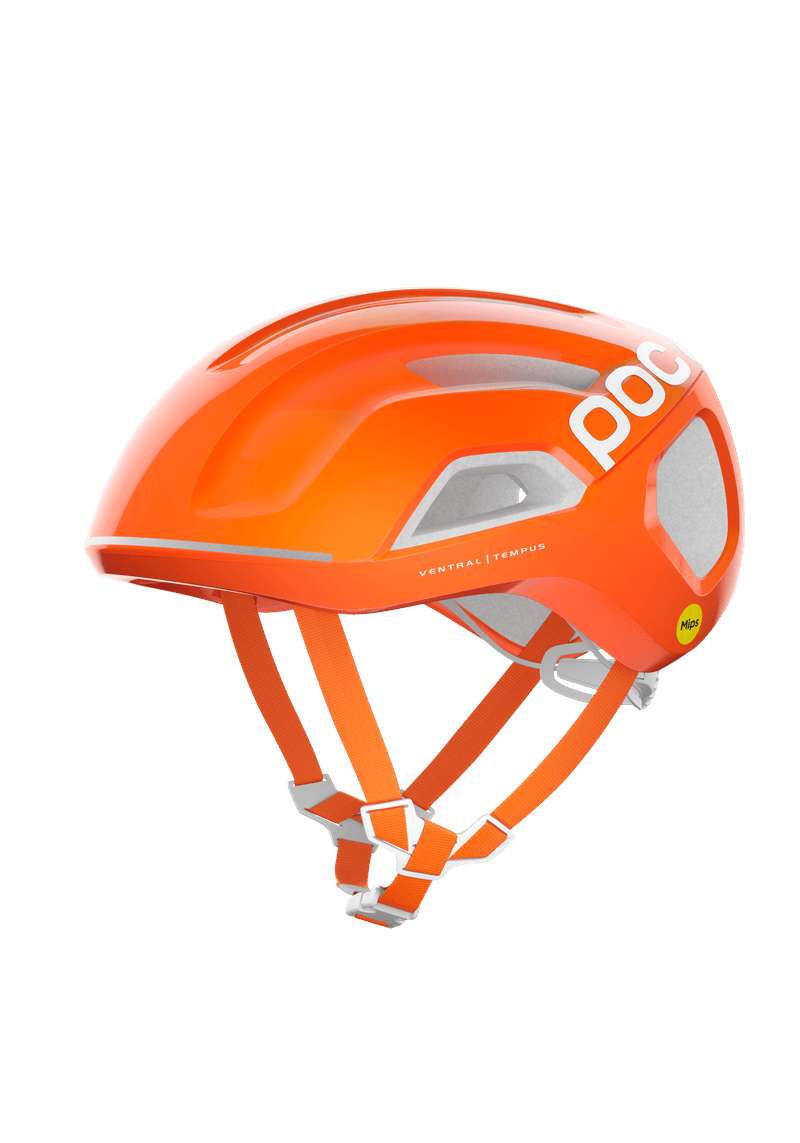
At the top of this list, the POC Ventral Tempus MIPS takes the opposite design brief — a road-focused, aero-shaped lid built for outright ventilation and low weight rather than gravity-riding coverage, making it a poor substitute for anyone who actually rides enduro trails. Closer in spirit, the Bell Super Air R MIPS at rank six adds a removable chin bar for riders who want the option of extra coverage on bike park days without committing to a full-face helmet every ride. Riders choosing between these three are weighing dedicated open-face gravity fit and comfort (A3), road-oriented ventilation (Ventral Tempus), and convertible versatility (Super Air R).
The Gavler verdict
An 8.8 that reflects a helmet whose fit and comfort testers rate above nearly everything else in the category, balanced against a premium price that MBR notes doesn't buy proportionally more protection than cheaper open-face lids. The A3 MIPS wins on execution, not on a single standout spec — co-moulded EPP/EPS foam, a genuinely comfortable retention system, and goggle-first design details add up to a helmet enduro and aggressive trail riders keep coming back to. Buy it if gravity-oriented trail riding with goggles is your default, and you're willing to pay for fit and construction refinement over raw ventilation. If you want a convertible chin bar for occasional bike park days, the Bell Super Air R MIPS elsewhere on this list is the more flexible choice.
Common Questions
For enduro and aggressive trail riders who want gravity-oriented coverage and goggle compatibility, yes. It ranks seventh on Gavler's Best Cycling Helmets list with an 8.8. Bikerumor said the A3 MIPS 'tops them all for fit and comfort,' and OutdoorGearLab found it 'among the most comfortable helmets we tested.' At $200, MBR's review notes it doesn't buy much more protection than far cheaper lids — the price is really for the fit and the co-moulded construction, not a protection upgrade.
Buy the Super Air R if you want a helmet with a removable chin bar for bike park days that occasionally need more coverage than an open-face lid. Buy the A3 if you're committed to open-face trail and enduro riding and want TLD's co-moulded EPP/EPS construction and goggle-optimized fit — Bikerumor and OutdoorGearLab both rated the A3's comfort and fit above typical open-face competitors.
Yes, relative to lighter cross-country and road helmets. Gavler's scoring notes the A3 is marked down for ventilation that runs warm despite 16 vents — a trade-off for its deep, enduro-oriented rear coverage and thicker co-moulded shell, which insulate more than an airier XC-focused helmet by design.
Where to Buy.
Prices checked regularly
90-day price history
Price History
Steady at $200 for the entire 90-day tracking window — no increases, no discounts, across 91 tracked days.
Tracked daily across retailers. Vote Want itabove and we’ll alert you the moment the price drops.
Some links are affiliate links — Gavler may earn a commission. This never affects rankings or scores. Learn more.
Precision Engineering
Co-Moulded EPP/EPS
Two foams in one shell — EPS to absorb major hits, EPP to rebound from the repeated knocks of a high-speed roll.
MIPS Liner
Discreet, low-profile MIPS slip-plane adds rotational protection beneath the polycarbonate shell.
Enduro Coverage
Deep rear coverage and fixed visor designed for gravity-oriented trail riding with full goggle integration.
Technical Specifications
The Scoreboard
Riders praise the comfort, fit, and goggle integration; the co-moulded EPP/EPS construction is noted as a genuine multi-impact advantage. Marked down for a premium price that, as MBR notes, doesn't buy much more protection than far cheaper lids, and for ventilation that runs warm.
Cast Your Vote
Do you think Troy Lee Designs A3 MIPS deserves the #7 spot in Best Cycling Helmets?
Global Critique
“In almost every department it kicks the ass of both its predecessors – the A1 and A2 – with better looks, improved comfort, increased ventilation and more features.”
“Troy Lee Designs' A3 MIPS tops them all for fit and comfort.”
“Among the most comfortable helmets we tested — every tester found it fit like a glove.”
More from Best Cycling Helmets.
See how other top picks compare in this category.
Open Road, Covered Weather, or a Trail Visor?
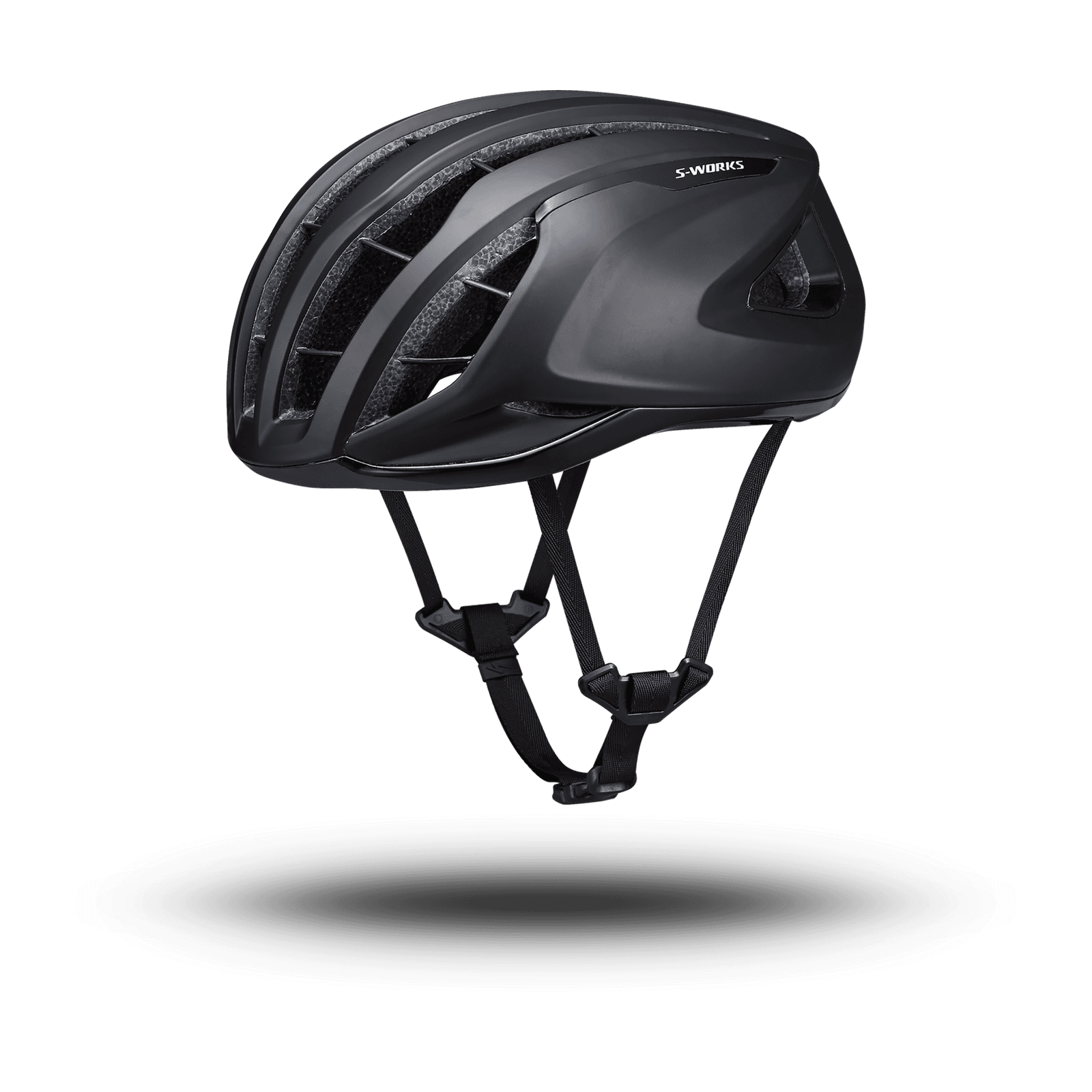
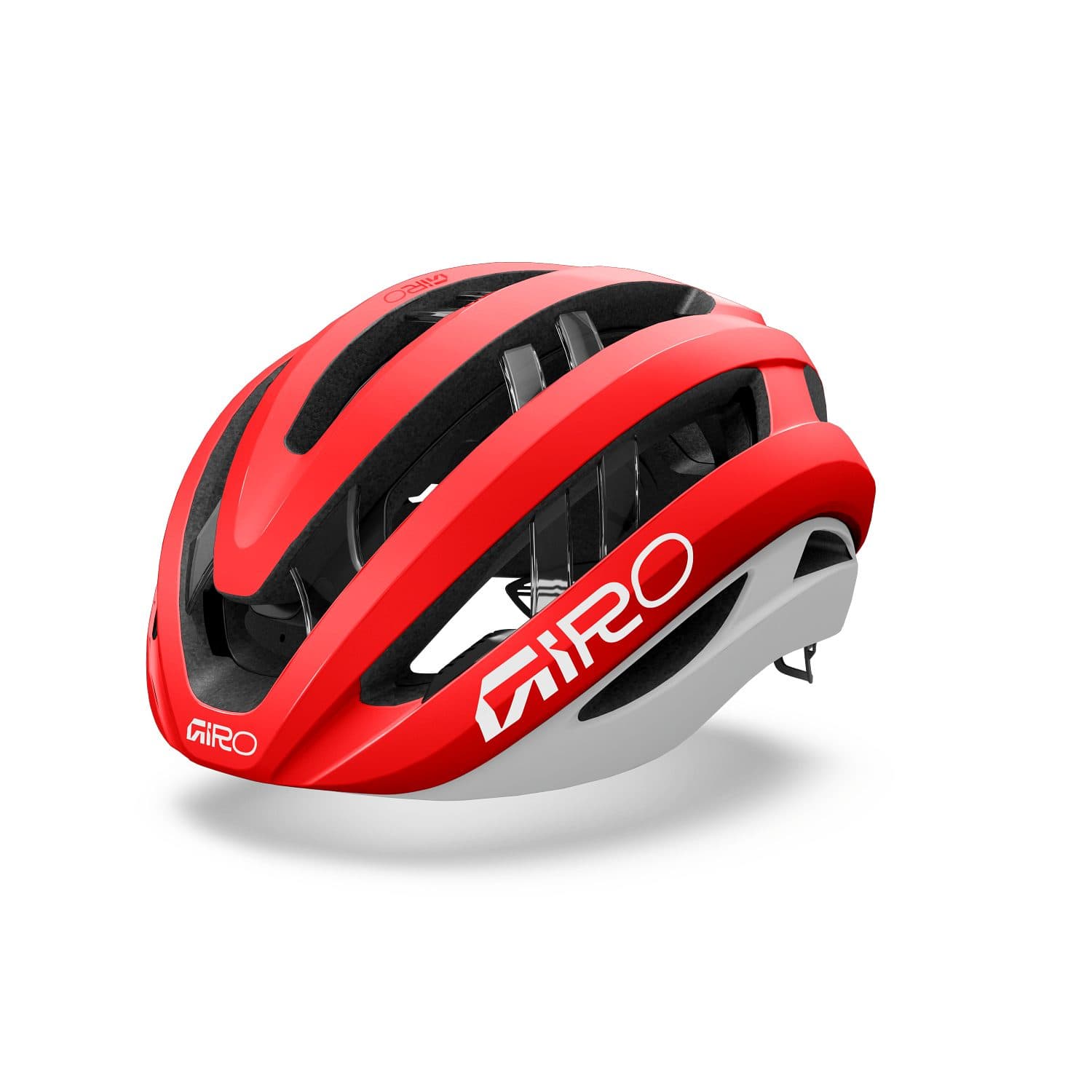
Vent-count hangtags are the wrong first question. Open-road airflow, a covered weather shell, or a trail visor is the lid. Then shop Gavler's live ranking.
The Best Cycling Helmets in 2026, Ranked by the Riders Who Actually Wear Them Every Day
POC, Specialized, Giro, Smith, Kask. Road and mountain helmets ranked by ventilation, fit, and real safety-test data — by riders, not press releases.