Bontrager Rally WaveCel.
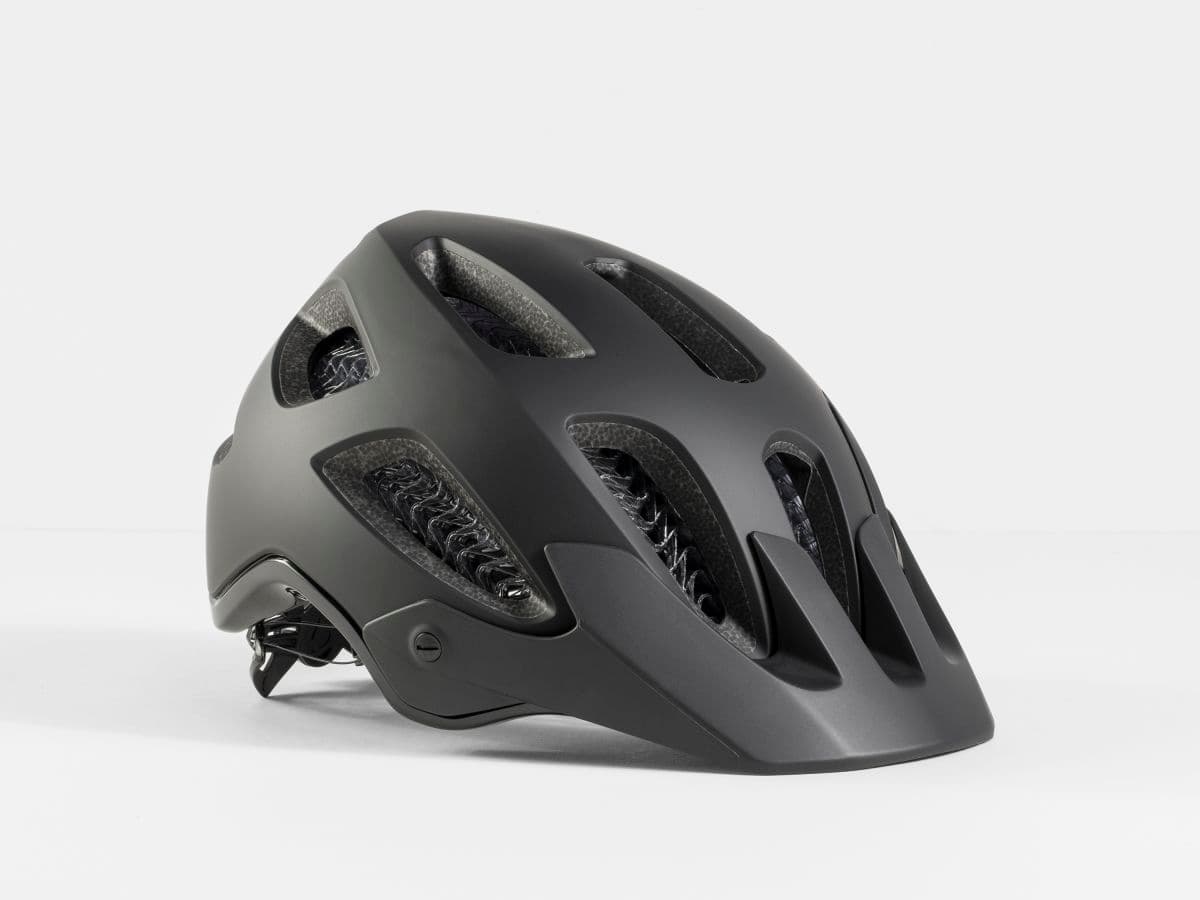
WaveCel liner collapses in wave pattern during impact to redirect rotational forces, with mountain-specific shape and extended coverage.
The Verdict.
Gavler Meta-Score
“The Rally WaveCel makes advanced helmet safety affordable. WaveCel's three-stage collapse provides genuine rotational protection, and the Rally backs it with a 5-star Virginia Tech rating and extended trail coverage. The catch is airflow: it runs hotter than a conventional helmet, with a prominent brow. At $150 it's the cheapest route into WaveCel — just buy it for the protection, not the cooling.”
The Gavler Verdict
The Gavler Review.
Bontrager Rally WaveCel Review: Cheap Insurance for Your Head
The Bontrager Rally WaveCel ranks number 9 on Gavler's Best Cycling Helmets list with an 8.4. It's the entry point into Trek's WaveCel safety technology, and at $150 it undercuts nearly every other WaveCel or MIPS-equipped helmet on the market that carries a comparable safety rating. The trade-off is airflow: as Bike Perfect put it, "cooling airflow is much lower than a conventional helmet with a similar vent arrangement." If you're buying a mountain bike helmet purely to run cooler on long summer climbs, this isn't it. If you're buying one to protect your head at the lowest price WaveCel is sold for, it's hard to beat.
What it is
WaveCel is Trek's proprietary liner technology, first introduced on the Bontrager Blaze and now trickled down to budget-friendly models like the Rally. Instead of a single block of EPS foam, WaveCel uses a collapsible cellular structure that Bontrager describes as going through three stages in a crash: it flexes, then crumbles, then glides. That glide stage is the important one — it's designed to absorb rotational energy the same way a MIPS slip-plane does, but by moving within the material itself rather than through a separate plastic liner sliding against the shell.
The Rally is built specifically for mountain biking, with extended coverage at the back of the head, a widely adjustable visor with room to stash goggles, and a micro-adjustable BOA dial for a precise fit on rounder heads. There's no dedicated eyewear or GoPro mount, which is a fair omission at this price. What you do get is Trek's core safety pitch in a $150 package rather than the $250-plus asking price of Bontrager's higher-end WaveCel helmets.
In use
The headline number is the one that matters most: a 5-star rating from the independent Virginia Tech Helmet Lab, putting the Rally among the safest trail helmets that lab has tested. That's not Trek's own marketing claim — it's a third party's scoring, and it's the reason to actually buy this helmet.
Trek's original launch marketing for WaveCel leaned hard on a Virginia Tech-backed study claiming dramatically better protection against rotational injury compared to standard foam-and-MIPS helmets — numbers that have been disputed by biomechanics researchers ever since. Bontrager and Trek still cite the underlying technology's design logic, but the smart way to shop this helmet is to ignore the specific multiplier claims and just look at the Rally's own 5-star Virginia Tech score on its own merits.
Fit-wise, the BOA dial is precise and one-handed, and testers consistently note it holds well on the trail without hot spots. Bike Perfect's take on the broader WaveCel lineup was blunt about the trade-off riders are making: "WaveCel's corrugated crumple layer made Bontrager's Blaze the safest MTB helmet around — now you get the same tech for a whole lot cheaper." Singletracks summed up the value case even more plainly: "WaveCel protection at a reasonable price."
Strengths
The Rally's case rests on three things that actually matter for a trail helmet buyer. First, the safety data is real and independently verified — a 5-star Virginia Tech rating isn't a number brands can spin, and it puts the Rally in the same safety tier as helmets costing two to three times as much. Second, the price is genuinely disruptive. At $150, this is the cheapest way to get WaveCel on your head, which matters if you're outfitting a family or replacing a helmet after a crash (as you should — WaveCel and EPS liners are both single-impact designs). Third, the fit system does its job well. The BOA dial and extended rear coverage are sensible mountain-specific choices, not road-helmet features bolted on for trail marketing.
The trade-offs — who should skip it
Heat is the honest asterisk on this helmet. The WaveCel structure is physically deeper than a comparable EPS liner, which pushes the shell taller and gives it a more prominent brow than sleeker, vented alternatives. Bike Perfect's cooling-airflow finding — that it runs measurably hotter than a conventional helmet with a similar vent count — is the single biggest reason not to buy the Rally. If you live somewhere hot, ride mostly in direct sun, or simply run warm on climbs, that heat penalty will bother you every ride, not just occasionally.
There's also the marketing baggage. Riders who remember WaveCel's early, heavily disputed injury-reduction claims may reasonably want to see the technology stand on its own data rather than Trek's original pitch. The good news is that it does — the Virginia Tech score holds up regardless of how you feel about the initial marketing.
If cooling is your top priority, Bontrager sells a MIPS version of the Rally that trades some of WaveCel's structure for better airflow, and it's worth cross-shopping before you commit.
How it compares
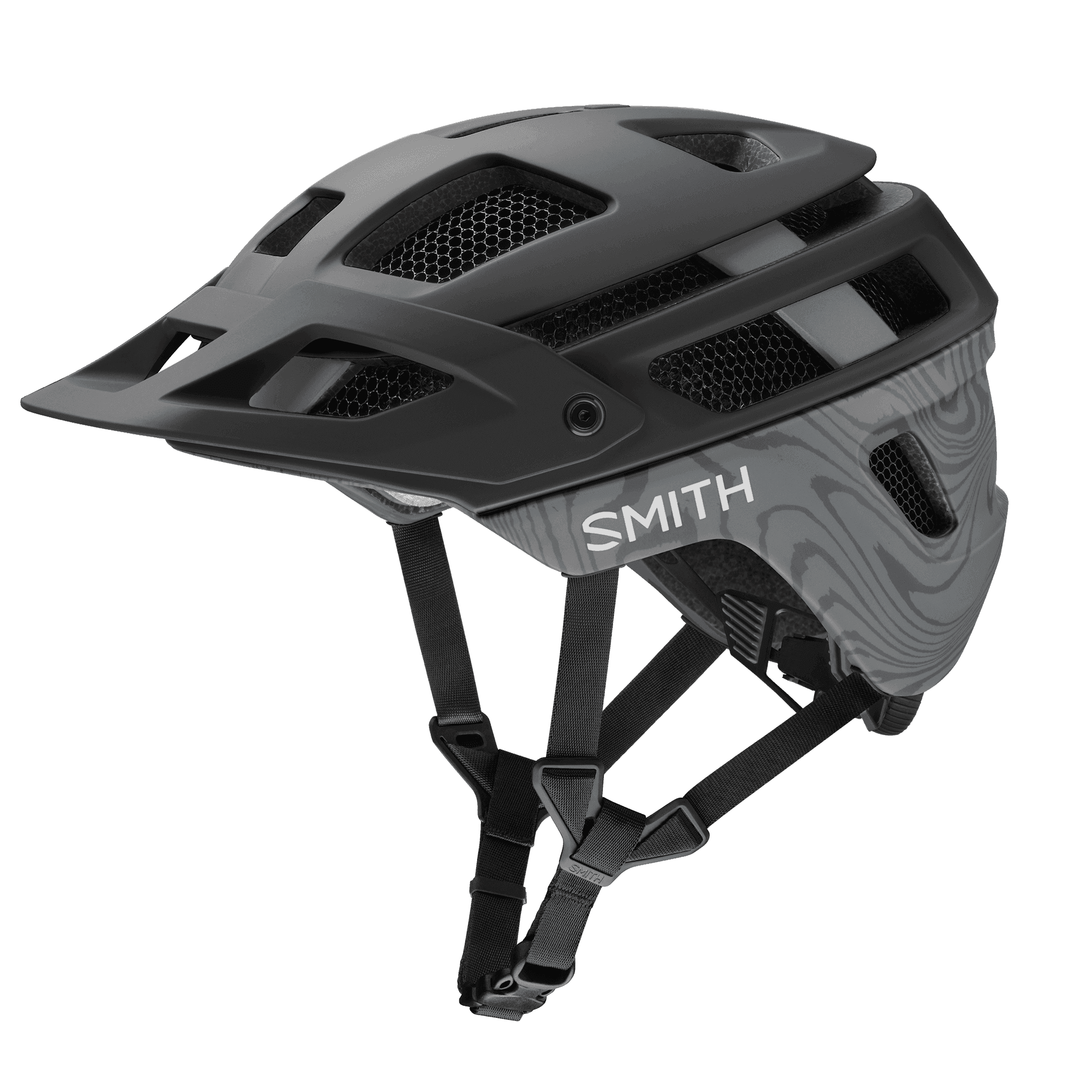
Against the Smith Forefront 2 MIPS, another mountain-specific helmet on this same list, the comparison comes down to cooling philosophy versus price. The Forefront 2's Koroyd honeycomb liner is specifically engineered to create airflow channels through the impact material itself, and at $250 it's built for riders who split time between XC pedaling and bike park laps and don't want to compromise on ventilation. The Rally, at $150, doesn't try to match that — it wins on price and matches it closely enough on independent safety scoring that the choice mostly comes down to budget and how much heat you're willing to tolerate.
Against the Giro Syntax MIPS — a road helmet on the same list at $100 — the comparison is more about use case than price. The Syntax proves that MIPS protection can be had even cheaper than WaveCel, but it's built and vented for road riding, not trail coverage. If you actually ride dirt, the Rally's mountain-specific shape and extended rear coverage make it the more sensible pick even at the $50 premium.
The Gavler verdict
The Bontrager Rally WaveCel does one job extremely well: it makes a genuinely safety-rated helmet technology affordable. The 5-star Virginia Tech score is the number that should drive your decision, not the disputed early marketing around WaveCel's rotational-protection multiplier. Buy it if you want the cheapest legitimate entry point into WaveCel and you can live with reduced airflow. Skip it if you ride mostly in heat, where the taller shell and lower cooling airflow will be a daily annoyance rather than an occasional trade-off — in that case, spend more on the Forefront 2 or step down to the MIPS version of the Rally.
Common Questions
For $150, yes, if crash protection is your priority. It carries a 5-star rating from the independent Virginia Tech Helmet Lab, among the safest trail helmets tested, and undercuts most WaveCel and MIPS competitors by $50 to $100. Just don't buy it expecting class-leading ventilation.
Trek's early marketing claimed WaveCel prevented rotational injury far more effectively than foam-and-MIPS designs, and those specific figures have been heavily debated by the safety community since. What isn't in dispute is the Rally's own 5-star Virginia Tech score — buy it for that independent result, not the marketing math.
It runs warmer than a conventional vented helmet. Bike Perfect found 'cooling airflow is much lower than a conventional helmet with a similar vent arrangement,' and the deep WaveCel structure gives the shell a taller profile and a prominent brow line. If you ride mostly in heat, weigh that trade-off before buying.
Where to Buy.
Prices checked regularly
90-day price history
Price History
Steady at $150 for the entire 90-day tracking window — no increases, no discounts, across 91 tracked days.
Tracked daily across retailers. Vote Want itabove and we’ll alert you the moment the price drops.
Some links are affiliate links — Gavler may earn a commission. This never affects rankings or scores. Learn more.
Precision Engineering
WaveCel Liner
Collapsible cellular structure flexes, crumbles, and glides to absorb both linear and rotational impact forces.
5-Star Virginia Tech
Independently rated 5 stars by the Virginia Tech Helmet Lab, among the safest trail helmets tested.
BOA Fit System
Micro-adjustable BOA dial gives a precise, secure one-handed fit, particularly on rounder head shapes.
Technical Specifications
The Scoreboard
A 5-star Virginia Tech rating and the cheapest entry into WaveCel earn strong marks; the early '48x' marketing claim is widely disputed and not the reason to buy it. Marked down for reduced cooling airflow and a prominent brow line versus conventional vented helmets.
Cast Your Vote
Do you think Bontrager Rally WaveCel deserves the #9 spot in Best Cycling Helmets?
Global Critique
“WaveCel's corrugated crumple layer made Bontrager's Blaze the safest MTB helmet around — now you get the same tech for a whole lot cheaper.”
“Cooling airflow is much lower than a conventional helmet with a similar vent arrangement.”
“WaveCel protection at a reasonable price.”
More from Best Cycling Helmets.
See how other top picks compare in this category.
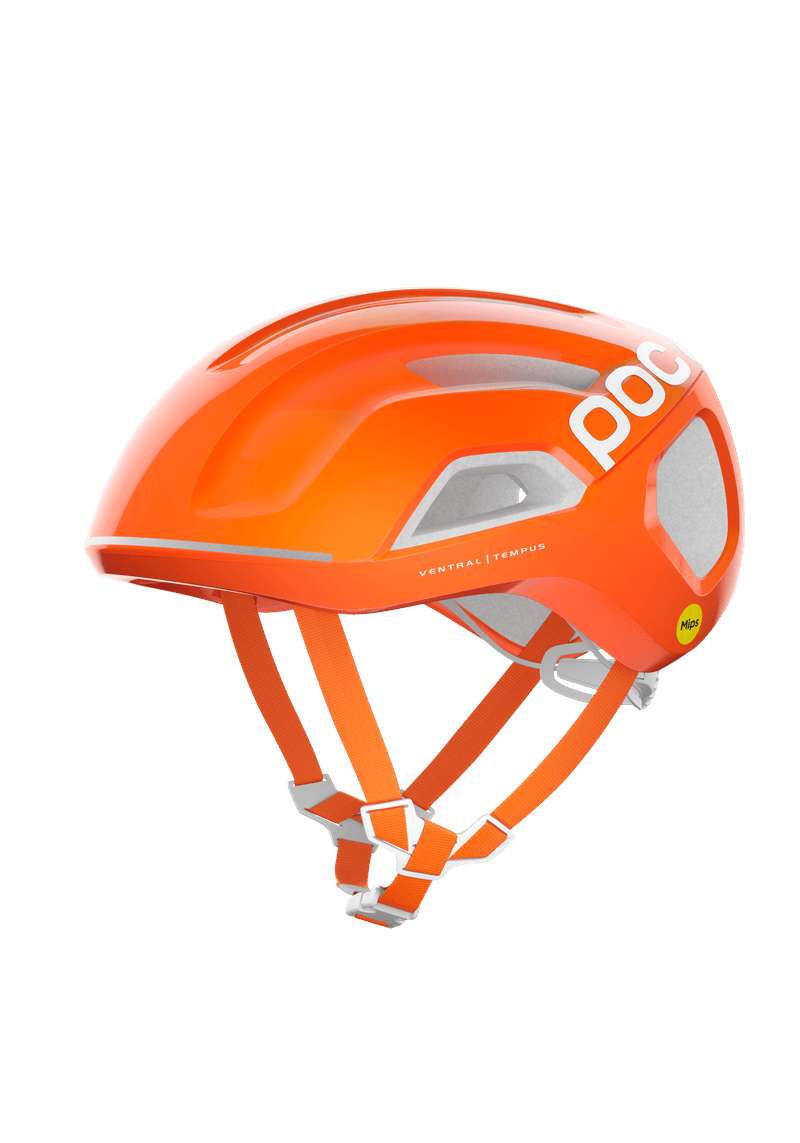
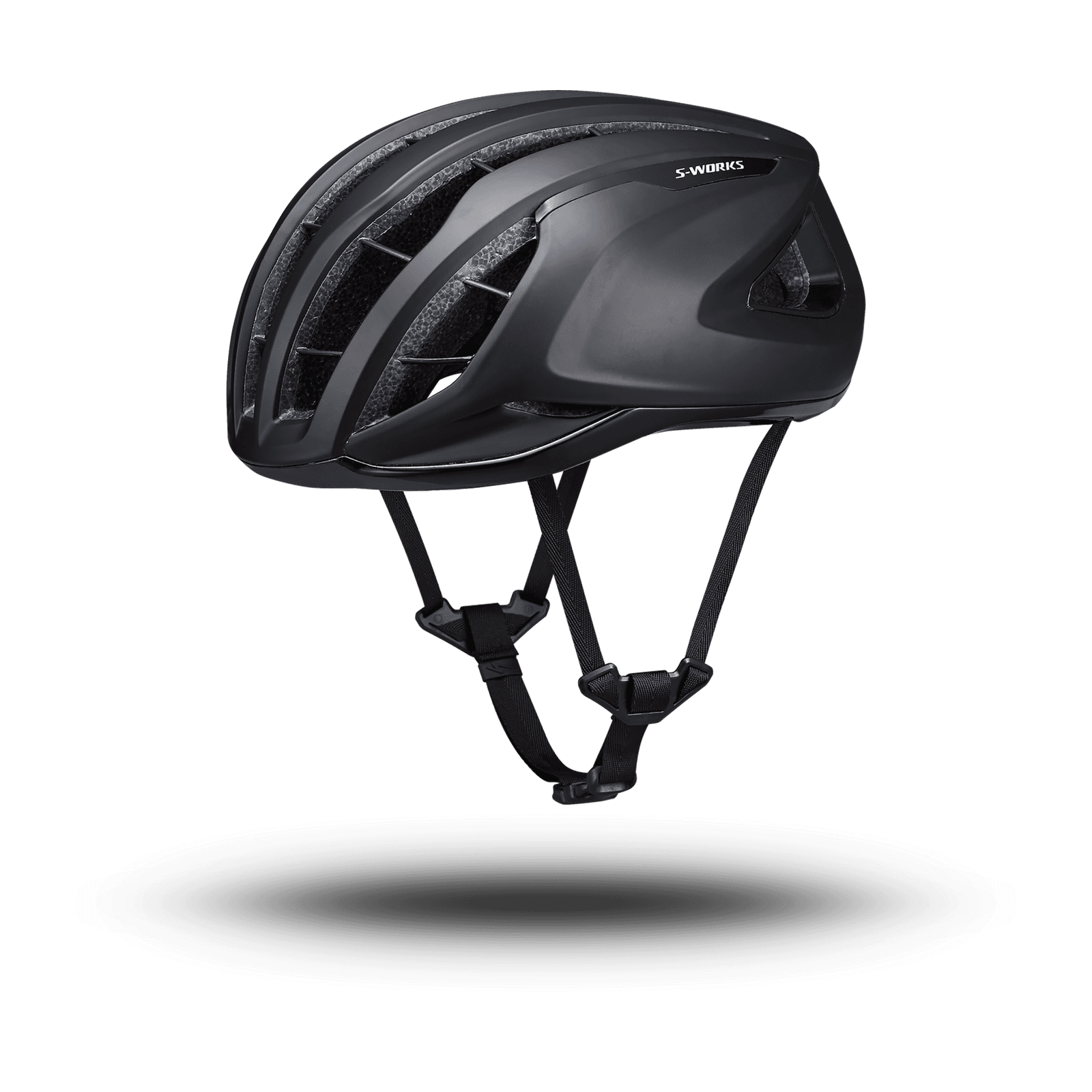
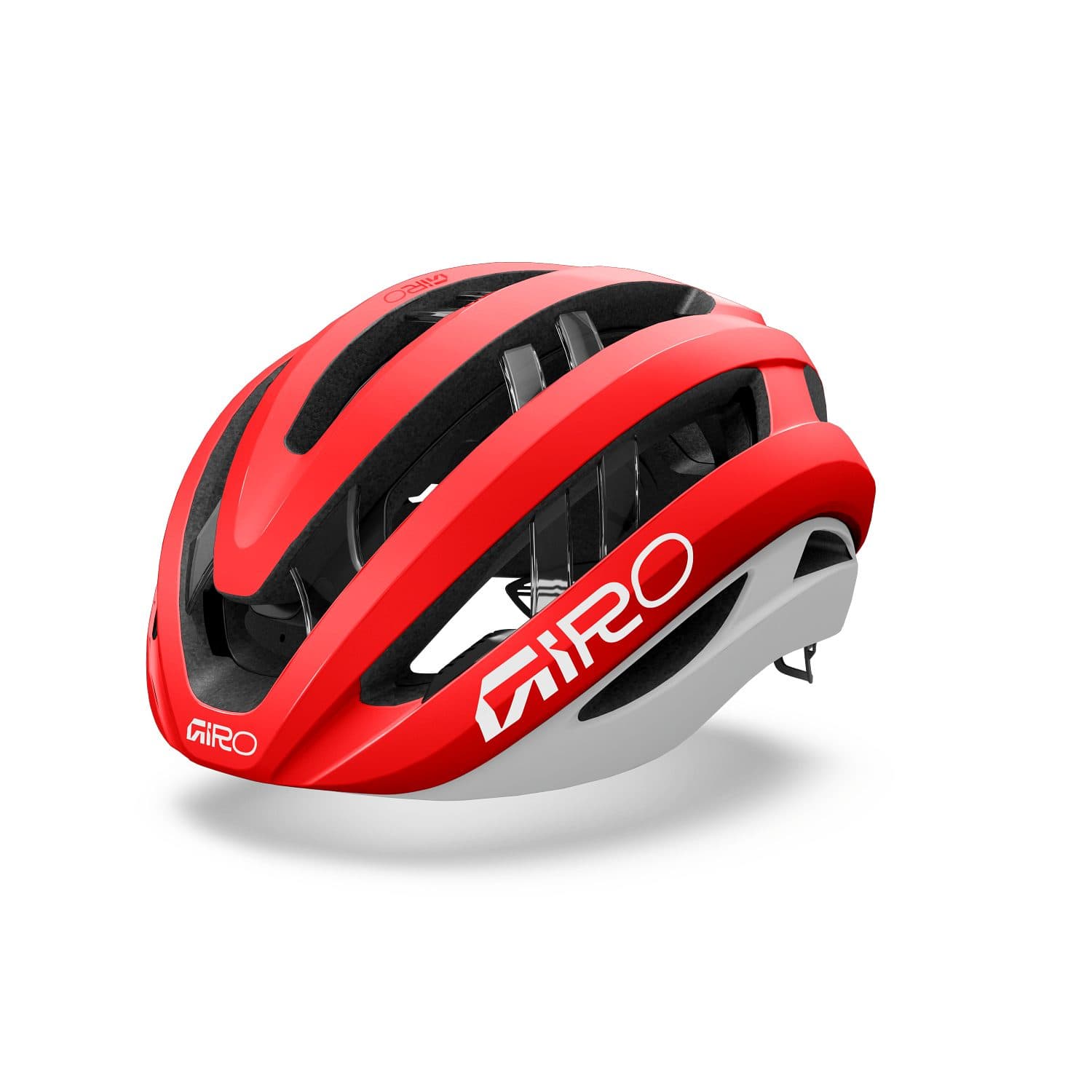
Open Road, Covered Weather, or a Trail Visor?
Vent-count hangtags are the wrong first question. Open-road airflow, a covered weather shell, or a trail visor is the lid. Then shop Gavler's live ranking.
The Best Cycling Helmets in 2026, Ranked by the Riders Who Actually Wear Them Every Day
POC, Specialized, Giro, Smith, Kask. Road and mountain helmets ranked by ventilation, fit, and real safety-test data — by riders, not press releases.