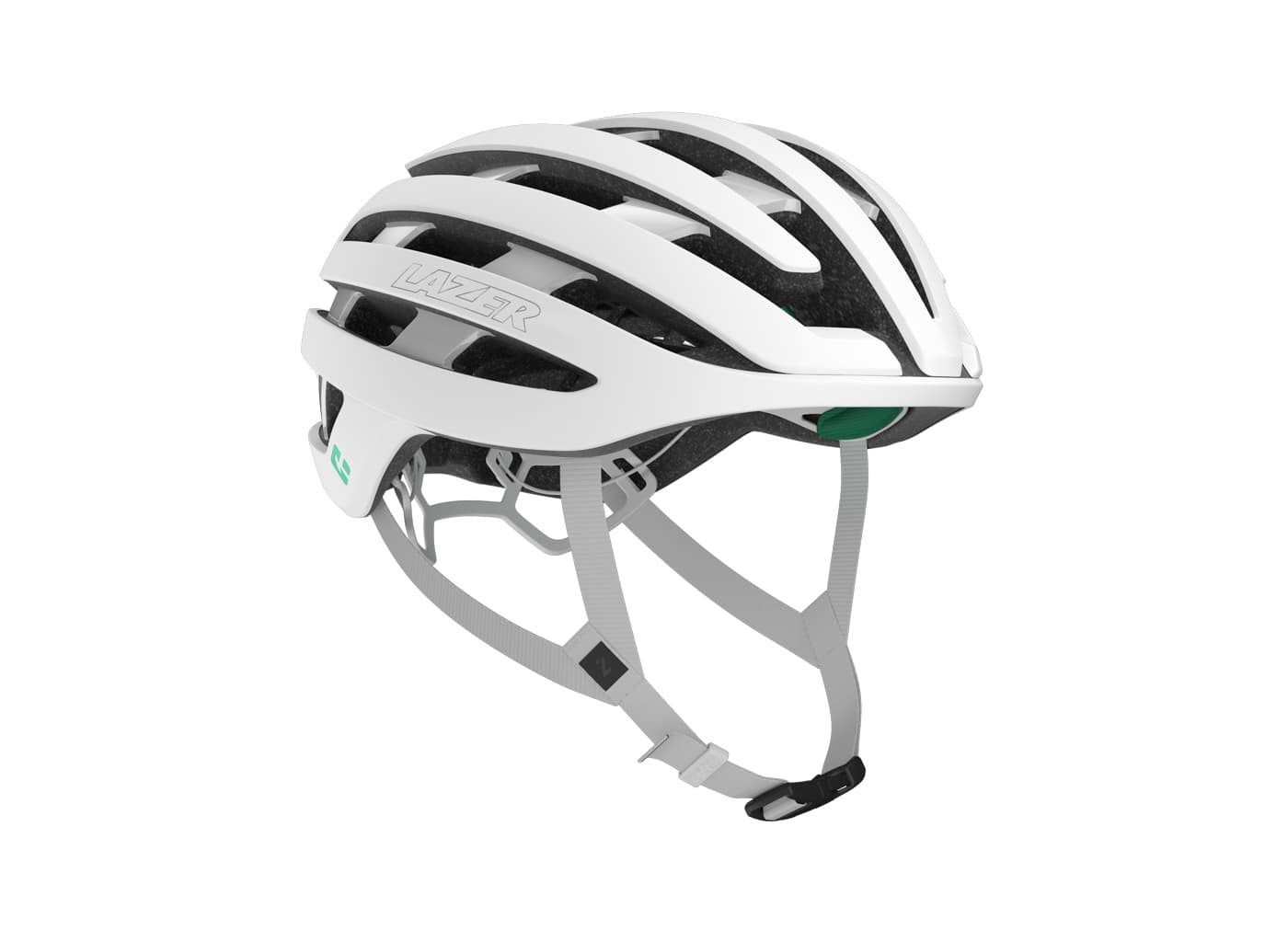
Lazer Z1 KinetiCore.
KinetiCore crumple zones molded into EPS replace traditional MIPS for rotational protection without added weight or fit complexity.
The Verdict.
Gavler Meta-Score
“KinetiCore delivers rotational protection without a separate MIPS liner, but the Z1's real story is weight: at a measured ~226g it's one of the lightest helmets you can buy with rotational protection, and it carries a 5-star Virginia Tech rating. If you already prefer a light, airy climbing helmet, this is among the best — just don't buy it expecting a bargain or RollSys to be simpler than a rear dial.”
The Gavler Verdict
The Gavler Review.
Lazer Z1 KinetiCore Review: The Lightest Way to Get Rotational Protection
The Lazer Z1 KinetiCore ranks number 8 on Gavler's Best Cycling Helmets list with an 8.6, and its case rests on a single, well-proven number: weight. Cyclingnews measured a claimed-220g helmet at roughly 226 grams on an independent scale — about 27 grams lighter than the next-lightest helmet the outlet had tested — while the Z1 still carries rotational-impact protection and a 5-star Virginia Tech safety rating. It achieves that through KinetiCore, Lazer's alternative to a separate MIPS liner. The catch is price and retention design: at $180 it's not cheap, and the top-mounted RollSys dial isn't for everyone.
What it is
The Z1 KinetiCore is Lazer's flagship lightweight road climbing helmet, built around a rotational-protection system that skips the traditional MIPS slip-plane liner entirely. Instead, blocks of EPS foam with channels moulded between them are integrated directly into the shell. In a crash, those blocks break and deform, allowing the head to rotate inside the helmet — the same functional goal as a MIPS liner, achieved through the foam structure itself rather than a separate plastic layer. It's earned a 5-star rating in Virginia Tech's independent helmet safety testing, the lab's highest score.
The construction is in-mold, bonding a polycarbonate shell to the EPS foam for strength without added weight. Retention runs through Lazer's Advanced RollSys — a dial mounted on top of the helmet, rather than the rear, that tightens the entire cradle at once. Lazer also sells an optional Aeroshell accessory that converts the airy Z1 into a more weatherproof helmet for wet-weather riding, extending its usefulness beyond dry-weather climbing days.
In use
Cyclingnews's review didn't hedge on the headline finding: "The Lazer Z1 Kineticore is impressively light. If that's important to you, the rest of the Z1 is capable enough to let weight be a determining factor." That's a meaningful framing — the reviewer is explicitly saying the rest of the helmet's performance clears the bar, so weight becomes the deciding factor for buyers who prioritize it. On the KinetiCore system specifically, the same review offered the clearest technical summary available: "Kineticore accomplishes the same thing as MIPS but there's no extra layer." Velo's take was shorter and blunter: "The lightest helmet I've used."
It's worth being precise about where that weight actually comes from, since it's easy to assume dropping MIPS is the whole story. As Cyclingnews noted, MIPS itself isn't a heavy technology, so removing it doesn't account for most of the savings — much of the weight reduction comes from lighter straps and detailing elsewhere in the helmet. The more meaningful day-to-day benefit of KinetiCore isn't the marginal weight saved by skipping a liner — it's airflow, since air can reach the scalp directly without first passing through a MIPS layer.
Strengths
- Independently verified, class-leading weight. Cyclingnews didn't just repeat Lazer's marketing claim — it put the helmet on a scale and confirmed a real, meaningful weight advantage over every other helmet the outlet had tested at the time.
- A 5-star Virginia Tech rating. KinetiCore isn't a weight-saving compromise on safety — it's validated by the same independent lab that scores traditional MIPS helmets, at the top of the scale.
- Better airflow than a liner-equipped helmet. With no MIPS cage between the shell and the rider's head, air reaches the scalp more directly — a real, felt benefit on long climbs.
- Aeroshell versatility. The optional weatherproof shell extends the Z1's usefulness into wet and cold conditions without requiring a second helmet.
The trade-offs — who should skip it
- Riders who want the absolute lightest helmet at a bargain price. At $180, the Z1 is priced as a premium helmet, not a value pick — Gavler's scoring notes it directly as "a premium-priced helmet, not a value pick."
- Anyone who prefers a simple rear-dial retention system. RollSys's top-mounted dial tightens the entire cradle at once and works reliably, but some reviewers find it needlessly more involved than turning a dial at the back of the head.
- Buyers chasing the single highest independent safety score on this list. The Z1's 5-star Virginia Tech rating is excellent, but the Giro Aries Spherical holds the top overall score in that same testing — the trade-off there is roughly double the price.
How it compares
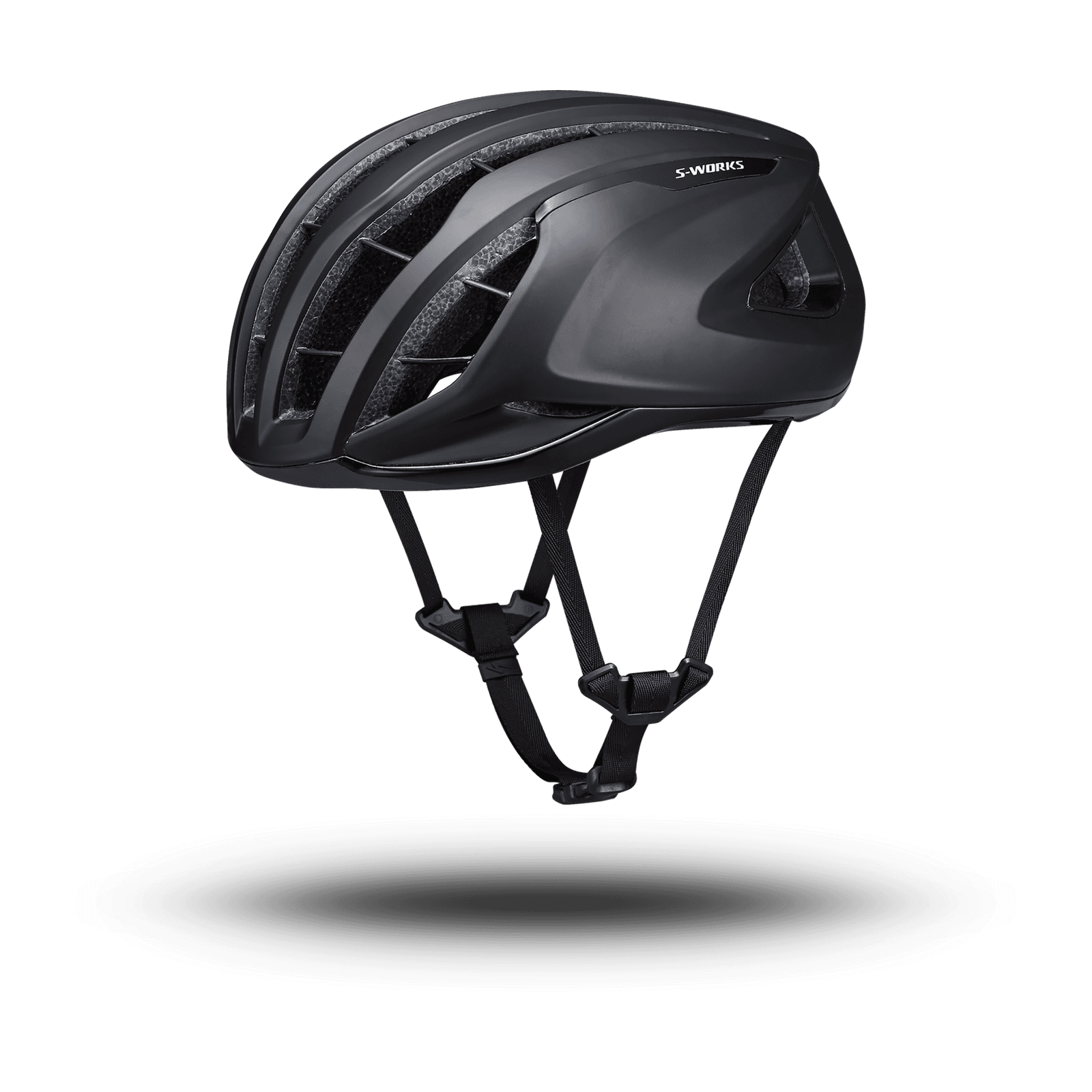
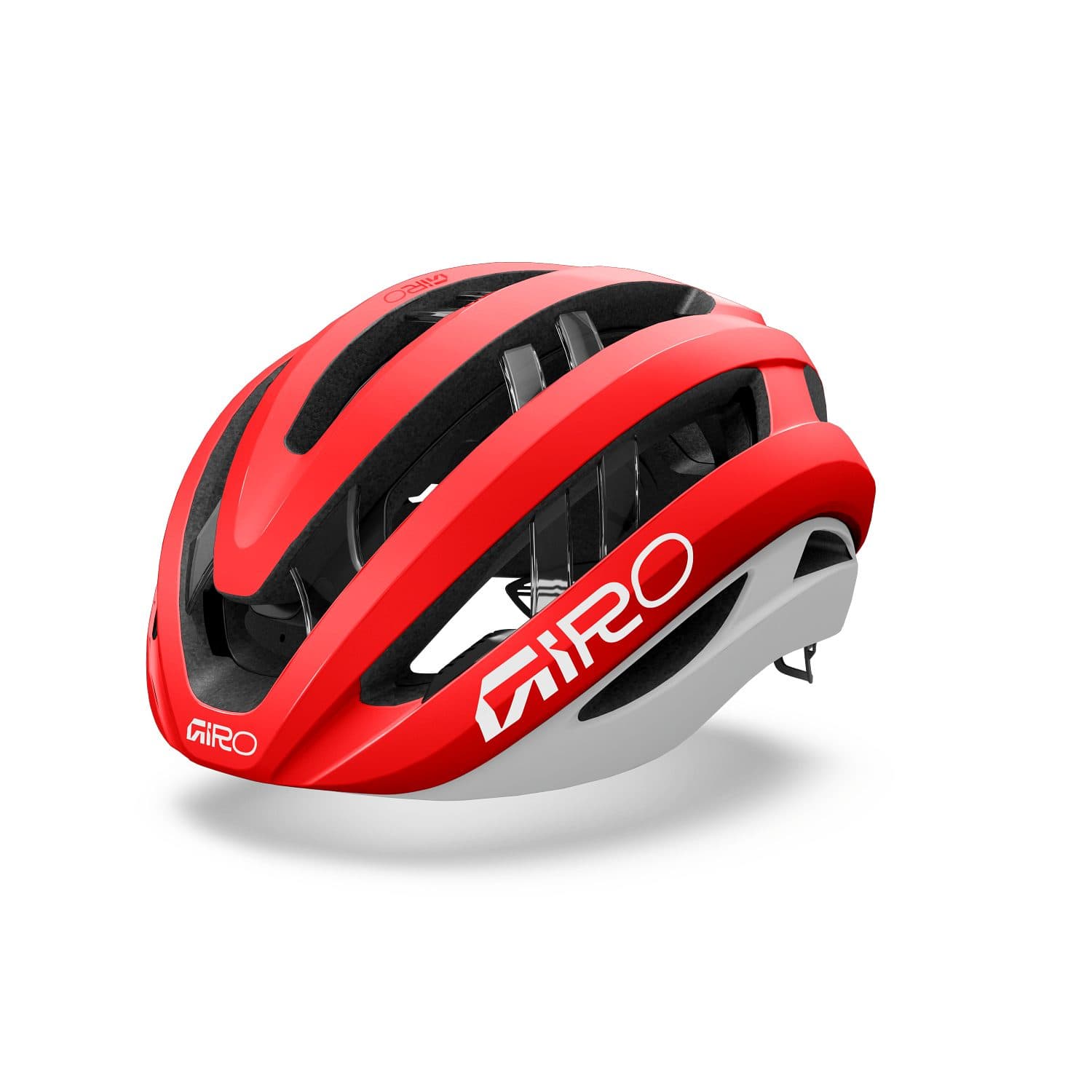
The Specialized S-Works Prevail 3 at rank 2 ($275) is the closest thematic rival — both helmets are built around a single-minded priority, but where the Z1 chases weight, the Prevail 3 chases airflow, removing its center foam bridges to create genuine through-air channels at the cost of roughly 300 grams, meaningfully heavier than the Z1. The Giro Aries Spherical at rank 3 ($350) sits above both on pure independent safety testing, holding the top score in Virginia Tech's ratings versus the Z1's 5-star tier, but at nearly double the price and without the Z1's weight advantage. Riders choosing among the three are trading weight (Z1), ventilation (Prevail 3), and top-tier lab-validated safety plus lightest-Spherical-construction bragging rights (Aries) against one another — all three clear the safety bar, so the decision comes down to which single attribute matters most on your rides.
The Gavler verdict
An 8.6, driven by an independently confirmed weight advantage and a 5-star Virginia Tech safety rating that proves KinetiCore isn't a shortcut on protection — offset by a premium price and a retention system that won't suit every rider's preference. The Z1 doesn't try to be the best-ventilated or best-tested helmet on this list; it wins by being demonstrably, measurably the lightest helmet with real rotational protection that Cyclingnews had tested. Buy it if you're a climber who counts grams and wants safety data to back the purchase. If retention simplicity or the single highest safety score matters more to you, the Prevail 3 or Aries Spherical above it on this list are the honest alternatives.
Common Questions
If a light, airy climbing helmet with rotational protection is what you're after, yes. It ranks eighth on Gavler's Best Cycling Helmets list with an 8.6, and Cyclingnews measured it at roughly 226 grams — about 27 grams lighter than the next-lightest helmet the outlet had tested, calling it a 'new lightweight king.' It also carries a 5-star Virginia Tech safety rating. The honest caveat: it's a premium-priced helmet at $180, not a budget pick, and the RollSys retention dial divides opinion versus a simple rear dial.
KinetiCore replaces a separate MIPS slip-plane liner with blocks of EPS foam moulded directly into the shell, separated by channels. In a crash, those blocks break and deform, letting the head rotate inside the helmet to manage rotational forces — the same underlying goal as MIPS. As Cyclingnews put it, 'Kineticore accomplishes the same thing as MIPS but there's no extra layer,' and the Z1 backs that up with a 5-star Virginia Tech rating, the highest score the lab awards.
Lazer claims 220 grams in a size Small; Cyclingnews independently measured 226 grams, which the outlet noted was about 27 grams lighter than the next-lightest helmet it had tested. It's worth noting that removing MIPS isn't where most of the weight saving comes from — Cyclingnews pointed out that much of the reduction comes from lighter straps and detailing throughout the helmet.
It works reliably without hot spots, tightening the entire cradle from a single top-mounted dial. But it's genuinely divisive — some reviewers find it more complicated than a standard rear dial for no real functional gain. If you prefer the simplicity of a conventional retention system, that's a fair reason to look elsewhere before buying.
Where to Buy.
Prices checked regularly
90-day price history
Price History
Steady at $180 for the entire 90-day tracking window — no increases, no discounts, across 91 tracked days.
Tracked daily across retailers. Vote Want itabove and we’ll alert you the moment the price drops.
Some links are affiliate links — Gavler may earn a commission. This never affects rankings or scores. Learn more.
Precision Engineering
KinetiCore Technology
Crumple-zone EPS blocks moulded into the shell break and deform in a crash to manage rotational forces — no separate MIPS liner required.
Featherweight Build
Claimed 220g (size S), measured ~226g — about 27g lighter than the next-lightest helmet Cyclingnews had tested.
Advanced RollSys Retention
Top-mounted dial tightens the entire cradle at once; reliable and hot-spot-free, though more involved than a standard rear dial.
Technical Specifications
The Scoreboard
Praised as one of the lightest helmets available with rotational protection, backed by a 5-star Virginia Tech rating and excellent airflow. Marked down where reviewers find the RollSys retention more complicated than a simple rear dial — and it's a premium-priced helmet, not a value pick.
Cast Your Vote
Do you think Lazer Z1 KinetiCore deserves the #8 spot in Best Cycling Helmets?
Global Critique
“The Lazer Z1 Kineticore is impressively light. If that's important to you, the rest of the Z1 is capable enough to let weight be a determining factor.”
“Kineticore accomplishes the same thing as MIPS but there's no extra layer.”
“The lightest helmet I've used.”
More from Best Cycling Helmets.
See how other top picks compare in this category.
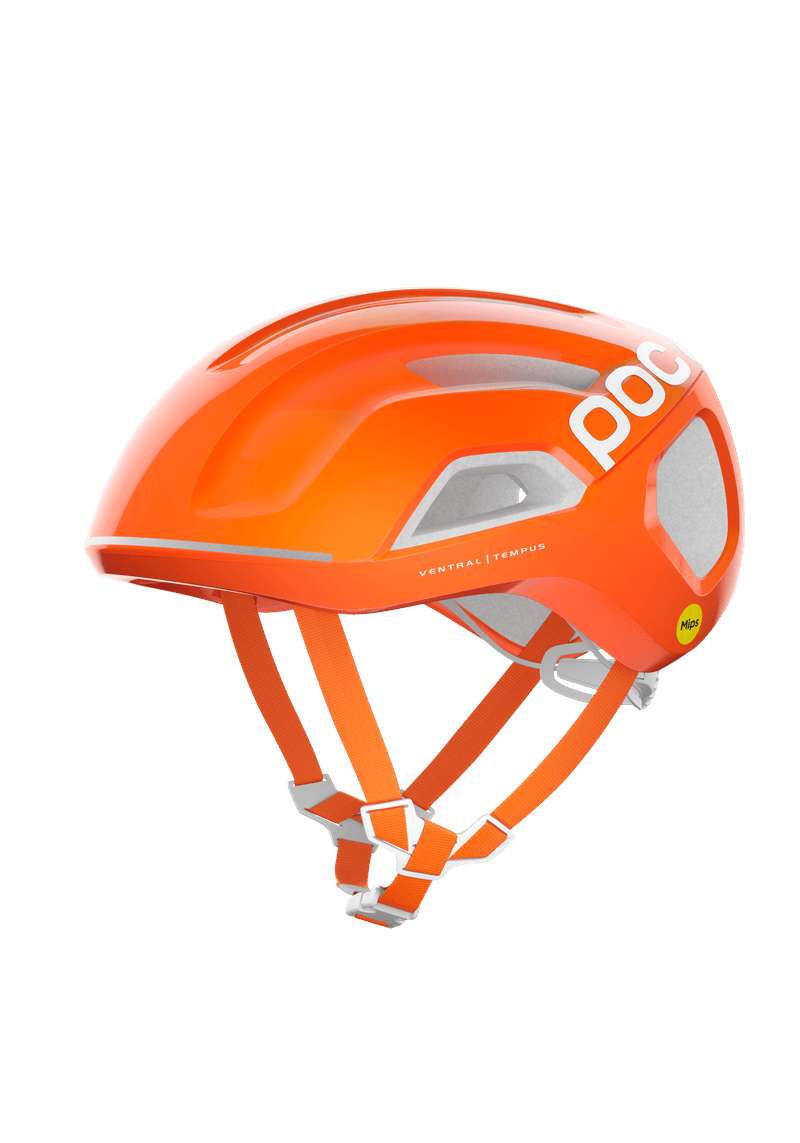
Open Road, Covered Weather, or a Trail Visor?
Vent-count hangtags are the wrong first question. Open-road airflow, a covered weather shell, or a trail visor is the lid. Then shop Gavler's live ranking.
The Best Cycling Helmets in 2026, Ranked by the Riders Who Actually Wear Them Every Day
POC, Specialized, Giro, Smith, Kask. Road and mountain helmets ranked by ventilation, fit, and real safety-test data — by riders, not press releases.