The Verdict
“Advanced Mini-LED with professional calibration and powerful sound engineering.”
10% STABLE
Premium television sets delivering exceptional picture quality and immersive viewing experiences. Updated March 2026.
“Advanced Mini-LED with professional calibration and powerful sound engineering.”
10% STABLE

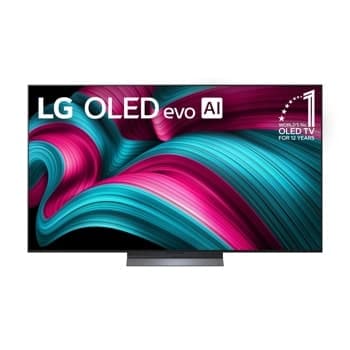
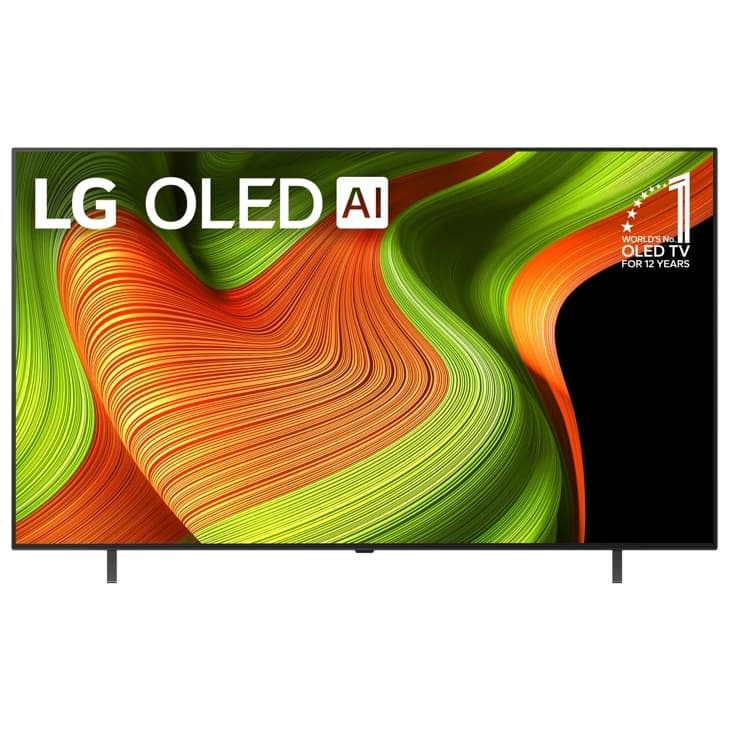
“The successor to the universally recommended C4, the LG C5 refines everything that made its predecessor the default OLED — brighter evo panel, smarter AI processing, and the same gaming-ready feature set.”
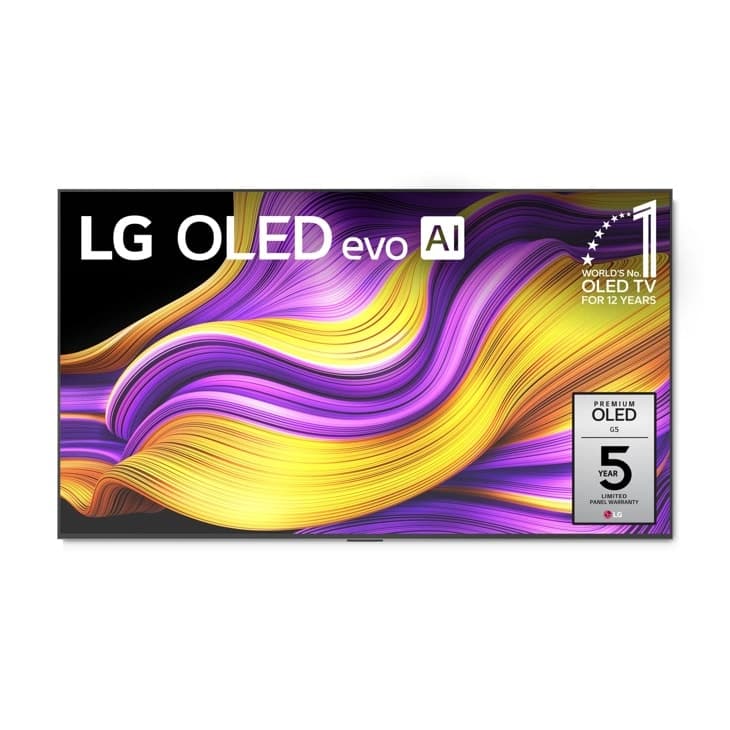
“LG's gallery-series flagship pushes OLED brightness to its current limits — noticeably brighter than the C5, with a flush-mount design that disappears against the wall.”
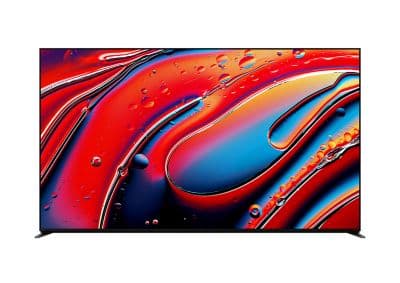
“Sony's Bravia 8 II excels through picture processing that consistently makes content look better than the source material, paired with Acoustic Surface Audio that turns the panel itself into the speaker.”
“DISCONTINUED — Replaced by LG G5 OLED. The G4 is no longer sold by LG.”

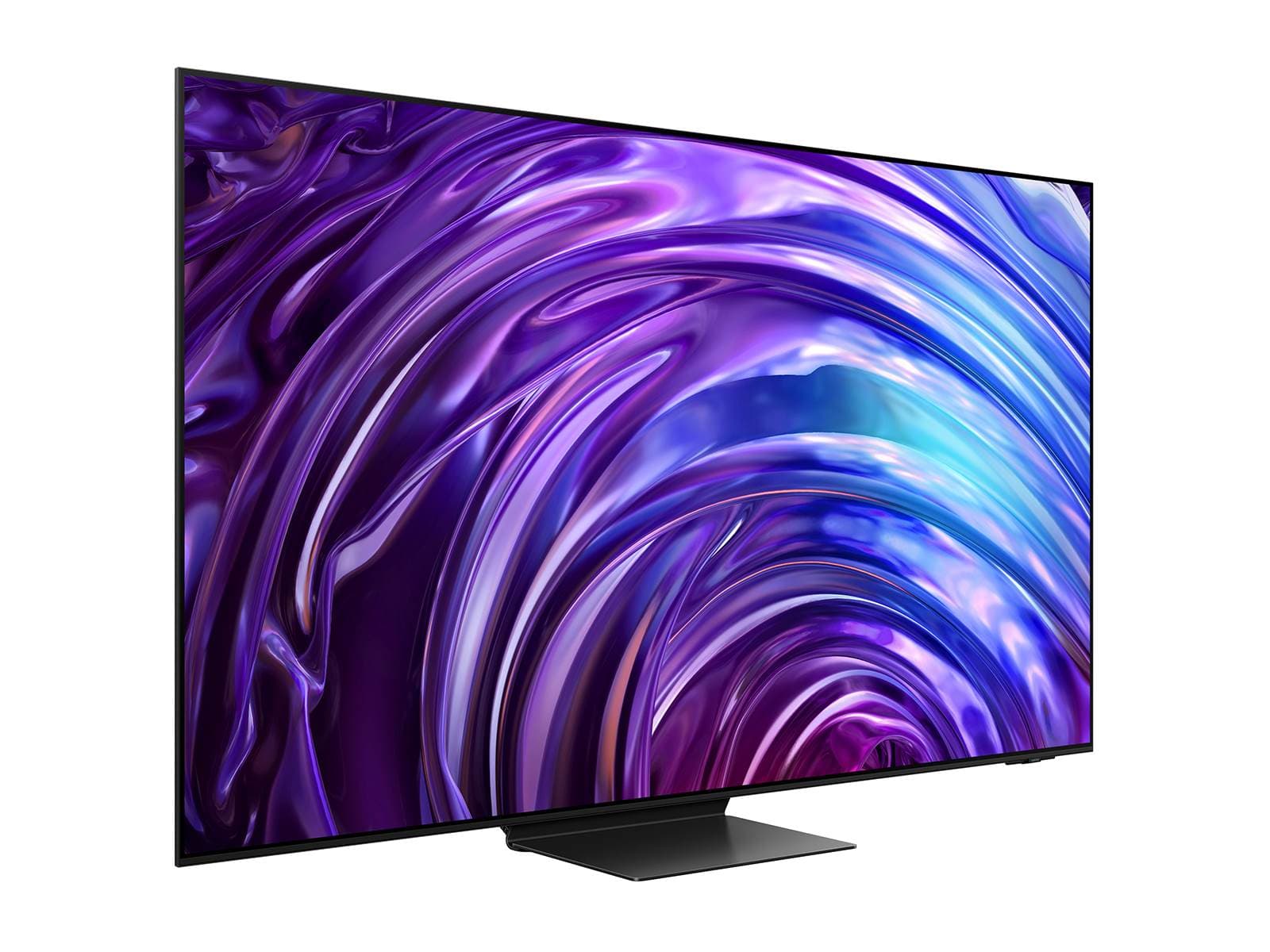
“Samsung's third-generation QD-OLED combines the brightest OLED panel ever tested (~1,600 nits) with an anti-glare matte coating that kills reflections without raising black levels. The missing brand gap in our TV list — finally filled.”

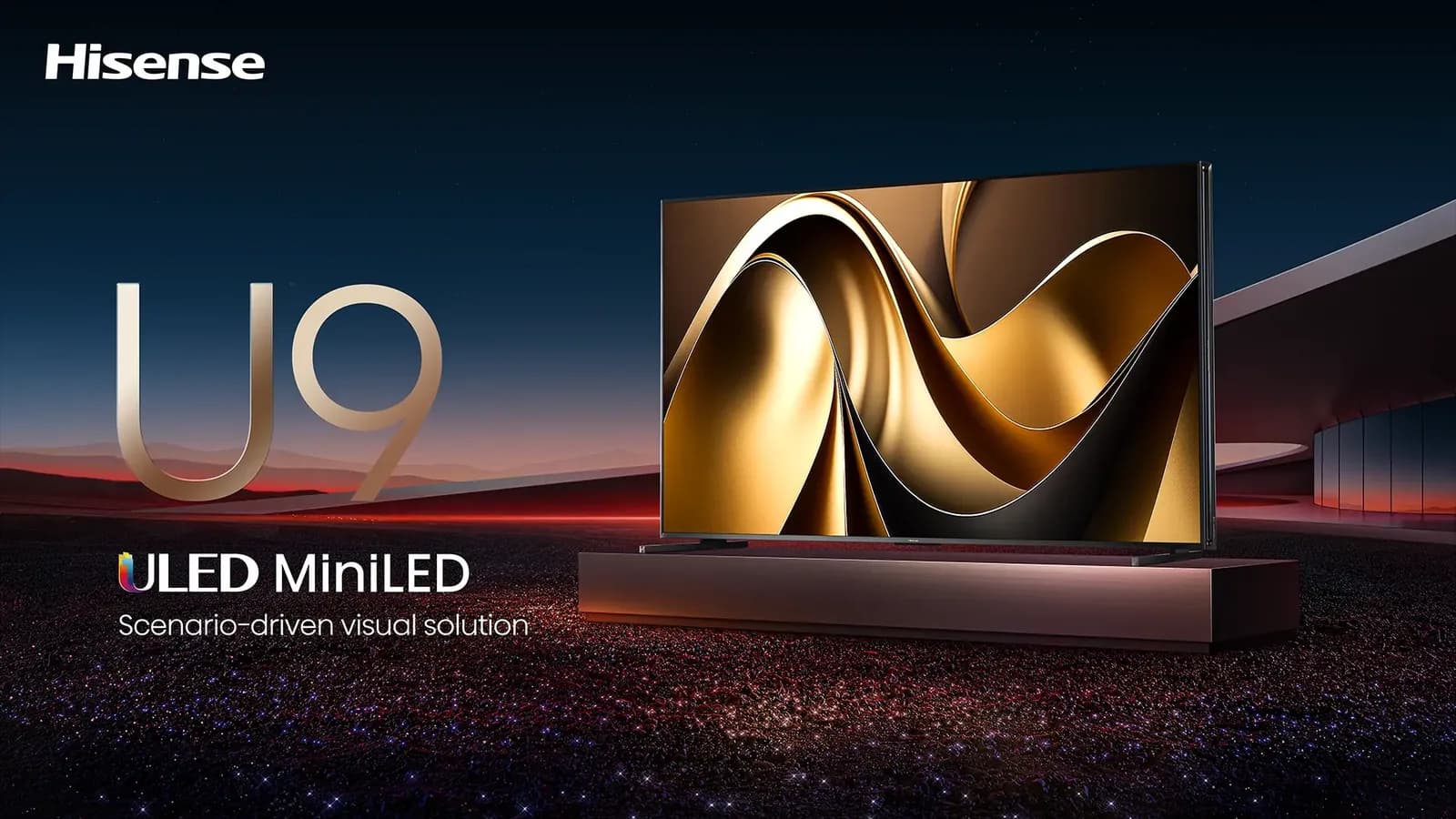
“Hisense's flagship Mini-LED pushes nearly 4,000 nits of peak brightness with 5,000+ dimming zones — the brightest consumer TV you can buy, with a built-in 4.1.2 Dolby Atmos system that eliminates the need for a soundbar.”
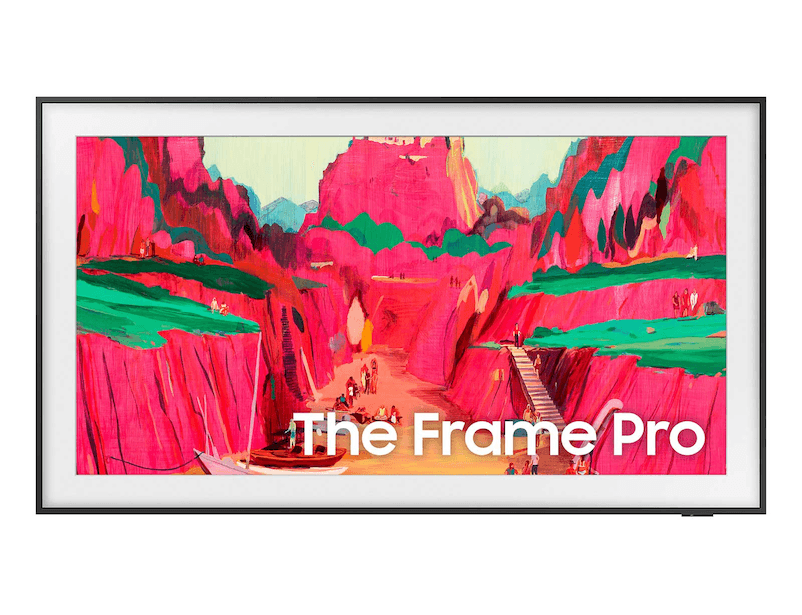
“Artistic QLED display that transforms into digital art when not actively used.”

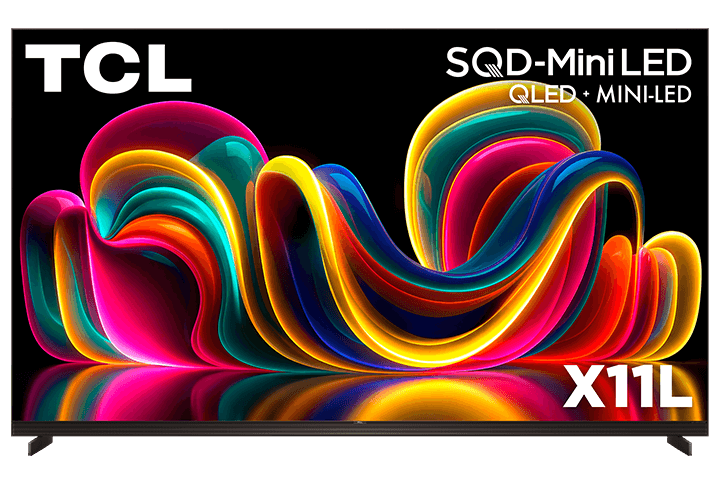
“TCL's flagship pushes Mini-LED to absurd extremes — 20,000 dimming zones and 10,000-nit peak brightness make it the brightest consumer TV ever made.”

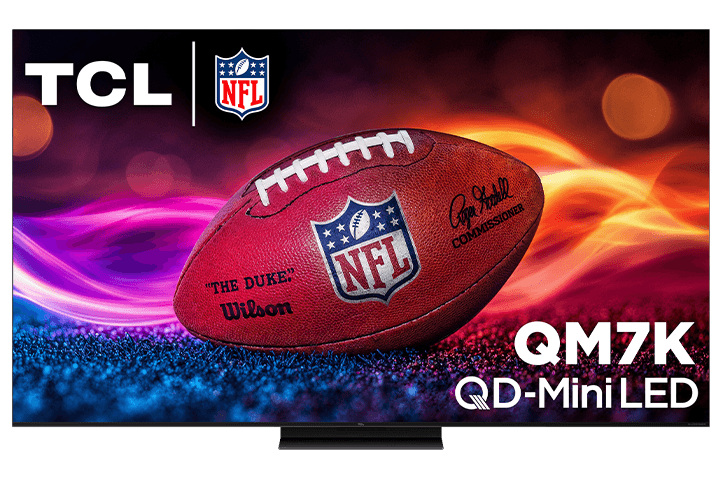
“QD-Mini LED at a mid-range price — 2,500 dimming zones, 144Hz native refresh, and Bang & Olufsen audio make this the best value Mini-LED on the market right now.”

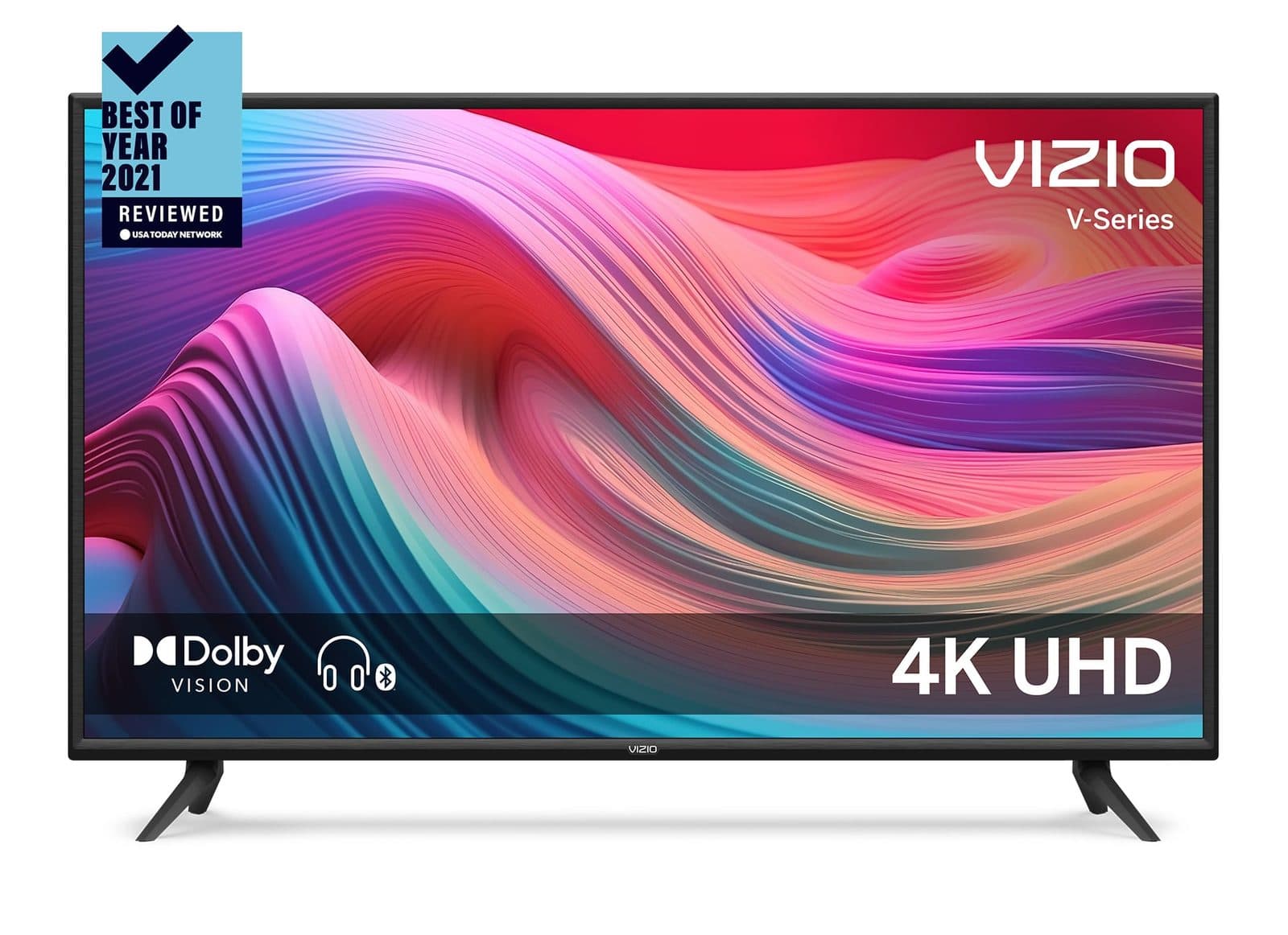
“Budget-conscious Full HD television with decent brightness and smart integration.”
OLED TVs use self-emitting pixels that can turn completely off, delivering perfect blacks and infinite contrast. QLED TVs use quantum dot enhancement over LED backlighting, achieving higher peak brightness at lower cost. OLED excels in dark rooms with cinematic content, while QLED performs better in bright rooms and resists burn-in.
A general guideline is to sit 1.5 to 2.5 times the diagonal screen size away from the TV. For a 65-inch TV, that means 8 to 13 feet. For most living rooms, 55 to 65 inches hits the sweet spot. If you have a large space or want a more immersive experience, 75 inches or larger is increasingly popular.
Rankings combine expert review aggregation with community voting. Each TV receives a Gavler Score (out of 10) based on professional reviews from major outlets, and community members vote for their top pick. Users get exactly one vote per list, ensuring rankings reflect genuine preference.
Yes — 4K resolution is now the standard across all price ranges. Even budget TVs offer 4K, and streaming services, gaming consoles, and Blu-ray all support 4K content widely. The real differentiator in 2026 is display technology (OLED vs. Mini-LED), HDR performance, and smart TV platform rather than resolution alone.
Key gaming features include HDMI 2.1 ports (for 4K/120Hz), low input lag (under 10ms in game mode), variable refresh rate (VRR/FreeSync/G-Sync), and Auto Low Latency Mode (ALLM). OLED TVs generally offer the best response times, while high-end Mini-LED models deliver brighter HDR highlights.
Think a product deserves a spot on this list? Submit a formal proposal with documented specs and the community will review it.
13% STABLE
9% STABLE
8% STABLE
11% STABLE
6% STABLE
10% STABLE
9% STABLE
6% STABLE
7% STABLE
11% STABLE