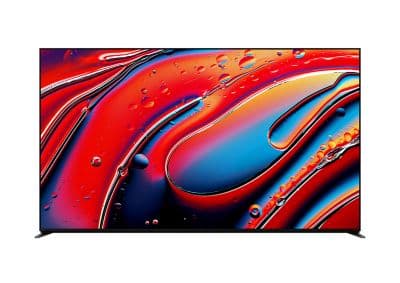
The BRAVIA 9 II is Great. We'd Still Buy the S95H.
RTINGS Home Theater
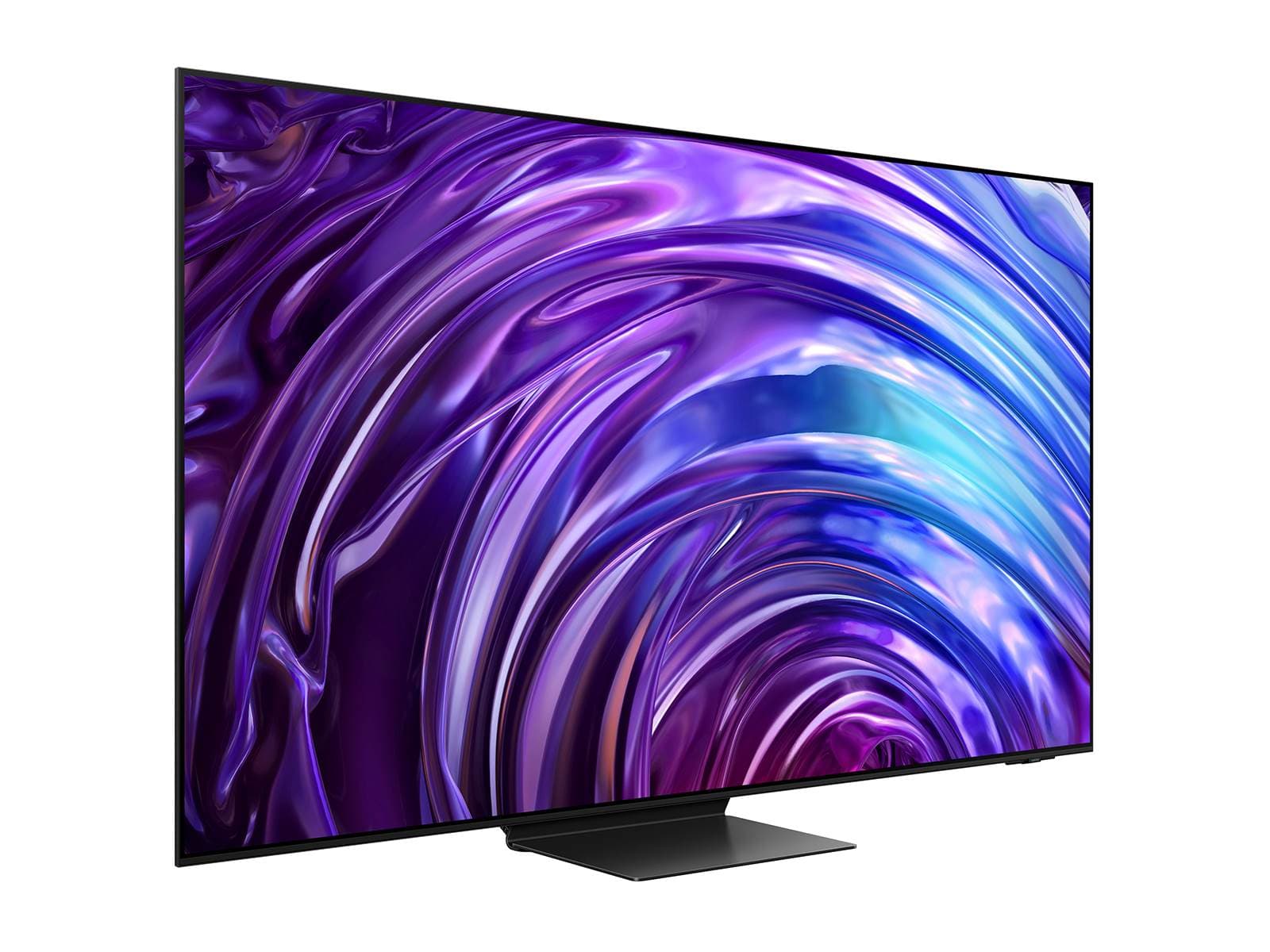
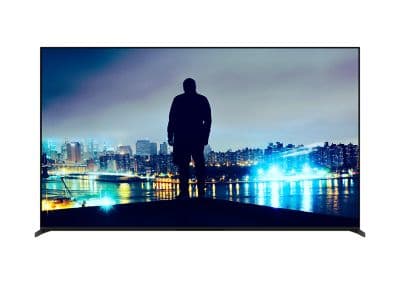
QD-OLED panel with Sony's acclaimed picture processing and Acoustic Surface Audio+ that turns the panel into the speaker.
Gavler Meta-Score
“The Bravia 8 II is the movie-lover's OLED — best-in-class Sony processing and the best built-in sound of any TV in its class. But it is a specialist, not an all-rounder: only two HDMI 2.1 ports and 16.3ms input lag make it a weak gaming pick, and at flagship money in just two sizes, most mixed-use buyers are better served by the cheaper, brighter-per-dollar LG C5.”
The Gavler Verdict
Sony Bravia 8 II Review: The Cinephile's OLED, Not the Gamer's
The Sony Bravia 8 II ranks #4 on Gavler's Best TVs list with a 9.1 score, and its defining move is swapping the outgoing A95L's W-OLED panel for a QD-OLED panel from the same family Samsung uses in the S95F. TechRadar measured about 1,439 nits peak brightness in Cinema mode and scored the picture quality a perfect 5 out of 5. This is a movie-first television built for a dimmed room, not a do-everything set — RTINGS found "only two HDMI 2.1 ports and a comparatively high 16.3ms input lag mean the gaming features aren't as extensive as the LG G5 or Samsung S95F."
The Bravia 8 II is Sony's 2025 flagship OLED, positioned just below the Bravia 9 Mini-LED in the lineup but running Sony's most advanced OLED panel. The switch to QD-OLED lifts peak brightness roughly 25% over the A95L it effectively replaces and pushes color coverage to 99.9% of DCI-P3. Sony's XR Processor handles the rest — scene recognition and upscaling that make low-bitrate streaming and older SD and HD content look meaningfully better than the source material warrants, a Sony processing strength that's shown up consistently across its OLED lineup for years.
The party trick is Acoustic Surface Audio+, which vibrates the panel itself using actuators so dialogue appears to originate from wherever the action is on screen, rather than from a speaker bar below the picture. It's available in just two sizes — 55 and 65 inches — and it's priced like the flagship it is.
In a dimmed room, the picture lives up to the flagship billing. TechRadar's review, cited in Gavler's baseline research, called it "a better, brighter Sony OLED TV that sounds as good as it looks — its picture processing makes everything, even old TV shows and streaming, look good." FlatpanelsHD's independent lab testing backs that up with hard numbers: they measured peak brightness around 1,800 nits in calibrated mode — noticeably brighter than the roughly 1,500 nits they measured on the outgoing A95L — while noting it still trails Samsung's S95F, which they measured closer to 2,100 nits calibrated. FlatpanelsHD's overall conclusion was direct: "Bravia 8 II is almost a copy of Sony A95L and can easily hold its own against other flagships like Samsung S95F and LG G5."
Where Sony pulls ahead of both of those rivals, according to FlatpanelsHD, is video processing: "if we look at what sets Sony apart from competitors it is Sony's video processing: upscaling from HD to 4K, gradient handling, and motion processing... their algorithm is a touch better than others." That's a meaningful differentiator for anyone who still watches a lot of cable, older streaming content, or catalog titles that weren't mastered for a modern OLED.
Acoustic Surface Audio+ is where the reviews start to diverge from the marketing. Sony's pitch is a TV that sounds noticeably better than built-in speakers on almost any rival, and for dialogue and midrange it delivers — but FlatpanelsHD's hands-on listening was more critical of full-range performance: "Bravia 8 II has the same strengths and weaknesses we have seen in earlier Acoustic Surface models, namely good reproduction of dialogue and higher frequencies, but the lack of bass is impossible to ignore... it quickly feels underpowered once the volume is pushed toward cinema levels." Their practical advice: budget for an external sound system if movies are the priority, since Sony's own current-generation Theatre Quad system "typically cannot keep up," even as a center channel pairing.
Gaming is the clearest reason to look elsewhere. RTINGS and TechRadar both flag two HDMI 2.1 ports (one doubling as eARC) and 16.3ms measured input lag, and FlatpanelsHD's own testing found VRR capped at 120Hz — fine for a PS5, but a real limitation for PC gamers chasing higher refresh rates. Size range is the second constraint: with only 55 and 65 inches available, anyone wanting to size up from an older 65-inch set, or size down for a smaller room, is out of luck. And as FlatpanelsHD noted plainly, "colors not quite as accurate as A95L" out of the box, along with only two HDMI 2.1 ports as the most-cited technical shortfall across every review. At flagship pricing with those constraints, this is a TV built for a specific viewer, not a universal recommendation.
Against the LG C5 OLED, ranked #2 on this list and roughly half the Bravia 8 II's price, the trade is straightforward: the C5 has four HDMI 2.1 ports, a 144Hz refresh rate, and RTINGS-measured input lag as low as 9.2ms — a far better all-rounder for anyone splitting time between movies and gaming. The Bravia 8 II answers with superior processing and built-in audio, but only pays off for viewers who watch primarily in a dim room and rarely touch a controller.
Against the LG G5 OLED, ranked #3, the two trade blows on brightness and price. FlatpanelsHD notes LG G5 "currently holds the crown for peak brightness in OLED TVs," edging out both Sony and Samsung's QD-OLED panels — a real advantage for anyone watching in a room with some ambient light, where the Bravia 8 II's dimmer full-field brightness (measured at just 235 nits by FlatpanelsHD, notably lower than Samsung's S95F) will show its limits.
At 9.1 and rank #4 on Best TVs, the Sony Bravia 8 II is a genuinely excellent movie television let down as an all-rounder by limited gaming features and a two-size lineup at flagship pricing. Buy it if you're a cinephile with a light-controlled room who values Sony's processing and built-in sound above everything else. Everyone else — especially anyone who games seriously or needs a bigger screen — is better served by the LG C5.
If you watch mostly movies in a controlled room, yes — it ranks #4 on Gavler's Best TVs list at 9.1, and TechRadar scored its picture quality a perfect 5 out of 5. FlatpanelsHD's independent testing confirmed it 'can easily hold its own against other flagships like Samsung S95F and LG G5,' though it costs flagship money for just two screen sizes.
Not its strength. RTINGS and TechRadar both flag only two HDMI 2.1 ports (one shared with eARC) and 16.3ms measured input lag. FlatpanelsHD's hands-on gaming tests noted VRR caps at 120Hz, which 'may feel limiting' for PC gamers even though it's a non-issue for PS5. Buyers who split time between movies and gaming should look at the LG C5 instead.
The LG C5, ranked #2 on this list, costs roughly half as much, comes in far more sizes, and has four HDMI 2.1 ports with a 144Hz refresh rate built for gaming. The Bravia 8 II answers back with Sony's superior video processing and Acoustic Surface Audio+ built-in sound — the right upgrade only if you watch primarily movies in a dim, dedicated room.
Prices checked regularly
90-day price history
Steady at $3,499 for the entire 90-day tracking window — no increases, no discounts, across 91 tracked days.
Tracked daily across retailers. Vote Want itabove and we’ll alert you the moment the price drops.
Some links are affiliate links — Gavler may earn a commission. This never affects rankings or scores. Learn more.
Quantum-dot OLED measured around 1,439 nits peak in Cinema mode by TechRadar — roughly 25% brighter than the A95L — with near-complete 99.9% DCI-P3 color coverage.
Actuators vibrate the screen itself so dialogue tracks the on-screen action, and it can serve as a center channel with a compatible Sony soundbar or speakers.
Sony's scene-recognition processing and upscaling make low-bitrate streaming and older SD/HD sources look noticeably cleaner than the source warrants.
Reviewers rate the picture and built-in sound among the best in the OLED class — TechRadar scored picture quality a perfect 5 out of 5. Community scores run lower because of the flagship price, just two size options, and gaming limits (two HDMI 2.1 ports, a 120Hz ceiling, and 16.3ms input lag) against the brighter, more gaming-focused LG G5 and Samsung S95F.
Do you think Sony Bravia 8 II deserves the #4 spot in Best TVs?
“A better, brighter Sony OLED TV that sounds as good as it looks — its picture processing makes everything, even old TV shows and streaming, look good.”
“Its anti-reflective screen handles glare far better than rival OLEDs, but it doesn't get as bright as the LG G5, so blacks don't stay as inky in a sunlit room.”
“Only two HDMI 2.1 ports and a comparatively high 16.3ms input lag mean the gaming features aren't as extensive as the LG G5 or Samsung S95F.”
Watch
Hand-picked from creators we trust — playable inline.
The BRAVIA 9 II is Great. We'd Still Buy the S95H.
Sony BRAVIA 9 II is Absurd
Sony BRAVIA 7 II: Betting Big on RGB Mini LED
The GOD-KING of TVs - Sony TrueRGB 115”
Sony Spent 20 Years Making This TV
See how other top picks compare in this category.
Reference OLED contrast or the brightest TV you can buy? The two best-value TVs of Prime Big Deal Days 2026 solve opposite problems — here's how to choose.
Prime Big Deal Days runs October 6-7, 2026. The OLED, mini-LED, and budget TV picks worth watching, what they actually discount to, and which to buy anyway.
Most Labor Day TV deals are doorbuster bait. Here's how to spot a real record low versus a marketing banner — and which sets are actually worth buying now.
Samsung's 2026 flagship QD-OLED gets brighter and glare-free, solving OLED's one real weakness. A divisive new frame and steep price complicate the pick.
Sony's QD-OLED Bravia 8 II costs nearly twice as much as the LG C5. Here's exactly what the extra money buys — and when it isn't worth it.
OLED, QD-OLED, Mini-LED, and the new RGB Mini-LED — what each technology actually delivers in 2026, what to pay, and which one matches your room.
The two flagship OLED TVs every home theater buyer cross-shops. Here's how Samsung's QD-OLED S95H and LG's G6 actually compare.
Sony, LG, Samsung, Hisense. Gavler's home theater community ranks the TVs worth watching — OLED, QD-OLED, and Mini-LED, by votes not ad spend.