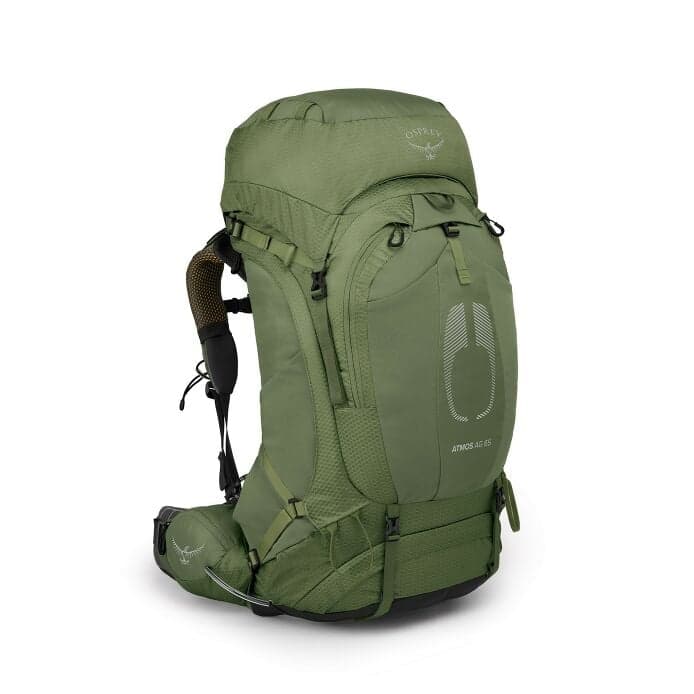
Osprey Atmos AG 65.
The gold standard for multi-day treks — distributes weight like no other pack in its class.
The Verdict.
Gavler Meta-Score
“Trades ultralight bragging rights for something more practical: the ability to carry 35 pounds for five days without your shoulders and hips filing a formal complaint. The Anti-Gravity suspension has a near-cult following because it actually works — Outdoor Gear Lab calls it 'perhaps the most cult-like following of any pack we tested.' Osprey's All Mighty Guarantee (free repair for any reason, any era) means this is likely the last backpacking pack you buy.”
The Gavler Verdict
The Gavler Review.
Osprey Atmos AG 65 Review: Anti-Gravity Suspension That Actually Works
The Osprey Atmos AG 65 sits at number one on our Best Hiking Backpacks list with a 9.5, and it gets there with one genuine breakthrough rather than a list of incremental features: Anti-Gravity suspension that distributes weight across your entire torso instead of concentrating it on your shoulders and hips. Buy it if you carry 25 to 40 pounds on multi-day trips and want the most comfortable way to do it, full stop. If you're chasing the lightest possible pack for a thru-hike, the Durston Kakwa 55 is the honest, far lighter alternative. For the overwhelming majority of backpackers who prioritize comfort on day three over shaving ounces on day one, the Atmos AG 65 is the default.
What it actually is
The Atmos AG 65 built its reputation on a single mechanical idea: the Anti-Gravity suspension system. Instead of a traditional padded backpanel, a continuous mesh wraps around your body, creating a seamless load-carrying surface that spreads weight across your whole torso rather than digging into two shoulder straps and a hipbelt. The effect is a pack that feels lighter than its actual weight, especially once loaded into its 30-50 lb sweet spot.
The Fit-on-the-Fly hipbelt lets you adjust tension on the move as your body shifts through a long day — a small detail that matters enormously on hour six of a climb. The 2024 update moved the pack to 100% recycled 210-denier nylon without sacrificing abrasion resistance, and added an integrated raincover in the bottom compartment. At 4 lbs 9 oz, it's genuinely heavier than ultralight alternatives, and that trade-off is the honest center of this review.
In use
The Anti-Gravity suspension isn't a marketing name attached to an ordinary backpanel — it's the reason this pack has the reputation it does. Outdoor Gear Lab didn't mince words: "This pack is incredibly comfortable, boasting perhaps the most cult-like following of any pack we tested." That's a striking thing for a testing outlet to say about a mainstream pack, and it reflects something real: backpackers who've carried the Atmos for multiple seasons tend to become genuine advocates, not just satisfied customers.
Switchback Travel's framing gets at why the suspension matters more on longer trips than a single-day test would suggest: "Osprey's leading backpacking pack remains one of the most well-rounded designs on the market." Day one feels fine on almost any decent pack — the differences show up on day three, when pressure points that seemed minor at the trailhead have had 72 hours to compound. That's exactly the scenario the Anti-Gravity suspension is engineered around.
Outdoor Gear Lab's more technical assessment backs that up with specifics: "The AG suspension distributes the load effectively, creating an even and pressure-point-free feel for most people." The qualifier — "most people" — is honest and worth noting; suspension systems interact with individual torso shapes differently, but the consensus across reviewers is that the Atmos gets it right for the large majority of body types, which is a meaningful claim for a mass-market pack rather than a custom-fit system.
Where it shines
- Anti-Gravity suspension that lives up to the hype. This is a genuine mechanical advantage, not a marketing label — the mesh backpanel measurably distributes load in a way traditional backpanels don't, and multiple independent testers converge on the same conclusion.
- Fit-on-the-Fly adjustability. Being able to tighten or loosen the hipbelt wings mid-hike, without removing the pack, is a small feature that pays off constantly on real trail days with changing terrain and elevation.
- The All Mighty Guarantee. Osprey repairs the pack for any reason, for its entire life, no questions asked. Combined with the suspension's durability, this is realistically the last backpacking pack a lot of buyers will ever need to purchase.
The trade-offs — who should skip it
This is the most comfortable mainstream backpacking pack on the list, not the lightest, and the honest reasons to buy something else are specific:
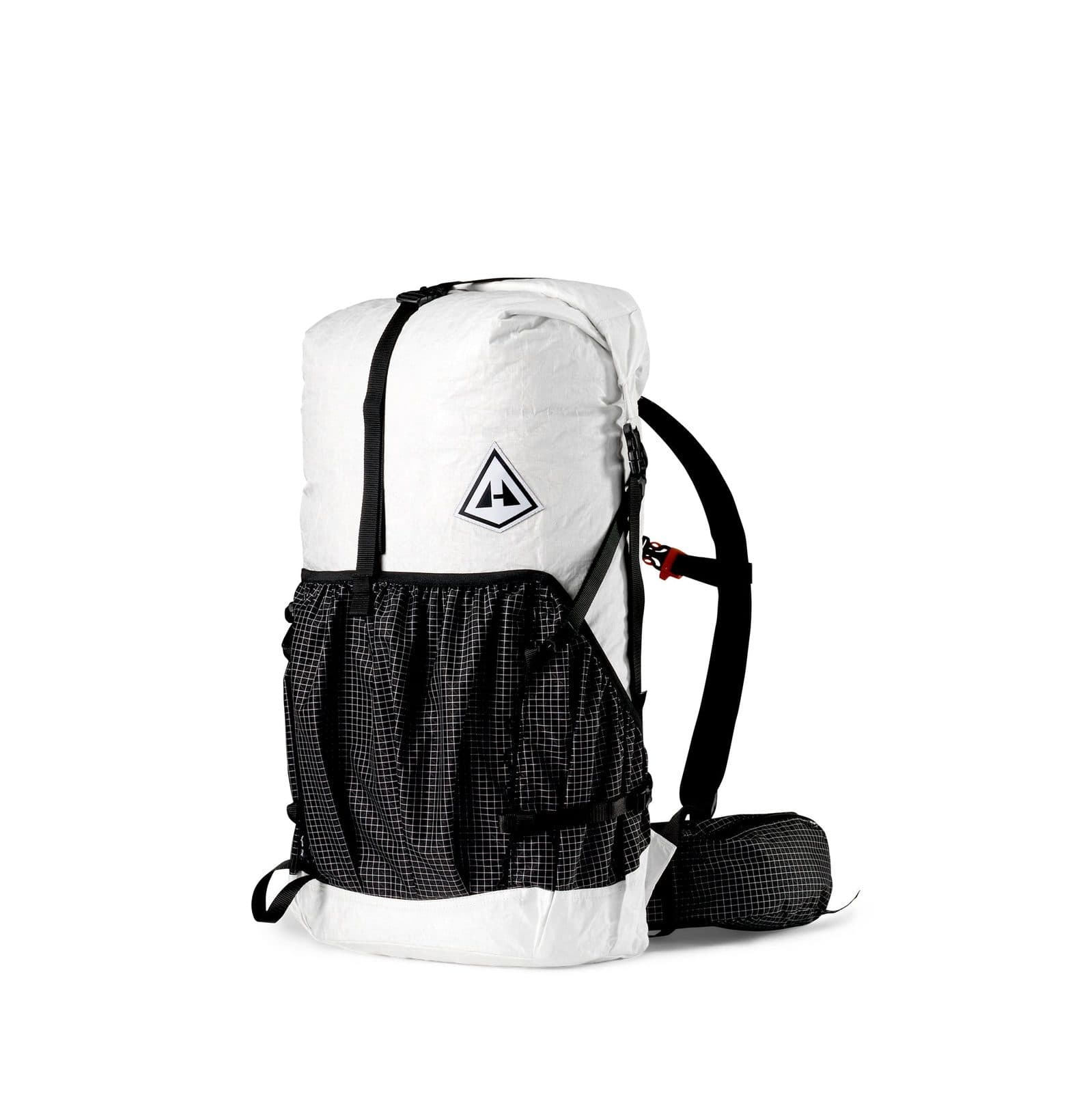
- You're counting ounces for a thru-hike. At 4 lbs 9 oz, the Atmos is heavier than ultralight alternatives like the Hyperlite 3400 (1.9 lbs) or ULA Circuit (2.4 lbs). If grams matter more than comfort ceiling, this isn't your pack.
- Your typical load is under 25 pounds. The Anti-Gravity suspension does its best work in the 30-50 lb range. Below that, you're carrying suspension complexity — and weight — you don't need.
- You struggle with heat in humid conditions. The mesh backpanel is excellent for load distribution but retains some heat; reviewers note this as the pack's main climate-specific complaint.
How it compares
The clearest weight-focused alternative on the list is the Durston Kakwa 55 at rank twelve — a genuinely lightweight framed pack at 28-31 ounces that still credibly carries up to 45 pounds. CleverHiker calls it "the best value in ultralight backpacking. Period," and it's the pack to consider if the Atmos's near-4.5-pound weight is a dealbreaker. For hikers who want even more load-carrying capacity than the Atmos offers, the Gregory Baltoro 75 at rank two is built specifically for 40-50 pound loads via its FreeFloat A3 suspension, at the cost of even more weight (5 lb 2 oz) and reduced ventilation. The Atmos sits at the sensible middle: more comfortable than the ultralight Kakwa, lighter and better-ventilated than the load-hauling Baltoro.
The Gavler verdict
A 9.5, and the score reflects a pack that trades ultralight bragging rights for something more useful to the majority of backpackers: the ability to carry a real multi-day load without your shoulders and hips filing a complaint by day three. The Anti-Gravity suspension has earned its near-cult reviewer following honestly, and the All Mighty Guarantee means the value proposition extends well beyond the first season. Buy it as your default multi-day pack; look to the Durston Kakwa 55 only if shaving pounds is genuinely your top priority over all-day comfort.
Common Questions
For most multi-day backpackers, yes. It ranks first on Gavler's Best Hiking Backpacks list with a 9.5, and its Anti-Gravity suspension has what Outdoor Gear Lab calls 'perhaps the most cult-like following of any pack we tested' for good reason — it distributes weight across your whole torso instead of your shoulders and hips. Osprey's All Mighty Guarantee, which repairs the pack for any reason for its entire lifespan, also means this is realistically the last backpacking pack most people will need to buy.
Yes, and that's an honest trade-off, not a flaw. At 4 lbs 9 oz, it's meaningfully heavier than ultralight packs like the Hyperlite 3400 (1.9 lbs) or the Durston Kakwa 55 (28-31 oz). If you're counting grams for a thru-hike, this isn't the right pack. If you carry 25-40 lbs and prioritize all-day comfort over shaving ounces, the extra weight buys real comfort that lighter packs can't match.
30 to 50 pounds is where the Anti-Gravity suspension does its best work. Below that range, the suspension is somewhat overbuilt for the load; above it, you're pushing toward the pack's practical ceiling. Most multi-day backpackers carrying food, shelter, and layers for several days land comfortably in that window.
Buy the Atmos AG 65 if all-day comfort under load is your top priority and weight is a secondary concern — the Anti-Gravity suspension is unmatched at distributing 30-50 lb loads. Buy the Kakwa 55 if you want a genuinely lightweight framed pack (28-31 oz) that still carries up to 45 lbs credibly; CleverHiker calls it 'the best value in ultralight backpacking, period.' The Atmos wins on comfort ceiling, the Kakwa wins on weight and value.
Where to Buy.
Prices checked regularly
90-day price history
Price History
Steady at $310 for the entire 90-day tracking window — no increases, no discounts, across 91 tracked days.
Tracked daily across retailers. Vote Want itabove and we’ll alert you the moment the price drops.
Some links are affiliate links — Gavler may earn a commission. This never affects rankings or scores. Learn more.
Precision Engineering
Anti-Gravity Suspension
Continuous mesh backpanel wraps around your body, distributing weight across your entire torso — Outdoor Gear Lab notes it creates 'an even and pressure-point-free feel for most people.'
Fit-on-the-Fly Hipbelt
Adjustable hipbelt wings can be tightened or loosened on the trail without removing the pack — micro-adjustments as your body shifts through changing terrain and elevation.
100% Recycled Materials
Updated construction uses 100% recycled 210-denier nylon body with 500-denier nylon base — sustainable without sacrificing abrasion resistance.
Technical Specifications
The Scoreboard
Outdoor Gear Lab's top pick for multi-day backpacking. Switchback Travel calls it 'one of the most well-rounded designs on the market.' Community consensus is remarkably high — minor complaints focus on heat retention in humid conditions and the 4.5 lb weight penalty vs. ultralight packs.
Cast Your Vote
Do you think Osprey Atmos AG 65 deserves the #1 spot in Best Hiking Backpacks?
Global Critique
“This pack is incredibly comfortable, boasting perhaps the most cult-like following of any pack we tested.”
“Osprey's leading backpacking pack remains one of the most well-rounded designs on the market.”
“The AG suspension distributes the load effectively, creating an even and pressure-point-free feel for most people.”
More from Best Hiking Backpacks.
See how other top picks compare in this category.
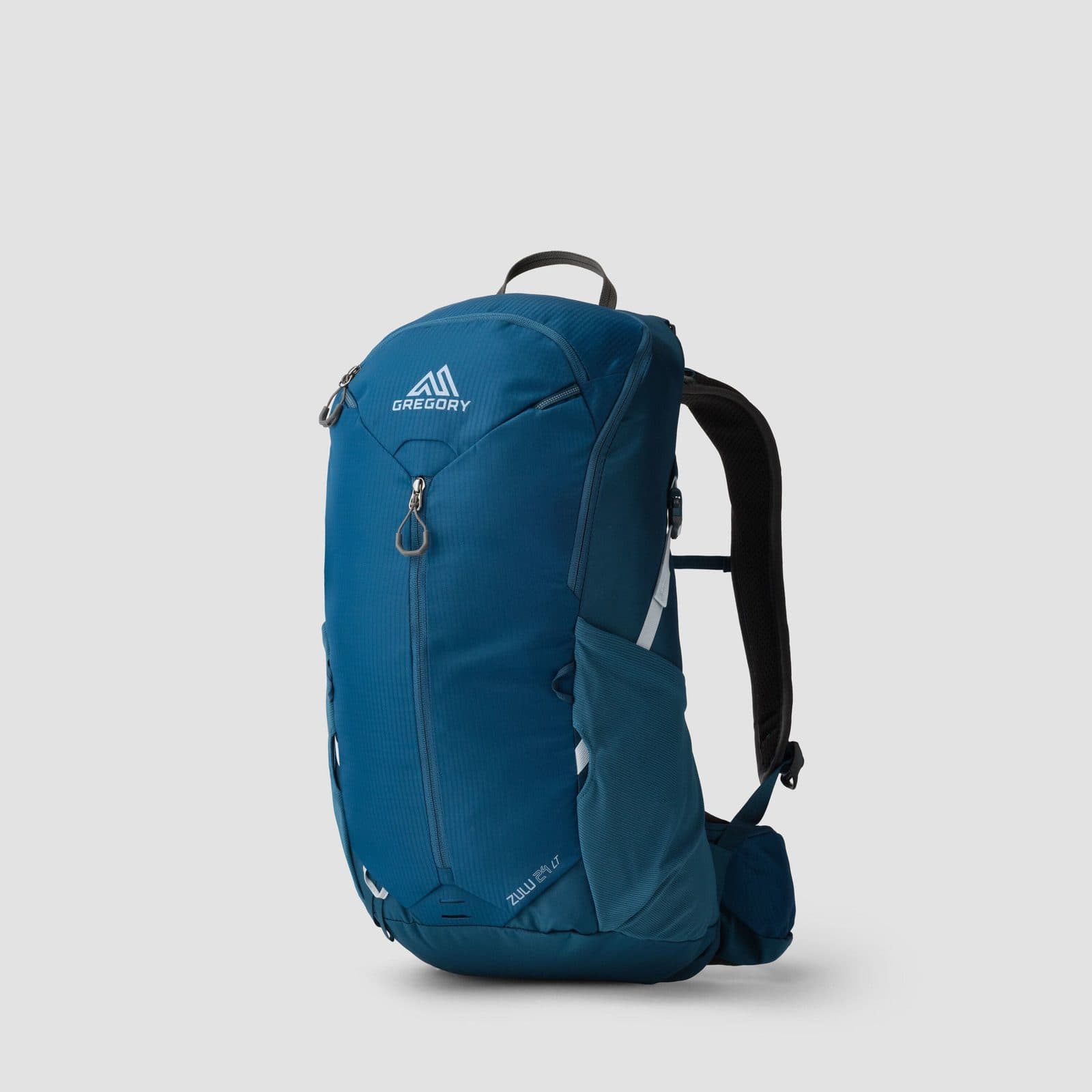
Overnight, Ultralight, or Daypack Hiking Packs
Liter stickers and ultralight hangtags are the wrong first question. Ventilated overnight vs ultralight vs day/fastpack vs women's-specific fit is the load. Shop Gavler's live ranking.
The Best Hiking Backpacks in 2026, Ranked by People Who Actually Carry Them
Osprey, Gregory, Hyperlite, Granite Gear. Gavler's backpackers rank the packs worth carrying — day hikes through 7-day thru-hikes.