The Best Mirrorless Cameras in 2026, Ranked by Photographers Who Shoot Daily
Sony A7R V, Fujifilm X-T5, Canon R5 II, Nikon Z9. Gavler's photographers rank the mirrorless cameras worth shooting — APS-C through full-frame.
The mirrorless camera market in 2026 is mature in the best possible way. Autofocus systems that seemed like science fiction five years ago are now standard. Sensor technology has plateaued at "absurdly good." And the lens ecosystems for Sony, Canon, and Fujifilm have all reached critical mass.
Which means the decision is harder than ever. When everything is excellent, how do you choose? You ask the people who shoot. Gavler's camera rankings come from photographers and videographers who've carried these bodies through weddings, street sessions, studio work, and weekend hikes. Their votes determine the rankings. Nothing else.
How We Rank: One Vote, One Camera
Every Gavler user gets a single vote on the Best Mirrorless Cameras list. Pick the one body you'd recommend above all others. Switched systems? Your vote moves. The result is a ranking shaped by what photographers actually choose — not what they're told to choose.
The Top 3: What the Community Chose
1. Sony A7R V — The Resolution King
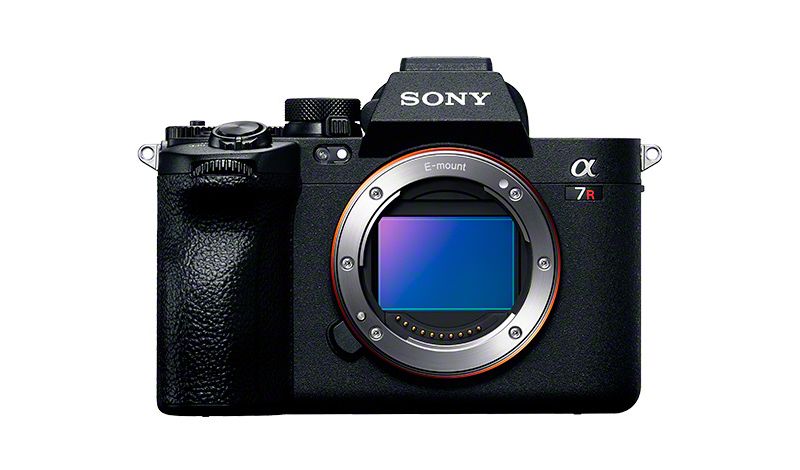
Sony A7R V
The highest-resolution full-frame mirrorless with AI-powered subject recognition and 8K oversampled 4K video.
Amazon affiliate · price subject to change
Sixty-one megapixels. AI-driven autofocus that tracks eyes, birds, insects, vehicles, and basically anything you point it at. Dynamic range that lets you rescue shadows you had no business underexposing. The A7R V scores 9.7 because it doesn't force you to compromise on anything except your storage budget.
What the community appreciates most isn't any single spec — it's the system. Sony's E-mount lens library is the deepest in mirrorless, with outstanding native glass and wide-open third-party support from Sigma, Tamron, and Samyang. Buying a Sony body means buying into an ecosystem that gives you options for decades.
The A7R V is the camera photographers vote for when they're asked "if you could only have one body."
2. Fujifilm X-T5 — The Photographer's Camera
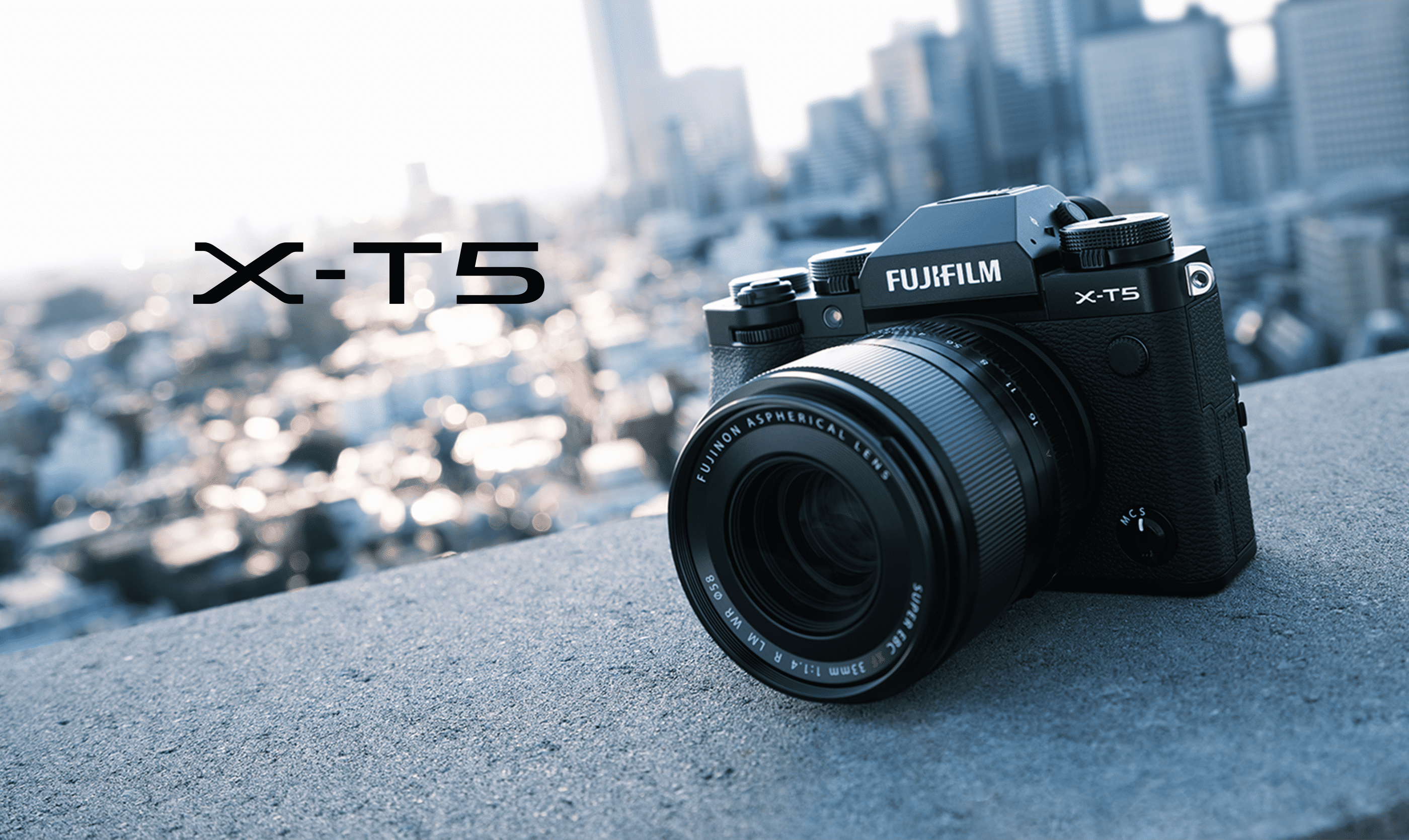
Fujifilm X-T5
Tactile analog controls and Fuji's iconic color science make this the most enjoyable camera to shoot with.
Amazon affiliate · price subject to change
The X-T5 at 9.5 is a statement. In a market obsessed with full-frame sensors and video specs, Fujifilm built an APS-C camera that unapologetically prioritizes the photography experience. Physical dials for shutter speed, ISO, and exposure compensation. Film simulation modes that produce gorgeous JPEGs straight out of camera. A 40MP sensor that resolves stunning detail despite the smaller format.
The community votes for the X-T5 because it makes shooting fun in a way that spec-sheet cameras don't. It's the camera that reminds photographers why they picked up a camera in the first place. And the Fujifilm lens lineup — especially the primes — is pound-for-pound the sharpest and most characterful glass in the industry.
3. Canon EOS R5 Mark II — The Hybrid Powerhouse
Canon EOS R5 Mark II
Stacked sensor, 30fps burst, 8K/60fps, Eye Control AF — DPReview's Gear of the Year.
Amazon affiliate · price subject to change
Canon's R5 Mark II scores 9.3 as the community's pick for shooters who refuse to choose between stills and video. Forty-five megapixels of resolution for photography. Internal 8K raw video for cinema work. Dual Pixel autofocus that's among the most reliable in the business. It's the Swiss Army knife of mirrorless cameras.
Where the R5 II loses ground to the Sony is lens ecosystem openness — Canon's restriction on third-party RF lenses means fewer affordable options — and where it loses to the Fuji is shooting experience. The R5 II is a tool that does everything well. The cameras above it each do something exceptionally well.
The Lens Ecosystem Reality
Here's what the community data reveals that spec comparisons miss: lens availability and cost heavily influence camera satisfaction. Sony shooters consistently report the highest satisfaction with their system because they have the most options at every price point. A $250 Tamron zoom on a Sony body can produce professional results — that accessibility matters.
Canon RF shooters love their native glass but chafe at the lack of affordable third-party alternatives. Fujifilm shooters tend to buy fewer lenses but love every one they own. The camera body is a one-time decision. The lens ecosystem is a decade-long relationship.
Buying Guide: What Actually Matters
Sensor size is less important than you think. The Fujifilm X-T5 ranking second with an APS-C sensor proves this. A great APS-C system beats a mediocre full-frame system every time. Unless you specifically need extreme low-light performance or ultra-shallow depth of field, don't let sensor size be your primary decision factor.
Autofocus is the great equalizer. All three top-ranked cameras have exceptional autofocus. This wasn't true even three years ago. If you're upgrading from anything older than 2022, prepare to be astonished by how reliably modern AF tracks subjects.
Budget for glass, not just the body. A $2,500 camera with a kit lens will produce worse images than a $1,500 camera with a great prime. Allocate at least 50% of your total budget to lenses. The body will be replaced in 4-5 years. Good lenses last 15-20.
Video specs matter less than video ergonomics. Almost every modern mirrorless camera shoots excellent 4K. What separates good video cameras from great ones is rolling shutter performance, autofocus reliability during video, heat management, and audio input options. The Canon R5 II leads here.
What's New Since January
Three developments are worth flagging without disturbing the community ranking above.
The Nikon Z5 II has emerged as the value pick of 2026. Originally announced in late 2025 and now widely available, the Z5 II body lands at $1,699 (kit at $1,999 with 24-50mm, $2,499 with 24-200mm) — a meaningful step up from the original Z5 in absolute terms but a generational step up in capability. It runs a 24MP BSI CMOS sensor, -10 EV autofocus, 14fps burst, internal 12-bit raw video, 10-bit 4:2:2 N-Log, and a 3,000-nit EVF that the original Z5 couldn't approach. Per DPReview and Tom's Guide, the Z5 II is the strongest sub-$2,000 full-frame body on the market — essentially a Zf in conventional ergonomics. It doesn't dislodge the A7R V at the top, but if "best full-frame under $2,000" is the question being asked, the Z5 II is the answer.
The Sony A1 II is the flagship of the year, and you almost certainly shouldn't buy it. Sony's late-2025 update to the A1 ships at $6,998 — roughly 50% more than the Canon R5 Mark II — for a marginal upgrade over a camera most working photographers don't need to begin with. The autofocus, the burst rate, and the 50MP stacked sensor are all genuinely best-in-class, but the price-to-real-world-utility gap is wider here than on any other camera in this tier. We mention it because the launch reset SERP for "best mirrorless camera 2026," not because we recommend it. If you're a sports or wildlife professional whose income depends on this body, you already know the answer. Everyone else: buy the A7R V or the R5 II and put $4,000 toward glass.
Fujifilm's X-T5 is still the right APS-C pick — and that's the news. Fourteen months after launch, the X-T5 hasn't been replaced and reviewers still consistently rate it the most enjoyable camera to shoot of any system. Per DPReview's 2026 buying guide, Fuji's value proposition is increasingly the lens lineup — the 33mm f/1.4, 56mm f/1.2 II, and 18mm f/1.4 are reference-class primes that don't have direct equivalents in Sony APS-C or Canon RF-S. The X-T5 stays at #2 on the Gavler list because the community is voting with cameras they've shot for over a year, and the satisfaction is durable.
What This Doesn't Change
The community ranking above still reflects what photographers vote for after living with their bodies through real shoots. The A7R V, X-T5, and R5 Mark II are still the top three because the votes haven't moved — and they shouldn't, because none of the launches above invalidate any of the three. The Z5 II is genuinely interesting, but at $1,699 it sits in a different price tier than the bodies ranked here. The A1 II is a flagship halo product that doesn't compete on value. The lens-ecosystem reality is the same one we wrote in January: the body is a one-time decision, the glass is a decade-long relationship.
If you're cross-shopping between full-frame and APS-C, our Type C Sony A7R V vs Fujifilm X-T5 head-to-head is the deeper walkthrough. Architecture first — full-frame vs APS-C vs Micro Four Thirds — is the mirrorless camera buying guide. Once the mount is settled, f/2.8 vs f/4 is the standard-zoom buying guide, 50 vs 85 vs 135 is the portrait-lens buying guide, 70-200 vs 500–600 is the telephoto-zoom buying guide, and 35 vs 24 vs 20 is the wide-angle buying guide. If the job is a helmet or a handlebar, not a body and a bag of glass, start with the action-camera buying guide, then the ranking story in The Best Action Cameras in 2026.
See all 10 products ranked by the community
Best Mirrorless Cameras
See Full Rankings →303 community votes cast
Common Questions
According to Gavler's community of photographers, the Sony A7R V is the top-ranked mirrorless camera in 2026 with a 9.7 score. Its 61MP sensor, AI-powered autofocus, and incredible dynamic range make it the camera serious shooters recommend most. For APS-C shooters, the Fujifilm X-T5 at 9.5 is the community favorite.
For low-light performance, shallow depth of field, and maximum dynamic range — yes. But the Fujifilm X-T5 ranking second overall proves that a great APS-C system can outperform a mediocre full-frame setup. The lens ecosystem, ergonomics, and how the camera fits your shooting style matter more than sensor size alone.
Sony's E-mount has the largest selection of native mirrorless lenses, including excellent third-party options from Sigma and Tamron. Canon RF is catching up fast but restricts third-party lens manufacturing. Fujifilm X-mount has a curated lineup of exceptional lenses, especially primes. All three systems have everything most photographers need.
Modern mirrorless cameras handle both well, but there are trade-offs. The Canon EOS R5 Mark II is the strongest hybrid with 8K raw video. The Sony A7R V prioritizes stills resolution. The Fujifilm X-T5 deliberately limits video to 6.2K to focus on the photography experience. Choose based on your primary use case.
Rankings are determined entirely by community votes. Each user gets one vote on the Best Mirrorless Cameras list — pick the one camera you'd recommend above all others. No affiliate commissions or sponsorships influence the rankings.
Products Mentioned
Jump to the full ranking and community verdict for each pick named above.