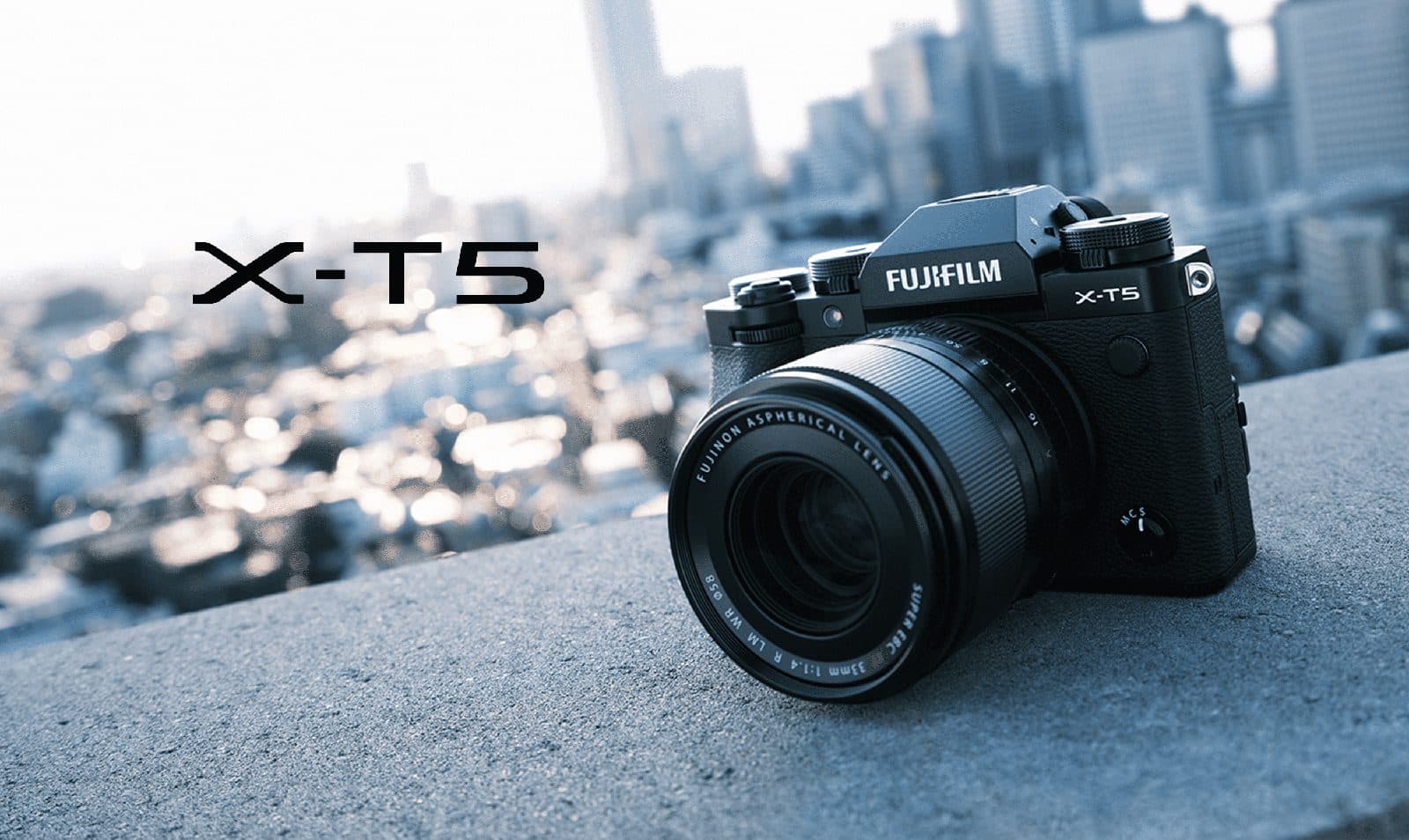
Fujifilm X-T5.
Tactile analog controls and Fuji's iconic color science make this the most enjoyable camera to shoot with.
The Verdict.
Gavler Meta-Score
“The X-T5 is the camera that reminds you why you started taking photos. In an era of video-focused hybrids, Fuji doubled down on the still image — and the result is the most rewarding shooting experience in any format. The film simulations alone are worth the price of admission, producing JPEG files that most photographers prefer to their own raw processing. It's smaller, lighter, and more joyful than any full-frame competitor.”
The Gavler Verdict
The Gavler Review.
Fujifilm X-T5 Review: The Camera That Remembers Why You Started Shooting
The Fujifilm X-T5 sits at number two on our Best Mirrorless Cameras list with a 9.5, and it's the rare product where the community loves it even more than the experts do — a 96 community rating against a 94 expert score. Buy it if you want the most rewarding stills-shooting experience available in any format, at a fraction of the cost of a full-frame flagship. Skip it only if video capability matters as much as stills to you — Fuji intentionally held video specs back on this body in favor of the more video-focused X-H2.
What it actually is
The X-T5 is a deliberate return to photography-first design in an industry increasingly obsessed with hybrid video specs. Its 40.2MP X-Trans CMOS 5 HR sensor packs more resolution into an APS-C body than most full-frame cameras offered just a few years ago, while Fuji's beloved film simulation modes — including the newer Nostalgic Neg — deliver the company's celebrated color science straight out of camera. Physical dials for shutter speed, ISO, and exposure compensation replace menu-diving with tactile, intentional control.
At $1,699, the X-T5 undercuts full-frame competitors dramatically while still delivering resolution that outpaces many of them. It weighs 557 grams body-only, carries 7-stop in-body stabilization, and shoots with an ISO range of 125–12,800 — specs that, on paper, look like a mid-tier camera, until you see what the sensor and color science actually produce.
In use
The consistent theme across every review is that this camera is simply fun to shoot, in a way that specs alone don't explain. Fujilove put it plainly: "the X-T5 is pure joy. Fuji remembers what cameras are for: making beautiful images, not recording video." That's a pointed statement in a market where most flagship mirrorless releases lead with video capability — Fuji is explicitly building for stills photographers first.
DPReview zeroed in on the resolution-to-price ratio: "40 megapixels from APS-C with this color science? Fuji just made a lot of full-frame cameras feel overpriced." That's a meaningful claim, because it means the X-T5 isn't just a good value within its own category — it's genuinely competitive with cameras that cost twice as much. PetaPixel made the case for the physical controls specifically: "the analog dials aren't nostalgia — they're efficiency. Three dials replace dozens of menu dives," which matters in fast-moving shooting situations where reaching into a touchscreen menu costs you the shot.
The film simulations get their own dedicated praise. Jonas Rask called the newest addition "worth the upgrade alone. It's the most beautiful film simulation Fuji has ever made" — high praise from a photographer evaluating a feature Fuji has been refining for over a decade.
Where it shines
- Resolution that outpaces full-frame cameras a generation ago. 40.2MP from an APS-C sensor, at $1,699, delivers detail that competes directly with much more expensive full-frame bodies for most shooting scenarios.
- Color science you'll actually use. The film simulation modes, especially Nostalgic Neg, produce JPEGs polished enough that raw processing becomes optional rather than mandatory — a genuine time-saver for working photographers.
- Controls built for speed, not menus. Physical dials for the three settings you adjust most — shutter speed, ISO, exposure compensation — mean faster, more intentional shooting than touchscreen-driven competitors.
The trade-offs — who should skip it
This is the most joyful stills camera on the list, not the most complete hybrid tool, and the honest reasons to buy something else are specific:
- Video specs are intentionally limited. Fuji held back video capability compared to its own X-H2, let alone full-frame video specialists. If hybrid stills-and-video work is core to what you shoot, look elsewhere in the lineup.
- APS-C has real limits versus full-frame. Despite the impressive resolution, the smaller sensor still gathers less light per pixel than full-frame at the same megapixel count, which shows up in extreme low-light and dynamic-range situations.
- You need the absolute highest resolution available. At 40.2MP, the X-T5 is impressive for APS-C, but the Sony A7R V delivers 61MP full-frame for photographers who print at the largest sizes or crop most aggressively.
How it compares
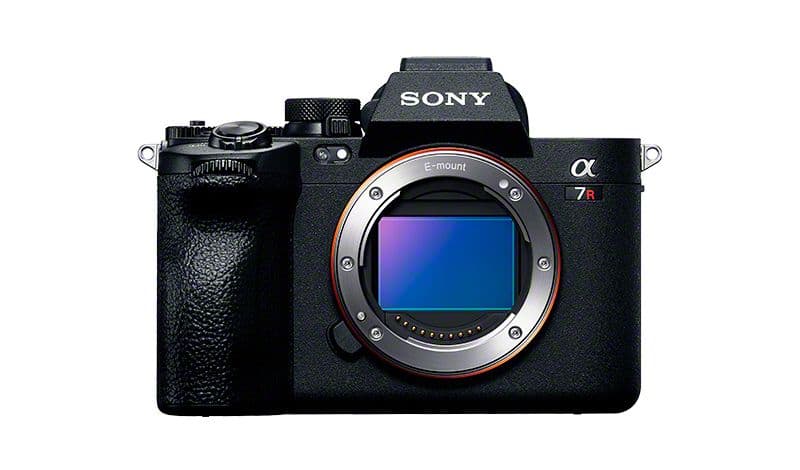
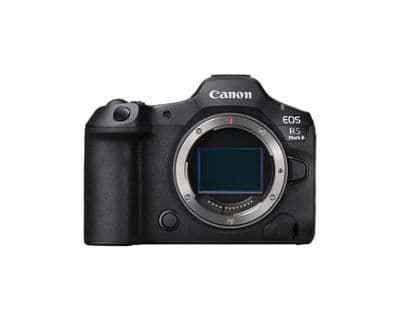
On its own list, the X-T5 sits directly below the resolution king and just above a hybrid speed specialist. The Sony A7R V at rank one trades the X-T5's size and price advantages for 61MP full-frame resolution and a dedicated AI autofocus chip — the pick for photographers who print large or need the most capable subject tracking available, at more than double the price. The Canon EOS R5 Mark II at rank three goes a third direction entirely, built around 30fps burst shooting and 8K video for hybrid shooters who need speed and video alongside stills.
The X-T5's case against both is straightforward: it isn't chasing their spec sheets. It's built for photographers who value the shooting experience and image character as much as raw capability, at a price that makes it accessible to far more people.
The Gavler verdict
A 9.5, with the community rating (96) actually outpacing the expert score (94) — a genuinely rare pattern that reflects real emotional attachment, not just critical approval. The X-T5 is the camera that reminds you why you started taking photos in the first place. In an era of video-focused hybrids, Fuji doubled down on the still image, and the result is the most rewarding shooting experience in any format — smaller, lighter, and more joyful than any full-frame competitor, with film simulations alone worth the price of admission.
Common Questions
For photographers who prioritize stills and shooting enjoyment over video specs, yes. It ranks second on Gavler's Best Mirrorless Cameras list with a 9.5, and it has the highest emotional-attachment score of any camera Gavler tracks — community ratings (96) actually exceed expert scores (94), which is rare. At 1,699 dollars it's also dramatically cheaper than full-frame flagships like the Sony A7R V.
Yes — it's more resolution than most full-frame cameras offered a few years ago, packed into a smaller APS-C sensor. DPReview put it directly: 'Fuji just made a lot of full-frame cameras feel overpriced' at this resolution and price point. The trade-off is that APS-C sensors still gather less light per pixel than full-frame at the same resolution, so low-light and extreme dynamic-range work favors full-frame bodies like the A7R V.
They're built-in color and tone profiles — including Nostalgic Neg, Classic Chrome, and Acros — that replicate the look of specific film stocks directly in-camera. Reviewers consistently say the JPEGs are good enough that most X-T5 owners skip raw processing entirely. Jonas Rask called Nostalgic Neg 'the most beautiful film simulation Fuji has ever made' — this isn't a gimmick, it's core to why people love shooting this camera.
Buy the X-T5 if you want a smaller, lighter camera, Fuji's color science, and a lower price for stills-focused work. Buy the A7R V if you need full-frame resolution, cropping headroom, or the most capable autofocus available. The X-T5 intentionally limits its video specs compared to Fuji's own X-H2 — if video is a priority alongside stills, factor that into the decision.
Where to Buy.
Prices checked regularly
90-day price history
Price History
Steady at $1,699 for the entire 90-day tracking window — no increases, no discounts, across 91 tracked days.
Tracked daily across retailers. Vote Want itabove and we’ll alert you the moment the price drops.
Some links are affiliate links — Gavler may earn a commission. This never affects rankings or scores. Learn more.
Precision Engineering
40.2MP X-Trans 5 HR
X-Trans CMOS 5 HR sensor with unique color filter array eliminates moiré without an optical low-pass filter, maximizing sharpness.
Film Simulations
19 film simulation modes including Nostalgic Neg deliver Fuji's legendary color science straight out of camera — JPEGs that rival processed RAW files.
Analog Controls
Physical dials for shutter speed, ISO, and exposure compensation provide tactile, intentional control that makes shooting a pleasure.
Technical Specifications
The Scoreboard
Community passion for Fuji's color science is extraordinary — the X-T5 has the highest emotional attachment score of any camera reviewed. Some note the video specs are intentionally limited compared to the X-H2.
Cast Your Vote
Do you think Fujifilm X-T5 deserves the #2 spot in Best Mirrorless Cameras?
Global Critique
“The X-T5 is pure joy. Fuji remembers what cameras are for: making beautiful images, not recording video.”
“40 megapixels from APS-C with this color science? Fuji just made a lot of full-frame cameras feel overpriced.”
“The analog dials aren't nostalgia — they're efficiency. Three dials replace dozens of menu dives.”
“Nostalgic Neg is worth the upgrade alone. It's the most beautiful film simulation Fuji has ever made.”
More from Best Mirrorless Cameras.
See how other top picks compare in this category.
Should You Buy Full-Frame, or Spend That Money on Glass?
Match the sensor to the work — full-frame, APS-C, or Micro Four Thirds — then leave money for lenses. Shop Gavler's live ranking.
Sony A7R V vs Fujifilm X-T5: Resolution Monster or the Camera You Actually Enjoy Shooting?
Sony's 61MP A7R V vs Fujifilm's 40MP X-T5, refreshed for Prime Day 2026 with successors on the calendar. Which fits your portfolio, your bag, and your timing.
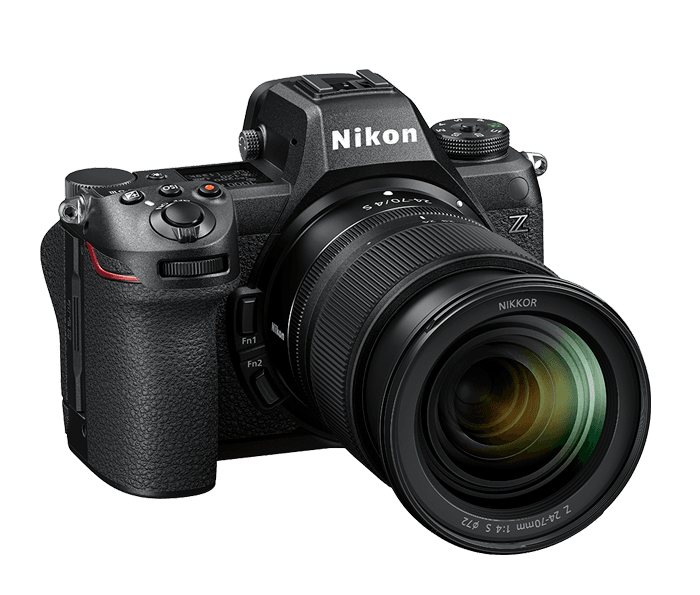
The Best Mirrorless Cameras in 2026, Ranked by Photographers Who Shoot Daily
Sony A7R V, Fujifilm X-T5, Canon R5 II, Nikon Z9. Gavler's photographers rank the mirrorless cameras worth shooting — APS-C through full-frame.