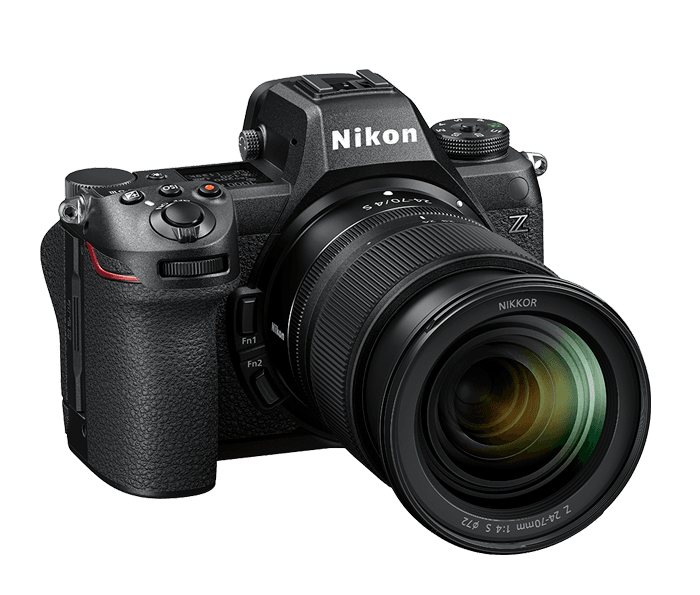
Nikon Z6 III.
Partially-stacked sensor delivers 120fps burst, 6K/60p RAW video, and autofocus down to -10EV — all in a sub-$2,500 body.
The Verdict.
Gavler Meta-Score
“The Z6 III is Nikon's clearest statement that the Z-mount system has fully matured. The partially-stacked sensor is a clever middle ground — you get the speed and readout advantages that matter most (120fps, clean rolling shutter, 6K video) without the sticker shock of a Z8 or Z9. For hybrid shooters who move between stills and video daily, this is the most capable camera under $2,500 by a significant margin. The EVF brightness alone is worth upgrading for if you shoot outdoors regularly. Note: In March 2026, Nikon issued a hardware advisory affecting select Z6 III serial ranges — free repairs are offered through Nikon service centers.”
The Gavler Verdict
The Gavler Review.
Nikon Z6 III Review: Flagship Speed, With a Real Dynamic Range Trade-Off
The Nikon Z6 III ranks number 4 on Gavler's Best Mirrorless Cameras list with a 8.8, and it's the camera to buy if you move between stills and video regularly and want flagship-adjacent speed without flagship pricing. DPReview summed up its position bluntly: "all-round ability that puts Nikon into the top tier." But the camera's new sensor architecture comes with a real cost — PetaPixel's lab testing found "the Z6 III gives up roughly a full stop of dynamic range compared to its predecessor," a trade-off every buyer should understand before choosing it over the older, slower Z6 II.
What it is
The Z6 III introduces Nikon's first partially-stacked CMOS sensor, a middle ground between a conventional BSI chip and the fully-stacked designs found in the flagship Z8 and Z9. The payoff is dramatically faster readout — roughly 14ms versus about 50ms on a typical BSI sensor — which unlocks 20fps RAW shooting with full autofocus tracking, up to 120fps in a JPEG crop mode, and 6K/60p N-RAW video recorded internally. The 24.2MP resolution splits the difference between stills detail and video-friendly file sizes, and the EVF is genuinely class-leading at 4000 cd/m² of brightness, bright enough to remain usable for focus peaking and histogram review in direct sunlight.
At $2,199, it undercuts Nikon's own Z8 by a wide margin while delivering most of what made that camera a sensation — fast burst shooting, clean electronic-shutter rolling shutter, and confident autofocus down to -10EV in near-total darkness.
In use
PetaPixel's extended testing, after both a pre-production and final-production review, found the handling and everyday shooting experience genuinely excellent: "beautifully designed camera," "exceptionally customizable and intuitive," with the improved EVF and IBIS forming "the most stable of bases to shoot from." Autofocus performance held up across sports and portraits alike, with the review noting Nikon's tracking is "reliable as always" and falters only "when shooting past some obstacles."
Video is where the partially-stacked sensor shows its clearest advantage. PetaPixel found the Z6 III's 4K/60p capture "full-width and still oversampled" — unusually rare at this price — and noted that unlike its Canon and Sony rivals, which must drop to 12-bit color to record video, "the Nikon has no such issues," delivering more usable shadow and highlight detail in log footage. Thermally, standard H.265 4K/24p ran the full two-hour recording limit without overheating, though faster modes hit real limits: 4K/60p shut down after 52 minutes, and 4K/120p after 42.
Strengths
- Speed that punches well above its price. 20fps RAW with full AF/AE tracking, and up to 120fps in JPEG crop mode, are numbers you'd expect from a camera costing considerably more.
- A genuinely rare full-width, oversampled 4K/60p mode. PetaPixel called the video suite "robust, bested only by the more video-centric Panasonic GH7" among cameras in its class.
- The brightest EVF Nikon has built. At 4000 cd/m², it solves a problem — outdoor visibility — that most competing viewfinders simply accept as a limitation.
The trade-offs — who should skip it
The dynamic range trade-off is the headline issue, and it's specific enough to matter for certain shooters more than others. PetaPixel's measurements found the Z6 III's DR loss versus the Z6 II is "a pretty big trade-off," and unusually, switching to the mechanical shutter doesn't recover it — "there is no option to get more dynamic range by using the mechanical shutter because the results are the same for either shutter." The practical impact is concentrated at low ISO: "this loss of range equals out with competitive cameras when shooting at ISO 800 and above, so the downsides are only when using lower ISO settings" — precisely the range landscape and studio photographers rely on most.
A handful of smaller issues compound this for specific use cases:
- RAW video exposure flickering at high ISO. PetaPixel documented visible flickering "quite noticeable" at ISO 51,200 and still present, though subtler, at ISO 6,400 — a niche but real issue for low-light filmmakers, and one Nikon had not resolved as of the review's publication.
- N-Log's built-in exposure preview is misleadingly contrasty. The review noted the official LUT "gives extremely contrasty results," making shadows and highlights look clipped in-camera well before they actually are.
- Nikon issued a hardware advisory in March 2026 affecting select Z6 III serial ranges, with free repairs offered through Nikon service centers — worth checking your serial number against Nikon's list before or after purchase.
How it compares
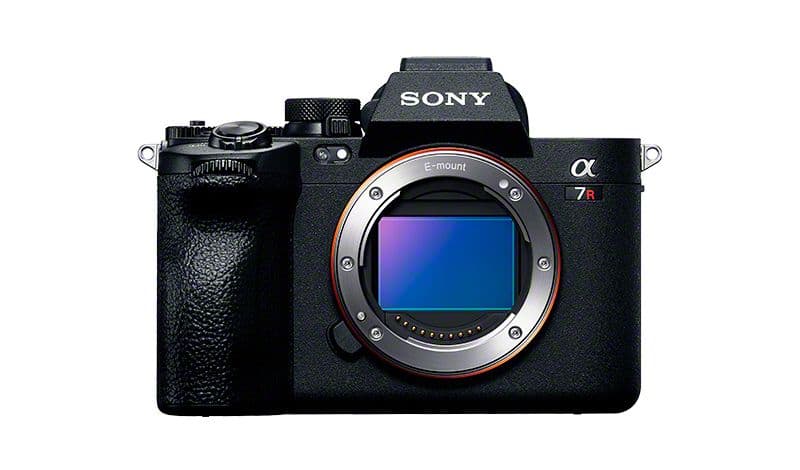
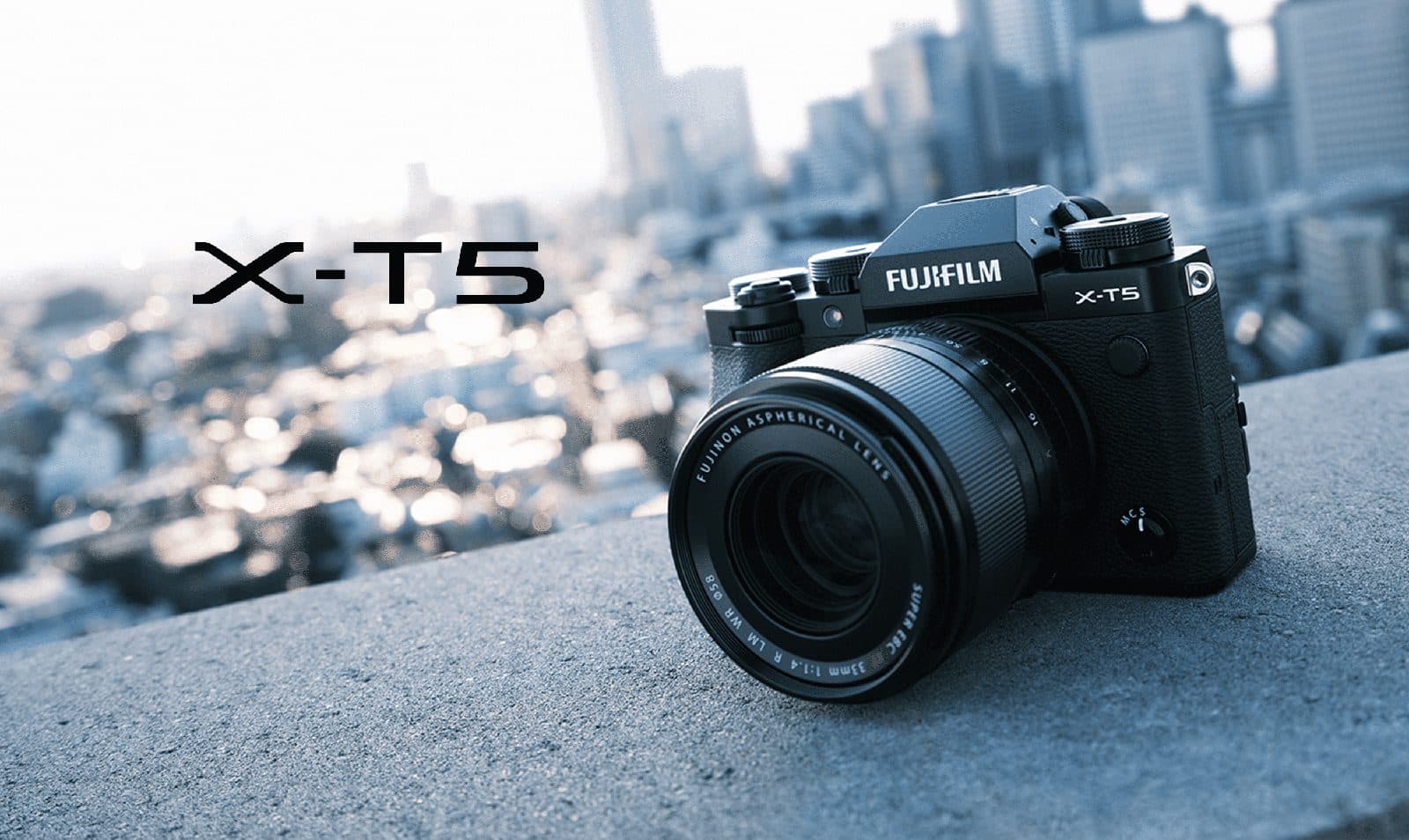
On the same list, the Sony A7R V at rank 1 takes the opposite approach entirely — 61 megapixels of resolution and class-leading AI autofocus for photographers who prioritize maximum detail over burst speed, at a considerably higher price. The Fujifilm X-T5 at rank 2 trades full-frame sensor size and hybrid video specs for APS-C portability and Fuji's beloved film simulation color science — a fundamentally different shooting philosophy for photographers who value the stills experience over video versatility.
Against both, the Z6 III's pitch is speed-and-video value: it won't out-resolve the A7R V or out-charm the X-T5's JPEGs, but nothing near its price point matches its combination of burst rate, autofocus, and internal RAW video.
The Gavler verdict
An 8.8 for a camera that delivers genuinely flagship-adjacent speed and video capability at a price that undercuts Nikon's own Z8 substantially. PetaPixel's closing take is the fairest summary available: "Yes. The Z6 III is the best all-around full-frame hybrid camera in this price range. I just wish it gave competitive dynamic range when using the mechanical shutter." If your work leans toward action, video, or general hybrid shooting, that trade-off is easy to accept. If you're a dedicated landscape or studio shooter who regularly pushes shadows at base ISO, weigh the dynamic range loss carefully before upgrading from a Z6 II.
Common Questions
For hybrid shooters who need speed and video more than maximum dynamic range, yes. DPReview called it Nikon's 'all-round ability that puts Nikon into the top tier,' and PetaPixel concluded 'yes' outright, adding: 'I just wish it gave competitive dynamic range when using the mechanical shutter.'
Yes, measurably. PetaPixel's lab testing found 'the Z6 III gives up roughly a full stop of dynamic range compared to its predecessor,' and unusually, that loss is identical whether you shoot mechanical or electronic shutter — there's no shutter mode that recovers the older sensor's headroom.
With caveats. PetaPixel noted the dynamic range penalty matters most 'at lower ISO settings' — exactly where landscape and tripod work happens — and that 'landscape photographers might take notice of the extra noise when boosting shadows.' In good light, at base ISO, it's still a capable landscape tool; just don't expect Z6 II-level shadow recovery.
Where to Buy.
Prices checked regularly
90-day price history
Price History
Steady at $2,197 for the entire 90-day tracking window — no increases, no discounts, across 91 tracked days.
Tracked daily across retailers. Vote Want itabove and we’ll alert you the moment the price drops.
Some links are affiliate links — Gavler may earn a commission. This never affects rankings or scores. Learn more.
Precision Engineering
Partially-Stacked CMOS
Roughly 14ms readout — far quicker than a conventional BSI sensor (about 50ms), enabling 20fps RAW with AF (120fps in JPEG crop) and full-width 6K/60p N-RAW.
4000 cd/m² EVF
World's brightest electronic viewfinder makes focus peaking and histogram review usable even in direct sunlight.
AI Subject Recognition
493 AF points with real-time recognition of 9 subject types including people, animals, vehicles, and aircraft.
Technical Specifications
The Scoreboard
Experts praise the value proposition and hybrid capability. Some community members prefer the higher resolution of the A7R V for dedicated stills work.
Cast Your Vote
Do you think Nikon Z6 III deserves the #4 spot in Best Mirrorless Cameras?
Global Critique
“All-round ability that puts Nikon into the top tier — the fast partially-stacked sensor unlocks 6K/60 N-RAW and confident autofocus in one accessibly priced hybrid body.”
“Nikon's best camera this side of the Z8 — though it's a little rough around the edges.”
“An exquisite all-rounder that's close to perfection for photographers who don't live in one neat category.”
“The trade-off for the faster sensor is real: lab tests show slightly less base-ISO dynamic range than the older Z6 II.”
More from Best Mirrorless Cameras.
See how other top picks compare in this category.
Should You Buy Full-Frame, or Spend That Money on Glass?
Match the sensor to the work — full-frame, APS-C, or Micro Four Thirds — then leave money for lenses. Shop Gavler's live ranking.
Sony A7R V vs Fujifilm X-T5: Resolution Monster or the Camera You Actually Enjoy Shooting?
Sony's 61MP A7R V vs Fujifilm's 40MP X-T5, refreshed for Prime Day 2026 with successors on the calendar. Which fits your portfolio, your bag, and your timing.
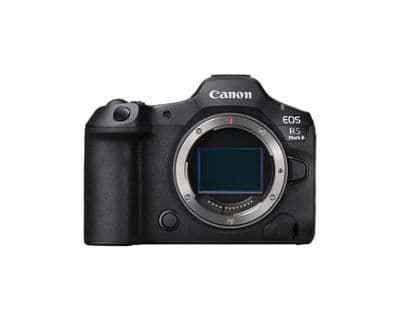
The Best Mirrorless Cameras in 2026, Ranked by Photographers Who Shoot Daily
Sony A7R V, Fujifilm X-T5, Canon R5 II, Nikon Z9. Gavler's photographers rank the mirrorless cameras worth shooting — APS-C through full-frame.