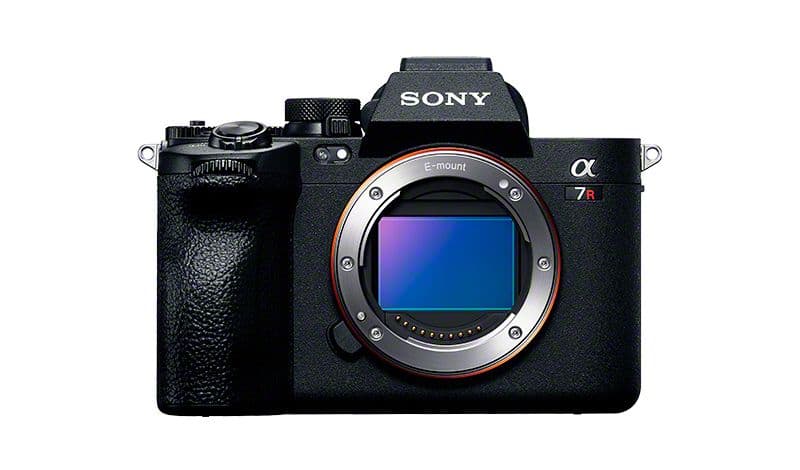
Sony A7R V.
The highest-resolution full-frame mirrorless with AI-powered subject recognition and 8K oversampled 4K video.
The Verdict.
Gavler Meta-Score
“The A7R V is Sony's statement that resolution and intelligence aren't mutually exclusive. 61 megapixels gives you files that can be cropped to absurd degrees while remaining print-quality, and the AI autofocus means those 61 million pixels are consistently sharp where they need to be. It's overkill for social media — and exactly right for anyone who prints, crops, or archives their work.”
The Gavler Verdict
The Gavler Review.
Sony A7R V Review: 61 Megapixels That Actually Focus Themselves
The Sony A7R V sits at number one on our Best Mirrorless Cameras list with a 9.7, and it earns that spot on the strength of a single idea executed further than anyone else has taken it: pair the highest resolution in full-frame mirrorless with autofocus that's smart enough to actually use it. Buy it if you print large, crop hard, or need files that will hold up for decades of reprocessing. Skip it if 61 megapixels is more resolution than you'll ever need — the Fujifilm X-T5 gives you a smaller body and a meaningfully lower price for work that doesn't demand this much data.
What it actually is
At the center of the A7R V is a 61MP back-illuminated full-frame sensor — the same sensor Sony used in the A7R IV, carried forward because it was already excellent. What's new is everything around it. Sony added a dedicated AI processing unit, a separate chip whose sole job is recognizing and tracking subjects: humans, animals, birds, insects, cars, trains, and aircraft, all identified and locked onto across 693 phase-detect AF points spanning the full frame. That's a meaningfully different approach from bolting subject recognition onto an already-busy main processor, and it shows in how the camera behaves in the field.
The body also carries 8-stop in-body image stabilization, among the strongest in any full-frame camera, and video capability that oversamples from the full sensor width down to 8K before delivering 4K — footage with detail and dynamic range that dedicated video cameras struggle to match. None of this comes cheap: at $3,898 body-only, the A7R V is an investment that assumes you already own, or intend to buy, lenses sharp enough to resolve what the sensor can capture.
In use
The AI autofocus is the part that changes how you shoot, not just what you shoot. Point the camera at a bird in flight and it doesn't just find "a bird" — it finds the eye, and holds it, even as the subject moves unpredictably against a cluttered background. DPReview called the A7R V "the most capable mirrorless camera ever made," adding that "the AI autofocus is a paradigm shift" — strong language, but it tracks with what the dedicated chip actually does differently: it doesn't slow down or hunt when a subject behaves erratically, because tracking isn't competing with the rest of the camera's workload for processing time.
The resolution side holds up just as well under scrutiny. PetaPixel wrote that the camera "renders detail that medium format shooters will envy," and Imaging Resource noted that "Sony's AI subject recognition works like magic. Set it and forget it — the camera handles the rest." Camera Labs summed up the combination as what actually separates the A7R V from the field: "the combination of resolution, stabilization, and autofocus makes this the most versatile full-frame on the market." That's the throughline across every review — not one standout spec, but three category-leading systems working together.
The 8-stop stabilization matters more than it sounds. It means landscape and architecture shooters can hand-hold shutter speeds that would normally require a tripod, which is a real workflow change when you're moving through a location rather than setting up static shots.
Where it shines
- Resolution with genuinely usable autofocus. 61 megapixels is only as useful as your ability to nail focus at that resolution, and the AI chip is what makes that combination work rather than just impress on a spec sheet.
- Cropping headroom that changes how you shoot. A photographer working an event or a wildlife scene can frame loosely and crop hard in post without sacrificing print quality — a meaningful creative and practical advantage over lower-resolution bodies.
- 8-stop stabilization for handheld work. Combined with the sensor's dynamic range, this opens up shooting situations — dim interiors, long lenses, awkward angles — that would otherwise demand a tripod.
The trade-offs — who should skip it
This is the resolution king, not the camera for everyone, and the honest reasons to look elsewhere are specific:
- You don't print large or crop aggressively. If your final output is social media or a modest print, 61MP is more data than you'll ever use, and you're paying for headroom you won't touch.
- You don't want to manage huge files. RAW files run 120-140MB each. That means fast CFexpress cards are mandatory, not optional, and your storage and backup costs scale accordingly. Buffer clearing between bursts can also feel slow next to lower-resolution bodies.
- Price is a real constraint. At $3,898 body-only, before lenses capable of resolving that sensor, this is a serious financial commitment. The Fujifilm X-T5 delivers 40.2MP and Fuji's celebrated color science for under half the price.
How it compares
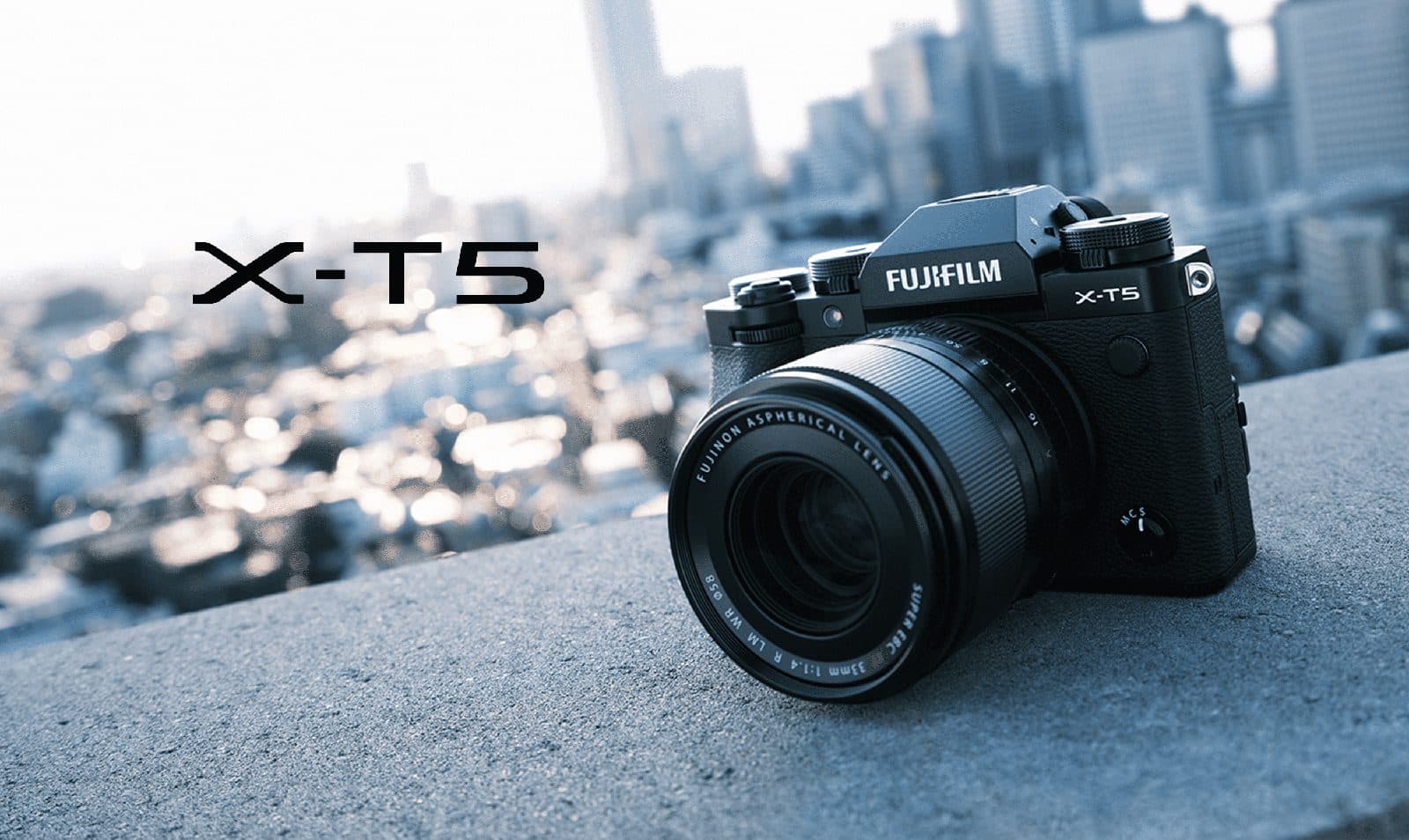
On its own list, the A7R V's closest neighbors sit directly beneath it. The Fujifilm X-T5 at rank two trades full-frame resolution for a smaller APS-C body, tactile analog dials, and film simulations that produce keeper JPEGs straight out of camera — the pick for photographers who want the joy of shooting over outright capability. The Canon EOS R5 Mark II at rank three is the closer full-frame rival: DPReview's own Gear of the Year, built around 30fps burst shooting and Eye Control AF rather than resolution, and better suited to hybrid shooters who need serious video alongside stills.
The A7R V doesn't try to be the fastest or the most video-capable camera in the lineup — it wins by being unambiguously the sharpest, and building autofocus smart enough that the sharpness doesn't go to waste.
The Gavler verdict
A 9.7, with expert scores (96) running slightly ahead of community scores (93) — the gap is almost entirely about storage costs and price, not performance. The A7R V is Sony's proof that resolution and intelligence aren't a trade-off: 61 megapixels gives you files that survive aggressive cropping while remaining print-quality, and the AI autofocus keeps those pixels sharp where it counts. It's overkill for casual shooting and exactly right for anyone who prints, crops, or archives their work for the long term. Buy it for that reason; buy the X-T5 instead if that reason doesn't apply to you.
Common Questions
If you print large, crop aggressively, or archive work you expect to hold up for decades, yes — it ranks first on Gavler's Best Mirrorless Cameras list with a 9.7, and the 61MP sensor paired with a dedicated AI autofocus chip is still unmatched at this resolution. If you mostly shoot for social media or web use, that resolution is overkill and a cheaper body will serve you just as well.
Most cameras run subject detection on the main image processor, sharing resources with everything else the camera is doing. The A7R V has a separate, dedicated AI processing chip whose only job is recognizing and tracking humans, animals, birds, insects, cars, trains, and aircraft across all 693 phase-detect points. That dedicated hardware is why it can lock onto a bird's eye, not just its body, and hold that lock through erratic flight.
Effectively, yes. Each RAW file runs 120-140MB, and without a fast CFexpress Type A card, buffer clearing between bursts slows down noticeably. Budget for fast cards as part of the real cost of ownership, not an optional accessory.
Buy the A7R V if resolution and full-frame files are the priority — it doubles the X-T5's file size and adds AI autofocus the Fuji doesn't have. Buy the X-T5 if you want a smaller, lighter body, Fujifilm's beloved film simulations, and a meaningfully lower price. Both rank in Gavler's top two mirrorless cameras for different reasons: the A7R V for outright capability, the X-T5 for the joy of shooting it.
Where to Buy.
Prices checked regularly
90-day price history
Price History
Steady at $3,898 for the entire 90-day tracking window — no increases, no discounts, across 91 tracked days.
Tracked daily across retailers. Vote Want itabove and we’ll alert you the moment the price drops.
Some links are affiliate links — Gavler may earn a commission. This never affects rankings or scores. Learn more.
Precision Engineering
61MP BSI Sensor
Back-illuminated 61.0MP full-frame sensor delivers extraordinary resolution and dynamic range for landscapes, portraits, and studio work.
AI Processing Unit
Dedicated AI chip recognizes and tracks humans, animals, birds, insects, and vehicles with unprecedented accuracy across the entire frame.
8-Stop IBIS
In-body image stabilization rated at 8 stops allows handheld shooting at shutter speeds that would normally require a tripod.
Technical Specifications
The Scoreboard
Experts praise the resolution and AI AF system as generational leaps — DPReview calls it the most capable mirrorless camera ever made. Community scores slightly lower due to 120-140MB RAW files demanding fast storage and powerful editing hardware, plus the $3,898 body-only price.
Cast Your Vote
Do you think Sony A7R V deserves the #1 spot in Best Mirrorless Cameras?
Global Critique
“The most capable mirrorless camera ever made. The AI autofocus is a paradigm shift.”
“61 megapixels of pure sharpness. The A7R V renders detail that medium format shooters will envy.”
“Sony's AI subject recognition works like magic. Set it and forget it — the camera handles the rest.”
“The combination of resolution, stabilization, and autofocus makes this the most versatile full-frame on the market.”
More from Best Mirrorless Cameras.
See how other top picks compare in this category.
Should You Buy Full-Frame, or Spend That Money on Glass?
Match the sensor to the work — full-frame, APS-C, or Micro Four Thirds — then leave money for lenses. Shop Gavler's live ranking.
Sony A7R V vs Fujifilm X-T5: Resolution Monster or the Camera You Actually Enjoy Shooting?
Sony's 61MP A7R V vs Fujifilm's 40MP X-T5, refreshed for Prime Day 2026 with successors on the calendar. Which fits your portfolio, your bag, and your timing.
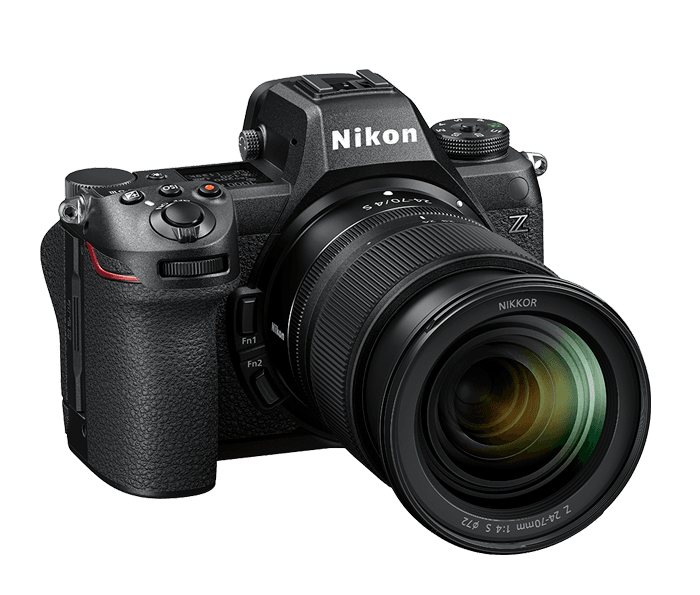
The Best Mirrorless Cameras in 2026, Ranked by Photographers Who Shoot Daily
Sony A7R V, Fujifilm X-T5, Canon R5 II, Nikon Z9. Gavler's photographers rank the mirrorless cameras worth shooting — APS-C through full-frame.