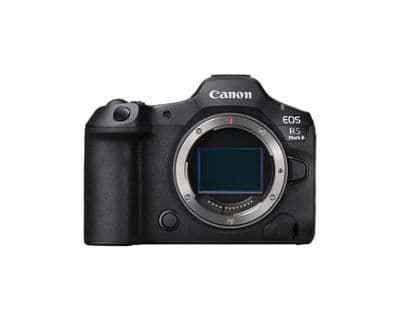
Canon EOS R5 Mark II.
Stacked sensor, 30fps burst, 8K/60fps, Eye Control AF — DPReview's Gear of the Year.
The Verdict.
Gavler Meta-Score
“The R5 Mark II is the camera the original R5 always wanted to be. The stacked sensor solves every speed and thermal limitation of its predecessor while the Eye Control AF is genuinely magical — look at a subject, half-press the shutter, and the camera locks on. For hybrid shooters who need one body that does it all at the highest level, Canon has delivered the definitive answer.”
The Gavler Verdict
The Gavler Review.
Canon EOS R5 Mark II Review: DPReview's Gear of the Year, Tested
The Canon EOS R5 Mark II holds rank three on Gavler's Best Mirrorless Cameras list with a 9.3, and DPReview named it Gear of the Year for a reason that holds up under scrutiny: it's the most capable do-everything camera Canon has ever made. Buy it if you need one body that shoots weddings, wildlife, and cinema-grade video at the highest level. Think twice at $4,299 if your work only demands one of those things — a more specialized, cheaper body will likely serve you better.
What it actually is
Canon's stacked-sensor architecture finally gives the R5 line the speed it always deserved. The 45MP back-illuminated stacked CMOS sensor enables 30fps burst shooting with dramatically reduced rolling shutter, and 8K video now runs at a true 60fps — the kind of sustained performance that made the original R5's overheating issues feel, almost overnight, like a solved problem from a previous generation. Alongside the speed comes Eye Control AF, a focusing system that tracks where you're looking through the viewfinder and shifts the active focus point there the moment you half-press the shutter.
The body pairs that stacked sensor with 8.5-stop in-body stabilization and Canon Log 2 for serious color grading in video work. At $4,299, it's expensive — but Canon is explicit that you're getting what used to require two separate camera bodies: a fast stills camera and a dedicated cinema camera, combined into one system.
In use
The speed claims hold up in testing, and reviewers reach for the same word repeatedly: capable. DPReview's own Gear of the Year citation called it "the most capable do-everything camera we've tested" — language that, coming from the outlet that runs the most rigorous comparative testing in the category, carries real weight. Imaging Resource zeroed in on what actually changed under the hood: "the stacked sensor solves every thermal and speed limitation of the original R5." That's a direct, specific claim about a specific, well-documented problem — the original R5's tendency to overheat during extended 8K recording — and it's the kind of fix that changes whether a camera is usable for professional video work, not just a spec-sheet improvement.
Eye Control AF is the feature reviewers describe as genuinely changing how they shoot, not just a novel addition. Fstoppers put it plainly: "Eye Control AF is the future. Once you use it, every other focusing method feels primitive." That's strong language, but it tracks with what the system actually does differently — rather than manually selecting a focus point or trusting a subject-tracking algorithm to guess correctly, the camera follows your literal eyeline. For portrait, wedding, and event photographers making rapid compositional decisions, that's a meaningfully faster way to direct focus than any joystick or touchscreen.
B&H Explora summarized the hybrid pitch concisely: "two cameras in one body. Wedding, wildlife, cinema — the R5 II does it all." That's the throughline across the reviews — not one standout spec, but genuine competence across categories that usually force a compromise.
Where it shines
- 30fps burst with a stacked sensor that doesn't buckle. Dramatically reduced rolling shutter means the fast burst rate is actually usable for fast action, not just a headline number.
- True 8K/60fps without the thermal shutdowns. The original R5's overheating problem is genuinely solved, not just improved — a meaningful difference for anyone shooting extended video sessions.
- Eye Control AF that reviewers describe as changing their workflow. This isn't a marketing gimmick; multiple outlets independently found it faster and more intuitive than conventional focus-point selection once you adapt to it.
The trade-offs — who should skip it
This is a genuinely excellent camera, and the honest reasons to look elsewhere are still real:
- Price is the main barrier. At $4,299 body-only, this is a serious financial commitment, and Gavler's own scoring notes flag price as the main factor holding it back from an even higher score.
- You don't need the hybrid capability. If you shoot stills only, or video only, a camera built around one of those specialties rather than both may deliver more value for less money.
- You want outright resolution over speed. At 45MP, this isn't the highest-resolution full-frame body available — photographers who print large or crop aggressively should look at a dedicated high-resolution body instead.
How it compares
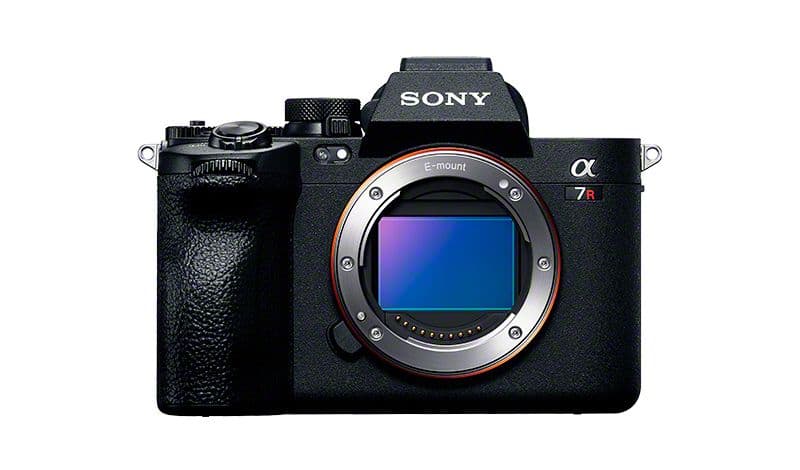
At rank one on the same list sits the Sony A7R V, Gavler's top-rated mirrorless camera and the closest thing to a philosophical opposite: it leads with 61 megapixels and a dedicated AI autofocus chip built specifically to make that resolution usable, rather than Canon's speed-and-hybrid-video approach. Photographers who print large or crop hard should lean toward the Sony; photographers who need one body that shoots stills, sports, and serious video equally well should lean toward the Canon.
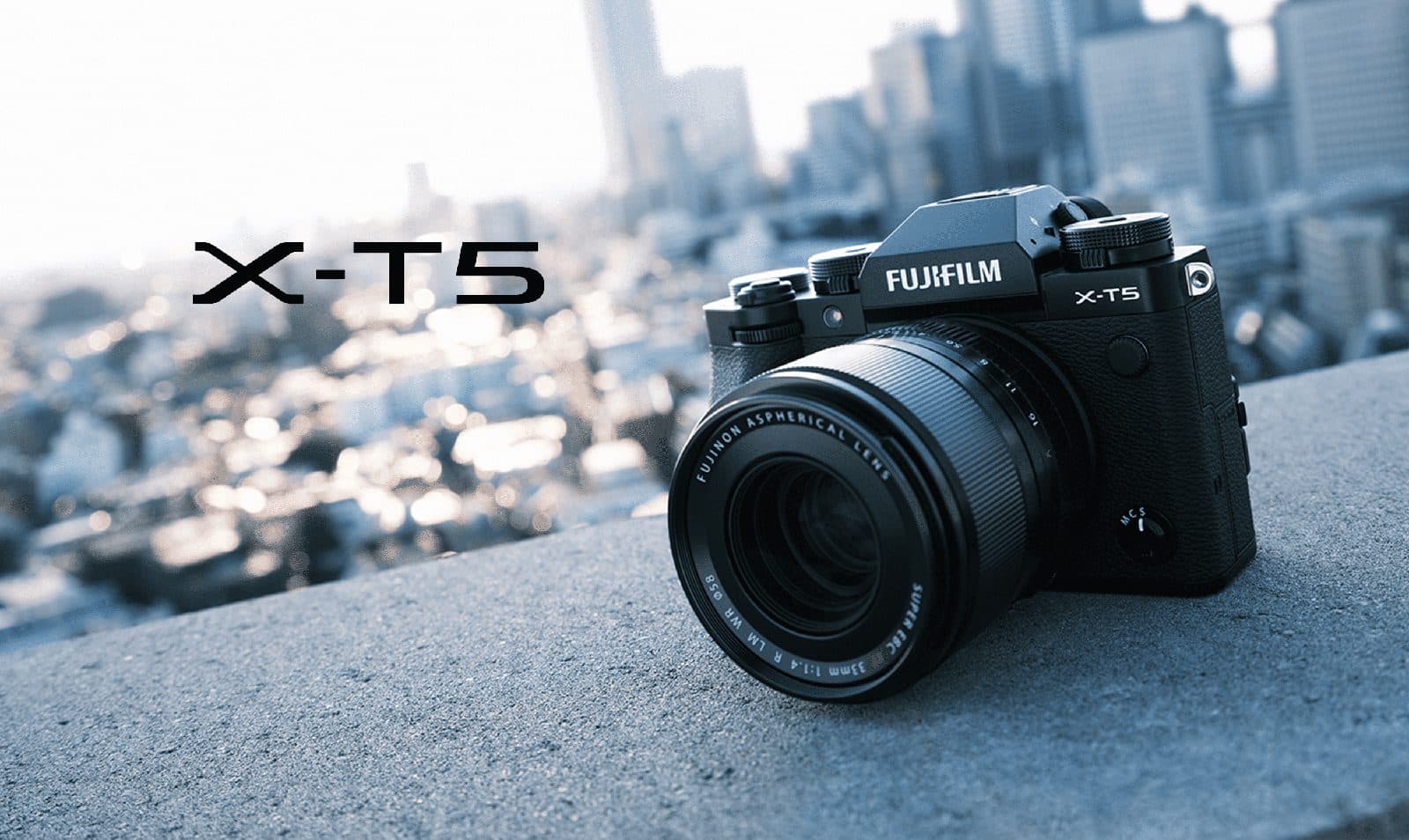
At rank two, the Fujifilm X-T5 offers a genuinely different proposition: a smaller APS-C body, tactile analog dials, and Fujifilm's celebrated film simulations that produce keeper JPEGs straight out of camera, all at a meaningfully lower price than either full-frame flagship. It's the pick for photographers who want the joy of shooting over outright capability — the R5 Mark II, by contrast, is built for photographers whose work demands the ceiling, not the experience of getting there.
The Gavler verdict
A 9.3, with expert consensus (94) running just ahead of community rating (92) — reviewers praise the stacked sensor and Eye Control AF nearly unanimously, with price the primary factor keeping the score from climbing higher. The Canon EOS R5 Mark II delivers on its Gear of the Year billing: a stacked sensor that solves the original R5's real limitations, autofocus that genuinely changes how photographers work, and video capability that used to require a second, dedicated camera body. See how it stacks up against the rest of the field on Gavler's Best Mirrorless Cameras list — for hybrid shooters who need one camera to do it all at the highest level, Canon has delivered the definitive answer.
Common Questions
For hybrid shooters who need one body that handles stills, sports, and serious video at the highest level, yes — it ranks third on Gavler's Best Mirrorless Cameras list with a 9.3 and was DPReview's Gear of the Year. At $4,299 it's a major investment, so buyers who only need one of those capabilities (pure resolution, or budget video) may find a cheaper, more specialized body serves them better.
Eye Control AF tracks where you're looking through the viewfinder and shifts the camera's focus point to that spot when you half-press the shutter. Fstoppers called it 'the future,' writing that 'once you use it, every other focusing method feels primitive.' It's a genuinely different way of directing autofocus rather than a gimmick spec — reviewers who tested it extensively came away convinced.
Yes. The original R5 became notorious for overheating during extended 8K recording. Imaging Resource confirmed the stacked sensor in the Mark II 'solves every thermal and speed limitation of the original R5,' delivering true 8K at 60fps without the shutdowns that plagued its predecessor.
They lead with different strengths. The A7R V is built around 61MP resolution and a dedicated AI autofocus chip — the pick for photographers who print large or crop aggressively. The R5 Mark II is built around speed and hybrid capability: 30fps burst, 8K/60p video, and Eye Control AF — the pick for photographers who need one camera that shoots weddings, wildlife, and cinema equally well. Sony wins on outright resolution; Canon wins on all-around speed and video.
Where to Buy.
Prices checked regularly
90-day price history
Price History
Steady at $4,299 for the entire 90-day tracking window — no increases, no discounts, across 91 tracked days.
Tracked daily across retailers. Vote Want itabove and we’ll alert you the moment the price drops.
Some links are affiliate links — Gavler may earn a commission. This never affects rankings or scores. Learn more.
Precision Engineering
45MP Stacked CMOS
Back-illuminated stacked sensor delivers 30fps burst shooting with dramatically reduced rolling shutter.
8K/60fps RAW
True 8K at 60fps internal recording with Canon Log 2 — no overheating, no crop, no compromises.
Eye Control AF
Look at your subject through the viewfinder and the camera locks focus — subject tracking through brief occlusions.
Technical Specifications
The Scoreboard
DPReview Gear of the Year. Experts praise the stacked sensor and Eye Control AF. Price is the main barrier to a higher score.
Cast Your Vote
Do you think Canon EOS R5 Mark II deserves the #3 spot in Best Mirrorless Cameras?
Global Critique
“DPReview Gear of the Year — the most capable do-everything camera we've tested.”
“Eye Control AF is the future. Once you use it, every other focusing method feels primitive.”
“The stacked sensor solves every thermal and speed limitation of the original R5.”
“Two cameras in one body. Wedding, wildlife, cinema — the R5 II does it all.”
More from Best Mirrorless Cameras.
See how other top picks compare in this category.
Should You Buy Full-Frame, or Spend That Money on Glass?
Match the sensor to the work — full-frame, APS-C, or Micro Four Thirds — then leave money for lenses. Shop Gavler's live ranking.
Sony A7R V vs Fujifilm X-T5: Resolution Monster or the Camera You Actually Enjoy Shooting?
Sony's 61MP A7R V vs Fujifilm's 40MP X-T5, refreshed for Prime Day 2026 with successors on the calendar. Which fits your portfolio, your bag, and your timing.
The Best Mirrorless Cameras in 2026, Ranked by Photographers Who Shoot Daily
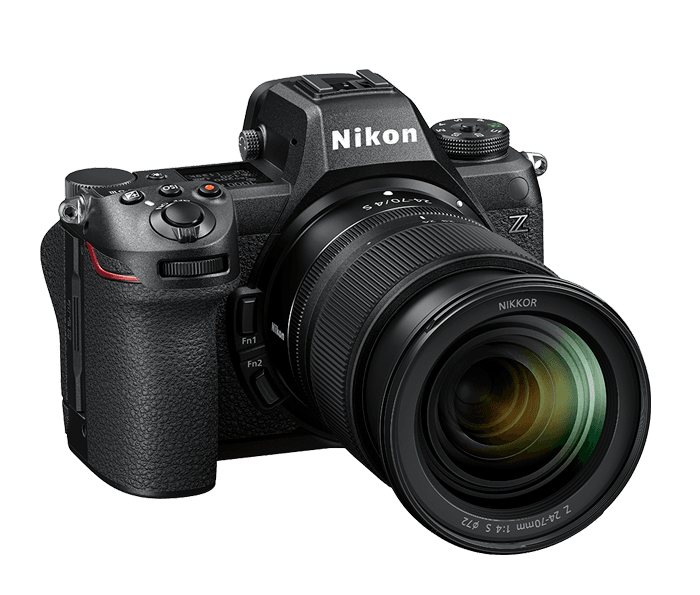
Sony A7R V, Fujifilm X-T5, Canon R5 II, Nikon Z9. Gavler's photographers rank the mirrorless cameras worth shooting — APS-C through full-frame.