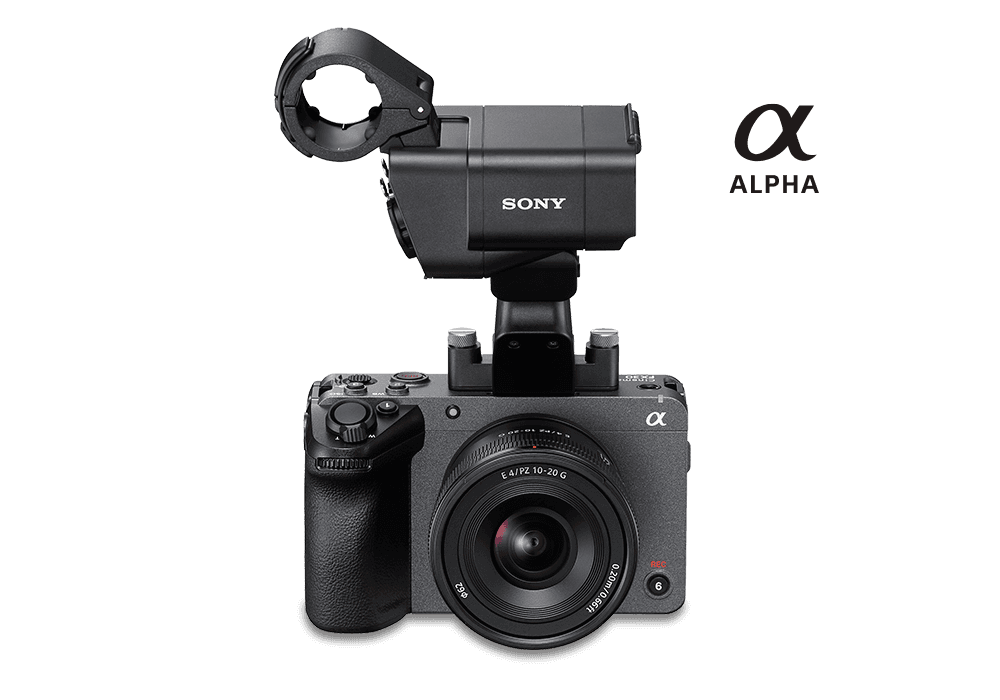
Sony FX30.
4K/120fps, dual base ISO, and S-Cinetone color science from Sony's professional cinema line — at $1,800.
The Verdict.
Gavler Meta-Score
“The FX30 democratizes cinema in the most meaningful way: it gives creators the color science, codecs, and controls of Sony's professional cinema cameras at a price point that doesn't require a second mortgage. The APS-C crop is a non-issue for video — the dual base ISO, S-Cinetone, and 10-bit 4:2:2 recording are what matter, and they're all here. This is the camera that will launch a thousand YouTube careers.”
The Gavler Verdict
The Gavler Review.
Sony FX30 Review: Cinema Color Science at a Third of the FX3's Price
The Sony FX30 ranks fifth on Gavler's Best Mirrorless Cameras list with an 8.5, and it earns that spot by doing something unusual: it gives away almost nothing of Sony's professional Cinema Line except the full-frame sensor. This is the camera for creators who want S-Cinetone color and 10-bit 4:2:2 recording without paying FX3 money, and DPReview's early testing summed up the pitch cleanly — it's designed to "give access to a higher level of color grading and post-production workflow that might otherwise require a more expensive camera." The trade-off is equally clear: no viewfinder, no mechanical shutter, and stills handling that nobody should mistake for a real photography tool.
What it is
The FX30 takes the FX3's body, menus, and Cinema Line handling and drops in a 26MP APS-C sensor, which is how Sony gets the price down to roughly a third of the FX3's. The remarkable part is how little else got cut. You still get S-Cinetone color straight out of the box, 10-bit 4:2:2 internal recording, dual base ISO (800/2500) for clean shadows in both bright and low light, and the same tally lights, active-cooling fan, and XLR top-handle mount that mark it as a filmmaking tool rather than a repurposed stills camera. DPReview's initial review described it plainly as "a Super35 / APS-C video camera aimed at small-scale video and social media production" — not a hybrid stills-video compromise, but a dedicated production tool with a lower barrier to entry.
The sensor oversamples 6K down to sharp 4K, records up to 4K/120fps for slow motion, and pairs 5-axis in-body stabilization with an Active mode for handheld run-and-gun work. Autofocus tracking and Sony's Real-Time Eye AF carry over from the stills lineup, which matters more than it sounds — solo creators filming themselves don't have a focus puller, and the FX30's tracking is dependable enough that they don't need one.
In use
What you actually notice day to day is how little friction there is between shooting and a finished, gradable image. S-Cinetone applies a flattering, film-like tone curve without a LUT, and reviewers consistently point to it as the reason the FX30 punches above its price. Videomaker called it "Sony's cinema camera for online creators — S-Cinetone and 10-bit 4K/120 in a take-anywhere body make it an easy recommendation for people starting out in filmmaking," and that's the honest read: this is a camera built to make a beginner's footage look like it came from a bigger budget.
Where the experience gets more technical — and more of a mixed bag — is in Sony's advanced workflow features. The FX30 supports Cine EI exposure modes, uploadable LUTs applied either as previews or baked directly into footage, and retroactive stabilization/breathing correction, but several of these depend on running clips through Sony's Catalyst software afterward. DPReview's reviewer was blunt about that step: "I've not had great experiences with Catalyst, and am loathe to add another step into my workflow." That's a real caveat for anyone expecting a fully in-camera solution — the advanced features exist, but getting the most out of them means adopting a piece of desktop software that reviewers don't universally love.
Strengths
- S-Cinetone color science. The single biggest reason people buy this camera. It produces a graded look with no LUT required, and it's the same color science Sony puts in cameras costing many times more.
- Dual base ISO. ISO 800 and ISO 2500 native sensitivity means clean footage in both daylight and dim interiors, without the noise penalty of pushing a single-base-ISO sensor.
- 4K/120fps in 10-bit 4:2:2. Genuine professional-grade slow motion, not a cropped or downsampled compromise mode.
- Reliable autofocus tracking. Solo creators get dependable subject tracking without a second person on focus duty — a meaningful advantage over rivals that still lean on contrast-detect AF for video.
The trade-offs — who should skip it
This is a purpose-built video tool, and the compromises that come with that focus are real:
- No viewfinder, no mechanical shutter. You compose entirely on the rear screen, and there's nothing here that resembles a stills-camera shooting experience.
- APS-C sensor limits. Compared to full-frame Cinema Line cameras, you give up some low-light headroom and depth-of-field control — the crop factor also means wide lenses aren't as wide.
- Rolling shutter on fast pans. It's well controlled for the sensor class, but visible artifacts show up in quick handheld whip-pans, a limit DPReview's comparison charts confirm relative to stacked-sensor rivals like the Fujifilm X-H2S.
- Software dependency for advanced features. Getting full value from Cine EI, LUT baking, and stabilization tuning means working through Sony's Catalyst software, which not every reviewer finds pleasant to use.
If your work is genuinely hybrid — stills one day, video the next — this is the wrong camera; look at the Sony A6700 or a full-frame Alpha body instead. If you only ever shoot video and want cinema color at content-creator prices, the FX30 has very few competitors at its level.
How it compares
On the same Best Mirrorless Cameras list, the Nikon Z6 III sits one rank above at number four — a genuine hybrid stills-and-video body with 6K/60p RAW and a real viewfinder, for photographers who need both disciplines in one camera rather than a video specialist. One rank below, the Nikon Z8 is a different category entirely: a flagship 45.7MP stacked-sensor body for wildlife and sports shooters who need burst speed the FX30 was never designed to deliver. Neither directly replaces the FX30's specific pitch — cinema color and codecs at content-creator prices — which is exactly why it holds its own rank on the list rather than getting squeezed out by more versatile bodies.
The Gavler verdict
An 8.5 that reflects near-unanimous praise for what the FX30 actually is: a genuine cinema-camera experience, S-Cinetone color included, at a price that undercuts the FX3 by roughly two-thirds. The community loves the value proposition; photographers who tried to make it a hybrid stills camera are the ones who come away disappointed, and that's a fair criticism rather than a flaw — this was never built to be a stills camera. Buy it if your work is video-first and you want professional color science without professional pricing. Skip it if you need a viewfinder, a mechanical shutter, or genuine stills capability in the same body.
Common Questions
For anyone starting a serious filmmaking or content-creation practice, yes. It ranks fifth on Gavler's Best Mirrorless Cameras list with an 8.5, and Amateur Photographer called it 'a compact yet powerful cinema camera at the price of a higher-end APS-C mirrorless.' It gives you S-Cinetone color, 10-bit 4:2:2 recording, and dual base ISO — the actual tools that define Sony's professional Cinema Line — without the FX3's full-frame price.
Buy the FX3 if you need full-frame low-light performance and shallower depth of field for professional delivery. Buy the FX30 if you want the same S-Cinetone color science, codecs, and cinema-camera handling at roughly a third of the price, and you're comfortable with an APS-C sensor's tighter field of view and reduced low-light headroom.
Technically yes, but it's a poor tool for it. The FX30 has no viewfinder, no mechanical shutter, and handling built entirely around video — Amateur Photographer flagged it as 'limited for stills by its handling and lack of a viewfinder.' If you need a hybrid stills-and-video camera, look at the Sony A6700 or a full Alpha body instead.
Where to Buy.
Prices checked regularly
90-day price history
Price History
Steady at $1,798 for the entire 90-day tracking window — no increases, no discounts, across 91 tracked days.
Tracked daily across retailers. Vote Want itabove and we’ll alert you the moment the price drops.
Some links are affiliate links — Gavler may earn a commission. This never affects rankings or scores. Learn more.
Precision Engineering
Dual Base ISO
ISO 800 and ISO 2500 dual base sensitivity provides clean, noise-free footage in both daylight and challenging low-light conditions.
S-Cinetone
Sony's Cinema Line color science produces flattering skin tones and a film-like quality straight out of camera — no LUT required.
4K/120fps
10-bit 4:2:2 recording at up to 4K/120fps for stunning slow-motion with professional-grade color depth.
Technical Specifications
The Scoreboard
Content creator community embraces the value proposition enthusiastically. Photographers note the limited stills capabilities and absence of a viewfinder as dealbreakers for hybrid use.
Cast Your Vote
Do you think Sony FX30 deserves the #5 spot in Best Mirrorless Cameras?
Global Critique
“Sony's cinema camera for online creators — S-Cinetone and 10-bit 4K/120 in a take-anywhere body make it an easy recommendation for people starting out in filmmaking.”
“A compact yet powerful cinema camera at the price of a higher-end APS-C mirrorless — very good value, but limited for stills by its handling and lack of a viewfinder.”
“Punches way above its weight: oversampled 6K-to-4K detail with a genuine cinematic vibe, ideal as a first cinema camera or a B-cam for seasoned pros.”
More from Best Mirrorless Cameras.
See how other top picks compare in this category.
Should You Buy Full-Frame, or Spend That Money on Glass?
Match the sensor to the work — full-frame, APS-C, or Micro Four Thirds — then leave money for lenses. Shop Gavler's live ranking.
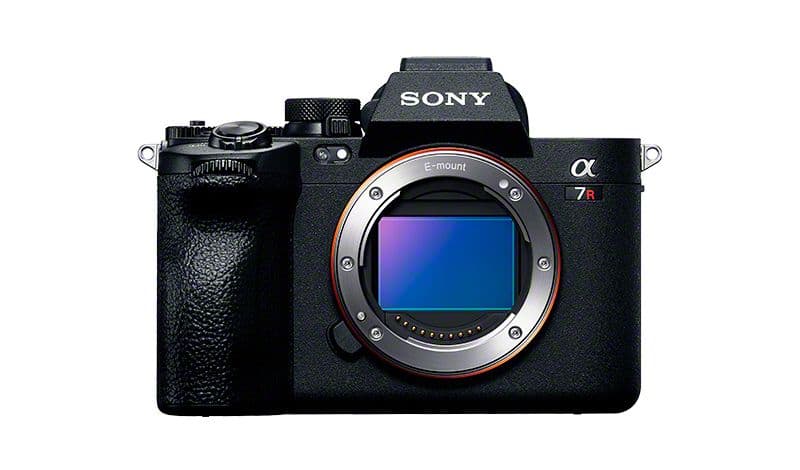
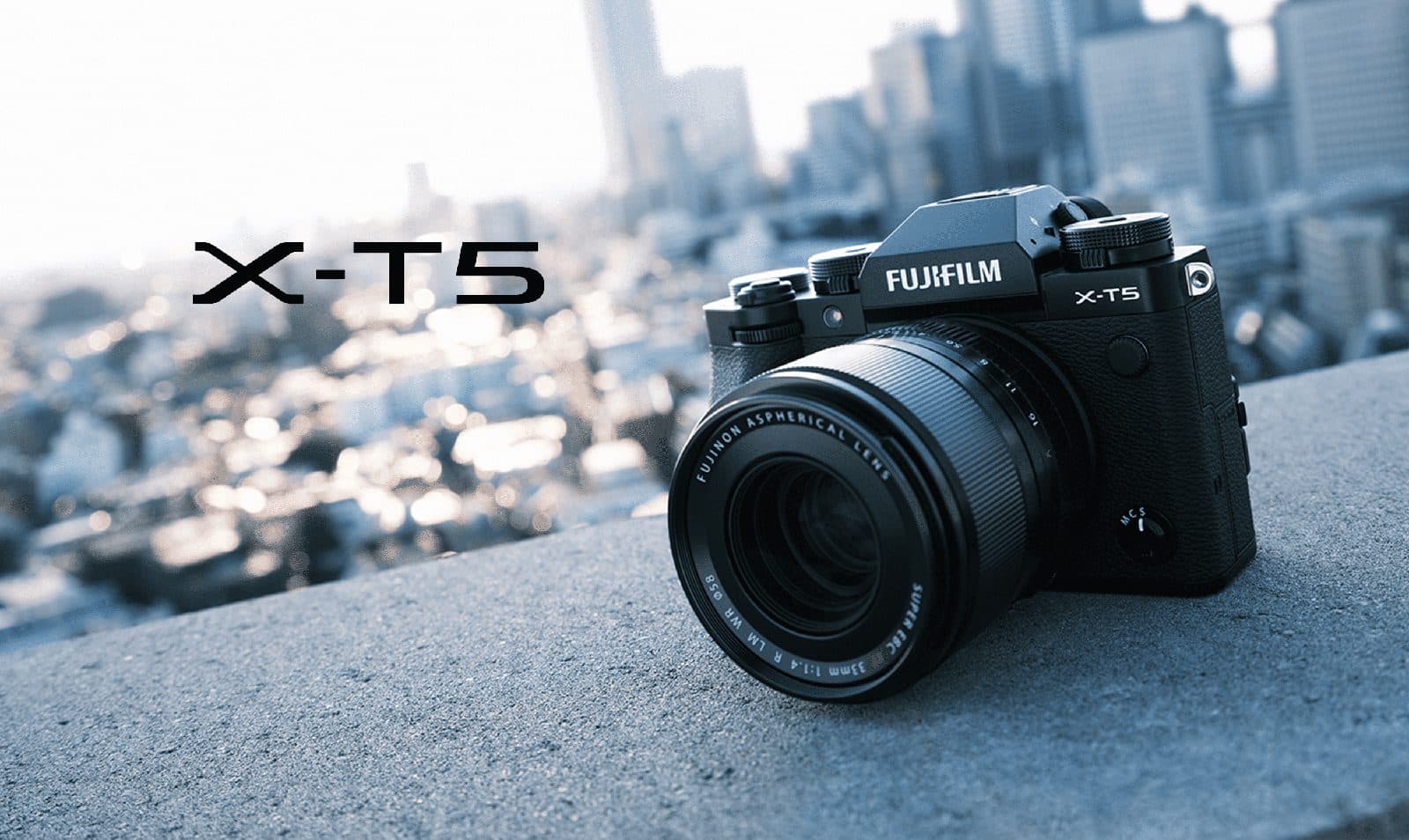
Sony A7R V vs Fujifilm X-T5: Resolution Monster or the Camera You Actually Enjoy Shooting?
Sony's 61MP A7R V vs Fujifilm's 40MP X-T5, refreshed for Prime Day 2026 with successors on the calendar. Which fits your portfolio, your bag, and your timing.
The Best Mirrorless Cameras in 2026, Ranked by Photographers Who Shoot Daily
Sony A7R V, Fujifilm X-T5, Canon R5 II, Nikon Z9. Gavler's photographers rank the mirrorless cameras worth shooting — APS-C through full-frame.