The Best Smart Home Gyms in 2026: Buy the Company as Much as the Machine
Tonal, Vitruvian, Tempo, Hydrow, CAROL. Gavler ranks the best smart home gyms of 2026 — survivors of the connected-fitness shakeout, sorted by how you train.
Updated July 1, 2026 — Amazon's June Prime Day just wrapped, but the July 4 sales are live through the holiday weekend, and connected fitness is one of the most discount-heavy categories of the summer. Below: the systems from Gavler's Best Smart Home Gyms list worth buying, grouped by how you actually train — and with a clear eye on which companies are built to last.
Here is the thing nobody selling you a smart home gym wants to say out loud: you are not just buying a machine, you are buying a bet that the company will still be here to run it. This category was over-built during the 2020 lockdown boom and has spent the years since burying its dead. Lululemon wrote off the Mirror it paid half a billion dollars for. NordicTrack killed the Vault. Bowflex's parent filed for Chapter 11 in March 2024 and was sold for scrap-metal money. Vitruvian nearly went under before clawing back. A smart gym is a screen, a subscription, and a promise — and the screen goes dark the day the promise breaks.
So shop this category differently than any other. First: what will you actually train — strength, cardio, or a specialty? Second: can you live with the mandatory membership, indefinitely? Third, and unusually: is the company behind it stable enough to keep the lights on for the ten-year life of the hardware? Answer those and the list narrows fast. Below are the survivors worth your money in 2026, grouped by the work.
The Strength Systems — Digital Weights That Actually Deliver
If your goal is muscle, the digital-weight machines beat every mirror and bike here. They simulate resistance electronically, which unlocks training modes physical iron can't: eccentric overload, resistance that climbs through the range of motion, and automatic drop-sets when your muscles fail.

Tonal
Wall-mounted digital weight system with 200 lbs of electromagnetic resistance, AI-powered form feedback, and adaptive weight adjustment mid-rep.
Amazon affiliate · price subject to change
Tonal tops Gavler's list at 9.6, and it's the most complete strength system you can bolt to a wall. It replaces a cable machine and rack in the space of a whiteboard, and the second-generation Tonal 2 — released January 2025 — added the feature that was missing. Garage Gym Reviews put it plainly: "the biggest difference between the Tonal 1 and Tonal 2 is the inclusion of a built-in camera that powers the Smart View system... This is a complete game changer that can help improve your form." The same review, tested by a lifelong barbell lifter, admitted being "genuinely surprised at how effective the Tonal 2 can be." The honest catch is the price: about $4,295 for the hardware, roughly $500 in accessories, and a required membership near $60 a month on a 12-month minimum. It's a lot of cheddar, as the reviewers said — but for someone replacing a gym-plus-trainer habit, it pays for itself.
Vitruvian Trainer+
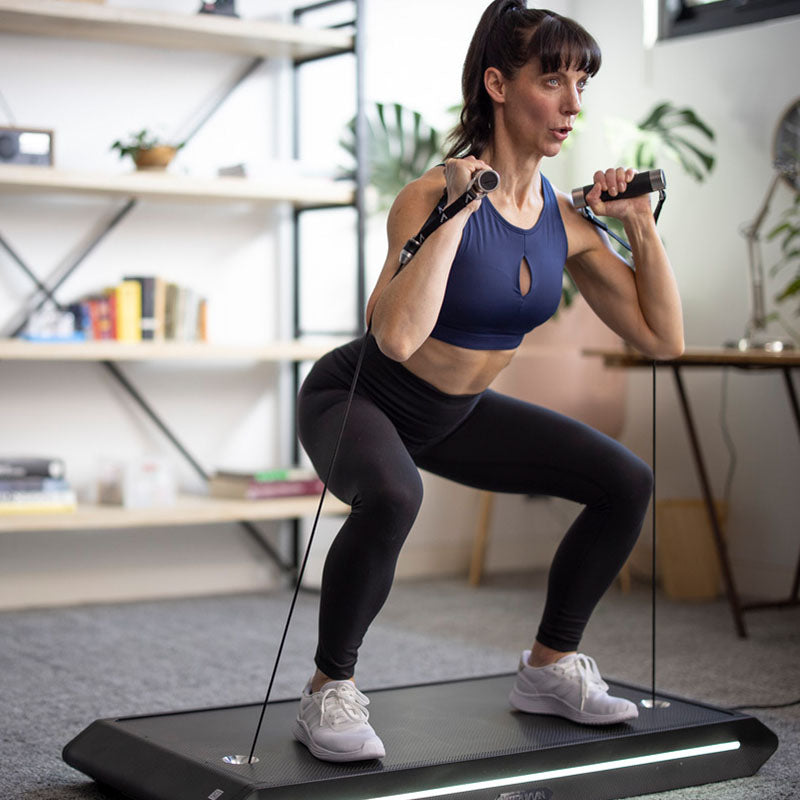
Compact platform with 440 lbs of adaptive resistance using patented servo-motor technology — full gym capability in a space smaller than a yoga mat.
Amazon affiliate · price subject to change
The Vitruvian Trainer+ (rank 2, 9.5) is the pick for lifters who need real load. It delivers up to 440 pounds of servo-motor resistance — more than double Tonal — from a platform Gear Patrol praised for its "sleek and simple design, as well as its beefy-yet-still-movable" frame that stores under a bed. Gear Patrol also nailed why the tech matters: "the active resistance learns and grows with you as you progress... in accordance with your PRs and perceived output." It's the raw-strength value play, though Garage Gym Reviews' caveat is fair — "a solid idea backed by great hardware, but the product, and the company, is still in its infancy." (Vitruvian's near-collapse and relaunch is exactly the company-risk this category demands you weigh.)
Tempo Move
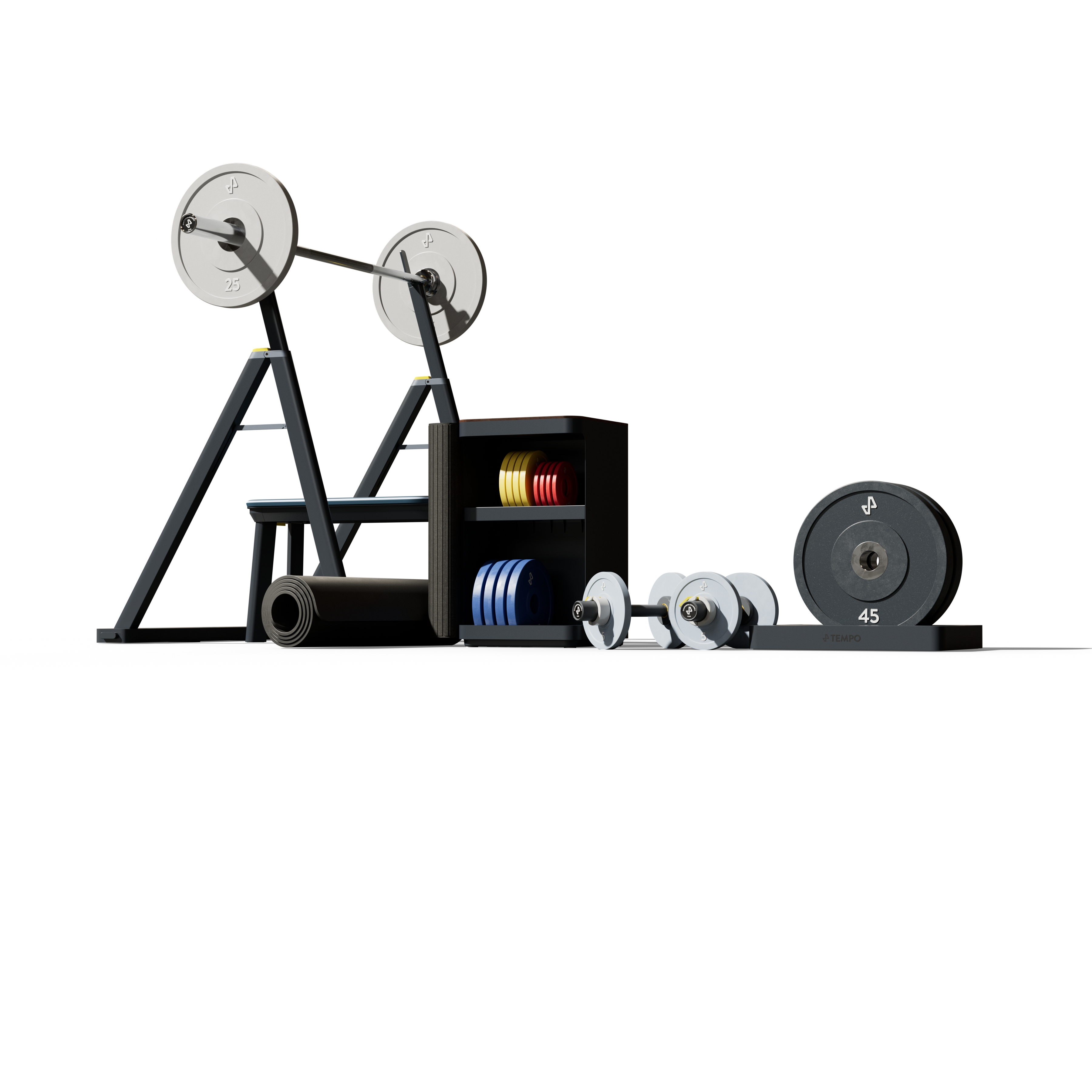
Tempo's current flagship — a docking station with 3D motion sensors that uses your phone's camera and TV as the display, with bundled weight options from starter to Pro Max.
Amazon affiliate · price subject to change
The Tempo Move (rank 3, 9.3) is the accessible way in. Instead of a $2,500 screen, it's a docking station that uses your iPhone's camera and your TV — Tom's Guide called it "a relatively affordable investment for comprehensive personal training in a diminutive package," and singled out the "3D Tempo Vision" form tracking as the standout. The trade-offs are real: Garage Gym Reviews found the system "failed to accurately calculate the weight I was using," and the whole thing is iPhone-only, so Android households are out.
Cardio That Earns Its Footprint
CAROL Bike
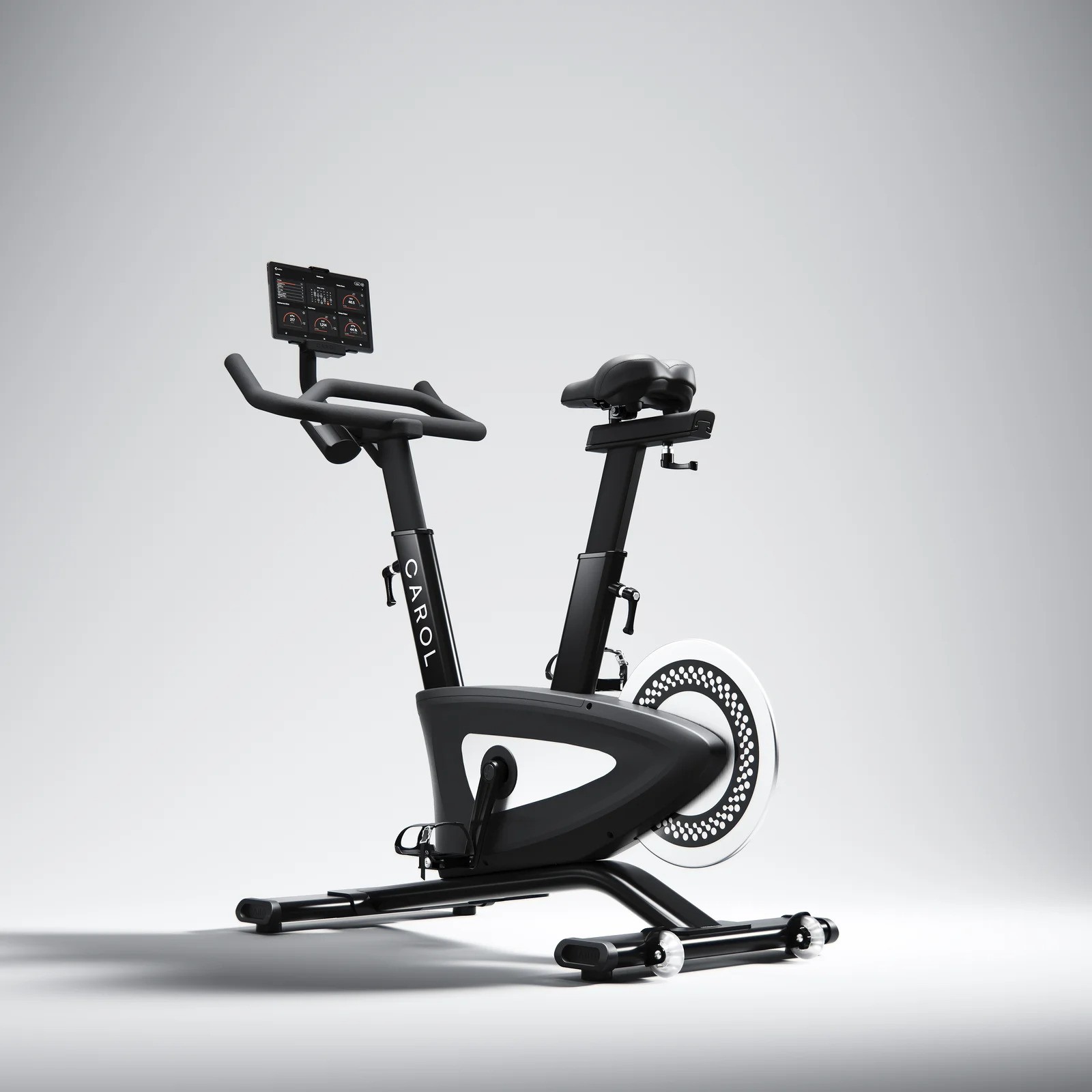
AI-powered exercise bike using REHIT protocol — scientifically validated 8-minute workouts that deliver equivalent cardio benefits to 45-minute sessions.
Amazon affiliate · price subject to change
The CAROL Bike (rank 8, 8.5) is the science experiment that works. It uses AI-controlled resistance to run REHIT — reduced-exertion high-intensity intervals — that pack a workout into under ten minutes. Tom's Guide summed it up: "It's expensive, and the features are locked behind a monthly membership, but it's effective and a lot of fun too," with "AI-controlled resistance levels" that are "remarkably intuitive and adaptive." If your barrier to cardio is time, nothing here is more efficient.
Hydrow Wave
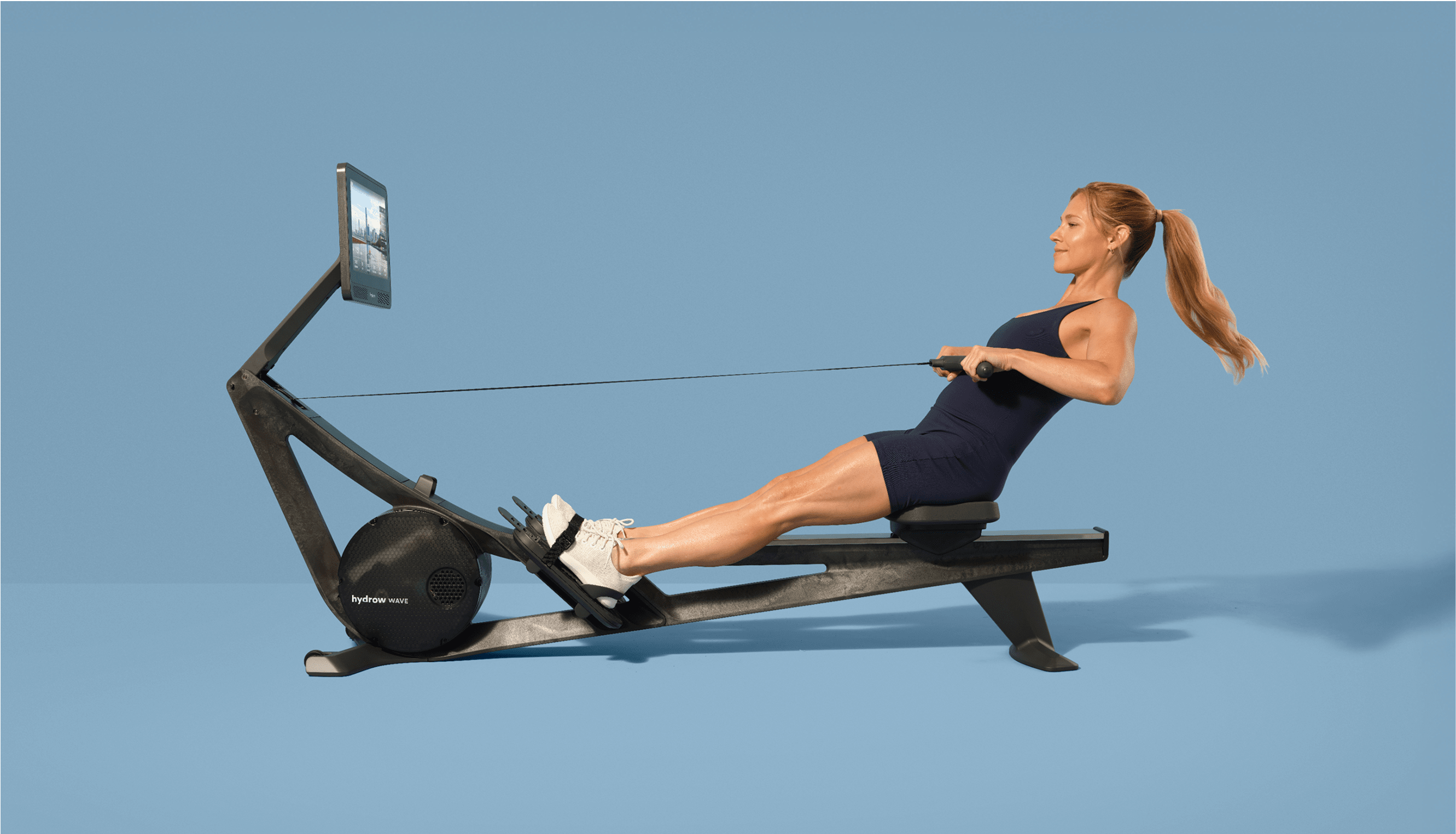
Compact connected rower with live outdoor reality rowing from rivers and lakes worldwide — the Peloton model applied to rowing with genuine on-water footage.
Amazon affiliate · price subject to change
The Hydrow Wave (rank 9, 8.4) is the compact rower that doesn't feel compact. Garage Gym Reviews found that despite the smaller build, "we noticed no deviations from the build quality we expect from Hydrow: no shaking, shifting, or otherwise unpleasant movement." Reviewed praised how "elegantly it introduces rowing to beginner users," while flagging that it "occasionally got noisy" mid-stroke. It's the best on-ramp to rowing on the list, and it stores upright against a wall.
The Bowflex VeloCore 22 (rank 10, 8.2) is the leaning bike whose party trick — a frame that sways side to side as you ride to engage your core — Tom's Guide calls "its biggest selling point." Buy it knowing the context: Bowflex went through bankruptcy in 2024 and is now owned by Johnson Health Tech, and BarBend notes the touchscreen "loses most of its functionality" without the JRNY subscription. The brand survived; go in with clear eyes.
The Specialist — Boxing at Home
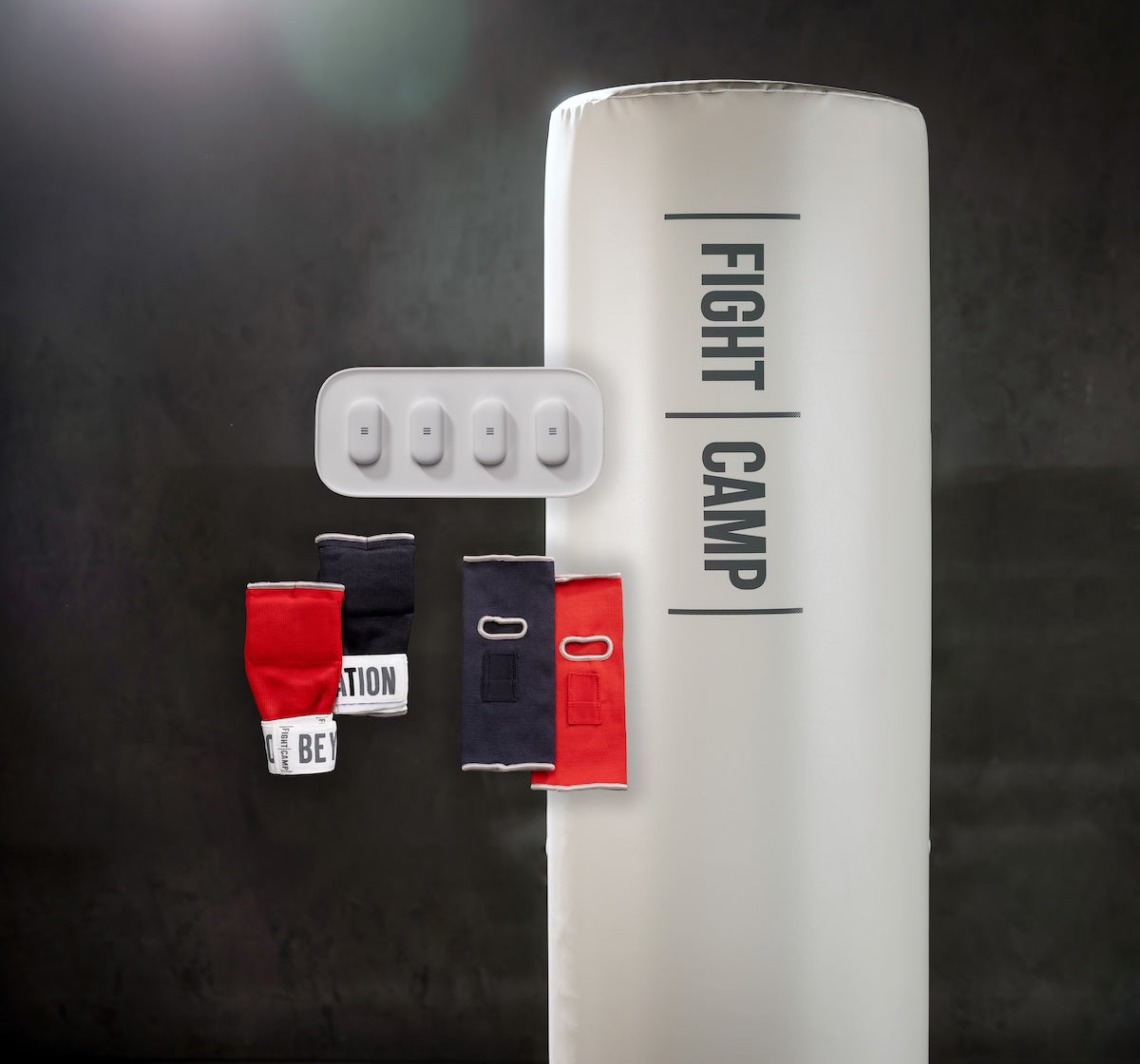
FightCamp Core Package
Smart punch trackers, quick wraps, gloves, free-standing bag, and a 3,000+ class library — connected boxing and kickboxing training that uses your phone or TV as the display.
Amazon affiliate · price subject to change
The FightCamp Core Package (rank 6, 8.6) is the one that isn't trying to be your whole gym. Its Bluetooth punch-tracker sensors, as BarBend puts it, "turn FightCamp into its own connected boxing gym." Garage Gym Reviews "absolutely loved the FightCamp experience," but BarBend's honest framing is the right expectation-setter: it's "far more niche than other training staples." If cardio boxing is your thing, nothing else here touches it; if you want general strength, look above.
The Mirrors — Buy With Your Eyes Open
The fitness-mirror format took the worst of the shakeout — Mirror and NordicTrack's Vault are both gone from the market and sit retired on Gavler's list. Two mirrors survive on the active roster, and both come with caveats. The Echelon Reflect (rank 4) is the more affordable option, but reviewers are lukewarm: Garage Gym Reviews found "the audio and visual quality are subpar compared to other products in its class," and noted only 32 inches of the 50-inch mirror is an active display. The Forme Studio (rank 7) is the premium mirror, but Forme has pivoted toward gyms and clinics rather than home buyers, so buy it as a design-forward statement piece and confirm current membership terms before you commit.
One That Isn't on Our List — Yet
Worth knowing about: the Speediance Gym Monster 2, a freestanding all-in-one that reviewers at PCWorld and GearJunkie increasingly call the best value in the category — no wall mounting, a squat rack and cable machine in one unit, for a bit less than Tonal. It isn't on Gavler's list today. If enough of you flag it, it should be.
The Bottom Line
Buy strength from Tonal or Vitruvian, cardio from CAROL or Hydrow, boxing from FightCamp — and in every case, buy the membership math and the company's stability as deliberately as the machine. This is the one consumer-tech category where "will the brand still exist" is a spec that matters.
See the full community ranking, vote for your pick, and compare expert and community scores on our Best Smart Home Gyms list. Architecture first — digital weights vs bike vs rower vs boxing vs mirror — is the smart-home-gym buying guide. Building the rest of your training setup? Cross-shop the Best Running Shoes and Best Trail Running Shoes briefs, or browse the full lineup across the electronics category.
See all 9 products ranked by the community
Best Smart Home Gyms
See Full Rankings →252 community votes cast
Common Questions
For most buyers who want to train strength, it's Tonal, which tops Gavler's list at 9.6. The wall-mounted electromagnetic system replaces a full cable machine and rack in the space of a mirror, and the second-generation Tonal 2 added a built-in Smart View camera that tracks your form as you lift. But 'best' depends on what you train and what you'll tolerate. If you need heavy resistance in a footprint you can store, the Vitruvian Trainer+ moves up to 440 pounds from a platform that slides under a bed. If you want the lowest entry price, Tempo Move turns your phone and TV into the coach. And every one of these is only as good as the membership and the company behind it — which, in this category, is a real part of the decision.
Tonal is worth it for serious strength trainers in small spaces who will use it enough to justify the cost — it genuinely replaces a cable machine, a weight rack, and a lot of guesswork. Tonal 2, released in January 2025, is the meaningful upgrade: reviewers at Garage Gym Reviews highlight a new built-in wide-angle camera that captures your full body for AI form coaching, quieter operation, and higher resistance than the original. The catch is cost. The Tonal 2 hardware runs about $4,295 before the roughly $500 in accessories and the required membership of about $60 a month on a 12-month minimum. If you would otherwise pay for a gym plus personal training, the math closes in under two years; if you won't use it several times a week, it's an expensive wall ornament.
For pure strength, the digital-weight systems win over mirrors and bikes. Tonal (up to 250 pounds of electromagnetic resistance, wall-mounted) is the most polished and coaching-heavy, and its camera-based form correction is the best in the category. The Vitruvian Trainer+ is the powerlifter's pick — a floor platform delivering up to 440 pounds of servo-motor resistance, more than double Tonal's ceiling, in a unit you can stand on and store under furniture. Both let you do things physical weights can't: eccentric overload, chains-style resistance curves, and velocity-based training. Choose Tonal for coaching and compound-cable polish; choose Vitruvian for raw load and a smaller permanent footprint. Neither is cheap, and both require a subscription for their best features.
Almost all of them do, and it is the single most important thing to understand before buying. The hardware is only half the product — the classes, the AI coaching, the adaptive resistance, and often the touchscreen itself are gated behind a subscription that runs roughly $20 to $60 a month depending on the brand. Tonal is around $60 a month, CAROL and Bowflex's JRNY are closer to $20, and Vitruvian offers both a monthly plan and a one-time lifetime option. Skip the membership and most of these machines lose the features you paid for. Factor several hundred dollars a year, indefinitely, into the true cost — and weigh whether the company is stable enough to keep those servers running for the life of the hardware.
The connected-fitness boom of 2020 and 2021 over-built the category, and the correction has been brutal. Lululemon wound down the Mirror it bought for half a billion dollars. NordicTrack's Vault was discontinued. Bowflex's parent filed for Chapter 11 bankruptcy in March 2024 and sold the brand to Johnson Health Tech for $37.5 million. Vitruvian nearly vanished before relaunching, and Forme pivoted away from selling to home buyers toward gyms and clinics. The lesson for a 2026 shopper is blunt: a smart gym is a bet that its maker will still exist to keep the app alive. Gavler's list keeps the discontinued systems visible for reference but ranks the survivors — the machines from companies still actively selling and supporting them.
Three good answers, depending on what you train. For strength, the Vitruvian Trainer+ is the standout — the platform folds and slides under a bed, so it disappears completely between workouts, yet still delivers up to 440 pounds of resistance. For coached strength on a budget, Tempo Move is a docking station roughly the size of a small cabinet that uses your phone and TV instead of a dedicated screen, so it takes almost no dedicated space. For cardio, the Hydrow Wave is a deliberately shrunk-down rower that reviewers say holds the full-size Hydrow's rock-solid feel, and an optional kit stores it upright against a wall. Tonal is also space-efficient once mounted, but it needs a permanent stretch of wall drilled into studs.
Yes — connected fitness is one of the most discount-heavy categories of the summer, and the timing right now is good. Amazon's June Prime Day just wrapped (it ended June 26, 2026), but the July 4 sales are live through the holiday weekend, amplified this year by the 250th-anniversary promotions, and the brands cut hard to move inventory in a shrinking market. Tonal, Hydrow, and the bikes routinely run four-figure discounts and bundle free accessories or waived installation around holidays. The subscription rarely goes on sale, so read the fine print: a low hardware price with a locked-in year of membership is the real number. If a system on your shortlist is from a discount-friendly brand, this is one of the better buying windows of the year.
Gavler's Best Smart Home Gyms list is ranked by community vote — one vote per person, with no affiliate commissions or manufacturer sponsorships steering the order. Owners pick the system they'd recommend above all others, which is why the list rewards the things spec sheets hide: whether the resistance feels natural, whether the coaching is worth its subscription, and whether the company has kept its promises after the sale. The expert score and community score sit side by side on the live list, so you can see where professional testing and owner reality agree — and you can vote yourself and watch the ranking shift.
Products Mentioned
Jump to the full ranking and community verdict for each pick named above.
- Vitruvian Trainer+Electronics · Best Smart Home Gyms
- Tempo MoveElectronics · Best Smart Home Gyms
- CAROL BikeElectronics · Best Smart Home Gyms
- Hydrow WaveElectronics · Best Smart Home Gyms
- Bowflex VeloCore 22Electronics · Best Smart Home Gyms
- FightCamp Core PackageElectronics · Best Smart Home Gyms
- Forme StudioElectronics · Best Smart Home Gyms