The Best Trail Running Shoes in 2026, Ranked by People Who Actually Run in Them
Hoka, Salomon, La Sportiva, Brooks, Nnormal. Gavler's runners rank the trail shoes worth racing — daily trainers, ultras, and technical mountains.
Updated June 25, 2026: Peak trail season is here, and the Hoka Speedgoat 7 has cemented the #1 spot — its bouncier supercritical foam midsole, 5mm Vibram Megagrip lugs, and lighter build hold up against everything 2026 has launched, with multi-tester reviews from iRunFar, OutdoorGearLab, and Tom's Guide all naming it the do-it-all trail shoe of the year. Salomon's updated Ultra Glide 4 is now shipping (cushier and lighter than ever), but the community still ranks the Ultra Glide 2 second pending its own verdict on the upgrade. On pricing: Amazon Prime Day is live (June 23-26) and the July 4 sales follow, so this is one of the better windows of the year to catch last-gen and current trail shoes discounted — running specialists like REI and Running Warehouse typically run the deepest cuts. See our Speedgoat 7 vs Ultra Glide 2 head-to-head for the detailed comparison.
Trail running shoes occupy a weird space in the gear world. They look similar, they all claim "superior grip" and "responsive cushion," and yet the difference between the right shoe and the wrong shoe on a rocky descent is the difference between flowing and falling.
We'd suggest asking the people who've actually shredded outsoles on granite, blown through mud, and logged enough miles to know when a shoe fails. Gavler's trail shoe rankings come from runners who vote with worn-out treads and strong opinions. No sponsorship deals. No free samples. Just votes.
How the Rankings Work
One vote per person on the Best Trail Running Shoes list. Pick the shoe you'd recommend if a friend asked what to buy — just one. Rotated to a new shoe? Move your vote. The result is a ranking that reflects what real runners stand behind right now.
The Top Picks: What the Community Stands Behind
Hoka Speedgoat 7 — The Do-Everything Trail Shoe
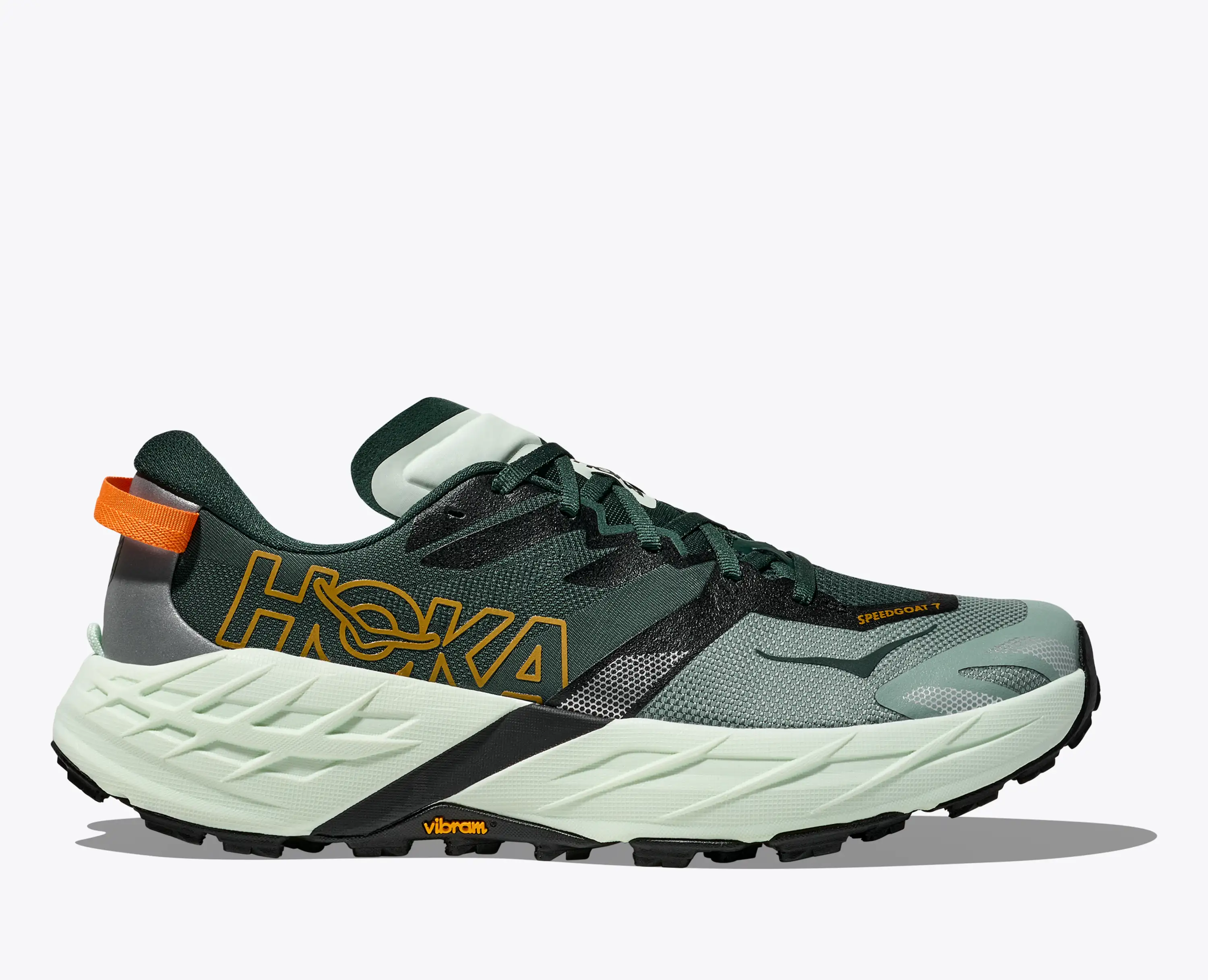
Hoka Speedgoat 7
Speedgoat 7 swaps the XM6's stiff midsole for supercritical EVA foam — lighter, more responsive, better at absorbing punishment.
Amazon affiliate · price subject to change
The Speedgoat line has been the default trail recommendation for years, and the 7th iteration is the best yet. The Vibram Megagrip outsole bites into everything — loose gravel, wet rock, packed dirt, mud. The midsole cushion absorbs punishment on descents without feeling mushy on climbs. And despite the generous stack height, the shoe stays remarkably stable on technical terrain.
At a 9.6 score, the community is delivering an emphatic verdict: this is the trail shoe. The Speedgoat 7 works for 5K trail races and 50-mile ultras alike. It works on buffed fire roads and rocky alpine singletrack. That versatility is why it keeps collecting votes.
Salomon Ultra Glide 2 — The Smooth Operator
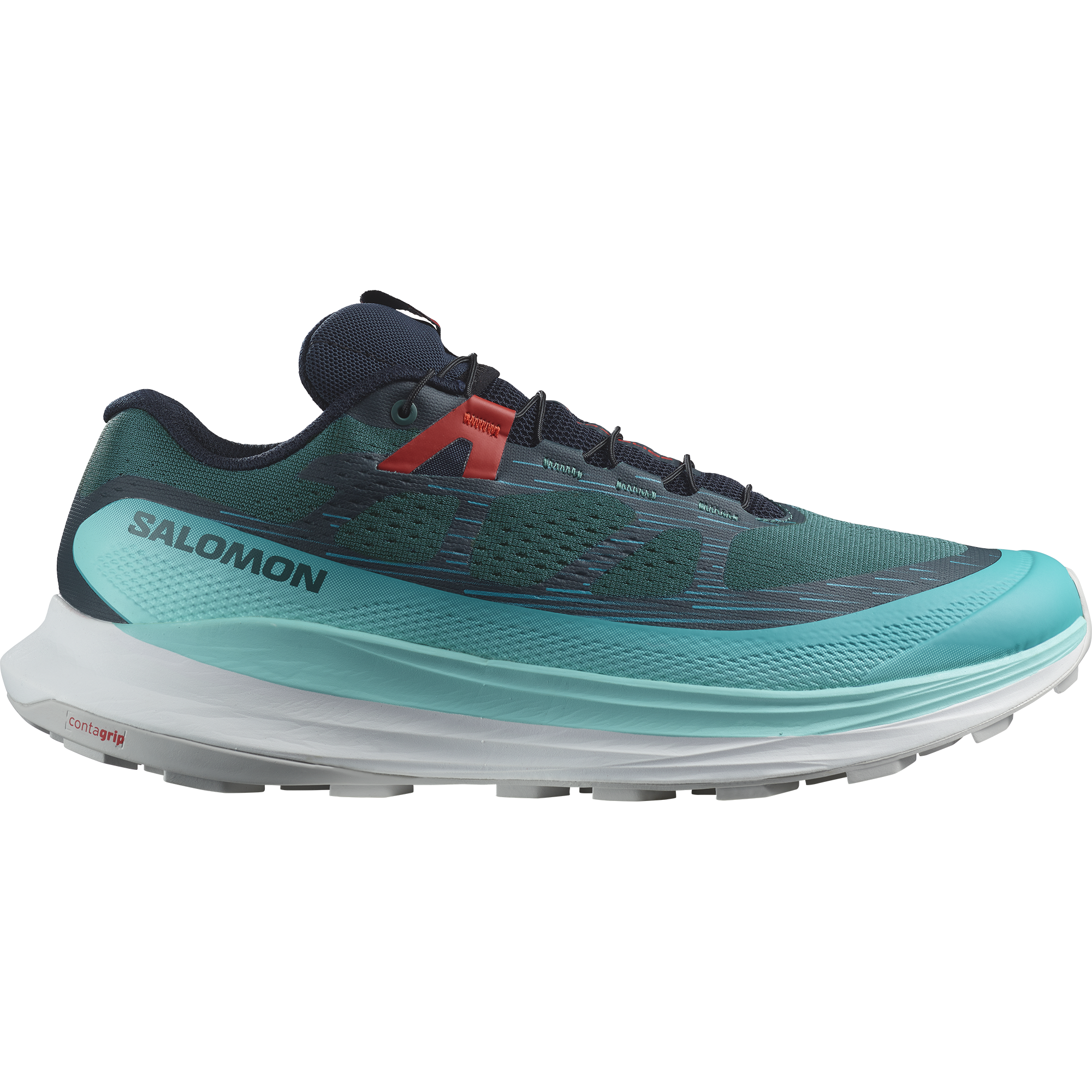
Salomon Ultra Glide 2
Energy-return foam and Contagrip MA outsole turn long-distance trail into smooth ride.
Amazon affiliate · price subject to change
The Ultra Glide 2 takes a different approach than the Speedgoat. Where Hoka goes max cushion, Salomon goes efficiency. The Energy Surge foam delivers a snappy, responsive ride that rewards smooth running form. The Contagrip outsole provides reliable traction without the aggressive lug pattern that feels clunky on hardpack. The fit is precise without being constricting.
It scores 9.3 because the community recognizes what the Ultra Glide does best: it makes moderate terrain feel effortless. For runners on groomed trails, fire roads, and mixed terrain that isn't deeply technical, the Ultra Glide 2 is faster and more comfortable than the Speedgoat. It's the shoe that makes you want to extend your run by a few more miles.
Nike Ultrafly — The Cushioned Powerhouse
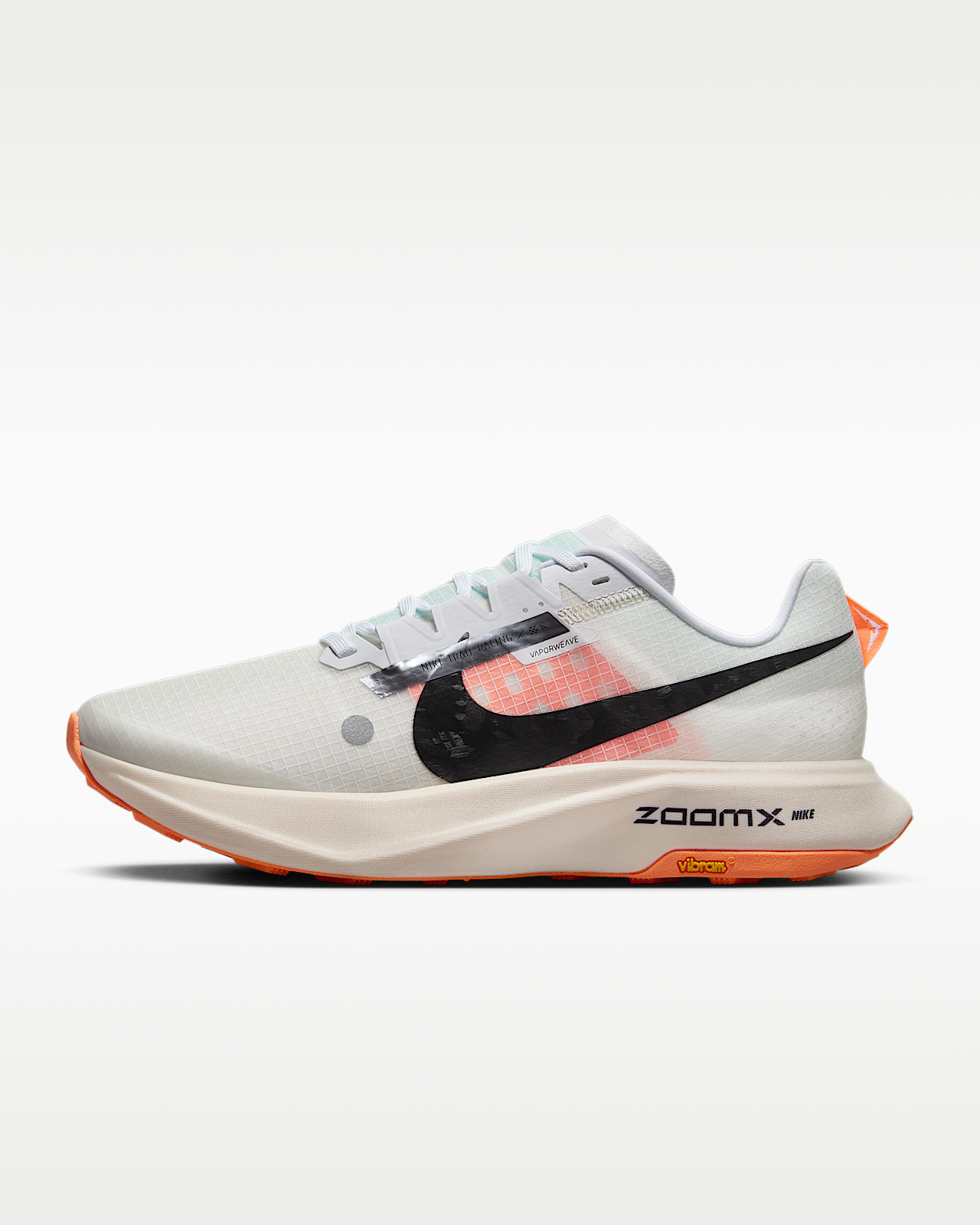
Nike Ultrafly
ZoomX foam and Vibram Megagrip — the road-racer propulsion of the Vaporfly, translated to trail.
Amazon affiliate · price subject to change
Nike's trail running lineup was a punchline for years, but the Ultrafly changed that conversation entirely. The ZoomX foam — borrowed from Nike's road racing super shoes — delivers absurd energy return on the trail. The Vibram outsole provides genuine grip. And the overall package weighs less than you'd expect from a shoe this cushioned.
It scores 9.1 because the community respects the execution. Nike finally built a trail shoe that trail runners actually want to wear. The cushion-to-weight ratio is best-in-class, and the ride is smooth enough to handle road-to-trail transitions without feeling like you're wearing two different shoes.
The Durability Question
Trail shoes die faster than road shoes — that's the reality of rocks, roots, and rough terrain. The community consistently reports 300-400 miles on the Speedgoat before the outsole lugs wear down significantly, 350-450 on the Ultra Glide, and 250-350 on the Ultrafly. Cost per mile matters. A cheaper shoe that lasts half as long isn't cheaper.
Buying Guide: What to Consider
Grip is non-negotiable. Check the outsole lug depth and pattern. Deep, widely spaced lugs (like the Speedgoat) excel in mud and loose terrain. Shallower, tighter patterns (like the Ultra Glide) work better on hardpack and rock. Match the outsole to your most common terrain — there is no one-grip-fits-all solution.
Try shoes in the afternoon. Your feet swell during the day and during runs. A shoe that fits perfectly at 9 AM will feel tight at mile 15. Go a half size up from your road shoe if you're in between sizes. Your toenails will thank you on descents.
Rock plates prevent bruising but reduce ground feel. Most trail shoes include some form of underfoot protection. If you run on rocky terrain, a rock plate is essential. If you run mostly on soft singletrack or dirt roads, you can skip it in favor of a shoe with better ground feel and flexibility. The Speedgoat's integrated plate hits a good middle ground.
Don't chase drop numbers without transition time. Switching from a 10mm-drop road shoe to a zero-drop trail shoe invites calf strains and Achilles issues. If you want to go lower, do it gradually — one or two millimeters per shoe rotation — and give your body months to adapt.
See all 10 products ranked by the community
Best Trail Running Shoes
See Full Rankings →299 community votes cast
Common Questions
According to Gavler's community, the Hoka Speedgoat 7 is the top-rated trail running shoe in 2026 with a 9.6 score. Its combination of max cushion, aggressive grip, and surprisingly low weight makes it the most versatile trail shoe available — equally capable on smooth fire roads and technical singletrack.
If you run on anything other than pavement, yes. Trail shoes provide three things road shoes don't: aggressive outsole lugs for grip on loose or wet terrain, a rock plate for underfoot protection, and more durable uppers to handle debris. Running trails in road shoes is a rolled ankle waiting to happen.
More cushion absorbs impact on descents and rocky terrain, reducing fatigue over long distances. The Hoka Speedgoat 7 and Nike Ultrafly both offer generous cushion without feeling unstable. Less cushion (lower stack height) gives you better ground feel and agility on technical terrain. For most runners on mixed terrain, moderate-to-high cushion is the sweet spot.
Drop is the height difference between heel and forefoot. Lower drop (0-4mm) encourages a midfoot strike and feels more natural but requires ankle and calf adaptation. Higher drop (6-10mm) is more forgiving if you heel strike. The Speedgoat's 5mm drop is a good middle ground. Don't switch to zero-drop overnight — transition gradually.
Rankings are determined entirely by community votes. Each user gets one vote on the Best Trail Running Shoes list — pick the one shoe you'd recommend above all others. No affiliate commissions or sponsorships influence the rankings.
Products Mentioned
Jump to the full ranking and community verdict for each pick named above.
Related Articles
The Trail Running Shoe Buying Guide 2026: How to Pick the Right Shoe for Your Trail, Your Distance, and Your Feet
8 min read
ComparisonHoka Speedgoat 7 vs Salomon Ultra Glide 2: The Trail Running Shoe That Fits Your Miles
4 min read
RoundupThe Best TV Deals to Watch for Prime Big Deal Days 2026
7 min read