Best Trail Running Shoes (2026) — Top 10 Ranked | Gavler
Updated March 2026
Best Trail Running Shoes
The definitive ranking of trail running shoes — from technical mountain racing flats to cushioned ultra-distance cruisers, tested on every terrain imaginable.
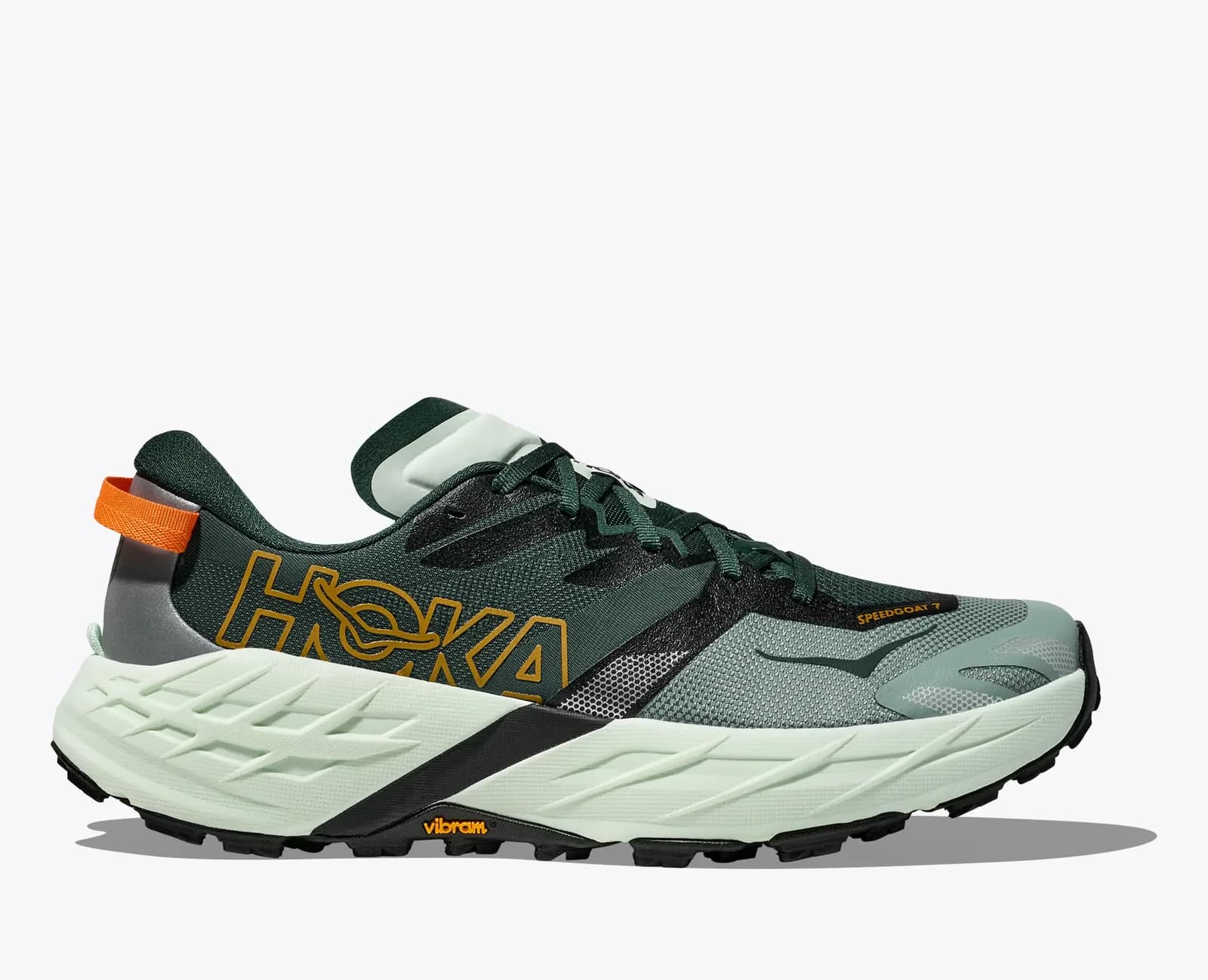
“Hoka's flagship trail shoe returns to form. The Speedgoat 7 swaps the XM6's criticized stiff midsole for supercritical EVA foam — lighter, more responsive, and better at absorbing punishment over long distances. Vibram Megagrip with angled forefoot lugs handles technical terrain with confidence. The redesigned upper finally fixes the tongue-bite issue that plagued the 6. At $185, it's $10 more, but the improvements justify every cent.”
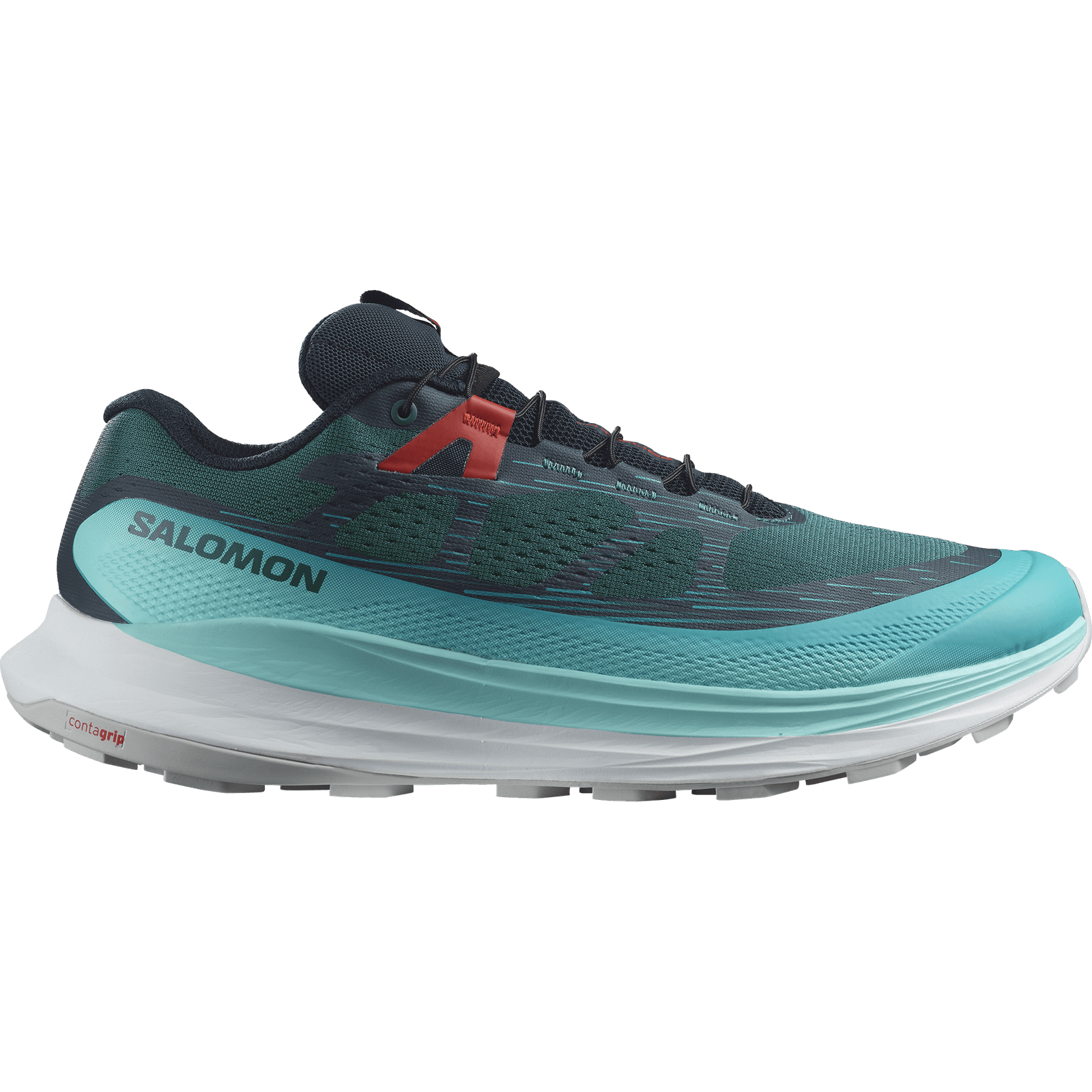
“Energy-return foam and Contagrip MA outsole turn long-distance trail into a smooth road-like ride — 70+ mile ultra runners swear by its relentless cushion over 12-hour efforts.”
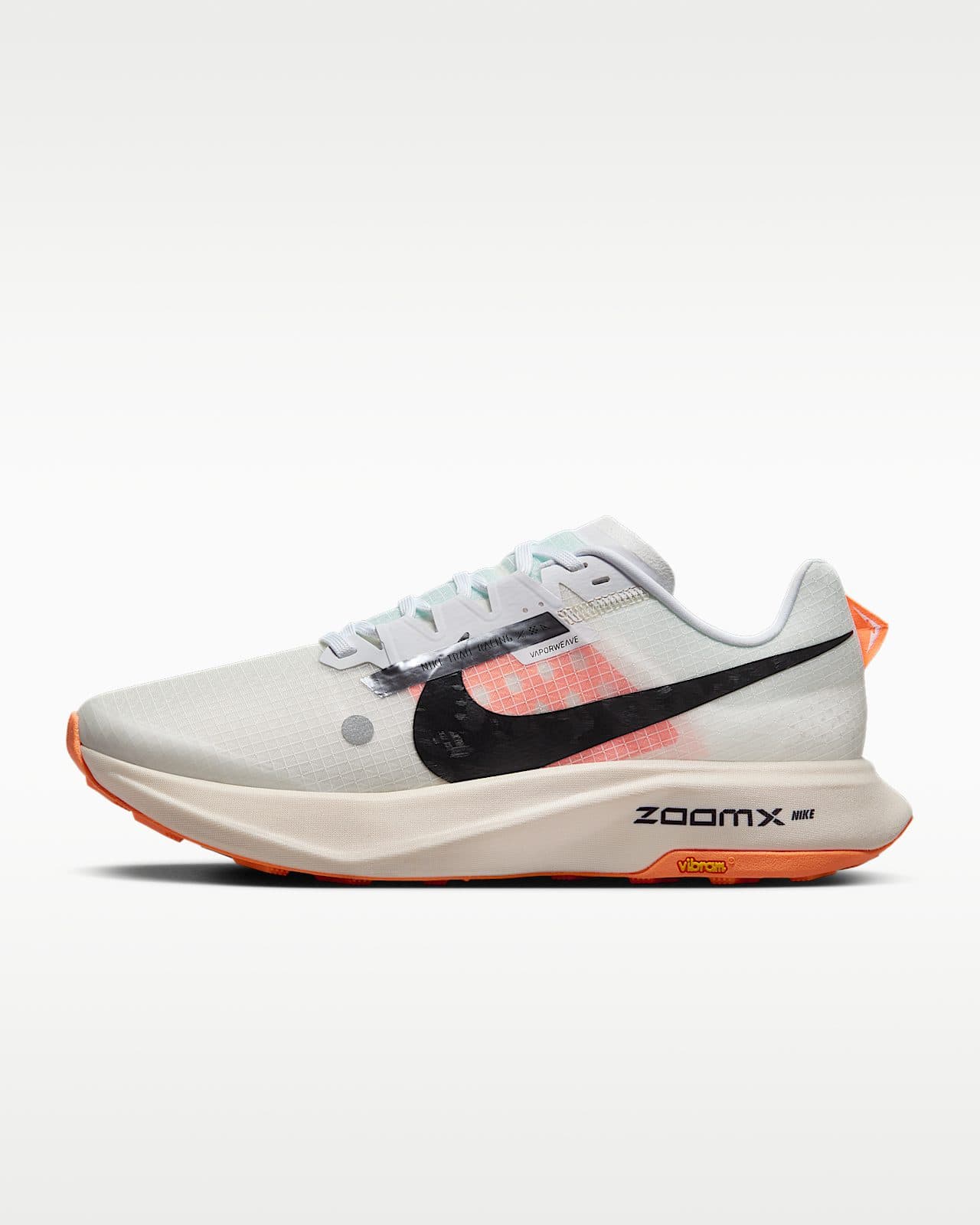
“Nike's first purpose-built ultra trail shoe with ZoomX foam and Vibram Megagrip — maximum energy return on technical terrain, designed with ultrarunner input from 100-mile races.”
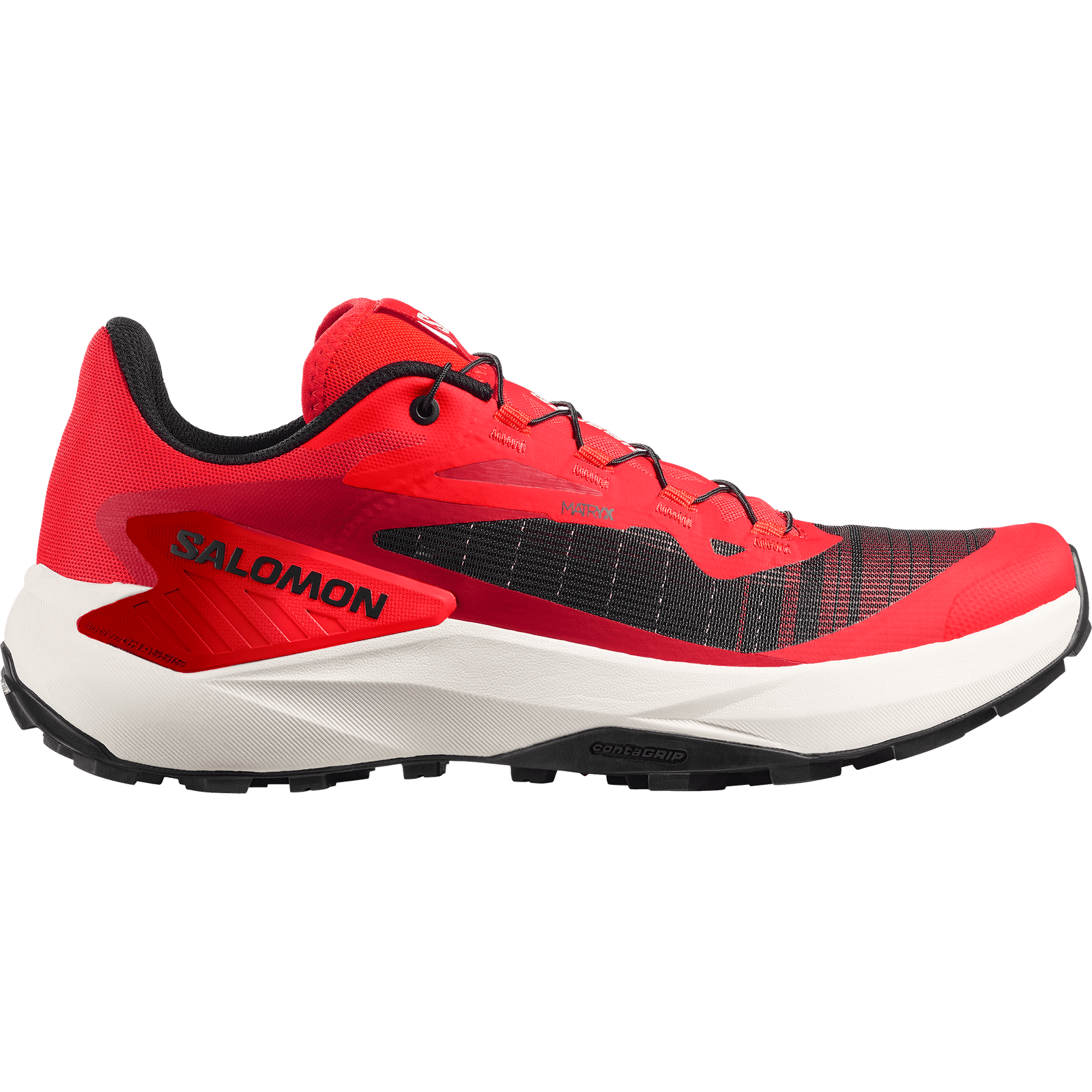
“Salomon proved you don't need carbon plating or premium pricing to deliver versatile trail performance. The Matryx upper shrugs off abuse, Contagrip traction works equally well on dry rocks or wet clay, and the responsive midsole handles everything from easy runs to ultra-distance efforts.”
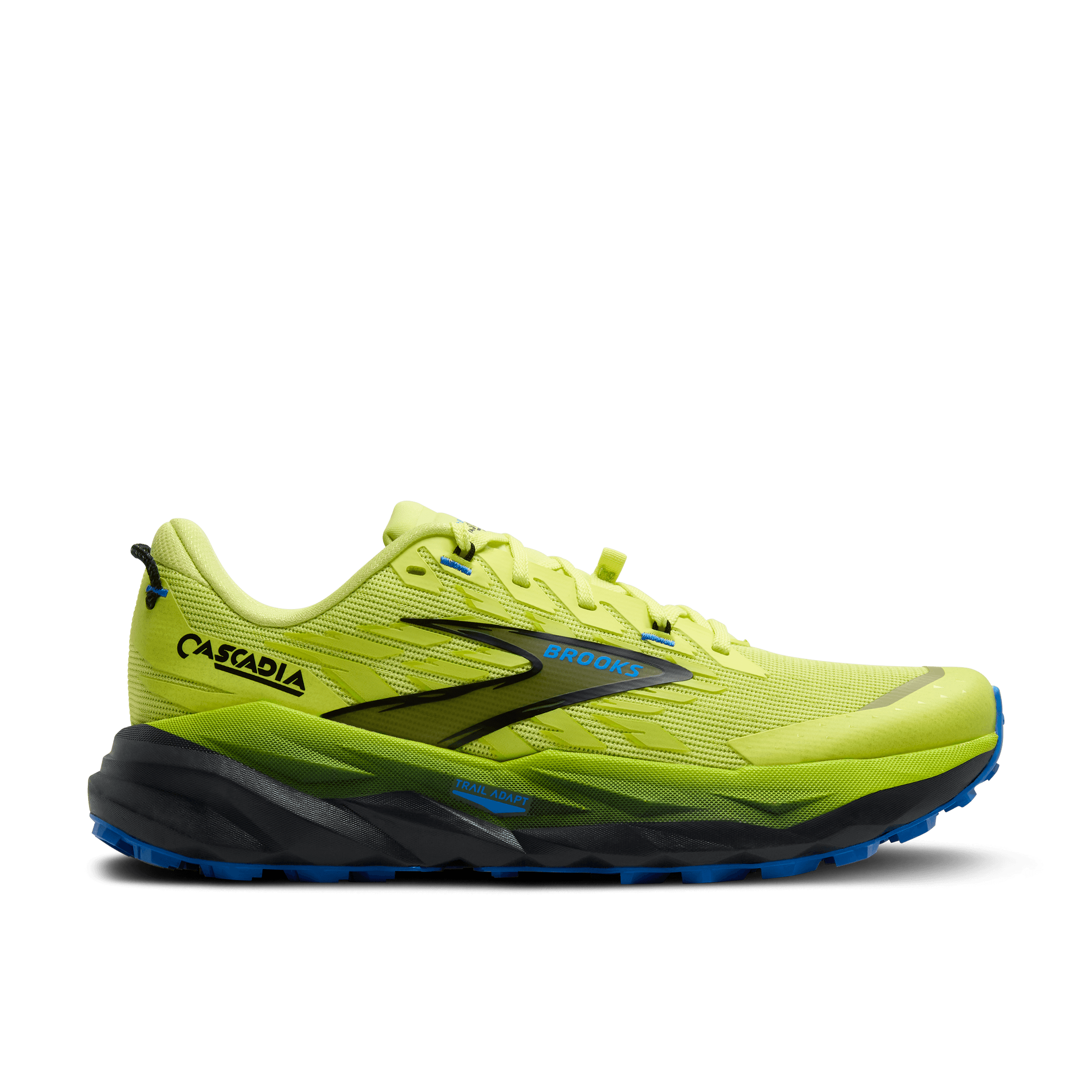
“19 generations of trail trust — nitrogen-infused DNA Loft V3 cushioning is lighter and more responsive than ever, with a roomier toe box and full-length rock plate for technical terrain. The dependable all-rounder, refined.”
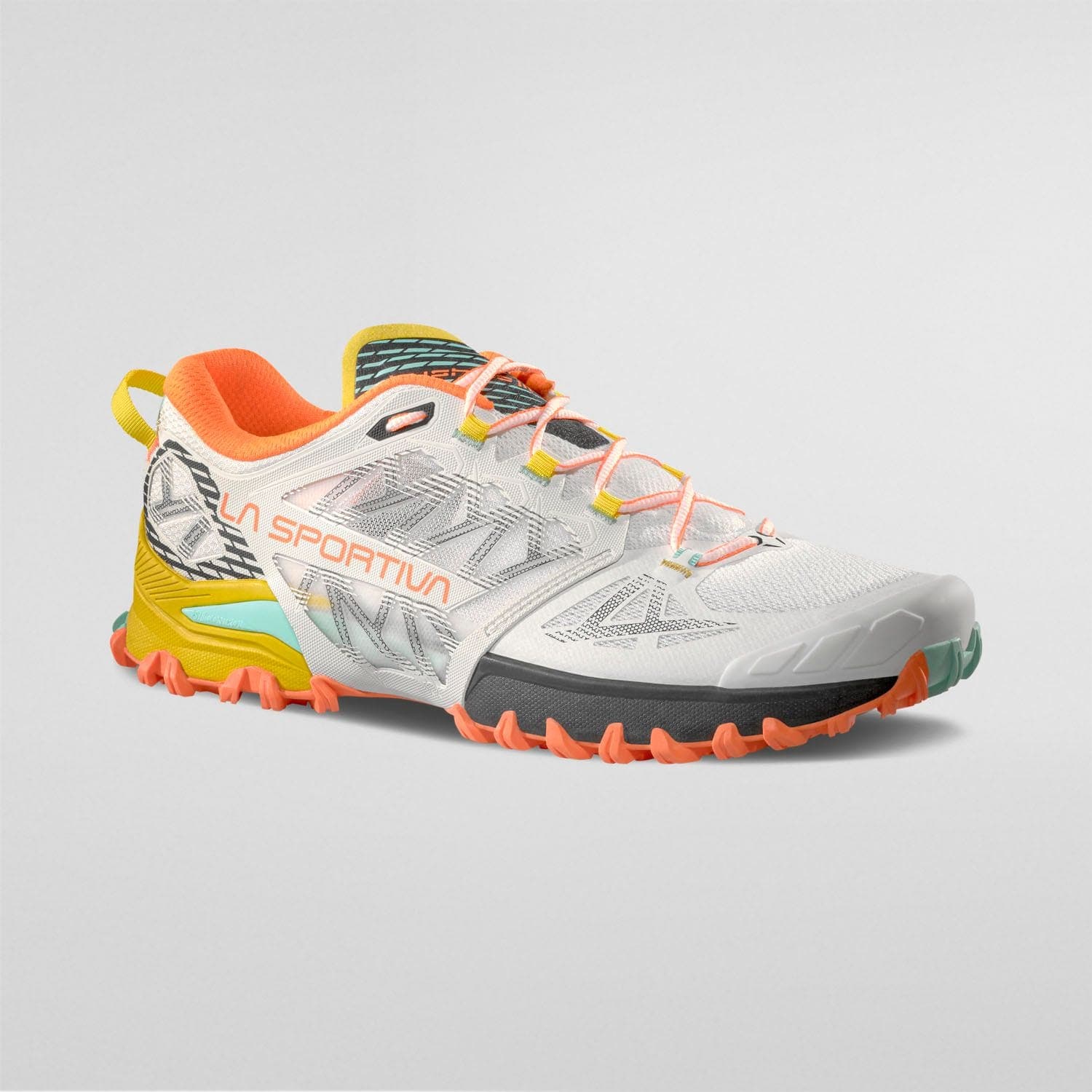
“Built for mountain runners who go vertical — FriXion XT 2.0 rubber and a Trail Rocker outsole platform grip loose scree and wet rock where other shoes slip. Technical trail mastery.”
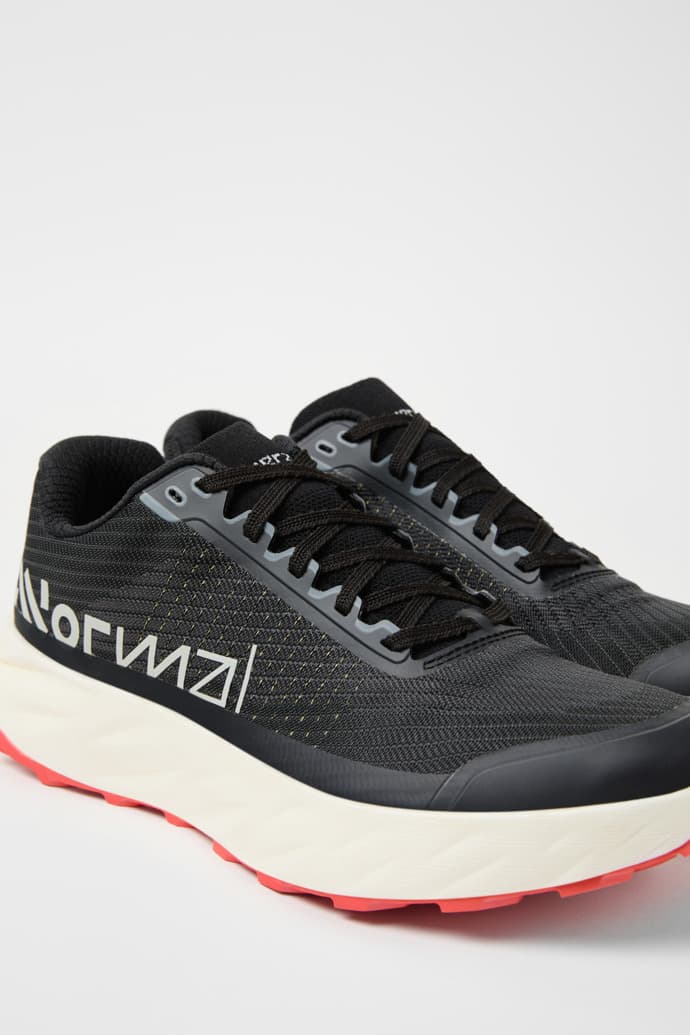
“The antidote to shoe bloat — a minimalist masterpiece at just 9 ounces with a razor-thin 20mm forefoot stack. Vibram Megagrip outsole grips wet rock better than shoes twice its weight. For runners who measure success in technical precision, not cushion stack.”
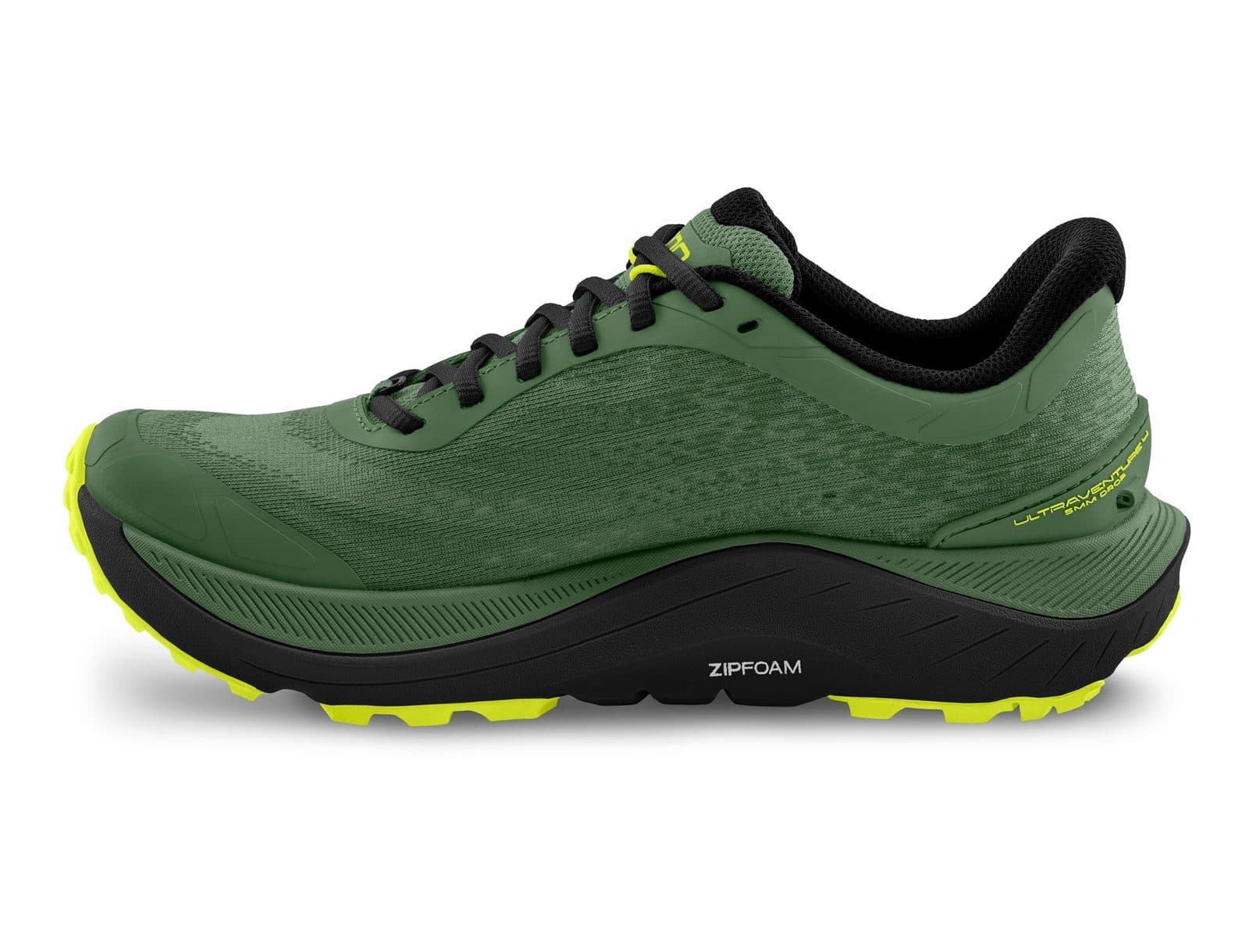
“The underrated value champion — Vibram Megagrip, 5mm lugs, 25mm stack, and a roomy anatomic toe box at $50 less than the competition. Natural running done right at a fair price.”
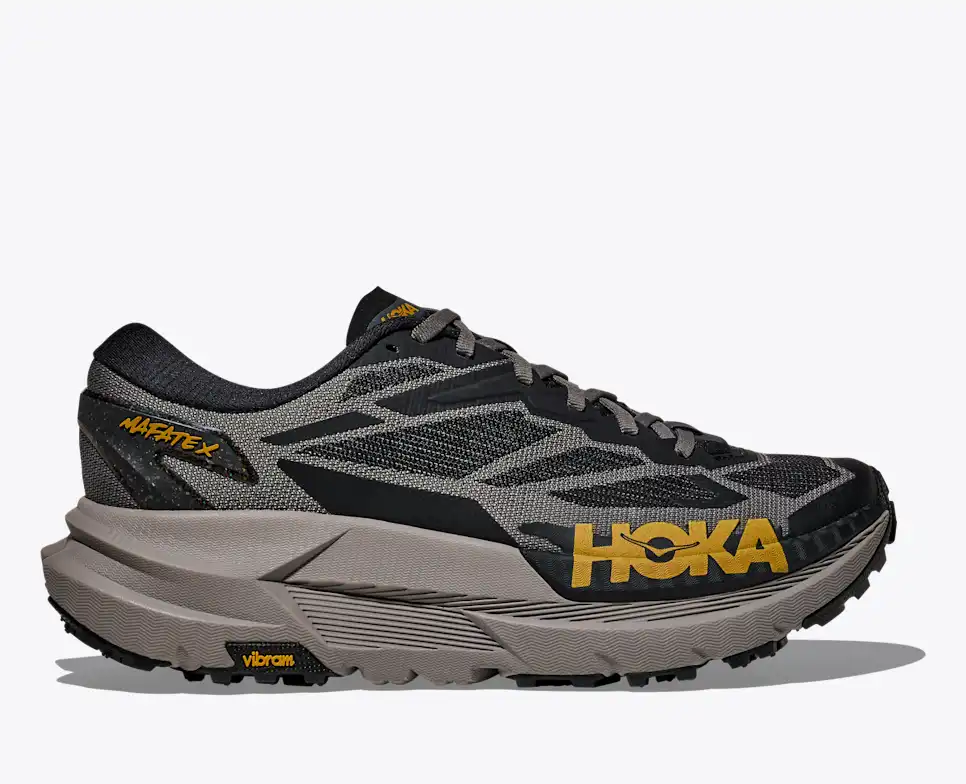
“The ultrarunner's endurance machine — a carbon-plated trail shoe with 49mm of stack that feels lighter than it has any right to. Vibram grip that doesn't quit, built for the runner who's still strong at mile 40.”
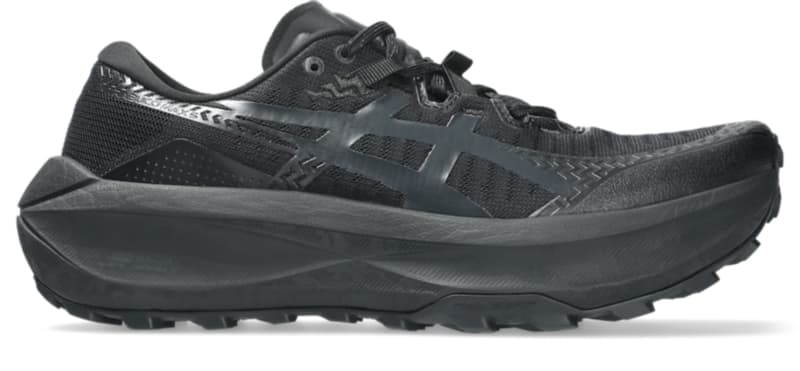
“Maximum cushion for maximum distance. 40mm of FF BLAST PLUS foam with GuideSole technology reduces ankle flexion on long descents. Not built for technical terrain — built for grinding out long trail miles in comfort, period.”
Drop5mm
Weight~10.6 oz
Outsole4mm lugs, proprietary rubber
Common Questions
Best Trail Running Shoes — FAQ
Trail running shoes have aggressive lugged outsoles for grip on dirt, mud, and rocks, plus reinforced toe bumps and sidewalls for protection against debris. They typically offer firmer midsoles for stability on uneven terrain. Road running shoes prioritize cushioning and weight over traction and protection.
Consider the terrain you run most: light trails need less aggressive tread than technical mountain terrain. Stack height affects cushioning and stability (higher = more cushion, lower = more ground feel). Drop (heel-to-toe differential) affects your running form. Also consider waterproofing for wet climates and fit — trail shoes should be snug but allow toe splay on descents.
Most trail running shoes last 300 to 500 miles, depending on terrain roughness, runner weight, and shoe construction. Rocky, technical terrain wears shoes faster than smooth dirt trails. Signs of wear include compressed midsole cushioning, worn outsole lugs, and reduced traction. Many runners rotate two pairs to extend lifespan.
Rankings combine expert review aggregation with community voting. Each shoe receives a Gavler Score (out of 10) based on professional reviews evaluating traction, cushioning, durability, and fit. Community members vote for their top pick with one vote per list.