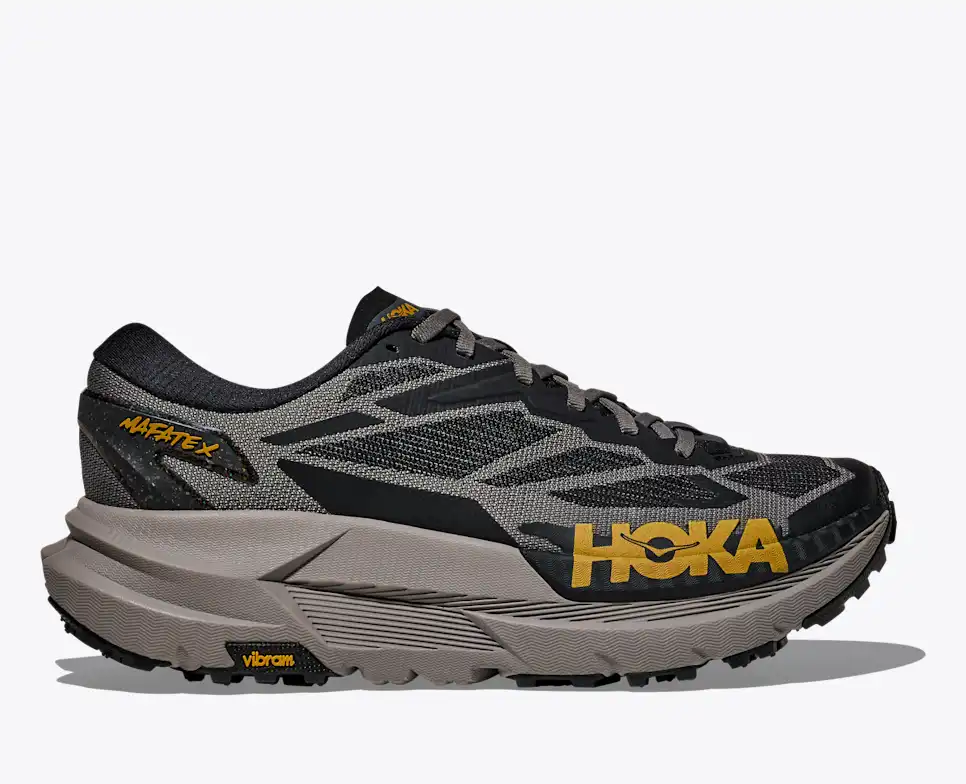
Hoka Mafate X.
Carbon-plated 49mm stack, dual-density PEBA foam, Vibram Megagrip — Hoka's most ambitious trail shoe, purpose-built for the back half of an ultra.
The Verdict.
Gavler Meta-Score
“Hoka's first true trail super-shoe. The carbon plate plus 49mm stack genuinely works for 50K-plus races on runnable terrain — but the 12 oz weight and tippy ride on technical descents make it a single-purpose tool, not a daily trainer.”
The Gavler Verdict
The Gavler Review.
Hoka Mafate X Review: A Carbon-Plated Trail Shoe for a Very Narrow Job
The Hoka Mafate X ranks 9th on Gavler's Best Trail Running Shoes list with a 8.0, and it's the one shoe on that list built to do exactly one thing: keep your legs intact past mile 30 of a 50K-plus race on runnable terrain. Everywhere else, it's a compromise. iRunFar's Alli Miles ran 103 miles in it around Central Oregon and landed on a verdict that doubles as a warning label: "it's a lot of shoe."
That's the trade-off in five words. Hoka took its maxed-out 49mm Mafate stack, bolted in a forked carbon-fiber plate borrowed from the Tecton X, and topped the dual-density midsole with a PEBA layer for a little more life underfoot. The result is Hoka's first genuine trail super-shoe — and, at roughly 12 ounces, the heaviest shoe in Gavler's top 10.
What it is
The Mafate X pairs a 49mm heel stack (41mm forefoot, 8mm drop) with a forked carbon-fiber plate sandwiched between a PEBA top layer and a supercritical EVA base. The fork geometry is the key design decision: a single rigid plate spanning the full shoe would lock out lateral flex and make technical terrain miserable, so Hoka split it to preserve some give while still adding longitudinal stiffness. Vibram Megagrip in a pod-style outsole configuration handles the traction end, sheddling debris between lugs on loose or muddy trail.
Hoka's own framing calls this a "gravel grinder," and that's more accurate than the carbon-plate marketing suggests. On the road, a plate like this snaps back at toe-off and saves a runner real oxygen cost over a marathon distance. On trail, where footstrike is constantly disrupted by rocks and cambered ground, that propulsion effect only shows up intermittently. What the plate reliably delivers instead is structure — it resists the shoe folding under tired legs late in a long effort, which is the actual point of the design.
In use
iRunFar's testing (single-layer woven mesh upper, gusseted tongue, external TPU heel cradle) found the upper durable and breathable after 100-plus trail miles with "almost no wear — just dirt." The fit locks down the midfoot while leaving room for toe splay, and the padded heel collar avoids hot spots on the Achilles even at higher cadence on technical descents.
The ride is the story, though. iRunFar's reviewer described it as feeling "a bit like strapping inflatable rafts to your feet" — not a knock, but an accurate picture of what 49mm of foam under your foot actually feels like. Hoka's MetaRocker geometry keeps that platform from feeling tippy on straightforward terrain, and the broad footprint helps stability despite the stack height. But ground feel is gone, and the shoe felt "a little clunky" during short, fast intervals. It's not built for that job, and it doesn't pretend to be.
Grip was consistently good across pavement, gravel forest roads, dirt doubletrack, and steep singletrack in iRunFar's testing, though the reviewer noted they hadn't yet tested it extensively in mud. On dry-to-damp trail, which describes most fire-road and doubletrack ultra courses, the Megagrip outsole didn't give up traction.
Strengths
The case for the Mafate X comes down to late-race leg preservation. Gavler's data notes reviewers "consistently flag" that outside 50K-plus distances the shoe is overbuilt — but within that window, the cushion-to-weight-to-propulsion ratio rates exceptionally with ultra-distance runners. iRunFar's take lines up: the reviewer said she'd recommend the shoe specifically to runners tackling the 200-mile distance, where comfort late in a race outweighs everything else.
The carbon plate's real contribution isn't a magic propulsion boost — it's structural integrity. A shoe that resists folding at mile 80 when your form has degraded is doing real work, even if that work doesn't show up as a stopwatch number. The PEBA top layer over supercritical EVA also keeps the ride from going dead the way pure EVA stacks can over very long efforts, a genuine upgrade over older max-cushion trail shoes.
Durability held up well in testing too — the woven upper showed minimal wear after 100-plus miles, and the outsole handled everything from pavement to steep singletrack without complaint.
The trade-offs — who should skip it
Weight is the first honest cost. Hoka's spec sheet lists around 12.1 ounces for the men's version; iRunFar's lab scale measured an actual 11.7 ounces (331 grams) for a men's 9 — a small but real discrepancy shoppers should know about before assuming the marketing number is exact. Either figure makes this the heaviest shoe on Gavler's top-10 trail running list, and that weight is felt on anything faster than an easy long run.
Technical terrain is the second cost. iRunFar's reviewer was direct: the shoe is "not the most nimble option for scrambling up rocky faces" and "would not be my top choice for fast intervals or short races." The tall stack and soft ride that make it comfortable on gravel roads work against you the moment the trail gets rocky or the pace needs to spike.
Skip the Mafate X if your races are shorter than 50K, if your local trails are technical rather than runnable, or if you want one shoe that does everything reasonably well. This is a specialist tool, and specialist tools are bad generalists by design.
How it compares
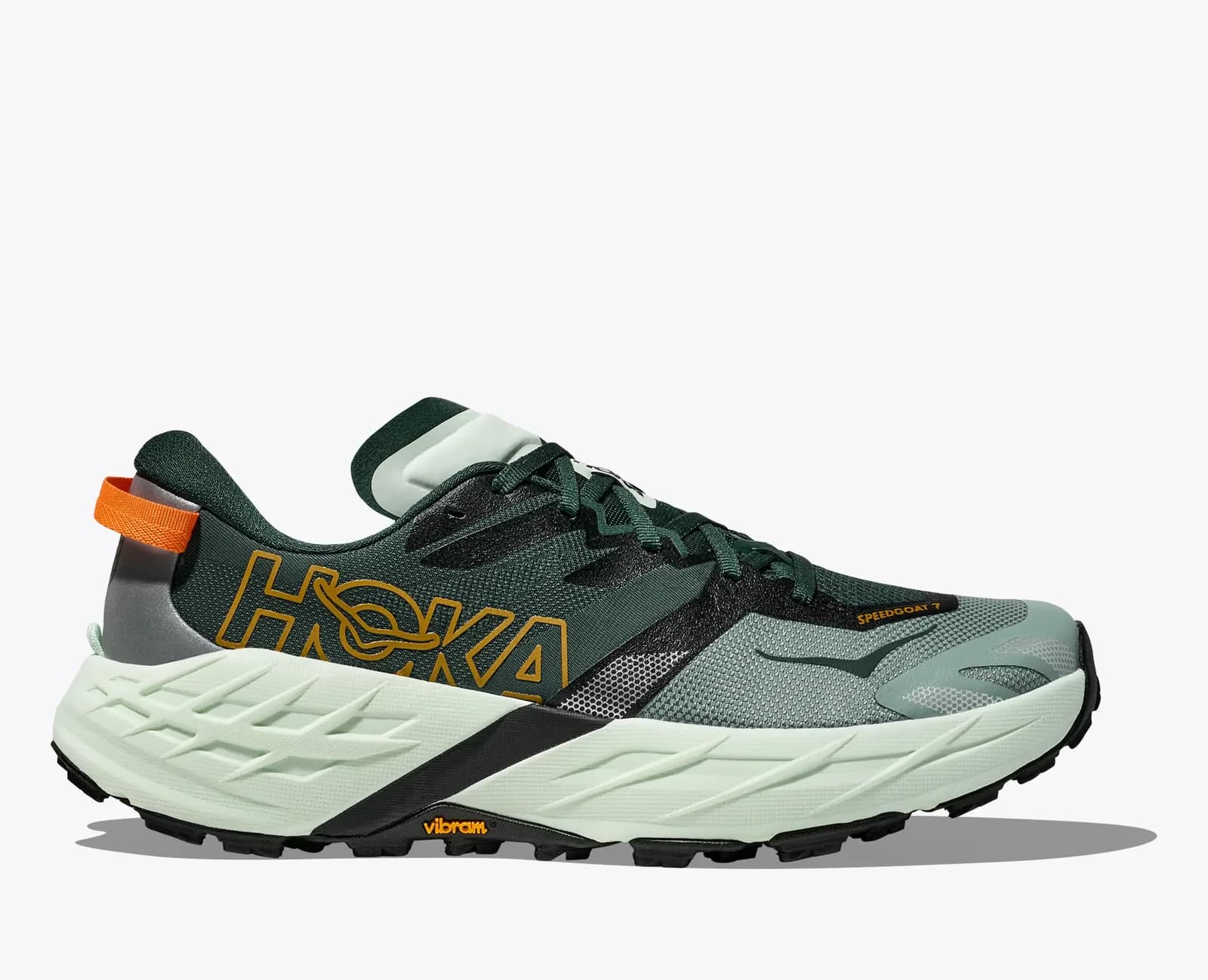
Within Gavler's top 10, the Hoka Speedgoat 7 — ranked first on the same list with a 9.6 — is the shoe most likely to steal Mafate X buyers. It's lighter, more versatile across terrain types, and iRunFar's own reviewer said she still prefers the Speedgoat line for ultra distances and 100-mile races over the Mafate X. If you only own one trail shoe, the Speedgoat is very likely still the better call.
The Topo Athletic Ultraventure 4, ranked 8th with a wider anatomic last and a lower price around $130, sits at the opposite end of the spectrum: a versatile daily trainer for runners who blister in narrower shoes, not a race-day specialist. It won't preserve your legs at mile 40 of a 50-miler the way the Mafate X will, but it also won't feel like overkill on an ordinary Tuesday run.
The Gavler verdict
The Mafate X is Hoka's most honest carbon-plated shoe in the sense that it doesn't oversell what the plate does on trail — it's structure and late-race comfort, not a speed trick. For 50K-and-up races on runnable terrain, that's a genuinely useful trade. Everywhere else on the calendar, it's 12 ounces of specialized foam you don't need. Buy it for the ultra on your calendar, not as your only trail shoe.
Common Questions
Only for a specific buyer. It ranks 9th on Gavler's Best Trail Running Shoes list with a 8.0, and iRunFar's Alli Miles put it plainly after 103 miles of testing: 'it's a lot of shoe.' If you're racing 50K or longer on runnable terrain and want your legs to survive the back half, it earns its $249 price and 12-ounce weight. For anything shorter or more technical, it's overbuilt.
Sizing is standard, but weight claims vary by source. Hoka lists the shoe at roughly 12.1 ounces (men's); iRunFar's lab scale measured an actual weight of 11.7 ounces (331 grams) for a US men's 9. Either way, it's the heaviest shoe on Gavler's top-10 trail running list — that weight buys 49mm of cushion and a carbon plate, not speed.
No, and neither Gavler's testing panel nor iRunFar recommend it for that use. iRunFar's reviewer called it 'not the most nimble option for scrambling up rocky faces' and said it 'would not be my top choice for fast intervals or short races.' It's built for gravel roads, doubletrack, and long, runnable ultra courses — not Hardrock-style technical terrain.
Where to Buy.
Prices checked regularly
90-day price history
Price History
Steady at $225 for the entire 90-day tracking window — no increases, no discounts, across 91 tracked days.
Tracked daily across retailers. Vote Want itabove and we’ll alert you the moment the price drops.
Some links are affiliate links — Gavler may earn a commission. This never affects rankings or scores. Learn more.
Precision Engineering
Forked Carbon-Fiber Plate
Hoka's first carbon-plated trail shoe — the forked geometry preserves lateral flex so the shoe doesn't feel locked-out on technical terrain while delivering propulsion on runnable sections.
49mm Maximum Stack
The thickest cushion on this list. Designed specifically to preserve leg integrity past mile 30 in 50K-plus races on runnable terrain.
Vibram Megagrip Outsole
Pod-style outsole geometry sheds debris between lugs while providing the wet-rock and loose-gravel confidence that defines Megagrip across the Hoka and Salomon lineups.
Technical Specifications
The Scoreboard
Ultra-distance runners rate the cushion-to-weight-to-propulsion ratio exceptionally — the Mafate X works for its narrow intended use. Reviewers consistently flag that for sub-marathon distances or technical mountain courses, it's overbuilt and heavy compared to alternatives in the top 10.
Cast Your Vote
Do you think Hoka Mafate X deserves the #9 spot in Best Trail Running Shoes?
Global Critique
“The Mafate X is Hoka's most ambitious trail shoe yet — the carbon plate works on runnable courses and the 49mm stack absorbs the kind of punishment that wrecks legs in firmer shoes.”
“Heavy at 12 oz, but every gram earns its place when you're past mile 30. The PEBA top layer keeps the cushion responsive instead of dead.”
“Hoka's carbon-plate experiment translates to trail better than expected, but this is a 50K-and-up tool, not a daily trainer.”
“The Mafate X delivers on its ultra-distance promise — but the tippy ride on technical descents reminds you why most trail shoes don't go this tall.”
More from Best Trail Running Shoes.
See how other top picks compare in this category.
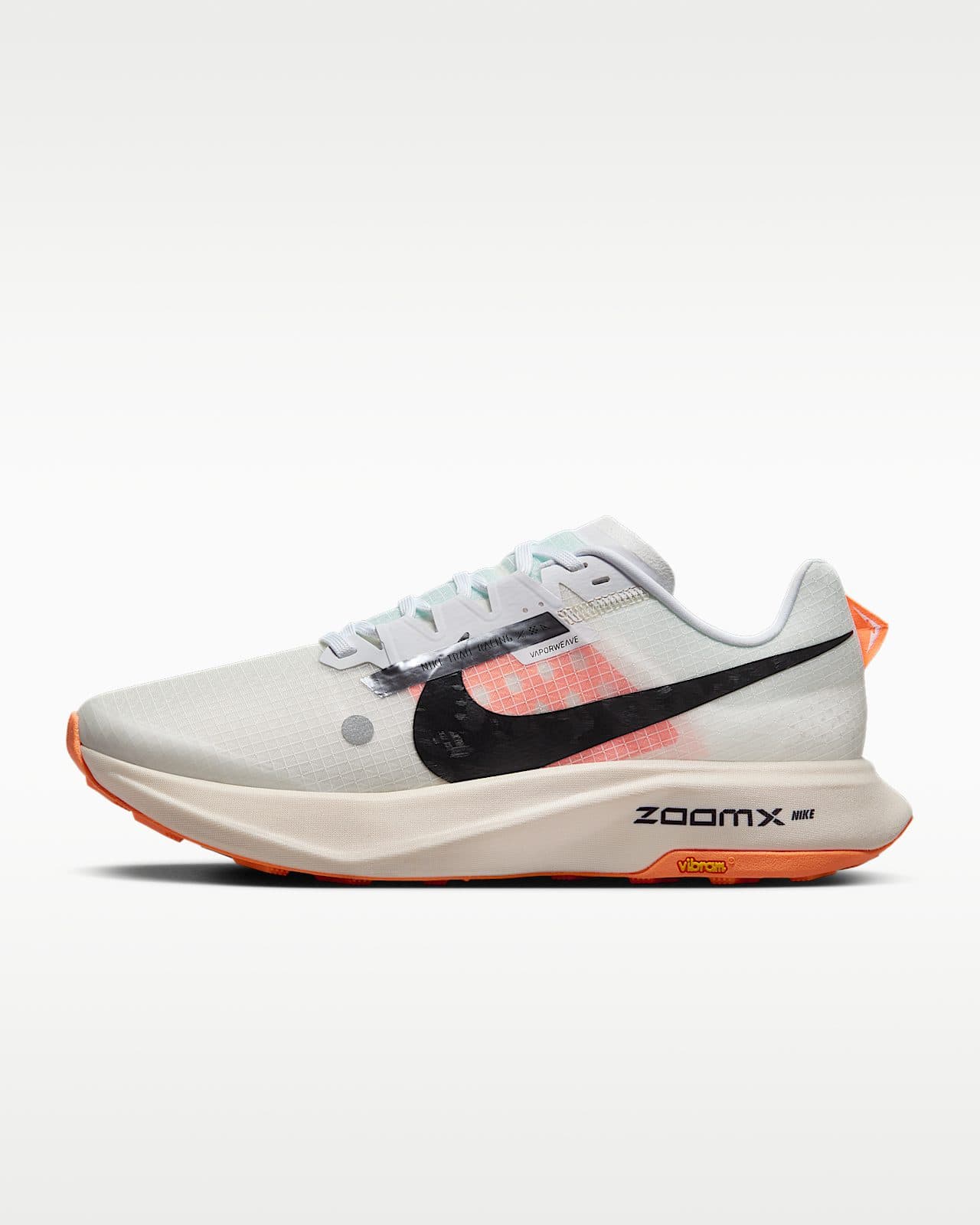
The Trail Running Shoe Buying Guide 2026: How to Pick the Right Shoe for Your Trail, Your Distance, and Your Feet
How to choose a trail running shoe in 2026: fit, drop, stack height, lugs, rock plates, and when to rotate. The complete shopping framework.
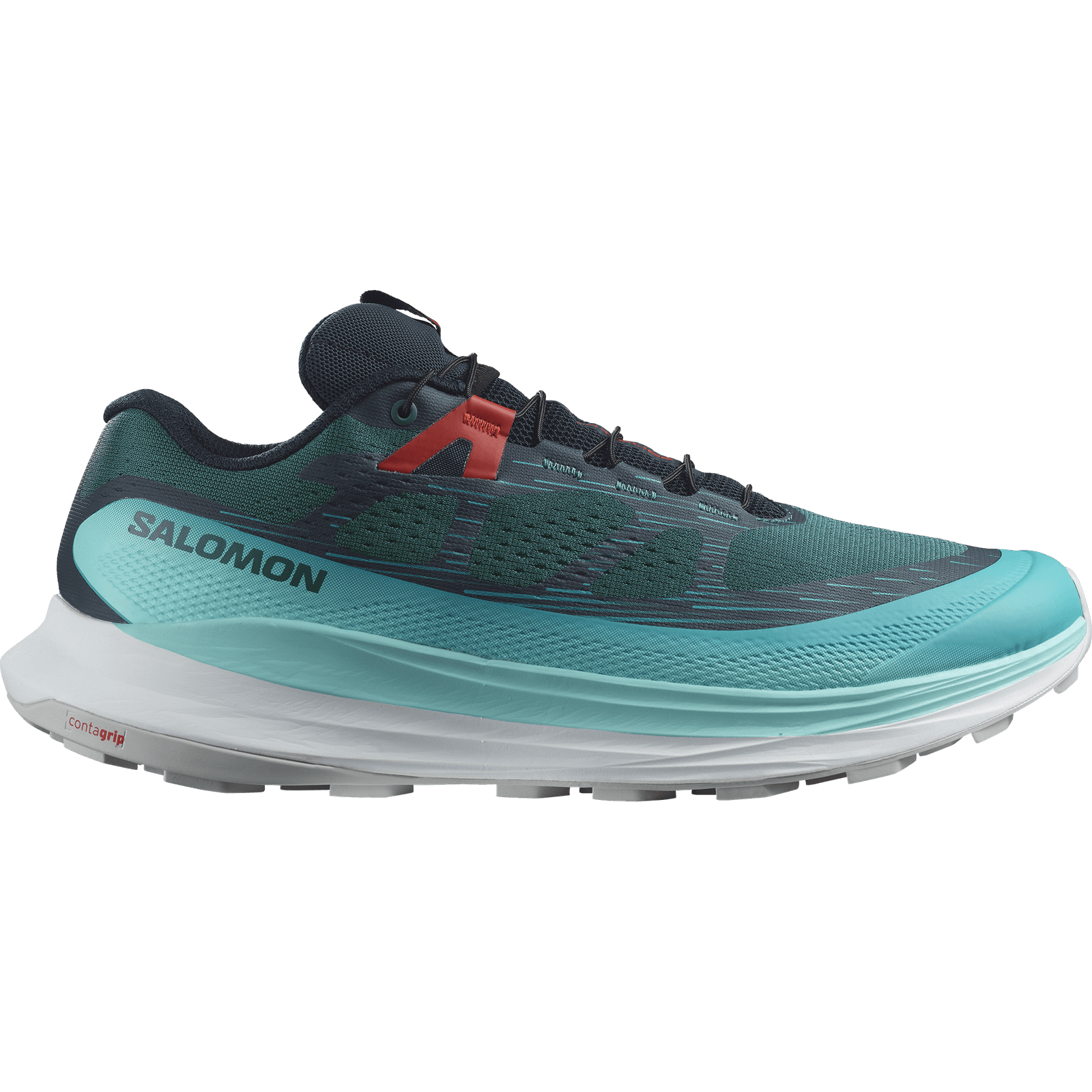
Hoka Speedgoat 7 vs Salomon Ultra Glide 2: The Trail Running Shoe That Fits Your Miles
The two trail-running shoes every ultra runner cross-shops. Here's how the Hoka Speedgoat 7 and Salomon Ultra Glide 2 actually compare.
The Best Trail Running Shoes in 2026, Ranked by People Who Actually Run in Them
Hoka, Salomon, La Sportiva, Brooks, Nnormal. Gavler's runners rank the trail shoes worth racing — daily trainers, ultras, and technical mountains.