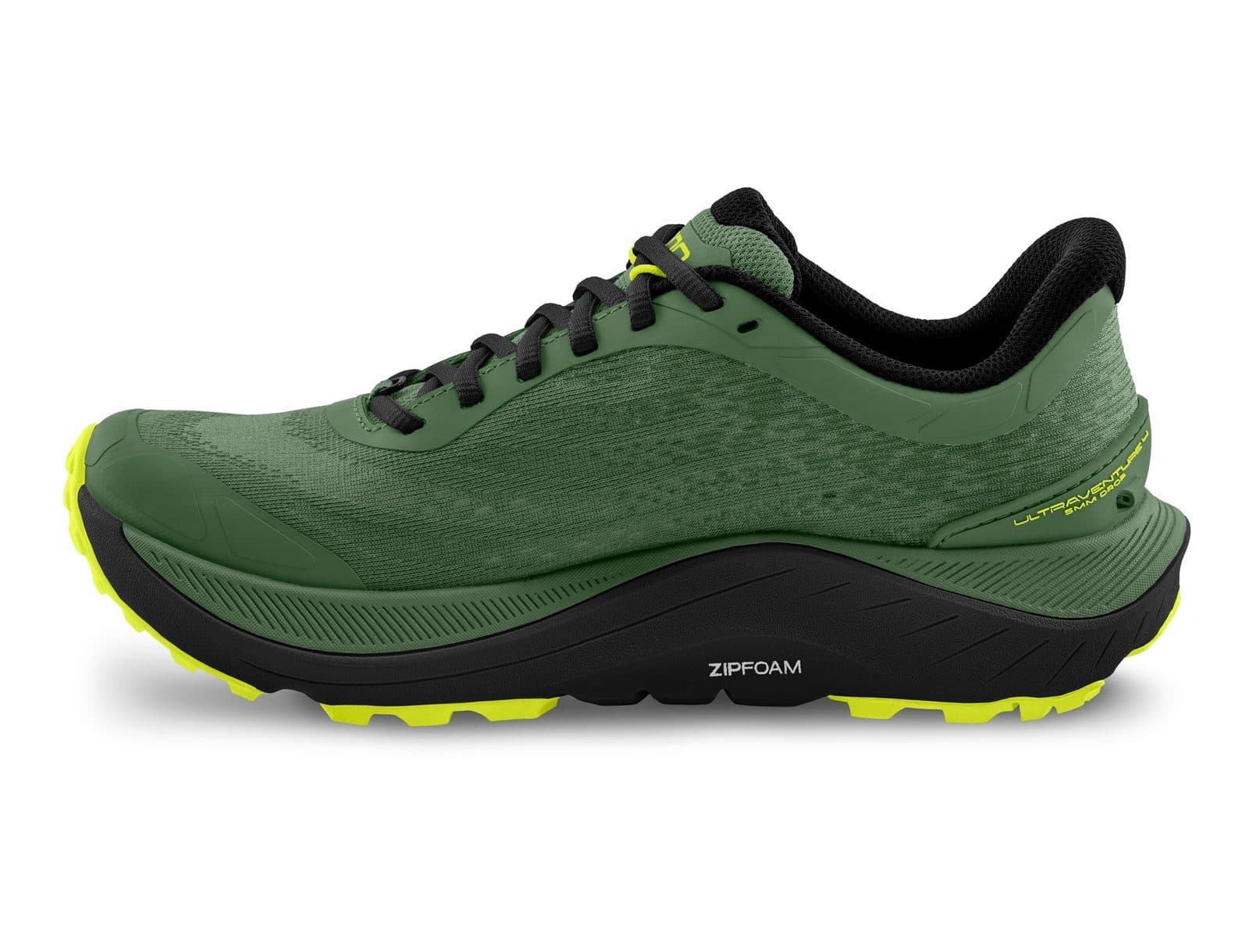
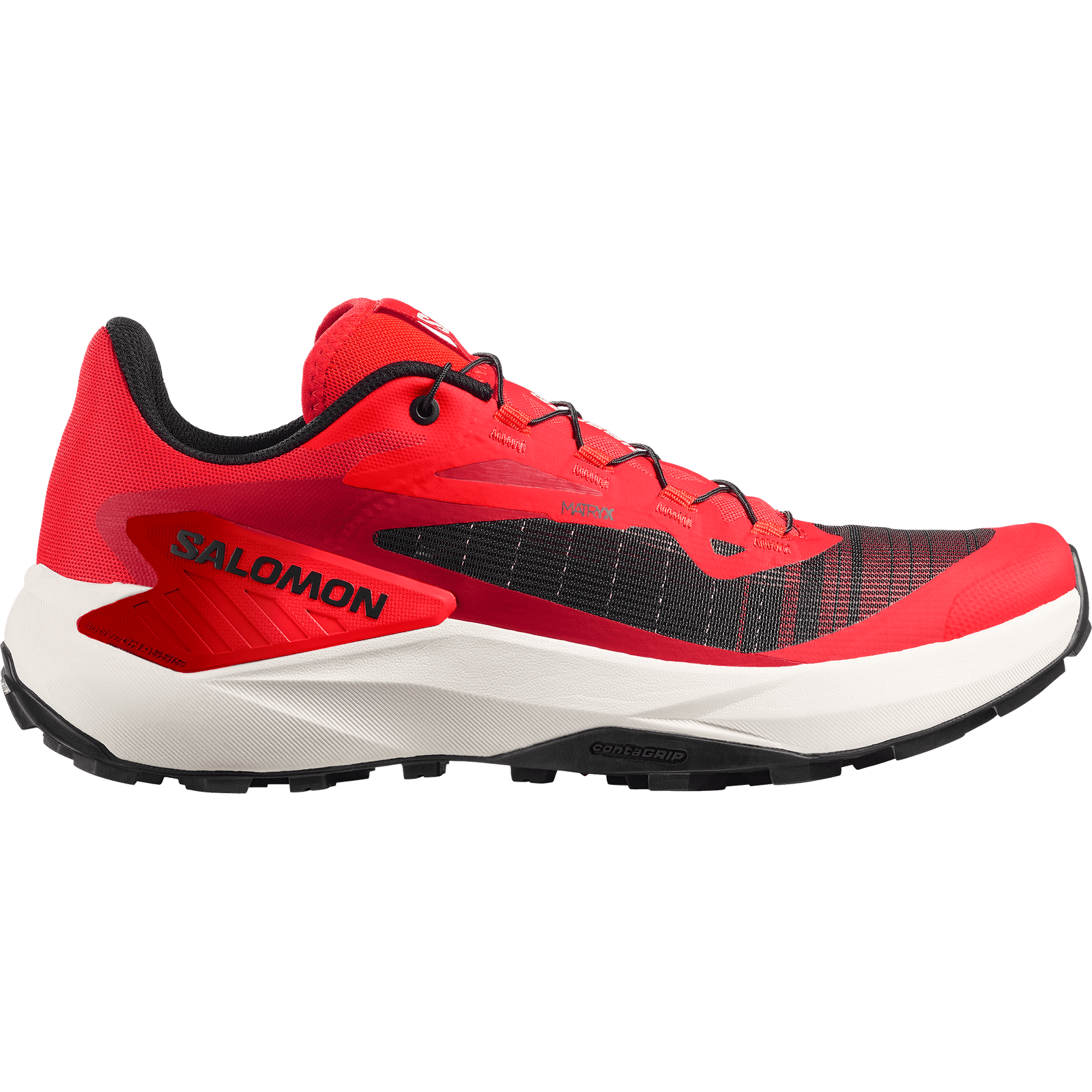
Topo Athletic Ultraventure 4.
Topo's wide-foot anatomic last with Vibram Megagrip, 5mm lugs, and a 30mm stack at $130 — the natural-running value pick on a list of $180 shoes.
The Verdict.
Gavler Meta-Score
“The Ultraventure 4 is the answer to 'I can't fit my foot in a Hoka.' Wide last, Vibram Megagrip outsole, and a $130 price tag undercut every direct competitor — but the 5mm drop demands a real transition period for runners coming from traditional trainers.”
The Gavler Verdict
The Gavler Review.
Topo Athletic Ultraventure 4 Review: Wide-Foot Comfort at a Real-World Price
The Topo Athletic Ultraventure 4 ranks number 8 on Gavler's Best Trail Running Shoes list with an 8.1, and it earns that spot by solving a problem most trail shoes ignore: fit. Topo builds every shoe around a wider, more anatomic last, and the Ultraventure is their cushioned daily trainer for runners who can't tolerate the locked-in midfoot of a Hoka or Salomon. Running Warehouse called the wide forefoot "the standout feature for runners who've fought blisters in narrower competitors." The honest trade-off, confirmed by independent lab testing, is propulsion — this is a comfort shoe, not a fast one.
What it is
The Ultraventure 4 is built around Topo's signature anatomic last, which lets toes splay naturally instead of tapering to a point the way most running shoes do. At 30mm of stack and a 5mm drop, it sits between low-drop minimalist shoes and the traditional 8-to-10mm trainers most runners are used to — enough of a transition that runners coming from a standard drop should expect some calf and Achilles adjustment in the first 50 miles.
The 2024 generation updated the midsole to ZipFoam, which Topo describes as more responsive than the prior EVA blend, and paired it with Vibram Megagrip on the outsole — the same grip compound used on the Speedgoat and Bushido III. That outsole is doing real work: wet-rock and loose-gravel confidence is genuinely class-leading for the price, and iRunFar's roundup coverage backs that up directly: "Topo's anatomic last and Vibram Megagrip combination remain the strongest argument against the bigger brands for runners who need a wider toe box."
In use
Independent lab testing gives the clearest picture of what the Ultraventure 4 actually does well and where it falls short. RunRepeat's 2025 hands-on review — which cuts the shoe open and runs it through standardized force-plate and abrasion testing — scored it 81 ("Great") overall and was specific about both sides of the ledger. On fit: "During our runs, we loved the roomy toebox, as it gave our toes space to move and made long miles more comfortable." Their measurements back the claim up with numbers, not just impressions — an 83.0mm toe box against a 74.1mm average across the 118 trail shoes in their database, and a 29.7mm toe box height well above the 26.9mm average. This isn't marketing language; it's a genuinely wider shoe than almost anything else tested.
The same review is equally direct about where it comes up short. "We found the energy return to be low and the heel a bit unstable, so it's definitely not a shoe for every runner out there." Their lab numbers quantify it: 50.5% energy return in the heel against a 56.5% average, and a heel counter stiffness score of 2 out of 5 — a deliberate design choice, since Topo builds the Ultraventure for midfoot and forefoot strikers rather than heel strikers, but a real limitation for anyone who lands on their heel. RunRepeat's "who should NOT buy" section is blunt: the EVA-based ZipFoam midsole "offers limited energy return, making it less suitable for those hoping to shave time during long sessions or races," and pointed runners chasing a more propulsive ride toward the Saucony Xodus Ultra 3 or New Balance Fresh Foam X Hierro v9 instead.
Believe in the Run's take lands closer to the value case Gavler's own data makes: "The Ultraventure 4 punches well above its price point — Vibram Megagrip grip rivals shoes that cost $50 more." That's the shoe in one sentence — a wide, comfortable, grippy trainer that isn't chasing speed, at a price that undercuts shoes chasing exactly that.
Strengths
- Genuinely wide, lab-measured fit. Not just marketing — independent testing confirms toe box width and height well above the category average, solving a real problem for wide-footed runners.
- Class-leading grip for the price. Vibram Megagrip on a $130 shoe rivals the outsole compound on trainers costing $50 more.
- Strong outsole durability. RunRepeat's abrasion testing measured just 0.6mm of outsole wear, better than the field average of 0.9mm.
- Best-in-class value positioning. At $130 it's the cheapest shoe in the top eight of Gavler's list, without cutting corners on the outsole that matters most for trail confidence.
The trade-offs — who should skip it
- Low energy return. Lab testing measured energy return meaningfully below average — this shoe is built for comfort over distance, not speed.
- Heavier than its cushion suggests. At roughly 10.5 ounces, it's heavier on tired legs than the specs alone imply, especially compared to firmer, lighter shoes like the Speedgoat 7.
- A real transition shoe. The 5mm drop demands an adjustment period for runners coming from traditional 8-to-10mm trainers — expect calf and Achilles soreness in the first 50 miles.
- Not for narrow feet. The same roomy fit that's the shoe's biggest strength is a genuine liability for runners who need a snug, locked-down upper.
- Softer durability on the upper. RunRepeat's toe box and heel padding durability scores came in below average, meaning the wide, breathable upper trades some longevity for comfort.
How it compares
One rank up on the same list, the Nnormal Kjerag 02 is the Ultraventure's polar opposite — a 9-ounce, 6mm-drop precision shoe built for technical terrain and racing, where the Ultraventure prioritizes comfort and fit over long, easy miles. Two ranks up, the La Sportiva Bushido III covers the steepest, most technical end of the list with an aggressive Vibram FriXion outsole built for off-camber rock — the shoe to reach for when the Ultraventure's softer, more forgiving ride isn't precise enough. Choosing between them comes down to what the run demands: wide-foot comfort and value from the Ultraventure, technical grip and ground feel from the other two.
The Gavler verdict
An 8.1, with a community rating (87) that runs ahead of the expert consensus (83) — the sign of a shoe that isn't class-leading on any single technical metric but earns real loyalty from the runners it fits. Gavler's own scoreNote calls it "the most well-rounded value pick on the list, not the best at anything specific," and independent lab data backs that framing precisely: outstanding fit and grip, unremarkable energy return. For wide-footed trail runners who've struggled to find a shoe that doesn't blister them, the Ultraventure 4 remains the clearest answer in this price range. For runners chasing speed or a more propulsive ride, look elsewhere on the list.
Common Questions
For runners who blister in narrower shoes, yes — it ranks eighth on Gavler's Best Trail Running Shoes list with an 8.1, and Running Warehouse called the wide forefoot "the standout feature for runners who've fought blisters in narrower competitors." It isn't the fastest or most propulsive shoe on the list, but at $130 it undercuts every direct wide-foot competitor.
Yes, deliberately. RunRepeat's lab measurements found the toe box 83.0mm wide against a 74.1mm average across 118 trail shoes tested — genuinely roomy, not just marketed that way. The trade-off, per the same lab testing, is that narrow-footed runners may find the spacious upper too loose for a secure lockdown.
Not really. Independent lab testing from RunRepeat measured energy return at just 50.5% in the heel against a 56.5% average for trail shoes, and its own review states the EVA-based ZipFoam midsole "offers limited energy return, making it less suitable for those hoping to shave time." It's built for comfortable long miles, not propulsion.
Where to Buy.
Prices checked regularly
90-day price history
Price History
Steady at $130 for the entire 90-day tracking window — no increases, no discounts, across 91 tracked days.
Tracked daily across retailers. Vote Want itabove and we’ll alert you the moment the price drops.
Some links are affiliate links — Gavler may earn a commission. This never affects rankings or scores. Learn more.
Precision Engineering
Vibram Megagrip Outsole
Same compound used on the Speedgoat and Bushido — wet-rock and loose-gravel grip is class-leading. 5mm multi-directional lugs handle mixed terrain without sacrificing road-to-trail comfort.
Anatomic Wide Last
Topo's signature wide forefoot lets toes splay naturally — often the only fit that works for runners who blister in Hoka or Salomon's narrower midfoot.
ZipFoam Midsole + 30mm Stack
Updated 2024 midsole compound is more responsive than the prior EVA blend, with 30mm of cushion absorbing miles on long efforts without feeling marshmallowy.
Technical Specifications
The Scoreboard
Community rates the value proposition and wide-foot fit exceptionally high. Expert scores are good but reflect that the Ultraventure isn't class-leading on any single technical metric — it's the most well-rounded value pick on the list, not the best at anything specific.
Cast Your Vote
Do you think Topo Athletic Ultraventure 4 deserves the #8 spot in Best Trail Running Shoes?
Global Critique
“Topo's anatomic last and Vibram Megagrip combination remain the strongest argument against the bigger brands for runners who need a wider toe box.”
“The Ultraventure 4 punches well above its price point — Vibram Megagrip grip rivals shoes that cost $50 more.”
“A reliable daily trainer for moderate trails. The wide forefoot is the standout feature for runners who've fought blisters in narrower competitors.”
“Topo Athletic continues to be the go-to brand for runners with wider feet, and the Ultraventure 4 is the most comfortable trail shoe in their lineup.”
More from Best Trail Running Shoes.
See how other top picks compare in this category.
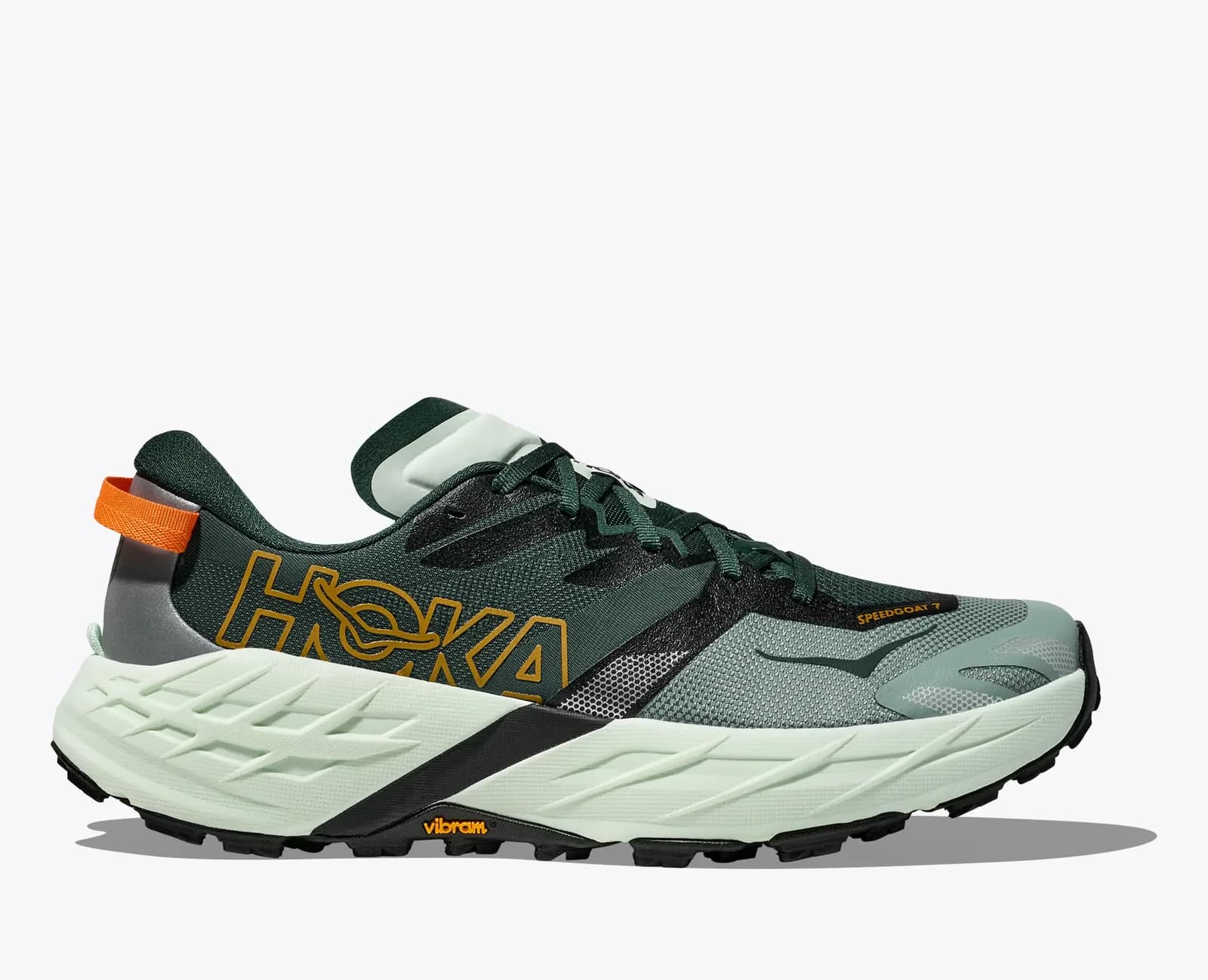
The Trail Running Shoe Buying Guide 2026: How to Pick the Right Shoe for Your Trail, Your Distance, and Your Feet
How to choose a trail running shoe in 2026: fit, drop, stack height, lugs, rock plates, and when to rotate. The complete shopping framework.
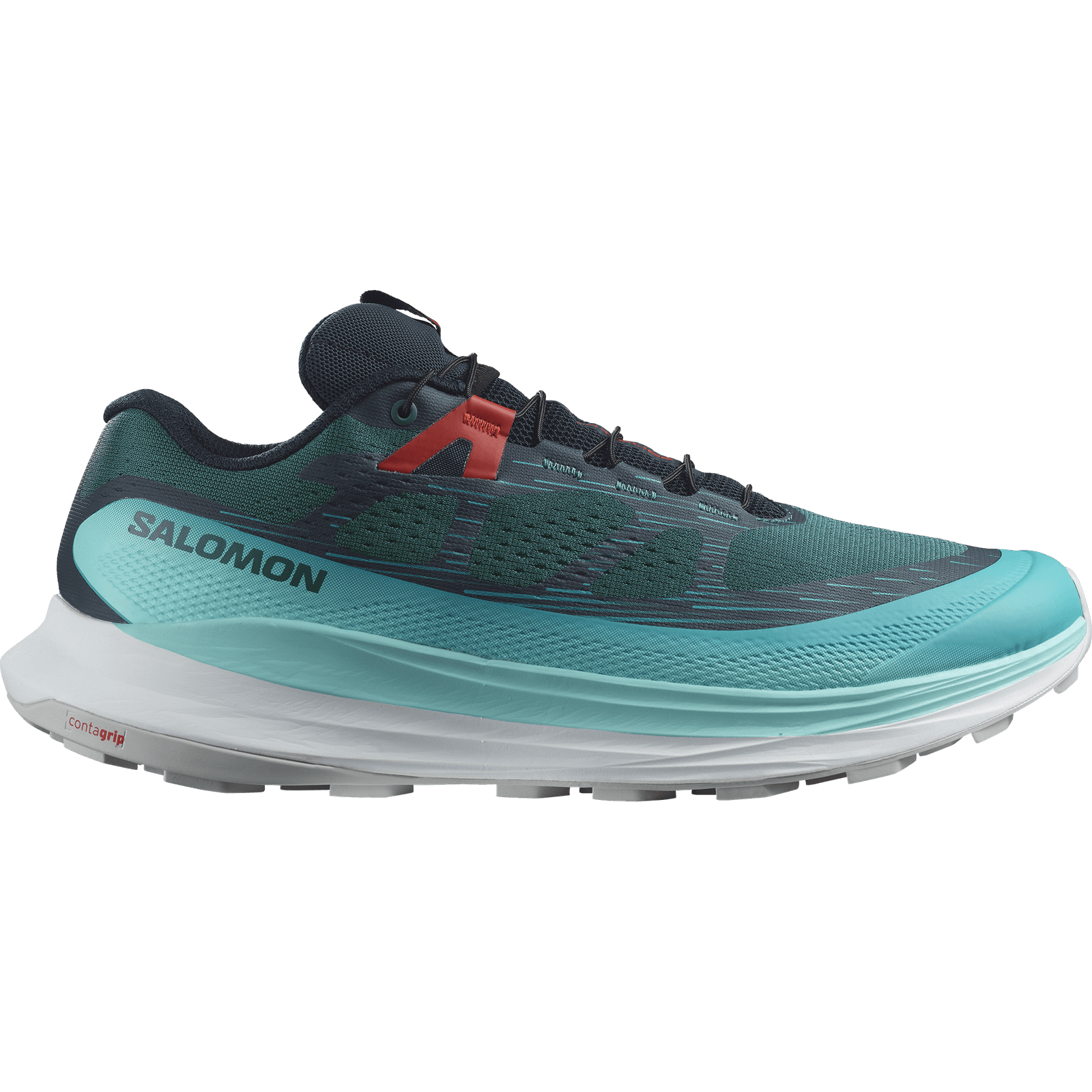
Hoka Speedgoat 7 vs Salomon Ultra Glide 2: The Trail Running Shoe That Fits Your Miles
The two trail-running shoes every ultra runner cross-shops. Here's how the Hoka Speedgoat 7 and Salomon Ultra Glide 2 actually compare.
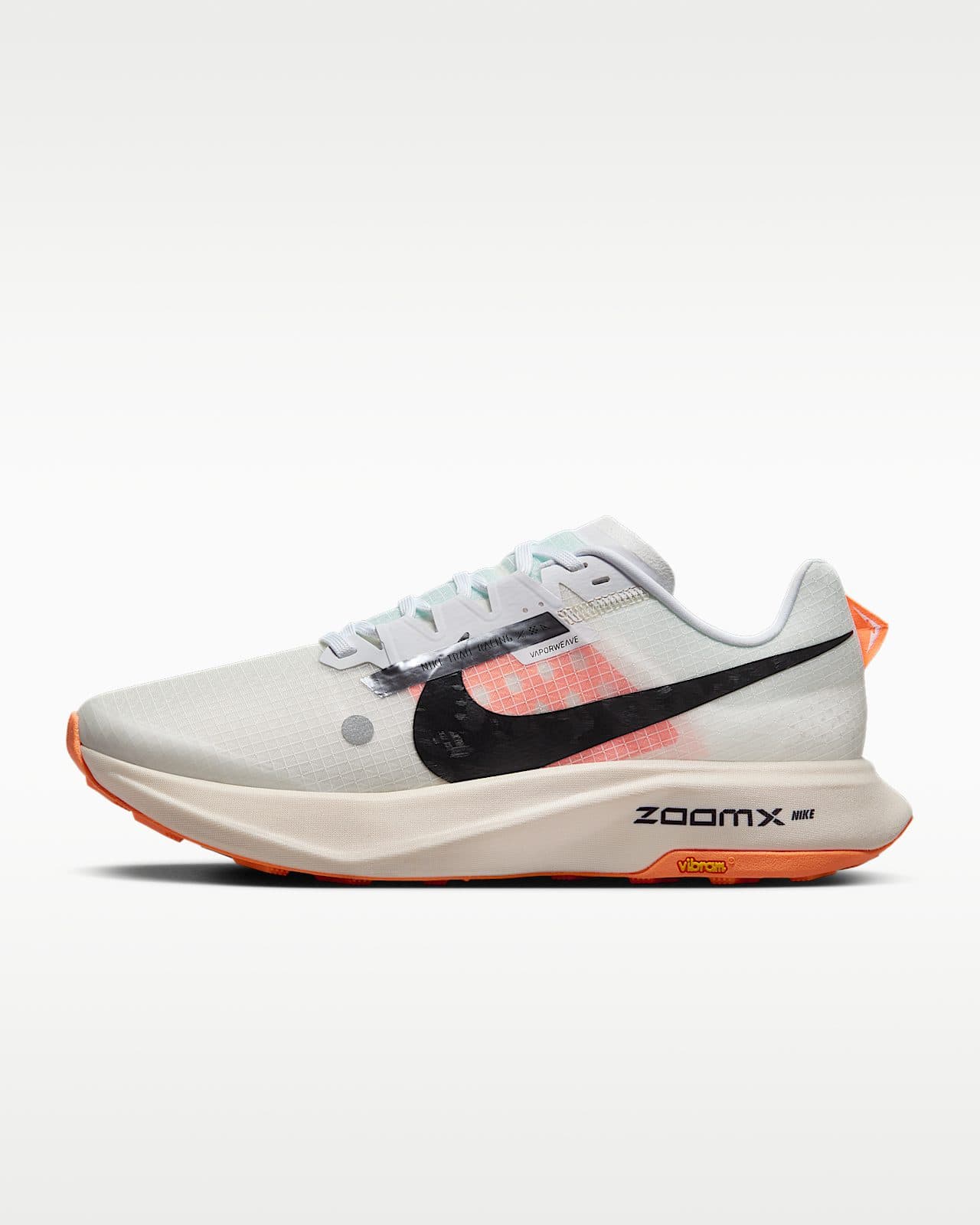
The Best Trail Running Shoes in 2026, Ranked by People Who Actually Run in Them
Hoka, Salomon, La Sportiva, Brooks, Nnormal. Gavler's runners rank the trail shoes worth racing — daily trainers, ultras, and technical mountains.