Nike Ultrafly.
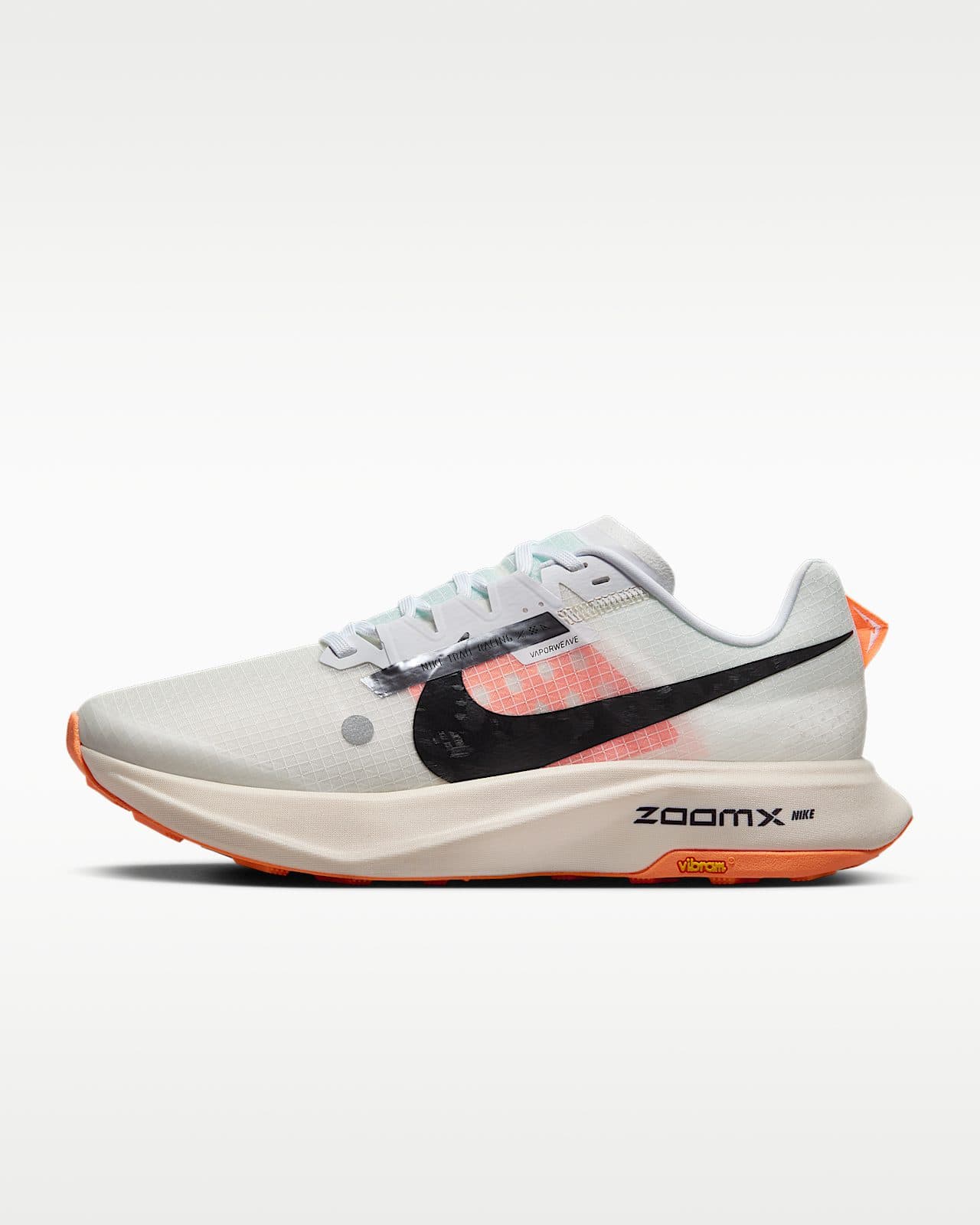
ZoomX foam and Vibram Megagrip — the road-racer propulsion of the Vaporfly, translated to trail.
The Verdict.
Gavler Meta-Score
“The Ultrafly is a propulsion specialist — genuinely exciting on fire roads and rolling terrain, overbuilt for technical mountain runs. If you race 50Ks on smooth trail and want road-racer energy return, it delivers. If your trails are rocky, rooted, or loose, buy a Speedgoat 7 or Bushido III instead.”
The Gavler Verdict
The Gavler Review.
Nike Ultrafly Review: Road-Racer Propulsion, Translated to Trail
The Nike Ultrafly sits at number three on our Best Trail Running Shoes list with a 9.1, and it's there because Nike did something genuinely new with its first ground-up trail shoe: it put its most advanced road-racing technology — the full-length ZoomX foam and Flyplate from the Vaporfly — into a trail chassis. Buy it if you race ultras on smooth trail and fire roads and want the most propulsive ride a trail shoe can currently offer. Skip it if your terrain is technical, where the tall stack and shallow lugs start working against you rather than for you.
What it actually is
The Ultrafly is Nike's first purpose-built trail shoe, and it carries over more Vaporfly DNA than any trail shoe arguably has a right to. A full-length ZoomX midsole — the same supercritical foam Nike uses in its marathon road racers — is paired with a carbon-composite Flyplate for structure and a Vibram Megagrip outsole with 3.5mm lugs for traction. It's a genuinely unusual combination: road-racing foam technology married to trail-specific rubber, built for a very specific kind of ultrarunner.
At 9.6 ounces with a 9mm drop (36mm heel, 27mm forefoot), it's not trying to be a lightweight racing flat, but it's also not built like a traditional max-cushion trail shoe. The Flyplate stabilizes the tall ZoomX stack and drives you through toe-off in a way that reviewers consistently describe as more like a road shoe than a trail shoe — which is exactly the point, and exactly where its limitations start.
In use
iRunFar's testing lands on the shoe's defining characteristic immediately: "The Ultrafly delivers the most propulsive ride of any trail shoe I've tested — ZoomX foam genuinely shines on smooth, rolling terrain." That's a strong claim in a category that includes the Speedgoat, the Ultra Glide, and other established max-cushion competitors — and it's specific to smooth, rolling ground, which is the shoe's entire operating envelope. Believe in the Run frames it similarly: "Nike's first dedicated trail shoe feels like a road racer with just enough trail credibility. Fire-road specialists will love it."
The technical-terrain trade-off is just as consistently reported. Trail Runner Magazine's assessment is the clearest: "The Flyplate and ZoomX combination is real — but on technical terrain, the tippy feel and shallow lugs limit confidence." That tippiness comes from the combination of a tall stack and a stiff plate — great for driving forward momentum on predictable ground, less forgiving when the trail surface gets uneven or off-camber and you need the shoe to adapt underfoot rather than push through. Running Warehouse adds the durability caveat that matters for anyone training in this shoe regularly: "Energy return is noticeable from the first mile, though ZoomX compresses faster than traditional EVA midsoles on trail."
Where it shines
- The most propulsive ride in the trail category. Multiple independent testers single this out — the ZoomX-and-Flyplate combination genuinely delivers road-racer energy return in a trail shoe, which is rare.
- Best-in-class on fire roads and rolling terrain. For ultrarunners whose races or training runs are dominated by smooth, non-technical ground, nothing else in the category offers this much forward push.
- Vibram Megagrip compound. Even with shallower 3.5mm lugs than dedicated mountain shoes, the rubber compound itself handles wet rock and hardpack confidently.
The trade-offs — who should skip it
This is a specialist tool, and the honest limitations are specific:
- Tippy on technical terrain. The tall ZoomX stack and stiff Flyplate combine to reduce confidence on off-camber or uneven ground — this is not a mountain shoe.
- Shallow lugs give up bite. The 3.5mm Megagrip lugs trade loose-dirt traction for smoother transitions, a deliberate choice that works against you on loose or muddy trail.
- Shorter midsole lifespan. Expect roughly 300-400 miles of premium performance before the ZoomX foam starts feeling flat — notably shorter than the 500-plus miles typical of an EVA-midsole competitor like the Speedgoat.
- A real gap between expert and community scores. Expert consensus (89) rewards the propulsion; community rating (88) reflects real owner concerns about durability and stability that show up after the honeymoon period.
How it compares
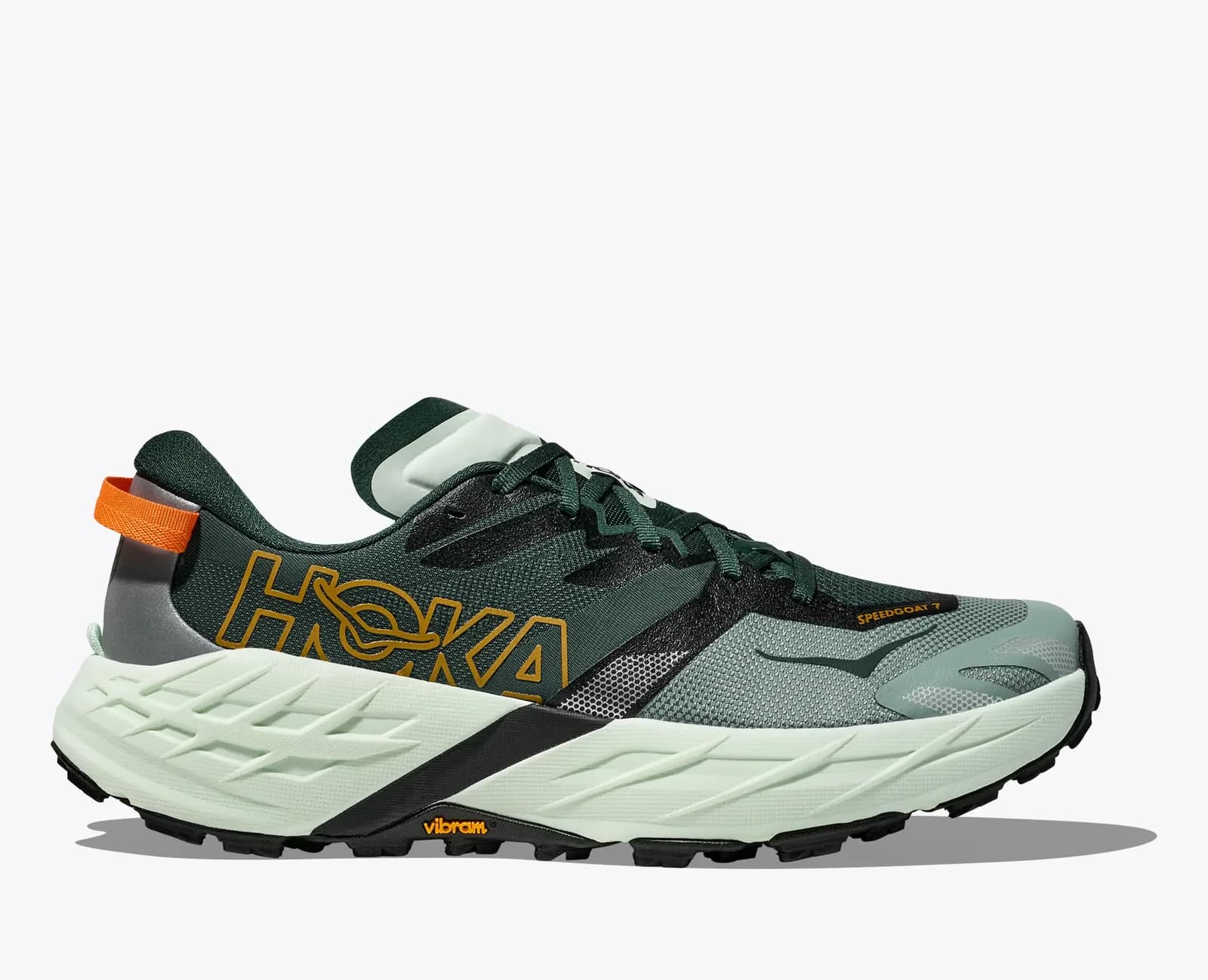
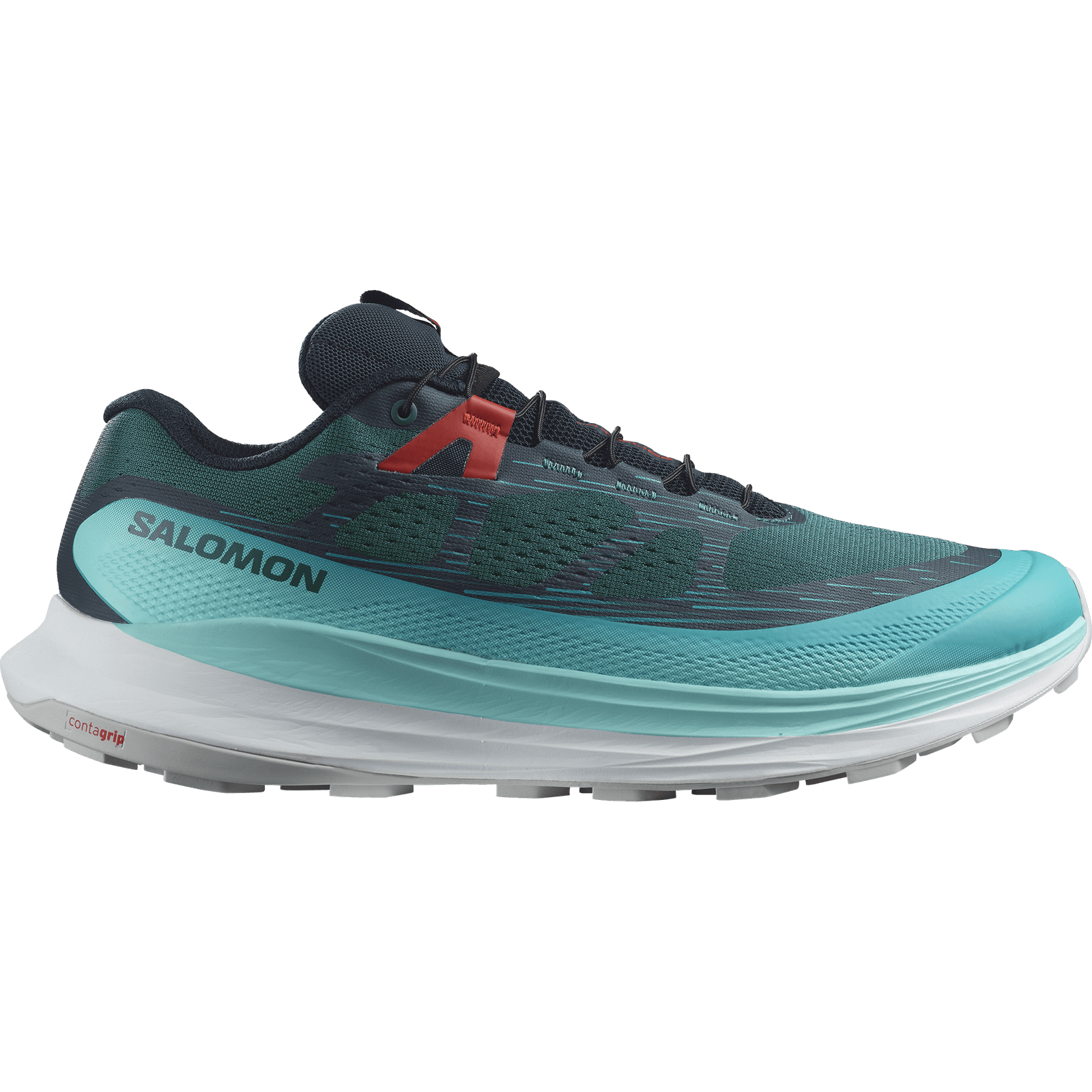
One rank up on the same list, the Hoka Speedgoat 7 is the generalist the Ultrafly deliberately isn't — a Vibram Megagrip outsole with deeper, more aggressive lugs and a secure lockdown upper built to handle technical terrain the Ultrafly would rather avoid, at the cost of some of the ZoomX foam's propulsive feel. Two ranks up, the Salomon Ultra Glide 2 takes a middle path — a tall, soft EnergyFoam midsole tuned for all-day comfort on smooth-to-rolling terrain rather than the Ultrafly's more aggressive forward push, with better durability expectations than ZoomX foam typically delivers on trail.
The Gavler verdict
A 9.1, reflecting a shoe that does one thing better than almost anything else in the category — propulsion on smooth, rolling terrain — while asking real trade-offs in return: durability, technical-terrain confidence, and stability on uneven ground. If you race 50Ks on fire roads and buffed-out singletrack and want road-racer energy return, the Ultrafly delivers something genuinely different from the rest of the trail shoe market. If your trails are rocky, rooted, or loose, buy a Speedgoat 7 or a dedicated technical shoe instead.
Common Questions
For ultrarunners who race primarily on smooth trail and fire roads and want road-racer-level energy return, yes. It ranks third on Gavler's Best Trail Running Shoes list with a 9.1, and the full-length ZoomX midsole delivers propulsion reviewers consistently call noticeable rather than subtle. If your races are technical — rocky, rooted, off-camber — the tippy feel and shallow lugs will work against you, and the Hoka Speedgoat 7 is the better pick.
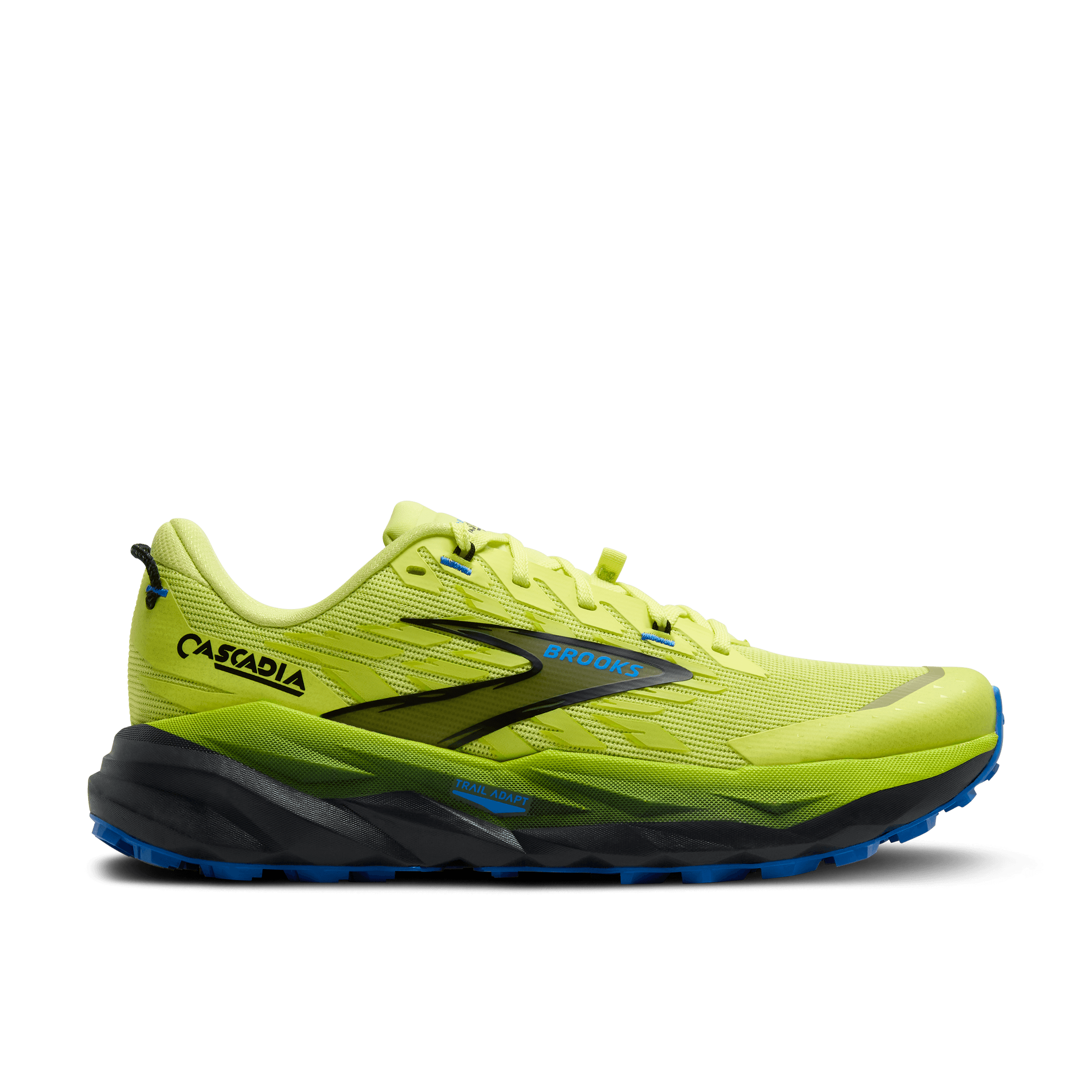
Shorter-lived than a traditional EVA midsole. Expect roughly 300-400 miles of premium performance before the ZoomX foam starts feeling flat, compared to 500-plus miles typical of a Speedgoat or Cascadia. ZoomX compresses faster than conventional trail foams, and trail miles accelerate that pattern compared to road use.
Not really. The tall ZoomX stack combined with the carbon Flyplate makes the shoe feel tippy on off-camber sections, and the relatively smooth 3.5mm Vibram Megagrip lugs give up bite to dedicated mountain shoes on loose or technical ground. Trail Runner Magazine put it plainly: "The Flyplate and ZoomX combination is real — but on technical terrain, the tippy feel and shallow lugs limit confidence."
Buy the Ultrafly if you race 50Ks on smooth trail and fire roads and want the most propulsive ride available in a trail shoe. Buy the Speedgoat 7 — our number one ranked trail shoe — if your terrain is technical or mixed; its Vibram Megagrip outsole and secure lockdown upper handle rock, root, and loose ground with far more confidence, at the cost of some of the Ultrafly's energy return.
Where to Buy.
Prices checked regularly
90-day price history
Price History
Steady at $185 for the entire 90-day tracking window — no increases, no discounts, across 91 tracked days.
Tracked daily across retailers. Vote Want itabove and we’ll alert you the moment the price drops.
Some links are affiliate links — Gavler may earn a commission. This never affects rankings or scores. Learn more.
Precision Engineering
Full-Length ZoomX Midsole
The same supercritical foam used in the Vaporfly and Alphafly road racers — highest energy return of any mainstream trail midsole in 2026.
Vibram Megagrip Outsole, 3.5mm Lugs
Premium rubber compound optimized for wet rock and hardpack. Shallower lugs than dedicated mountain shoes — trades loose-dirt bite for smoother transitions.
Carbon-Composite Flyplate
Full-length plate stabilizes the tall ZoomX stack and propels you through toe-off, similar to the Vaporfly plate tuned for trail.
Technical Specifications
The Scoreboard
Expert scores reward the propulsion and energy return on smooth terrain. Community scores are a step lower, reflecting durability concerns on ZoomX foam and the tippy feel on technical sections.
Cast Your Vote
Do you think Nike Ultrafly deserves the #3 spot in Best Trail Running Shoes?
Global Critique
“The Ultrafly delivers the most propulsive ride of any trail shoe I've tested — ZoomX foam genuinely shines on smooth, rolling terrain.”
“Nike's first dedicated trail shoe feels like a road racer with just enough trail credibility. Fire-road specialists will love it.”
“The Flyplate and ZoomX combination is real — but on technical terrain, the tippy feel and shallow lugs limit confidence.”
“Energy return is noticeable from the first mile, though ZoomX compresses faster than traditional EVA midsoles on trail.”
More from Best Trail Running Shoes.
See how other top picks compare in this category.
The Trail Running Shoe Buying Guide 2026: How to Pick the Right Shoe for Your Trail, Your Distance, and Your Feet
How to choose a trail running shoe in 2026: fit, drop, stack height, lugs, rock plates, and when to rotate. The complete shopping framework.
Hoka Speedgoat 7 vs Salomon Ultra Glide 2: The Trail Running Shoe That Fits Your Miles
The two trail-running shoes every ultra runner cross-shops. Here's how the Hoka Speedgoat 7 and Salomon Ultra Glide 2 actually compare.
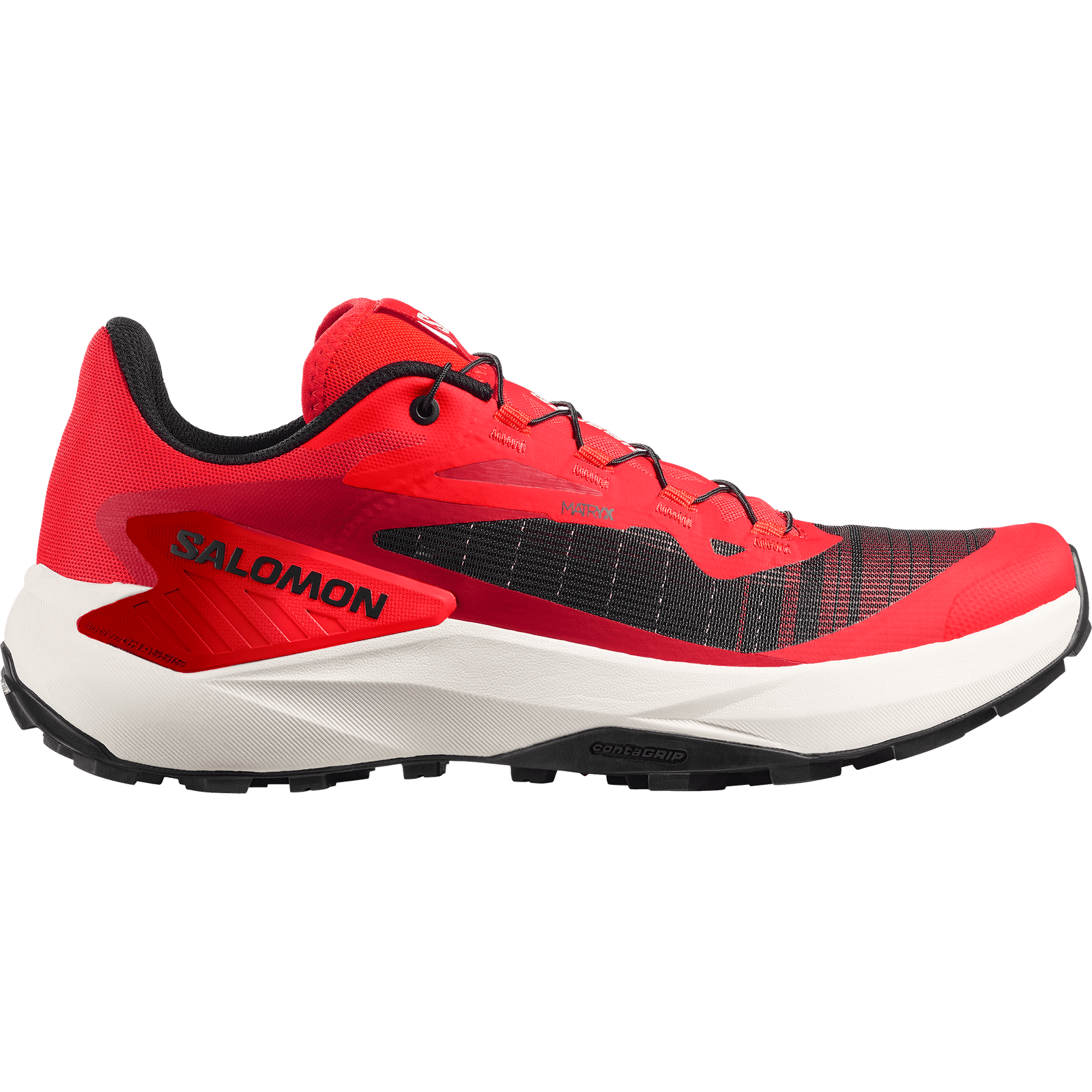
The Best Trail Running Shoes in 2026, Ranked by People Who Actually Run in Them
Hoka, Salomon, La Sportiva, Brooks, Nnormal. Gavler's runners rank the trail shoes worth racing — daily trainers, ultras, and technical mountains.