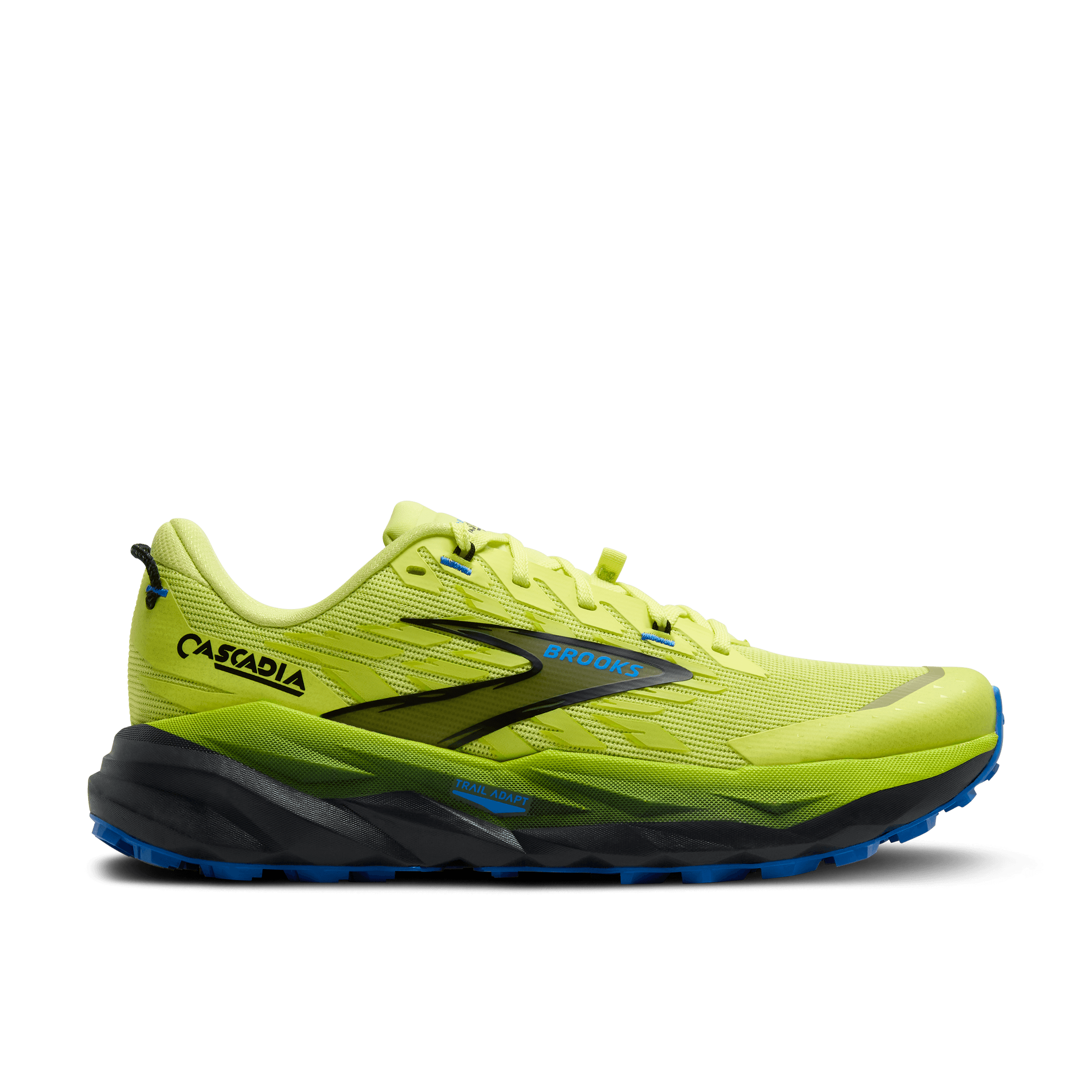
Brooks Cascadia 19.
Nitrogen-infused DNA Loft V3 cushioning with wider toe box and Vibram Megagrip outsole.
The Verdict.
Gavler Meta-Score
“The Cascadia 19 proves Brooks listens. The roomier toe box and lighter DNA Loft V3 midsole address the two main criticisms of the 18, while keeping the rock plate protection and Vibram grip that made the series a trail staple. Not the most aggressive trail shoe, not the grippiest — but the most well-rounded option at $140, and the shoe I'd recommend to a friend buying their first trail shoe.”
The Gavler Verdict
The Gavler Review.
Brooks Cascadia 19 Review: 19 Generations In, Brooks Finally Fixed the Foam
The Brooks Cascadia 19 ranks fifth on Gavler's Best Trail Running Shoes list with an 8.7, and after 19 generations, this is the version that finally addresses the two complaints that have followed the line for years: a midsole that felt dead underfoot and a toe box too narrow for real toe splay. RunRepeat's independent lab testing scored it 85 out of 100 — "Great" — and the reviewers were unambiguous about the upgrade: "We were excited to see Brooks finally deliver the long-awaited foam upgrade in the Cascadia 19." The trade-off is that it's still not a lightweight shoe, and RunRepeat's own testing found the widened toe box doesn't go as far as some runners will want.
What it is
The headline change is the DNA Loft V3 midsole — a nitrogen-infused foam replacing the firmer V2 compound in the Cascadia 18. Stack height climbs to 31mm heel / 23mm forefoot (8mm drop), a 2mm bump over the prior generation, aimed at better protection on long descents. The full-length rock plate carries over unchanged, protecting the forefoot from sharp rock and roots without killing ground feel on smoother sections, and the Vibram Megagrip outsole with 4mm multi-directional lugs remains the shoe's traction backbone, holding on wet rock, packed dirt, and loose gravel without feeling clunky when the trail smooths out.
The second update — a wider last aimed at the toe-splay complaints from Cascadia loyalists — is a direct response to owner feedback rather than a marketing-driven redesign. At roughly 9.2 ounces (men's 9), Brooks managed to shave weight despite the taller stack, largely by trimming material elsewhere in the upper.
In use
RunRepeat's testing backs up Brooks' pitch on ride quality. Their review describes the shoe as retaining "its trademark stability" while becoming "more flexible than before" — a combination that's genuinely hard to engineer, since stability and flexibility usually trade against each other in trail shoe design. The DNA Loft V3 foam is the reason: it's softer underfoot than the outgoing V2 compound without sacrificing the lateral support that's made the Cascadia line a trusted daily trainer for nearly two decades.
Where the shoe shows its versatility is in the range of use cases it covers competently. This isn't a shoe that wins any single category — it's not the grippiest, lightest, or most cushioned option on Gavler's list — but it's the most well-rounded at its price. It runs credibly on fire roads, holds its own on technical rock thanks to the rock plate and Megagrip outsole, and RunRepeat's durability testing scored the outsole above average, meaning it should hold up over the 500-plus miles this shoe is built to deliver.
Strengths
RunRepeat's pros list is long and specific: softer, more responsive DNA Loft V3 foam; outstanding stability; enhanced flexibility; reliable traction; a well-crafted, plush tongue; excellent outsole durability; and good airflow. Their overall framing calls it simply "the best Cascadia to date," which is a meaningful claim from a lab that's tested prior generations. For runners buying their first trail shoe — the exact audience the Cascadia is built for — that combination of stability, durability, and forgiving cushioning removes most of the guesswork. You don't need to know whether you prefer a firm or soft ride, a narrow or wide fit, or maximum versus minimal protection; the Cascadia 19 sits in the sensible middle of nearly every one of those spectrums.
The trade-offs — who should skip it
RunRepeat's cons list is short but pointed: "still on the heavier side," "narrow toebox limits toe splay," and "slight price increase." That toe box finding is the most important one for prospective buyers, because it directly qualifies Brooks' marketing claim. The last is wider than the 18's, but RunRepeat's testing lab — which measures actual toebox width with calipers rather than relying on marketing copy — still flagged toe splay as limited. Runners who specifically need a genuinely wide toe box (the kind Altra or Topo Athletic shoes are built around) will likely still find the Cascadia 19 snug through the forefoot.
RunRepeat is also direct about who shouldn't buy this shoe at all: runners "who prefer an agile, compact-feeling trail shoe," since the wider midsole "makes it feel more bulky than before," pointing instead toward the Nike Zegama 2 for that profile. And at "still on the heavier side," this isn't the shoe for runners prioritizing minimal weight over cushioned protection — a fair trade for most trail runners, but a real one.
How it compares
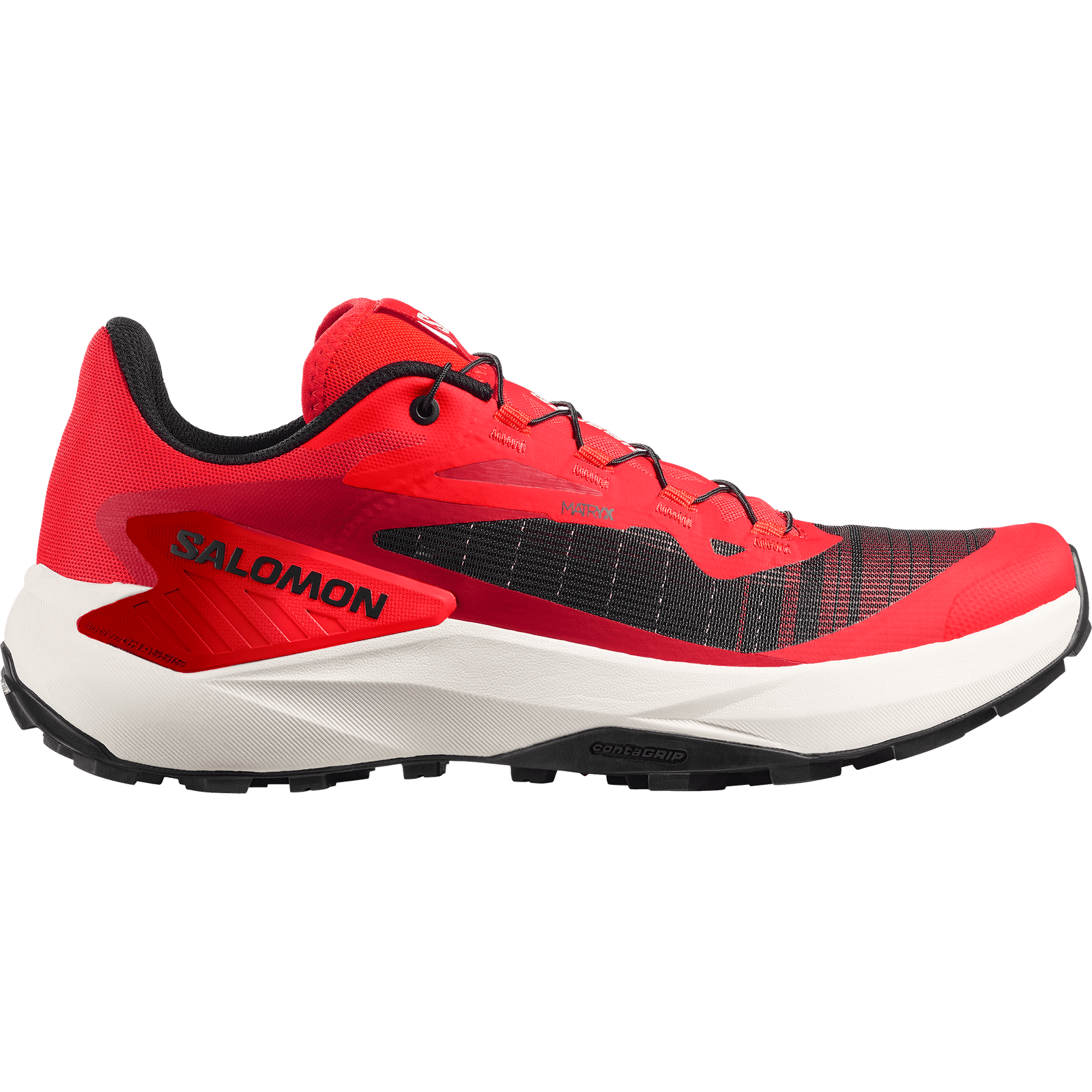
The Salomon Genesis at rank four on the same list is the more locked-down, firmer-riding alternative at a lower $150 price, with a durable Matryx upper that trades some of the Cascadia's plush comfort for a leaner, more stable feel — better suited to heel strikers who want a firmer platform. For runners who want more outright cushioning and are willing to spend more, the Hoka Speedgoat 7 at rank one uses a taller supercritical EVA midsole for a softer, more energetic ride across both short technical runs and long ultras, though it runs small and most reviewers recommend sizing up half a size — a fit quirk the Cascadia doesn't share.
The Gavler verdict
The Cascadia 19 is proof that a shoe with nearly two decades of history can still meaningfully improve. The DNA Loft V3 midsole and rock-plate protection make this the trail shoe Gavler would recommend to a friend buying their first pair — not because it's the best at any single thing, but because it's competent at everything and forgiving of runner error. The toe box widening is real progress, even if RunRepeat's lab testing shows it hasn't fully closed the gap with true wide-fit competitors, and the added ounces are the honest cost of the extra stack height and protection. For all-around trail use at $140, it remains one of the smartest buys in the category.
Common Questions
Yes, especially as a first trail shoe. It ranks fifth on Gavler's Best Trail Running Shoes list with an 8.7, and RunRepeat's independent lab testing scored it 85 out of 100 ('Great'), calling the DNA Loft V3 midsole update a genuine step forward that makes the ride 'noticeably softer, smoother, and more enjoyable on the trails' compared to the Cascadia 18.
Partially. Brooks widened the last and RunRepeat's review lists a roomier toe box among the shoe's pros, but their testing still flagged 'narrow toebox limits toe splay' as a con — meaning the update helped but didn't fully solve the complaint for runners who need genuinely wide-toebox shoes.
At roughly 9.2 ounces (men's 9), it's lighter than the Cascadia 18 despite a taller midsole, but RunRepeat still lists 'still on the heavier side' as a con relative to leaner competitors. It's a reasonable trade for the extra stack height and rock plate protection, not a lightweight racer.
Where to Buy.
Prices checked regularly
90-day price history
Price History
Steady at $140 for the entire 90-day tracking window — no increases, no discounts, across 91 tracked days.
Tracked daily across retailers. Vote Want itabove and we’ll alert you the moment the price drops.
Some links are affiliate links — Gavler may earn a commission. This never affects rankings or scores. Learn more.
Precision Engineering
Vibram Megagrip Outsole
Vibram's premium trail rubber with 4mm multi-directional lugs holds on wet rock, packed dirt, and loose gravel without feeling clunky on fire roads.
DNA Loft V3 Midsole
Nitrogen-infused foam is lighter and more responsive than the V2 it replaces, with 2mm more stack height (31mm heel / 23mm forefoot) for better descent protection.
Full-Length Rock Plate
Protects your forefoot from sharp rocks and roots on technical terrain without eliminating ground feel on smoother surfaces.
Technical Specifications
The Scoreboard
Upgraded midsole and roomier fit earn praise from long-time Cascadia fans. Still the best all-around trail shoe at this price.
Cast Your Vote
Do you think Brooks Cascadia 19 deserves the #5 spot in Best Trail Running Shoes?
Global Critique
“Brooks fixed the two things fans complained about — too firm, too narrow — without losing what made the Cascadia a trail staple. The roomier fit and lighter DNA Loft V3 make this the best Cascadia we've tested.”
“The Cascadia 19 is the closest thing the trail world has to a safe default. Rock plate, Vibram Megagrip, and a genuinely roomy toe box — at $140, it's a pragmatic buy for runners who don't want to overthink it.”
“Versatility remains the Cascadia's superpower. It's not specialized for any one terrain, but it works well on nearly all of them.”
“Proven reliability across 19 generations. The Cascadia earns its reputation with every mile.”
More from Best Trail Running Shoes.
See how other top picks compare in this category.
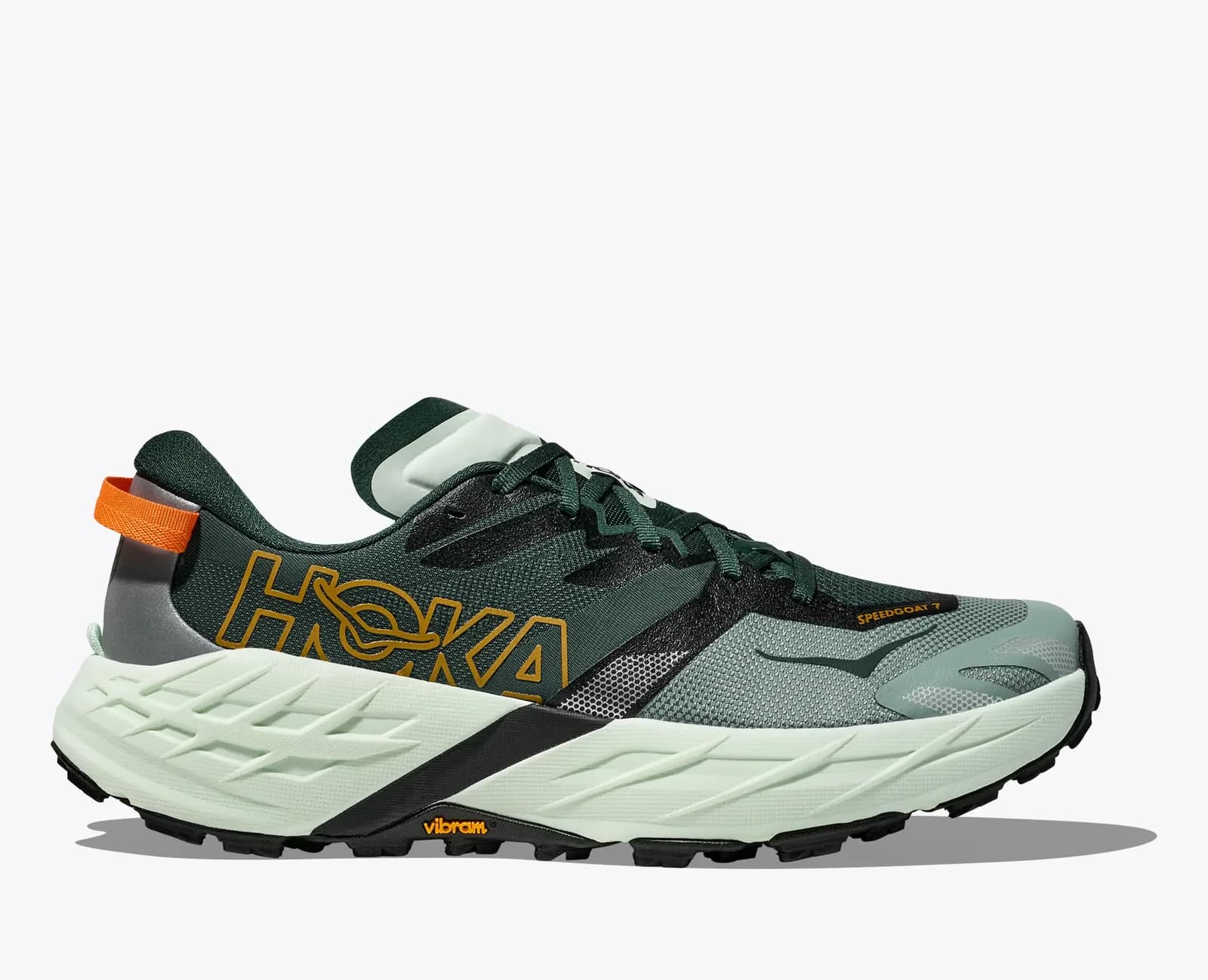
The Trail Running Shoe Buying Guide 2026: How to Pick the Right Shoe for Your Trail, Your Distance, and Your Feet
How to choose a trail running shoe in 2026: fit, drop, stack height, lugs, rock plates, and when to rotate. The complete shopping framework.
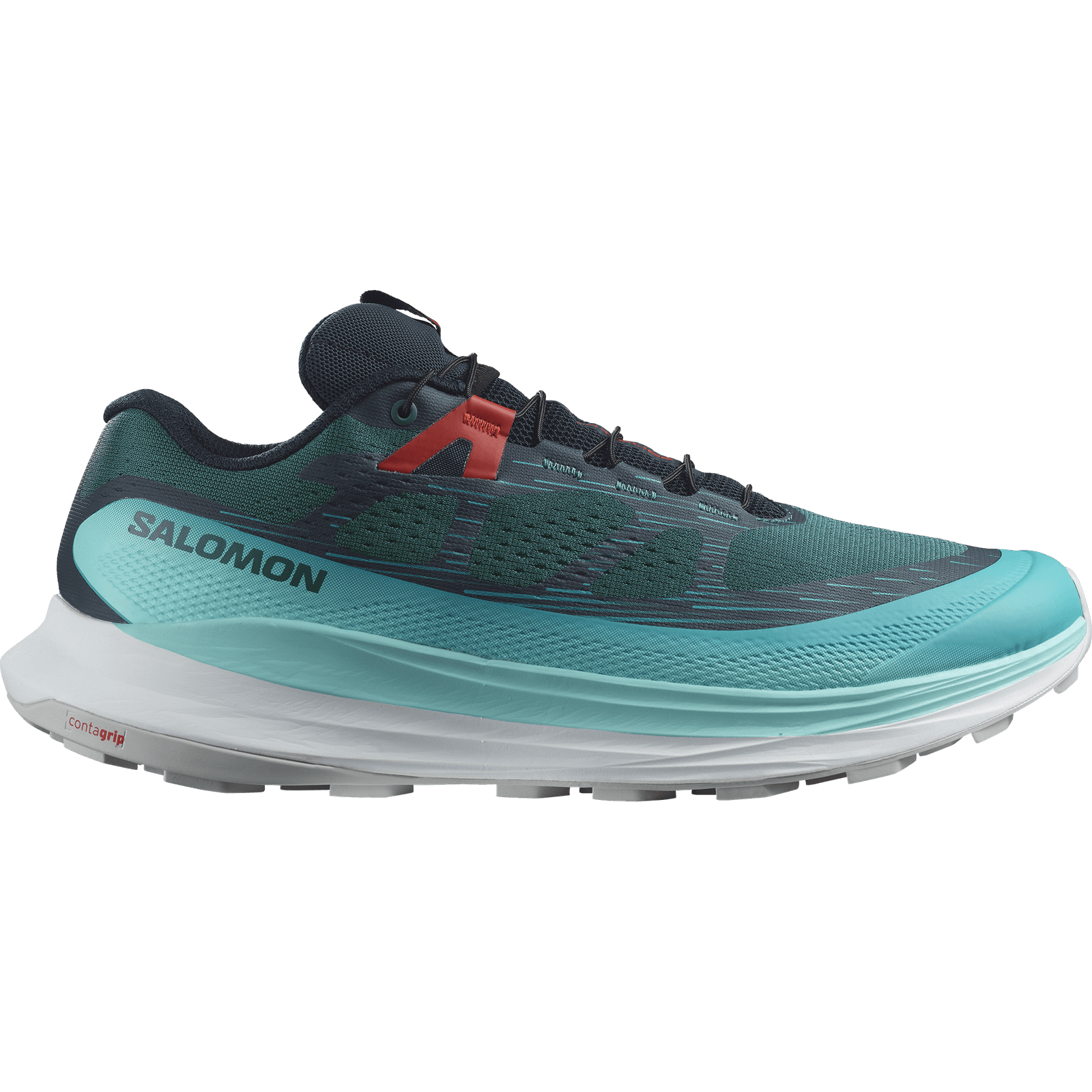
Hoka Speedgoat 7 vs Salomon Ultra Glide 2: The Trail Running Shoe That Fits Your Miles
The two trail-running shoes every ultra runner cross-shops. Here's how the Hoka Speedgoat 7 and Salomon Ultra Glide 2 actually compare.
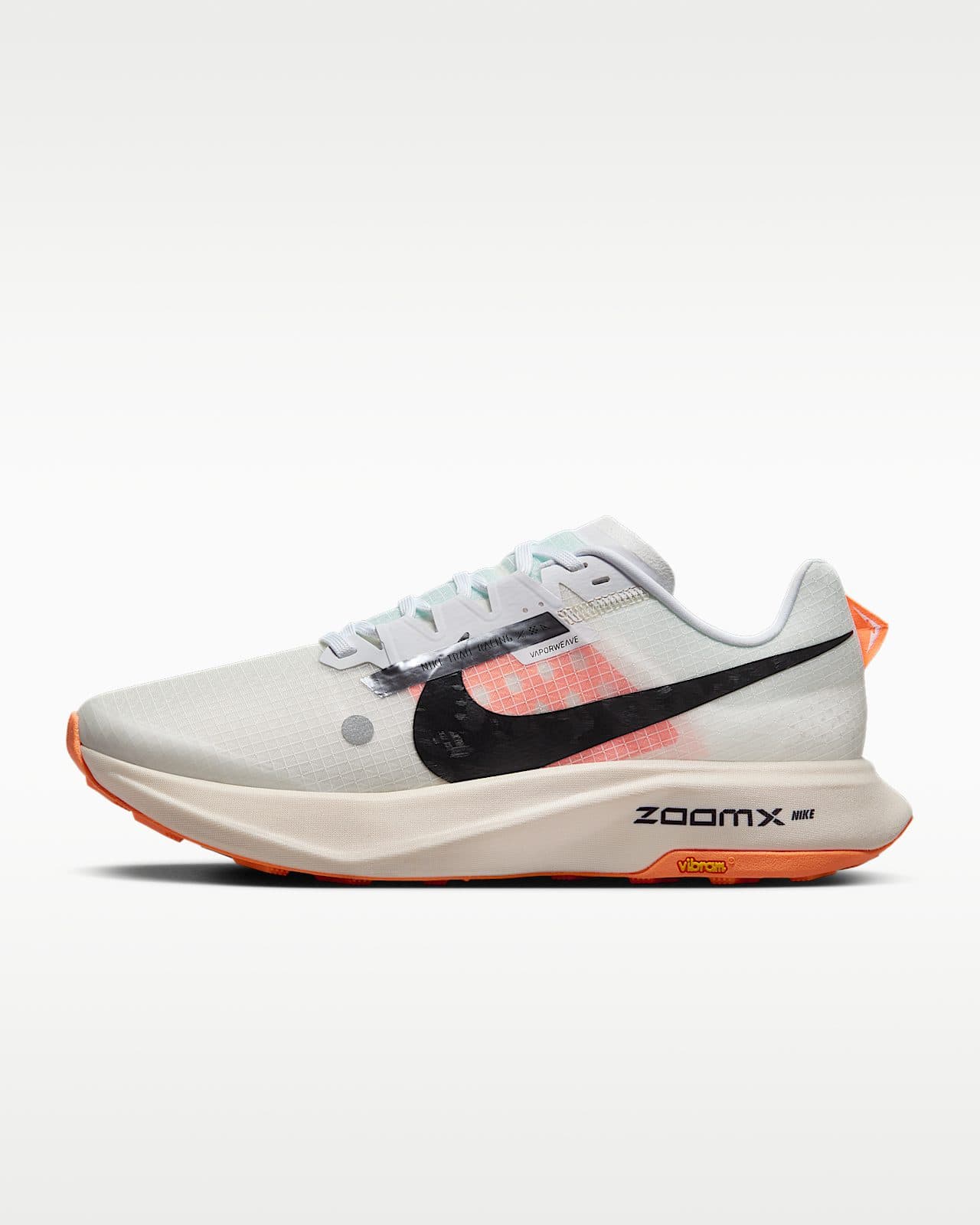
The Best Trail Running Shoes in 2026, Ranked by People Who Actually Run in Them
Hoka, Salomon, La Sportiva, Brooks, Nnormal. Gavler's runners rank the trail shoes worth racing — daily trainers, ultras, and technical mountains.