The Best Running Shoes in 2026, Ranked by Runners Who Actually Race Them
Nike, Asics, Hoka, Saucony. Gavler's running community ranks the shoes worth lacing — from $140 daily trainers to $285 marathon weapons.
Updated July 4, 2026: It's peak summer racing season and the Fourth of July sales are live — one of the best windows of the year to buy, since running specialists like Running Warehouse and REI typically post the deepest cuts on last-gen super shoes and trainers right now. The community's top 10 below still holds, led by the Nike Alphafly 3 (9.7 score), but 2026 has been one of the strongest release years in recent memory: ASICS dropped its bouncy FF Turbo foam into the $155 Novablast 6, Saucony refreshed the Triumph 24, and a wave of plateless "super trainers" (led by the Puma Deviate line) is blurring the line between daily trainer and racer. None have unseated the ranked picks yet — but they're worth watching as votes come in. Racing off-road? See our Best Trail Running Shoes list and the Speedgoat 7 vs Ultra Glide 2 head-to-head.
Running shoes in 2026 are the most differentiated they have ever been. The super-shoe wars that started with the Vaporfly 4% in 2017 have produced a mature category — every major brand now ships a carbon-plated PEBA-foam racer for marathon distance, and the differences come down to fit, foam character, and which kind of runner the shoe was built for. At the same time, the daily-trainer market has split: $140 buys you a Hoka Mach 6 or a New Balance Rebel v4 that runs faster than most racing flats from five years ago. The gap between $140 and $285 is no longer about whether the shoe works — it is about how often you race.
Which shoes should you actually run in? Gavler's community has ranked ten of them by lived experience. The picks below are pulled from the live Best Running Shoes list — built on votes from runners who have logged hundreds of miles, raced marathons, and put the shoes through the kind of long-run cycles that expose foam compression, upper durability, and outsole wear.
How the Rankings Work
One vote per person on the Best Running Shoes list. Pick the shoe you would lace up for tomorrow's run if a clubmate texted asking what to wear — just one. Changed models mid-training cycle? Move your vote. The result is a ranking that reflects what real runners are actually wearing on real roads, not what brands paid to feature.
The Top Picks
Nike Alphafly 3 — The Marathon Weapon
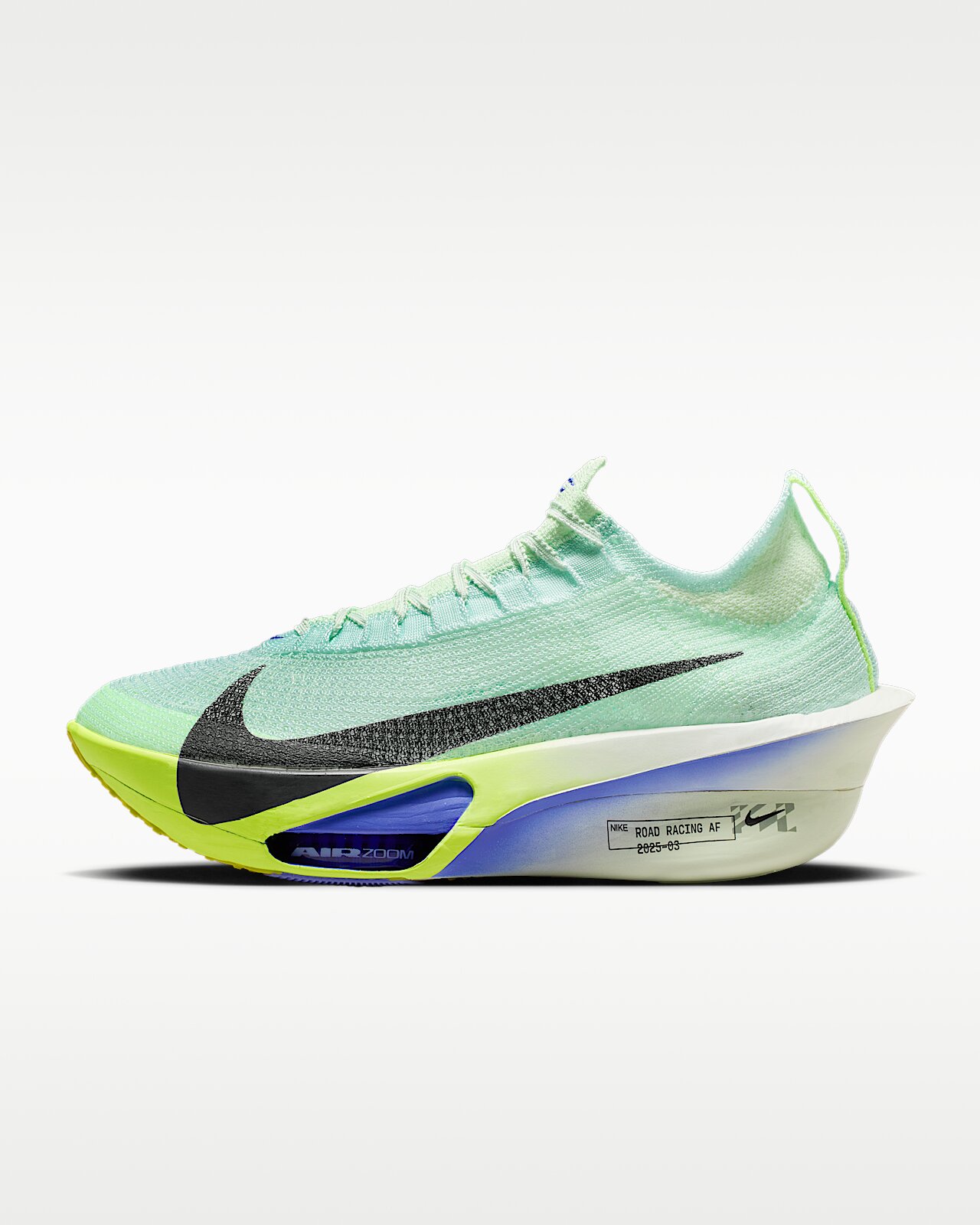
Nike Alphafly 3
Nike's marathon weapon stacks ZoomX foam, a full-length carbon plate, and dual Air Zoom pods for unmatched energy return. The Alphafly 3 shaves grams from its predecessor while improving forefoot lockdown for late-race stability.
Amazon affiliate · price subject to change
Nike rebuilt the Alphafly from the ground up for the third generation, and the result is the lightest, most propulsive shoe in their racing line. The midsole stacks ZoomX foam with two forefoot Air Zoom pods and a full-length carbon plate; the Atomknit upper wraps the foot without hot spots; the whole package weighs 7.1 oz in a US 9. RunRepeat's lab tear-down clocked the running economy as among the best yet measured, and the Alphafly 3 has the World Marathon Major podium record to back it up.
The honest trade-off: the tall stack and aggressive rocker feel disconnected at easy paces. This is a race-day shoe, not a daily trainer, and most runners who own one save it for marathon and half-marathon efforts. At $285 it is also the most expensive shoe on this list. If you race a marathon at least once a year and want every legal advantage, this is the pick. If you mostly run easy mileage, save the money.
Asics Metaspeed Sky Paris — The Stride-Runner's Super Shoe
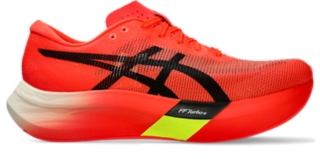
Asics Metaspeed Sky Paris
Asics' FF Turbo Plus foam is lighter and bouncier than any previous iteration, paired with a curved carbon plate tuned for stride-length runners. The Paris edition adds a race-day upper that locks down without hot spots.
Amazon affiliate · price subject to change
Asics' FF Turbo Plus foam is one of the lightest, bounciest super foams in production, and the Metaspeed Sky Paris pairs it with a curved carbon plate tuned for runners who lengthen their stride to go faster (the Edge Paris is the cadence-runner counterpart). The Paris edition refines the upper from the prior generation — race-day lockdown without the pressure points that bothered some runners on the original Sky.
This is the shoe Asics-sponsored athletes wore through the 2024 Paris Olympic marathon, and the design philosophy reflects what Asics learned from elite-level testing: most distance runners are stride-dominant under fatigue, which is why the Sky tends to feel right at marathon pace. At $275 it is $10 cheaper than the Alphafly and a comparable racing tool. If you have ever felt the Alphafly's geometry was too aggressive, the Sky Paris is the next pick over.
New Balance SC Elite v4 — The Energy Arc Surprise
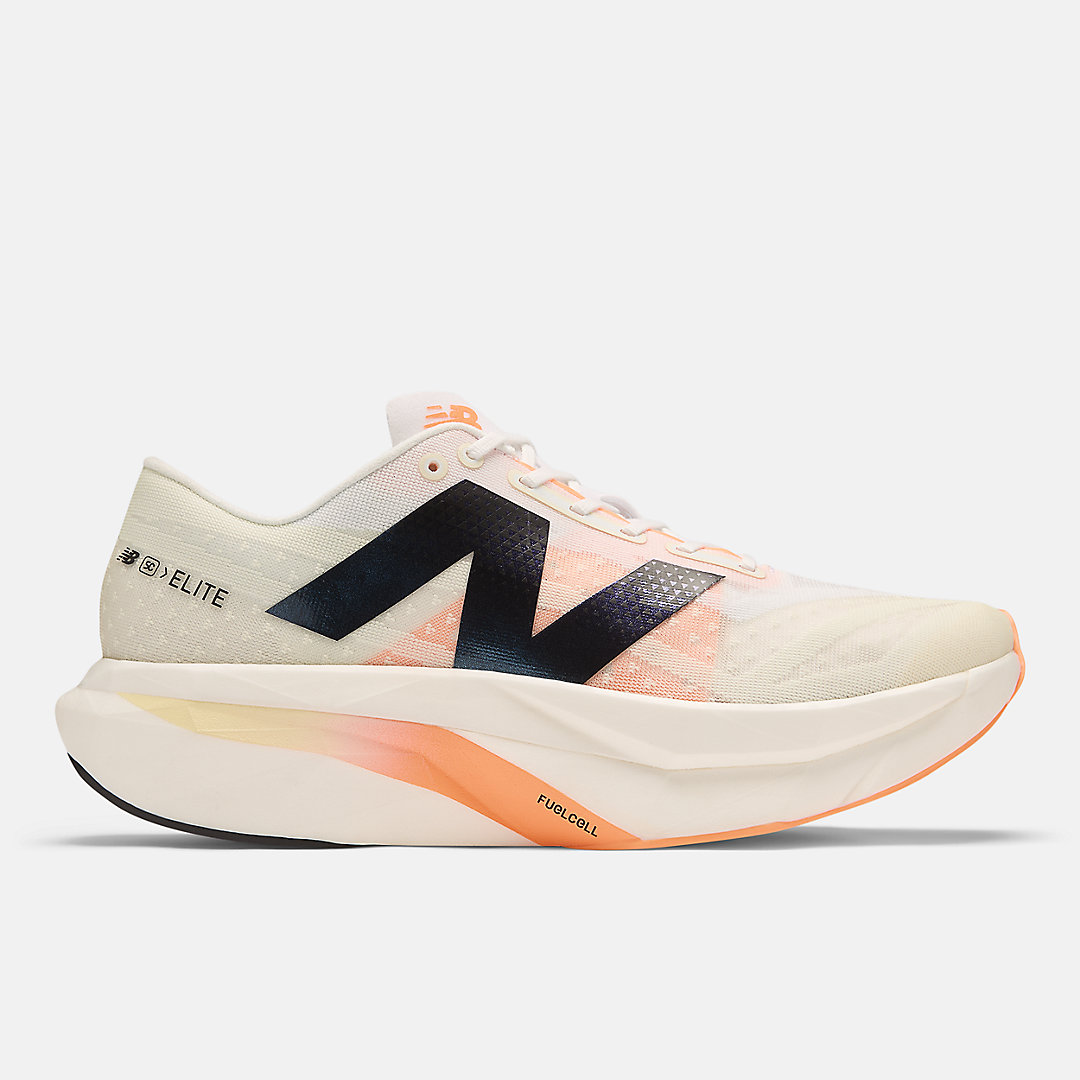
New Balance SC Elite v4
The SC Elite v4's FuelCell midsole with an Energy Arc carbon plate creates a propulsive rocker geometry that rewards high cadence. New Balance finally nailed the upper fit — snug midfoot, roomy toe box, zero blisters.
Amazon affiliate · price subject to change
New Balance spent three generations getting the SC Elite right, and the v4 is the version that finally arrived. The FuelCell midsole sits at the legal stack-height ceiling and pairs with a propulsive Energy Arc carbon plate that creates rocker geometry without forcing the runner into a specific stride. The upper finally lives up to the rest of the shoe — snug midfoot, roomy toe box, no blisters even on hot marathon days.
The community votes tell the story: 32 of them, third on the list. This is the dark-horse pick that consistently surprises runners coming from Nike or Asics. At $275 it is priced with the elite tier, and the build quality justifies it. If you have been wanting to try a brand outside the Nike-Asics axis, the SC Elite v4 is the most credible option.
Hoka Rocket X 2 — The Goldilocks Super Shoe
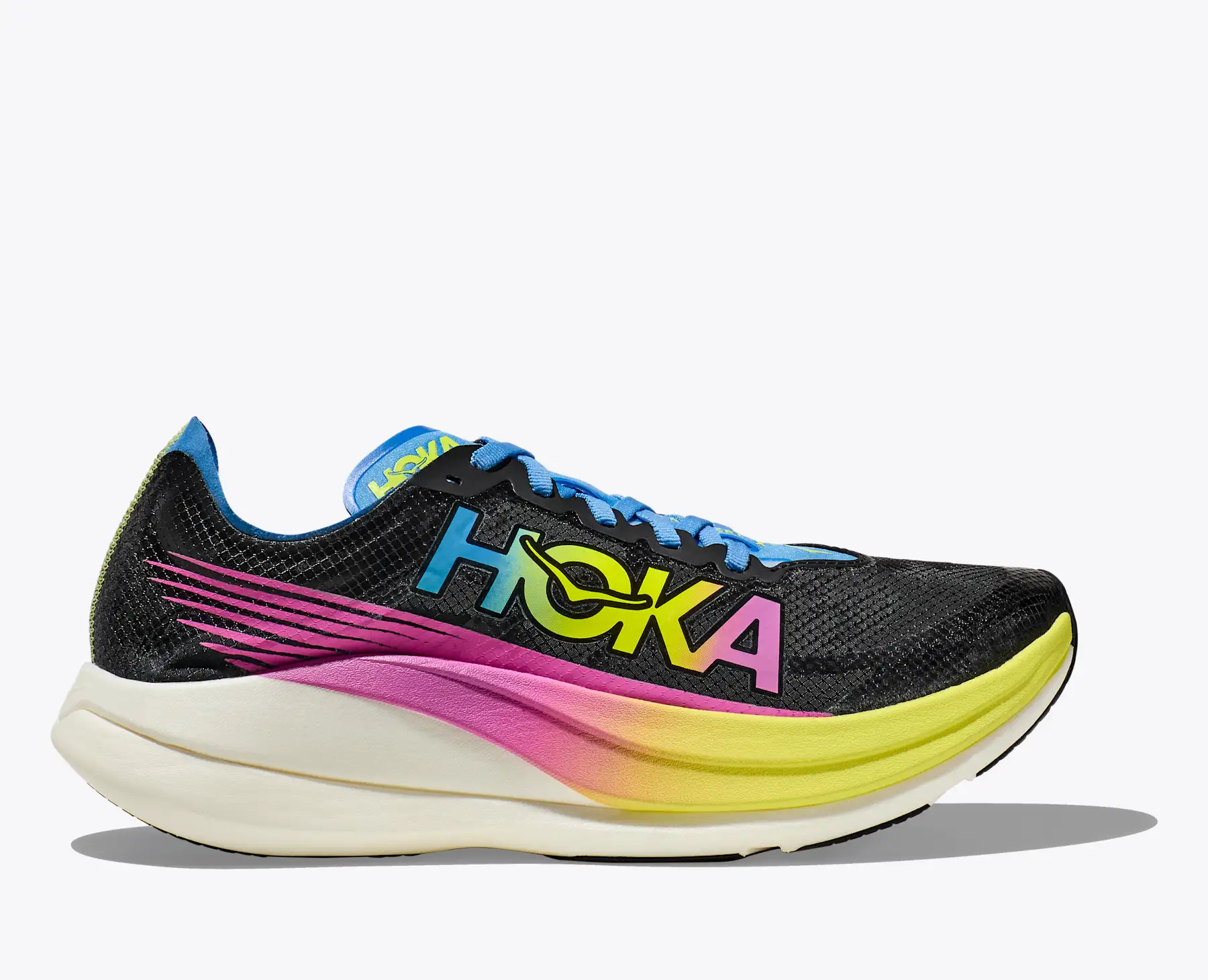
Hoka Rocket X 2
Hoka's PEBA midsole foam delivers the brand's signature cushioning with legitimate racing-flat responsiveness. The Rocket X 2 is the Goldilocks super shoe — not as extreme as the Cielo, more capable than the Mach.
Amazon affiliate · price subject to change
The Rocket X 2 is the racing shoe in Hoka's lineup that most runners actually want. The PEBA midsole delivers Hoka's signature cushioning with legitimate racing-flat responsiveness, and the carbon plate is calibrated for the broader range of race-day paces — from 10K through marathon. It is not as extreme as Hoka's Cielo X1, and it is meaningfully more capable than the Mach 6 daily trainer with which it is often confused.
At $250 it is also $25-35 cheaper than the Nike, Asics, and New Balance flagships. For runners who do not need the absolute fastest shoe but want a credible super shoe for half-marathons and shorter races, the Rocket X 2 is the pragmatic pick. The Hoka rocker geometry is also the most forgiving on this list — a real consideration for runners who land slightly heel-strike under fatigue.
The Performance Tier
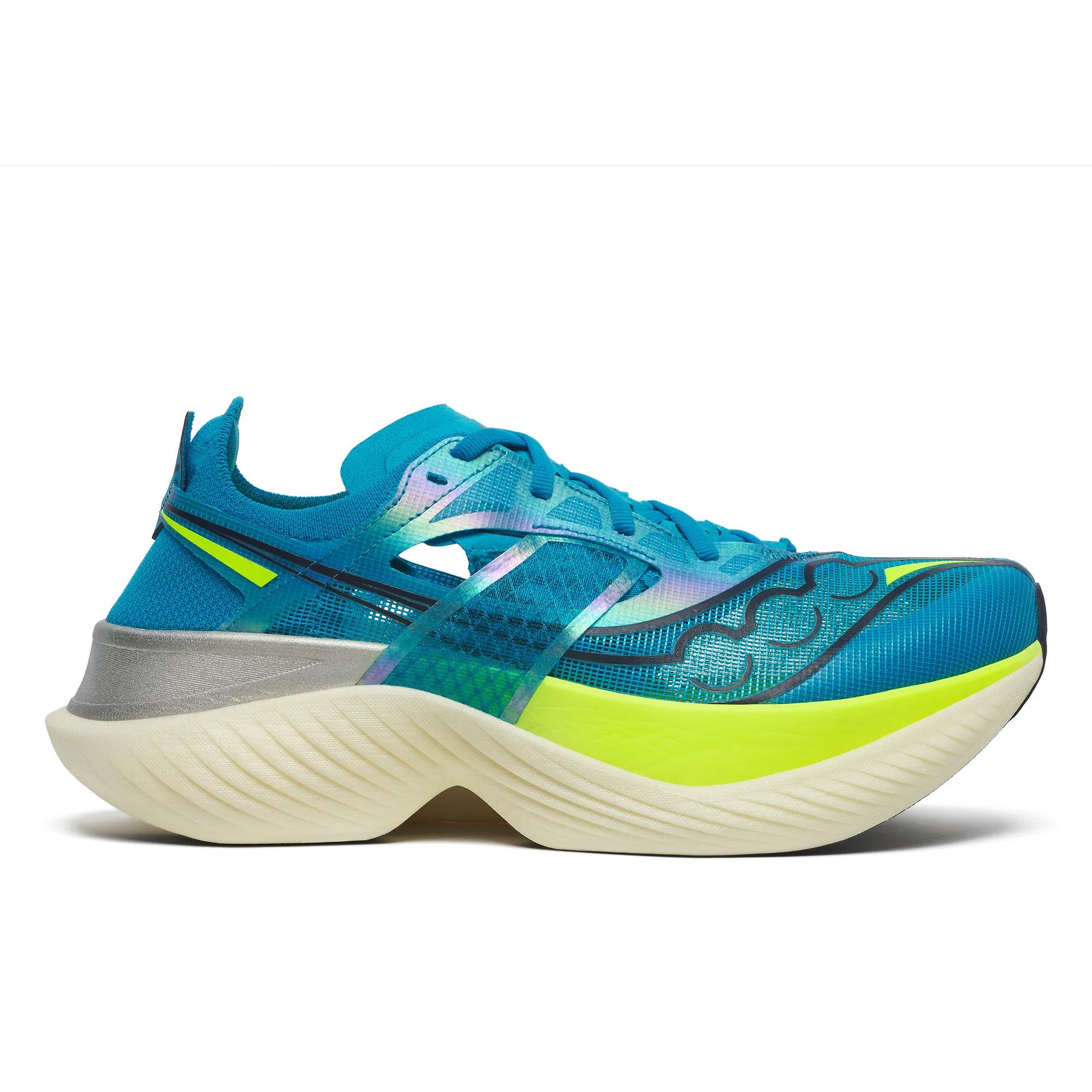
Saucony Endorphin Elite — The Soft-Foam Wild Card
Saucony Endorphin Elite
Saucony's PWRRUN HG foam is one of the lightest super foams on the market, and the S-curve carbon plate adds snap through toe-off. The Elite is the dark-horse pick that consistently surprises runners switching from Nike.
Amazon affiliate · price subject to change
Saucony's PWRRUN HG foam is one of the lightest super foams on the market, and the S-curve carbon plate adds snap through toe-off in a way that more conservative plates do not. Believe in the Run's review described the ride as "soft and squishy with caffeine" — an accurate read on a foam that feels like Jell-O at a walk and turns into something genuinely propulsive at 7-minute pace.
The trade-off is stability. The IncrediRun midsole on the latest Endorphin Elite is so soft that runners with neutral form land cleanly and runners with imperfect form do not. RunRepeat flagged the wobble at slower paces and around corners; the shoe demands clean mechanics. For neutral runners with efficient form, this is a legitimate top-tier super shoe at a more accessible $275. For runners who need a stable platform, pick the Alphafly 3 or Rocket X 2 instead.
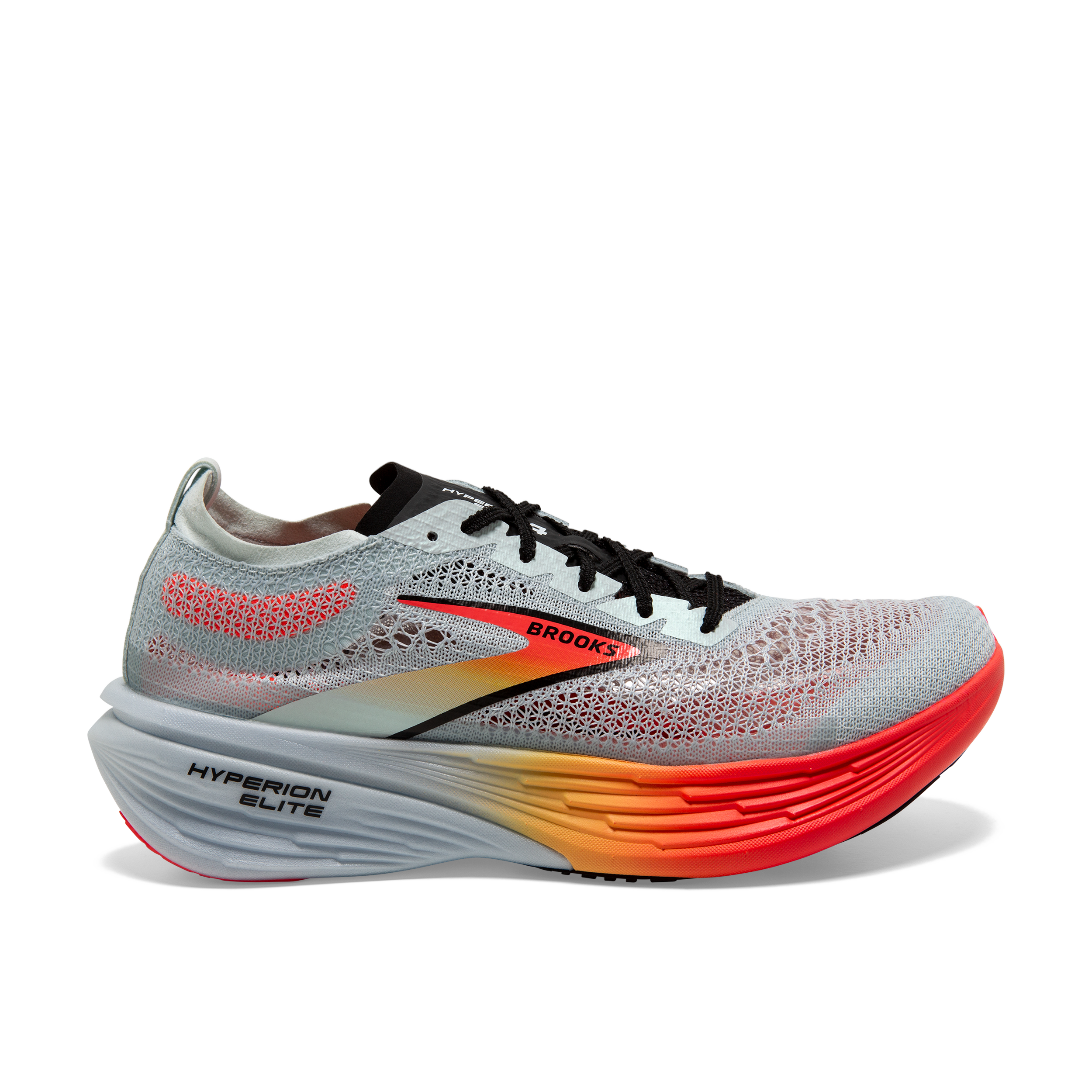
Brooks Hyperion Elite 4 — The Reliability Pick
Brooks Hyperion Elite 4
Brooks' DNA Flash nitrogen-infused foam returns energy efficiently at marathon pace without the instability of taller stacks. The Hyperion Elite 4 is purpose-built for the 2:30-3:30 marathon crowd who need reliability over flash.
Amazon affiliate · price subject to change
Brooks' DNA Flash nitrogen-infused foam returns energy efficiently at marathon pace without the instability that taller PEBA stacks introduce. The Hyperion Elite 4 is purpose-built for the 2:30-3:30 marathon crowd — runners who need a shoe that holds up across 26.2 miles and does not feel dead at mile 20. It is also the most stable super shoe on this list, which makes it the right pick for runners coming up from Brooks Adrenaline-style daily trainers who want their first carbon-plated experience to feel familiar.
At $250 it is the value option in the elite tier. Brooks does not market it with the same volume as Nike or Asics, but the runners who own it tend to keep buying it. If you have been a Brooks loyalist for years, this is the racing shoe that finally deserves your training cycle.
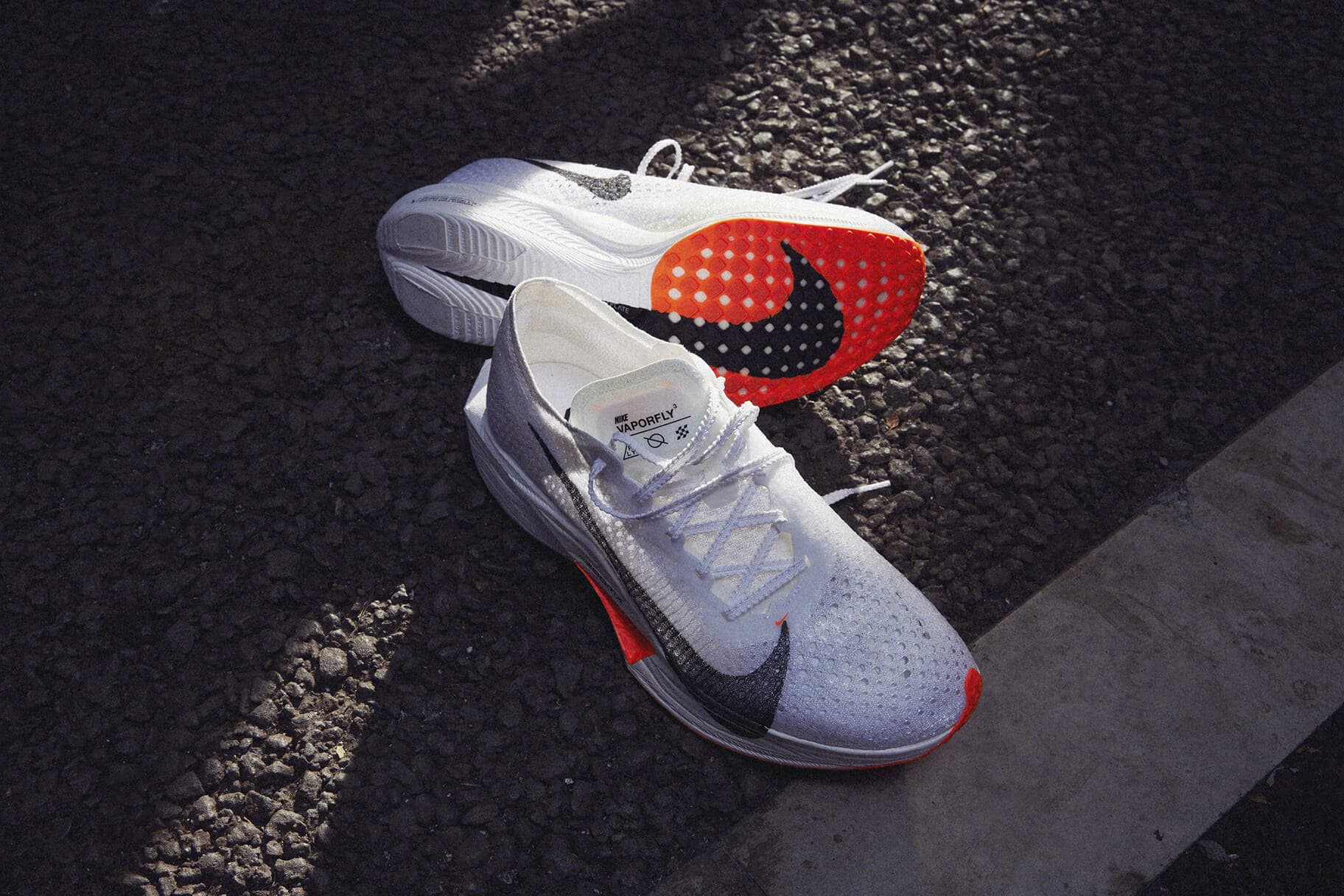
Nike Vaporfly 3 — The Original, Still Worth It
Nike Vaporfly 3
The shoe that started the super-shoe revolution remains one of the best values in competitive running. ZoomX foam and a carbon plate at $260 delivers 90% of the Alphafly experience for runners who find the taller stack too aggressive.
Amazon affiliate · price subject to change
The shoe that started the super-shoe revolution remains one of the best values in competitive running. ZoomX foam, a carbon plate, and a $260 price tag deliver roughly 90 percent of the Alphafly experience for runners who find the taller stack and forefoot Air Zoom pods too aggressive. The Vaporfly 3 is also the lighter, more responsive shoe at faster paces — most runners who race 10K through half-marathon distances actually prefer the Vaporfly to the Alphafly.
If you are choosing between a Vaporfly 3 and an Alphafly 3 and you primarily race shorter than marathon distance, the Vaporfly is the smarter pick. It is also $25 cheaper, which buys you most of a second pair of training shoes.
The Daily-Trainer Tier
Asics Magic Speed 4 — The Best Value Race Shoe
Asics Magic Speed 4
FF Blast Plus foam with a carbon plate at $180 makes the Magic Speed 4 the best value race shoe on the market. It bridges the gap between daily trainer and super shoe for runners who race 5K through half marathon.
Amazon affiliate · price subject to change
The Magic Speed 4 is the most surprising shoe on this list. FF Blast Plus foam, a carbon plate, and a $180 price tag — the cheapest carbon-plated shoe on the market in 2026. The plate is slightly more flexible than the Metaspeed's, which makes it more forgiving on the calves at slower paces; the foam is firmer and dramatically more durable than premium PEBA, which means most owners get 400-500 miles before retiring the shoe.
Believe in the Run called it the carbon-plated shoe to buy if you race 5K through half-marathon and do not want to spend $250+. The Magic Speed 4 is the bridge between the daily trainer and the super shoe — fast enough to race in, durable enough to train in. For runners who want one shoe to do both jobs, this is the pick.
New Balance FuelCell Rebel v4 — The Tempo-Day Trainer
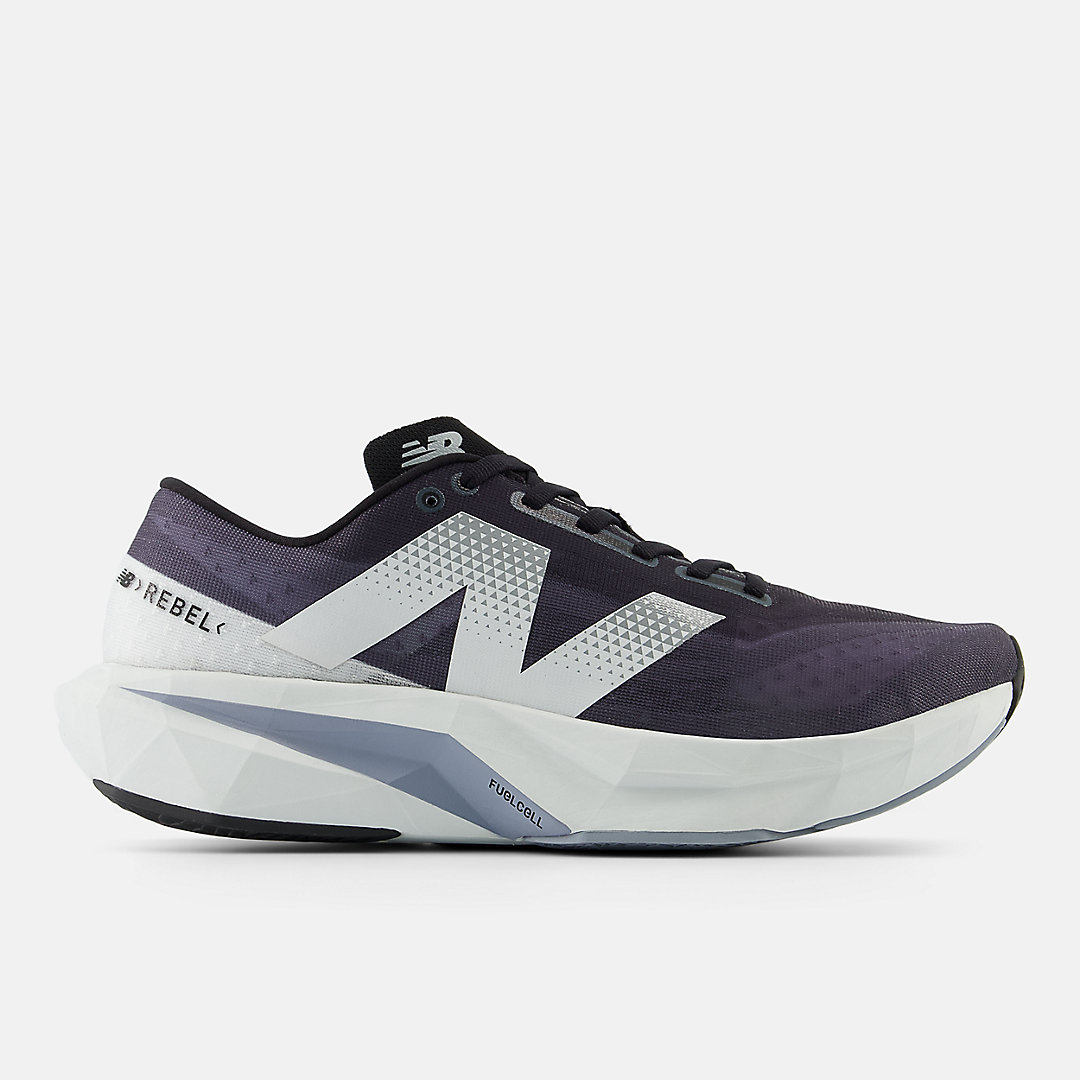
New Balance FuelCell Rebel v4
The Rebel v4's FuelCell midsole makes every easy run feel slightly faster than it should be. At 7.4 oz it's lighter than most race shoes, making it the rare daily trainer that doubles as a tempo-day weapon.
Amazon affiliate · price subject to change
The Rebel v4's FuelCell midsole makes every easy run feel slightly faster than it should be. At 7.4 oz it is lighter than most race shoes from a generation ago, which makes it the rare daily trainer that doubles as a tempo-day weapon. There is no plate, which keeps it forgiving for daily mileage, but the rocker geometry generates plenty of pop at half-marathon pace.
At $140 it is the value champion of the daily-trainer tier. RunToTheFinish put it head-to-head against the Hoka Mach 6 and gave the Rebel the slight edge for runners who prioritize lightweight speed. Pick this one if you do speedwork on your daily trainer rotation, mix in tempo runs, or need a shoe that is fast enough for a 10K race when you forget to bring your racing flats.
Hoka Mach 6 — The High-Mileage Daily Trainer
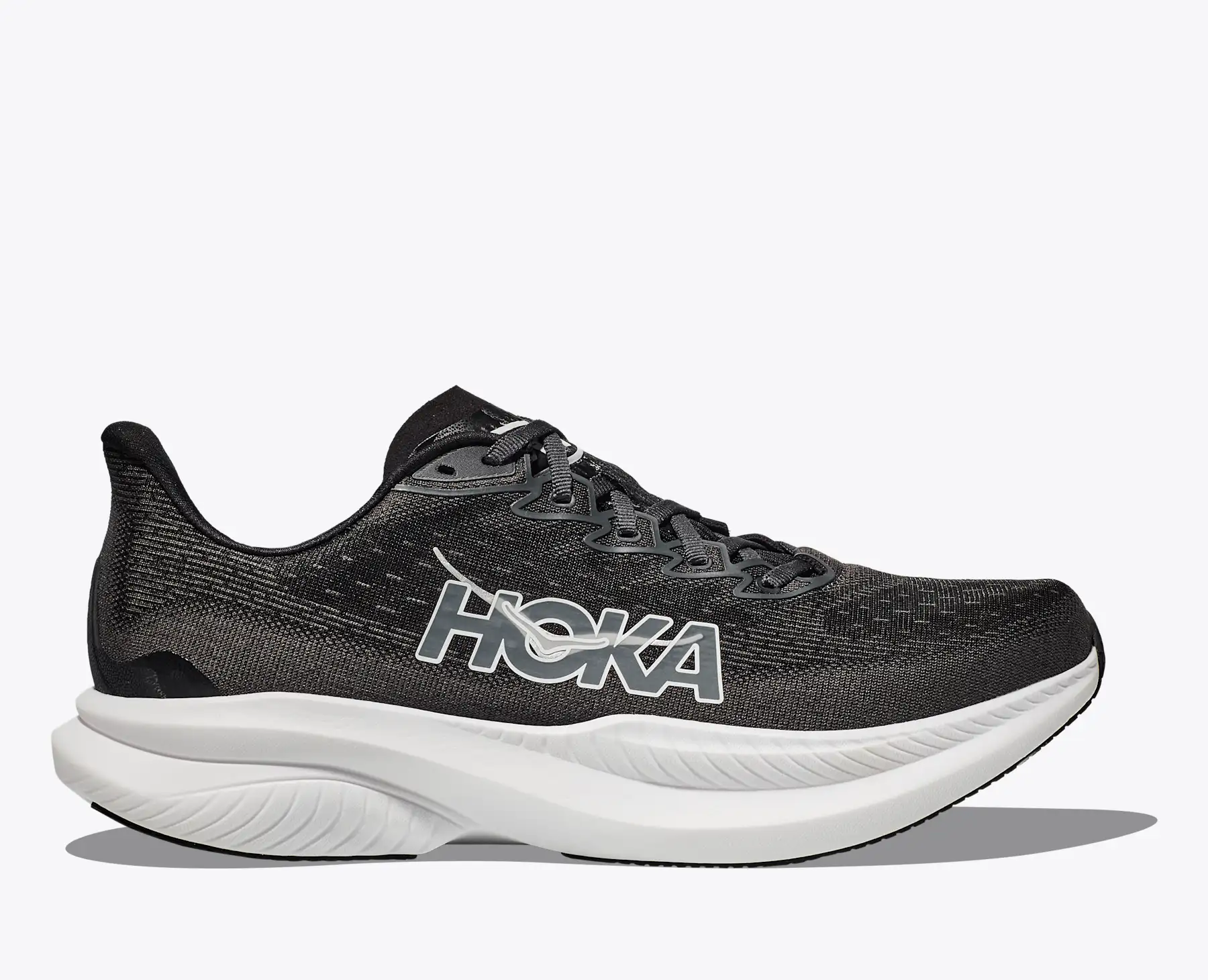
Hoka Mach 7
The versatile tempo-and-daily pick that fixes the Mach 6's rough edges without touching what worked. RunRepeat found the upper and outsole meaningfully upgraded while the supercritical-EVA midsole keeps the same light, lively feel — a genuine do-a-bit-of-everything trainer at $145. Honest limits: it is not plush and the fit runs narrow, so max-cushion runners and wide feet should look at the Clifton 11 or Ghost 18 instead.
Amazon affiliate · price subject to change
The Mach 6's PEBA-blend midsole borrows tech from Hoka's race line and packages it in a versatile, more cushioned daily trainer than the Rebel v4. It handles easy miles, tempo runs, and even casual racing — the Swiss Army knife of the Hoka lineup. The toe box runs slightly narrow, which is the consistent complaint, but for runners with average-width feet the lockdown is excellent.
At $140 it is identical in price to the Rebel v4 and slightly more cushioned, which makes it the right pick for high-mileage runners (40+ miles per week) who need their daily shoe to absorb impact. RunRepeat's tear-down rated the cushioning as more protective than the Rebel's at the cost of a slight responsiveness penalty. Choose the Mach 6 if your weekly mileage is over 40 miles; choose the Rebel v4 if you do speedwork in your trainers.
Buying Guide: The Three Decisions That Matter
Race shoe or trainer first. Most runners do not need both at once. If you race more than once a year, your first shoe purchase should be a super shoe in your race-day distance and a budget daily trainer for everything else. If you do not race, skip the super shoe entirely — the carbon plate provides no real benefit on easy miles, and the foam wears out faster on slow runs than fast ones. The Magic Speed 4 at $180 is the only shoe on this list that genuinely does both jobs well.
Stride runner versus cadence runner. Stride-dominant runners (who lengthen their step to go faster) tend to do better in shoes built around aggressive rocker geometry — the Alphafly 3, Metaspeed Sky Paris, SC Elite v4. Cadence-dominant runners (who turn over faster) tend to prefer flatter, more flexible plates — the Vaporfly 3, Magic Speed 4, Endorphin Elite. If you do not know which you are, you are probably stride-dominant under fatigue; the Alphafly is the safe default. A treadmill gait analysis at a specialty running store will tell you definitively in 15 minutes.
Foam durability matters more than people admit. PEBA-based super foams are the lightest, bounciest options on the market, but they compress and lose their snap somewhere in the 200-300 mile range. FF Blast Plus, FuelCell, and DNA Flash are firmer foams that last 400-500 miles. If you weigh over 180 lbs or run more than 40 miles a week, the foam-durability gap matters; if you are a 130-lb runner doing 25 miles a week, it does not. The cost-per-mile math on a $285 Alphafly 3 versus a $180 Magic Speed 4 looks very different at the high end of weekly mileage.
For the full community ranking with current prices and live vote counts, head to Gavler's Best Running Shoes list. Architecture first — daily trainer vs max-cushion vs stability vs super shoe — is the running-shoe buying guide. If you are also shopping the broader sports category, the Gavler Sports hub covers the full set of community-ranked picks across running, surfing, pickleball, tennis, road biking, golf, and ski helmets. Trail runners should browse the companion Best Trail Running Shoes list and the Trail Running Shoe Buying Guide for off-road picks.
See all 21 products ranked by the community
Best Running Shoes
See Full Rankings →472 community votes cast
Common Questions
The Nike Alphafly 3 tops Gavler's community ranking with a 9.7 score. Two ZoomX Air Zoom pods, a full-length carbon plate, and a 7.1 oz race-day weight make it the consensus marathon weapon for runners chasing a personal best. The honest caveat: the tall stack and aggressive geometry feel disconnected at easy paces, which is why most runners save the Alphafly for race day and reach for the Hoka Mach 6 or New Balance Rebel v4 for daily mileage. For raw race-day performance on flat marathon courses, the Alphafly 3 is the pick.
If you race a marathon or half-marathon at least once a year, yes. The PEBA-based foams (ZoomX, FF Turbo Plus, FuelCell, PWRRUN HG) combined with carbon plates deliver a measurable running-economy benefit that translates to real time savings — most runners see 1-3 percent improvement in steady-state pace. Super shoes also wear out faster than daily trainers (most are good for 200-300 race-pace miles), which is why the Asics Magic Speed 4 at $180 has emerged as the budget super-shoe pick. If you mostly run easy mileage and never race, save the money and buy two Hoka Mach 6s instead.
The community is split between the Hoka Mach 6 and the New Balance FuelCell Rebel v4 — both at $140 with bouncy non-plated midsoles and similar weights. The Mach 6 is more cushioned and works better as an easy-day shoe for runners who log high mileage. The Rebel v4 is snappier and lighter at 7.4 oz, which makes it the better pick if you mix in tempo workouts on your daily-trainer rotation. Pick the Mach 6 if your weekly mileage is over 40 miles. Pick the Rebel v4 if you do speedwork on your trainers.
The Alphafly 3 is the more cushioned, more forgiving super shoe and the right pick for marathon distance, especially for runners with longer ground-contact times. The Metaspeed Sky Paris is built specifically for stride-length runners (Asics also makes the Edge Paris for cadence runners) and runs lighter and more nimble at half-marathon and shorter distances. If you do not know whether you are a stride or cadence runner, you are probably a stride runner — both shoes work, but the Alphafly is the more universal pick across distances and paces.
Most carbon-plated PEBA-foam super shoes are designed for 200-300 race-pace miles before the foam loses its responsive snap. The Alphafly 3, Vaporfly 3, Metaspeed Sky Paris, SC Elite v4, Endorphin Elite, and Rocket X 2 all sit roughly in that range. The Asics Magic Speed 4 is the durability outlier — its FF Blast Plus foam is firmer and more durable, and most owners get 400-500 miles from a pair. If a super shoe still feels new at 300 miles you are probably not running hard enough to use it; if it feels dead at 150 miles, the foam compressed prematurely (a known failure mode on heavier runners over 180 lbs).
The shoes on this list are all neutral. Stability shoes are still produced — the Brooks Adrenaline GTS, Asics Gel-Kayano, Saucony Guide — but the modern footbed-and-rocker geometry on neutral super shoes and trainers tends to provide enough passive stability that most overpronators do fine in them. The exception is the Saucony Endorphin Elite, whose ultra-soft IncrediRun foam can feel wobbly at slow paces and around corners; runners who actively need stability should pick the Alphafly 3 or Hoka Rocket X 2 instead. If you have an injury history tied to overpronation, get a gait analysis at a specialty running store before spending $275 on a super shoe.
Rankings come from community votes by people who actually log miles in the shoes. Each user gets one vote on the Best Running Shoes list — pick the shoe you would lace up for tomorrow's run if a friend asked. Switched models? Move your vote. No affiliate commissions or sponsorships influence the ranking. Vote totals at the time of publication appear next to each pick on the live list.
Products Mentioned
Jump to the full ranking and community verdict for each pick named above.
- Nike Alphafly 3Sports · Best Running Shoes
- Asics Metaspeed Sky ParisSports · Best Running Shoes
- New Balance SC Elite v4Sports · Best Running Shoes
- Hoka Rocket X 2Sports · Best Running Shoes
- Saucony Endorphin EliteSports · Best Running Shoes
- Brooks Hyperion Elite 4Sports · Best Running Shoes
- Nike Vaporfly 3Sports · Best Running Shoes
- Asics Magic Speed 4Sports · Best Running Shoes
- New Balance FuelCell Rebel v4Sports · Best Running Shoes