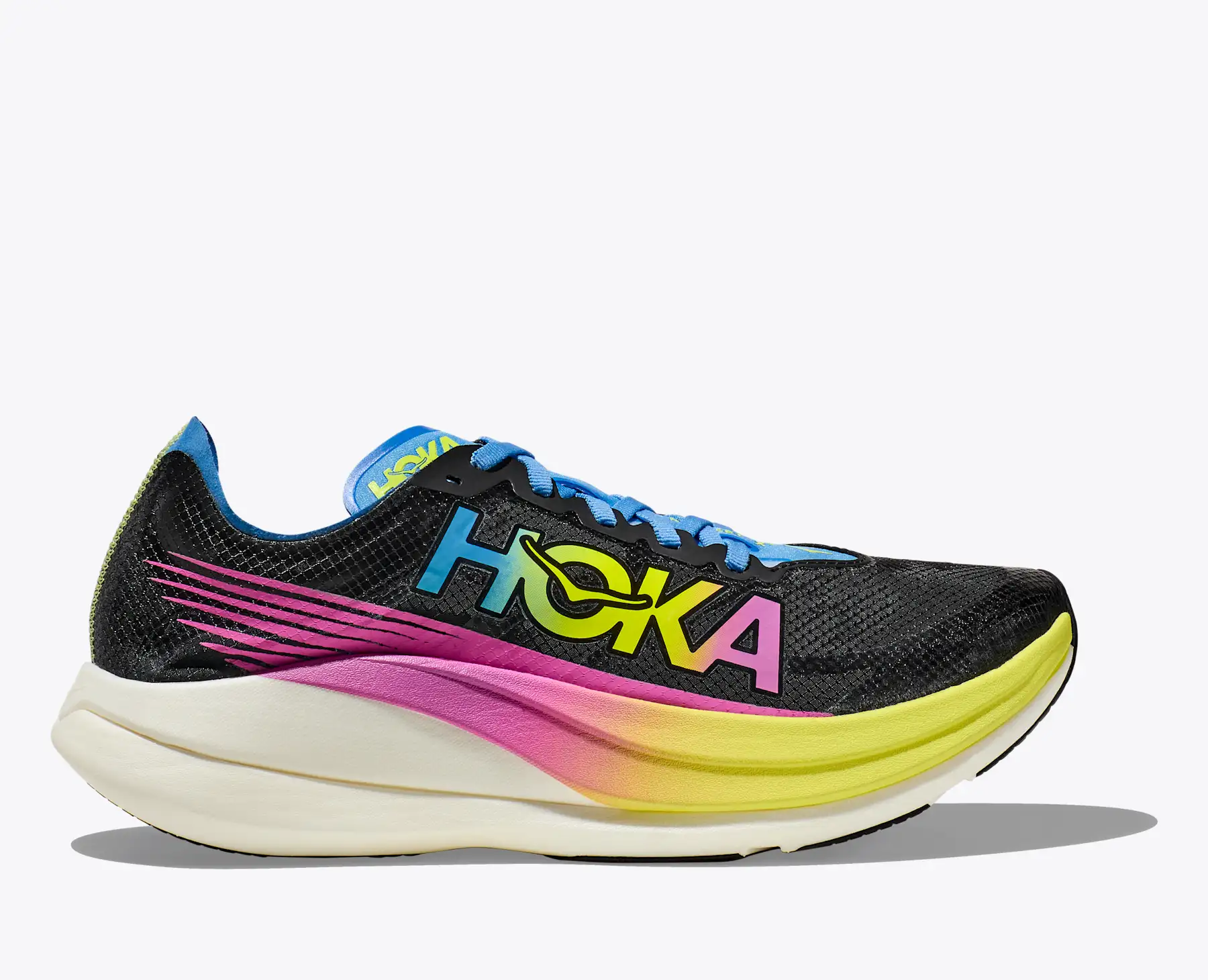
Hoka Rocket X 2.
Hoka's PEBA midsole foam delivers the brand's signature cushioning with legitimate racing-flat responsiveness. The Rocket X 2 is the Goldilocks super shoe — not as extreme as the Cielo, more capable than the Mach.
The Verdict.
Gavler Meta-Score
“Hoka's breakthrough racer and the stability pick of the super-shoe class. Buy it if you want an aggressive carbon racer that stays planted — ideal for runners who find the Vaporfly or Adios Pro too twitchy, or for rolling courses; the trade-off is a forked forefoot plate that gives up a little top-end pop and a slightly lower, firmer stack than the 40 mm competition.”
The Gavler Verdict
The Gavler Review.
Hoka Rocket X 2 Review: The Stability Pick of the Super-Shoe Class
The Hoka Rocket X 2 sits at number four on our Best Running Shoes list with a 9.2 — the highest-ranked shoe in the group built specifically around stability rather than maximum propulsion. Buy it if you want an aggressive carbon racer that stays planted underfoot, especially if you've found the Nike Vaporfly or Adidas Adios Pro too twitchy, or if you're racing a rolling or technical course. Skip it if raw top-end pop is what you're chasing — the forked forefoot plate that buys the stability costs a little explosiveness, and reviewers are honest that a solid plate would deliver more.
What it actually is
The Rocket X 2 is the shoe that put Hoka in the same conversation as Nike and Adidas on race day. It pairs a dual-density PEBA midsole — softer foam stacked above the carbon plate, firmer foam below it — with a full-length carbon plate that's forked at the forefoot. The result reviewers describe as soft-yet-responsive: a springboard under the ball of the foot without the wobble that taller, softer super shoes can produce.
The geometry is the real story. At 36mm in the heel and 31mm in the forefoot, the Rocket X 2 runs meaningfully lower than the 40mm-stack competition that dominates the category. That's a deliberate choice, not a limitation — a lower stack sits closer to the ground and is inherently harder to tip over, which is exactly the trade Hoka made to build the stability pick of the super-shoe class.
In use
Believe in the Run's testing zeroes in on what that dual-density foam actually delivers underfoot: "The soft-yet-responsive feel is dialed in, giving the Rocket X 2 that springboard under the ball of your foot you crave on race day and speed workouts." That's the propulsion side of the equation, and by most accounts it holds up against the category's better-known names.
The stability finding is where the Rocket X 2 separates itself. Running Shoes Guru put it plainly: "This is why the Rocket X 2 feels much more stable to me than say the Vaporfly 2 or the Adios Pro 3." That's a direct, named comparison against two of the most popular super shoes on the market, and it's not a small claim — super shoes have a well-earned reputation for feeling twitchy at speed, especially in the aggressive rocker geometries that define the category. A tester singling this shoe out by name as the more composed alternative to two category leaders is exactly the kind of specific, comparative claim that should carry weight with a buyer trying to decide between them.
Where it shines
- Genuinely more stable than the Vaporfly or Adios Pro. This isn't marketing copy — it's a direct, named comparison from an independent tester who runs in all three. For runners who've bailed on other super shoes because the ride felt sketchy late in a race, this is the clearest signal in the category.
- A springboard feel that still delivers on race day. The dual-density PEBA construction produces real propulsion, not just a stable but flat ride — testers describe the sensation as exactly what you want underfoot for speed workouts and race pace.
- The best value in the top tier. At $250, it undercuts the Nike Alphafly 3 ($285), Asics Metaspeed Sky Paris ($275), and New Balance SC Elite v4 ($275) — all while ranking competitively against them on both expert and community score.
The trade-offs — who should skip it
The lower stack and forked plate that buy the Rocket X 2's stability come with an honest cost:
- It gives up some top-end pop. Running Shoes Guru was direct about the compromise: "I'm a bit disappointed that the front of it is forked because the Rocket X 2 could have been even more propulsive." If you're chasing the single most explosive toe-off in the category, a solid full-length plate — like the one in the Alphafly 3 — will get you closer.
- It's a firmer, lower-stack ride than the 40mm competition. At 36mm heel / 31mm forefoot, this shoe deliberately doesn't chase the tallest, softest ride in the category. That's the whole point for a stability-focused runner, but it means the Rocket X 2 won't feel as plush as the Alphafly 3 or New Balance SC Elite v4 to someone used to a taller stack.
- It's still a race-day tool, not a daily trainer. Like every shoe in this tier, the carbon plate and race-tuned foam are built for speed, not comfortable easy mileage — pair it with a dedicated trainer for the rest of your weekly volume.
How it compares
On its own list, the Rocket X 2's closest philosophical rival is the New Balance SC Elite v4 at number three — both shoes prioritize a forgiving, stable ride over outright weight or propulsion, though the SC Elite v4 does it with a wider 40mm platform and a roughly 8.1-ounce build, while the Rocket X 2 does it with a lower stack at a similar weight class. If stability is your top priority and you don't mind a little extra heft, either is a reasonable pick; the Rocket X 2's $25 price advantage and firmer, more grounded feel make it the sharper choice for rolling or technical courses specifically.
Against the category flagship, the Nike Alphafly 3 at number one, the trade is straightforward: the Alphafly delivers more raw energy return from its continuous ZoomX midsole and dual Air Zoom pods, but the Rocket X 2 is the more forgiving, less demanding shoe to actually race in if you don't have the Alphafly's short, low-volume fit dialed in. Reviewers who found the Alphafly's ride sketchy deep into a marathon are the clearest audience for switching to the Rocket X 2.
The Gavler verdict
A 9.2, backed by a 93 expert consensus and a 90 community rating — broad approval for a shoe that solved the one problem that's dogged the super-shoe category since it started: stability. The gap between the expert and community scores is small and traces to a single honest trade-off, the forked plate's slightly reduced top-end pop, which testers split on: a plus for stability seekers, a minor compromise for runners chasing maximum propulsion above all else. Buy the Rocket X 2 if you want an aggressive carbon racer that won't feel twitchy late in a race, especially on rolling or technical courses, and if $250 versus $275–285 for the field matters to your decision. Look to the Alphafly 3 instead if pure propulsion is the only thing you're optimizing for.
Common Questions
Yes, for runners who want a genuine carbon racer that stays planted rather than twitchy. It ranks fourth on Gavler's Best Running Shoes list with a 9.2, backed by a 93 expert consensus, and testers consistently call it more stable underfoot than the Nike Vaporfly or Adidas Adios Pro. At $250 it's also one of the more affordable super shoes in the top tier, which is why Gavler calls it the class's best value.
It's built for exactly that. Running Shoes Guru found it 'much more stable... than say the Vaporfly 2 or the Adios Pro 3,' and the lower 36mm/31mm stack (versus the 40mm max most rivals run) keeps the ride closer to the ground. If you've found other super shoes twitchy on turns or cambered roads, this is the one in the category built to correct that.
It's a real trade-off, not a flaw. Running Shoes Guru noted they were 'a bit disappointed that the front of it is forked because the Rocket X 2 could have been even more propulsive' — the split forefoot smooths the transition at the cost of a little top-end pop compared to a solid full-length plate. It's the same design decision that buys the shoe's stability, so it's a fair exchange rather than a defect.
Buy the Alphafly 3 if you want the single highest energy return in the category and you're comfortable with a taller, more aggressive stack; buy the Rocket X 2 if you want a more planted, forgiving ride at a lower price ($250 versus $285) with only a modest step down in propulsion. Runners who've found the Alphafly or Vaporfly twitchy on race day are the clearest audience for the Rocket X 2.
Where to Buy.
Prices checked regularly
90-day price history
Price History
Steady at $250 for the entire 90-day tracking window — no increases, no discounts, across 91 tracked days.
Tracked daily across retailers. Vote Want itabove and we’ll alert you the moment the price drops.
Some links are affiliate links — Gavler may earn a commission. This never affects rankings or scores. Learn more.
Precision Engineering
Dual-Density PEBA Midsole
Softer foam above the plate and firmer foam below for a stable yet responsive 36 mm / 31 mm stack.
Forked Carbon Plate
A full-length carbon plate split at the forefoot that smooths the transition and prioritizes stability over maximum pop.
About 8.3 oz (235 g)
Mid-pack weight, but firmer and noticeably more planted than lighter rivals like the Vaporfly 3.
Technical Specifications
The Scoreboard
The 9.2 reflects broad expert approval for the stable, responsive ride. The expert-versus-community spread is small and comes down to the forked plate and firmer feel, which reviewers split on — a plus for stability seekers, a minor compromise for runners chasing maximum propulsion.
Cast Your Vote
Do you think Hoka Rocket X 2 deserves the #19 spot in Best Running Shoes?
Global Critique
“The soft-yet-responsive feel is dialed in, giving the Rocket X 2 that springboard under the ball of your foot you crave on race day and speed workouts.”
“This is why the Rocket X 2 feels much more stable to me than say the Vaporfly 2 or the Adios Pro 3.”
“I'm a bit disappointed that the front of it is forked because the Rocket X 2 could have been even more propulsive.”
More from Best Running Shoes.
See how other top picks compare in this category.
What Kind of Running Shoe Do Your Miles Actually Need?
A carbon plate is the wrong first question. Daily trainer vs max-cushion vs stability vs race-day super shoe is the job. Then shop Gavler's live ranking.
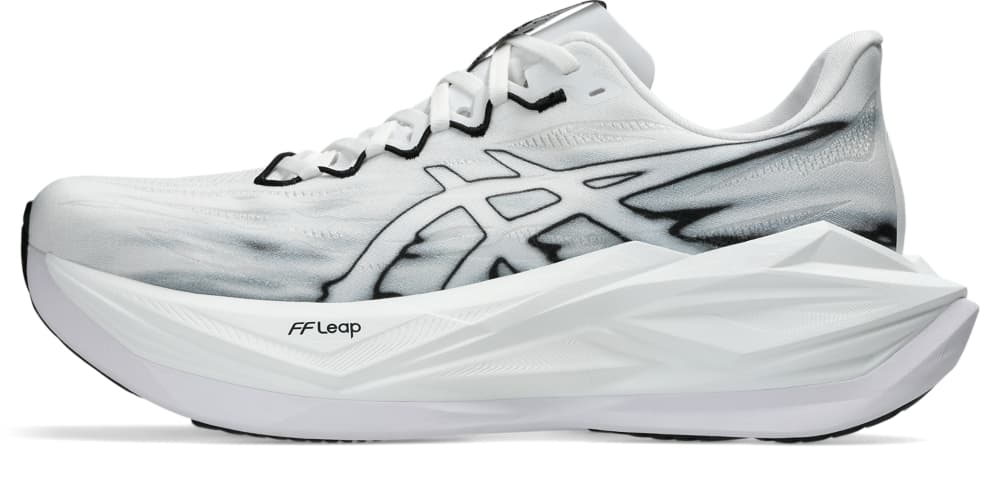
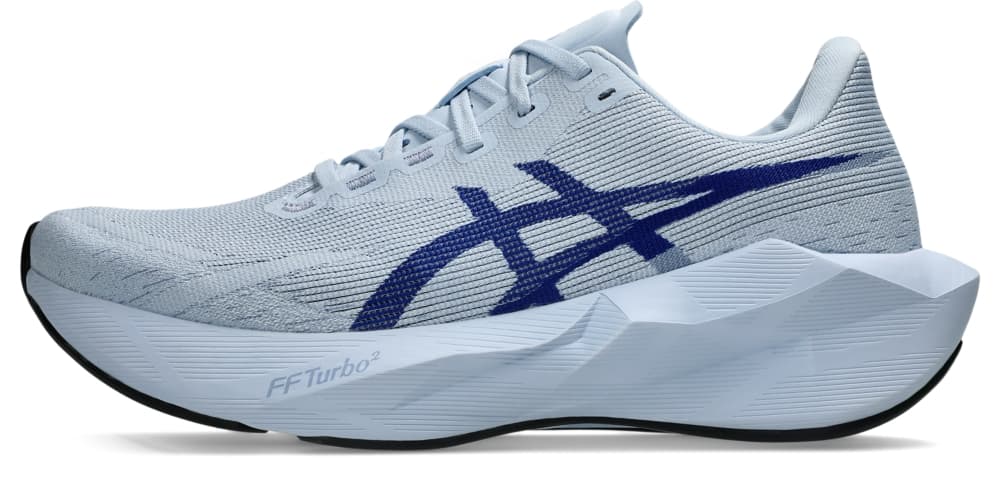
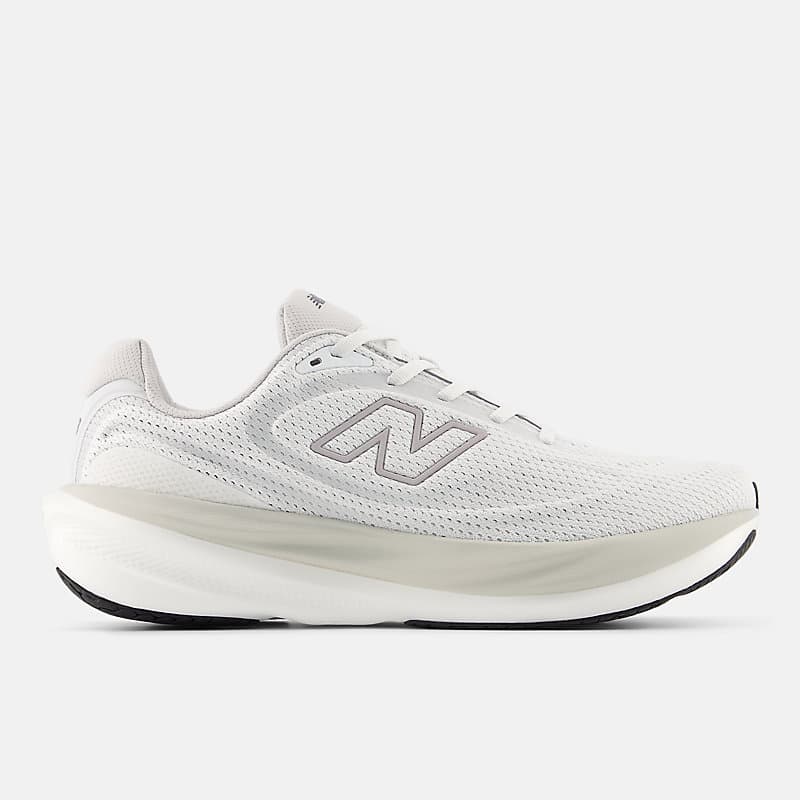
Superblast 3 vs Vomero 18 vs Novablast 6: The Best Daily Trainer of 2026 Costs $155, and It Isn't the Nike
Three shoes dominate every 2026 daily-trainer list: one's a recovery shoe in a trainer's badge, one costs $55 too much, one spec sheet won't survive a caliper.
The $500 Running Shoe Is Not the Fastest One. A $300 Shoe Is Lighter, and a $170 Shoe Is the Smart Buy.
Adidas broke the super-shoe price ceiling at $500. Every outlet that tested it says buy cheaper — and the lab data says the benefit was never about price.
The Best Running Shoes in 2026, Ranked by Runners Who Actually Race Them
Nike, Asics, Hoka, Saucony. Gavler's running community ranks the shoes worth lacing — from $140 daily trainers to $285 marathon weapons.