Asics Magic Speed 4.
FF Blast Plus foam with a carbon plate at $180 makes the Magic Speed 4 the best value race shoe on the market. It bridges the gap between daily trainer and super shoe for runners who race 5K through half marathon.
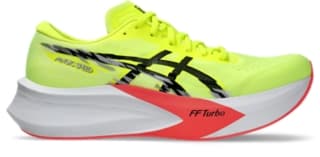
The Verdict.
Gavler Meta-Score
“The value carbon racer that earns its keep as a tempo workhorse. Buy it for a genuine full-length carbon plate at $180 and a durable, runnable ride for fast training and budget 5K-to-half racing — just know the trade-off is weight: at 8.5 oz it's heavier and stiffer than the beloved Magic Speed 3, more master-of-tempo than featherweight racer, and too stiff to enjoy on easy days.”
The Gavler Verdict
The Gavler Review.
Asics Magic Speed 4 Review: The Carbon Racer for Runners Who Don't Want to Pay Super-Shoe Prices
The Magic Speed 4 answers one question honestly: how much of a real carbon-plated super shoe can you get for around $170? The answer is most of it. RunRepeat's lab confirmed a genuine full-length carbon plate — not the nylon stand-in cheaper shoes fall back on — under a dual-density midsole that rides stiff, propulsive, and durable rather than soft and bouncy. It sits at rank 13 on our Best Running Shoes list with an 8.7. Buy it if you want tempo-workout and budget-race performance without flagship pricing. The trade-off to know before you buy: it's noticeably heavier and stiffer than the beloved Magic Speed 3, and Asics has already released a lighter Magic Speed 5 that fixes exactly that complaint.
What it is
The Magic Speed line exists to bridge daily trainers and true racing super shoes — carbon-plate propulsion at a fraction of the $250-plus flagship price. Version 4 keeps that mission with a EVA-based FF Blast Plus midsole carrying a PEBA FF Blast Turbo insert in the forefoot, wrapped around a full-length carbon plate. RunRepeat's lab work is the key verification here: the plate isn't a nylon substitute dressed up as carbon, and their measured bend stiffness of 26.5N lands in the same range as shoes costing $70 to $100 more.
That's the pitch. The honest complication is that this is the fourth version of a shoe whose reputation has swung wildly — Believe in the Run's Robbe Reddinger put it bluntly: "The Asics Magic Speed has been a shape-shifter of sorts; in the span of three years, it's been mediocre, bad, and great, depending on the version." Version 4 lands closer to "great" on plate quality and value, but it introduces its own new trade-off in weight.
In use
RunRepeat's lab-measured numbers tell most of the story. A men's size 9 comes in at 8.4 oz / 237g, up from 7.4 oz / 211g on the Magic Speed 3 — a genuine, feelable gain of roughly an ounce. Stack height measures 42.5mm heel / 32.9mm forefoot, and midsole durometer readings of 31.7 AC (FF Blast Plus) and 33.9 AC (FF Turbo insert) confirm what testers describe on the road: a dense, durable ride rather than a soft, pillowy one.
That density is where reviewers split by use case. RunRepeat's own summary calls out the trade plainly: "We really liked the additional energy return from FF Turbo and the durable outsole that offer great value at a reasonable price. However, we've found in the lab that the increased weight and poor stability make it a selective choice — not suitable for every runner." Doctors of Running's Matt Klein zeroed in on the easy-pace experience specifically: "I found the transition, especially in the forefoot, to be uncomfortably stiff... The stiffness in the forefoot makes it slightly uncomfortable to use for easy and recovery paces."
Put those together and the picture is consistent across outlets: this shoe wants to be run hard. At tempo and race pace, the carbon plate and firm PEBA insert deliver a propulsive, stiff-but-effective ride. Slow it down for a recovery jog and the same stiffness that helps at speed becomes the shoe's biggest liability.
Strengths
A genuine full-length carbon plate at a value price is the headline, and it's lab-verified rather than a marketing claim — RunRepeat's 26.5N bend-stiffness measurement puts it in the same territory as flagship racers costing far more. The FF Turbo PEBA insert in the forefoot delivers real energy return where it matters most, at toe-off during a hard effort. Durability is a genuine strength too: reviewers across outlets note the outsole and midsole hold up over higher mileage than most plated shoes, which matters for a shoe meant to double as a tempo-workout trainer rather than a single-race disposable. And at $170, it undercuts true super shoes by $70 to $100 while delivering a meaningful fraction of the performance.
The trade-offs — who should skip it
The weight gain is the shoe's defining compromise. Going from 7.4 oz to 8.4 oz doesn't sound like much on paper, but on a plated shoe built for speed, that extra ounce is exactly the kind of detail serious racers notice. Stiffness compounds the problem for anyone who wants one shoe to do everything — this is not a shoe for easy days, recovery jogs, or long steady mileage; Doctors of Running's direct experience of "uncomfortably stiff" forefoot transitions at slow paces should be taken at face value. The upper also reads a step down in quality from the Magic Speed 3, a common thread across reviews of this generation. And with the Magic Speed 5 now on the market — RunRepeat's lab data shows it's roughly 36 grams lighter (201g vs. 237g) with a softer stiffness rating, at a comparable price — buyers paying full retail for the 4 should think hard about whether the outgoing model is really the better deal, versus buying it specifically while it's discounted as older stock.
How it compares
Two spots up this same list, the Nike Vaporfly 3 plays a different game entirely — a full racing flagship rather than a value bridge shoe, at a price that reflects it. One spot down, the Brooks Hyperion Elite 4 competes more directly as a plated racer, though it targets a different position on the stiffness-versus-cushioning spectrum. Against both, the Magic Speed 4's case is specifically about value: a genuine carbon plate and durable ride at a price point neither of those competitors can match.
Within its own generation, the honest comparison is to its own successor. The Magic Speed 5 addresses the two complaints reviewers raise most about the 4 — weight and stiffness — for roughly the same money. That doesn't make the 4 a bad buy; it makes it a better buy specifically once retailers discount it to clear inventory ahead of the 5's full rollout.
The Gavler verdict
An 8.7, reflecting genuine consensus that this is the value carbon racer to beat under $200 — an 88 expert score against an 85 community score, with the modest gap tracking the weight complaint testers feel more acutely on race day than reviewers do in a single test run. Buy it as a tempo workhorse and budget racer for distances from 5K to the half marathon, ideally while it's discounted as the outgoing model. Skip it if you want one shoe for both easy and hard days, or if you're buying at full price without first comparing it to the lighter, softer Magic Speed 5.
Common Questions
Yes, if you want a real carbon plate without paying flagship-racer money. It sits at rank 13 on Gavler's Best Running Shoes list with an 8.7, and RunRepeat's lab confirmed a genuine full-length carbon plate at a price around $170-180 — not the nylon stand-in cheaper shoes use. The honest catch is weight: it gained roughly a full ounce over the Magic Speed 3, so it rewards tempo workouts and shorter races more than all-day comfort.
Asics's own site currently lists it at $170, and Doctors of Running confirms the same figure. Gavler's product data shows $180 — plausibly last year's launch price or a rounding difference across retailers, but $170 is the figure we verified directly on Asics.com at the time of this review. Either way, it undercuts true super shoes by $70 to $100.
If price is the deciding factor, the Magic Speed 4 is now the better value — it's the outgoing model, so expect discounts as retailers clear stock. If you want the better shoe outright, RunRepeat's lab data shows the Magic Speed 5 fixed both of the 4's biggest complaints: it's roughly 36 grams lighter (201g vs. 237g) and rated noticeably less stiff, at a similar $180 price. Budget-focused racers who don't mind a heavier, stiffer ride should stick with the 4 while it's discounted; anyone buying at full retail should look hard at the 5 first.
For most testers, yes. Doctors of Running's Matt Klein found the forefoot transition 'uncomfortably stiff' at slow paces, and RunRepeat's lab measured a stiff 26.5N bend force — comparable to shoes costing far more. Use it for tempo runs, workouts, and race day; keep a softer daily trainer in rotation for recovery miles.
Where to Buy.
Prices checked regularly
90-day price history
Price History
Steady at $180 for the entire 90-day tracking window — no increases, no discounts, across 91 tracked days.
Tracked daily across retailers. Vote Want itabove and we’ll alert you the moment the price drops.
Some links are affiliate links — Gavler may earn a commission. This never affects rankings or scores. Learn more.
Precision Engineering
Full-Length Carbon Plate
A genuine carbon plate — not the nylon stand-in budget shoes usually use — at $180. RunRepeat lab-measured it ultra-stiff (26.5N), comparable to true super shoes.
Dual FF Blast Plus + FF Turbo Foam
An EVA-based FF Blast Plus midsole with a PEBA FF Blast Turbo insert in the forefoot above the plate — a dense, durable, runnable ride rather than a soft super-foam bounce.
8.5 oz (242 g)
Roughly a full ounce heavier than the 7.4 oz Magic Speed 3 — the shoe's main knock, and why it reads as a tempo workhorse more than a featherweight racer.
Technical Specifications
The Scoreboard
The 8.7 reflects strong value-pick consensus — reviewers reward a real carbon plate and durable FF Turbo energy return at $180 — tempered by a clear weight gain and stability knock versus the lighter Magic Speed 3. The small expert-over-community gap (88 vs 85) tracks that divide: testers prize the value, owners feel the extra ounce on race day.
Cast Your Vote
Do you think Asics Magic Speed 4 deserves the #13 spot in Best Running Shoes?
Global Critique
“The Magic Speed 4 is a jack of all trades but a master of none.”
“It's not a soft or super bouncy feel like Peba-based midsoles; in fact, it's more of a dense feel, but it's not firm at all. It just feels very runnable.”
“We really liked the additional energy return from FF Turbo and the durable outsole that offer great value at a reasonable price. However, we've found in the lab that the increased weight and poor stability make it a selective choice—not suitable for every runner.”
More from Best Running Shoes.
See how other top picks compare in this category.
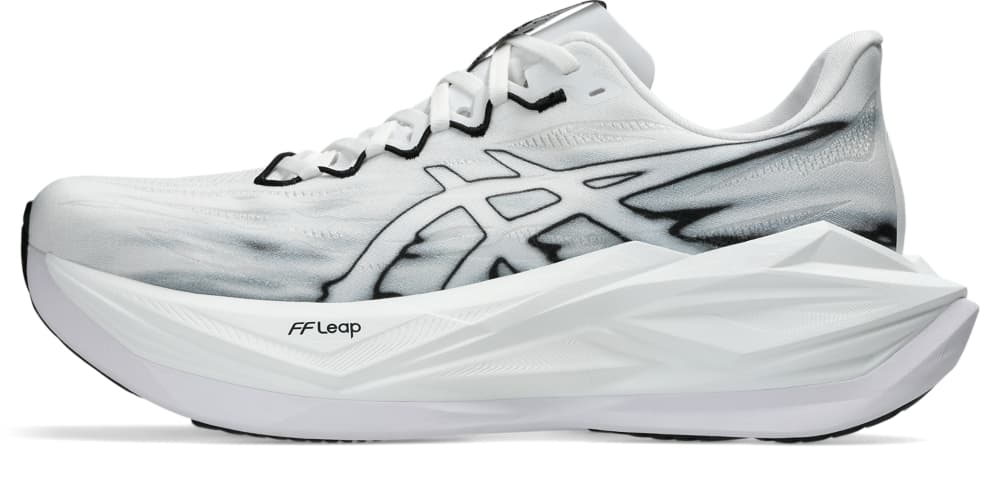
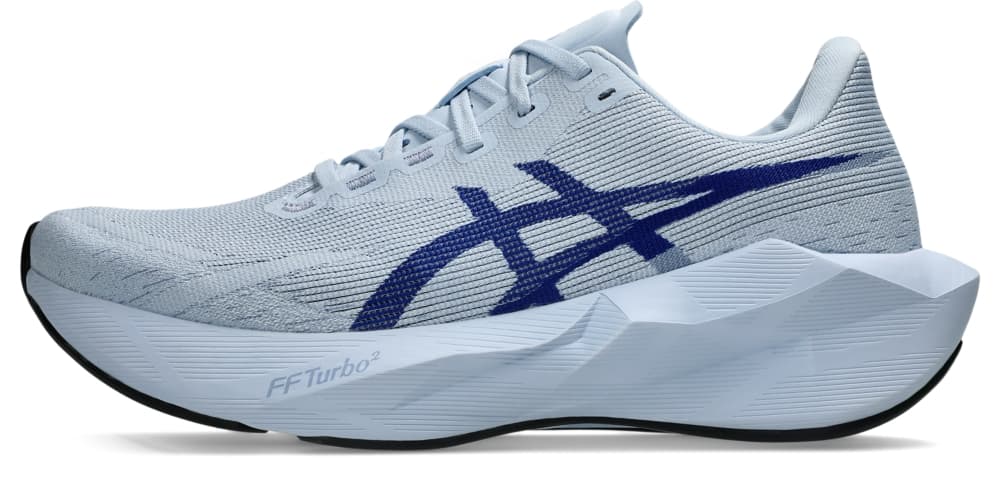
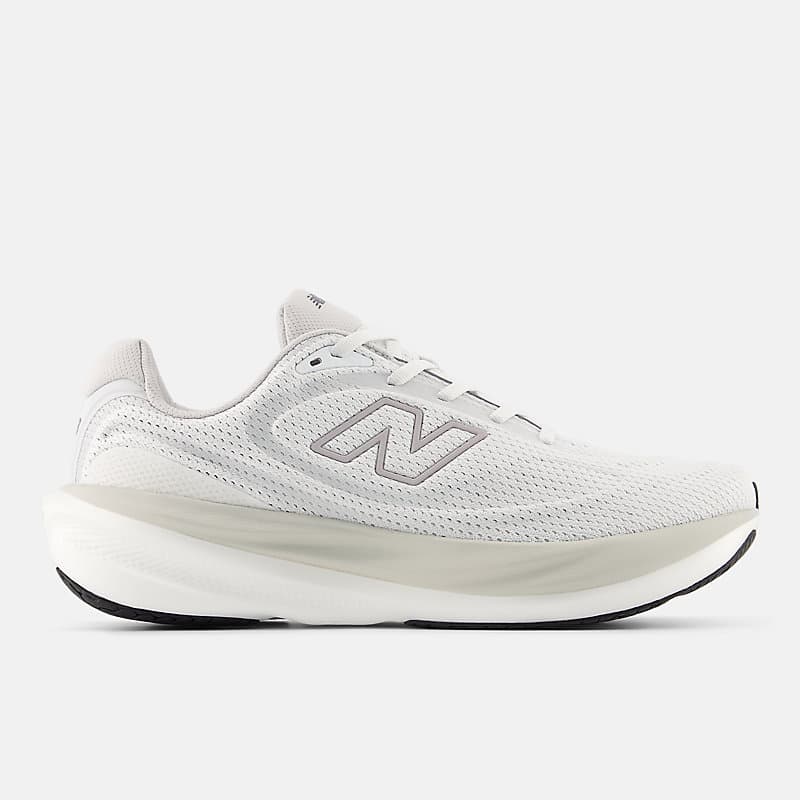
What Kind of Running Shoe Do Your Miles Actually Need?
A carbon plate is the wrong first question. Daily trainer vs max-cushion vs stability vs race-day super shoe is the job. Then shop Gavler's live ranking.
Superblast 3 vs Vomero 18 vs Novablast 6: The Best Daily Trainer of 2026 Costs $155, and It Isn't the Nike
Three shoes dominate every 2026 daily-trainer list: one's a recovery shoe in a trainer's badge, one costs $55 too much, one spec sheet won't survive a caliper.
The $500 Running Shoe Is Not the Fastest One. A $300 Shoe Is Lighter, and a $170 Shoe Is the Smart Buy.
Adidas broke the super-shoe price ceiling at $500. Every outlet that tested it says buy cheaper — and the lab data says the benefit was never about price.
The Best Running Shoes in 2026, Ranked by Runners Who Actually Race Them
Nike, Asics, Hoka, Saucony. Gavler's running community ranks the shoes worth lacing — from $140 daily trainers to $285 marathon weapons.