The Best Portrait Lenses in 2026, Ranked by the Photographers Who Shoot Faces for a Living
Canon, Nikon, Sony, and Sigma's fastest 50mm, 85mm, and 135mm primes — Gavler's community ranks the portrait lenses worth the money, from $1,199 to $2,799.
The body you shoot portraits on barely matters. The lens is what decides whether a face looks like a snapshot or a photograph — how the eyes render, how the background falls away, how skin tone lands. It is the one purchase in a portrait kit worth agonizing over, and in 2026 the choices have never been better, or more expensive.
The headline story is an arms race Canon and Nikon are fighting alone. Both now build an 85mm f/1.2 — the widest aperture a portrait lens realistically needs — and both weigh about 1.2kg and cost close to $2,800. Sony declined to enter: its fastest standard prime is a 50mm f/1.2, and at 85mm it stops at f/1.4. Whether that missing third of a stop matters is the question this list exists to answer.
Gavler's community has ranked ten portrait primes across every full-frame system and three focal lengths — the 50mm environmental portrait, the 85mm classic, and the 135mm compressed headshot. The picks below come from our Best Portrait Lenses ranking, part of a wider set of community lens lists that also covers standard zooms, telephoto zooms, and wide-angle primes.
How the Rankings Work
One vote per person on the Best Portrait Lenses list. The question is simple: which lens would you mount for tomorrow's headshot session, wedding, or family sitting? Because the list spans systems and focal lengths, a $1,199 Sigma and a $2,799 Nikkor compete on the same page — judged not on MTF charts but on the images working portrait shooters actually come home with. No affiliate commissions or manufacturer sponsorships move the order.
The Top Picks
Sony FE 85mm f/1.4 GM II — The Working Portrait Lens
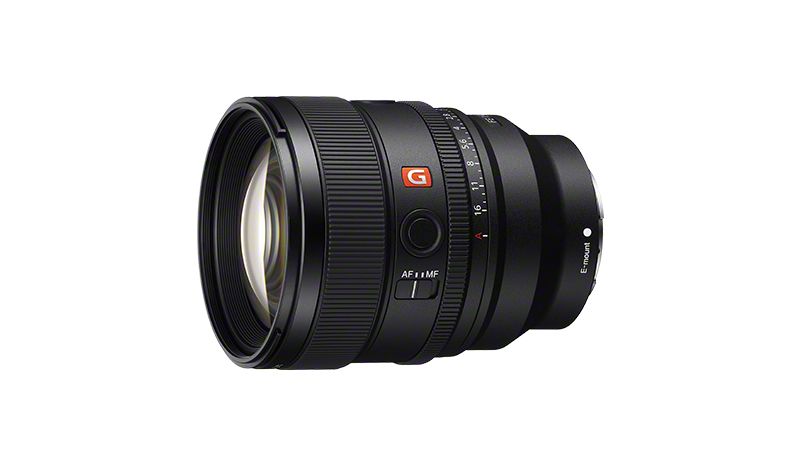
Sony FE 85mm f/1.4 GM II
About 20% lighter than the original GM with faster, quieter AF. The portrait prime that shows up at every wedding and headshot session.
Amazon affiliate · price subject to change
The lens that shows up at more weddings than any other, and the community's number one for a reason that has nothing to do with spec-sheet bragging rights. The Mark II shed roughly half a pound over the original GM, which is the difference between a lens you shoot all day and one you set down between setups. Autofocus is faster and quieter, the rendering is classic 85mm — flattering, three-dimensional, clean — and at $1,798 it undercuts both f/1.2 rivals by nearly a thousand dollars. Sony bet that portrait shooters would rather have f/1.4 they can carry than f/1.2 they resent. The votes agree: a 9.7 score, the highest on the list.
Canon RF 85mm f/1.2L USM — Canon's Statement Piece
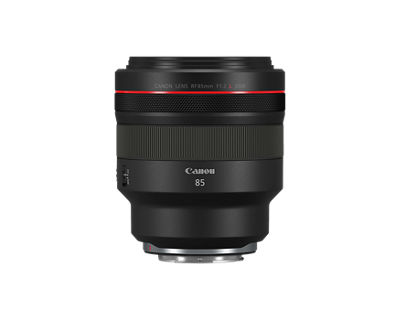
Canon RF 85mm f/1.2L USM
Canon's portrait flagship. Optically corrected to a degree EF never reached, with bokeh that defines the modern wedding look.
Amazon affiliate · price subject to change
This is the lens Canon built to prove the RF mount was worth switching systems for, and optically it delivers. DPReview found sharpness "already superb at F1.2, right up to the edges of the frame," with out-of-focus areas that render "beautifully" and roll off with "a heavy creaminess." BR optics erase the color fringing that plagued the old EF 85mm f/1.2. The cost is real: 1,195 grams, no stabilization, and a price near $2,700. This is a specialist — a wedding and fine-art lens you commit to, not a walkaround. But for the Canon shooter who wants the definitive portrait look, nothing else in the RF lineup renders like it.
Nikon Z 85mm f/1.2 S — The Optical Record-Holder
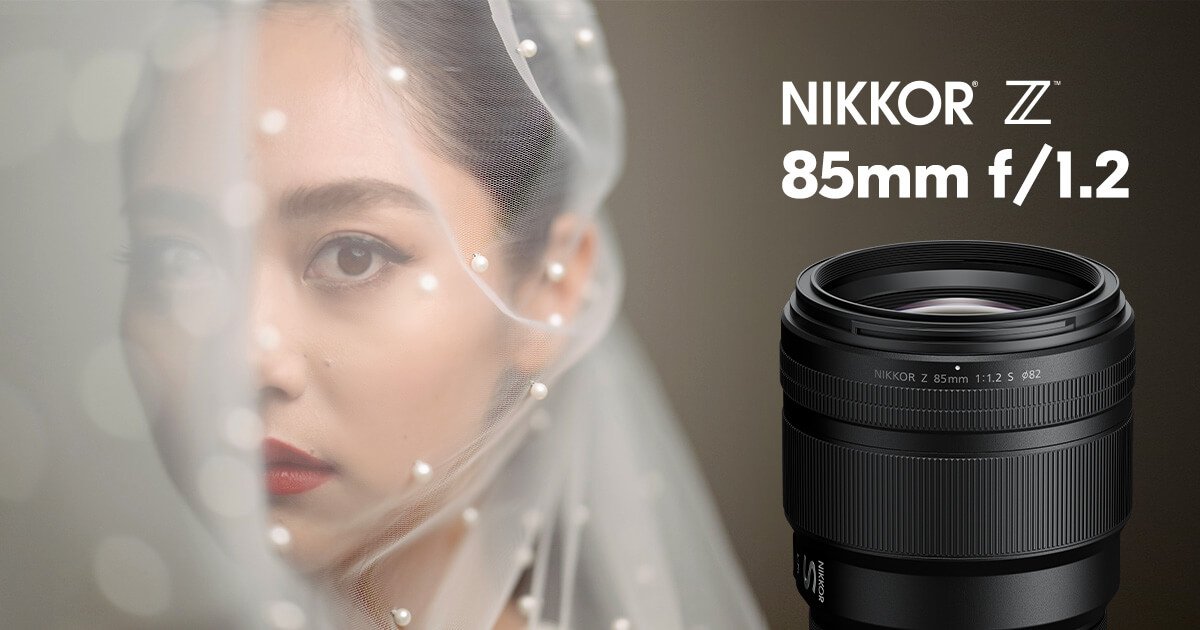
Nikon Z 85mm f/1.2 S
Nikon's S-line portrait monster. Sharper than the F-mount classic with a rendering that rivals the Canon RF L for half the polarizing reviews.
Amazon affiliate · price subject to change
When DxOMark tested this lens it posted "the highest score in our database for any lens regardless of focal length." That is the headline, and it is earned — the Z 85mm f/1.2 S is about as close to optically perfect as an 85mm gets, with an 11-blade aperture that renders backgrounds Nikon shooters describe as painterly. It is also, at over a kilogram and near $2,800, the heaviest and most expensive way to shoot a face. DxOMark's own verdict: "a pricey proposition, but its optical quality can't be denied." If you shoot Nikon and image quality is the only axis that matters, this is the ceiling.
Canon RF 50mm f/1.2L USM — The 50mm Statement
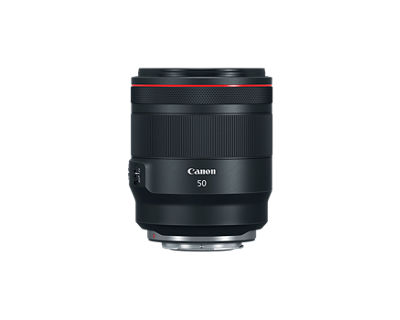
Canon RF 50mm f/1.2L USM
Canon's optical statement. Razor-thin depth of field, perfect rendering wide-open, and the kind of subject separation that defines a portrait look.
Amazon affiliate · price subject to change
Not everyone frames portraits at 85mm. The 50mm gives you the subject and the room they are standing in — environmental portraits, editorial, the context a tight headshot throws away. Canon's RF 50mm f/1.2L is the most-praised way to shoot that focal length wide open, with a bokeh reviewers reach for the word "painterly" to describe. At 950 grams and $2,299 it is heavy and expensive for a "nifty fifty," and f/1.2 demands precise focus technique. But paired with the 85mm, it is half of the classic two-lens portrait kit.
Sony FE 50mm f/1.2 GM — The Lightest f/1.2 Made
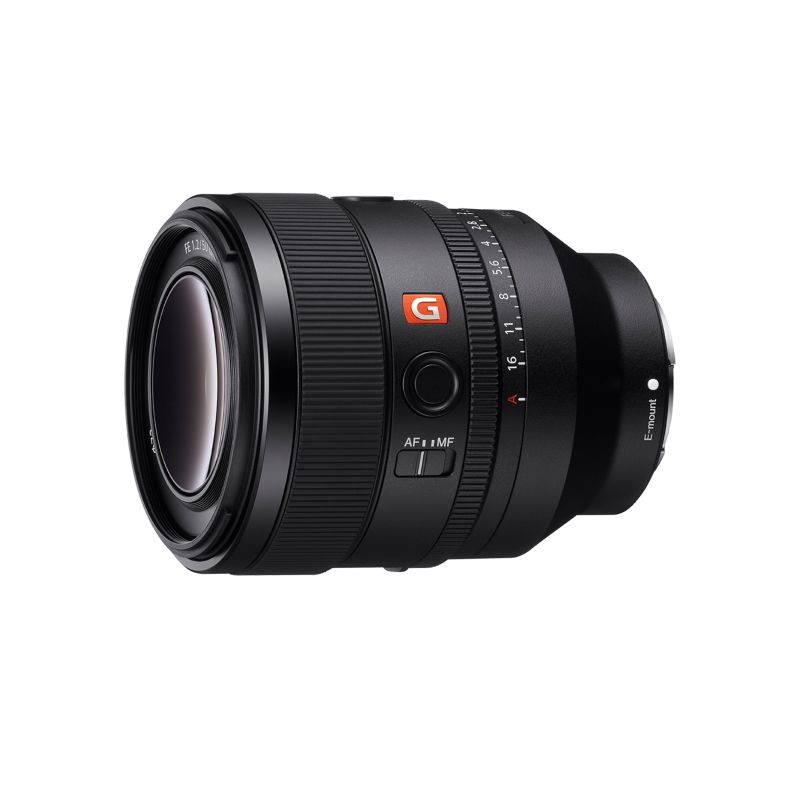
Sony FE 50mm f/1.2 GM
Sony's first f/1.2 G Master. Surprisingly compact, weather-sealed, and sharp wide-open in a way the Canon and Nikon equivalents rarely match.
Amazon affiliate · price subject to change
Sony's one entry in the f/1.2 club, and the cleverest engineering on this list. At 778 grams it is dramatically lighter than Canon's or Nikon's f/1.2 primes, yet OpticalLimits found it "extremely sharp in the image center at f/1.2 already" and "almost mindblowingly sharp" stopped down a touch. The trade-offs are honest: some longitudinal color fringing wide open, and a $1,998 price OpticalLimits flatly calls "quite an entry hurdle." But if you shoot Sony and want the fastest normal prime without the f/1.2 weight penalty, this is the only one that fits the description.
Nikon Z 135mm f/1.8 S Plena — The Headshot Specialist
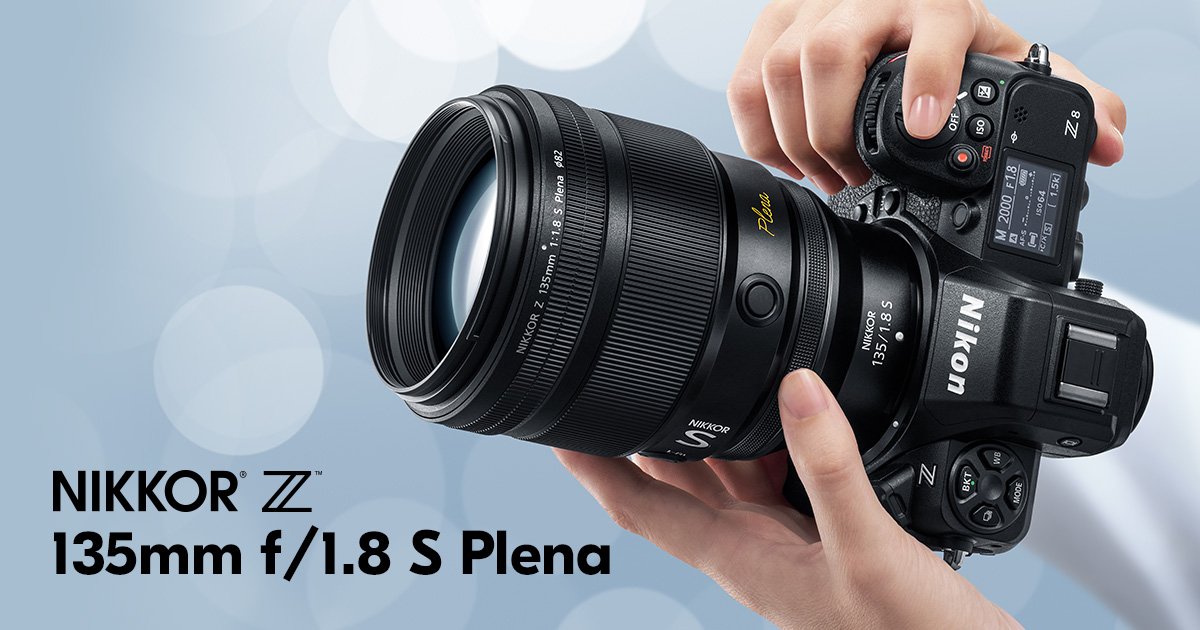
Nikon Z 135mm f/1.8 S Plena
A modern Plena with edge-to-edge bokeh circles. Nikon's most-praised S-line release — the headshot lens that justifies the Z system on its own.
Amazon affiliate · price subject to change
The 135mm is the portrait focal length most people never try and the one that flatters faces most — long enough to compress features gently, with a working distance that puts subjects at ease. The Plena is the best modern example. Photography Life measured "the sharpest corners of any lens that we have reviewed yet" and "record-breaking" low vignetting for an f/1.8, and its signature is bokeh circles that stay perfectly round to the edge of the frame instead of smearing into cat's-eyes. The one caveat, per Photography Life: it is "optimized for focus accuracy rather than focus speed," so it is a deliberate-portrait lens, not a sports lens.
Sigma 85mm f/1.4 DG DN Art — The Value Answer
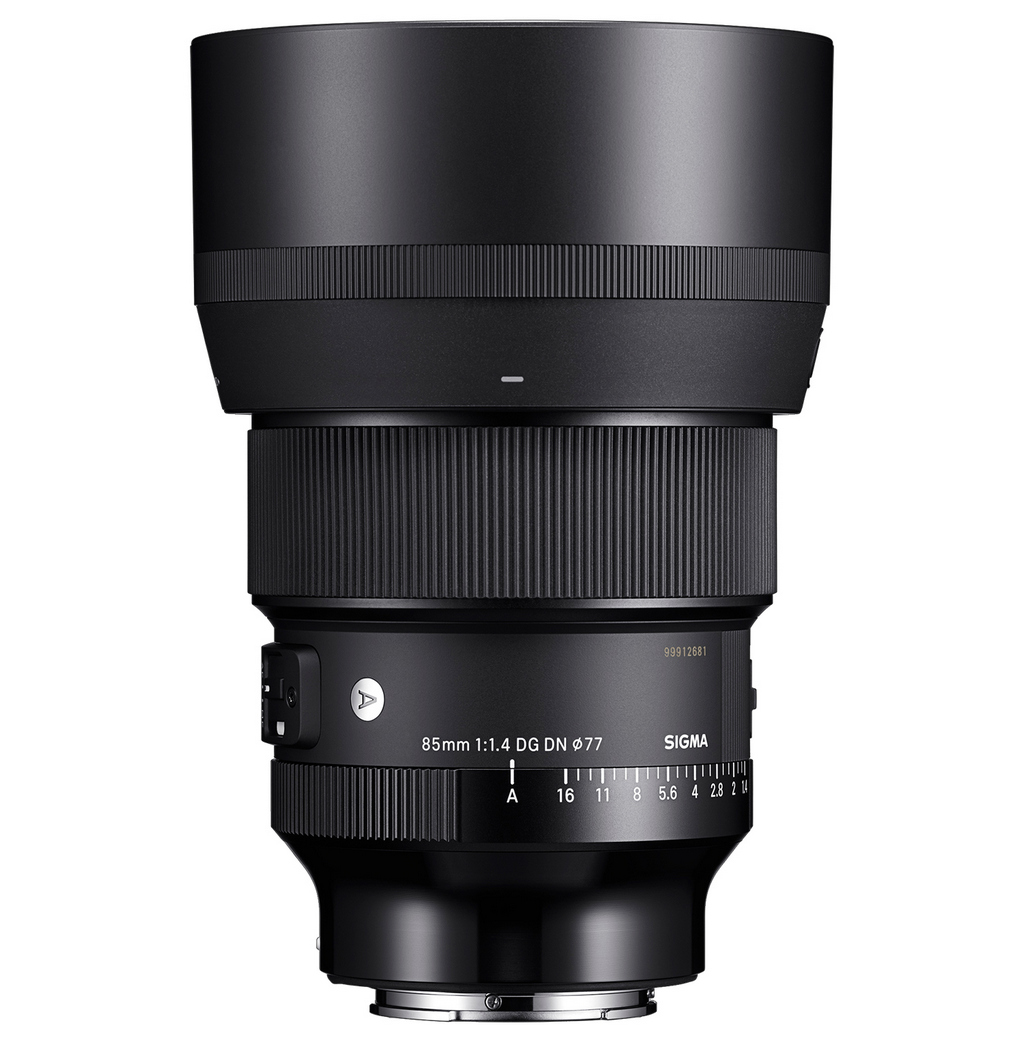
Sigma 85mm f/1.4 DG DN Art
Sigma's mirrorless redesign drops weight and gains AF speed. Best-in-class portrait optics under $1,200 across E-mount and L-mount.
Amazon affiliate · price subject to change
Here is the lens that makes the f/1.2 primes hard to justify. DxOMark, testing the $2,799 Nikon f/1.2, noted the far cheaper Sigma is "practically as sharp in the center wide-open and has slightly better mid- and outer-field sharpness." Sigma's mirrorless redesign dropped 500 grams over the DSLR-era Art — down to 625 grams — while Digital Camera World calls the result "a star performer" with "superb sharpness" and "beautiful bokeh." You give up two-thirds of a stop of light and some extreme-corner polish. You save well over a thousand dollars. For most portrait shooters, that is the smart trade.
How to Choose a Focal Length
If you can only buy one portrait lens, buy an 85mm — it is the classic for a reason, flattering and versatile enough for headshots, weddings, and half-body work. Reach for a 50mm if you shoot environmental portraits or work in tight spaces where 85mm forces you against the far wall. Step up to a 135mm when you want the most flattering compression and can control your distance — studio headshots, posed sessions, anything deliberate. And if the f/1.2 flagships are out of budget, the honest truth is that a great f/1.4 like the Sigma or the Sony gives up almost nothing that shows up in a print.
Where They Rank
The full community order, vote counts, and every focal length live on the Best Portrait Lenses list, where you can filter by best bokeh, best for weddings, and best value — and cast your own vote. Architecture first — 50mm vs 85mm vs 135mm, then f/1.2 vs f/1.4 — is the portrait-lens buying guide. The rest of a wedding day is a zoom: f/2.8 vs f/4 in the standard-zoom buying guide. Sideline and wildlife reach is 70-200 vs 500–600 in the telephoto-zoom buying guide. Street, astro, and environmental width is 35 vs 24 vs 20 in the wide-angle buying guide. For the wider view across zooms and primes, see our Best Camera Lenses in 2026 roundup.
See all 10 products ranked by the community
Best Portrait Lenses
See Full Rankings →274 community votes cast
Common Questions
Gavler's community ranks the Sony FE 85mm f/1.4 GM II first, with a 9.7 score. It wins not on the widest aperture — Canon's and Nikon's 85mm f/1.2 primes open a third of a stop brighter — but on the balance working shooters actually want: classic 85mm rendering, fast quiet autofocus, and a weight you can carry through a full wedding day, all for $1,798, nearly a thousand dollars less than the f/1.2 flagships. If you shoot Canon or Nikon, the equivalent top pick is that brand's own 85mm — the RF 85mm f/1.2L USM or the Z 85mm f/1.2 S, both optically superb but heavier and pricier.
Optically they are two of the best lenses ever made, and the differences are small. Nikon's Z 85mm f/1.2 S holds the highest score in DxOMark's entire lens database, edging the Canon on measured sharpness with a rendering reviewers call painterly. Canon's RF 85mm f/1.2L USM is a hair lighter and shorter in the hand, and its BR optics deliver equally clean results with slightly warmer color. Both cost near $2,700 to $2,800, both lack stabilization, and both weigh about 1.2kg. The honest answer: buy whichever matches the system you already own. Neither is worth switching brands for.
For most shooters, yes. When DxOMark tested the $2,799 Nikon Z 85mm f/1.2 S, it noted the far cheaper Sigma 85mm f/1.4 DG DN Art is 'practically as sharp in the center wide-open and has slightly better mid- and outer-field sharpness.' The Sigma weighs 625 grams — less than half what the f/1.2 primes weigh — costs around $1,199, and comes in both Sony E and L-mount. You give up two-thirds of a stop of light and a little extreme-corner and vignetting performance. Unless you specifically need f/1.2 for the shallowest possible depth of field or the last drop of low-light speed, the Sigma is the smarter buy.
85mm is the classic and the right first portrait lens for most people: flattering facial compression, a comfortable working distance, and enough versatility for headshots, half-body, and weddings. Choose 50mm for environmental portraits — the subject plus the room they're in — or when you shoot in spaces too tight for 85mm. Step up to 135mm for the most flattering compression on posed and studio headshots, where you can control your distance; it isolates a face beautifully but needs room to back up. Many portrait shooters end up owning an 85mm and adding a 50mm or a 135mm depending on their style.
You do not need f/1.2. The wider aperture buys two things over f/1.4: a sliver more subject-background separation and about a third of a stop of low-light speed. Both are real, and neither is essential. A great f/1.4 like the Sigma 85mm DG DN Art or the Sony FE 85mm GM II — or even a sharp f/1.8 — produces portraits that look identical in a print to all but the most trained eye, at a fraction of the weight and cost. Buy f/1.2 if you are a professional chasing a specific rendering or shoot in very low light; otherwise f/1.4 is the sweet spot.
The Sony FE 85mm f/1.4 GM II is the community's wedding favorite, and its logic is sound: a wedding is a long day on your feet, and the Mark II is light enough to shoot from prep to reception without fatigue, with autofocus fast enough for first-dance chaos. Canon and Nikon shooters lean on their own 85mm primes — the RF 85mm f/1.2L or Z 85mm f/1.2 S for ceremony portraits — though many pros pair a lighter f/1.4 for the candid hours. The one rule most wedding shooters agree on: an 85mm and a fast standard zoom cover most of the day.
The Sigma 85mm f/1.4 DG DN Art at around $1,199 is the value pick that keeps the f/1.2 flagships honest — DxOMark rates its center sharpness on par with the $2,799 Nikon f/1.2. If you want to spend less still, every system's f/1.8 portrait primes — Sony's FE 85mm f/1.8, Nikon's Z 85mm f/1.8 S, Canon's RF 85mm f/2 — deliver most of the look for a third of the price, and are the honest starting point for anyone new to portraiture. A well-chosen f/1.4 or f/1.8 always beats stretching for a mediocre lens.
Products Mentioned
Jump to the full ranking and community verdict for each pick named above.