Sigma 85mm f/1.2: Don't Buy a Portrait Lens Until You See This!
Tony & Chelsea Northrup
About 20% lighter than the original GM with faster, quieter AF. The portrait prime that shows up at every wedding and headshot session.
Gavler Meta-Score
“The GM II is what the original 85mm GM should have been: light enough to use all day, fast enough to track faces reliably, and optically flawless at f/1.4. For Sony portrait photographers, there is no better option. The weight reduction alone makes this an essential upgrade from the Mark I.”
The Gavler Verdict
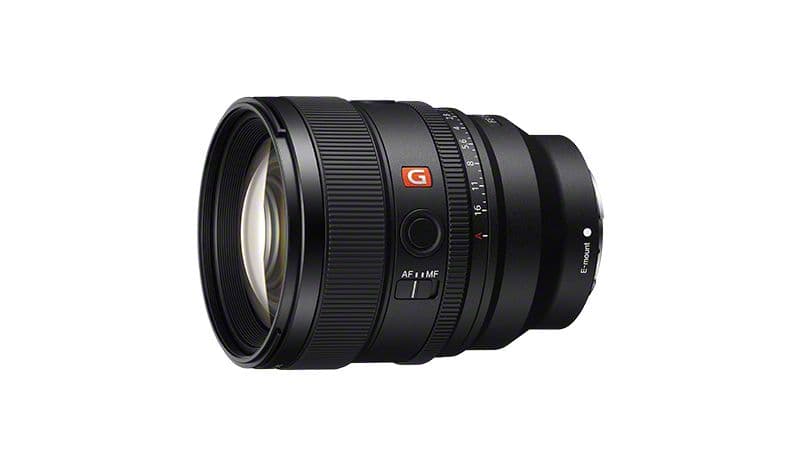
Sony FE 85mm f/1.4 GM II Review: Lighter, Faster, and Almost Universally Better
The Sony FE 85mm f/1.4 GM II ranks sixth on Gavler's Best Camera Lenses list with a 9.0, and it earns that rank by fixing the two things portrait photographers actually complained about in the original: weight and autofocus speed. Amateur Photographer measured the difference directly — "13% smaller and 20% lighter than its predecessor" — with AF that "locks onto subjects very quickly, even in low light, and is as close to silent as possible." Buy it if you shoot full days of weddings or headshots and want GM-level rendering without GM-level fatigue. The one honest caveat: at least one respected reviewer, after extensive side-by-side testing, still prefers the original's bokeh and isn't switching.
The GM II is the lens Sony's portrait shooters overwhelmingly reach for when image quality outweighs versatility. The redesign cut weight by roughly 20% — from 820g to 642g — and shortened the barrel by 13%, transforming an optic that used to cause real fatigue on full-day shoots into one that handles comfortably. Two XD linear motors replace the original's ring-type motor, and they're not just faster — Sony claims up to 3x faster autofocus and 7x faster subject tracking — they're close to silent, which matters as much for video work as for stills, since AF motor noise no longer bleeds into on-camera audio.
The optical formula produces the rendering GM lenses are known for: tack-sharp on the plane of focus, with backgrounds dissolving into smooth, three-dimensional blur. The 11-blade circular aperture holds that quality even stopped down to f/2 or f/2.8, apertures many portrait photographers prefer for slightly more depth of field while keeping strong subject separation. Close focus improved to 0.85m over the original, though it still limits frame-filling headshots — photographers who want extreme close crops need to step back further than they might like.
Every review circles back to the same conclusion: this is a meaningfully easier lens to live with than its predecessor, without giving up the sharpness that made the original a benchmark. DPReview's hands-on found it "smaller, lighter and faster than its predecessor, with a new autofocus motor and updated coatings that cut flare and ghosting" — the coating upgrade matters specifically for backlit golden-hour portraits, where flare has always been the tax paid for shooting into the light for a flattering rim.
But the most useful perspective comes from BastianK's exhaustive comparison at phillipreeve.net, who tested the GM II directly against the original Mark I across sharpness, coma, vignetting, chromatic aberration, and — the part that matters most for a portrait lens — bokeh rendering. His technical verdict favored the GM II on nearly every measurable axis: better contrast, better resolution, better aberration correction, all in a 20% lighter package. And yet his personal conclusion broke the other way: "for me personally, different is not better here... I prefered the [Mark I's] bokeh, simple as that." He noted the faster AF "might be helpful if I was shooting sports with an 85mm 1.4 lens, but I am not," and ultimately decided not to make the roughly $1,400 swap himself. It's a genuinely useful data point — the lab numbers all point one direction, but bokeh character is subjective enough that a careful, technically fluent reviewer can still land on the older lens.
On the same Best Camera Lenses list, the Tamron 28-75mm f/2.8 Di III VXD G2 sits one rank below at number seven — a completely different tool, a standard zoom rather than a portrait prime, but it illustrates the same value question from the other direction: Dustin Abbott called the Tamron "a professional-grade lens in basically every detail" at a fraction of GM pricing, which is worth remembering if $1,798 is more than your portrait work needs to spend. For photographers fully committed to the 85mm portrait focal length specifically, though, nothing on Sony's E-mount roster currently beats the GM II's combination of speed, weight, and rendering.
A 9.0 that reflects broad agreement: the weight cut and AF speed genuinely transform how usable this lens is across a full shoot day, and the $1,798 price is considered fair for what you get. The one dissenting note worth taking seriously is bokeh character — phillipreeve.net's direct comparison found the original's rendering more to his taste, personal preference over lab numbers. For most Sony portrait shooters, especially anyone upgrading from a non-GM 85mm, the GM II is the easy, essential recommendation. For Mark I owners deciding whether to switch purely for the sake of switching, it's worth handling both before spending the $1,400 difference.
For working portrait and wedding photographers on Sony bodies, yes. It ranks sixth on Gavler's Best Camera Lenses list with a 9.0, and Amateur Photographer noted it's '13% smaller and 20% lighter than its predecessor,' with autofocus that 'locks onto subjects very quickly, even in low light, and is as close to silent as possible.' At 642 grams and $1,798, it trades a small amount of the original's signature bokeh character for a lens you can carry and shoot all day.
Only if speed, weight, and silent autofocus matter more to you than a specific bokeh look. Reviewer BastianK at phillipreeve.net, after direct side-by-side testing, found he personally preferred the Mark I's bokeh rendering and chose to keep it rather than pay to switch — a useful reminder that 'better on paper' and 'better for your eye' aren't always the same lens.
Buy the GM II if image quality and background rendering are central to your work and you can absorb the $1,798 price. Buy the 85mm f/1.8 if you need a lighter, far more affordable 85mm for travel or casual portrait work and can live with less overall polish at f/1.4.
Prices checked regularly
90-day price history
Steady at $1,798 for the entire 90-day tracking window — no increases, no discounts, across 91 tracked days.
Tracked daily across retailers. Vote Want itabove and we’ll alert you the moment the price drops.
Some links are affiliate links — Gavler may earn a commission. This never affects rankings or scores. Learn more.
Tack-sharp at f/1.4 with smooth, three-dimensional bokeh — the rendering that defines Sony's G Master portrait look.
Roughly 20% lighter and 13% shorter than the 820g original GM — comfortable for full-day wedding and event shoots.
Two XD linear motors deliver fast, precise, and virtually silent autofocus for both stills and video.
Experts and community agree: the weight reduction and improved AF make the GM II a transformative upgrade. The $1,798 price is considered fair for the optical quality, though some photographers prefer the more affordable Sony 85mm f/1.8.
Do you think Sony FE 85mm f/1.4 GM II deserves the #6 spot in Best Camera Lenses?
“13% smaller and 20% lighter than its predecessor; it locks onto subjects very quickly, even in low light, and is as close to silent as possible — great for video.”
“Smaller, sharper, speedier — the Mark II improves on the original in the ways portrait shooters care about most.”
“Smaller, lighter and faster than its predecessor, with a new autofocus motor and updated coatings that cut flare and ghosting.”
Watch
Hand-picked from creators we trust — playable inline.
Sigma 85mm f/1.2: Don't Buy a Portrait Lens Until You See This!
Sigma’s 85mm F1.2 for Sony and L-mount portrait photographers is here and costs $1599
See how other top picks compare in this category.