The Best Cinema Cameras in 2026, Ranked by the Filmmakers Who Shoot Them
From a $1,795 Blackmagic Pocket 6K to a 12K full-frame flagship, Gavler's community ranks the cinema cameras worth buying in 2026.
For most of the history of filmmaking, there was a hard line between the image you could afford and the image you wanted. "Cinema" meant a five- or six-figure body from ARRI, RED, or Sony, plus a rental house and a crew to carry it. Everyone else shot on something that looked like a compromise. In 2026, that line has all but disappeared. You can now buy a full-frame 12K cinema camera for under fifteen thousand dollars, a genuine RED RAW workflow for under ten, and a body that produces Netflix-grade footage for $1,795. The question is no longer whether you can afford a cinematic image — it is which of these cameras fits the way you actually work.
Late May into June is also one of the better windows to buy. Memorial Day sales are live at B&H, Adorama, and Amazon, the stretch toward Father's Day is when retailers discount bodies and bundle accessories, and it is the front edge of summer wedding-video and event season. Gavler's community has ranked ten cinema cameras — from run-and-gun mirrorless-style bodies to full-blown PL-mount flagships — by lived experience on set. The picks below pull from the live Best Cinema Cameras list.
How the Rankings Work
One vote per person on the Best Cinema Cameras list. The instruction is simple: pick the camera you would put on set for tomorrow's shoot — the run-and-gun body you trust for a documentary, the value pick that got you into RAW, or the flagship you would rent for a narrative feature. Because the list spans price classes and form factors, a $1,795 Super 35 body and a $14,995 full-frame 12K flagship compete on the same page, judged by the same question: which camera do working filmmakers actually reach for? The result is a ranking built on use, not ad spend.
The Top Picks
Sony FX3 — The Run-and-Gun Standard
Sony FX3
Full-frame cinema in a compact, run-and-gun body. S-Cinetone color, dual base ISO, and 4K/120p make it the indie filmmaker's default.
Amazon affiliate · price subject to change
The FX3 proved that full-frame cinema no longer requires a shoulder rig and a focus puller. At 715g with active cooling, a tally light, and XLR audio through the included handle, it slots onto a gimbal or into a one-person doc kit, yet it carries Sony's S-Cinetone color from the Venice line, dual base ISO at 800 and 12,800, and internal 4K/120p in 10-bit. Its autofocus is arguably the best in any cinema camera at any price. The only real compromise is the absence of internal ND filters, so daylight exteriors need a variable ND. A 9.6 score puts it first.
Blackmagic Pocket Cinema Camera 6K G2 — The Value Benchmark
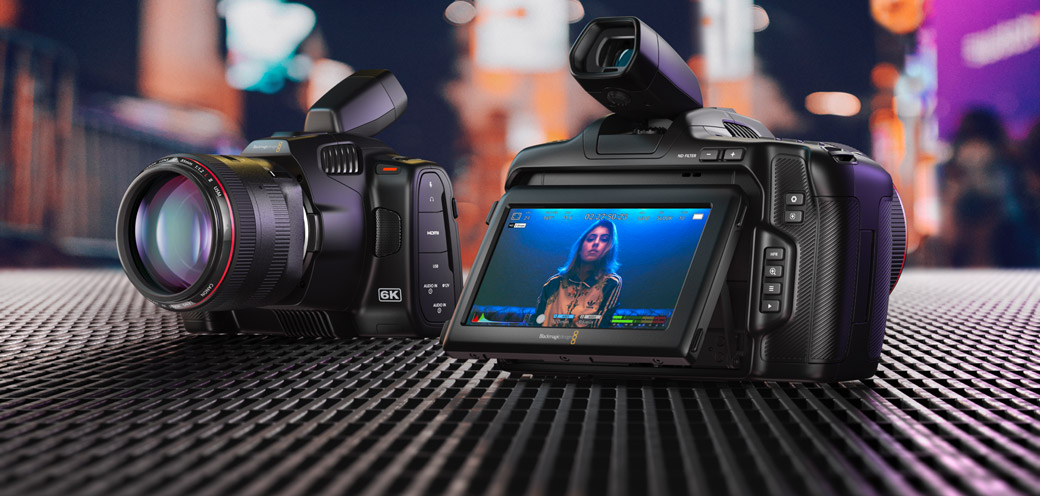
Blackmagic Pocket Cinema Camera 6K G2
Super 35 sensor, 13 stops of dynamic range, internal Blackmagic RAW, and a free copy of DaVinci Resolve Studio. Unmatched value in cinema.
Amazon affiliate · price subject to change
For under two thousand dollars, the BMPCC 6K G2 hands you a Super 35 sensor recording 6K Blackmagic RAW internally, 13 stops of dynamic range, and a free license of DaVinci Resolve Studio — the suite professional colorists grade features in. The G2 added a bigger battery, a tilt HDR screen, and a refined OLPF, and the EF mount opens up decades of affordable glass. The catches are workflow, not image: contrast-detect autofocus is reliable only for static subjects, and the internal battery runs about 45 minutes. If you light and focus manually, nothing this cheap looks this cinematic. A 9.4 score.
Canon EOS C70 — The RF-Mount Cinema Bridge
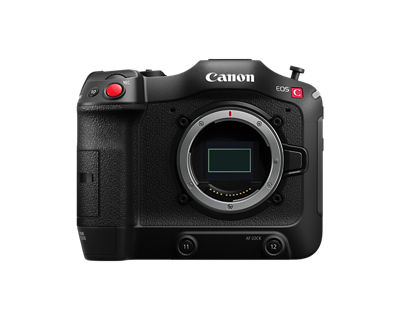
Canon EOS C70
Super 35 cinema sensor in an RF-mount body with built-in NDs and Dual Pixel AF. The most accessible C-series cinema camera Canon has made.
Amazon affiliate · price subject to change
The C70 drops the praised Super 35 Dual Gain Output sensor from the C300 Mark III into an RF-mount body, so the entire modern Canon RF lens lineup mounts natively with no adapter tax. Built-in electronic ND from 2 to 10 stops solves the daylight-exposure headache, Dual Pixel CMOS AF II tracks subjects reliably for documentary work, and Cinema RAW Light plus Canon Log 2 give colorists 16-plus stops to work with. Two mini-XLR inputs handle pro audio without preamps. For Canon RF shooters stepping into dedicated cinema, it is the obvious move. A 9.2 score at $5,499.
Sony FX6 — The Documentary Workhorse
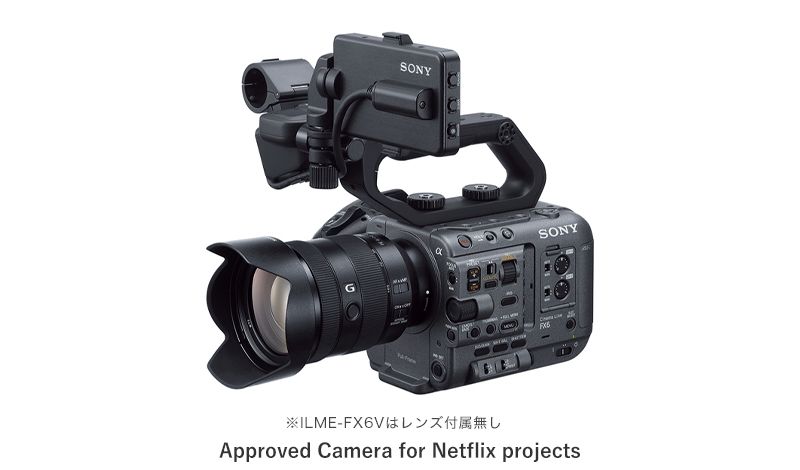
Sony FX6
Full-frame Super 35 cinema with dual base ISO, internal NDs, and the same color science as the FX9. The documentary and event shooter's workhorse.
Amazon affiliate · price subject to change
The FX6 is the professional's FX3: the same Venice-derived color and dual base ISO, plus the things a paid shoot demands. A built-in electronic variable ND adjusts from 1/4 to 1/128 so you can hold your aperture in any light, a detachable smart grip with zoom and record controls enables true single-operator shooting, and active cooling allows unlimited recording across long days. It records 4K/120p internally and outputs 16-bit RAW over HDMI. At $5,999 it is a real investment, but it replaces an entire rig of external NDs and adapters. A 9.1 score.
RED Komodo-X — The Global-Shutter Cube
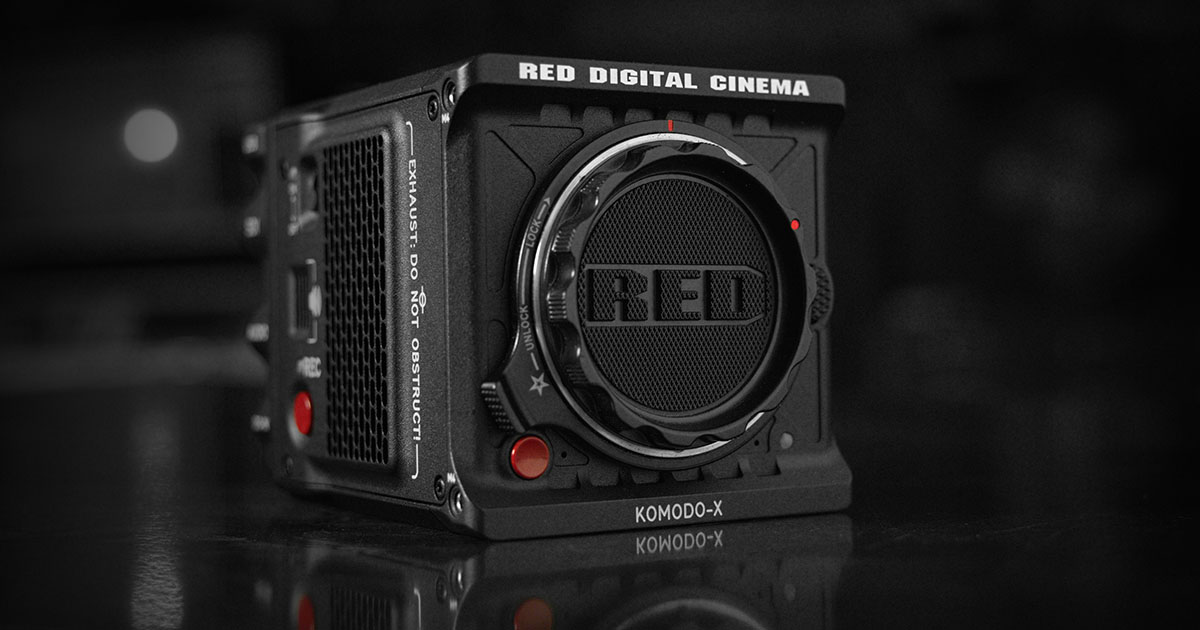
RED Komodo-X
6K global-shutter Super 35 sensor in a cube body. Genuine RED RAW workflow at the lowest price point RED has ever offered.
The Komodo-X is the camera that brought genuine REDCODE RAW within reach of independent budgets. Its 6K Super 35 sensor uses a global shutter that eliminates rolling-shutter skew entirely, so fast pans, whip-tilts, and handheld action stay clean — motion clarity that used to cost upward of thirty thousand dollars. The minimal cube body is a modular platform: monitor, handle, power, and audio all attach via a cage, so it rigs equally well on a Steadicam, in a drone, or on a studio tripod. At $9,995 the body is the entry point to a workflow studios actively prefer. A 9.0 score.
Blackmagic URSA Cine 12K LF — The Resolution Flagship
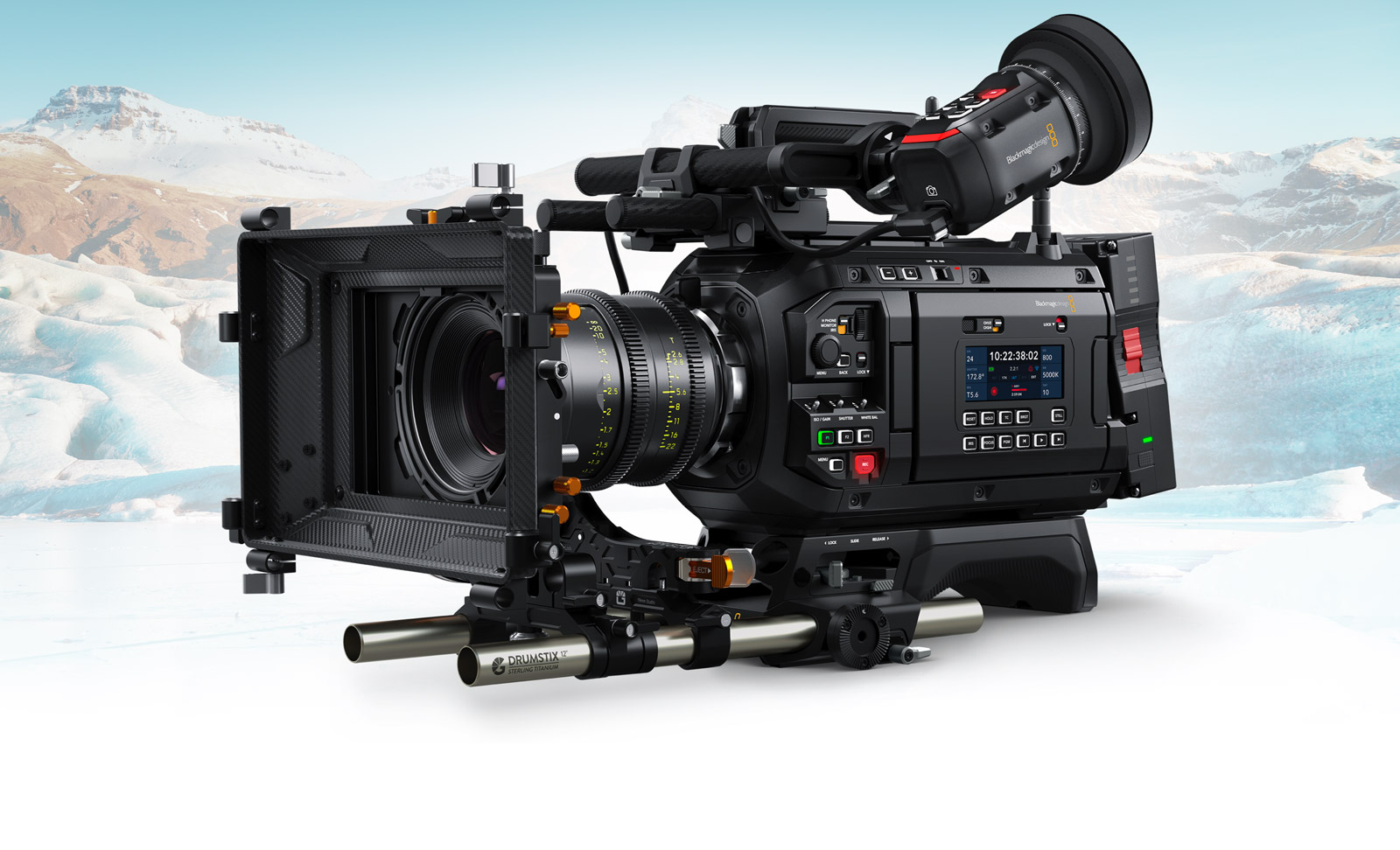
Blackmagic URSA Cine 12K LF
Full-frame 12K sensor with 16 stops of dynamic range and Blackmagic RAW. A cinema flagship at a fraction of competitor pricing.
The URSA Cine 12K LF is Blackmagic's statement that resolution supremacy no longer needs a six-figure budget. The full-frame 12,288 x 6,480 sensor captures 16 stops of dynamic range and allows unlimited reframing inside a 4K or 8K timeline, paired with a full PL mount, an integrated 7-inch HDR touchscreen, and high-speed Blackmagic Media drives. At $14,995 it undercuts comparable large-format flagships from ARRI and Sony — which run $55,000 to $65,000 — by a staggering margin. The trade-off is ecosystem maturity: rental-house presence and accessories are still being built out. An 8.9 score.
Canon EOS C400 — The Triple-Base-ISO Hybrid
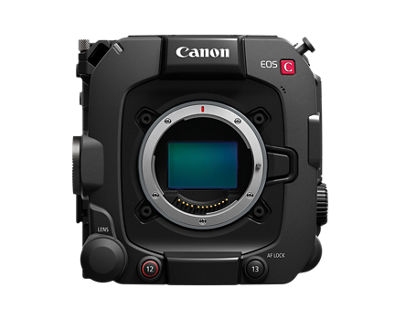
Canon EOS C400
Full-frame 6K cinema with triple base ISO and PL/EF/RF mount flexibility. Canon's modern hybrid for narrative and broadcast work.
Amazon affiliate · price subject to change
The C400 is Canon's most technically ambitious cinema camera, and its headline feature is one no competitor matches: triple base ISO at 800, 3200, and 12,800, each a genuine noise floor rather than a pushed gain stage. That delivers clean, production-ready footage from controlled studios to near-dark interiors. The full-frame 6K sensor oversamples to detailed 4K, the RF mount is field-swappable to PL or EF for rental flexibility, and Dual Pixel CMOS AF II is the best autofocus in any Cinema EOS body. Built-in NDs and 12G-SDI round it out. At $7,999, an 8.8 score.
Panasonic Lumix BS1H — The Box for Rigs and Multi-Cam
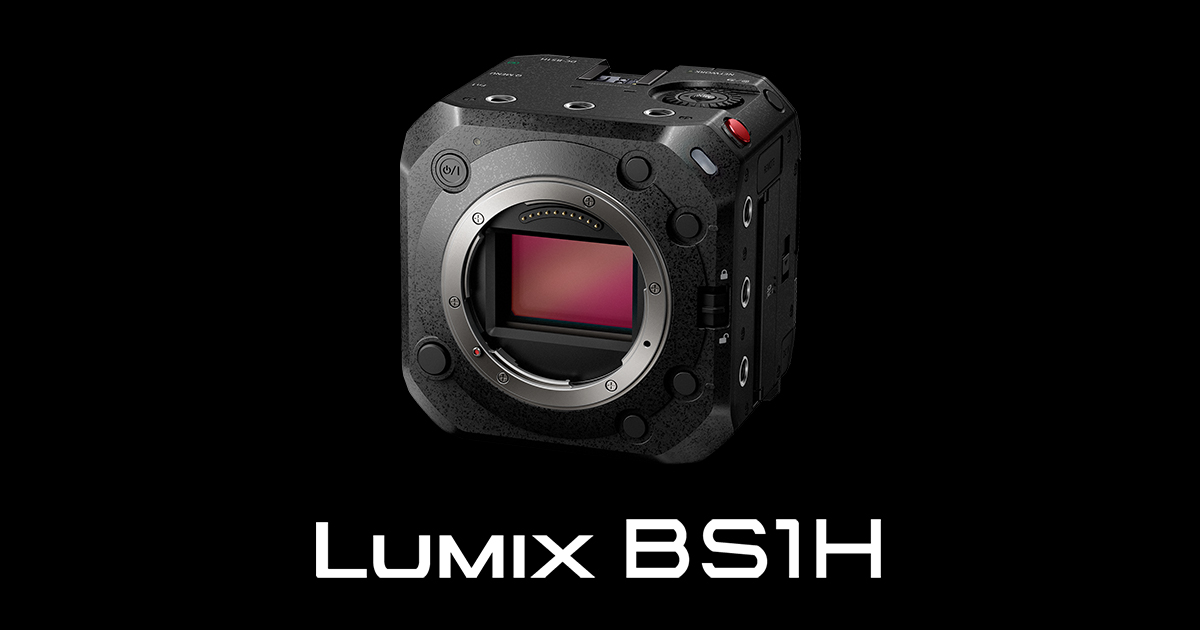
Panasonic Lumix BS1H
Box-style full-frame cinema with unlimited 6K recording and V-Log. Built for gimbals, drones, and multi-cam setups.
Amazon affiliate · price subject to change
The BS1H takes the Netflix-approved full-frame sensor of the S1H and repackages it as a 94 x 93 x 84mm cube built to be rigged rather than held. It records 6K/24p and 5.9K/30p internally with V-Log and V-Gamut from Panasonic's VariCam line, runs unlimited with no thermal cutoff, and mounts in any orientation — gimbals, drones, inverted ceiling rigs, live-stream and multi-cam setups. There is no EVF or flip screen by design; monitoring is over HDMI or SDI. For full-frame cinema in unusual mounting positions, nothing else does it at $3,498. An 8.6 score.
Z CAM E2-F6 — The Builder's Camera
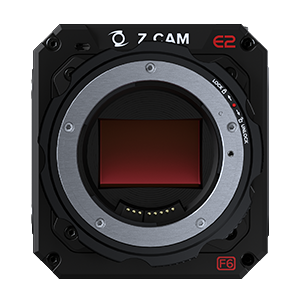
Z CAM E2-F6
Modular full-frame 6K with internal ProRes and ZRAW. The boutique option for filmmakers who want camera DNA they can fully customize.
Amazon affiliate · price subject to change
The E2-F6 is for filmmakers who treat their rig as a system they assemble, not a product they buy. A compact cube houses a full-frame 6K sensor recording internal ProRes 422 HQ and ZRAW with 14 stops of dynamic range, and an open accessory ecosystem lets you source cages, monitors, and power from anyone rather than paying proprietary premiums. At $4,995 the body undercuts every other full-frame cinema camera here. The trade-off is support: Z CAM lacks the service network, firmware cadence, and rental presence of the majors, so you are largely self-supporting. An 8.4 score.
Kinefinity MAVO Edge 6K — The Boutique Dark Horse
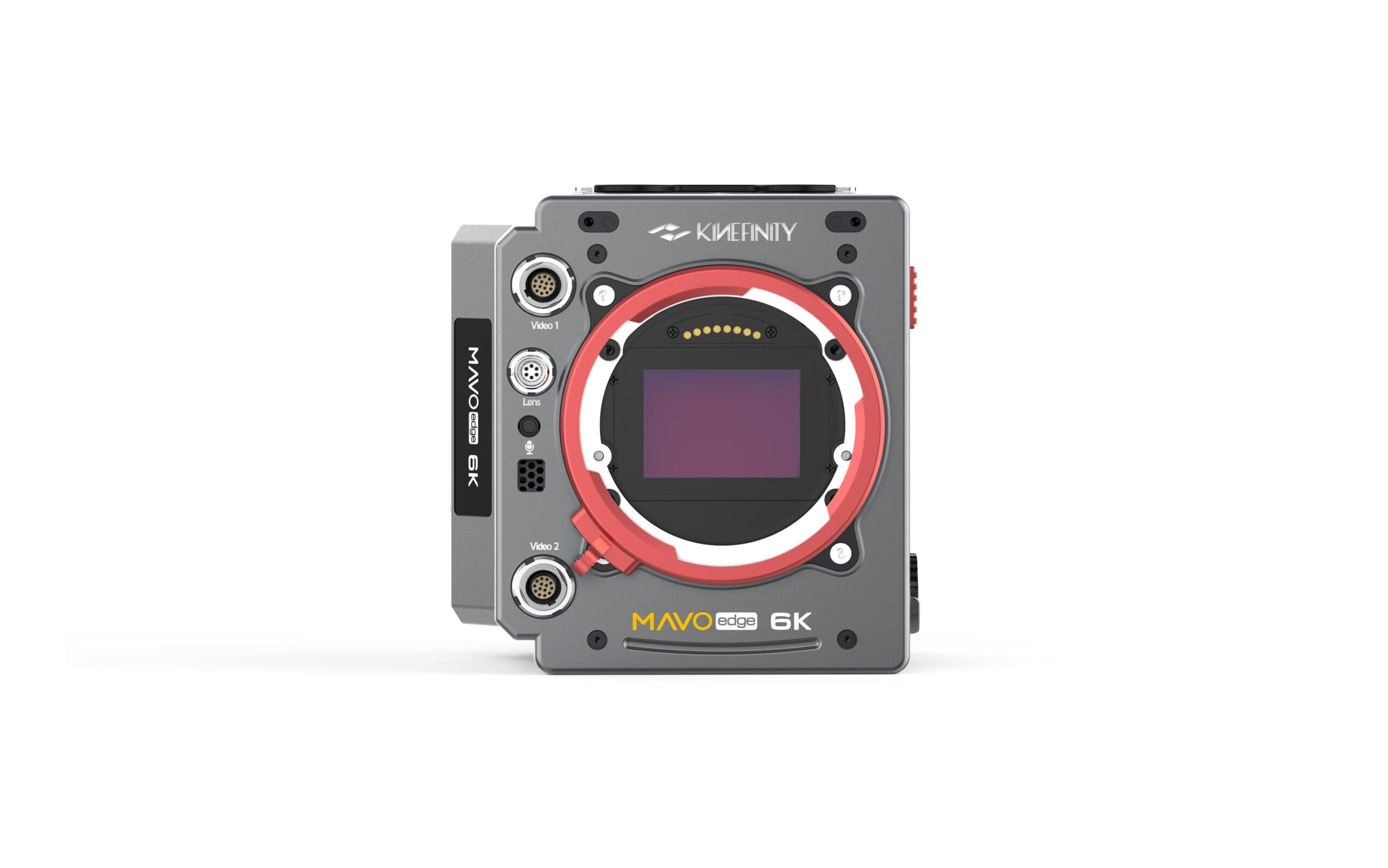
Kinefinity MAVO Edge 6K
6K full-frame sensor with 16+ stops of dynamic range and KineRAW. A boutique cinema camera with serious imaging credentials at a competitive price.
Amazon affiliate · price subject to change
The MAVO Edge 6K produces images that hold up alongside cameras costing two to three times more. Its full-frame 6K sensor delivers over 16 stops of dynamic range — ALEXA-and-DSMC2 territory — captured in KineRAW, and the solid aluminum body borrows the right conventions: proper rosette mounts, full-size HDMI and SDI, an integrated cooling fan, and an interchangeable mount supporting EF, PL, E, and KineMOUNT. The concern is ecosystem: service centers cluster in Asia, firmware arrives on Kinefinity's schedule, and the desktop software lacks polish. For shooters willing to navigate those gaps, the image punches far above $7,599. An 8.2 score.
Which One Should You Buy?
If you shoot solo or on a gimbal and want one body that does almost everything, the Sony FX3 is the benchmark — and for a fraction of the price, the Blackmagic Pocket Cinema Camera 6K G2 gives you the most cinematic image on this list if you can live with manual focus. Documentary and event professionals who need built-in NDs and an all-day body should choose the Sony FX6, or the Canon EOS C70 if they already own RF glass. For motion-heavy commercial and music-video work, the global shutter of the RED Komodo-X is the differentiator. If outright resolution and dynamic range matter most, the Blackmagic URSA Cine 12K LF and Canon EOS C400 are the flagships, while the Z CAM E2-F6 and Kinefinity MAVO Edge 6K reward rig-builders who value image-per-dollar over ecosystem polish. And the Panasonic Lumix BS1H is the answer when you need a full-frame sensor in a place a normal camera will not fit.
Architecture first — compact cinema body vs ND workhorse vs RAW cube — lives in the cinema-camera buying guide. Then see where the community ranks each body, and cast your own vote, on the full Best Cinema Cameras list, or browse the rest of our Photography coverage — including the Best Mirrorless Cameras for hybrid shooters, the Best Camera Lenses to put in front of these sensors, and the Best Photography Lighting to shape what they capture.
See all 10 products ranked by the community
Best Cinema Cameras
See Full Rankings →248 community votes cast
Common Questions
The Sony FX3 tops Gavler's community ranking with a 9.6 score, and the reason is balance rather than spec-sheet dominance. It puts full-frame Cinema Line image quality — S-Cinetone color, dual base ISO at 800 and 12,800, internal 4K/120p — into a 715g body small enough to live on a gimbal or in a one-person documentary kit, and it carries the best autofocus of any cinema camera at any price. The honest caveat is the lack of internal ND filters, which means variable NDs are mandatory for daylight. If your budget is tighter, the Blackmagic Pocket Cinema Camera 6K G2 delivers a more cinematic image for $1,795; if you need built-in NDs and an all-day body, step up to the Sony FX6 or Canon C70.
Buy the FX3 if you shoot alone, mount your camera on a gimbal or drone, or value portability above all — it is smaller, lighter, and around two thousand dollars cheaper. Buy the FX6 if you need built-in electronic ND filters, a detachable smart grip with zoom and record controls for single-operator work, and a body designed for twelve-hour documentary and event days. The key thing to know is that both share Sony's S-Cinetone color science with the higher-end Venice and FX9, so footage from an FX3 B-camera cuts together seamlessly with an FX6 A-camera. Many working crews own both for exactly that reason.
The Blackmagic Pocket Cinema Camera 6K G2 at $1,795 is the clear value pick, and it is not close. You get a Super 35 sensor shooting 6K Blackmagic RAW internally, 13 stops of dynamic range, and — critically — a free license of DaVinci Resolve Studio, the same color and editing suite professional colorists use on feature films. No other camera near this price pairs that image quality with that software. The trade-offs are workflow, not image: autofocus is contrast-detect and only reliable for static subjects, and the internal battery lasts roughly 45 minutes, so external power is essential. If you light your scenes and pull focus manually, nothing under $5,000 looks more cinematic.
If you shoot video outdoors, yes — they are one of the biggest quality-of-life features in a cinema camera. To keep the cinematic 180-degree shutter and a shallow depth of field in daylight, you have to cut light without changing aperture or shutter speed, and a built-in ND does that with the turn of a dial. Cameras like the Sony FX6, Canon C70, and Canon C400 have stepless electronic NDs built in; the Sony FX3 does not, so you will need a variable ND filter or matte box for exteriors. For controlled indoor and studio work where you set the lighting, the absence of internal ND matters far less.
It matters most if you shoot fast motion. Most cinema cameras use a rolling shutter that reads the sensor line by line, which can produce skew or 'jello' on quick pans, whip-tilts, and handheld action. A global shutter reads the entire sensor at once and eliminates that distortion entirely. On this list, the RED Komodo-X is the camera built around a 6K global shutter, which is why music-video directors and action DPs gravitate to it. For interviews, narrative dialogue, and deliberate camera moves, a modern rolling shutter is fine — but if your work lives in motion, the Komodo-X earns its place.
Late May into June is a strong window. Memorial Day promotions run at B&H, Adorama, and Amazon through the end of the month, and the run-up to Father's Day is when retailers discount bodies and bundle accessories — and a cinema camera is a serious gift for the filmmaker or video creator in your life. It is also the front edge of summer wedding-video and event season, so buying now gives you time to learn the body before the calendar fills up. Cinema cameras also hold their relevance far longer than a phone or a hybrid stills body, so a well-chosen one bought today is still earning its keep years from now.
Rankings come from community votes by people who actually shoot this gear — filmmakers, videographers, and content creators. Each person gets one vote on the Best Cinema Cameras list, and the instruction is simple: pick the camera you would put on set for tomorrow's shoot, not the one with the biggest marketing push. The list spans everything from a $1,795 Super 35 body to a $14,995 full-frame 12K flagship, judged on the same question of which camera working shooters genuinely reach for. No affiliate commissions or manufacturer sponsorships influence the order, and the live community and expert scores sit next to each pick on the list itself.
Products Mentioned
Jump to the full ranking and community verdict for each pick named above.
- Sony FX3Photography · Best Cinema Cameras
- Blackmagic Pocket Cinema Camera 6K G2Photography · Best Cinema Cameras
- Canon EOS C70Photography · Best Cinema Cameras
- Sony FX6Photography · Best Cinema Cameras
- RED Komodo-XPhotography · Best Cinema Cameras
- Blackmagic URSA Cine 12K LFPhotography · Best Cinema Cameras
- Canon EOS C400Photography · Best Cinema Cameras
- Panasonic Lumix BS1HPhotography · Best Cinema Cameras
- Z CAM E2-F6Photography · Best Cinema Cameras
- Kinefinity MAVO Edge 6KPhotography · Best Cinema Cameras