The Verdict
“Full-frame cinema in a compact, run-and-gun body. S-Cinetone color, dual base ISO, and 4K/120p make it the indie filmmaker's default.”
15% Strong
of 248 votes
Dedicated cinema and video cameras ranked for filmmakers, documentarians, and high-end production.

“Full-frame cinema in a compact, run-and-gun body. S-Cinetone color, dual base ISO, and 4K/120p make it the indie filmmaker's default.”
15% Strong
of 248 votes

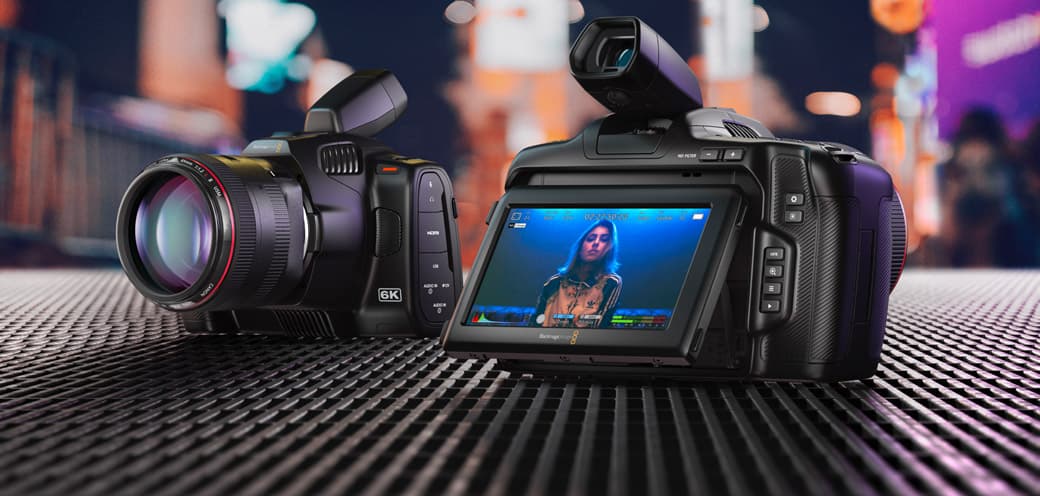
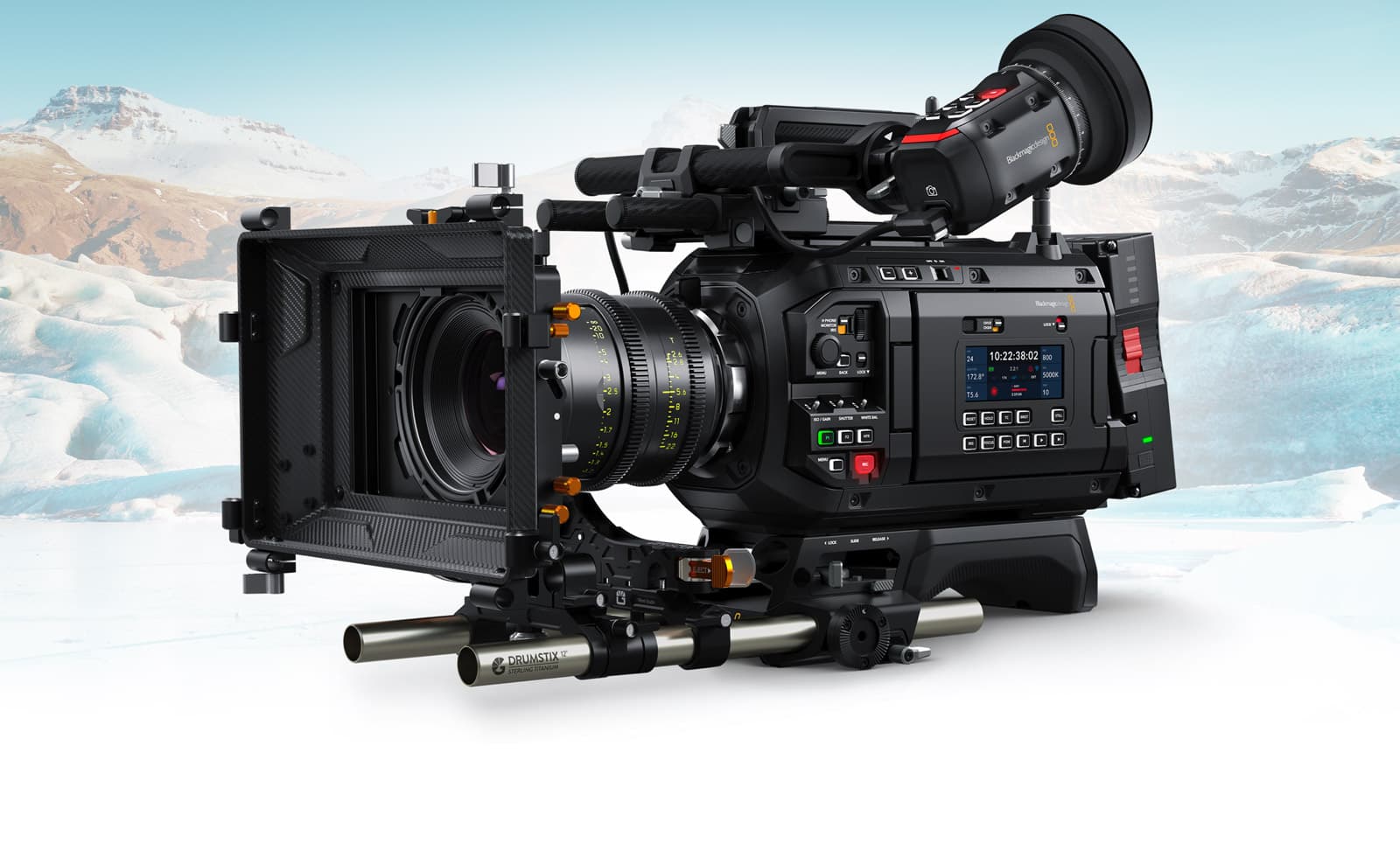
“Super 35 sensor, 13 stops of dynamic range, internal Blackmagic RAW, and a free copy of DaVinci Resolve Studio. Unmatched value in cinema.”
13% Solid
of 248 votes

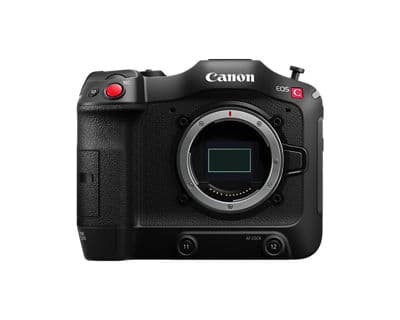
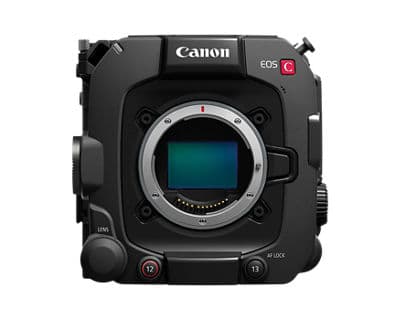
“Super 35 cinema sensor in an RF-mount body with built-in NDs and Dual Pixel AF. The most accessible C-series cinema camera Canon has made.”
11% Solid
of 248 votes

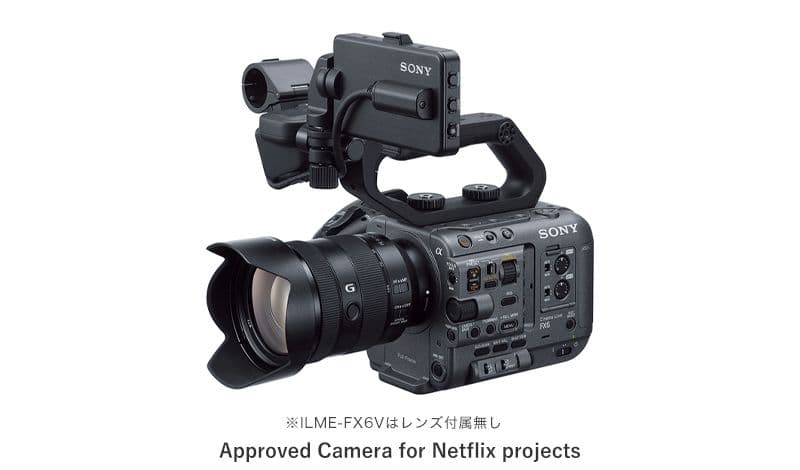
“Full-frame Super 35 cinema with dual base ISO, internal NDs, and the same color science as the FX9. The documentary and event shooter's workhorse.”
10% Solid
of 248 votes

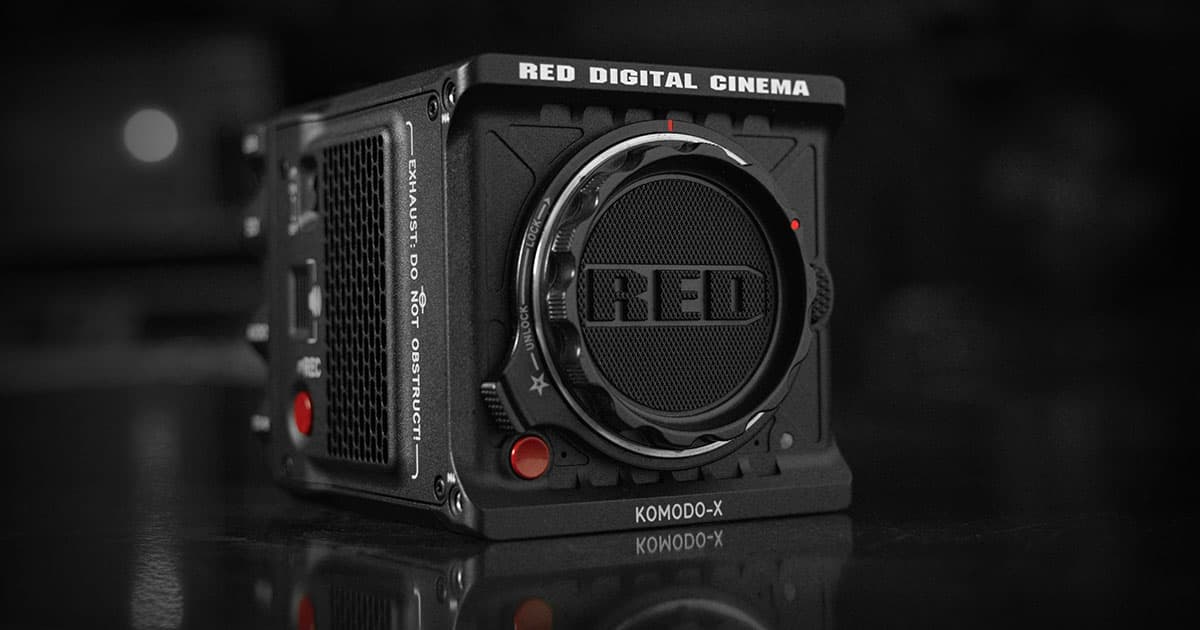
“6K global-shutter Super 35 sensor in a cube body. Genuine RED RAW workflow at the lowest price point RED has ever offered.”
9% Solid
of 248 votes

“Full-frame 12K sensor with 16 stops of dynamic range and Blackmagic RAW. A cinema flagship at a fraction of competitor pricing.”
8% Solid
of 248 votes

“Full-frame 6K cinema with triple base ISO and PL/EF/RF mount flexibility. Canon's modern hybrid for narrative and broadcast work.”
8% Solid
of 248 votes

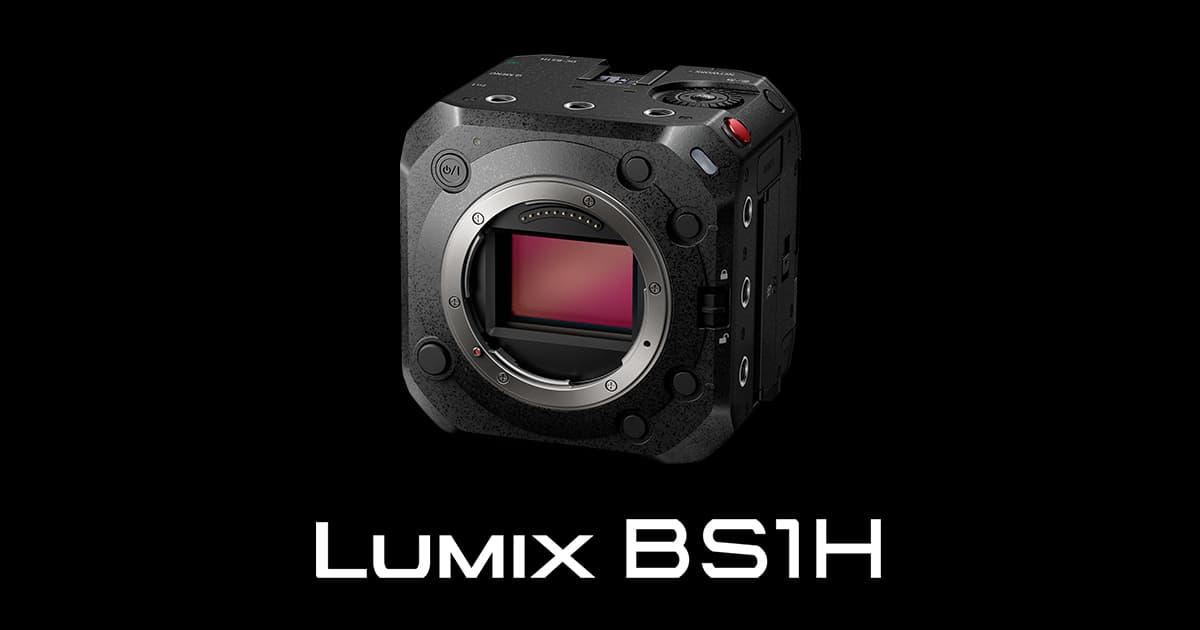
“Box-style full-frame cinema with unlimited 6K recording and V-Log. Built for gimbals, drones, and multi-cam setups.”
9% Solid
of 248 votes

“Modular full-frame 6K with internal ProRes and ZRAW. The boutique option for filmmakers who want camera DNA they can fully customize.”
7% Niche
of 248 votes

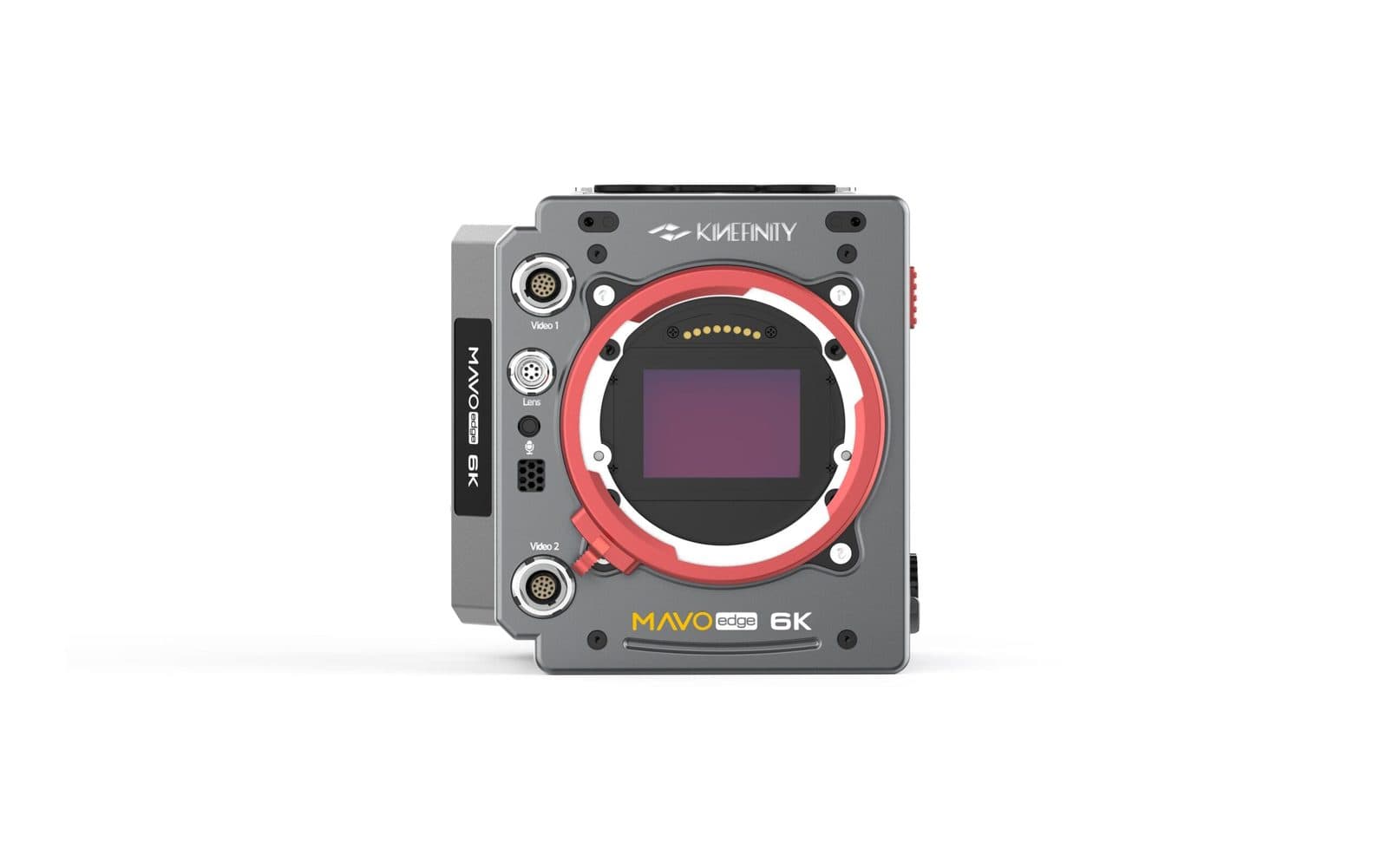
“6K full-frame sensor with 16+ stops of dynamic range and KineRAW. A boutique cinema camera with serious imaging credentials at a competitive price.”
10% Solid
of 248 votes
A cinema camera is purpose-built for video: it prioritizes internal recording formats (ProRes, Blackmagic RAW, or internal RAW), higher data rates, and features that hybrid stills cameras usually omit — built-in ND filters, timecode, XLR or mini-XLR audio inputs, active cooling for unlimited record times, and a body shaped for rigs, matte boxes, and follow focus. A hybrid mirrorless like the Sony A7-series shoots excellent video too, but a dedicated cinema camera such as the Sony FX3 or Canon EOS C70 trades stills versatility for reliability and workflow features on long shoots.
Rankings combine expert review aggregation with community voting. Each product receives a Gavler Score (out of 10) based on professional reviews from cinematography and production sources, and community members vote for their top pick. Users get exactly one vote per list, so the order reflects genuine collective preference rather than ballot stuffing. Because cinema cameras span a wide price and use-case range, a lower rank often means a different tier or specialty rather than a worse camera.
The formats that matter are internal RAW (Blackmagic RAW on the Pocket Cinema and URSA lines, internal RAW on RED's Komodo-X) and Apple ProRes, which preserve far more grading latitude than the compressed codecs on consumer cameras. Also look at bit depth (10-bit vs 12-bit), resolution (4K, 6K, or the URSA Cine's 12K), and log profiles like Sony S-Log3, Panasonic V-Log, and Canon Log 2/3 that capture wide dynamic range for color grading. Higher bitrates and RAW mean bigger files and faster media, so storage and post workflow are part of the decision.
Entry cinema starts around $1,795 with the Blackmagic Pocket Cinema Camera 6K G2 — the best value for filmmakers who want Blackmagic RAW on a budget. The $3,900–$6,000 band (Sony FX3, Canon EOS C70, Sony FX6) is the working-professional sweet spot for documentary, commercial, and indie narrative work with full-frame or Super 35 sensors and internal ND. Above $8,000, the RED Komodo-X, Blackmagic URSA Cine 12K LF, Canon EOS C400, and Kinefinity MAVO Edge 6K target high-end production and rental houses where resolution, global-shutter options, and modularity justify the cost.
If you shoot stills as often as video, or you need one small body for run-and-gun and travel, a hybrid mirrorless is usually the smarter buy. Choose a dedicated cinema camera when your work demands the things hybrids compromise on: unlimited record times without overheating, built-in ND for fast-changing light, professional audio, timecode for multi-camera sync, and internal RAW or ProRes for a grading-first workflow. Many productions pair the two — a cinema camera as the A-cam and a hybrid as a compact B-cam.
Think a product deserves a spot on this list? Submit a formal proposal with documented specs and the community will review it.