Sony FX3.
Full-frame cinema in a compact, run-and-gun body. S-Cinetone color, dual base ISO, and 4K/120p make it the indie filmmaker's default.
The Verdict.
Gavler Meta-Score
“The FX3 is the rare cinema camera that doesn't ask you to choose between image quality and portability. S-Cinetone color, dual base ISO, and the best autofocus in any cinema body make it the obvious choice for filmmakers who work alone or in small crews. The lack of internal NDs is the only meaningful compromise.”
The Gavler Verdict
The Gavler Review.
Sony FX3 Review: Full-Frame Cinema Without the Cinema-Camera Bulk
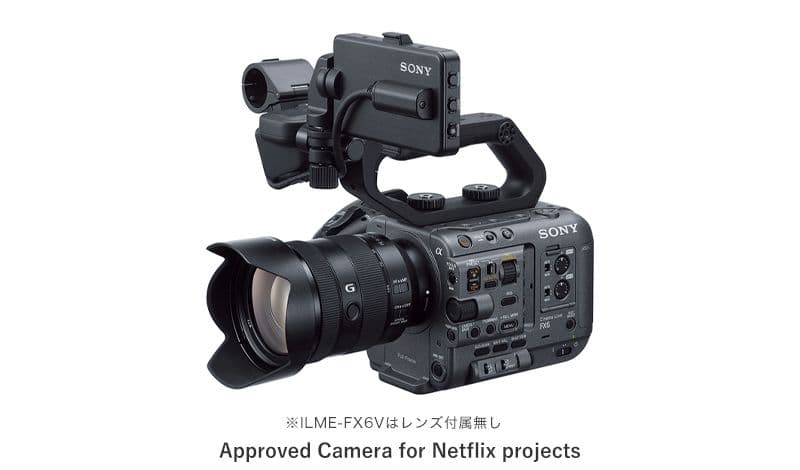
The Sony FX3 ranks number 1 on Gavler's Best Cinema Cameras list with a 9.6, and it holds that spot by solving a problem full-frame cinema cameras had for years: you shouldn't need a shoulder rig and a camera assistant to get cinema-grade footage. At 715 grams and barely larger than a mirrorless stills body, the FX3 fits into gimbals, drone cages, and one-person documentary kits that a traditional cinema camera simply can't, without giving up the color science, low-light performance, and professional audio that separate "cinema" from "hybrid."
What it is
Calling the FX3 a small A7S III undersells what Sony actually built here. Yes, it shares the same 12.1-megapixel full-frame back-illuminated sensor, the same BIONZ XR processor, and largely the same autofocus system as Sony's stills-and-video hybrid flagship — but the FX3 wraps that hardware in a purpose-built filmmaking tool. Active cooling allows genuinely unlimited recording without thermal shutdowns, a tally light signals when the camera is rolling, and a removable top handle adds XLR inputs for professional audio — features no photography-first body offers out of the box.
The dual base ISO, set at 800 and 12,800, is the sensor's signature trick: it lets the camera shoot in near-darkness without noise becoming the story, while still delivering more than 15 stops of dynamic range for colorists working in post. Internally, the FX3 records 4K up to 120fps in 10-bit 4:2:2 XAVC S-I, and the S-Cinetone color profile — borrowed from Sony's Venice cinema flagship — gives out-of-camera footage the same organic, film-like skin tones that used to require a dedicated colorist to achieve.
In use
CineD's assessment of the FX3 gets at exactly what Sony was going for: it "shares nearly identical specifications with the a7S III — sensor, processor, codecs, autofocus and stabilization — repackaged as a purpose-built, cooling-equipped cinema tool." That's not a knock; it's the whole design philosophy. Lens & Shutter frames the practical case for who should actually buy it: "one of the safest compact cinema buys for solo shooters, wedding and documentary crews — the autofocus is the reason so many one-person operators trust it." That autofocus claim isn't hyperbole — it's inherited directly from Sony's Alpha stills line, and it tracks faces and eyes through chaotic, uncontrolled scenes where a manual focus puller working alone would struggle to keep up.
Low-light performance is where the dual base ISO earns its keep in the field. ISO 25,600 remains genuinely usable footage rather than a spec-sheet number, a direct consequence of the same large-photosite sensor architecture that made the A7S III the reference camera for available-light and nighttime shooting. Paired with a fast prime, the FX3 shoots comfortably in conditions that would force most cameras onto a tripod with lights.
The 4K/120fps slow-motion mode is genuinely cinema-grade rather than a social-media gimmick — full 10-bit 4:2:2, with a modest 1.1x crop and more visible rolling shutter than the standard frame rates, but detailed and gradable footage that holds up cut into a finished piece rather than just an Instagram clip. For standard 4K24/30/60 work, the sensor's full width is used with oversampling, producing sharp, low-moiré footage with real grading latitude thanks to the 10-bit codec.
Fstoppers offers the necessary counterweight to the CineD framing, and it's worth taking seriously: "a great camera for video, but the 'cinema' label is generous: with no internal ND and no true cinema housing, it sits closer to the hybrid a7S III than to Sony's FX6 or Venice." That's the honest positioning — the FX3 borrows cinema-camera conventions and workflow tools, but it is fundamentally a video-optimized mirrorless body, not a ground-up cinema design, and buyers should calibrate expectations accordingly.
Strengths
The XLR handle turns a mirrorless-sized body into something that can genuinely record broadcast-quality four-channel audio without external gear — a real differentiator most photo-first hybrids don't offer. Active cooling means multi-hour 4K60 shoots in hot conditions simply work, with no thermal shutdown to plan around. The autofocus, inherited from Sony's stills line, is arguably the best in any cinema-adjacent body at any price, and the S-Cinetone profile means usable, natural color straight out of the camera without a dedicated grading pass.
The trade-offs — who should skip it
No internal ND filter is the FX3's most consequential limitation — daylight exteriors require external variable NDs or a matte box, which is both an added cost and an added step that rival cinema cameras sometimes build in. Rolling shutter, while improved from earlier Sony bodies, remains visible on fast pans, particularly at 4K120. There's no electronic viewfinder, so bright-daylight monitoring requires an external screen, and 12 megapixels rules the FX3 out for anyone who needs serious stills capability alongside video.
How it compares
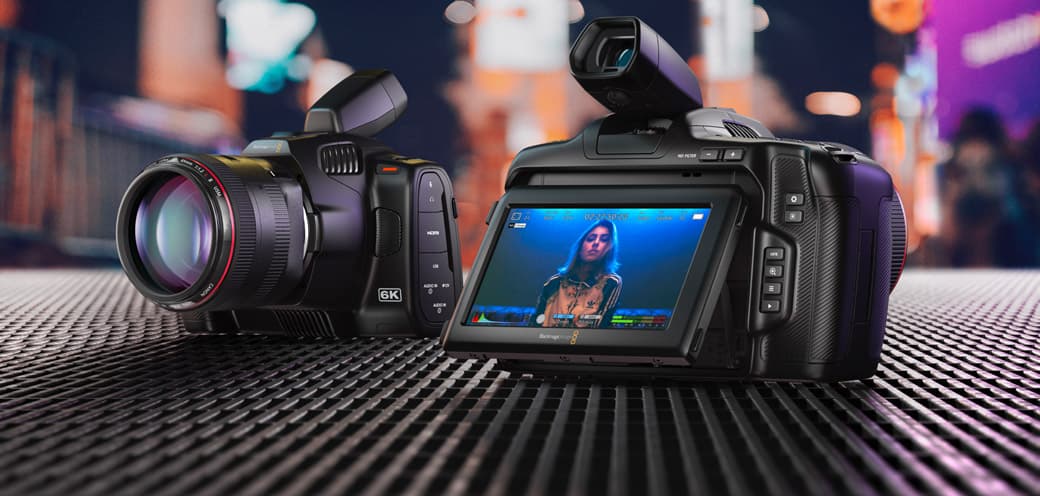
One rank down on this list, the Blackmagic Pocket Cinema Camera 6K G2 undercuts the FX3 significantly on price while including a full DaVinci Resolve Studio license, at the cost of contrast-detect-only autofocus and roughly 45 minutes of battery life per charge — the right trade for shooters who light their scenes and pull focus manually. Sony's own A7S III shares the FX3's sensor and image quality in a more photography-friendly body, the better pick for hybrid shooters who need a viewfinder and stills performance alongside video.
The Gavler verdict
A 9.6 — the rare cinema camera that doesn't force a choice between image quality and portability. Solo shooters, documentary crews, and small production teams get Sony's best low-light sensor, S-Cinetone color, and class-leading autofocus in a body they can run all day without a rig. The missing internal ND is the one real compromise, and it's a manageable one for the audience this camera is built for.
Common Questions
For solo filmmakers, documentary crews, and wedding or commercial video shooters, yes. It ranks number 1 on Gavler's Best Cinema Cameras list with a 9.6. S-Cinetone color, dual base ISO for near-darkness shooting, and the best autofocus system in any cinema-class body make it the default recommendation for anyone who needs cinema-grade footage from a body they can carry and operate alone all day.
They share the same 12.1MP sensor and core image quality, so the choice comes down to workflow, not picture quality. Get the FX3 if you shoot video 90% of the time or more — it adds XLR audio via the top handle, active cooling for unlimited recording, and a cinema-friendly body with mounting points and a tally light. Get the A7S III if you need a built-in electronic viewfinder and better ergonomics for stills work alongside video.
No — this is the FX3's most-cited limitation. Daylight exterior shooting requires external variable ND filters or a matte box, an extra cost and workflow step that some rival cinema cameras build in internally. It's a real consideration for anyone shooting run-and-gun outdoors without a full production crew.
For video, yes — 4K only requires about 8.3 megapixels, so the FX3's 12.1MP sensor comfortably oversamples with room to spare, and the larger individual photosites are exactly why its low-light performance is as strong as it is. For photography, 12MP is limiting, and the FX3 has no viewfinder — buyers who need serious hybrid stills capability should look at the A7S III or a dedicated photo body instead.
Where to Buy.
Prices checked regularly
90-day price history
Price History
Steady at $3,899 for the entire 90-day tracking window — no increases, no discounts, across 91 tracked days.
Tracked daily across retailers. Vote Want itabove and we’ll alert you the moment the price drops.
Some links are affiliate links — Gavler may earn a commission. This never affects rankings or scores. Learn more.
Precision Engineering
Full-Frame BSI CMOS
12.1MP back-illuminated sensor with 15+ stops of dynamic range and dual base ISO (800/12,800) for exceptional low-light performance.
Active Cooling System
Internal fan and heat-dissipating structure allow unlimited recording without thermal shutdowns — a first for this body size.
S-Cinetone Color Science
Sony's cinema-grade color profile delivers natural skin tones and organic highlight rolloff straight out of the camera.
Technical Specifications
The Scoreboard
Reviewers universally praise the combination of Cinema Line image quality in a mirrorless body. Community enthusiasm is high among indie filmmakers and content creators; minor deductions for the absence of internal NDs and 4K-only resolution ceiling.
Cast Your Vote
Do you think Sony FX3 deserves the #1 spot in Best Cinema Cameras?
Global Critique
“Shares nearly identical specifications with the a7S III — sensor, processor, codecs, autofocus and stabilization — repackaged as a purpose-built, cooling-equipped cinema tool.”
“A great camera for video, but the 'cinema' label is generous: with no internal ND and no true cinema housing, it sits closer to the hybrid a7S III than to Sony's FX6 or Venice.”
“One of the safest compact cinema buys for solo shooters, wedding and documentary crews — the autofocus is the reason so many one-person operators trust it.”
More from Best Cinema Cameras.
See how other top picks compare in this category.
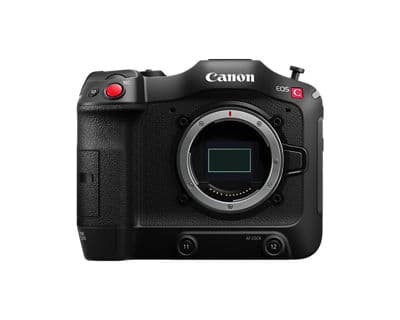
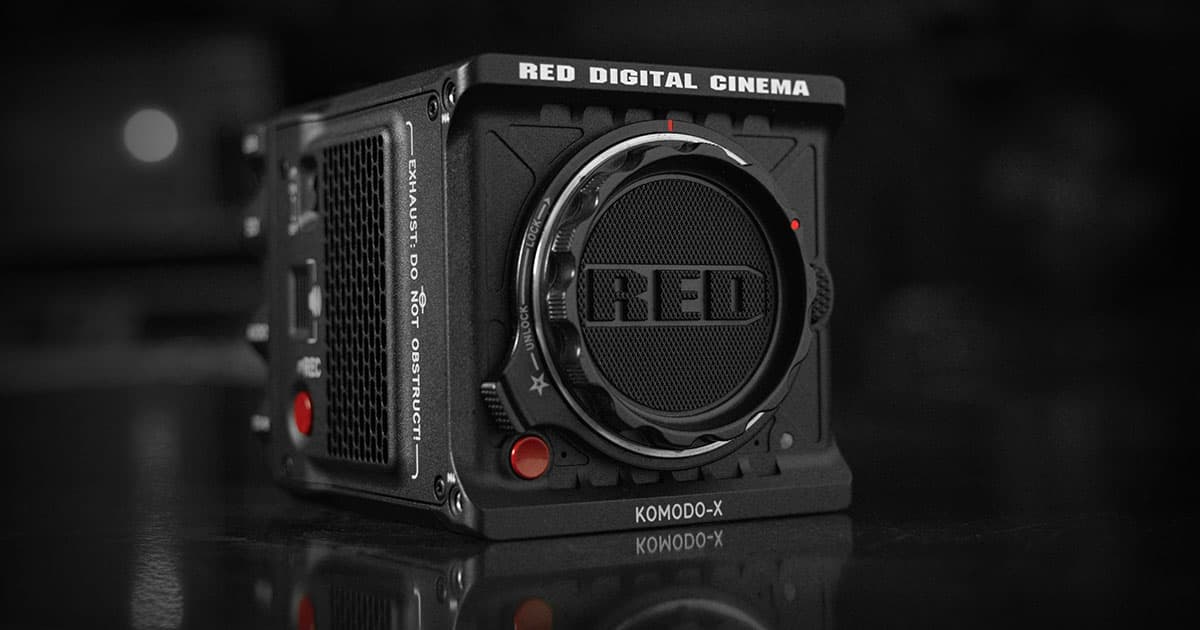
A Compact Cinema Body, an ND Workhorse, or a RAW Cube?
A 12K hangtag is the wrong first question. Compact cinema body, ND workhorse, or RAW cube is the camera. Then shop Gavler's live ranking.
Sony's New FX5 Gives the Compact Cinema Camera Everything the FX3 Was Missing — For $1,000 More
Sony's FX5 adds a stacked sensor, 5K Open Gate, and internal RAW — the compact FX line's biggest leap. But it drops photo mode and still has no built-in ND.
The Best Cinema Cameras in 2026, Ranked by the Filmmakers Who Shoot Them
From a $1,795 Blackmagic Pocket 6K to a 12K full-frame flagship, Gavler's community ranks the cinema cameras worth buying in 2026.