The Best Ski Helmets in 2026, Ranked by the Riders Buying Them Off-Season
Smith, Giro, POC, Sweet Protection. Gavler's community ranks the helmets worth buying — from full-Koroyd flagships to the 14-ounce touring outliers.
Ski-helmet season in 2026 looks like it has settled. The major refresh cycles are complete — Smith's Vantage line has fully transitioned to the 2 MIPS generation, Giro's Spherical platform has reached its third refinement, Sweet Protection's 2Vi technology is in its third year of production, and the MIPS rotational-protection system that used to be the premium upcharge is now table stakes at every price point above $130. The differences between any two top-tier helmets are real but narrower than the marketing copy suggests, and the right pick has more to do with how you ski, where you ski, and which head shape the helmet was designed around than with which company shipped the latest construction acronym.
With Memorial Day under two weeks out and the post-season clearance window opening, this is the buying window. Last season's flagships are at peak markdown, the 2026 lineup is fully reviewed and rated, and the difference between buying now versus November is often $80-$140 of saved spend on the same helmet. Gavler's community has ranked ten of them by lived experience. The picks below are pulled from the live Best Ski Helmets list.
How the Rankings Work
One vote per person on the Best Ski Helmets list. Pick the helmet you would buckle on tomorrow morning before the first chair — the one you trust on the steeps and tolerate on the catwalks. Switched helmets mid-season because of a crash, a goggle-gap issue, or a comfort problem? Move your vote. The result is a ranking built on what real riders actually wear, not what a brand paid a freeskier to sponsor on Instagram.
The Top Picks
Smith Vantage 2 MIPS — The Full-Koroyd Flagship
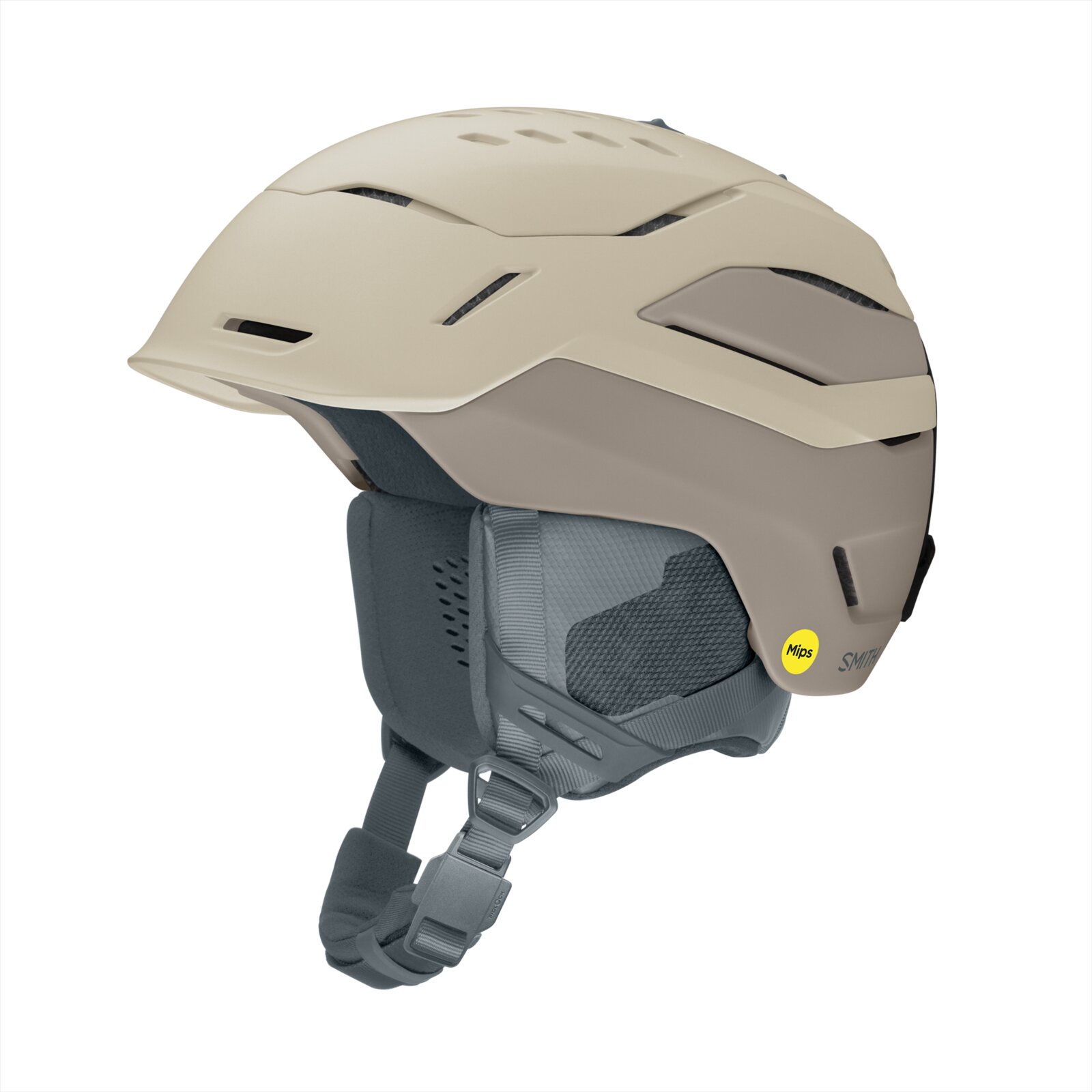
Smith Vantage 2 MIPS
Smith's Vantage 2 MIPS adds the MIPS Spherical ball-and-socket liner and AirEvac 2 ventilation to the proven Aerocore + Koroyd platform — the most refined version of the Vantage to date.
Amazon affiliate · price subject to change
The Vantage 2 MIPS is the 2026 successor to the long-running original Vantage MIPS and Smith preserves the older model in their catalog as a discounted "Past Season - Sale" SKU — unambiguous evidence the line has moved on. The construction changes are material, not marketing. The full-Koroyd build now wraps the honeycomb impact-attenuation material around the entire shell rather than treating it as a partial liner, which raises the protection rating across the helmet rather than just at the crown. The MIPS Spherical layer replaces the older slip-plane MIPS with a ball-and-socket design that lets the inner and outer EPS shells rotate independently in any crash direction. And the redesigned AirEvac 2 ventilation system delivers 40 vents with two zones of adjustable airflow.
GearJunkie and OutdoorGearLab 2026 testing both place the Vantage 2 among the top all-mountain performers. The honest framing: at 22.4 ounces in size large it is not the lightest helmet on this list, and the $320 price tag is roughly $100 above the value tier. For riders who ski more than two weeks a year and want the most refined version of Smith's flagship platform, the spend is justified. For riders who ski less often or who want to save toward a backcountry-specific helmet later, the Smith Level MIPS at $80 less covers most of the same need. 36 community votes and a 9.6 score reflect the loyalty that the Vantage line has built over three generations.
Giro Tenaya Spherical — The Goggle-Integration Pick

Giro Tenaya Spherical
Two EPS layers rotate independently around a ball-and-socket interface to redirect rotational impact in any crash angle. The In Form 2 fit with On-the-fly Vertical Tuning and the slim goggle-friendly brim let the Tenaya integrate with goggles better than any taller-profile helmet in the price tier.
Amazon affiliate · price subject to change
Giro partnered with Bell to invent Spherical Technology — two EPS layers acting as a ball-in-socket to absorb rotational impact forces — and the Tenaya Spherical is the cleanest expression of that platform in Giro's snow line. Two foam layers rotate independently to redirect rotational energy in any crash angle, the In Form 2 fit system uses On-the-fly Vertical Tuning to accommodate a wider range of head shapes than the typical dial-fit dial, and the smaller brim profile eliminates the goggle gap that plagues taller-profile helmets like the Vantage. The magnetic Fidlock buckle is genuinely useful with gloves on; once you try it, regular side-release buckles feel archaic.
The Tenaya is European-certified to CE EN1077, the same standard the Sweet Protection Trooper 2Vi and POC Obex pass. The Plush Max liner is the most comfortable lining in this price tier — testers consistently flag it as the most all-day-wearable option compared to heavier helmets. The right pick for skiers who layer goggles often, who wear glasses under their goggles, or who have always struggled with helmet fit. 32 community votes and a 9.4 score reflect the steady loyalty Giro has built across the Spherical line. The Tenaya runs slightly small — if you're between sizes, size up.
POC Obex MIPS — The Scandinavian Safety Pick
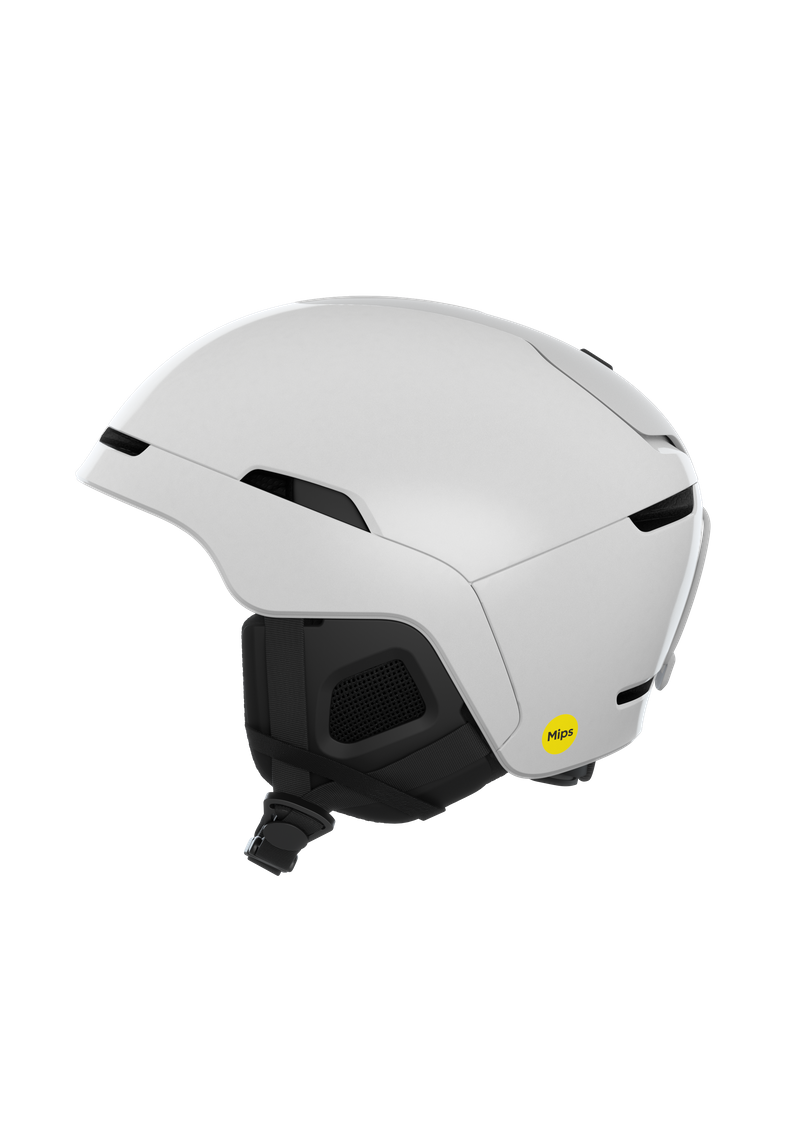
POC Obex MIPS
The Obex MIPS is one of the smallest-profile helmets in the all-mountain class, with dimensions closer to a backcountry or climbing lid than a bulky resort helmet. An EPS liner under a polycarbonate shell carries the MIPS Evolve rotational layer, sliding vent covers dial airflow, and front goggle-evacuation vents fight fogging — all in POC's signature minimalist design.
Amazon affiliate · price subject to change
POC's Swedish safety heritage shows up in the Obex's multi-impact EPP liner construction. Where most helmets use EPS foam that crushes once and must be replaced after any meaningful impact, the Obex's expanded polypropylene liner maintains protection rating after minor bumps — useful for the inevitable low-speed falls and chairlift dings that don't justify replacing a $260 helmet. The clean, minimal aesthetic is the Obex's other signature; POC's industrial-design language has set the visual standard for Scandinavian ski gear for two decades, and the Obex carries it without veering into fashion-helmet territory.
The trade-off: the Obex's ventilation is more constrained than the Vantage 2 or Tenaya Spherical. POC tuned the helmet for cold-day comfort over hot-day venting, which suits the cold European resorts the brand was designed around but can run warm on a sunny spring corn day at a sub-tree-line resort. For riders who ski in the cold half of the season, in the Northeast, or in Europe, this is the rational pick. 28 votes and a 9.3 score reflect a small-but-committed user base.
Sweet Protection Trooper 2Vi MIPS — The Freeride Specialist
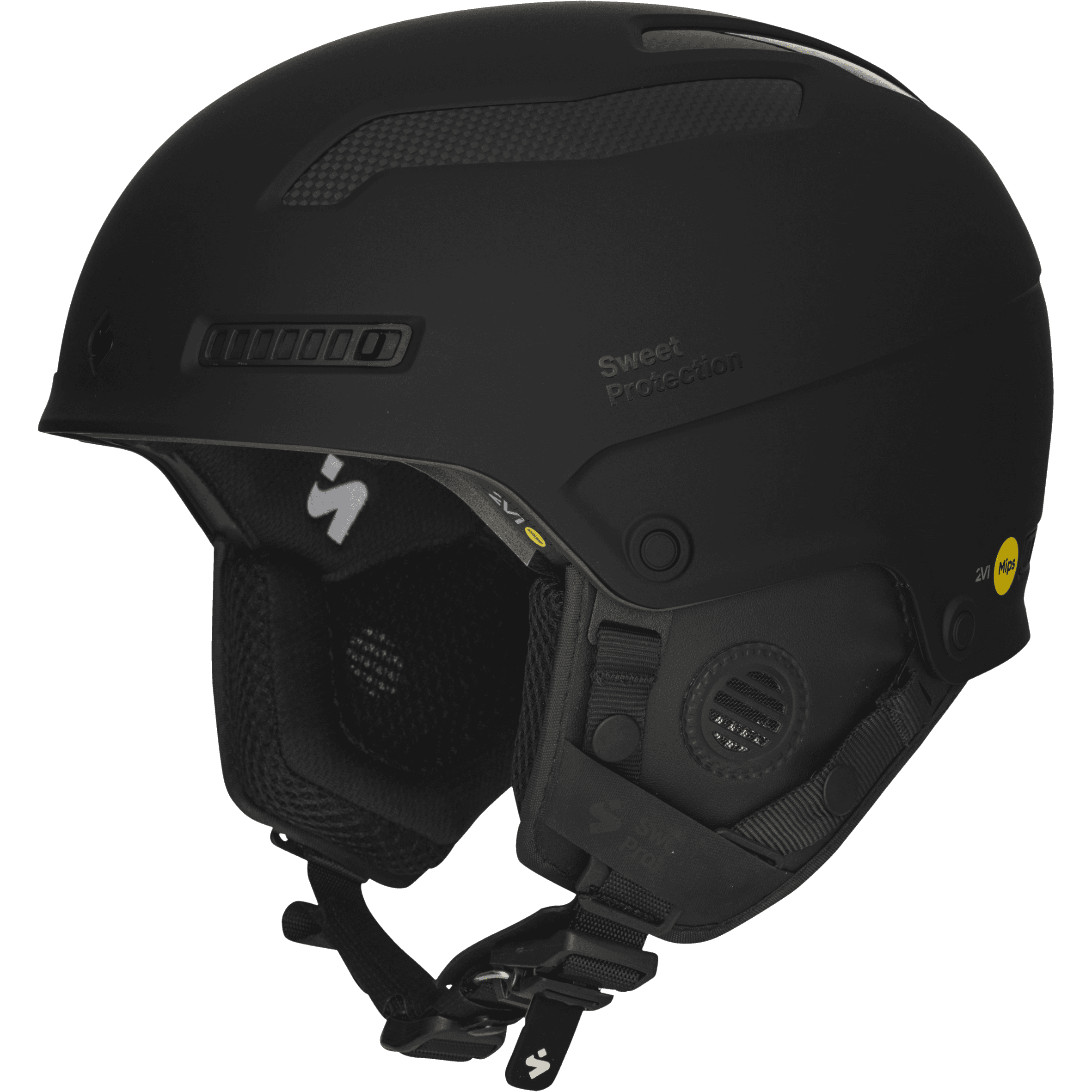
Sweet Protection Trooper 2Vi MIPS
Sweet Protection's 2Vi platform layers a carbon-fiber Varioshell over a dual-density inner liner for progressive energy absorption. The Trooper is overbuilt by design — the helmet Sweet's freeride team wears and backcountry skiers reach for when help is hours away.
Amazon affiliate · price subject to change
Sweet Protection's 2Vi technology platform layers a thermoplastic-laminated carbon fiber Varioshell over an EPS and Vinylnitrile inner liner for progressive energy absorption — the helmet absorbs hard hits one way and lower-speed contacts another, which matches the impact profile of actual freeride and backcountry skiing better than single-density EPS construction does. The Trooper 2Vi is the helmet Sweet's freeride team actually wears, the helmet PowderGuide and FREESKIER 2025 testing both rate as the standard for hard-charging riders, and the helmet experienced backcountry skiers reach for when "good enough" isn't a margin they want to leave.
The honest caveats are two: the Trooper 2Vi runs small in the L/XL — multiple reviewers have flagged this, including users who could "just barely squeeze" their head into the right-marked size — so trying it on before buying is more important here than for any other helmet on this list. And at $320 it is a premium spend without the premium ventilation of the Vantage 2; the Trooper's vents are smaller and fewer because Sweet prioritized impact rating over heat dump. For freeriders, backcountry-leaning resort skiers, and anyone who skis hard enough to want the most overbuilt helmet money can credibly buy, this is the right answer. 26 votes and a 9.2 score.
The Performance Tier
Oakley MOD5 MIPS — The Goggle-System Helmet
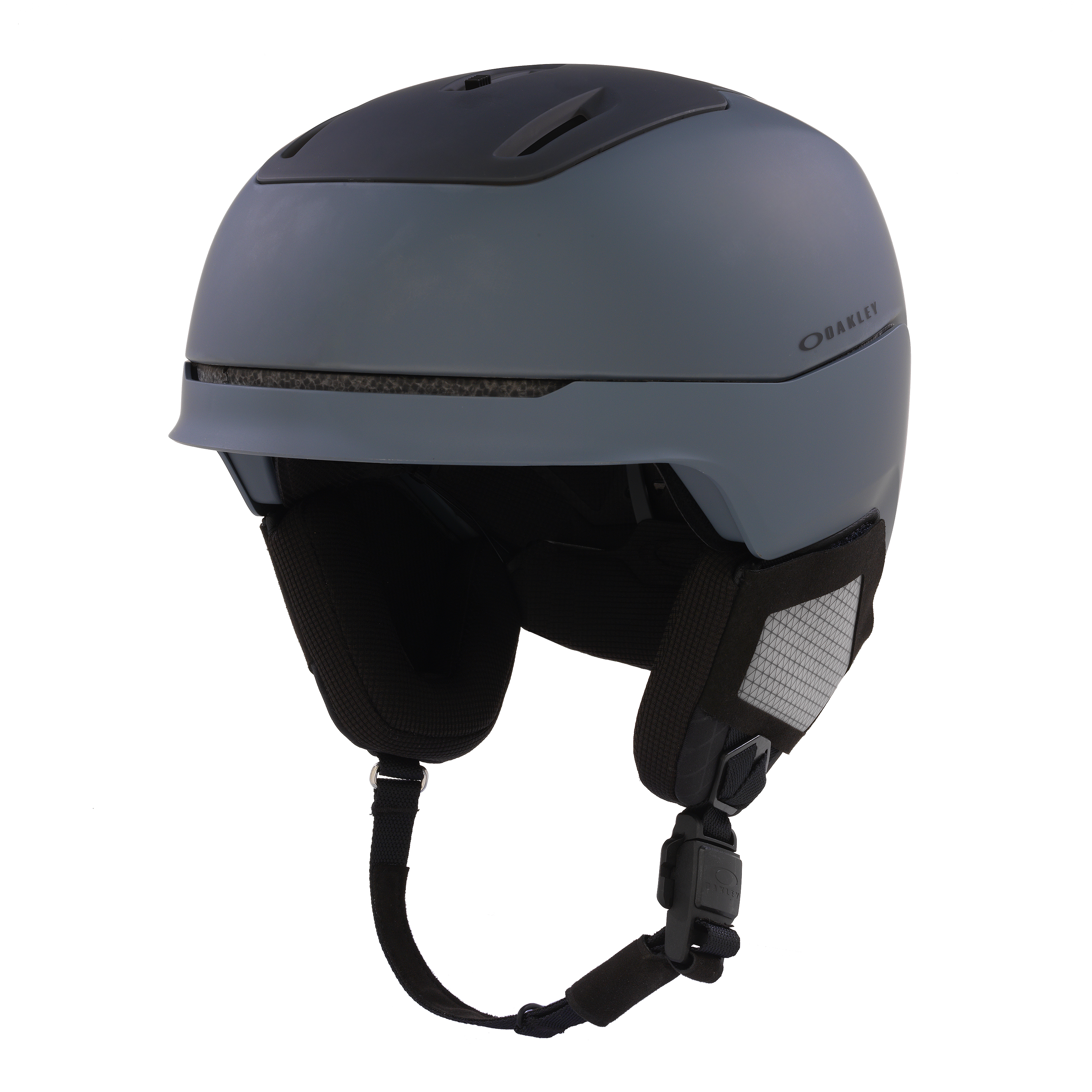
Oakley MOD5 MIPS
The MOD5 MIPS pairs a 360° BOA dial that cinches evenly around the whole head with Oakley's Modular Brim System, which mates flush with Oakley goggles to kill the goggle gap and channel warm air away from the lens. It's a durable, high-coverage helmet with excellent padding — but at roughly 21.6 oz it's one of the heavier lids in the class and vents less than a Smith Vantage 2.
Amazon affiliate · price subject to change
Oakley's BOA 360 fit system wraps the entire head evenly rather than relying on a single rear dial, eliminating the pressure points that traditional dial-fit helmets create at the temples and across the back of the skull. The modular brim accepts all Oakley goggle lines for a seamless, gap-free goggle-to-helmet interface — the right answer for skiers already committed to Oakley goggles who want the same brand language across the head.
The MOD5 is the most fashion-forward helmet on this list and Oakley leans into that with limited-color and signature-rider drops every season. Ventilation is competitive but not class-leading; the BOA system is the headline feature. For skiers who wear Oakley goggles and want a helmet that visually integrates with them, this is the rational pick. For skiers who don't already own Oakleys, the Giro Tenaya Spherical's wider goggle compatibility is the smarter choice. 24 votes and a 9.0 score.
Smith Level MIPS — The Vantage's Cheaper Sibling
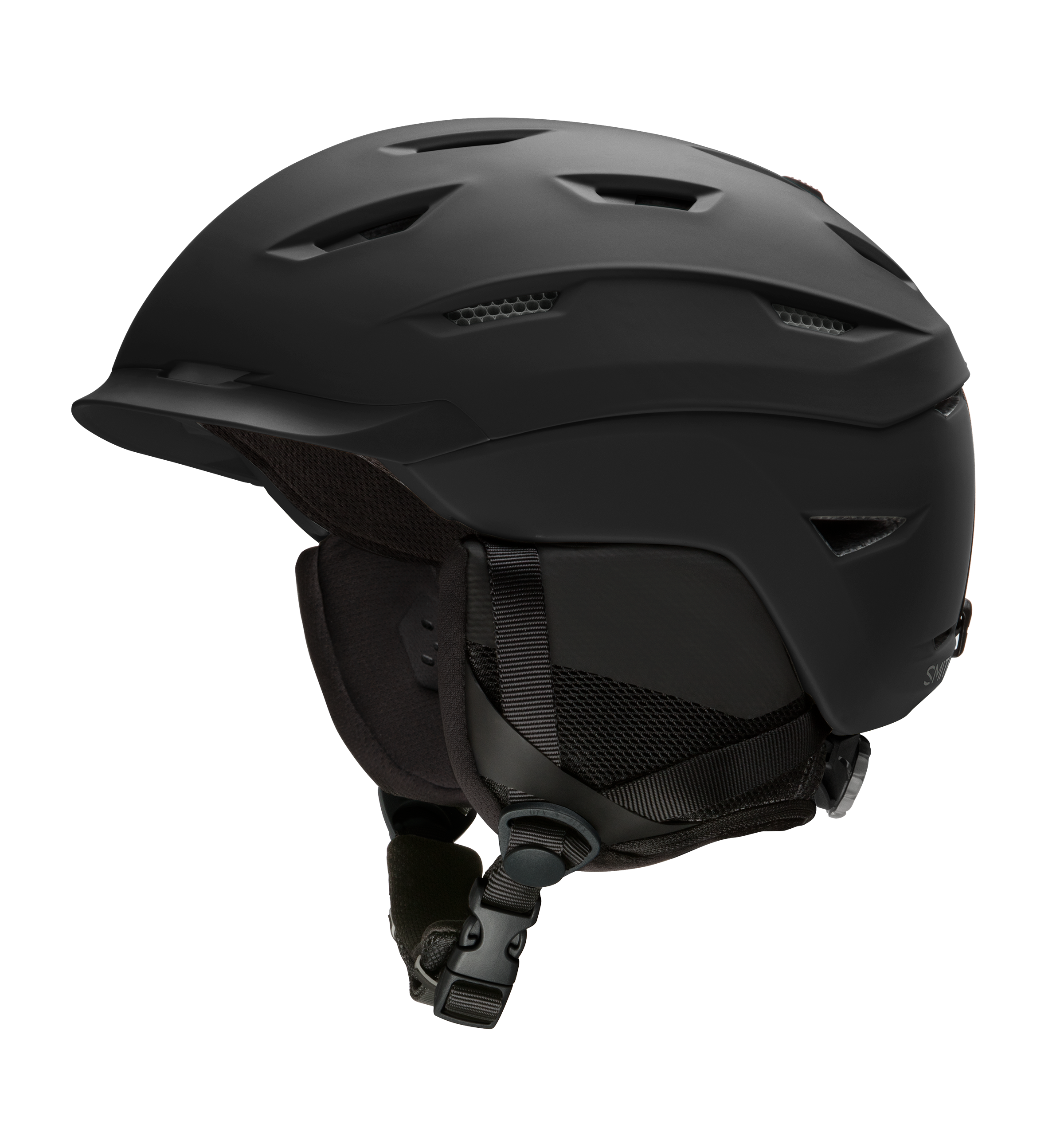
Smith Level MIPS
The Level delivers Smith's Koroyd impact technology and MIPS rotational layer at $100 less than the Vantage 2 MIPS, trading the full-Koroyd wrap and AirEvac 2 venting for a simpler in-mold shell and fewer vents. The resort-skier value-flagship.
Amazon affiliate · price subject to change
The Level delivers Smith's Koroyd impact technology at $80 less than the Vantage 2, sacrificing only the AirEvac 2 ventilation, a few vents, and the hybrid shell construction. The MIPS layer is the same. The fit system is the same. The protection rating is competitive even if not identical. For resort skiers who want premium protection without the premium price, this is the cheapest credible answer in the Smith line, and the Level regularly drops to $180 in the May-to-July end-of-season closeout window.
The trade-off is that the ventilation is meaningfully less adjustable than the Vantage 2, which matters more for skiers in warm climates and on spring corn-snow days. For skiers in the Rockies and the Sierras who ski mostly cold powder days, the Level's reduced ventilation is barely noticeable. For skiers in California, the Northeast, or Europe during shoulder season, the Vantage 2's adjustable airflow earns the price premium. 30 votes and an 8.9 score.
The Specialist Tier
Giro Ratio MIPS — The Budget MIPS Pick

Giro Ratio MIPS
The Ratio MIPS delivers Giro's MIPS rotational protection, adjustable Thermostat Control venting with Stack Vent, and the In Form dial fit at one of the lowest prices in the category. The trade for the value is weight and bulk — at roughly 610g it's a heavier, larger-profile helmet than the premium picks, but for casual resort riders on a budget it's hard to beat.
Amazon affiliate · price subject to change
Giro's most affordable MIPS helmet does not cut corners on the rotational-protection system that matters most for injury prevention. The same MIPS technology found in helmets at three times the price sits inside an in-mold polycarbonate construction that keeps weight under 400 grams. The stack ventilation works better than its price suggests, and the EPS foam shell delivers competitive impact attenuation for resort-paced riding even if the helmet does not match the carbon-shell Trooper 2Vi or full-Koroyd Vantage 2 on extreme-impact scenarios.
At $150 the Ratio is the cheapest helmet on this list that we would put on without reservations. For first-time helmet buyers, students stretching a season-pass budget, and parents outfitting kids who outgrow gear annually, this is the rational spend. 22 votes and an 8.7 score.
Atomic Redster CTD — The Racing-Profile Pick
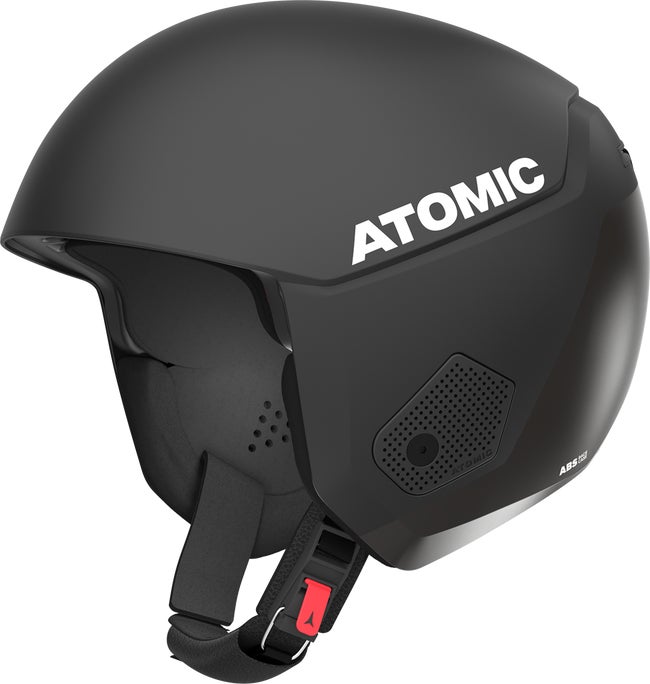
Atomic Redster CTD
The Redster CTD is Atomic's amateur-racing helmet, built on the shape its World Cup team wears: a low, aerodynamic ABS Racecase shell with the AMID (Atomic Multi-directional Impact Deflector) system for rotational protection and a built-in Shocksense sensor that logs impacts to your phone and can send an SOS after a hard hit. FIS-certified and race-focused — a narrower use case than the all-mountain helmets around it.
Amazon affiliate · price subject to change
Atomic's AMID dual-shell construction sandwiches a polycarbonate layer between two EPS densities for progressive energy management on the high-speed impacts that racing exposure produces. The Redster CTD sits low on the head with a racing-inspired profile that minimizes drag at speed and creates the locked-in feel that race-leaning skiers want from a helmet — the opposite of the puffy, tall-profile shape the Vantage 2 carries. The chinbar option (sold separately) converts the helmet to FIS-certified slalom configuration for racers who want a single helmet that does double duty.
The trade-off is that ventilation is constrained — the racing profile leaves little room for the kind of large adjustable vents that all-mountain helmets carry — and the AMID construction does not include MIPS or an equivalent rotational-protection layer at this price point, which is an explicit gap versus the Smith and Giro flagships. For racers and ski-club skiers who train gates regularly, the Redster CTD's targeted geometry is the right answer. For everyone else, the Vantage 2 or Tenaya Spherical is the better all-mountain pick. 20 votes and an 8.5 score.
Salomon MTN Lab — The Touring-Specific Helmet
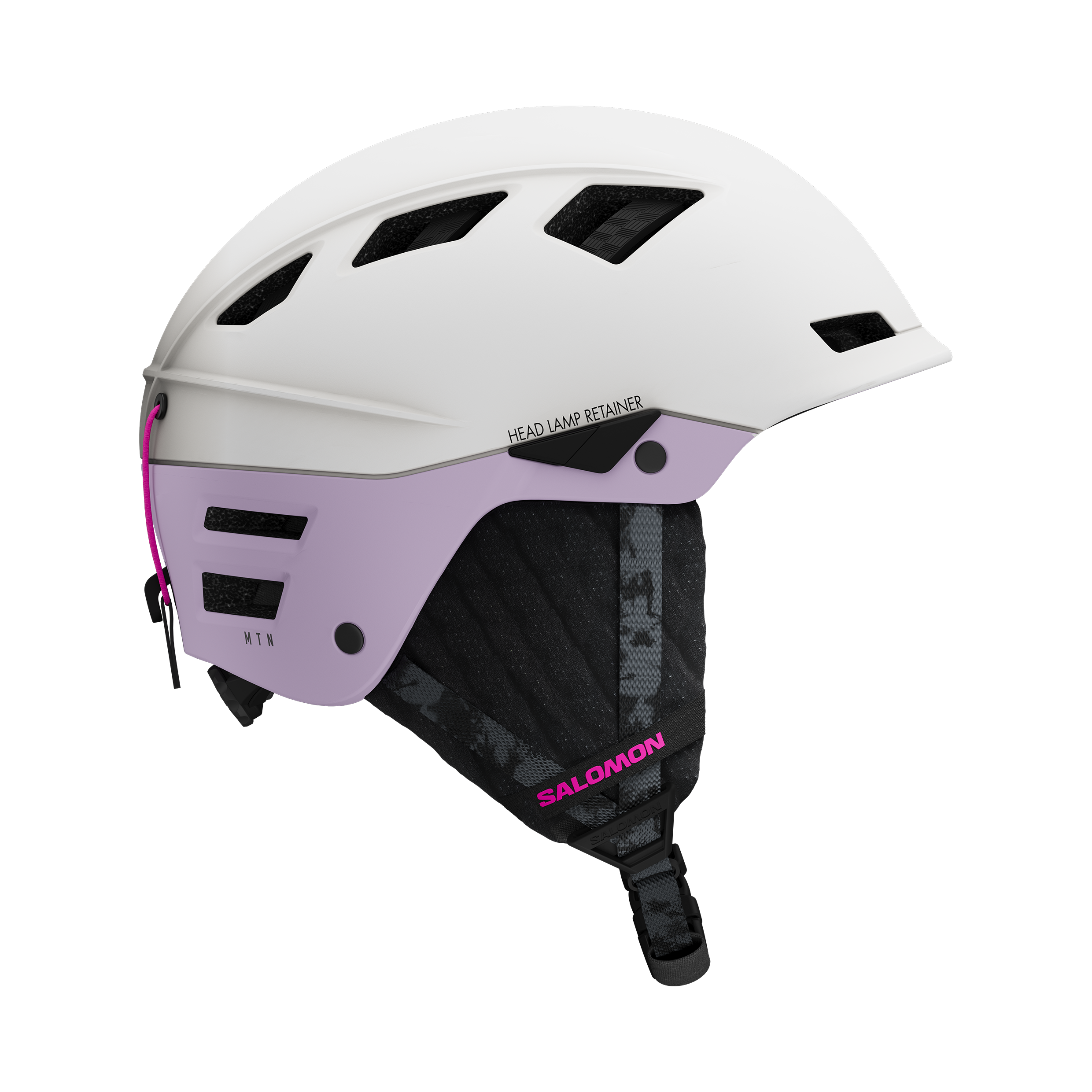
Salomon MTN Lab
Salomon's touring-specific helmet weighs 14.1 ounces with twelve always-open fixed vents that dump heat on the skin track better than any adjustable-vent system can. Triple-norm certified for ski, climbing, and bike use, with a removable merino-wool liner for cold-weather comfort.
Amazon affiliate · price subject to change
The Salomon MTN Lab was one of the first fully backcountry-focused ski helmets and remains the standard the touring category is measured against. At 14.1 ounces it is roughly half the weight of a typical resort all-mountain helmet, the twelve always-open fixed vents dump heat on the skin track better than any adjustable-vent system can, and the removable merino-wool liner adds cold-weather comfort that most touring helmets skip. Triple-norm certification (ski, climbing, bike) means a single helmet covers a multi-sport mountain athlete's full kit.
The honest trade-offs, per OutdoorGearLab and WildSnow testing: the MTN Lab does not include MIPS, the polycarbonate shell is more dent-prone than resort helmets, and the always-open vents make the helmet cold for chairlift-only days. This is a tourer's helmet, full stop. If you tour more than you ride lifts, it is the right pick. If you ride lifts more than you tour, look at the Trooper 2Vi MIPS as the all-mountain-leaning compromise. 18 votes and an 8.4 score.
K2 Diversion MIPS — The Music-In-Helmet Budget Pick
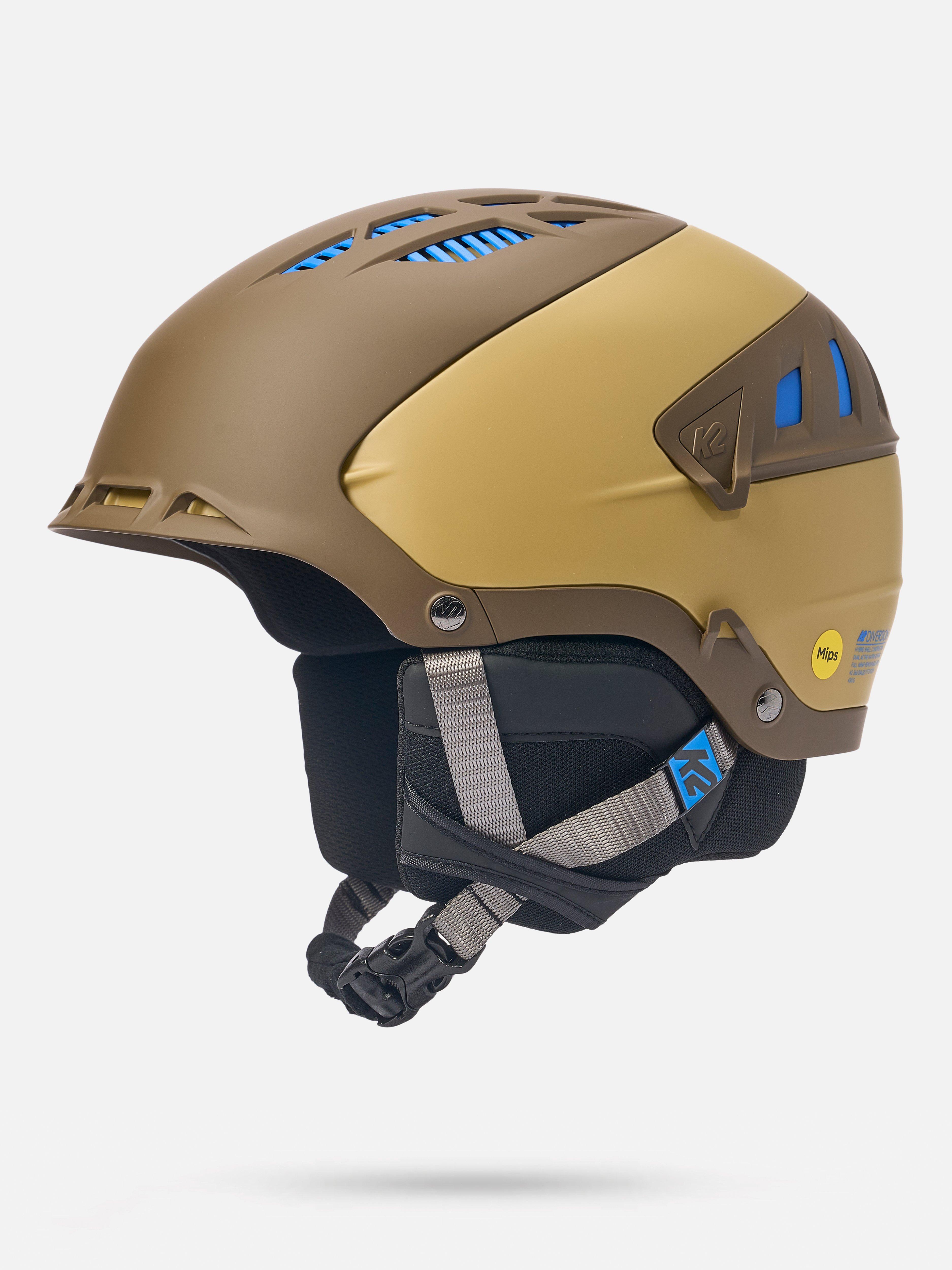
K2 Diversion MIPS
The Diversion MIPS is K2's value all-mountain helmet: a hybrid in-mold base with a hardshell upper for durability, MIPS rotational protection, two-zone Dual Active Matrix venting you can actually adjust, and audio-ready ear pads that accept K2's Baseline audio system. At roughly $130 with a clean look and a dial fit, it's one of the better-value MIPS helmets going.
Amazon affiliate · price subject to change
K2's Baseline Audio system embeds removable speakers directly into the ear pads without compromising the MIPS liner function — the speakers are the genuine differentiator at this price point, and removing them returns the Diversion to a standard MIPS helmet for skiers who don't want music on the lift. At $130 it is the cheapest helmet on this list, undercut only by older-generation closeout pricing on competitor models.
The trade-offs are predictable for the spend: less refined construction than the Smith Level or Giro Ratio, fewer vents, simpler dial-fit system, less polished finish quality. For skiers who want music in their helmet and don't want to wear earbuds under it, this is the cheapest credible answer. For skiers who don't care about audio, the Giro Ratio MIPS at $20 more is the better-built option. 16 votes and an 8.2 score.
Architecture first — all-mountain Koroyd vs touring grams vs a race shell — is the ski-helmet buying guide. This page is the ranking story.
Buying Guide: The Three Decisions That Matter
Resort or backcountry — pick one, then pick the helmet. The single largest variable in ski-helmet selection is whether you ski lifts or skin uphill. Resort all-mountain helmets prioritize comfort, adjustable ventilation, and durable construction at 19 to 23 ounces. Touring-specific helmets prioritize weight and skin-track venting at 14 to 16 ounces, usually at the cost of MIPS, shell durability, and chairlift warmth. A single helmet that covers both ends of the spectrum well does not exist. The Sweet Protection Trooper 2Vi at 19 ounces is the all-mountain-with-backcountry-tolerance compromise; the Salomon MTN Lab at 14.1 ounces is the touring-with-resort-tolerance compromise. Pick the use case first, then the helmet.
Get fit. Helmet fit matters more than helmet price. A $320 Vantage 2 MIPS that runs small on a wider head will deliver less protection and less comfort than a $150 Giro Ratio MIPS that fits correctly. Different brands cut helmets around different head-shape archetypes: Smith and Giro tend to fit longer-oval heads, POC and Sweet Protection tend to fit rounder-Scandinavian heads, and Oakley sits between the two. The Trooper 2Vi runs small enough that multiple reviewers have flagged sizing up. The Tenaya runs slightly small. The Vantage 2 fits most head shapes well thanks to redesigned shaping. If you can try a helmet on at a brick-and-mortar shop before buying online, do it. If you cannot, order from a retailer with a permissive return window like REI, evo, or Backcountry.
The 2025 flagship is almost always the smart May buy. Ski-helmet refresh cycles run 18 to 30 months, and the prior-generation flagship typically drops to 40 to 50 percent off MSRP in the May-to-July post-season window. The original Smith Vantage MIPS (still a great helmet) regularly hits $180 in May after the Vantage 2 ships. Last year's Tenaya Spherical color drops appear at $200. The Sweet Protection Trooper 2Vi MIPS in non-current colors clears at $230. For a 2026 dad-gift or graduation-gift skier in your life, a prior-generation flagship at half off is meaningfully better than a current-year value pick at full price. The exception is the Vantage 2 MIPS specifically, which delivers real protection upgrades over the original Vantage and is worth the premium for buyers who ski hard or often.
For the full community ranking with current prices and live vote counts, head to Gavler's Best Ski Helmets list. Architecture first — resort Koroyd vs touring grams vs a race shell — is the ski-helmet buying guide. If you are shopping the broader sports category, the Gavler Sports hub now covers community-ranked picks across golf, tennis, running, surfing, pickleball, and ski helmets — six lists in total. For skiers who also cycle, the companion Best Electric Bikes list and the Best Electric Bikes brief cover the most-decided commute and adventure-bike category in the 2026 field. For the golf-leaning dad in your life, the new Best Golf Drivers brief closes out the Sports cluster's Father's Day coverage.
See all 10 products ranked by the community
Best Ski Helmets
See Full Rankings →252 community votes cast
Common Questions
The Smith Vantage 2 MIPS tops Gavler's community ranking with a 9.6 score and 36 votes. The full-Koroyd build wraps the honeycomb impact-attenuation material around the entire shell rather than treating it as a partial liner, the MIPS Spherical layer replaces the older slip-plane MIPS for better rotational protection in any crash direction, and the redesigned AirEvac 2 ventilation system delivers up to 40 vents with two zones of adjustable airflow. OutdoorGearLab and GearJunkie 2026 testing both place it among the top performers for all-mountain riders. The honest caveat: at 22.4 ounces in size large it is not the lightest helmet on this list, and the $320 price is roughly $100 above the value tier.
Yes, for any helmet you plan to keep more than two seasons. MIPS — and its newer equivalents like MIPS Spherical, Giro's Spherical Technology, and Sweet Protection's 2Vi platform — adds a low-friction layer that lets the inner foam rotate slightly relative to the outer shell on angled impacts. Crash-test data from independent labs consistently shows that helmets with rotational-protection systems reduce the rotational force transmitted to the brain in oblique impacts, which is the dominant injury vector in ski falls. The price premium for the MIPS version of any given helmet is typically $30 to $60. That is a small spend relative to the medical downside it mitigates. Skip MIPS only if your budget caps below $130 and the alternative is no helmet at all.
These two are the consensus top-of-rack helmets for all-mountain resort skiing in 2026 and they answer slightly different questions. The Smith Vantage 2 MIPS prioritizes ventilation, with 40 vents in two adjustable zones, and the full-Koroyd construction delivers the highest impact-attenuation rating among mainstream all-mountain helmets. The Giro Tenaya Spherical prioritizes goggle integration and head-shape range — its smaller brim eliminates the goggle gap that plagues taller-profile helmets, the In Form 2 fit system accommodates a wider range of head shapes, and the magnetic Fidlock buckle is genuinely useful with gloves on. Pick the Smith if you ski hot and want maximum venting. Pick the Giro if you wear glasses, layer goggles often, or are stuck between two sizes.
The Salomon MTN Lab is the consensus pick for dedicated backcountry tourers at 14.1 ounces — roughly half the weight of a typical resort all-mountain helmet — with twelve always-open fixed vents that dump heat efficiently on the skin track. It carries triple-norm certification (ski, climbing, bike) and a removable merino-wool liner that improves cold-weather comfort. The honest trade-off, per OutdoorGearLab and WildSnow testing: the MTN Lab does not have MIPS, the polycarbonate shell is more dent-prone than resort helmets, and the always-open vents make it cold for chairlift skiing. If you tour more than you ride lifts, this is the right helmet. If you ride lifts more than you tour, the Sweet Protection Trooper 2Vi MIPS at 19 ounces is the better all-mountain-leaning compromise.
The Smith Level MIPS at $220 (often discounted to $180 at the end of season) is the cheapest credible answer with Smith's Koroyd impact technology — the same platform as the flagship Vantage 2 in a less-vented, single-shell construction. For a true sub-$200 spend, the Giro Ratio MIPS at $150 is the best-value MIPS helmet on the rack — Giro's in-mold polycarbonate keeps weight under 400 grams, the stack ventilation works better than its price suggests, and the rotational impact protection is the same MIPS system found in helmets that cost three times more. Below the Ratio, the K2 Diversion MIPS at $130 adds removable Baseline Audio speakers in the ear pads for skiers who want chairlift music without compromising the MIPS liner.
Yes — May and June are the best months to buy a ski helmet in the entire calendar year. The 2026 lineup is fully shipped, the 2025 flagships move to clearance pricing at 30 to 40 percent off MSRP, and Memorial Day sales at REI, evo, Backcountry, and the manufacturer direct stores typically discount this year's models by 10 to 20 percent. If you can wait until early-summer post-season closeouts, the Smith Vantage 2 MIPS regularly drops from $320 to $240, the Sweet Protection Trooper 2Vi MIPS from $320 to $230, and the previous-generation Smith Vantage MIPS (still a great helmet) to $180-$200. Buying in May locks in next-season-ready gear at peak markdown — the opposite of buying in November when MSRP rules the rack.
Rankings come from community votes by riders who actually wear the helmets. Each user gets one vote on the Best Ski Helmets list — pick the helmet you would put on tomorrow morning for the first chairlift, not the one with the most marketing budget. Switched helmets mid-season after a crash or a fit issue? Move your vote. No affiliate commissions or manufacturer sponsorships influence the ranking. Vote totals at the time of publication appear next to each pick on the live list.
Products Mentioned
Jump to the full ranking and community verdict for each pick named above.
- Smith Vantage 2 MIPSSports · Best Ski Helmets
- Smith Level MIPSSports · Best Ski Helmets
- Giro Tenaya SphericalSports · Best Ski Helmets
- POC Obex MIPSSports · Best Ski Helmets
- Sweet Protection Trooper 2Vi MIPSSports · Best Ski Helmets
- Oakley MOD5 MIPSSports · Best Ski Helmets
- Giro Ratio MIPSSports · Best Ski Helmets
- Atomic Redster CTDSports · Best Ski Helmets
- Salomon MTN LabSports · Best Ski Helmets
- K2 Diversion MIPSSports · Best Ski Helmets