Salomon MTN Lab.
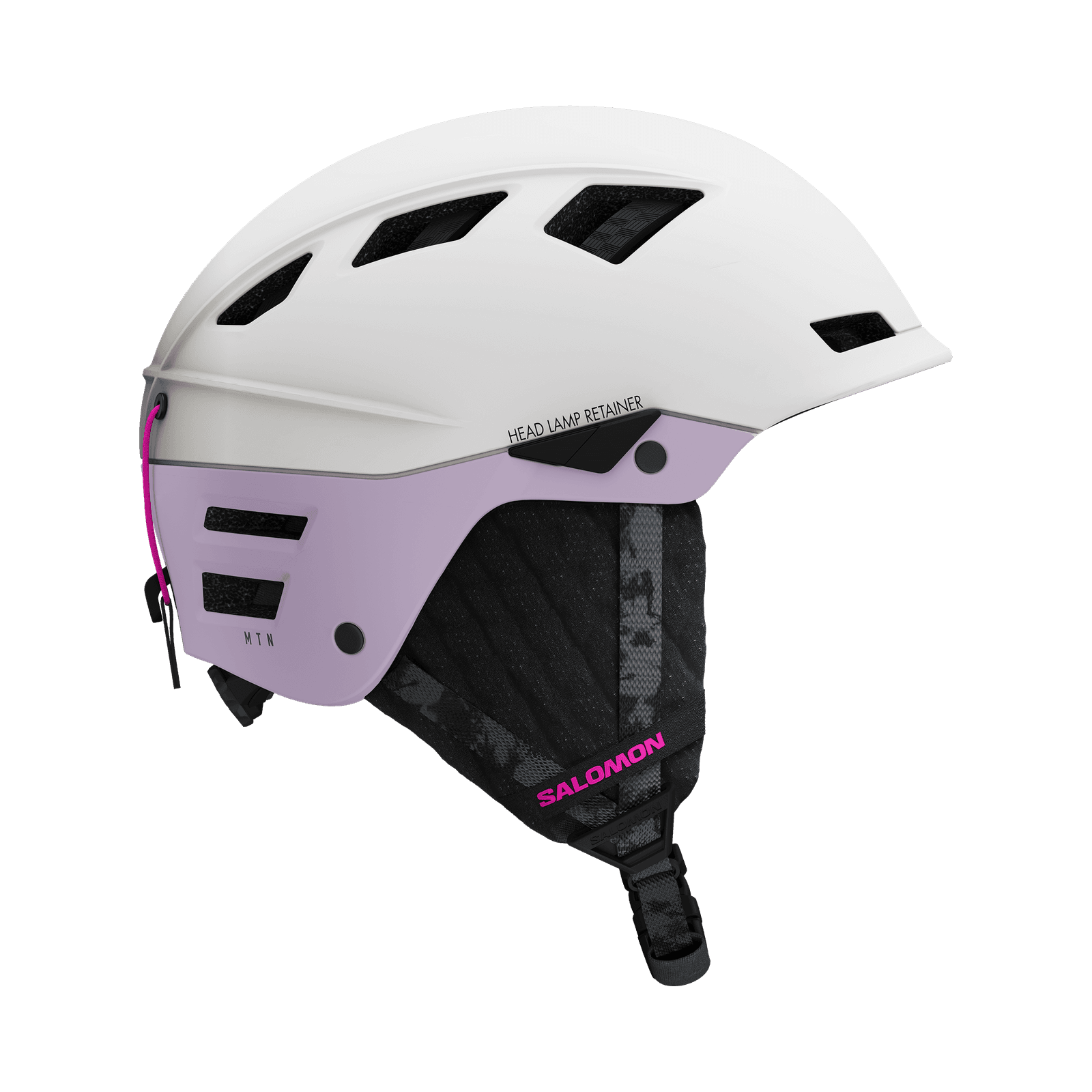
Salomon's touring-specific helmet weighs 14.1 ounces with twelve always-open fixed vents that dump heat on the skin track better than any adjustable-vent system can. Triple-norm certified for ski, climbing, and bike use, with a removable merino-wool liner for cold-weather comfort.
The Verdict.
Gavler Meta-Score
“Buy this if you skin uphill more than you ride a chair. The 14.1-ounce weight, twelve always-open vents, and triple-norm certification make the MTN Lab the consensus dedicated-tourer pick, and the removable merino liner is a genuinely useful detail for cold-weather backcountry. Pass on it if MIPS is a hard requirement for you — the MTN Lab does not have it — or if you ride lifts more than you tour; the resort all-mountain helmets in this list will be warmer, more durable, and better protected.”
The Gavler Verdict
The Gavler Review.
Salomon MTN Lab Review: The Backcountry Standard, No MIPS Included
The Salomon MTN Lab ranks number 9 on Gavler's Best Ski Helmets list with an 8.4, and it was one of the helmets that defined the backcountry-touring category when it launched — it remains the standard the category gets measured against. OutdoorGearLab doesn't hedge about the core selling point: "For most ski tourers, the low weight alone should be enough to justify the MTN Lab's place in your kit." Gavler's own verdict is equally direct about who this helmet is and isn't for: "Buy this if you skin uphill more than you ride a chair... Pass on it if MIPS is a hard requirement for you — the MTN Lab does not have it." That's not a minor caveat; it's the single fact that should decide this purchase either way.
What it is
At 14.1 ounces (400 g) in size medium, the MTN Lab weighs roughly half what a typical resort all-mountain helmet weighs — a genuinely dramatic difference that only matters if you're the one carrying that weight uphill on your own power for hours at a time. Twelve always-open, fixed vents dump heat on the skin track more effectively than any adjustable-vent system, because there's no mechanism to accidentally leave partially closed during a long climb. A removable merino-wool liner adds cold-weather comfort that most dedicated touring helmets skip entirely, and it comes out for warm-weather touring or washing.
Triple-norm certification is the other headline feature: the helmet is certified for skiing (CE EN1077), climbing (CE EN12492), and biking (CE EN1078), which means one helmet can legitimately cover a multi-sport mountain athlete's kit instead of three separate purchases. The trade-offs that make the low weight possible are real and specific: no MIPS or any rotational-protection system, a polycarbonate shell that's more dent-prone than resort helmets with reinforced exteriors, and a tall, rounded fit profile that some heads simply don't suit as well as a resort helmet's shape.
In use
WildSnow's assessment of the MTN Lab's standing in the category is unambiguous: "One of the lightest helmets available — a stalwart of the backcountry category since launch." That "stalwart" framing matters — this isn't a new entrant making a first impression, it's a helmet that's been proven over years of real backcountry use by a demanding, weight-obsessed user base that would have moved on to something else if it didn't hold up.
Backcountry.com's review highlights the certification and comfort details that separate this from a helmet that's simply light for the sake of being light: "Triple-norm certified for skiing, biking, and climbing, with a removable merino wool liner that many touring helmets don't have." That's a genuinely useful detail — a lot of ultralight touring helmets strip out comfort features to hit a weight target, and the merino liner is evidence Salomon didn't take that shortcut here.
The honest limitation, and it's a real one, comes through in OutdoorGearLab's testing on fit: their reviewer noted the helmet "sits higher on my head than I'd like" — a direct consequence of the geometric trade-off Salomon made to keep weight low. That's worth testing in person before buying, since fit issues on a helmet aren't something you can fix after the fact the way you might adjust a ski boot.
Strengths
- 14.1 ounces is a genuine, measurable weight advantage over resort helmets — roughly half the weight, which matters directly to anyone climbing under their own power for hours.
- Twelve always-open vents dump heat more reliably on the skin track than adjustable systems that can be left partially closed by mistake.
- A removable merino-wool liner adds real cold-weather comfort most dedicated touring helmets skip.
- Triple-norm certification (ski, climbing, bike) genuinely consolidates a multi-sport athlete's helmet kit into one purchase.
- A proven, years-long track record in the backcountry category, per WildSnow, rather than an unproven newcomer.
The trade-offs — who should skip it
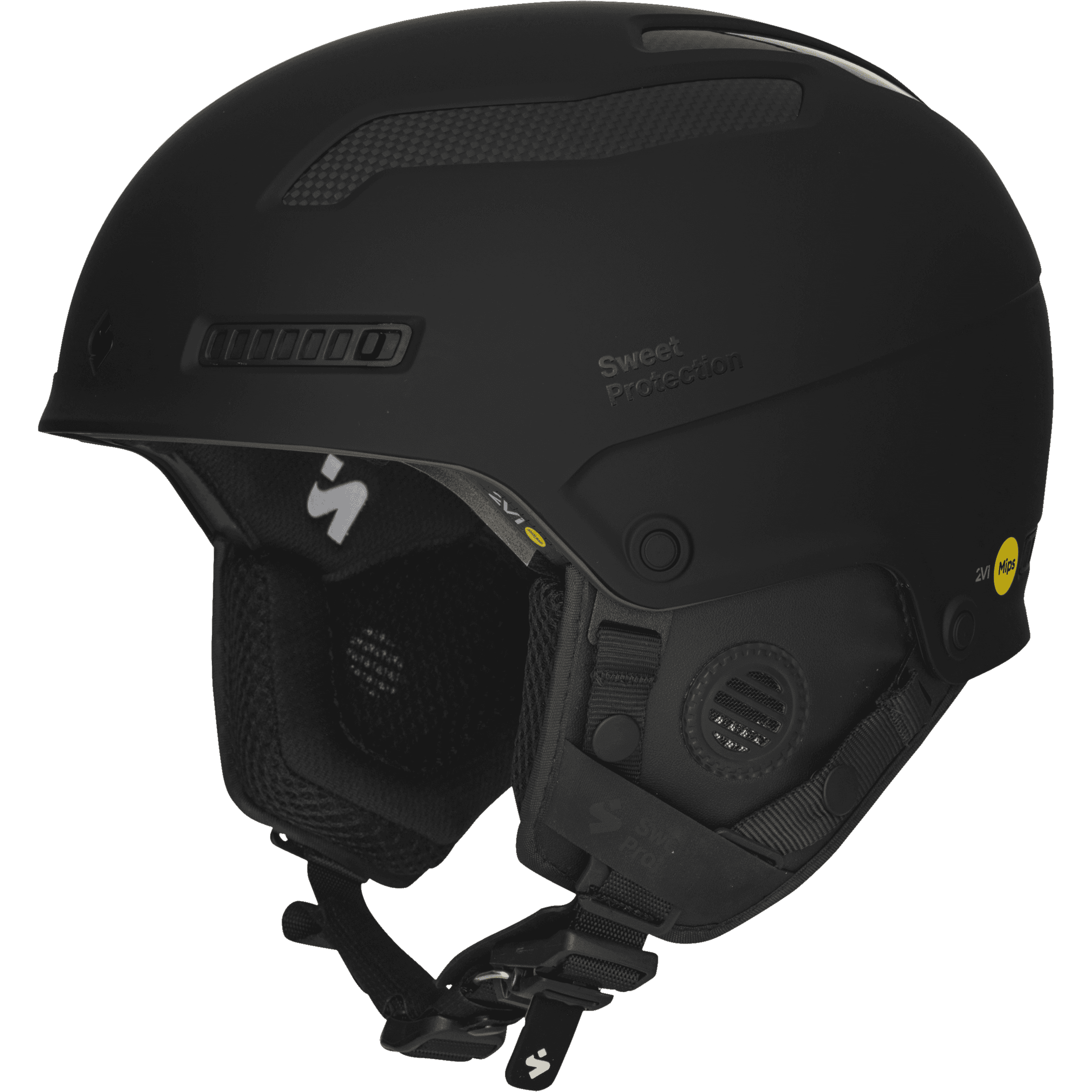
- MIPS is a hard requirement for you. The MTN Lab does not have MIPS or any rotational-protection system — full stop, this is the fact that should end the conversation for buyers who need it. The Sweet Protection Trooper 2Vi MIPS is the better-suited backcountry-leaning alternative with MIPS included.
- You ride lifts more than you tour. The always-open vents make it genuinely cold on chairlift-only days, and the shell is more dent-prone than resort-oriented helmets.
- Fit is uncertain for your head shape. OutdoorGearLab found it "sits higher" than expected — try it on before buying rather than ordering blind based on size alone.
How it compares
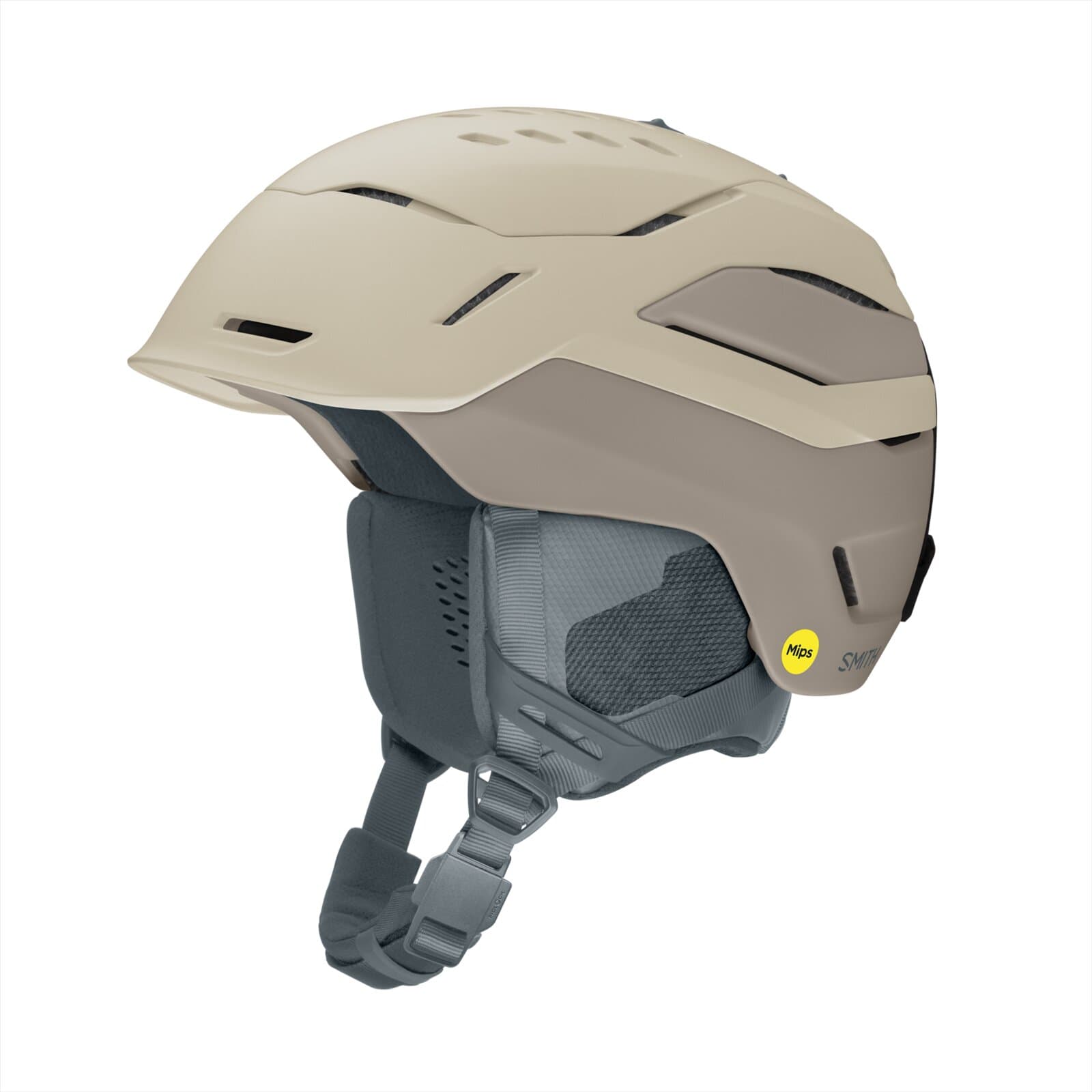
Five ranks up, the Sweet Protection Trooper 2Vi MIPS is the natural comparison for a backcountry-leaning buyer who isn't willing to give up MIPS — at roughly 19 oz it's heavier than the MTN Lab but includes rotational protection and a carbon-fiber Varioshell built for freeride and backcountry impacts, making it the all-mountain-leaning compromise between the two use cases. Against the Smith Level MIPS at rank 6, the comparison is really about which sport you're doing more of: the Level is a cold-weather resort helmet with fixed, non-adjustable vents built for chairlift laps, while the MTN Lab is built entirely around uphill heat management. Neither substitutes well for the other — a tourer who buys the Level will overheat on the skin track, and a resort skier who buys the MTN Lab gives up MIPS and durability for no real benefit.
The Gavler verdict
An 8.4, with an 85 expert consensus and an 82 community rating that reflect a genuinely polarized buyer set rather than lukewarm consensus. The scoreNote states it plainly: backcountry-tourer reviewers consistently rate it 9-plus for weight and venting, while resort-skier reviewers rate it lower for the no-MIPS construction and dent-prone shell. Both groups are right, because they're evaluating the helmet against different needs. If you tour more than you ride lifts, the MTN Lab's weight, venting, and triple-norm certification make it the consensus dedicated-tourer pick. If MIPS matters to you or you spend most of your season on lifts, this is the one helmet on Gavler's list built for a different skier than you.
Common Questions
Yes, if you skin uphill more than you ride a chairlift. It ranks ninth on Gavler's Best Ski Helmets list with an 8.4. OutdoorGearLab says 'for most ski tourers, the low weight alone should be enough to justify the MTN Lab's place in your kit.' If you ride lifts more than you tour, this isn't the right helmet.
No. This is the single most important thing to know before buying it — the MTN Lab does not include MIPS or any rotational-protection system. If MIPS is a hard requirement, look at the Sweet Protection Trooper 2Vi MIPS or any of the resort-focused helmets on Gavler's list instead.
14.1 ounces (400 grams) in size medium — roughly half the weight of a typical resort all-mountain helmet. That weight savings, achieved partly through a more dent-prone polycarbonate shell and a taller, rounder fit profile, is the entire reason backcountry skiers choose this helmet.
It means the helmet is certified for three different sports: skiing (CE EN1077), climbing (CE EN12492), and biking (CE EN1078). For a multi-sport mountain athlete, one certified helmet can legitimately cover skiing, ski mountaineering, and biking instead of buying separate helmets for each.
Where to Buy.
Prices checked regularly
90-day price history
Price History
Steady at $250 for the entire 90-day tracking window — no increases, no discounts, across 91 tracked days.
Tracked daily across retailers. Vote Want itabove and we’ll alert you the moment the price drops.
Some links are affiliate links — Gavler may earn a commission. This never affects rankings or scores. Learn more.
Precision Engineering
14.1-Ounce Touring Weight
Roughly half the weight of a typical resort all-mountain helmet — the single biggest reason backcountry skiers buy this helmet.
Triple-Norm Certification
Certified for skiing (CE EN1077), climbing (CE EN12492), and biking (CE EN1078) — one helmet covers a multi-sport mountain athlete's full kit.
Removable Merino-Wool Liner
Wool-blend liner adds cold-weather comfort and wicks moisture on the skin track; removable for warm-weather touring and washing.
Technical Specifications
The Scoreboard
8.4 reflects the polarized buyer set: backcountry-tourer reviewers consistently rate it 9+ for weight and venting, while resort-skier reviewers rate it lower for the no-MIPS construction and dent-prone shell.
Cast Your Vote
Do you think Salomon MTN Lab deserves the #8 spot in Best Ski Helmets?
Global Critique
“For most ski tourers, the low weight alone should be enough to justify the MTN Lab's place in your kit.”
“One of the lightest helmets available — a stalwart of the backcountry category since launch.”
“Triple-norm certified for skiing, biking, and climbing, with a removable merino wool liner that many touring helmets don't have.”
More from Best Ski Helmets.
See how other top picks compare in this category.
Resort Koroyd, Touring Grams, or a Race Shell?
Vent hangtags are the wrong first question. All-mountain Koroyd, touring grams, or a FIS race shell is the lid. Then shop Gavler's live community ranking.
The Best Ski Helmets in 2026, Ranked by the Riders Buying Them Off-Season
Smith, Giro, POC, Sweet Protection. Gavler's community ranks the helmets worth buying — from full-Koroyd flagships to the 14-ounce touring outliers.