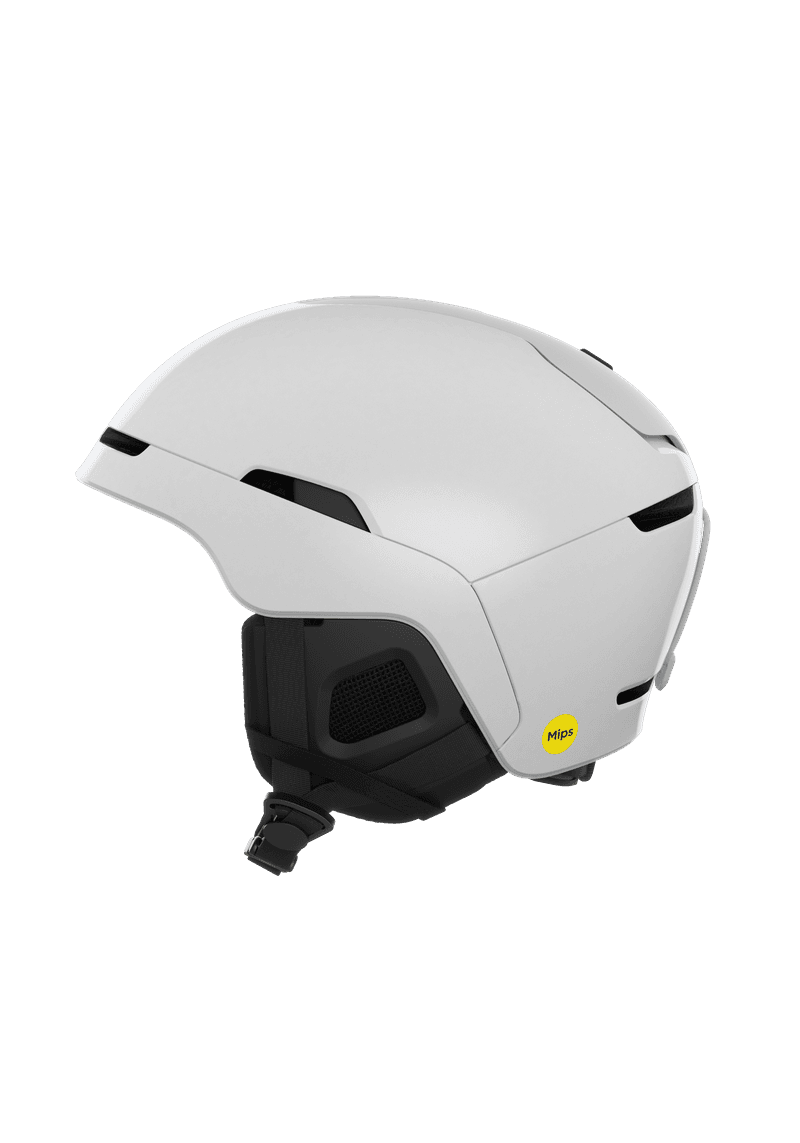
POC Obex MIPS.
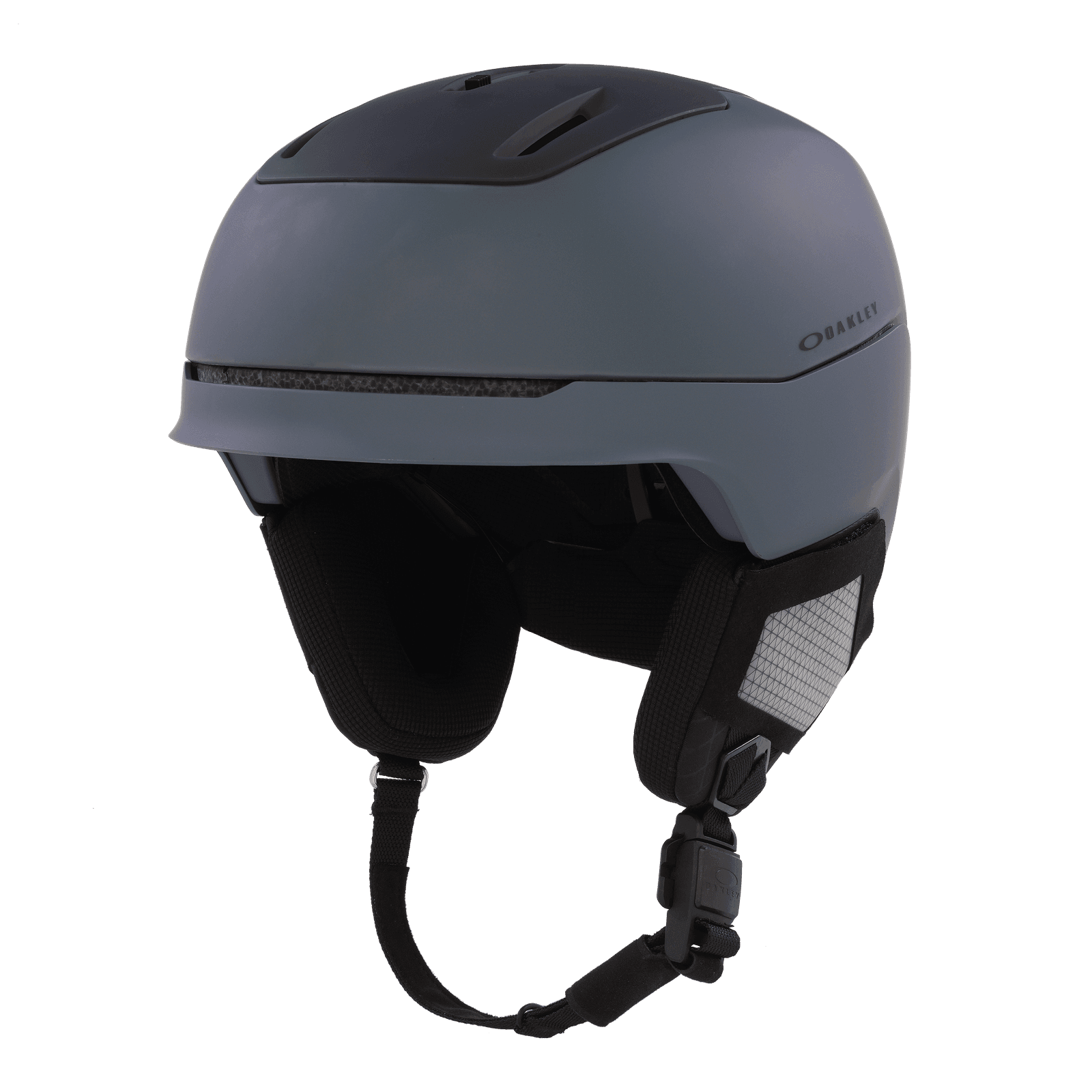
The Obex MIPS is one of the smallest-profile helmets in the all-mountain class, with dimensions closer to a backcountry or climbing lid than a bulky resort helmet. An EPS liner under a polycarbonate shell carries the MIPS Evolve rotational layer, sliding vent covers dial airflow, and front goggle-evacuation vents fight fogging — all in POC's signature minimalist design.
The Verdict.
Gavler Meta-Score
“Buy this if you want a lightweight, low-profile all-mountain helmet with a clean look and genuinely good venting — the small profile, MIPS Evolve, and goggle-fog management make it one of the most comfortable lids to wear all day. Pass on it if you want maximum coverage (it's EN 1077 Class B, not Class A) or integrated audio; POC keeps this one minimalist by design.”
The Gavler Verdict
The Gavler Review.
POC Obex MIPS Review: The Smallest-Profile Helmet in the All-Mountain Class
The POC Obex MIPS sits at number three on our Best Ski Helmets list with a 9.3, and it earns that ranking by doing less, on purpose. Buy it if you want a lightweight, low-profile all-mountain helmet with a clean Scandinavian look and genuinely good venting — the small profile, MIPS Evolve rotational protection, and goggle-fog management make it one of the most comfortable lids to wear all day on the mountain. The trade-off is coverage: it's certified to EN 1077 Class B rather than the less-common Class A, and there's no built-in audio option.
What it actually is
POC built its reputation on Scandinavian safety design, and the Obex MIPS is the clearest expression of that philosophy in the all-mountain category. The construction pairs an EPS liner with a polycarbonate shell and an ABS top shell, balancing weight, durability, and protection without the bulk of a full hardshell resort helmet. OutdoorGearLab's testing called out the result directly: the Obex is "among the smallest profile ski helmets tested, with dimensions more common in the backcountry ski or climbing world."
Rotational protection comes from the MIPS Evolve Brain Protection System, which redirects the oblique impact forces most associated with real-world brain injury. Sliding vent covers let you open the helmet up for the skin track and close it down on cold chairlift days, and integrated front vents pull air up from the goggles specifically to prevent fogging — a detail that matters more in practice than most buyers expect walking in. A circumference-spanning size-adjustment system dials in fit without swapping foam pads. The Obex is certified to EN 1077 Class B and ASTM F2040, the same standards the Giro Tenaya Spherical and Sweet Protection Trooper meet elsewhere on this list.
In use
The headline finding across independent testing is how small and unobtrusive the Obex feels compared to the rest of the all-mountain category. OutdoorGearLab's comparison puts it in a different weight class entirely — not just lighter than other resort helmets, but shaped more like the minimalist lids built for ski touring and climbing than a typical lift-served-mountain helmet.
Better Trail's testing backs up the everyday livability of that low profile: "Lightweight and well ventilated, making it ideal for all-day, all-mountain use." The sliding vent system and goggle-evacuation front vents are doing real work here — fogging is one of the most common complaints skiers have about helmets in general, and the Obex's venting is specifically engineered to route warm, moist air away from the goggle lens rather than trapping it against the face.
Where it shines
- Genuinely low-profile construction. OutdoorGearLab found it among the smallest-profile helmets they tested in the class — a real, measurable difference from bulkier resort helmets, not just a marketing claim.
- MIPS Evolve without the bulk. Rotational protection is integrated into the low-profile shape rather than adding noticeable size or weight, unlike some MIPS implementations.
- Goggle-fog management that actually works. Sliding vents plus front goggle-evacuation ports are purpose-built to solve one of skiing's most common helmet complaints.
The trade-offs — who should skip it
- You want maximum head coverage. The Obex carries EN 1077 Class B certification, which covers slightly less of the head than the less-common Class A standard. It's a deliberate trade nearly every lightweight all-mountain helmet makes for lower weight and better venting, but racers or safety-maximalists who specifically want Class A coverage should look elsewhere.
- You want built-in audio. POC keeps the Obex minimalist by design — there's no integrated speaker system here, unlike helmets built around audio compatibility from the start.
- You want the absolute lightest option regardless of features. The Obex is low-profile relative to full-coverage resort helmets, but skiers chasing the single lightest helmet on the market should compare it directly against ultralight touring-specific lids.
How it compares
One spot up on the list, the Giro Tenaya Spherical is the closest direct comparison — also MIPS-equipped and EN 1077 Class B certified, but built around a more elaborate dual-shell Spherical MIPS system and an On-the-fly Vertical Tuning fit designed to solve the goggle-gap problem on rounder head shapes. Two spots down, the Sweet Protection Trooper 2Vi MIPS offers a similar coverage-and-venting balance from a different Scandinavian design house.
The Obex's case isn't that it out-features the helmets ranked above it — it's that nothing else in the top five matches its combination of a genuinely compact profile, effective venting, and clean, low-key design. For skiers who find most resort helmets bulky or overbuilt, that's the entire pitch.
The Gavler verdict
A 9.3 reflecting top marks for low-profile comfort, venting, and clean design — the score sits just below the Giro Tenaya on slightly less coverage and no audio option, but the Obex's minimalist approach is exactly the point for the skier it's built for. Buy it if you want a lightweight, low-profile all-mountain helmet that disappears on the head and manages goggle fog better than most; pass on it if you want maximum EN 1077 Class A coverage or integrated audio. See where it ranks on our Best Ski Helmets list.
Common Questions
For skiers who want a low-profile, well-ventilated all-mountain helmet with a clean look, yes. It ranks third on Gavler's Best Ski Helmets list with a 9.3, and OutdoorGearLab singled it out as one of the smallest-profile ski helmets they've tested — closer in dimensions to a backcountry or climbing lid than a bulky resort helmet. The trade-off is coverage: it's certified to EN 1077 Class B, not the less-common, more-coverage Class A, and it doesn't offer built-in audio.
Class B certification covers slightly less of the head than Class A, and it's the standard nearly every lightweight, well-ventilated all-mountain helmet uses — including the Obex, Giro Tenaya, and Sweet Protection Trooper. It's a deliberate trade for lower weight and better venting, not a sign of reduced testing rigor. Racers or skiers who specifically want maximum head coverage should look for a Class A-certified helmet instead.
Both are MIPS-equipped, EN 1077 Class B all-mountain helmets that rank in Gavler's top three, and the choice mostly comes down to fit philosophy. The Obex prioritizes an especially low, minimalist profile and simple venting, while the Tenaya uses a more elaborate dual-shell Spherical MIPS system and an On-the-fly Vertical Tuning fit built to solve the goggle gap on rounder head shapes. If a compact, backcountry-style profile matters most to you, take the Obex; if goggle-gap fit and a magnetic buckle matter more, take the Tenaya.
No. POC keeps the Obex minimalist by design — no integrated speaker system, unlike helmets built specifically around audio compatibility. Skiers who want built-in audio should look elsewhere in the category; the Obex's strengths are its low profile, venting, and goggle-fog management.
Where to Buy.
Prices checked regularly
90-day price history
Price History
Steady at $260 for the entire 90-day tracking window — no increases, no discounts, across 91 tracked days.
Tracked daily across retailers. Vote Want itabove and we’ll alert you the moment the price drops.
Some links are affiliate links — Gavler may earn a commission. This never affects rankings or scores. Learn more.
Precision Engineering
MIPS Evolve
Low-friction rotational layer redirects oblique-impact forces, integrated to keep the profile low.
Sliding Vent Covers
Slide-adjustable vents plus front goggle-evacuation ports dial airflow and fight fogging.
Low-Profile EPS/PC Construction
EPS liner under a polycarbonate shell and ABS top shell keeps the helmet light and compact.
Technical Specifications
The Scoreboard
9.3 reflects top marks for low-profile comfort, venting, and clean design; the score sits just below the Giro Tenaya on slightly less coverage (EN 1077 Class B) and no audio option.
Cast Your Vote
Do you think POC Obex MIPS deserves the #3 spot in Best Ski Helmets?
Global Critique
“Among the smallest profile ski helmets tested, with dimensions more common in the backcountry ski or climbing world.”
“Lightweight and well ventilated, making it ideal for all-day, all-mountain use.”
More from Best Ski Helmets.
See how other top picks compare in this category.
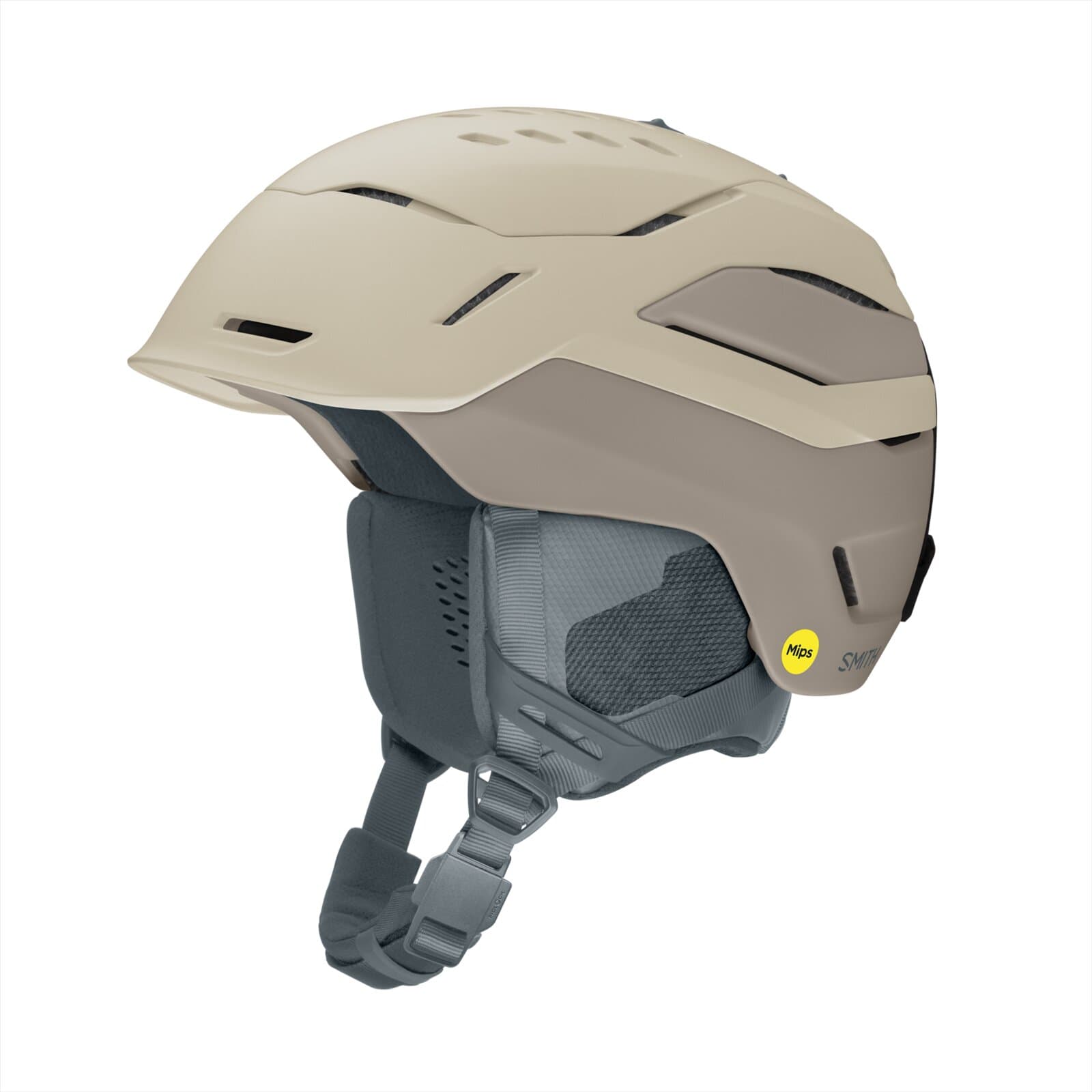
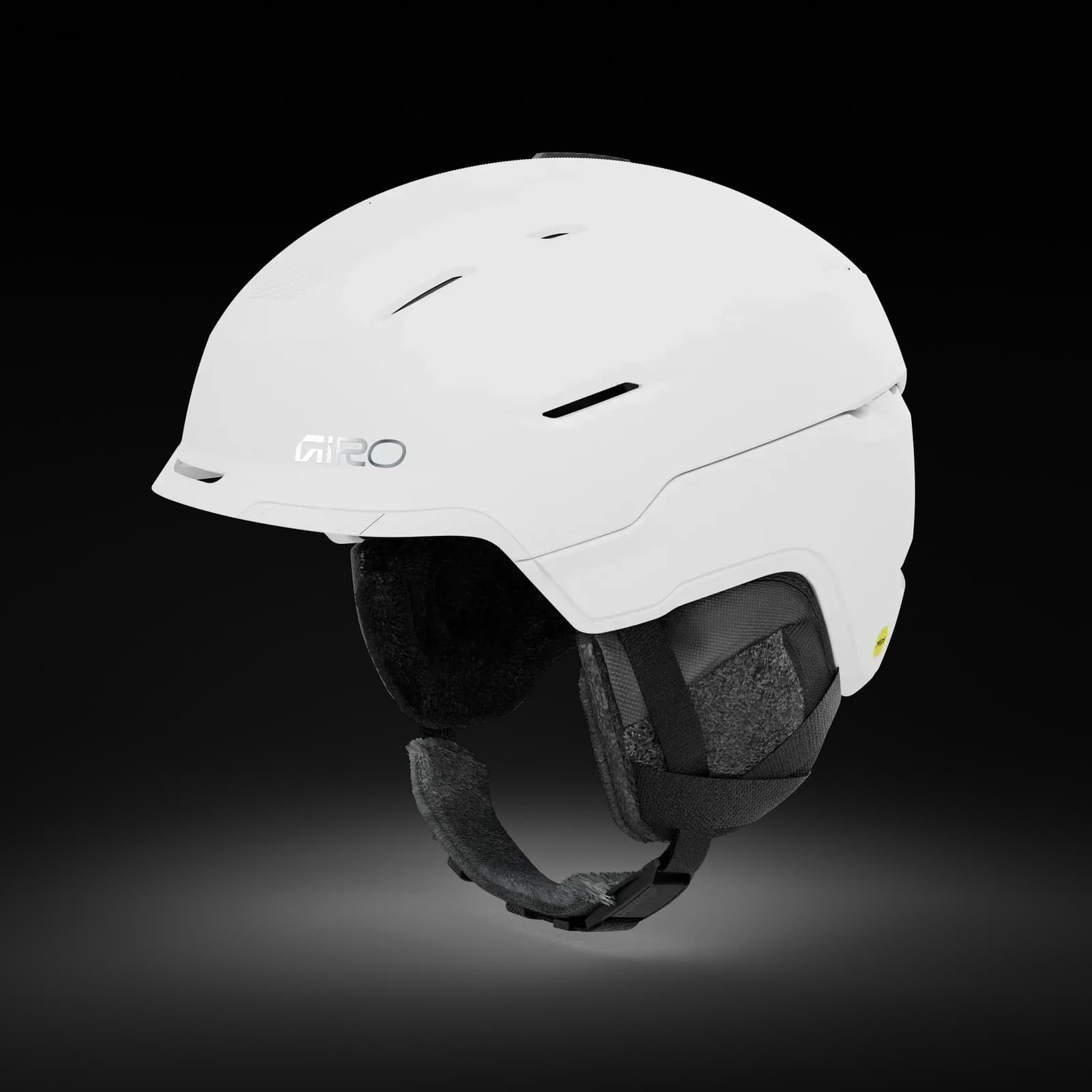
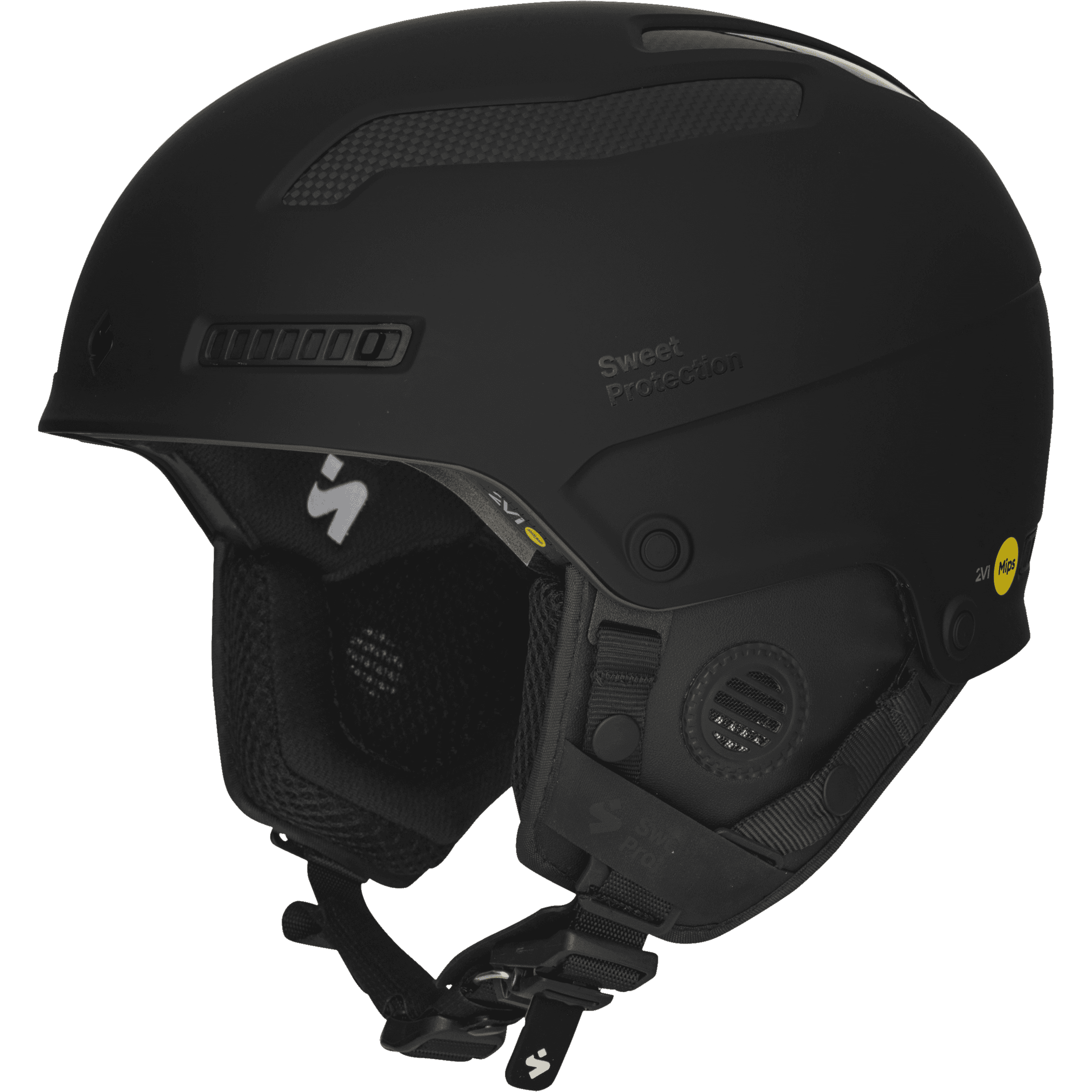
Resort Koroyd, Touring Grams, or a Race Shell?
Vent hangtags are the wrong first question. All-mountain Koroyd, touring grams, or a FIS race shell is the lid. Then shop Gavler's live community ranking.
The Best Ski Helmets in 2026, Ranked by the Riders Buying Them Off-Season
Smith, Giro, POC, Sweet Protection. Gavler's community ranks the helmets worth buying — from full-Koroyd flagships to the 14-ounce touring outliers.