The Verdict
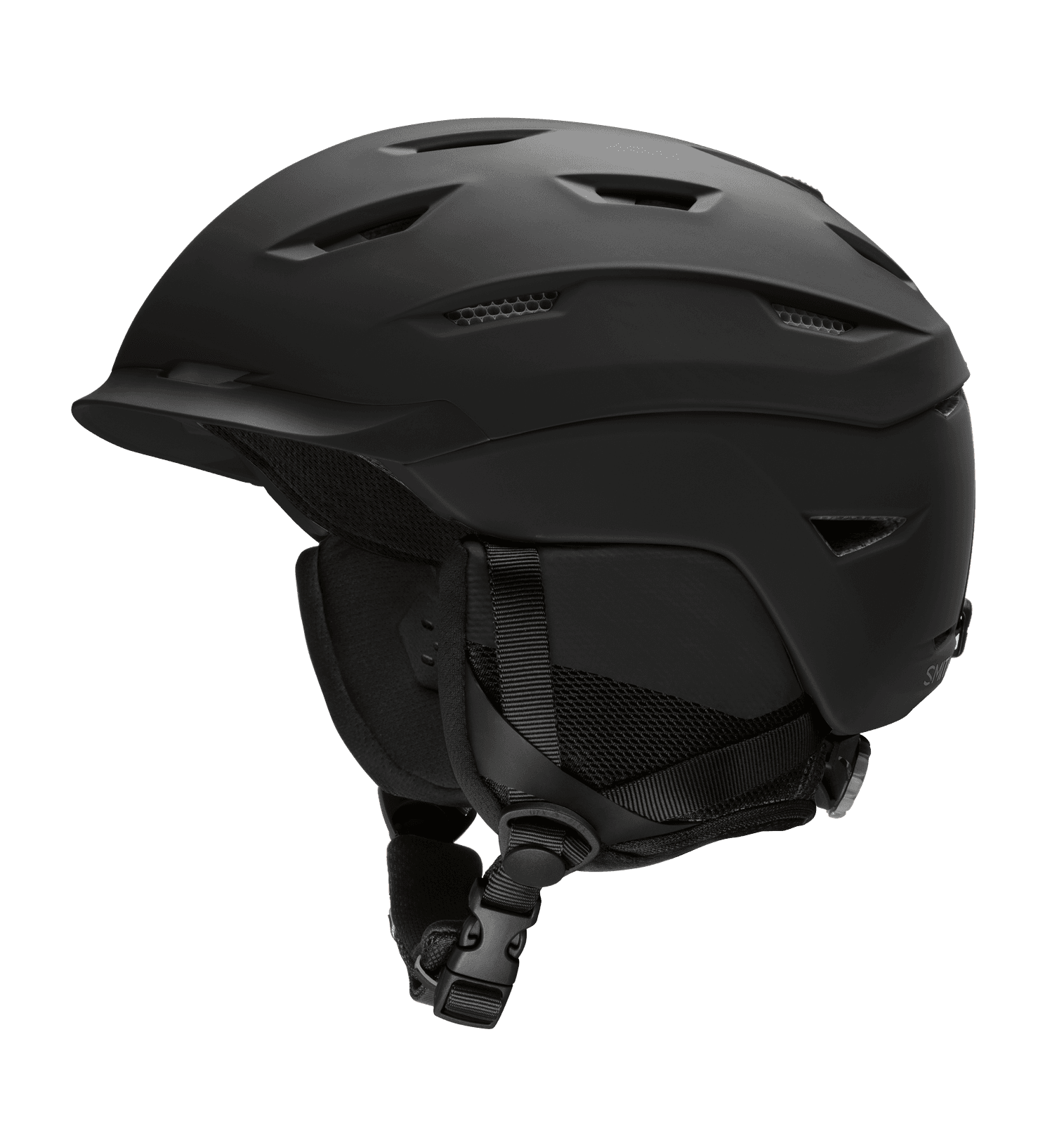
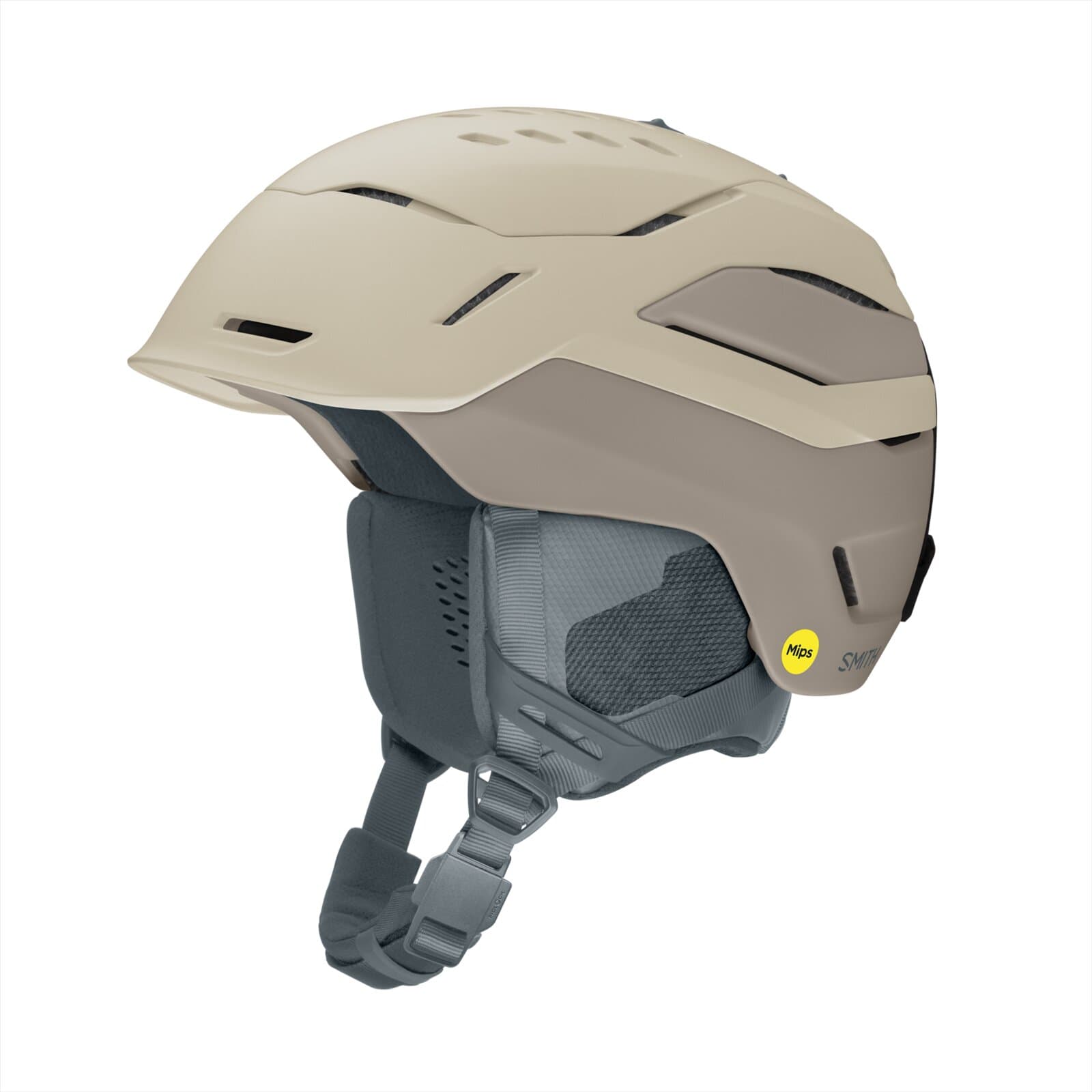
“Smith's Vantage 2 MIPS adds the MIPS Spherical ball-and-socket liner and AirEvac 2 ventilation to the proven Aerocore + Koroyd platform — the most refined version of the Vantage to date.”
14% STABLE
MIPS-equipped ski and snowboard helmets rated for ventilation, fit systems, and certified impact protection.

“Smith's Vantage 2 MIPS adds the MIPS Spherical ball-and-socket liner and AirEvac 2 ventilation to the proven Aerocore + Koroyd platform — the most refined version of the Vantage to date.”
14% STABLE

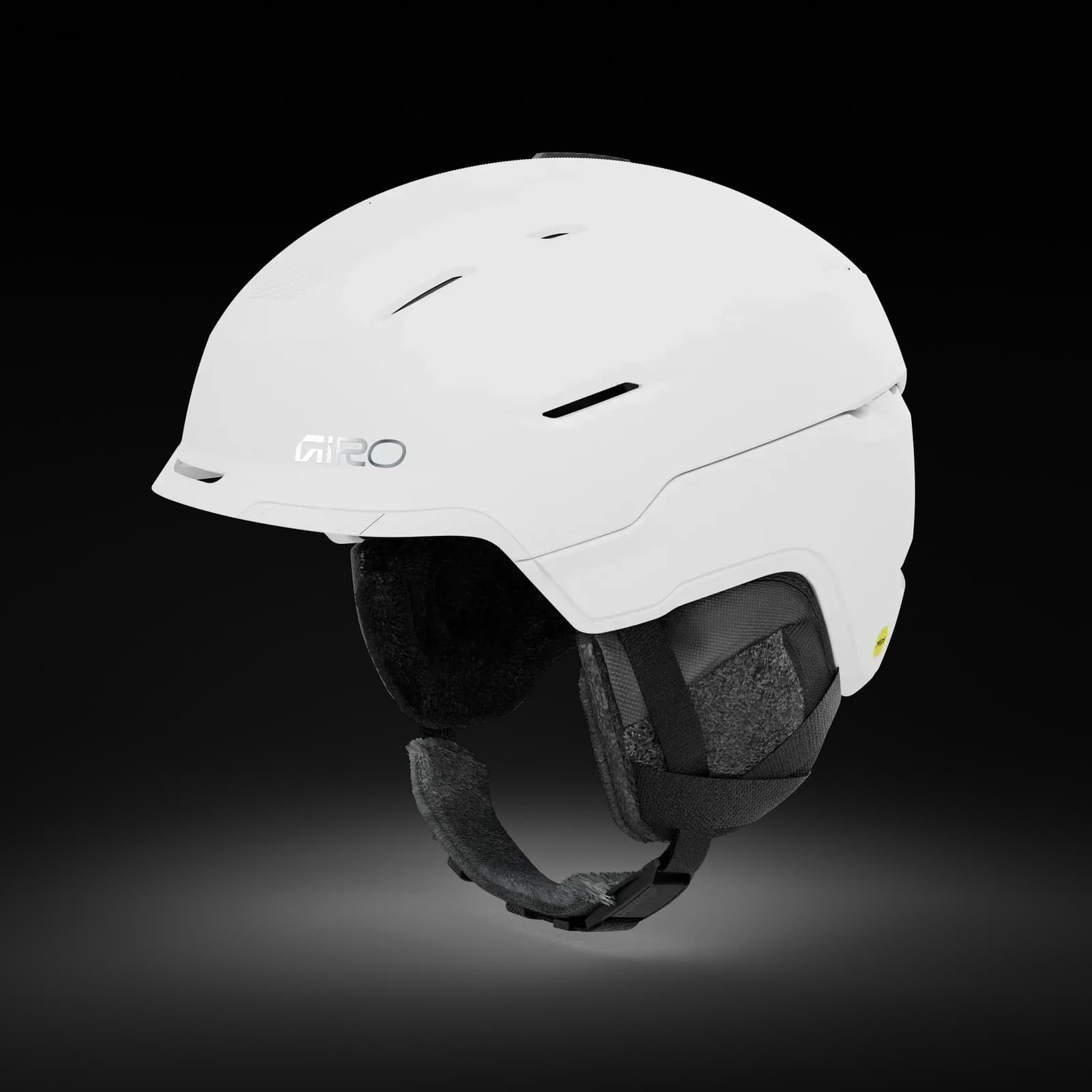
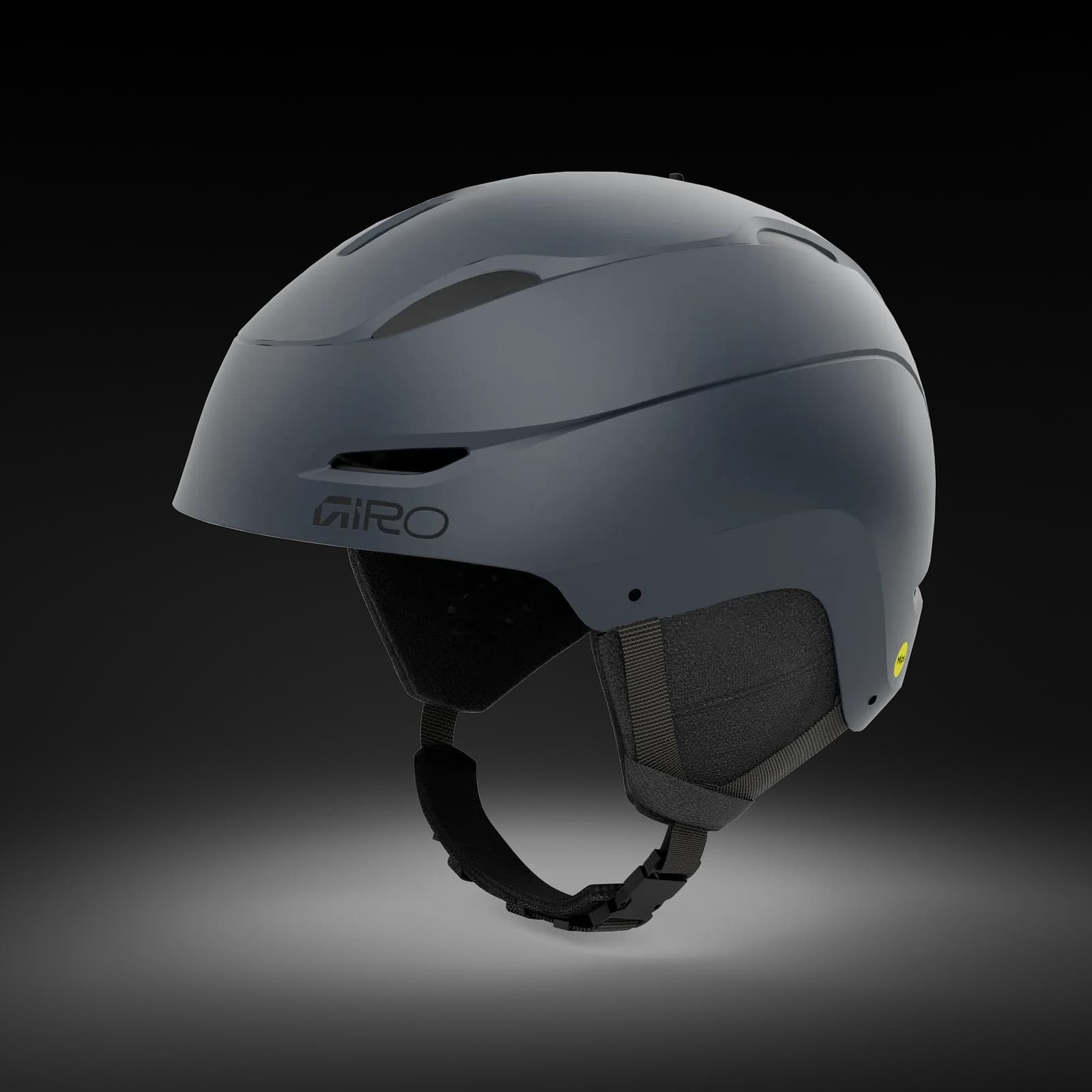
“Giro's Spherical MIPS uses two foam layers that rotate independently, redirecting rotational energy in any crash angle. The magnetic Fidlock buckle is genuinely useful with gloves on — once you try it, regular buckles feel archaic.”
13% STABLE

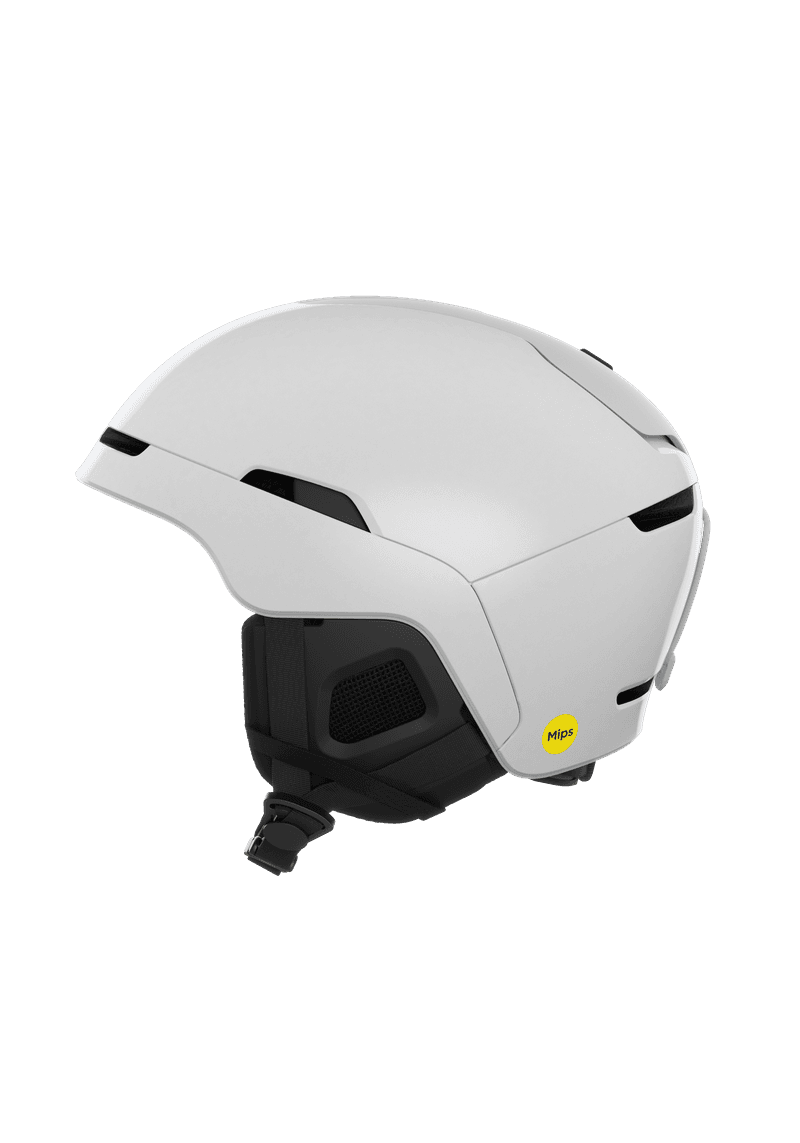
“POC's Scandinavian safety heritage shows in the Obex's multi-impact EPP liner that maintains protection after minor bumps. The clean, minimal aesthetic and goggle-compatible brim make it a favorite among design-conscious skiers.”
11% STABLE

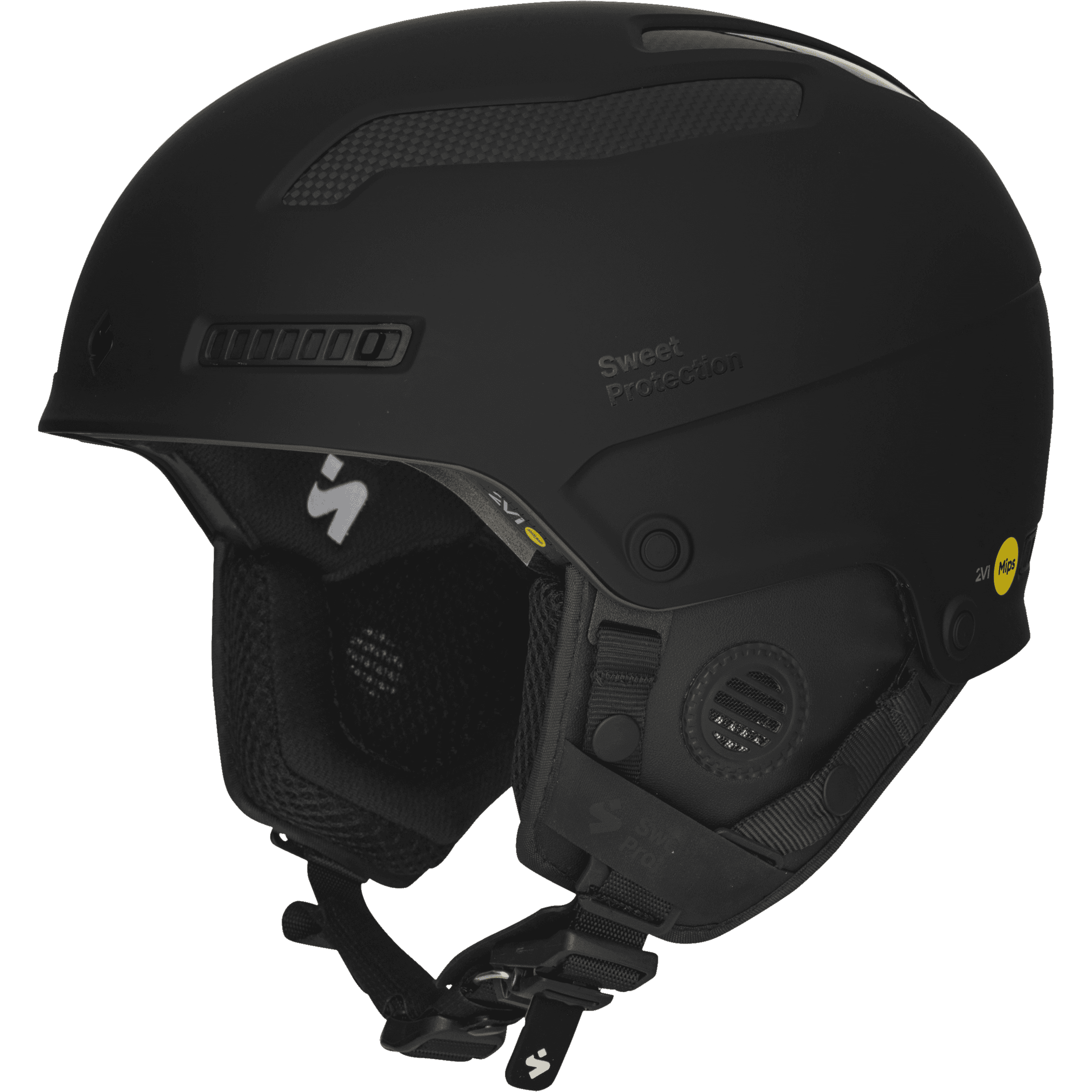
“Sweet Protection's 2Vi technology combines an outer Varioshell with an inner EPS/Vinylnitrile dual layer for progressive energy absorption. The Trooper is overbuilt by design — it's the helmet backcountry skiers trust when help is hours away.”
10% STABLE

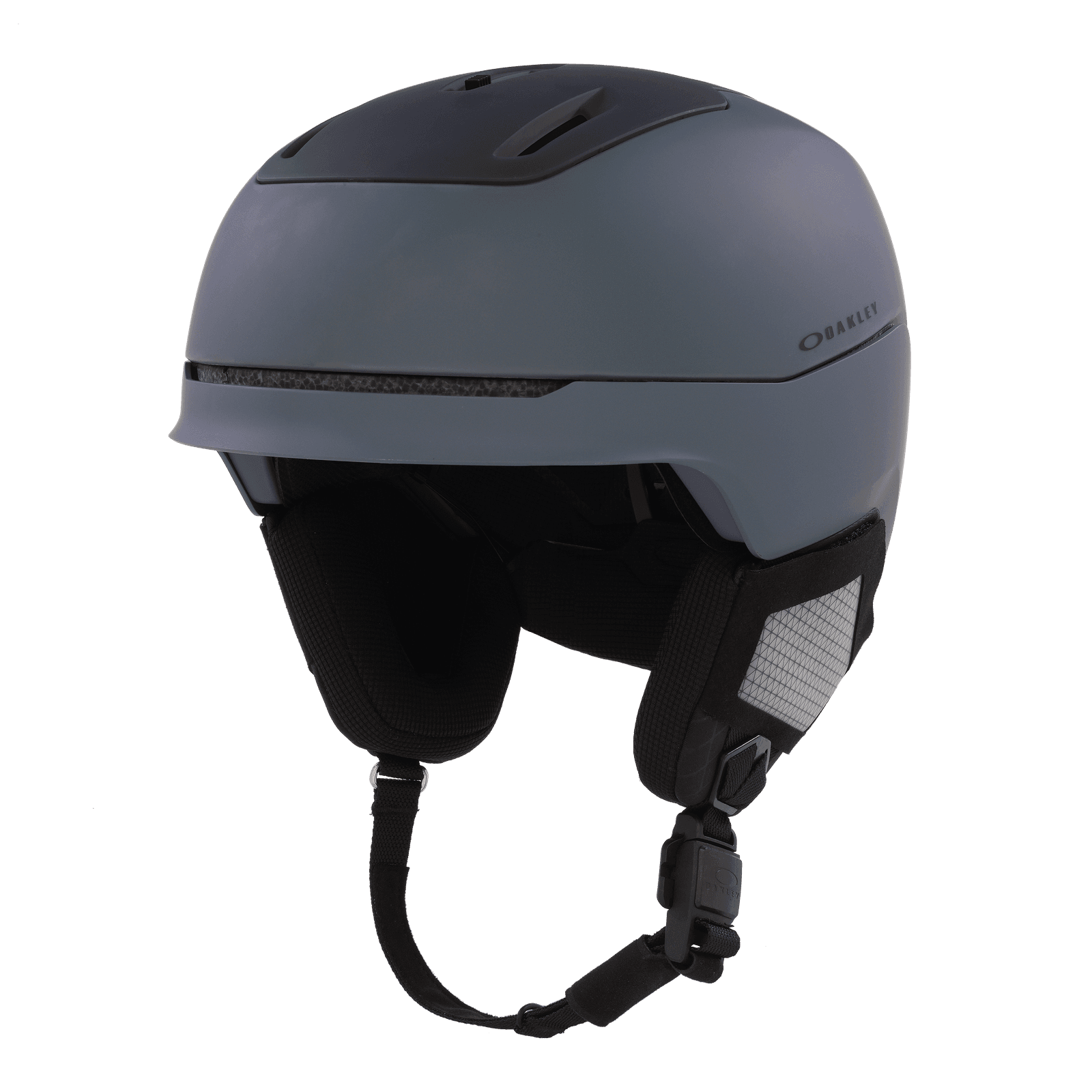
“Oakley's BOA 360 fit system wraps the entire head evenly, eliminating pressure points that plague traditional dial-fit helmets. Modular brim design accepts all Oakley goggle lines for a seamless, gap-free goggle-to-helmet interface.”
10% STABLE

“The Level delivers Smith's Koroyd impact technology at $80 less than the Vantage, sacrificing only a few vents and the hybrid shell construction. For resort skiers who want premium protection without the premium price, it's the smart pick.”
12% STABLE

“Giro's most affordable MIPS helmet doesn't cut corners on safety — the same rotational impact protection as models twice the price. The in-mold construction keeps weight under 400g, and the stack ventilation works better than it has any right to.”
9% STABLE
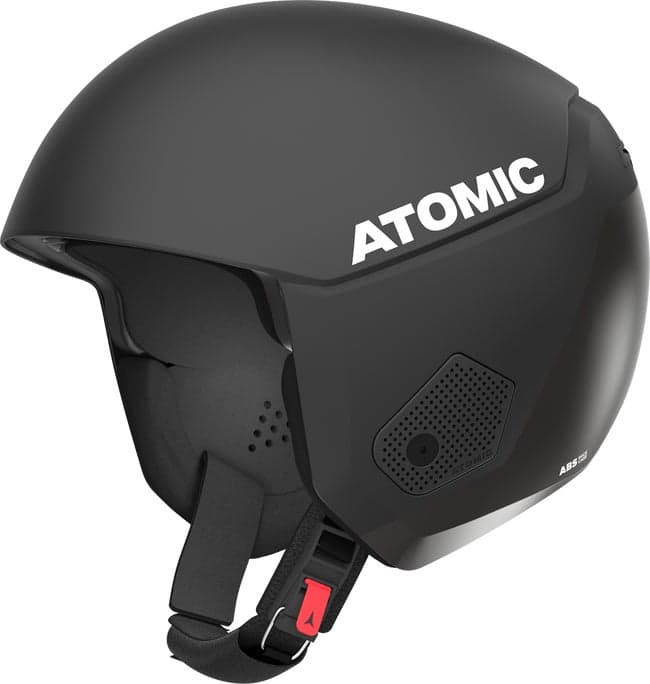
“Atomic's AMID dual-shell construction sandwiches a polycarbonate layer between two EPS densities for progressive energy management. The Redster CTD's racing-inspired profile sits low on the head for reduced drag and a locked-in feel at speed.”
8% STABLE

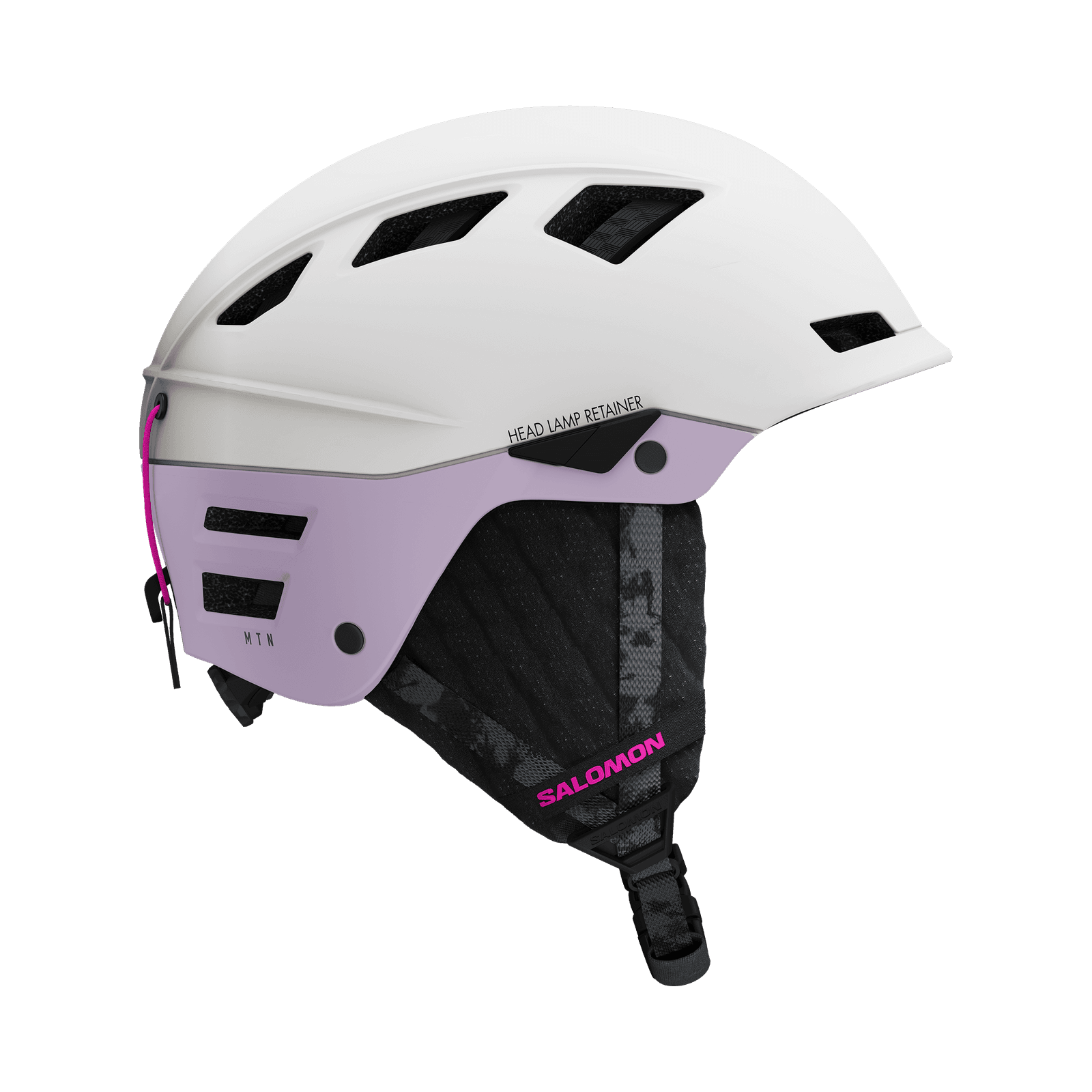
“Salomon's touring-specific helmet weighs just 350g with a removable ear pad system for uphill breathability. The EPS 4D liner and MIPS C2 system provide legitimate downhill protection without the bulk that makes skinning miserable.”
7% STABLE

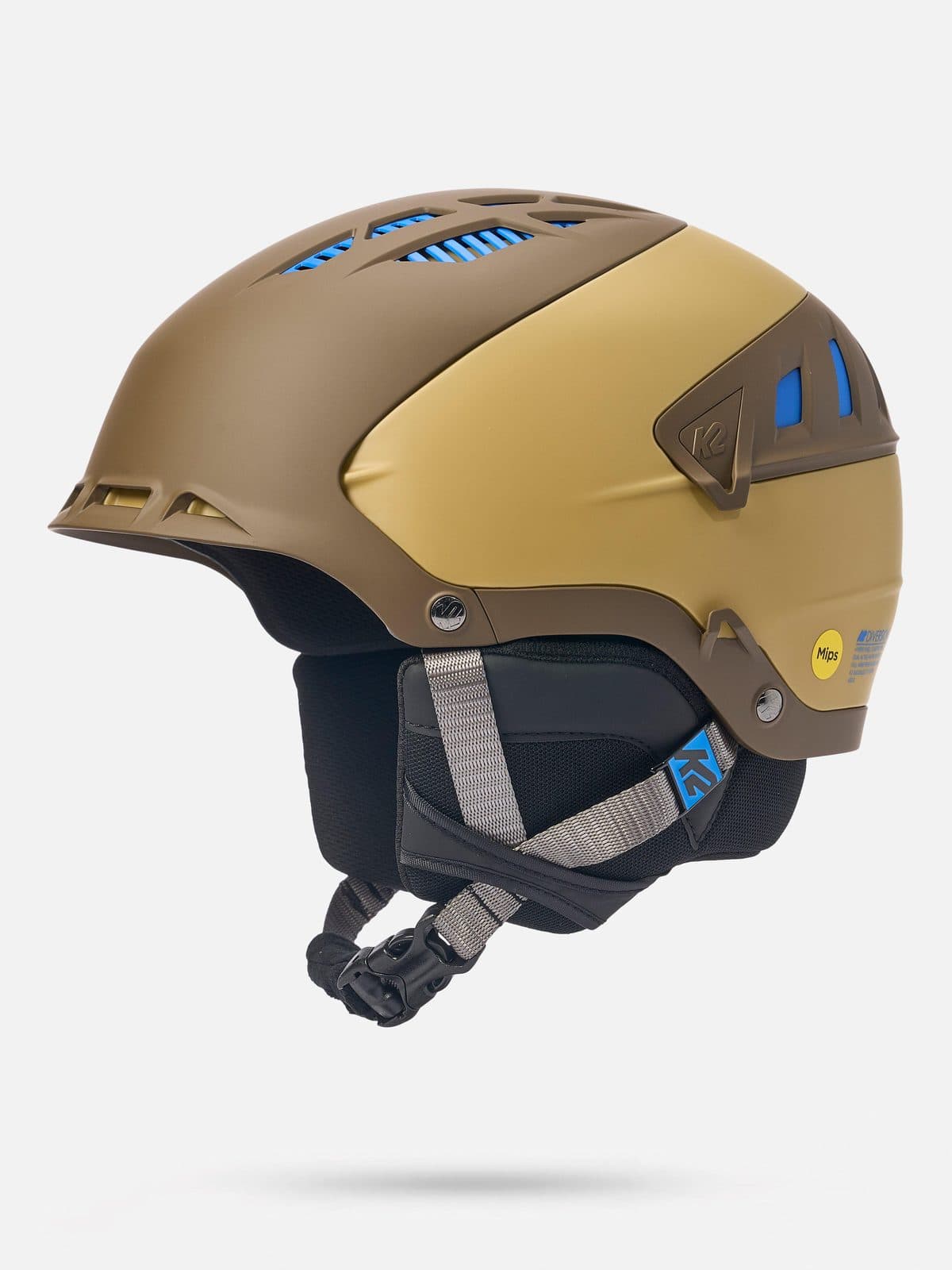
“K2's Baseline Audio system embeds removable speakers directly into the ear pads without compromising the MIPS liner function. At $130, the Diversion is the best budget MIPS helmet for riders who want tunes on the chairlift.”
6% STABLE
MIPS (Multi-directional Impact Protection System) adds a low-friction inner layer that lets the helmet rotate ~10-15mm against the skull on angled impacts — the kind of crashes that cause rotational brain injury. The research case for rotational-impact protection is now strong enough that every helmet on this list except the Atomic Redster CTD (a pure racing-profile pick where weight savings dominate) includes MIPS or an equivalent (Smith Vantage 2 uses Koroyd plus MIPS; POC uses SPIN; Sweet Protection uses 2Vi MIPS). For recreational skiing, the answer is yes — pay the $30-50 MIPS premium.
Replace after any impact that compressed the EPS foam — even with no visible damage, the foam's protective capacity is spent. Absent an impact, the working lifespan is 5-7 years: UV exposure, sweat, and storage temperature swings degrade both the shell and the foam. Most manufacturers (Smith, Giro, POC) explicitly recommend the 5-year mark. The Smith Vantage 2 MIPS at $300 amortizes to $50-60/year over its lifespan — cheap insurance for the head.
In-mold helmets (Smith Vantage 2, Giro Tenaya, Oakley MOD5) fuse the outer polycarbonate shell directly to the EPS foam liner during molding — lighter, better ventilated, and better looking, but less durable against scrapes and edge strikes. Hard-shell helmets (Smith Level, Giro Ratio) use a separate ABS shell glued or clipped to the foam — heavier and warmer but cheaper and more abuse-tolerant. Most current premium helmets are hybrid construction. For most skiers, the in-mold weight savings are worth the slight durability tradeoff.
Snug all the way around with no pressure points and no movement when you shake your head — if you can rock the helmet front-to-back or side-to-side, it's too big. The brow should sit two finger-widths above the eyebrows, with the goggle strap routing under (not over) the helmet's clips. Brands fit slightly differently: POC and Sweet Protection run narrow (European oval), Smith and Giro run rounder (American oval), Oakley runs intermediate. Try before you buy if possible — sizing charts only get you within 1-2 cm.
Helmets designed around specific goggle systems (Giro Tenaya with Vivid lenses, Oakley MOD5 with Flight Deck or Line Miner) eliminate the goggle-gap forehead-fog problem completely and look cleaner than any third-party pairing. The tradeoff: you're committed to the manufacturer's goggle lineup. If you already wear Oakleys or Giros, the integration premium ($50-100) pays back immediately. If you mix-and-match, a versatile non-integrated helmet like the Smith Vantage 2 makes more sense.
Rankings combine expert review aggregation with community voting. Each helmet receives a Gavler Score (out of 10) based on professional reviews from Outside, Switchback Travel, The Inertia, Powder Magazine, and Wirecutter evaluating impact protection (MIPS/Koroyd/SPIN), fit and adjustability, ventilation, weight, goggle integration, and value. Community members cast one vote per list, so rankings reflect both expert consensus and real-owner preference across Smith, Giro, POC, Sweet Protection, Oakley, Atomic, Salomon, and K2.
Think a product deserves a spot on this list? Submit a formal proposal with documented specs and the community will review it.